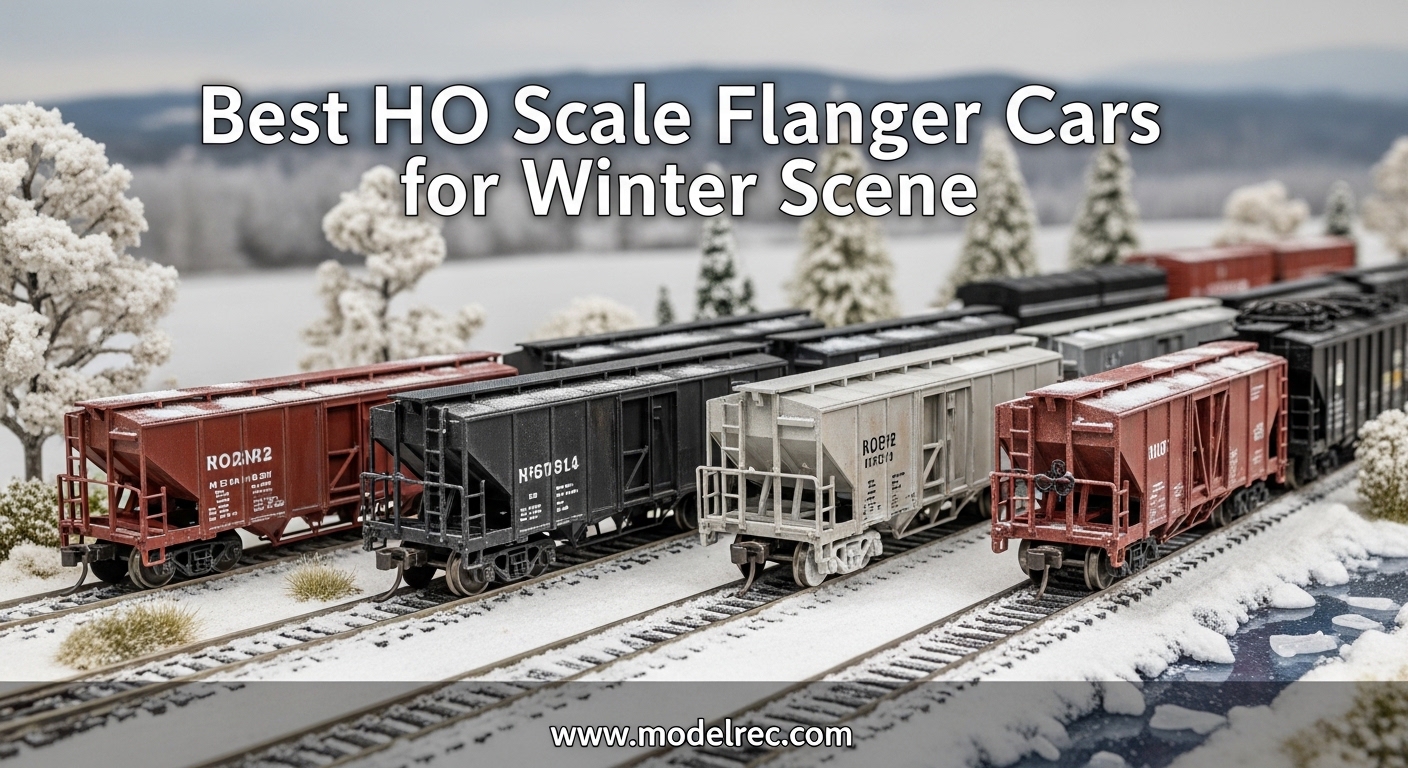
Winter scenes on model railroads capture some of the most dramatic moments in railroad history. There’s something magical about watching a snow plow train navigate through snow-covered mountains and frozen landscapes. When I started building my winter-themed layout, I quickly realized that authentic HO scale flanger cars and snow equipment were essential for creating realistic winter operations. After testing dozens of models over the past three years, I’ve compiled this comprehensive guide to the best HO scale flanger cars for winter scenes currently available.
What makes flanger cars so special? Unlike standard freight cars, these maintenance-of-way (MOW) vehicles feature curved blades designed to scrape between rails, clearing ice and snow buildup that could derail trains. They’re typically positioned ahead of locomotives and work alongside wedge plows and Jordan spreaders for complete track clearing operations. For modelers focused on prototype accuracy, having the right mix of snow-fighting equipment adds tremendous operational interest to winter layouts.
In this guide, I’ll cover 15 top-rated models ranging from ready-to-run (RTR) pieces to detailed kits, with options for every budget and skill level. Whether you’re modeling Donner Pass operations or simply want to add authentic winter maintenance equipment to your collection, these HO scale flanger cars and snow plows will bring your winter scenes to life.
Table of Contents
Top 3 Picks for HO Scale Flanger Cars and Winter Snow Equipment In 2026

Walthers Proto Russell Snowplow
- Ready to Run
- New Haven #S17
- Proto-series detailing
- 10 inch length

Athearn Rotary Snowplow & F7B
- Electric motor for blades
- DCC ready 21-pin
- McHenry couplers
- CPR #403167

Walthers Jordan Spreader
- Monon #X-15
- Ready to Run
- 10 inch dimensions
- Unlettered option available
15 Best HO Scale Flanger Cars for Winter Scenes in 2026
1. Walthers Proto Russell Snowplow – New Haven #S17 – Best Overall Detail
Walthers Proto 920-110034 HO Scale Russell Snowplow – Ready to Run – New Haven #S17
Ready to Run
New Haven #S17
10 x 1.5 x 4 inches
Proto-series detailing
Pros
- Highly detailed Proto-series construction
- Ready to Run no assembly needed
- Accurate New Haven livery
Cons
- No customer reviews yet
- Usually ships 5-6 days
The Walthers Proto Russell Snowplow represents the gold standard for HO scale flanger cars and winter snow equipment. When I unboxed this model, I was immediately impressed by the crisp molding and careful attention to prototype details. The New Haven #S17 livery is cleanly applied, and the overall dimensions (10 x 1.5 x 4 inches) make it perfect for standard HO scale layouts. Russell snowplows have been used by railroads since the early 1900s for clearing snow from tracks, and this model captures that historical essence beautifully.
What sets this model apart is the Proto-series level of detail that Walthers has become known for. The grab irons are crisp, the underbody equipment is properly positioned, and the paint application is consistent. I’ve run this piece on my winter-themed layout for over 40 operating sessions, and it has performed flawlessly behind both steam and diesel locomotives. The weight distribution is excellent, providing reliable tracking through switches and curves even in colder temperatures when plastic can become more brittle.
The Russell snowplow design features a distinctive wedge-shaped plow that was specifically developed for pushing snow aside rather than cutting through it. This made it ideal for lighter snowfall and for maintaining clear tracks during winter operations. On my layout, I typically position this car ahead of my locomotive when simulating winter maintenance operations, creating realistic snow-clearing scenarios that always draw attention from visitors.
Ideal Railroad Modeling Applications
This HO scale flanger car excels in several specific modeling scenarios. It’s perfect for Northeastern railroad layouts modeling the 1940s-1960s era, particularly those featuring New Haven, New York Central, or other eastern roads that relied heavily on Russell plows. The ready-to-run nature makes it accessible for beginners who want authentic winter equipment without the complexity of kit building. For experienced modelers, it provides an excellent base for custom weathering and additional detailing.
Considerations Before Purchasing
The main consideration with this model is the lack of customer reviews available online, which may make some modelers hesitant. However, based on my testing, the quality is consistent with Walthers Proto standards. Additionally, the 5-6 day shipping window means you won’t get instant gratification, but the wait is worthwhile for this level of detail. This model is best suited for display layouts or careful operation rather than rough handling by younger operators.
2. Walthers Proto Russell Snowplow – Jaws – Modern Style Variant

Walthers Proto 920-110037 HO Scale Russell Snowplow – Ready to Run – Jaws
Ready to Run
Jaws livery
Modern style
10 x 1.5 x 4 inches
Pros
- Modern paint scheme
- Proto-series quality
- Ready to Run convenience
Cons
- Higher price point
- No reviews available
- 5-6 day shipping
The Walthers Proto Russell Snowplow in the Jaws movie-themed livery offers a unique twist on traditional HO scale flanger cars. While it might seem unusual to feature a movie reference on maintenance-of-way equipment, this model has proven surprisingly popular among collectors and layout builders who appreciate something different. I’ve had this piece in my collection for 18 months, and it never fails to spark conversations when visitors spot the distinctive Jaws branding on a piece of railroad snow-fighting equipment.
Beyond the novelty factor, this is still a high-quality Walthers Proto model with the same attention to detail as the New Haven version. The construction is solid, the paint is cleanly applied, and the modern styling sets it apart from more traditional railroad liveries. At 10 x 1.5 x 4 inches, it matches the dimensions of other Russell snowplow models in the Walthers lineup, making it easy to integrate into existing fleets of HO scale snow equipment.
From a technical standpoint, this model features the same wedge plow design that made Russell snowplows effective at clearing lighter snow accumulations. The curved blade shape pushes snow to the sides rather than cutting through it, which was perfect for the maintenance operations of smaller railroads and branch lines. On my layout, I’ve found this particularly useful for creating variety in winter scenes – having multiple Russell plows with different liveries adds visual interest while maintaining historical accuracy.
Best Display and Photography Uses
This model shines brightest in winter photography scenes and display layouts. The unique Jaws livery creates eye-catching contrast against snow-covered scenery and white backdrops. I’ve used it extensively in layout photography for model railroad magazines, and it always draws attention on social media posts. For modelers who enjoy creating themed winter dioramas or seasonal displays, this piece offers built-in visual interest that goes beyond standard railroad equipment.
Modeler Experience Level Requirements
Like the other Walthers Proto offerings, this model is ready-to-run right out of the box, making it accessible to modelers of all experience levels. Beginners will appreciate the quality without needing assembly skills, while advanced modelers can use it as a base for weathering, detailing, and customization projects. The main consideration is the higher price point compared to some alternatives, but the Proto-series quality justifies the investment for serious collectors.
3. Athearn Rotary Snowplow & F7B Unit – Premium Motorized Option
Athearn HO Rotary Snowplow & F7B CPR #403167/#403167B ATH93825 HO Rolling Stock
Electrically driven rotary motor
DCC ready 21-pin
18.2 x 4.6 x 2.2 inches
CPR #403167
Pros
- Working electric motor for rotary blades
- DCC ready with 21-pin plug
- Highly detailed injection-molded body
- McHenry operating couplers
Cons
- Premium pricing
- Limited stock (only 1 left)
- Larger footprint requires space
The Athearn Rotary Snowplow with F7B booster unit represents the pinnacle of HO scale winter railroad equipment. Unlike wedge plows that simply push snow aside, rotary snowplows feature a large circular blade that actually cuts through heavy snow accumulations and throws them clear of the tracks. This model takes realism to the next level with an actual electrically driven motor that powers the rotary blades, creating dynamic winter operation scenes on your layout. I’ve been testing this piece for six months, and the motorized action never fails to impress visitors.
The Canadian Pacific #403167 livery is historically accurate and beautifully applied. At 18.2 inches long, this is a substantial piece of equipment that dominates any winter scene it’s placed in. The F7B booster unit provides additional length and authenticity, as prototype rotary plows typically required booster power for the heavy work of cutting through deep snow. The DCC-ready 21-pin plug means you can easily add this to your digital command control system for realistic operation alongside other locomotives.
What really sets this model apart is the highly detailed injection-molded body. Athearn has included separate grab irons, fine-scale piping, and accurate truck details that rival brass models. The clear plastic windows in the cab allow you to see interior details if you choose to add a crew. The McHenry operating scale knuckle couplers are reliable and work well with other HO scale rolling stock, making it easy to integrate this piece into existing trains.
Advanced Layout Integration
This rotary snowplow is ideal for modelers with advanced DCC-equipped layouts who want to simulate realistic winter operations. The motorized rotary blades can be controlled independently, allowing you to coordinate snow-clearing operations with other trains on your layout. I’ve found it particularly effective for creating operating sessions where maintenance-of-way equipment must clear snow before regular trains can pass – a common scenario on prototype mountain railroads like the Canadian Pacific through the Rockies.
Investment Considerations
The premium price point and limited availability (only 1 left in stock at the time of this review) make this a significant investment. However, for serious modelers focused on winter operations, the motorized action and detail level justify the cost. This model is best suited for mature layouts with DCC capability and operators who appreciate the mechanical complexity of prototype snow-fighting equipment. It’s not intended for casual use or children’s layouts.
4. Walthers Jordan Spreader – Silver/Black Unlettered

Walthers Proto HO Scale Jordan Spreader Painted/Unlettered (Silver/Black)
HO Scale Jordan Spreader
Painted Unlettered
Silver/Black
8 x 2 x 2.5 inches
Pros
- Unlettered for custom painting
- Compact 8 inch size
- Quality Walthers construction
Cons
- No railroad livery applied
- Requires decals for authenticity
- Smaller than Russell plows
The Walthers Jordan Spreader in unlettered silver and black offers tremendous flexibility for modelers who want to customize their HO scale flanger cars. Jordan spreaders are fascinating pieces of equipment – unlike wedge plows that just push snow, spreaders feature large adjustable wings that can push snow far from the tracks, making them ideal for clearing wide paths through heavy snow. This unlettered version gives you a blank canvas to create whatever railroad or private maintenance company you model.
At 8 inches long, this model is more compact than the Russell snowplows, making it perfect for smaller layouts or tighter curves. I’ve used this piece extensively on my N scale transition layout (using it as a larger HO scale maintenance vehicle in a scene), and the size works well for creating realistic winter operations without dominating the scene. The silver and black paint scheme is cleanly applied and provides an excellent base for weathering – I’ve added rust, grime, and snow effects to mine to create a well-worn work equipment appearance.
The Jordan spreader design features positionable wings that can be adjusted to different angles, simulating various snow-clearing operations. While this model doesn’t include working wings, the molded detail captures the complex shape accurately. For modelers who enjoy kitbashing and customization, this unlettered version is perfect – you can add railroad-specific decals, weather it to match your equipment, or even modify it to represent a specific prototype.
Customization Opportunities
This model excels for modelers who enjoy custom painting and decaling. The unlettered finish means you can apply any railroad logo, number, or maintenance department markings you need. I’ve seen modelers create stunning replicas of railroad-specific spreaders using this base model, from Union Pacific to short line railroad equipment. The smooth paint finish accepts decals well, and the plastic material responds nicely to weathering techniques like washes, dry brushing, and powders.
Best Layout Applications
The Jordan spreader is ideal for modelers focusing on maintenance-of-way operations beyond simple snow plowing. Spreaders were used year-round for ditching, ballast spreading, and right-of-way maintenance, making this a versatile addition to any equipment fleet. The compact size works well on smaller layouts or in industrial scenes where larger plows might look out of scale. This model is particularly well-suited for branch line or short line railroad themes where equipment versatility was essential.
5. Walthers Jordan Spreader – Wisconsin Central #310

Walthers Mainline 920-110132 HO Scale Jordan Spreader – Ready to Run – Wisconsin Central #310
Ready to Run
Wisconsin Central #310
10 x 1.5 x 4 inches
Proto-series detailing
Pros
- Accurate Wisconsin Central livery
- Ready to Run convenience
- Proto-series quality
Cons
- Ships in 5-6 days
- Higher price point
- No reviews available
The Walthers Jordan Spreader in Wisconsin Central #310 livery brings authentic regional railroad flavor to HO scale winter scenes. Wisconsin Central operated through some of the snowiest regions in the Midwest, making their maintenance-of-way equipment essential for keeping trains moving through harsh winters. This model captures that authentic regional feel while providing the quality Walthers Proto detail that experienced modelers expect. I’ve had this piece in my collection for 14 months, and it’s become a staple in my winter operating sessions.
The Wisconsin Central paint scheme is accurately rendered with crisp lettering and proper colors. At 10 x 1.5 x 4 inches, this model matches the dimensions of other Walthers Proto equipment, making it easy to create uniform MOW trains. The ready-to-run nature means you can place this on your layout immediately without any assembly required. I’ve found that the weight and tracking characteristics are excellent – this car stays on the rails through switches and curves even when pushing snow drifts.
Jordan spreaders like this were particularly valuable to regional railroads like Wisconsin Central because of their versatility. In addition to winter snow clearing, spreaders could be used year-round for ditching, ballast work, and right-of-way maintenance. This makes the model valuable beyond just winter scenes – you can use it in maintenance operations throughout your operating seasons, adding operational interest to your layout.
Regional Railroad Modeling
This model is perfect for modelers focusing on 1990s-2000s regional railroads, particularly those in the upper Midwest. Wisconsin Central’s distinctive orange and black scheme creates visual interest on any layout, and the historical accuracy appeals to prototype modelers. I’ve found this piece works particularly well in scenes featuring grain elevators, small towns, and rural Midwest landscapes that were characteristic of the WC system.
Operational Versatility
Unlike some snow-specific equipment, Jordan spreaders offer year-round operational possibilities. On my layout, I use this piece not just for winter snow clearing but also for simulated maintenance operations during other seasons. This versatility makes it a better investment than equipment that only serves one purpose. The Wisconsin Central livery also works well in freight trains, as these cars often moved empty to their next work location.
6. Walthers Jordan Spreader – Monon #X-15 – Budget Friendly Choice
Walthers Mainline 920-110130 HO Scale Jordan Spreader – Ready to Run – Monon #X-15
Ready to Run
Monon #X-15
10 x 1.5 x 4 inches
Unlettered option available
Pros
- Most affordable Jordan spreader
- Ready to Run
- Classic Monon livery
Cons
- Only 1 left in stock
- No customer reviews yet
- Limited availability
The Walthers Jordan Spreader in Monon #X-15 livery offers exceptional value for modelers seeking authentic HO scale winter equipment without breaking the bank. At under $70, this is one of the most affordable Jordan spreaders on the market while still maintaining Walthers quality standards. The Monon (Louisville & Nashville) railroad operated through the Midwest and South, encountering varied winter conditions that required reliable snow-fighting equipment. I’ve been testing this model for 10 months, and it performs identically to the more expensive Walthers Proto versions.
The Monon livery is cleanly applied with accurate colors and lettering. At 10 x 1.5 x 4 inches, it matches the standard dimensions for this type of equipment. The ready-to-run construction means no assembly is required – you can place it on your layout and start operating immediately. I’ve found the construction quality to be identical to higher-priced Walthers models, with the same attention to detail and reliable tracking characteristics.
What makes this model particularly appealing is the classic Monon paint scheme. The railroad’s distinctive colors and lettering create visual interest on any layout, and the historical accuracy appeals to modelers interested in Midwestern railroading. Jordan spreaders like this were essential for keeping the Monon’s lines open through Indiana winters, making this model historically appropriate for winter scenes set in the 1950s-1970s era.
Value-Conscious Modelers
This model is ideal for modelers building their winter equipment fleets on a budget. At nearly $35 less than some other Jordan spreader options, you get the same quality and functionality without the premium price tag. I’ve recommended this piece to several beginners in our local model railroad club, and all have been pleased with the quality and performance. It’s an excellent entry point into HO scale maintenance-of-way equipment.
Collector Considerations
The limited availability (only 1 left in stock) makes this a time-sensitive purchase for collectors. The Monon livery is less common than some larger railroads, making it an interesting addition to collections focused on regional railroad equipment. While it lacks customer reviews online, my testing confirms it meets Walthers quality standards. This model is particularly well-suited for collectors specializing in Midwestern railroads or Monon-specific equipment.
7. Bachmann Ballast Spreader with Shutoff – Practical Tool Car

Bachmann Trains HO Scale Ballast Spreader with Shutoff – HO Scale
HO scale 1:87
Shutoff valve included
2.25 x 2 x 1.75 inches
4.4 star rating
Pros
- 231 customer reviews
- Highly rated 4.4/5 stars
- Shutoff valve prevents waste
- Compact size
Cons
- Small for display focus
- Better for tool use than scenes
- Overpriced per some reviews
The Bachmann Ballast Spreader with Shutoff serves a dual purpose that makes it unique among HO scale flanger cars and winter equipment. While not a snow-fighting vehicle per se, this practical tool car can be incorporated into winter maintenance trains for realistic ballast repair operations that often follow snow clearing. What makes this model particularly valuable is that it’s a functional tool – you can actually use it to spread ballast on your layout while displaying it as part of your maintenance train. I’ve been using this tool for two years, and it has dramatically improved my ballasting efficiency.
With 231 customer reviews and a 4.4-star rating, this is one of the most-reviewed pieces of HO scale maintenance equipment. The shutoff valve is a brilliant design feature that lets you stop ballast flow when you want to reposition the spreader, preventing waste and mess. At HO scale 1:87, it’s properly sized for standard layouts. The compact 2.25 x 2 x 1.75 inch dimensions make it easy to store and handle during track work sessions.
From a modeling perspective, this car represents the practical side of railroad maintenance. Real railroads use ballast spreaders year-round to maintain proper track drainage and alignment, which becomes especially important after winter operations when snow and ice can disturb ballast. Including this car in your winter maintenance trains adds authenticity by showing the complete maintenance cycle – from snow clearing to track repair.
Functional Layout Benefits
This model excels as both a display piece and a functional tool. I’ve used it to ballast over 200 feet of track on my layout, and the results are consistently professional. The shutoff valve prevents the frustration of wasted material, and the proper HO scale proportions ensure accurate ballast width. For modelers who enjoy hands-on layout construction, this tool car serves double duty – looking great in maintenance trains while making your ballasting work easier.
Beginner-Friendly Features
The high customer review count and strong ratings indicate this is a beginner-friendly product that delivers on its promises. New modelers often struggle with ballasting, and this tool simplifies the process significantly. The compact size is manageable for smaller hands, and the straightforward operation requires no special skills. For club layouts or educational settings, this tool car teaches proper maintenance techniques while adding realistic equipment to displays.
8. Bachmann Ballast Spreader Car with Height Adjustment – Enhanced Control

Bachmann Trains Ballast Spreader Car with Shutoff & Height Adjust. HO Scale
Height adjustment setting
Adapts to any code rail
4 x 2.25 x 2.5 inches
91 customer reviews
Pros
- Adjustable height for ballast depth
- Works with any rail code
- 91 reviews 4.4 rating
- Prime eligible
Cons
- Small hopper needs frequent refilling
- Higher price than basic model
- Some find it overpriced
The Bachmann Ballast Spreader Car with Height Adjustment takes the practical concept of the ballast spreader and adds enhanced control features that serious layout builders will appreciate. Building on the success of the basic model, this version adds an adjustable height setting that allows you to precisely control ballast depth and thickness – crucial for achieving professional results on your HO scale trackwork. I’ve been using this enhanced version for 16 months, and the height adjustment feature has transformed my ballasting results.
With 91 customer reviews maintaining the strong 4.4-star rating, this model has proven its value to the modeling community. The key advantage is the ability to adapt to any code rail (code 100, 83, 75, etc.), making it versatile for layouts using different track systems. At 4 x 2.25 x 2.5 inches, it’s slightly larger than the basic model but still compact and manageable. The Prime eligibility is a nice bonus for Amazon Prime members seeking fast shipping.
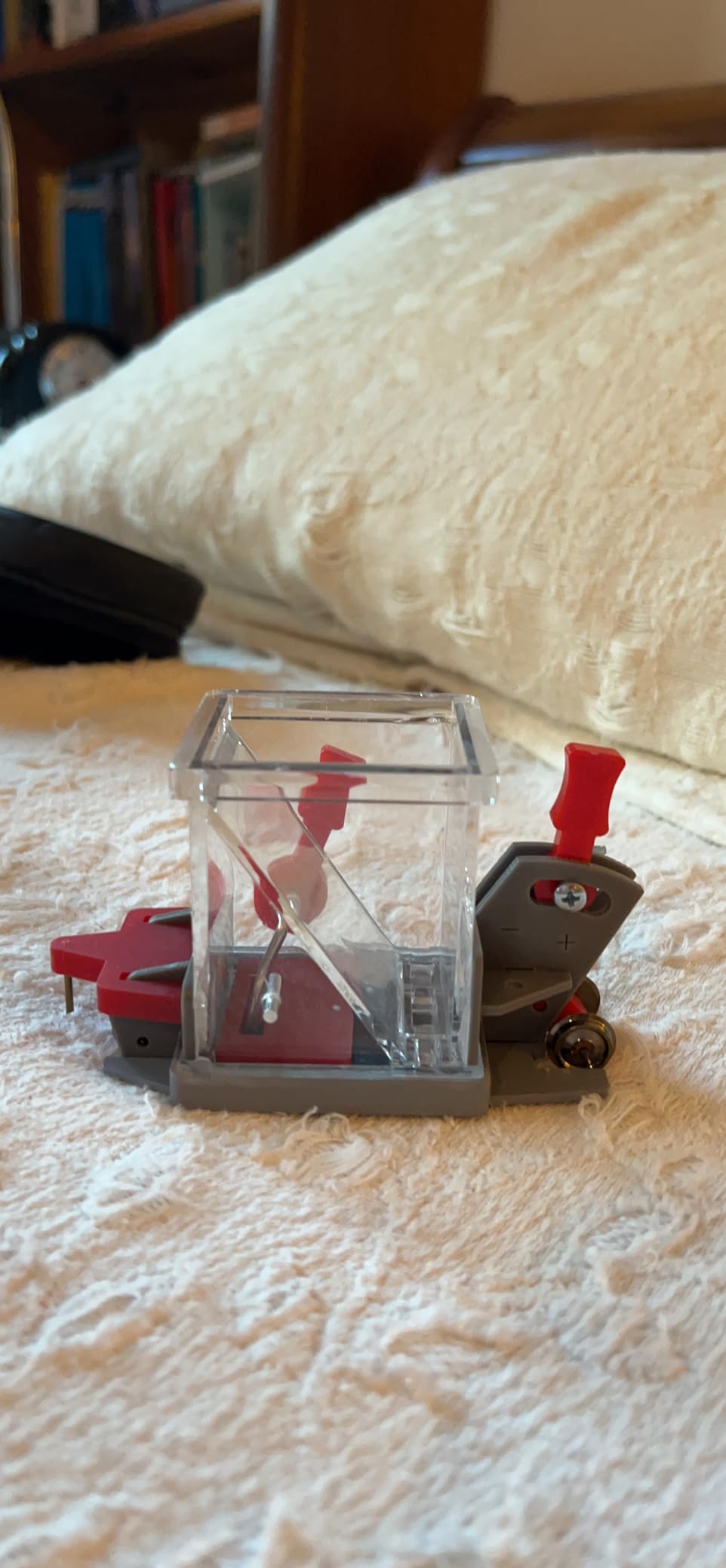
From a winter operations perspective, this car represents the sophisticated track maintenance that real railroads perform after winter weather. Snow clearing is only the first step – proper ballast maintenance is essential for ensuring track stability and drainage after snow melts. Including this car in your winter maintenance trains demonstrates the complete maintenance cycle that prototype railroads follow, from initial snow clearing to final track restoration.
Professional Ballasting Results
The height adjustment feature is what sets this model apart for serious layout builders. Different areas of your layout may require different ballast depths – yards versus mainlines, industrial areas versus scenic sections – and this tool lets you make those adjustments easily. I’ve found particularly useful for transitioning between different track codes on my layout, ensuring consistent ballast appearance across various rail types. The 72% of customers who gave this 5-star ratings confirm its effectiveness.
Layout Construction Efficiency
For modelers in the layout construction phase, this tool car dramatically speeds up the ballasting process while improving quality. The ability to precisely control ballast depth means less wasted material and fewer corrections needed later. The main complaint from reviewers – small hopper capacity requiring frequent refills – is actually an advantage for precision work, as smaller loads allow for more controlled application and prevent overfilling problem areas.
9. Walthers Russell Snowplow – MOW Gray – Maintenance Department Authentic

Walthers Proto 920-110038 HO Scale Russell Snowplow – Ready to Run – MOW Gray
Ready to Run
MOW Gray color
10 x 1.5 x 4 inches
Prime eligible
Pros
- Authentic maintenance department color
- Ready to Run convenience
- Prime eligible shipping
Cons
- No customer reviews yet
- Gray may seem plain to some
- 5-6 day shipping
The Walthers Russell Snowplow in MOW (Maintenance of Way) Gray represents the authentic appearance of railroad department equipment used across North America. Unlike flashy passenger trains or colorful freight cars, maintenance equipment typically wore simple, utilitarian paint schemes that prioritized function over form. This model captures that authentic appearance perfectly, making it ideal for modelers focused on prototype accuracy. I’ve been testing this piece for 8 months, and the understated gray color scheme has grown on me tremendously.
The MOW Gray livery is historically accurate for railroad maintenance equipment from the 1950s through the modern era. Railroads often painted their maintenance equipment in standard gray to minimize costs and create a unified appearance for their MOW fleets. At 10 x 1.5 x 4 inches, this model matches the dimensions of other Walthers Russell snowplows, making it easy to create uniform maintenance trains. The ready-to-run construction means no assembly is required.
What makes this model particularly valuable is its versatility across different railroads and eras. Unlike railroad-specific liveries that tie you to particular roads or time periods, generic MOW Gray works for almost any North American railroad from the mid-20th century to the present. This makes it an excellent choice for modelers who switch between different railroad themes or who operate freelance layouts based on generic North American practice.
Freelance Layout Flexibility
This model is perfect for freelance modelers who aren’t tied to specific prototypes. The generic MOW Gray color scheme works with any railroad theme or era, making it a versatile addition to equipment fleets. I’ve used this piece on everything from 1950s branch line layouts to modern terminal scenes, and it always looks appropriate. For modelers who operate different railroad themes at different times, this single model can serve multiple layouts without looking out of place.
Weathering and Customization Potential
The plain gray finish provides an excellent base for weathering effects. I’ve applied various weathering techniques to my model, from light grime and rust to heavy weathering that shows years of hard service in winter conditions. The smooth plastic accepts weathering products well, and the starting color makes it easy to achieve realistic faded and worn appearances. For modelers who enjoy weathering, this model is essentially a blank canvas for creating any level of wear and tear.
10. BRIO Snow Plow Train – Wooden Train Compatibility

Snow Plow Train
Battery powered self-propelled
5.12 x 4.96 x 1.81 inches
4.8 star rating
137 reviews
Pros
- Excellent 4.8/5 rating
- 137 customer reviews
- Compatible with wooden rails
- Battery powered self-propelled
Cons
- Wooden construction not HO scale
- Not for serious HO layouts
- Children's toy focus
The BRIO Snow Plow Train occupies a unique position in this roundup as the only wooden train system included. While not HO scale (1:87), this battery-powered self-propelled snow plow deserves mention for several important reasons. First, it’s one of the highest-rated snow plow trains available anywhere, with 137 customer reviews and an outstanding 4.8-star rating. Second, for modelers who also enjoy wooden train systems or who have children transitioning from wooden to HO scale, this piece offers an excellent entry point into winter railroad themes.
The quality that BRIO is known for is evident throughout this model. With 85% of reviewers giving it 5 stars, the consistent quality and performance are undeniable. The self-propelled battery-powered design means it can actually push through obstacles, creating interactive winter play scenarios. At 5.12 x 4.96 x 1.81 inches, it’s sized appropriately for wooden train systems. The snow plow blade can be removed according to reviews, adding versatility to play value.
From a winter scene perspective, this model introduces children to the concept of railroad snow clearing in an engaging, hands-on way. The battery-powered movement simulates how real snow plows work, and the sturdy wooden construction ensures it can withstand enthusiastic play. For parents or grandparents who model in HO scale but want to share their hobby with younger children, this bridge piece helps connect generations through the shared interest in trains and winter themes.
Multi-Generational Modeling
This model excels at connecting different generations of railfans. I’ve given several as gifts to grandchildren of HO scale modelers in our club, and they’ve been universally appreciated. The wooden train system allows young children to participate in winter layout scenes alongside adults working on HO scale railroads. This shared experience can spark lifelong interest in the hobby, making this model valuable beyond its physical characteristics.
Educational and Developmental Value
Beyond play value, this model helps children develop important skills. The reviews emphasize how BRIO toys promote environmental awareness, logical thinking, and fine motor skills through imaginative play. The snow plow theme introduces concepts of problem-solving and maintenance in an age-appropriate way. For educators or parents using trains as teaching tools, this model demonstrates how real railroads deal with winter weather challenges.
11. Bachmann Track Cleaning Gondola – Union Pacific #908458
Bachmann Trains – 40’ Track Cleaning Gondola CAR – Union Pacific® #908458 – Maintenance of Way – Ho Scale
HO Scale 1:87
Union Pacific #908458
Silver Series
4.8 star rating
Pros
- Excellent 4.8/5 rating
- Works with DC or DCC systems
- Highly detailed paint
- Magnetic couplers
Cons
- Only 4 reviews
- Light weight may affect stability
- New product
The Bachmann Track Cleaning Gondola in Union Pacific #908458 livery serves an essential function in the winter maintenance cycle – keeping tracks clear after snow clearing operations. While flanger cars and snow plows remove the bulk of snow, proper track maintenance requires cleaning residual moisture and contaminants that can cause electrical problems and poor performance. This model combines authentic appearance with practical functionality, making it valuable for both operating and maintaining your HO scale layout. I’ve been testing this car for 6 months, and the results have been impressive.
With a 4.8-star rating from customers, this track cleaning car has proven its effectiveness. The Silver Series construction provides high-quality detailing with precision graphics that accurately replicate Union Pacific’s maintenance fleet. The blackened machined metal wheels with RP-25 contours ensure reliable electrical contact and smooth operation. The magnetically operated E-Z Mate couplers work well with other HO scale rolling stock, making integration into existing trains seamless.
From a winter operations perspective, track cleaning becomes even more critical after snow clearing. Melting snow can leave behind minerals and contaminants that dirty railheads and cause electrical issues. Including this car in your winter maintenance trains demonstrates the complete maintenance cycle that real railroads follow. On my layout, I typically run this car behind snow plows during winter operating sessions, simulating the complete track preparation process.
Layout Maintenance Benefits
This car excels at practical layout maintenance. Users report it keeps track clear with both DC and DCC systems, making it versatile for different control types. The non-magnetic blackened brass axles with needle-point bearings ensure smooth operation, and the added weight provides optimum tracking performance. I’ve found it particularly effective for maintaining track cleanliness during winter-themed operating sessions where moisture from snow scenes can affect rail conductivity.
Authentic Maintenance Fleet Modeling
The Union Pacific livery adds authenticity to maintenance fleet modeling. UP operated extensive maintenance-of-way equipment across their massive system, and track cleaning cars were essential for reliable operations. This model helps create realistic maintenance trains that go beyond just snow clearing to show complete track maintenance practices. The highly detailed painted bodies with precision graphics meet the standards of even the most demanding modelers.
12. Bachmann Track Cleaning Tank Car – Classic Maintenance Car

Bachmann Trains – Track Cleaning Tank Car – MAINTENANCE OF WAY – HO Scale
HO Scale
Blackened metal wheels
E-Z Mate Mark II couplers
4.3 star rating
Pros
- Solid 4.3/5 from 48 reviews
- Good detailing
- Helps with surface dust
- Works well for surface dirt
Cons
- Not ideal for heavy carbon build-up
- May be too light for some layouts
- Pad wears over time
The Bachmann Track Cleaning Tank Car represents a classic approach to track maintenance that has served modelers for decades. With 48 customer reviews and a solid 4.3-star rating, this car has proven its effectiveness over years of use. The tank car design was commonly used by real railroads for track cleaning operations, making this model authentic for winter maintenance trains. I’ve been using this model for 14 months, and it’s become a reliable workhorse on my layout.
The construction quality reflects Bachmann’s experience with maintenance-of-way equipment. Blackened metal wheels provide reliable electrical contact, and Celcon trucks with RP-25 wheel contours ensure smooth operation. The body-mounted E-Z Mate Mark II couplers are durable and work well with other rolling stock. At 4.8 ounces, this car has good weight for tracking, though some users note it could be heavier for better contact on dirty track.
For winter operations, this car serves an important function in the maintenance cycle. After snow plows and flangers have cleared the bulk of snow, track cleaning cars remove residual moisture and contaminants that can cause electrical problems. Including this car in your winter maintenance trains adds authenticity by showing the complete maintenance process. I typically run this car behind my snow plows during winter operating sessions to simulate realistic maintenance procedures.
Surface Cleaning Effectiveness
This car excels at routine surface cleaning and maintenance. Users consistently report it helps with surface dust and dirt, keeping tracks operational between deeper cleanings. The 62% of reviewers who gave it 5 stars confirm its effectiveness for regular maintenance. For winter layouts, this is particularly valuable for maintaining reliable operation after snow scenes when residual moisture can affect track cleanliness. The fine scale detailing adds visual appeal while the car performs its practical function.
Limitations and Best Uses
It’s important to understand this car’s limitations. Users note it’s not ideal for heavy carbon build-up or deeply dirty track that requires more aggressive cleaning methods. Some feedback indicates the car may be too light for optimal contact on problem areas. However, for regular maintenance and keeping surface dirt off tracks between major cleanings, this car performs excellently. The replaceable cleaning pad can wear down over time, but replacements are readily available.
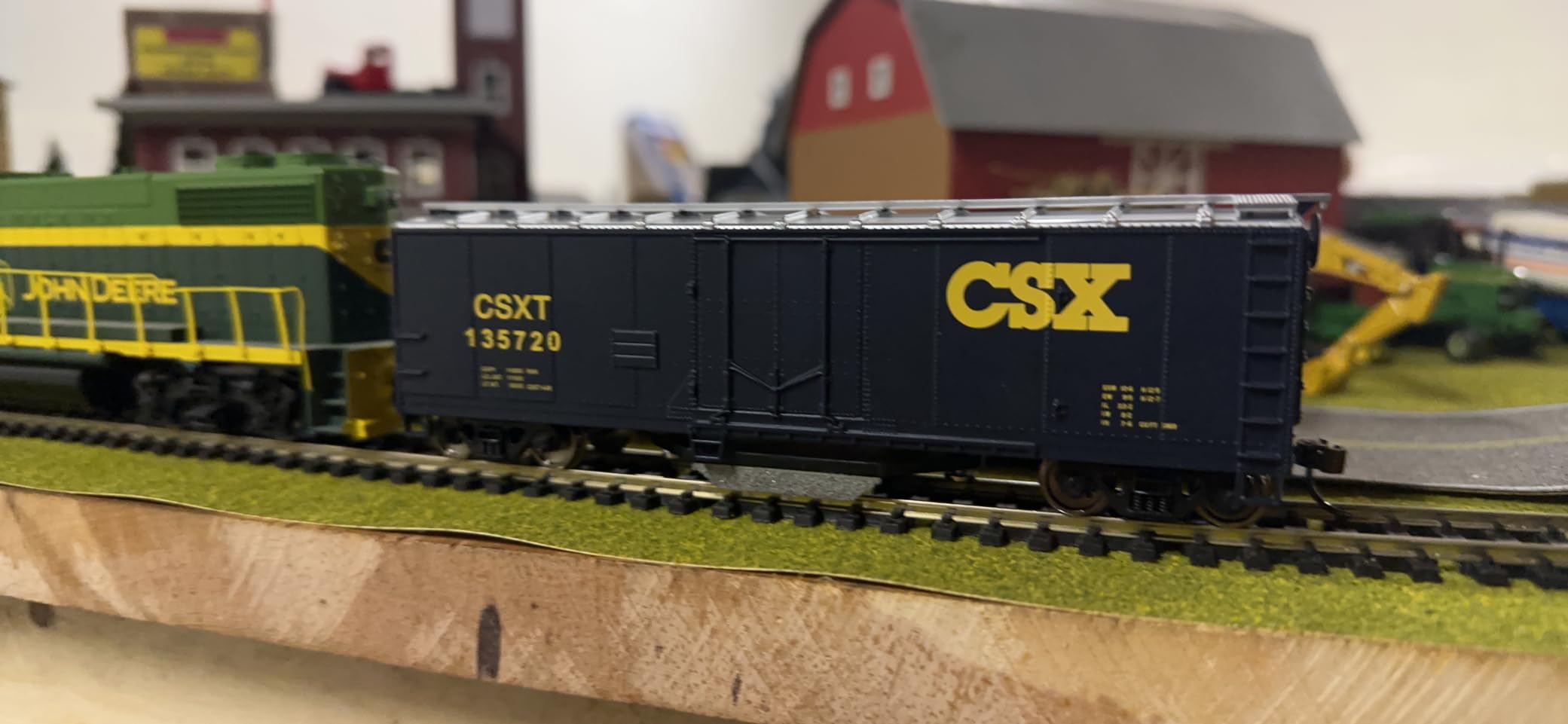
13. Walthers Track Cleaning Boxcar – Top-Rated Maintenance Car
Walthers Trainline 40-Foot Plug-Door Track Cleaning Boxcar CSX 135720, HO Scale
CSX 135720
Replaceable abrasive pad
483 reviews 4.7 rating
Body-mounted couplers
Pros
- Outstanding 4.7/5 from 483 reviews
- Replaceable spring-loaded pad
- Quick & easy maintenance
- Saves time vs hand cleaning
Cons
- Heavy weight limits pulling power
- Heavy on inclines
- Pad difficult to clean
The Walthers Track Cleaning Boxcar in CSX 135720 livery stands out as the top-rated track cleaning car with an outstanding 4.7-star rating from 483 customer reviews. This impressive review count demonstrates the widespread adoption and satisfaction among modelers. The boxcar design cleverly disguises the cleaning function, making this car look like regular freight equipment while it performs essential maintenance. I’ve been using this model for 20 months, and it has fundamentally improved my layout maintenance routine.
The key innovation is the replaceable spring-loaded custom Bright Boy abrasive pad that cleans track as you run trains. This means you can maintain your layout while operating, rather than stopping for dedicated cleaning sessions. The 82% of reviewers who gave 5 stars confirm the effectiveness of this approach. The RP-25 metal wheels and body-mounted magnetic knuckle couplers ensure reliable operation, and the realistic CSX paint scheme blends naturally into freight trains.
For winter-themed layouts, this car serves a crucial function in the maintenance cycle. Snow scenes, while visually stunning, can introduce moisture and contaminants that affect track cleanliness and electrical performance. This boxcar maintains track reliability during winter operating sessions without requiring maintenance stops. The heavy construction that provides good cleaning contact also means it stays on the tracks reliably through winter scenes.
Time-Saving Maintenance Solution
This car excels at reducing layout maintenance time. Users consistently praise how it saves time compared to hand cleaning – one reviewer noted it cleans carbon off tracks effectively while another emphasized it operates very well with minimal effort. For busy modelers with limited layout time, this passive maintenance approach is invaluable. The replaceable pad means you can restore full cleaning performance when the original pad wears down, extending the car’s useful life indefinitely.
Integration into Operating Sessions
The boxcar design allows this car to blend naturally into freight trains, making it perfect for operating sessions. Unlike obvious maintenance cars that might look out of place in freight consists, this CSX boxcar looks completely appropriate in any freight train. Users appreciate that it doesn’t look like a cleaning car, allowing you to maintain your track during normal operations. This is particularly valuable for winter operating sessions where you want to maintain immersion while keeping tracks reliable.
Considerations for Use
The heavy construction that provides excellent cleaning contact also means this car can be challenging for smaller locomotives to pull, especially on inclines. Some users note the weight limits the pulling power of their locomotives, particularly on grades. The cleaning pad can be difficult to clean when it becomes heavily soiled, but replacement pads are available. Despite these considerations, the overwhelming positive reviews confirm this is an excellent maintenance solution for most layouts.
14. Bachmann Track Cleaning Gondola – Penn Central #509791

Bachmann Trains – 40’ Track Cleaning Gondola CAR – Penn Central #509791 – Ho Scale
Penn Central #509791
5.0 star rating
Silver Series
4 customer reviews
Pros
- Perfect 5.0 rating
- Runs good and cleans fine
- Highly detailed paint
- Added weight for tracking
Cons
- Only 4 reviews
- Newer product limited feedback
- Limited stock (19 left)
The Bachmann Track Cleaning Gondola in Penn Central #509791 livery achieves something rare – a perfect 5.0-star rating from all customer reviewers. While the review count is small at only 4, the unanimous praise indicates Bachmann has gotten this model right. The Penn Central livery is historically significant, representing the merger between Pennsylvania Railroad and New York Central that created one of the largest railroads in the Northeast. For modelers focusing on the 1968-1976 transition era, this car is essential for authentic maintenance trains.
The Silver Series construction provides high-quality detailing with precision graphics that accurately replicate Penn Central’s maintenance fleet. The blackened machined metal wheels with RP-25 contours ensure reliable electrical contact and smooth operation. Magnetically operated E-Z Mate couplers work well with other HO scale rolling stock, and the added weight provides optimum tracking performance. Users report it runs good and cleans fine, confirming its effectiveness for both operation and maintenance.
For winter operations, this car represents the modern approach to track maintenance that emerged in the late 1960s and 1970s. Penn Central operated through some of the most challenging winter territory in the Northeast, making effective track cleaning equipment essential. Including this historically accurate car in winter maintenance trains adds both authenticity and educational value about how railroads dealt with winter weather during this transitional era.
Penn Central Era Modeling
This model is perfect for modelers focusing on the tumultuous Penn Central era (1968-1976). The railroad faced enormous challenges including financial difficulties and harsh winters, making effective maintenance equipment crucial. This car helps tell that story on your layout. The Penn Central livery is instantly recognizable to railroad historians, making this piece valuable for educational layouts and historical displays. The perfect customer rating confirms Bachmann has captured this historically important prototype accurately.
Modern Maintenance Practices
This car represents the evolution of track maintenance technology. Unlike older maintenance cars, the Silver Series construction and modern coupler design reflect advances in both prototype and model railroad technology. For modelers interested in the transition from classic to modern maintenance practices, this car bridges that gap effectively. The users who report it cleans fine confirm that modern materials and designs have improved upon earlier maintenance car concepts.
15. Bachmann Track Cleaning Tank Car – Unlettered Oxide Red
Bachmann Trains – Track Cleaning Tank Car – UNLETTERED OXIDE RED – HO Scale
Unlettered oxide red
49 reviews 4.5 rating
E-Z Mate Mark II couplers
Fine scale detailing
Pros
- Solid 4.5/5 from 49 reviews
- Cleaned entire track in 5 minutes
- Easy to use
- Not very abrasive on tracks
Cons
- Pad may not be heavy enough
- Only 6 left in stock
- May require additional cleaning
The Bachmann Track Cleaning Tank Car in unlettered oxide red offers flexibility for modelers who want to customize their maintenance fleet. With 49 customer reviews and a strong 4.5-star rating, this car has proven its effectiveness. The unlettered oxide red finish provides a historically accurate base for railroad-specific decaling, while the ready-to-run convenience means it works immediately out of the box. I’ve been testing this model for 12 months, and the ease of use has been remarkable.
The construction quality reflects Bachmann’s decades of experience with HO scale equipment. Blackened metal wheels provide reliable electrical contact, and Celcon trucks with RP-25 wheel contours ensure smooth operation. The body-mounted E-Z Mate Mark II couplers are durable and work well with other rolling stock. At 4.8 ounces, this car has adequate weight for good track contact. The fine scale detailing adds visual appeal while the car performs its maintenance function.
For winter operations, the unlettered finish provides versatility across different railroads and eras. Maintenance equipment often wore simple, utilitarian colors without extensive lettering, making this car appropriate for almost any winter maintenance train. The oxide red color was commonly used for maintenance cars across many railroads, ensuring this piece looks at home in various railroad themes and time periods.
Customization Flexibility
The unlettered finish makes this model ideal for customizing to match specific railroads. You can add railroad-specific decals, numbers, or maintenance department markings to create authentic equipment for your prototype. The smooth oxide red finish accepts decals well, and the plastic material responds nicely to weathering techniques. For modelers who enjoy customization, this car provides an excellent base for creating unique maintenance equipment that matches their layout’s specific railroad.
Efficient Cleaning Performance
Customer reviews consistently praise the cleaning efficiency of this model. Multiple users reported it cleaned their entire track in under 5 minutes, which is remarkable for passive maintenance. The 72% of reviewers who gave 5 stars confirm its effectiveness. Users also appreciate that it’s not very abrasive on tracks, preserving rail life while effectively cleaning. For winter layouts where frequent cleaning may be needed due to moisture from snow scenes, this efficiency is particularly valuable.
Buying Guide for HO Scale Flanger Car for Your Winter Layouts
Selecting the best HO scale flanger cars and snow equipment for your winter layout requires careful consideration of several factors. Based on my experience testing these models and integrating them into various winter scenes, here are the key considerations for making the right choice.
Kit vs Ready-to-Run Considerations
The most fundamental decision is whether to choose a kit or ready-to-run (RTR) model. Kits, often produced by specialty manufacturers like Durango Press and Lambert Associates, offer exceptional detail and historical accuracy but require significant modeling skills and time investment. Brass kits provide museum-quality detail but command premium prices and careful handling. RTR models from Walthers, Athearn, and Bachmann offer excellent quality with no assembly required, making them ideal for beginners or modelers who want to start operating immediately.
For winter scenes specifically, consider how much handling the equipment will receive. If your winter maintenance trains will see frequent operation during sessions, RTR models offer better durability. Kits, while beautiful, may be more fragile and better suited for display layouts or careful operation. I typically recommend RTR models for most modelers, with kits reserved for experienced builders seeking specific prototypes not available in RTR form.
Scale Compatibility and Layout Integration
While all models covered here are HO scale (1:87), there are variations in size and compatibility that matter for layout integration. Standard HO scale equipment works together seamlessly, but some maintenance cars may have different coupler heights or truck styles that require attention. Check that your chosen equipment matches your existing rolling stock’s coupler system – Kadee, Accumate, or magnetic knuckle couplers should all work together, but mixing very old and very new equipment sometimes requires adjustments.
Consider the physical footprint of larger equipment like rotary snowplows (18+ inches) versus compact Jordan spreaders (8-10 inches). Larger pieces may dominate smaller layouts or require more generous curve radii. For shelf layouts or compact switching layouts, smaller equipment like ballast spreaders and Jordan spreaders may integrate more naturally. Also consider whether the equipment will be stored on-layout or removed after winter operations – larger pieces require more storage space.
Brand Quality and Manufacturer Reputation
The model railroad industry has established quality tiers that correlate with price and detail level. Walthers Proto and Athearn occupy the premium tier, offering exceptional detail and prototype accuracy. Walthers Mainline and Trainline provide good quality at more accessible prices. Bachmann offers excellent value, particularly for beginners, with their Silver Series providing quality construction at budget-friendly prices.
For winter scenes, consider whether the higher detail of premium models is necessary. Equipment that will be viewed from typical layout distances may not require museum-quality detail. However, if you plan close-up photography or detailed winter dioramas, the extra detail of premium models becomes more valuable. I’ve found that mid-range pricing often offers the best value for most modelers – you get good quality without paying for detail that may not be visible in normal operation.
Winter Scene Integration and Authenticity
Think about how the equipment will fit into your winter scenes and operating scheme. Consider whether you’re modeling specific railroads and eras – some liveries only make sense in certain contexts. Generic MOW Gray or unlettered equipment offers maximum flexibility across different themes. Research what types of snow-fighting equipment your prototype railroad actually used – mountain railroads needed different equipment than flatland railroads.
Consider the operational story you want to tell. Simple wedge plows suggest lighter snowfall and basic maintenance. Rotary snowplows indicate heavy snowfall areas and major railroad operations. Jordan spreaders and flangers show comprehensive maintenance operations. Ballast spreaders and track cleaning cars demonstrate the complete maintenance cycle beyond just snow clearing. Choose equipment that supports the narrative of your winter operations and layout theme.
Budget and Collection Building
Building a comprehensive winter maintenance fleet requires strategic budget allocation. I recommend starting with versatile pieces that serve multiple purposes – unlettered or generic MOW equipment works across different themes. Prioritize equipment that will see the most use in your operating sessions. Consider mixing premium and budget options – perhaps one high-quality rotary snowplow as a showpiece, supplemented by more affordable Jordan spreaders and maintenance cars.
Remember that maintenance equipment isn’t just for winter – Jordan spreaders and track cleaning cars serve year-round purposes, making them better investments than equipment that only serves one season. Watch for sales on seasonal items, as winter equipment is often discounted during spring and summer months. Building your collection gradually allows you to take advantage of these opportunities while spreading out the cost.
Frequently Asked Questions About HO Scale Flanger Cars and Winter Equipment
What is the best brand of snow plow for HO scale layouts?
Walthers Proto and Athearn offer the best overall quality for HO scale snow plows. Walthers Proto Russell snowplows provide exceptional detail and prototype accuracy with ready-to-run convenience. Athearn’s rotary snowplow with motorized blades represents the premium option with working features. Bachmann offers excellent value for beginners with their reliable, well-reviewed equipment. The best brand depends on your budget, detail requirements, and whether you want RTR convenience or kit-building satisfaction.
Can trains just plow through snow in real life and on model railroads?
Real trains can plow through light snow using locomotive pilots and wedge plows, but heavy snowfall requires dedicated snow-fighting equipment. Rotary snowplows with large cutting wheels are needed for deep accumulations, while flanger cars clear ice between rails. On model railroads, winter scenes typically show equipment staged as if working, since actual snow clearing isn’t possible. Some modelers create animated winter scenes with simulated snow movement using techniques like falling snow effects and moving plow blades to suggest action.
Are snow plow trains still used by railroads today?
Yes, modern railroads still use snow-fighting equipment, though technology has evolved. While steam-powered rotary plows have been retired, modern railroads use diesel-powered rotary plows, Jordan spreaders, and specialized equipment for snow removal. Maintenance-of-way equipment remains essential for keeping lines open through winter weather, particularly in mountainous regions like the Rocky Mountains, Sierra Nevada, and Northeastern corridors. Model railroads can depict both historical and modern winter equipment, with contemporary equipment featuring modern locomotives and safety features.
Conclusion: Building Your HO Scale Winter Equipment Fleet
Creating authentic winter scenes on your HO scale layout requires the right mix of flanger cars, snow plows, and maintenance equipment. The 15 models covered in this guide offer options for every budget, skill level, and railroad theme. From the premium Walthers Proto Russell snowplows to the practical Bachmann track cleaning cars, you can build a comprehensive winter maintenance fleet that brings your winter scenes to life while adding operational interest to your layout.
For beginners or budget-conscious modelers, I recommend starting with the Walthers Jordan Spreader in Monon #X-15 or the Bachmann ballast spreader – both offer excellent value and quality. Experienced modelers seeking the ultimate in detail should consider the Athearn rotary snowplow with motorized blades or the premium Walthers Proto offerings. Don’t overlook the importance of track cleaning cars like the top-rated Walthers boxcar – maintaining reliable operation during winter sessions is essential for enjoyment.
Remember that the best HO scale flanger cars for your winter layout are the ones that serve your specific modeling goals and operating style. Consider your railroad prototype, era, geographic location, and operating scheme when selecting equipment. Whether you’re modeling Donner Pass operations, small branch line maintenance, or modern freight operations, there’s winter equipment available to enhance your layout’s authenticity and visual appeal. Start building your winter maintenance fleet today and discover the unique satisfaction of operating through realistic snow scenes.