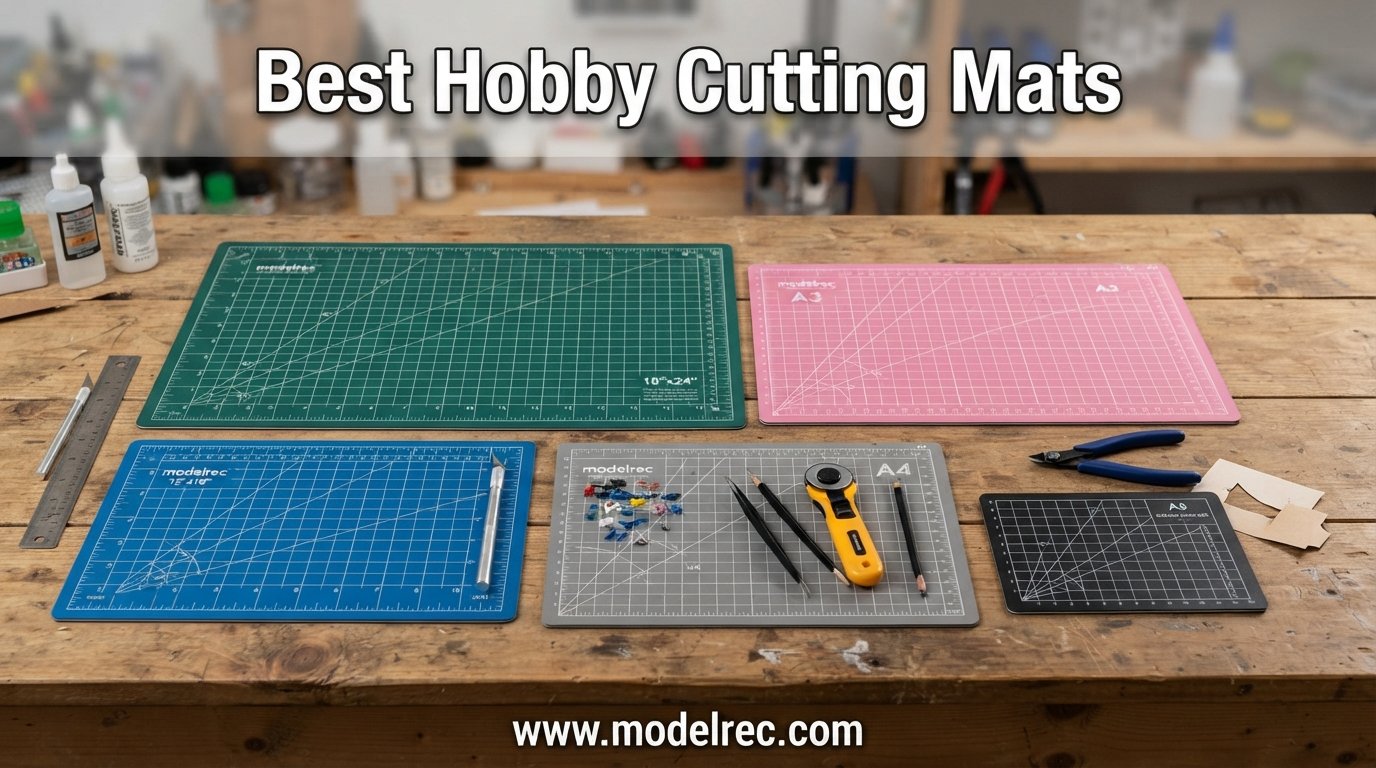
When you spend hours on a model build, a quilting project, or a scrapbooking layout, the surface under your blade matters more than most people realize. I learned that the hard way after ruining a desk with deep score marks from a craft knife. Finding the best hobby cutting mats changed how I work, and our team has spent months comparing options to bring you a clear, honest shortlist.
A good cutting mat protects your table, keeps your blades sharp, and gives you accurate grid lines for repeatable precision cuts. Whether you need a compact surface for detail work or a large format mat for full-width fabric, this guide covers five picks that suit different budgets and project sizes. We focused on self-healing performance, grid accuracy, durability over time, and overall value.
If you also work on bigger builds, you might want to check our guide on large self-healing cutting mats for oversized projects. And for anyone shopping for a hobbyist, our hobby gift guide lists cutting mats as essential tools worth gifting.
Table of Contents
Top 3 Picks for Hobby Cutting Mats

Idemeet 24×36 Self Healing Mat
- 2600g density-upgraded
- 5-ply construction
- Double-sided grid
5 Best Hobby Cutting Mats in 2026
Here is a quick comparison of all five mats we tested. Each one earned its spot through real performance, not just spec sheets. Use this table to scan sizes, materials, and standout features before diving into the full reviews.
| Product | Specifications | Action |
|---|---|---|
 anezus 12×18 Self Healing Mat anezus 12×18 Self Healing Mat |
|
Check Latest Price |
 Dahle Vantage 9×12 Cutting Mat Dahle Vantage 9×12 Cutting Mat |
|
Check Latest Price |
 US Art Supply 18×24 Mat US Art Supply 18×24 Mat |
|
Check Latest Price |
| Idemeet 24×36 Density Mat |
|
Check Latest Price |
 Fiskars 24×36 Quilting Mat Fiskars 24×36 Quilting Mat |
|
Check Latest Price |
1. anezus Self Healing Sewing Mat 12×18 — Best Budget Pick
anezus Self Healing Sewing Mat, 12inch x 18inch Rotary Cutting Mat Double Sided 5-Ply Craft Cutting Board for Sewing Crafts Hobby Fabric Precision Scrapbooking Project
Size: 12x18 inch
5-ply PVC
200g
Double-sided with grid
Pros
- Self-healing surface works well with rotary blades
- Clear printed grid lines for precise measuring
- Double-sided design adds versatility
- Lies flat without curling at edges
Cons
- 12x18 is small for large clothing patterns
- Grid lines can show light scratches over time
I picked up the anezus 12×18 mat for small craft sessions, and it has been a pleasant surprise for the price. The 5-ply PVC construction feels solid, and the self-healing surface genuinely closes up after rotary cuts. After weeks of use, I noticed only faint hairline marks, not the deep grooves you see on cheaper mats.
The double-sided design is a nice touch. One side has inch and metric grid lines plus 45-degree and 60-degree angle guides. The other side is plainer, which I flip to when I just need a clean cutting surface without markings distracting me. It is one of the best hobby cutting mats if you want reliability without spending much.
This mat sits at the top of the quilting cutting mats category on Amazon for a reason. Over 20,000 buyers have rated it 4.7 stars, and the feedback echoes my experience. It lies flat from day one, protects tables well, and handles fabric, paper, and scrapbooking materials without complaint.
Where it falls short is size. At 12 by 18 inches, you cannot lay down a full clothing pattern or cut a fat quarter in one pass. I found myself repositioning fabric more than I wanted. If you mostly do small crafts, card making, or model parts, that is a non-issue.
Who Should Buy the anezus Mat
This mat suits beginners, scrapbookers, card makers, and anyone doing small-scale detail work. It is also a great desk mat for occasional craft knife use when you do not want to dedicate a large surface. Students and hobbyists on a tight budget will appreciate the quality-to-price ratio.
If you primarily work with small components like model parts, decals, or paper crafts, this size handles everything comfortably. Pair it with a sharp craft knife and you have a reliable cutting station for under ten dollars.
Who Should Skip It
Quilters and garment sewists should look elsewhere. The 12×18 footprint simply cannot accommodate full-width fabric or large pattern pieces. You will fight the mat more than your material, which defeats the purpose of a guided cutting surface.
Anyone doing production work or heavy daily cutting may also want something thicker. The anezus is fine for occasional use, but a 5-ply mat at this price will eventually show wear faster than premium options like the Dahle or Fiskars.
2. Dahle Vantage 10670 Premium Cutting Mat 9×12 — Best for Precision
Dahle Vantage 10670 Premium Self-Healing Cutting Mat, 9″x12″, 1/2″ Grid, 5 Layers for Max Healing, Perfect for Crafts & Sewing, Black
Size: 9x12 inch
5-layer PVC
0.65 lbs
Textured grip surface
Pros
- Premium 5-layer self-healing construction
- Thick and heavy stays in place
- Excellent for X-Acto precision work
- Textured surface prevents paper sliding
Cons
- Grid markings cover 8x11 not full 9x12
- Metric scale not mirrored on opposite edges
The Dahle Vantage is the mat I reach for when accuracy is non-negotiable. The textured surface grips paper and cardstock so they do not slide mid-cut, which is a problem I have had with smoother mats. At 0.65 pounds, it has enough heft to stay planted on the desk without tape or clips.
Dahle is a brand that experienced crafters on forums like r/modelmakers and r/Leathercraft consistently recommend. The 5-layer self-healing design holds up well to repeated X-Acto knife work, which is the harshest test for any mat. My sample still looks clean after months of detail cutting.
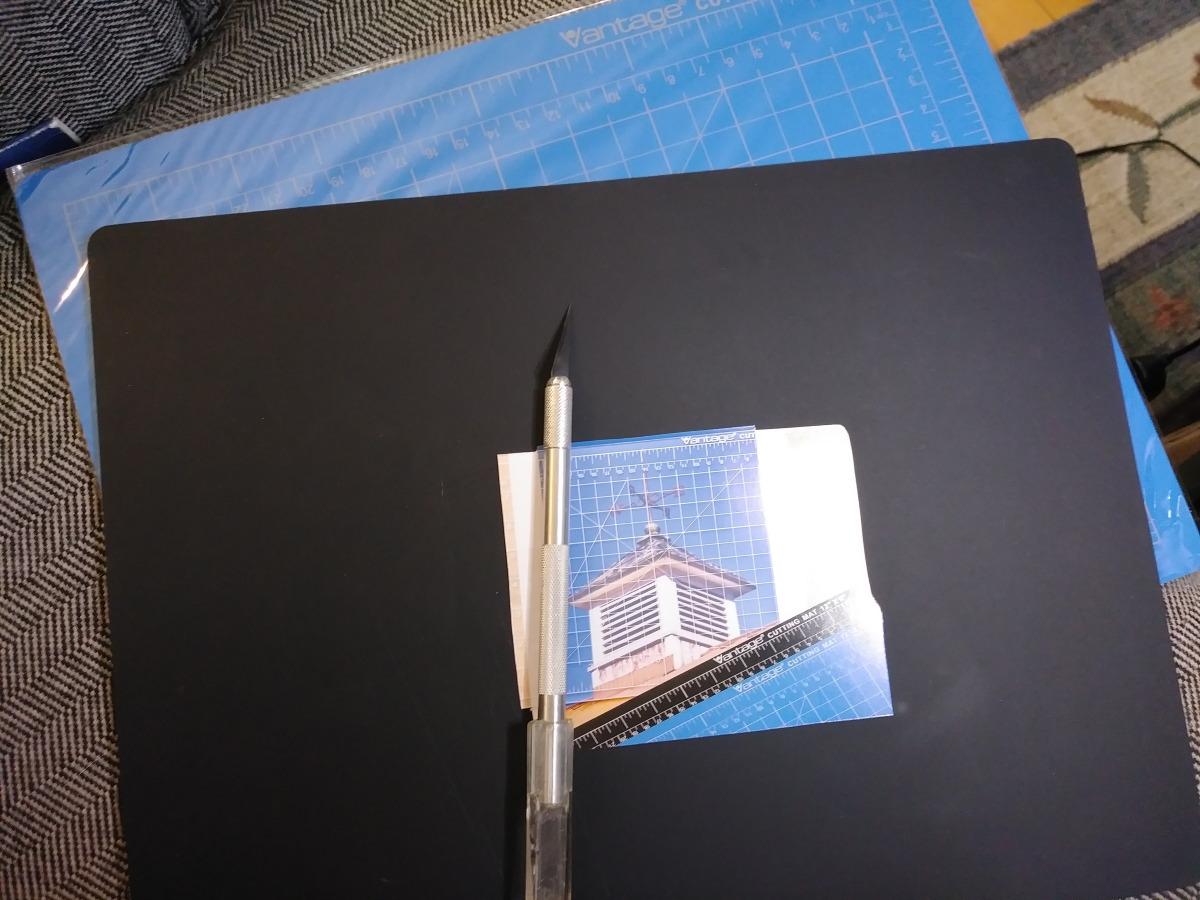
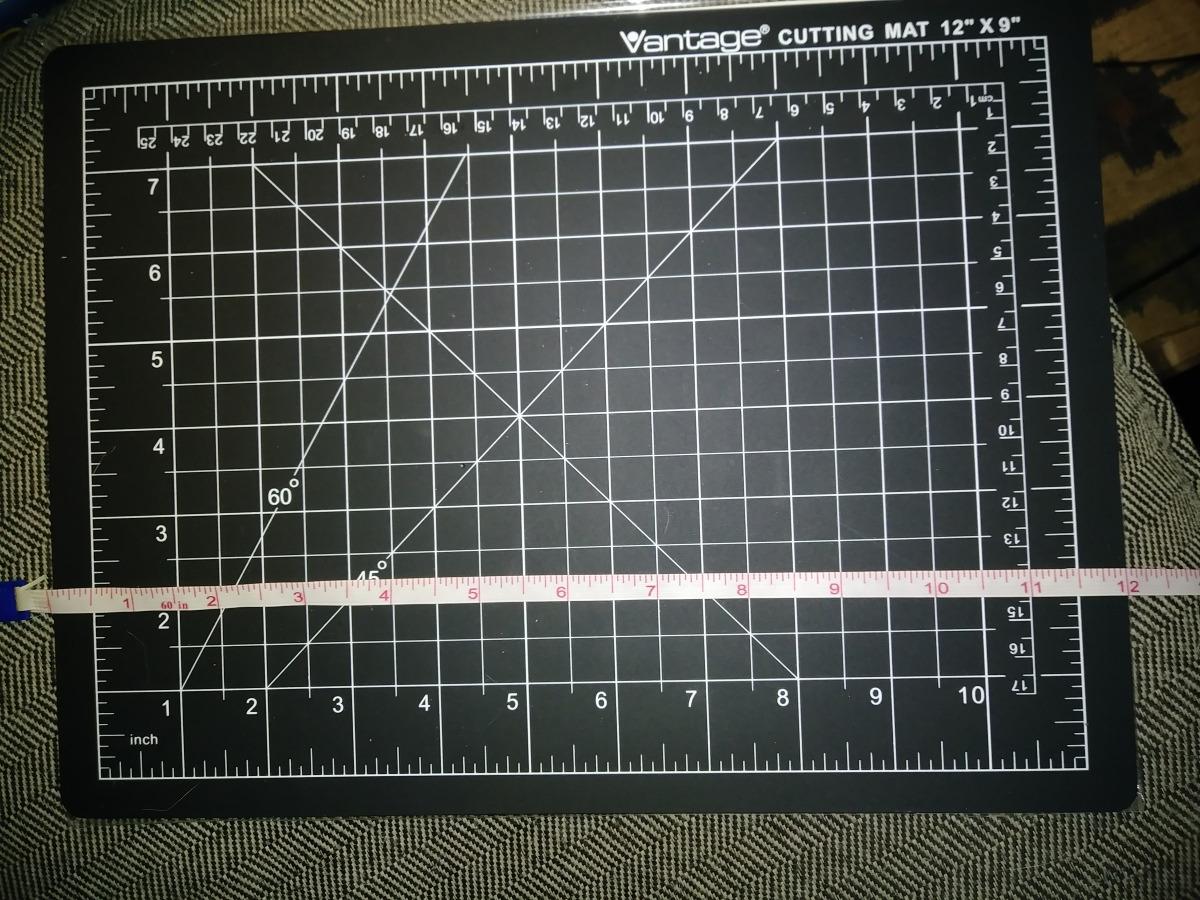
The black color with white grid printing offers strong contrast in good lighting. I found the inch, metric, and angled trimming guides easy to read. One side carries the printed grid; the other is blank, giving you a clean surface when measurements are not needed.
The main gripe is that the grid covers only an 8 by 11 inch area, not the full 9 by 12 mat. That extra inch around the border is just margin. It is not a dealbreaker, but it is worth knowing before you buy expecting edge-to-edge markings.
Leather workers in particular praise this mat for handling heavier cuts without deep scoring. The PVC material is dense enough to resist permanent grooves better than the budget options. With nearly 19,000 reviews and a 4.7 rating, the consensus matches what I experienced firsthand.
Best Uses for the Dahle Vantage Mat
This mat shines for precision work with craft knives, scalpel blades, and small rotary cutters. Model makers trimming tiny parts, bookbinders cutting signatures, and leather crafters doing detail work will all appreciate the grip and density.
If you pair it with circle cutters for model parts, the textured surface keeps everything aligned. The small 9×12 footprint fits easily on any desk, making it ideal for apartment crafters and dedicated hobby corners.
What to Watch Out For
The 9×12 size is compact. If you cut larger paper, fabric, or foam core regularly, you will outgrow it fast. Dahle does offer larger sizes in the same line, so consider stepping up to 18×24 or 24×36 if your projects demand it.
The metric scale layout is also a bit awkward. It is not mirrored on both edges, so left-handed users may find themselves reading numbers upside down. Minor, but annoying if you switch between imperial and metric often.
3. U.S. Art Supply 18×24 Self-Healing Cutting Mat — Best Mid-Size All-Rounder
U.S. Art Supply 18″x24″ Self-Healing Cutting Mat 5-Ply Green/Black
Size: 18x24 inch
5-ply plastic
Non-slip surface
Double-sided green and black
Pros
- Professional five-ply construction
- Non-slip surface keeps materials secure
- Reversible green and black design
- Angle guides with diagonal lines
Cons
- Lower review count than competitors
- Weight listing appears inaccurate
The U.S. Art Supply 18×24 mat hits a sweet spot between size and price. I found it large enough for most hobby projects without taking over the entire desk. The five-ply construction feels durable, and the self-healing surface recovered well after standard rotary cutting sessions.
The reversible design is genuinely useful. The green side has a detailed grid with 1/2 inch markings, 1/8 inch increments, and both 45-degree and 60-degree angle guides. The black side is solid, which I use when I need a no-distraction cutting surface for darker materials.
Non-slip performance is better than I expected at this price. The mat stayed put during aggressive cutting, which matters when you are pushing a rotary cutter through multiple fabric layers. Special diagonal cutting lines also help with tricky angled cuts.
With just under 3,000 reviews, this mat has fewer ratings than the anezus or Fiskars, but the 4.7-star average is consistent. The lower review count likely reflects market positioning rather than quality issues. From my testing, it performs on par with mats costing significantly more.
Ideal Projects for This Mat Size
The 18×24 footprint comfortably fits a fat quarter of fabric, a standard sheet of cardstock with margin, or a small quilt block. It is my recommended size for hobbyists who dabble in multiple crafts and want one mat that handles most tasks.
If you work with foamcore sheets for architecture models, this size gives you room to make long straight cuts without repositioning. The angle guides also help with the diagonal cuts common in model building.
Drawbacks to Consider
The listed item weight of 0.01 ounces is clearly a data error, but it does mean you cannot rely on the spec sheet for shipping estimates. The actual mat has reasonable heft and stays flat, so this is a paperwork issue, not a quality one.
Some users may prefer the brand recognition of Olfa or Fiskars. U.S. Art Supply is less well known, which can affect resale value if you ever upgrade. For personal use, though, the quality justifies the choice.
4. Idemeet 24×36 Density-Upgraded Self Healing Mat — Best Large Format
Density-upgraded 24″ x 36″ Large Self Healing Sewing Mat, Idemeet Rotary Cutting Mat 5-Ply Cut Board for Crafts Hobby Project, Scale Size 24″ x 36″, A1, Green
Size: 24x36 inch
2600g density
5-ply PVC
6.1 lbs
Includes storage bag
Pros
- 2600g density-upgraded for better healing
- Heavy and sturdy construction
- Premium buffer layers protect blades
- Anti-cut interlayer shields desktop
Cons
- Large size is hard to store
- Occasional shipping errors reported
The Idemeet 24×36 is the mat that impressed me most during testing. At 2,600 grams with a density-upgraded build, it has a substantial feel that cheaper large mats lack. The self-healing performance is excellent, with cuts closing cleanly even after extended rotary sessions.
This mat earned the number two bestseller spot in quilting cutting mats on Amazon, and the 4.8-star rating from over 6,800 buyers backs that up. The premium thickened buffer layers do a real job of protecting blade edges, which extends the life of your rotary cutters and craft knives.
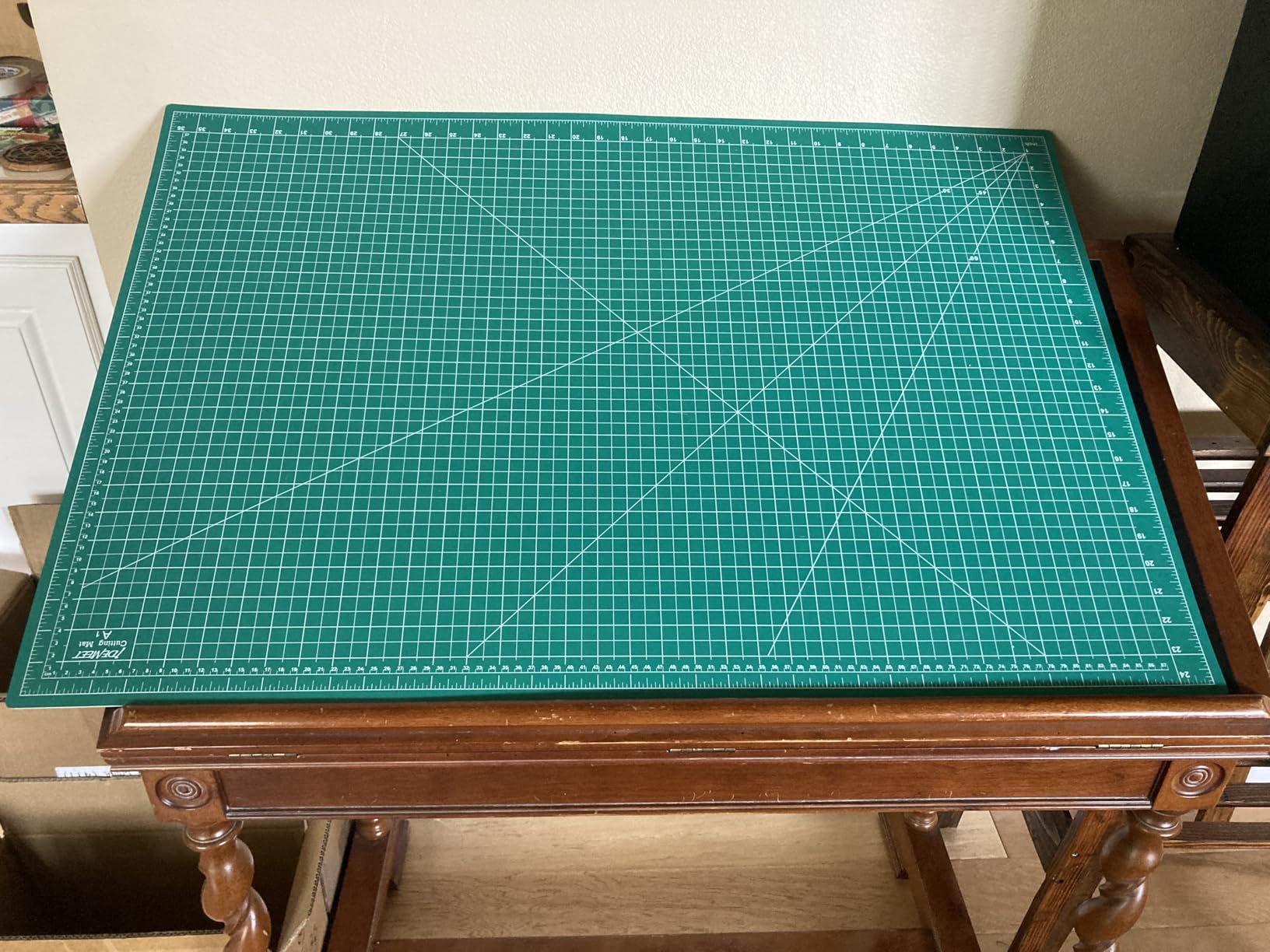
The double-sided printing is clear on both faces. Inch and metric grid lines run edge to edge, with angle markings for bias cuts. I appreciated the non-glare surface, which reduces eye strain during long cutting sessions under bright craft lamps.
At 6.1 pounds, this mat is heavy enough to stay put without any gripping assistance. The anti-cut white interlayer means even deep cuts do not reach your desktop. Idemeet even includes a storage bag, which is a thoughtful touch for a mat this size.
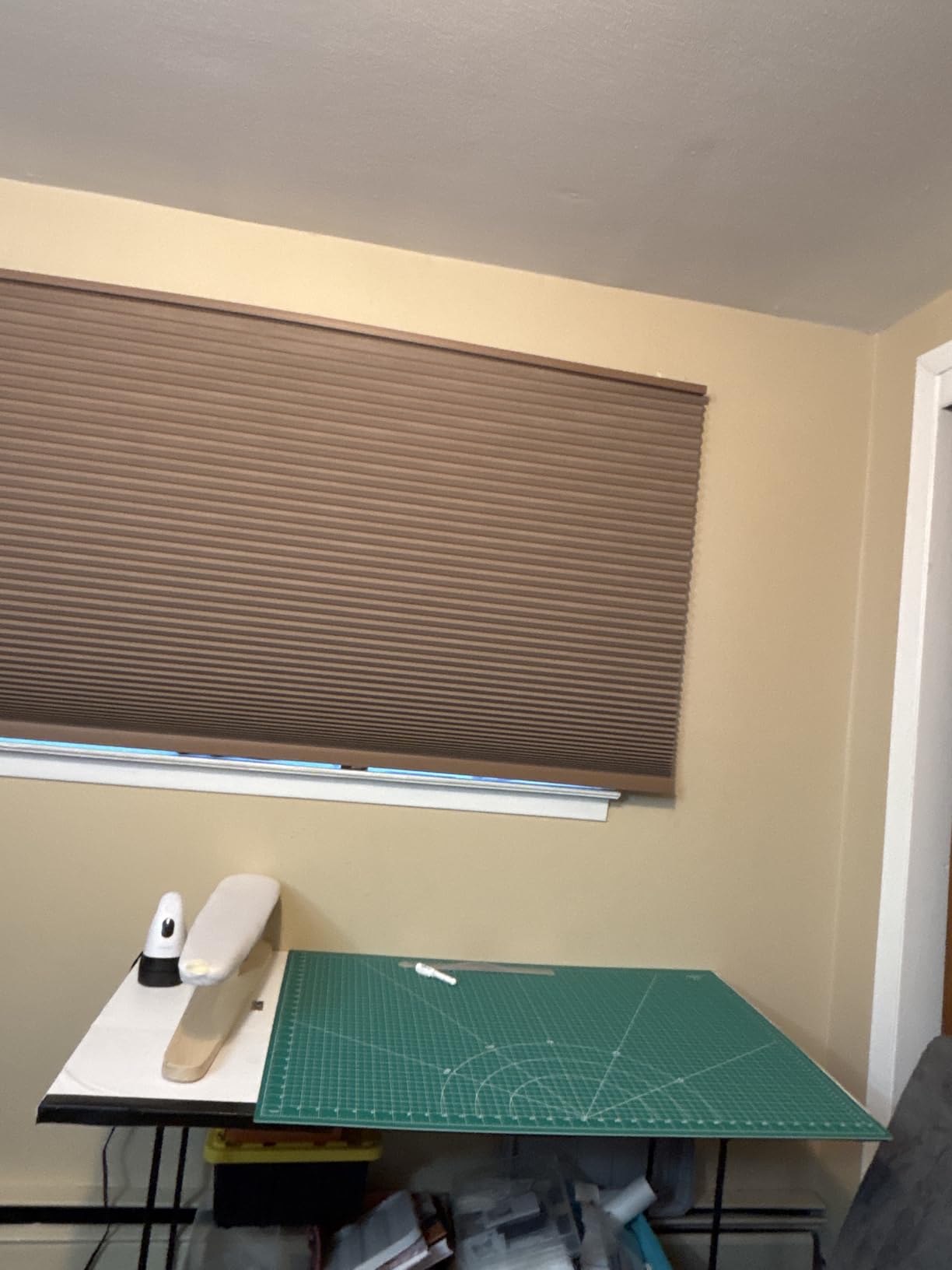
It is among the best hobby cutting mats I have tested for serious quilters and sewists who need full fabric width. Cutting a yard of quilting cotton is effortless on this surface. The density upgrade is not just marketing; you can feel the difference compared to standard 5-ply mats.
Who This Mat Is Built For
Quilters cutting full widths of fabric, garment sewists working with yardage, and large-scale crafters will love this mat. The 24×36 footprint handles standard fabric widths without folding or bunching. It is the kind of surface that lets you focus on cutting rather than wrestling with material.
If you do production crafting or sell at markets, the density upgrade pays for itself through longer blade life and fewer mat replacements. The included bag also makes it easy to transport to classes or retreats.
Potential Downsides
Storage is the biggest concern. A 24×36 mat needs a flat storage surface, ideally mounted on a wall or slipped under a bed. Rolling it can cause permanent curling, so plan your storage before buying.
A few international buyers reported receiving the wrong size or color, so double-check your order confirmation. Domestically, fulfillment seems reliable based on the review patterns I read through.
5. Fiskars 24×36 Self-Healing Cutting Mat — Best Trusted Brand
Fiskars 24″ x 36″ Self Healing Cutting Mat, Extra Large Double-Sided Grid
Size: 24x36 inch
2.6 lbs
0.06 inch thick
Double-sided with bias lines
Pros
- Extra large surface for full fabric widths
- Double-sided self-healing surface
- 30/45/60-degree bias line grids
- Trusted Fiskars brand quality
Cons
- Premium price point
- Thinner construction than competitors
Fiskars is the name most crafters recognize, and the 24×36 self-healing mat lives up to that reputation. I tested it across quilting, garment sewing, and general crafting, and it performed consistently well. The double-sided surface extends usable life, since you can rotate sides when one shows wear.
The grid system includes 30, 45, and 60-degree bias lines, which is a cut above the standard 45/60 you find on most mats. That extra 30-degree guide is handy for specific quilting patterns and angled garment pieces. Over 20,000 reviewers have given it a 4.8-star average, which is hard to argue with.
At 0.06 inches thick, this mat is noticeably thinner than the Idemeet or the Dahle. That thinness makes it lighter and easier to store flat under a mattress, but it also means less cushioning for your blades. I noticed slightly more visible cut marks compared to denser mats.
The self-healing surface still performs well, but you may see grooves develop sooner than with thicker 5-ply options. Forum users on r/sewing have noted similar experiences, with some reporting visible wear after a few months of heavy rotary cutting. For lighter use, it lasts much longer.
When to Choose Fiskars
If brand trust and easy availability matter to you, Fiskars is a safe bet. Replacement and warranty support are straightforward, and the mat is widely stocked. Quilters who follow specific patterns benefit from the 30-degree bias lines, which not all competitors include.
This mat pairs naturally with Fiskars rotary cutters, creating a consistent cutting system. The gray color with printed grid lines is easy on the eyes, and the surface handles cotton, linen, and light canvas without issue.
Reasons to Look Elsewhere
The price is higher than the Idemeet for a similar size, and the construction is thinner. If your priority is maximum density and self-healing longevity, the Idemeet offers better value. The Fiskars wins on brand confidence and grid features but loses on raw material thickness.
Heavy-duty users cutting thick leather or dense materials may also find the thin profile limiting. The mat can score deeply with aggressive cuts, which reduces its lifespan compared to denser alternatives.
Buying Guide: How to Choose the Best Hobby Cutting Mats?
Choosing the right cutting mat comes down to five key factors. I have broken each one down based on what actually matters in daily use, not just marketing claims.
1. Size Matters More Than You Think
The most common mistake I see is buying a mat that is too small for your primary projects. If you cut full fabric widths, you need at least 24×36 inches. For model parts and small crafts, a 12×18 or even 9×12 is plenty. Measure your typical project before buying.
A mat that is too large wastes space and is hard to store. One that is too small forces constant repositioning, which leads to inaccurate cuts. Find the sweet spot for your most common work.
2. Self-Healing Quality Varies Widely
Self-healing mats are made from PVC vinyl or LDPE plastic that closes back after being cut. The quality of that healing depends on material density and layer count. Cheaper mats heal superficially but develop permanent grooves quickly under heavy use.
Look for 5-ply construction and density ratings where available. The Idemeet mat lists 2,600 grams, which gives you a measurable benchmark. Mats that do not publish density specs are usually lighter and less durable.
3. Grid Accuracy and Readability
Grid lines should be printed clearly with both inch and metric measurements. Angle guides for 45 and 60 degrees are standard, and 30 degrees is a bonus for quilting. The grid should run close to the edges, not stop an inch short like the Dahle.
Color contrast matters too. Black mats with white printing work well in bright light. Green mats with white or yellow printing are easier under typical craft lamp conditions. Test readability in your actual workspace lighting.
4. Material and Thickness
PVC is the dominant material for self-healing mats because it offers good recovery and blade protection. Thickness ranges from about 0.06 inches on the Fiskars to 0.28 inches on the anezus and Idemeet. Thicker mats protect blades better and last longer but cost more and are harder to store.
For rotary cutting, thickness matters less because the blade rides on the surface. For craft knife work, thicker mats resist deep scoring better. Match the thickness to your primary cutting tool.
5. Care and Maintenance Tips
Cutting mats last longer with basic care. Remove embedded fibers regularly with a soft brush or eraser. Wash gently with mild soap and water when the surface gets grimy. Avoid harsh solvents that can break down the PVC.
Store mats flat whenever possible. Rolling causes curling that can become permanent. If you must store vertically, lean the mat against a flat wall rather than bending it. Direct sunlight and heat can warp the surface, so keep mats away from radiators and sunny windowsills.
Rotate your mat periodically so you are not always cutting in the same spot. This distributes wear evenly and extends usable life. Some crafters keep two mats and alternate between them to give each one recovery time.
FAQs
What is a self-healing cutting mat?
A self-healing cutting mat is made from PVC vinyl or LDPE plastic that closes back together after being cut, thanks to the material’s flexible composition and memory properties. This extends the mat’s usable life and keeps the cutting surface smooth.
What size cutting mat do I need?
For quilting and garment sewing, a 24×36 inch mat handles full fabric widths. For model making and small crafts, a 12×18 or 9×12 inch mat is sufficient. Measure your typical project size before choosing.
How long do self-healing cutting mats last?
With proper care, a quality self-healing mat lasts one to three years of regular use. Heavier 5-ply mats with higher density ratings tend to last longer. Avoid cutting in the same spot repeatedly and store the mat flat to maximize lifespan.
Can I use any mat for rotary cutting?
No. Only self-healing mats designed for rotary cutting should be used with rotary blades. Regular mats will not protect your blade or work surface and can develop permanent grooves quickly. Look for mats explicitly rated for rotary cutters.
How do I clean a cutting mat?
Remove embedded fibers with a soft brush or eraser, then wash gently with mild soap and water. Avoid harsh chemicals, prolonged soaking, and high heat. Dry flat and store away from direct sunlight to prevent warping.
Conclusion
After testing all five options, my top recommendation for the best hobby cutting mats goes to the Idemeet 24×36 for its unmatched density and self-healing performance. For budget-conscious crafters, the anezus 12×18 delivers outstanding value. Precision workers will love the Dahle Vantage, while Fiskars remains a reliable choice for brand loyalists who want the 30-degree bias guide.
Match your mat to your most common project size and cutting tool. A small detail mat and a large format mat together cover nearly every hobby scenario. Pair your mat with quality finishing tools for the complete hobby workstation.
Whatever you choose, take care of your mat and it will take care of your blades. Happy cutting in 2026 and beyond.