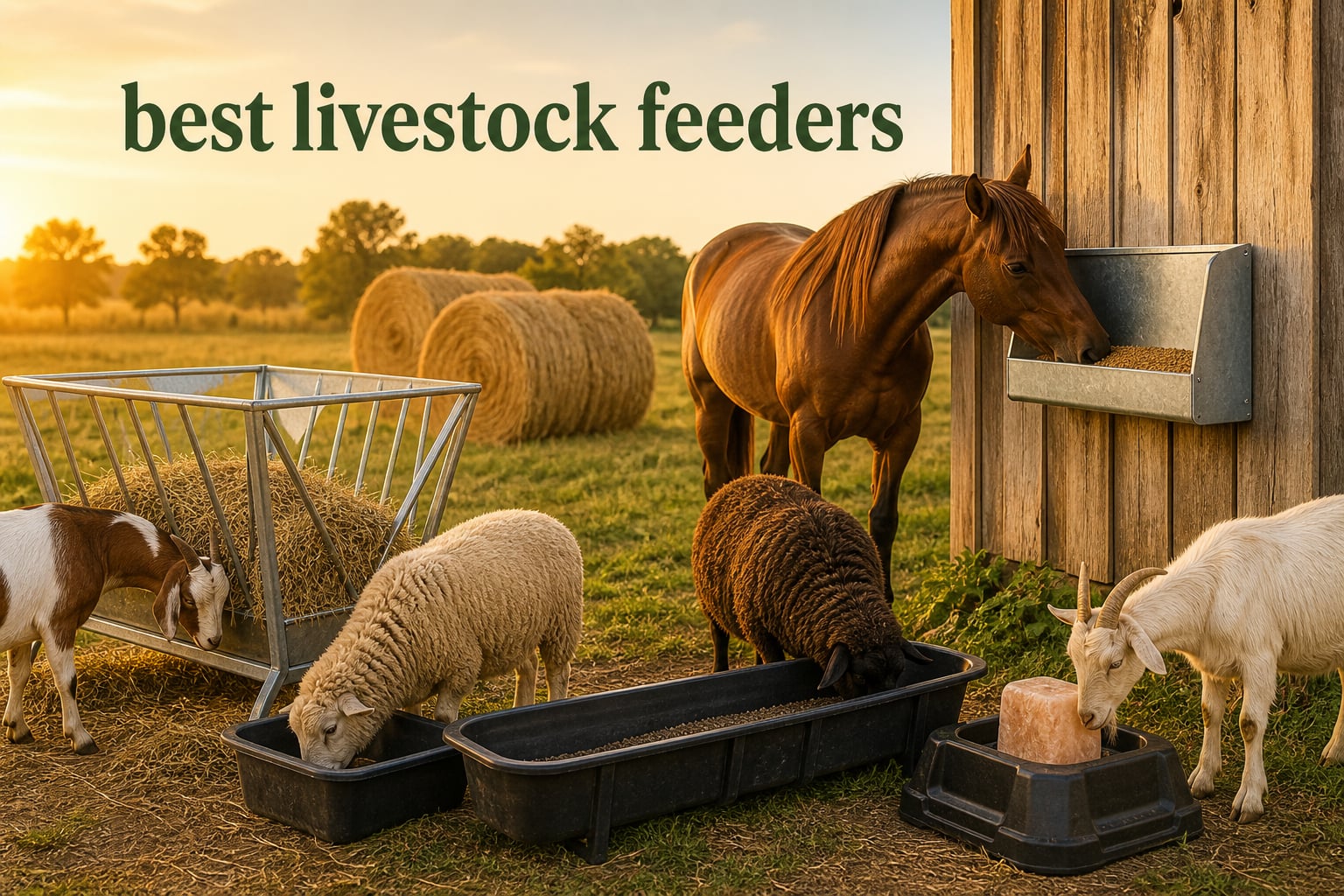
After three seasons of feeding our own goats, horses, and a small flock of laying hens, I can tell you the single fastest way to burn money on a farm: hay on the ground. When we switched from loose bales to proper livestock feeders, our winter hay bill dropped noticeably, and the animals stopped tracking waste into their water troughs. That lines up with what ranchers on forums like r/Ranching and r/Cattle report all the time — real operators see 35 to 50 percent less hay waste once they move to a well-matched feeder.
The problem is that “livestock feeders” covers a huge range of equipment: hay racks, wall-mounted hay holders, fence-line troughs, mineral feeders, hook-over buckets, and combo units. Each one solves a different problem, and picking the wrong type for your animals is how you end up with a flimsy rack that goats destroy in a month or a trough that’s too tall for your lambs to reach.
So our team pulled apart the data on eight of the most popular feeders available right now, digested hundreds of buyer reviews, and matched each unit to the animals and setups it actually suits. Whether you run a full cattle operation or a five-goat homestead, this guide to the best livestock feeders of 2026 will point you to the right pick — and help you avoid the mistakes we made early on.
Table of Contents
Top 3 Picks for Best Livestock Feeders (October 2026)

VEVOR 2-in-1 Hay and Grain Feeder
- 80-gallon capacity
- Hay rack plus grain pan
- Feeds 10-12 goats
- Q235 carbon steel

mozoba Hanging Feed Trough 3-Pack
- Three troughs included
- Hangs on any fence
- Feeder or waterer
- Works for poultry and goats

Little Giant Mineral Feeder
- Two compartments
- DuraFlex crack-resistant plastic
- Wall or fence mount
- UV resistant
If you want the short version: the VEVOR 2-in-1 is the best all-around station for a mixed small herd, the mozoba 3-pack is the cheapest way to get feed off the ground across multiple pens, and the Little Giant mineral feeder is the highest-rated accessory on this list with over 1,100 reviews.
Best Livestock Feeders in 2026
| Product | Specifications | Action |
|---|---|---|
| VEVOR 2-in-1 Hay and Grain Feeder |
|
Check Latest Price |
 VEVOR Wall Mounted Hay Rack 18.5-Gal VEVOR Wall Mounted Hay Rack 18.5-Gal |
|
Check Latest Price |
 Goovilla Feed Trough 2-Pack Goovilla Feed Trough 2-Pack |
|
Check Latest Price |
| Little Giant Mineral Feeder |
|
Check Latest Price |
 Little Giant Fence Feeder 20-Quart Little Giant Fence Feeder 20-Quart |
|
Check Latest Price |
| mozoba Hanging Feed Trough 3-Pack |
|
Check Latest Price |
 VEVOR 2-in-1 Wall Feeder with Tray VEVOR 2-in-1 Wall Feeder with Tray |
|
Check Latest Price |
 Little Giant Hook Over Feeder 15-Quart Little Giant Hook Over Feeder 15-Quart |
|
Check Latest Price |
Every feeder above earned its spot through a mix of build quality, buyer feedback, and how well it matches a specific job around the farm. Below I break down what each one is like to live with day to day — the good and the bad.
1. VEVOR 2-in-1 Hay and Grain Feeder — Best Full Feeding Station for Small Herds
VEVOR Livestock Hay Feeder, 2 in 1 Grain & Hay Feeder, 80-Gallon Capacity, 57.9″ Long Goat Pasture Feeding with Deeper Feeding Pan, Heavy Duty Steel Grain Holder for Sheep Sheds, Farms, Horse Barns
80-gallon total capacity
Q235 carbon steel
57.9 inches long
Feeds 10-12 goats
Pros
- Hay rack and grain pan in one unit
- Feeds 10-12 goats at once
- Reinforced welded steel frame
- Rounded edges for safety
Cons
- Paint can flake over time
- Vague assembly instructions
- Pan sits high for very young kids
This is the feeder I wish we had bought two winters ago. The top rack holds square bale flakes while the deeper pan below catches the leaf shatter that would otherwise end up trampled into the bedding — and that caught material is real money saved over a season. I loaded it with two flakes in the morning and a scoop of grain at night, and it comfortably handled our group of nine does without the pushing and shoving you get around a single small rack.
Assembly took me about 40 minutes with basic hand tools. The overlapping frame structure lines up well, and once bolted together the whole unit feels like one solid piece rather than a bolt-together kit. At roughly 48 pounds it is heavy enough that our goats never tipped it, even when one persistent doe decided to scratch her rear end on the corner post.
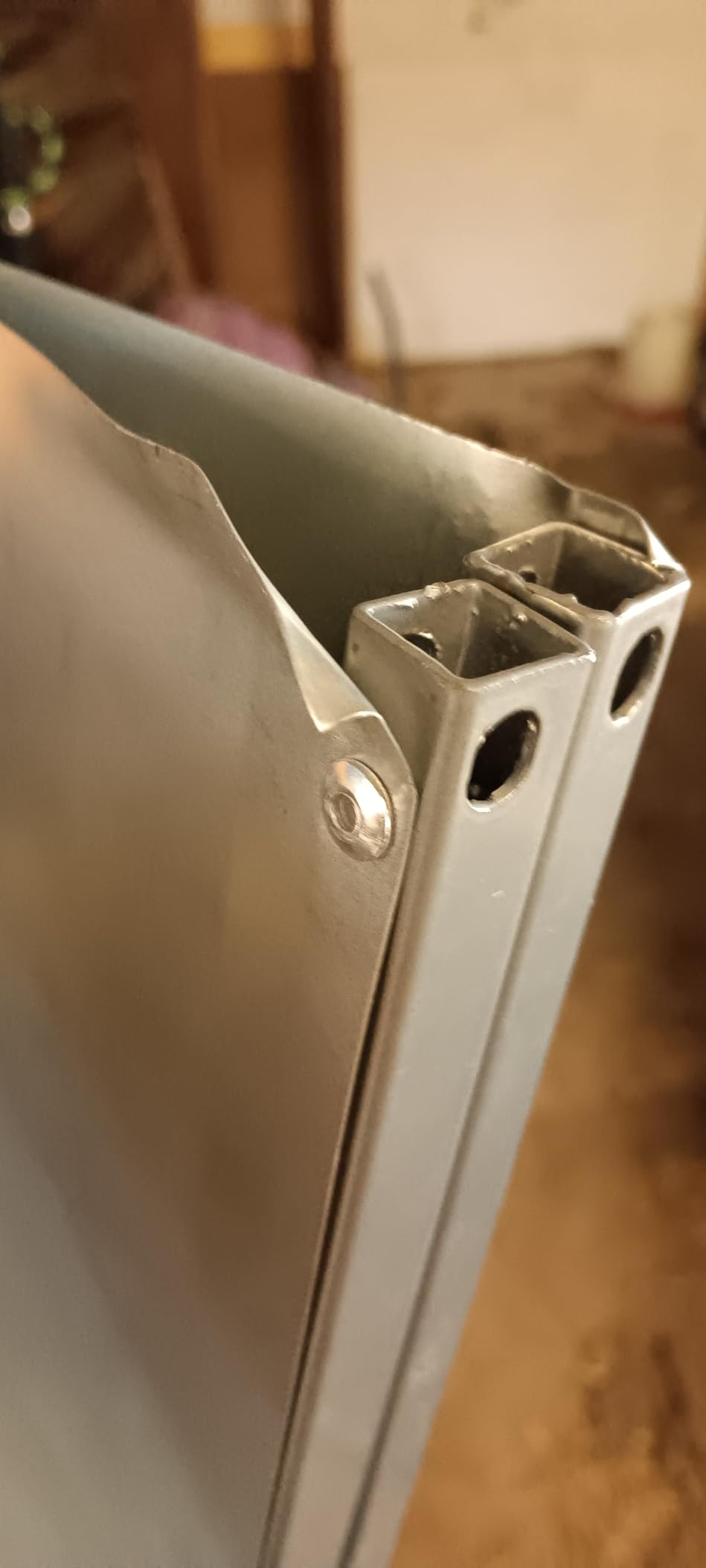
The Q235 carbon steel tubing and galvanized plates are the same grade you find on far more expensive farm equipment. Mine has spent a full rainy season outside an open-sided shed with nothing worse than a little surface dust where hay drags across the edge. A few buyers did report paint flaking after heavy use, so if you want decades out of it, a can of implement paint on the weld points is cheap insurance.
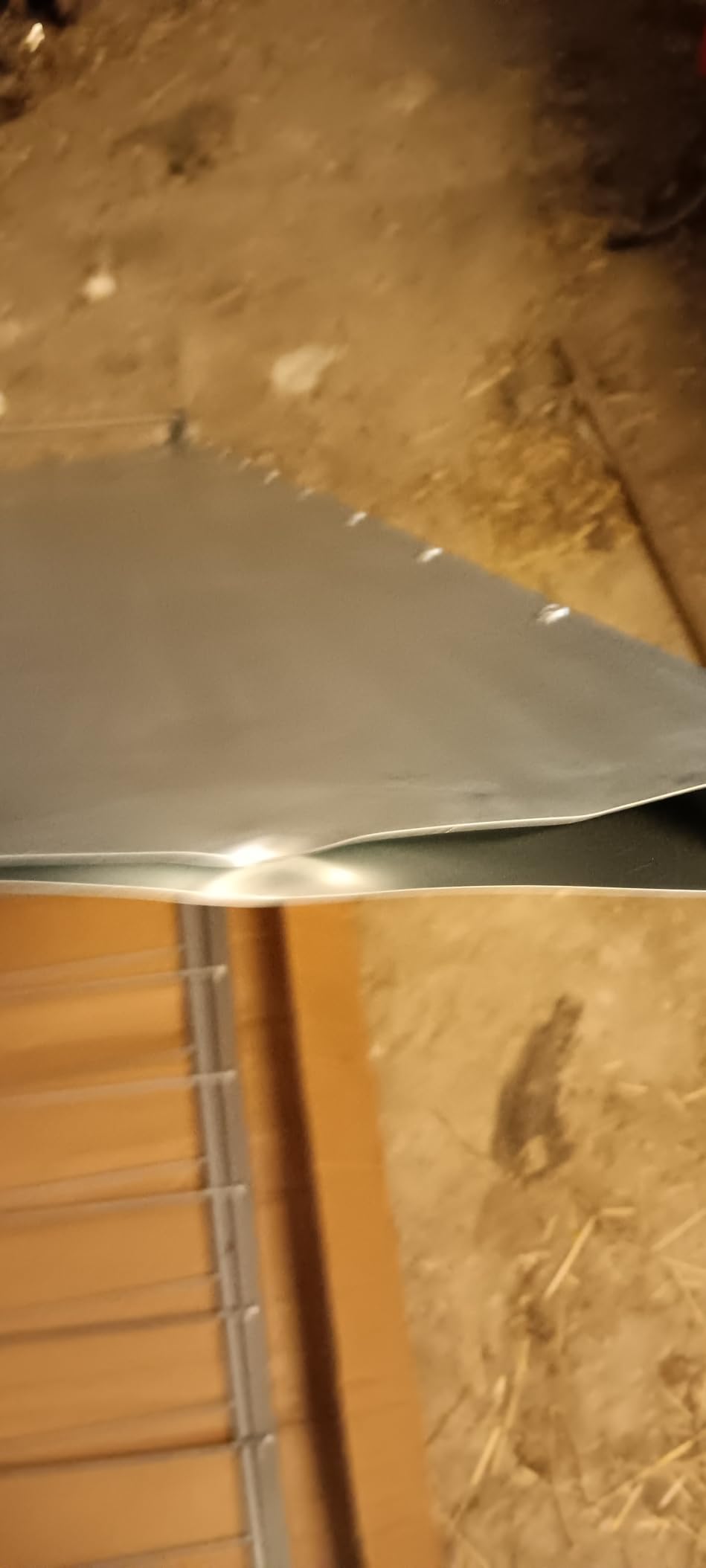
The honest downside: 65 reviews is a small sample, and the instructions are nearly useless — look at the parts diagram before you start. A handful of buyers also found a bent panel in the box, so check all pieces when it arrives.
What animals and setup it fits best
This station is ideal for goat and sheep operations of roughly 8 to 12 animals, and it works for horses in a stall or run-in shed. The 57.9-inch length gives enough head space that timid animals can actually eat, which matters if you have one boss doe hogging a smaller rack.
Because it is floor-standing rather than mounted, you can drag it to fresh ground as the paddock gets messy — a real advantage if you do not have a barn wall in every pen.
What to check before you buy
Measure your space first: it needs a footprint of about 58 by 28 inches and does not collapse for storage. Also note that the pan height suits adult goats and sheep, but bottle babies and young kids will need a step or a separate low trough until they grow.
If your herd is larger than a dozen head, plan on a second unit rather than overcrowding one feeder — that is when waste and bullying start creeping back up.
2. VEVOR Wall Mounted Hay Rack — Best Space-Saving Wall Feeder
VEVOR Livestock Feeder, 18.5 Gallons Large Capacity, Heavy-Duty Steel Goat Hay Rack, 24.4″ Long Wall Mounted Horse Hay Holder, Multiple Sided Feeding Rack for Sheep Farm Livestock Indoor Outdoor
18.5-gallon capacity
24.4 inch wall rack
Cold-rolled steel
Powder coated
Pros
- Frees up floor space
- Full-welded cold-rolled steel
- Powder coating resists rust
- Rounded bar edges
Cons
- Feels light for aggressive animals
- Limited mounting positions
- Occasional paint chipping reported
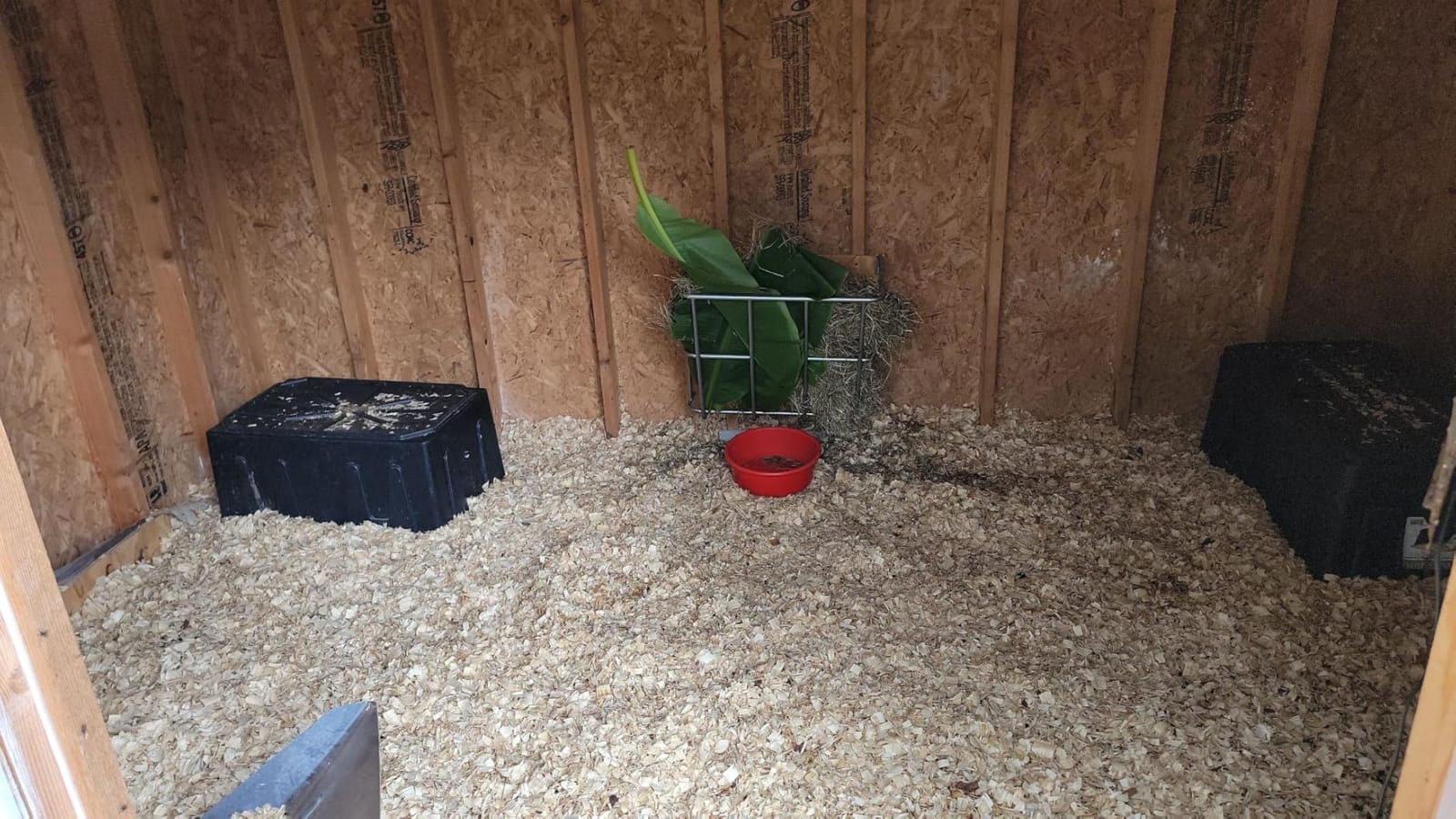
When floor space is tight, going vertical is the move. This 18.5-gallon wall rack bolted into our lean-to post in under 20 minutes with the included expansion screws, and suddenly a corner that held nothing became a feeding station for three goats. The multi-sided opening means animals can eat from more than one angle, which keeps the pecking order from shutting anyone out.
At just 4.4 pounds, it is obviously not built to take a bull leaning on it. But for goats, sheep, and even as a stall hay holder for horses, the full-welded cold-rolled steel frame has held up fine. The powder coating is doing its job so far — no rust blooms where wet hay sits against the bars.
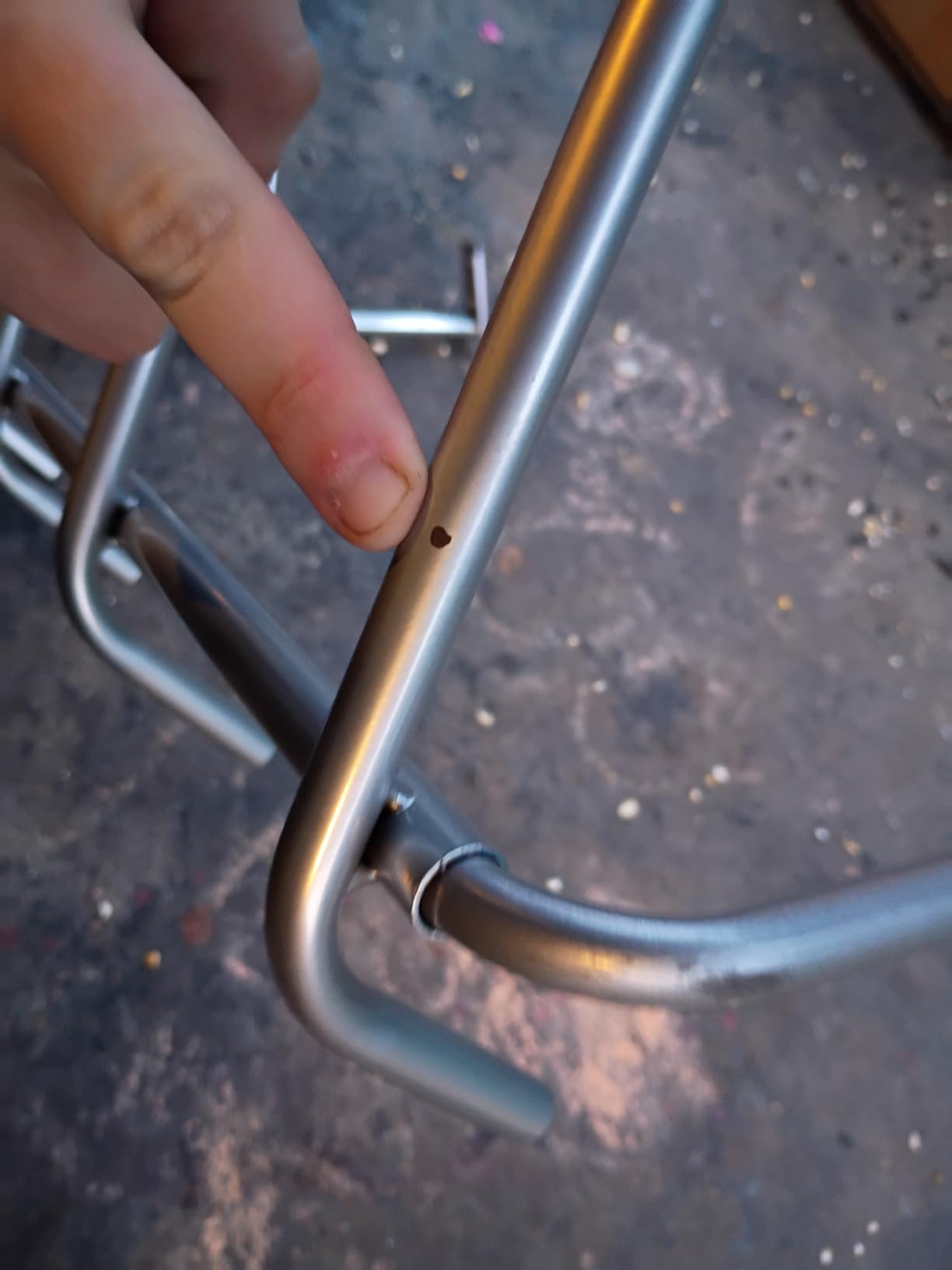
The capacity claim of feeding once per day is fair. I could stuff a good half bale of loose hay in it in the morning and the does would pick at it through the afternoon. Buyers with horses note that a full rack can serve up to five animals at a stall line if you space them along a wall.
Where it falls short is durability under rough customers. A few reviewers called it flimsy against large pigs and horned rams, and the wall-mount design means your mounting hardware matters as much as the rack itself. Lag into studs, not just boards.
Where wall mounting works and where it does not
This rack shines in barns, sheds, and run-in shelters with solid wood walls or posts. It is the right call if your pens are small, your ground stays muddy, or you are tired of tripping over floor feeders.
Skip it if you have no suitable wall, if you feed in open muddy lots with no structure, or if you need to move feeding points around for pasture rotation.
What to know before you buy
Check your wall construction first — the expansion screws need solid anchoring, and a rotten board will let the whole rack tear loose under hungry pulling. The 12.6-inch depth also means large flakes need to be broken apart before loading.
Budget five minutes with a drill and a level. Installed crooked, hay constantly feeds to one side and the low side empties first.
3. Goovilla Large Feed Trough — Best Budget Multi-Animal Trough
Goovilla Large Feed Trough, Hanging or Screw-in, 2 Pack 9 Quart, Blue
2-pack, 9 quarts each
Hang or screw-in
BPA-free PE plastic
17.3 inches long
Pros
- Two troughs in one purchase
- Clips
- zip ties or screws included
- Frost and heat resistant
- Smooth interior cleans fast
Cons
- Plastic is on the thinner side
- Included hardware feels cheap
- Not tough enough for large hogs
Not every feeding job needs steel. These 9-quart troughs are the utility players of our setup — one hangs on the goat pen gate for grain, the other lives on the fence line for the hens. The one-way locking clips genuinely work: unlike cheap hooks that pop off the moment an animal bumps them, these stay put until you unclip them on purpose.
With 828 reviews and a 4.5 average, this is one of the most field-tested items on the list, and our experience matches the consensus. The BPA-free polyethylene has shrugged off a hard frost and a full summer of sun without cracking, and the smooth interior rinses out in seconds.
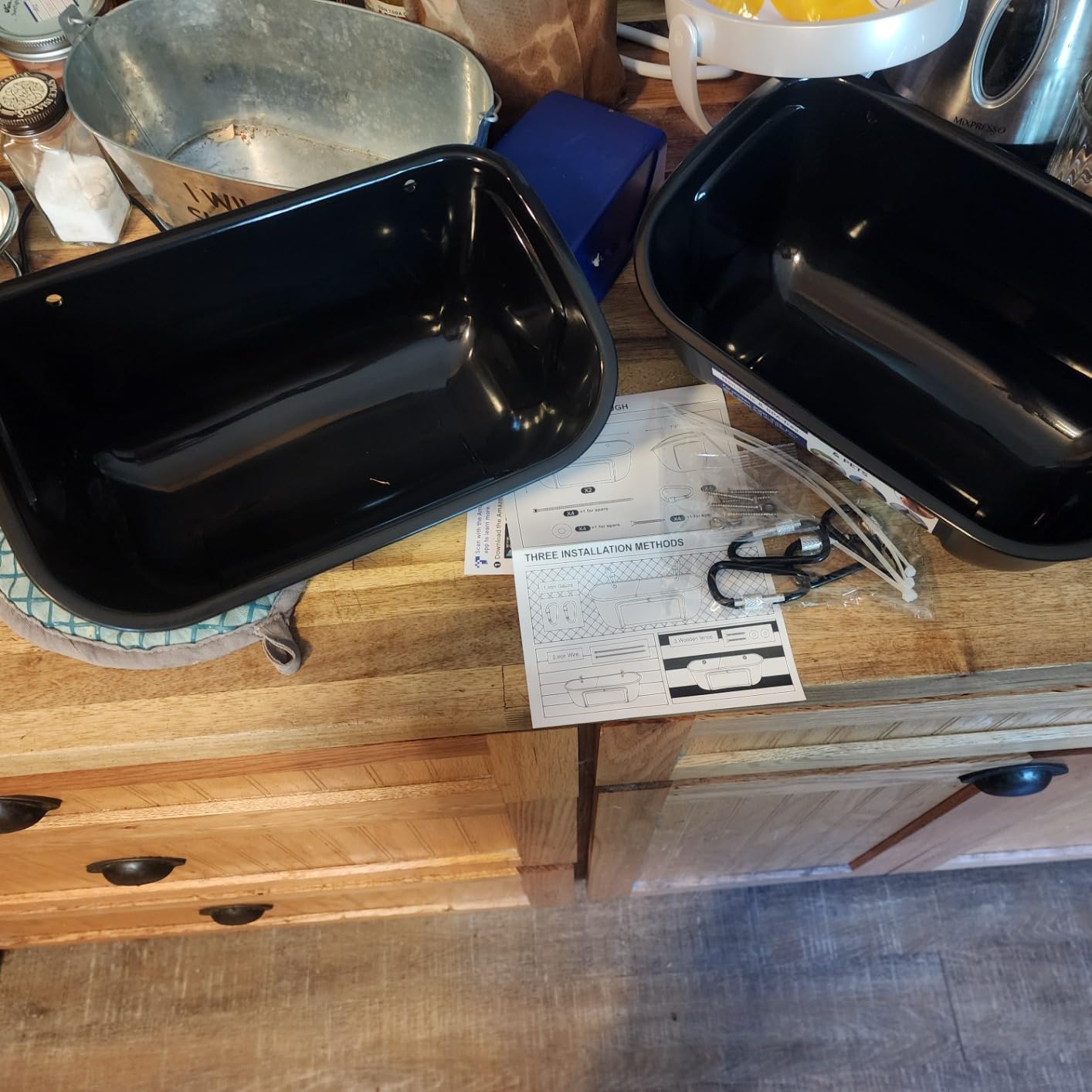
The flexible mounting is the real selling point. Clips for gates and boards, zip ties for wire panels, screws for a permanent wall — we have used all three methods across different pens. Keeping the grain off the ground also cut our waste noticeably, since spilled feed no longer mixes into the mud.
Be realistic about limits: the plastic is thinner than premium troughs, and several hog owners reported wear from big pigs rooting at the edges. The included screws are worth replacing with your own heavier hardware for anything permanent.
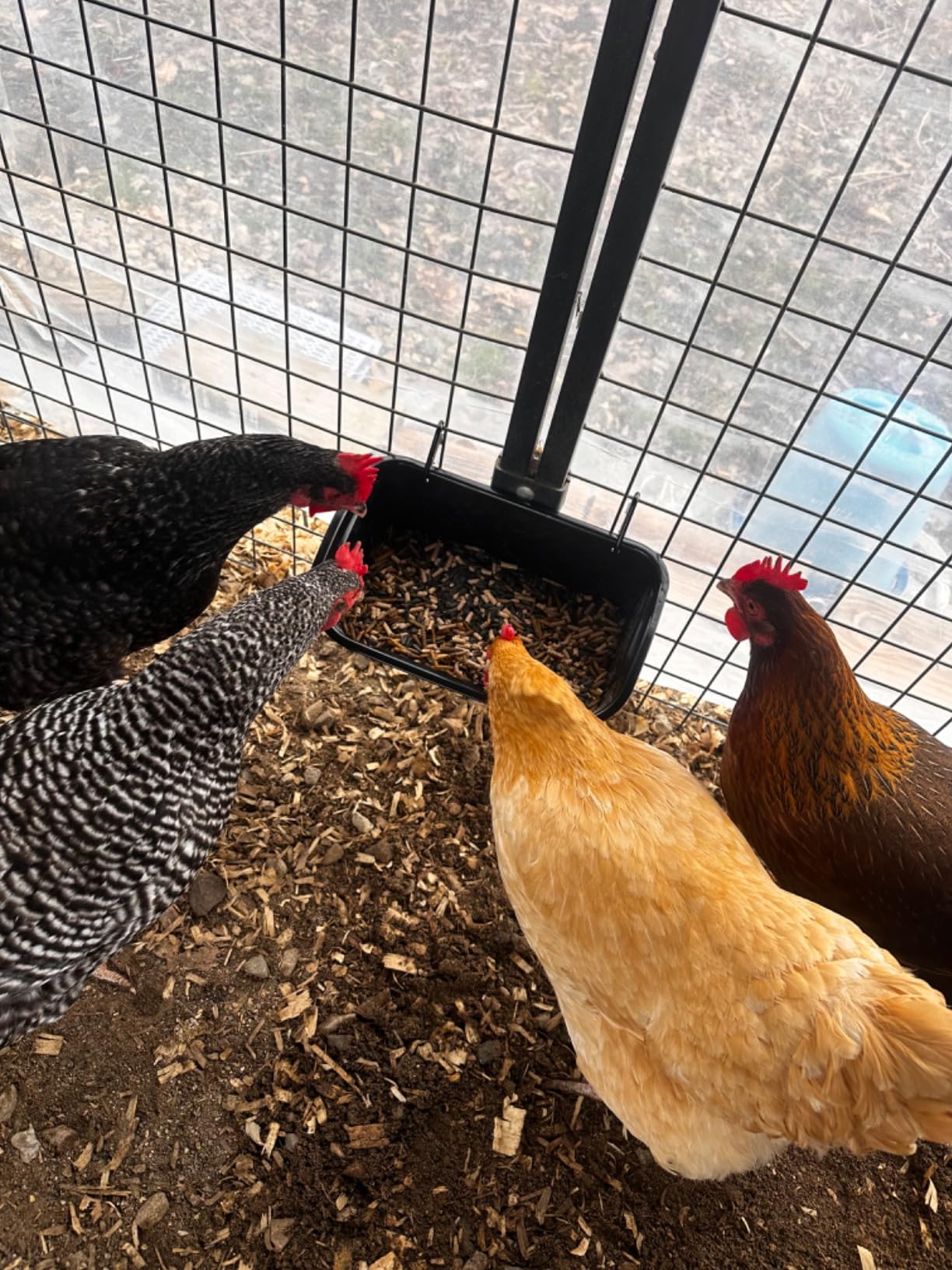
Which animals get the most from these troughs
They are sized right for goats, sheep, dogs, ponies, deer, and poultry. The 9-quart capacity holds a solid ration for a couple of small animals or a full grain feeding for a small flock.
For cattle and full-size horses they work better as supplemental or catch troughs rather than primary feeders, simply because of the volume.
What to know before you buy
You get two troughs, so plan your mounting points before they arrive — gate, wall, and fence-line spots each need different hardware. The hanging position should sit at chest height of your smallest animal to keep everyone eating comfortably.
In freezing climates, pull them down or empty them overnight; frozen feed at the bottom is the most common complaint in cold-weather reviews.
4. Little Giant Mineral Feeder — Best Free-Choice Mineral Station
Little Giant Animal Mineral Feeder 3.5 Quart Mineral Feeder (Item No. MF35BLACK)
Two compartments
3.5-quart capacity
DuraFlex plastic
Wall or fence mount
Pros
- Two compartments for different minerals
- Shatter and UV resistant plastic
- Deep tray keeps minerals in
- Simple wall mounting
Cons
- Mounting hardware is weak
- No S-hooks in the box
- May need baling wire on wire fences
Mineral is expensive, and loose mineral on the ground is pure loss. This little two-compartment feeder solved that for us — one side holds the goats’ loose mineral, the other holds baking soda or kelp, and the deep tray design stops it from being raked out onto the pen floor. A 4.7 rating across more than 1,100 reviews tells you this is a proven piece of kit, not a gamble.
The DuraFlex plastic has a flex to it that rigid bins lack, which is exactly why it survives being bumped by animals. Ours has been in direct sun on a south-facing post for over a year with no UV cracking, and it has taken a shoulder check from an adult goat without breaking.
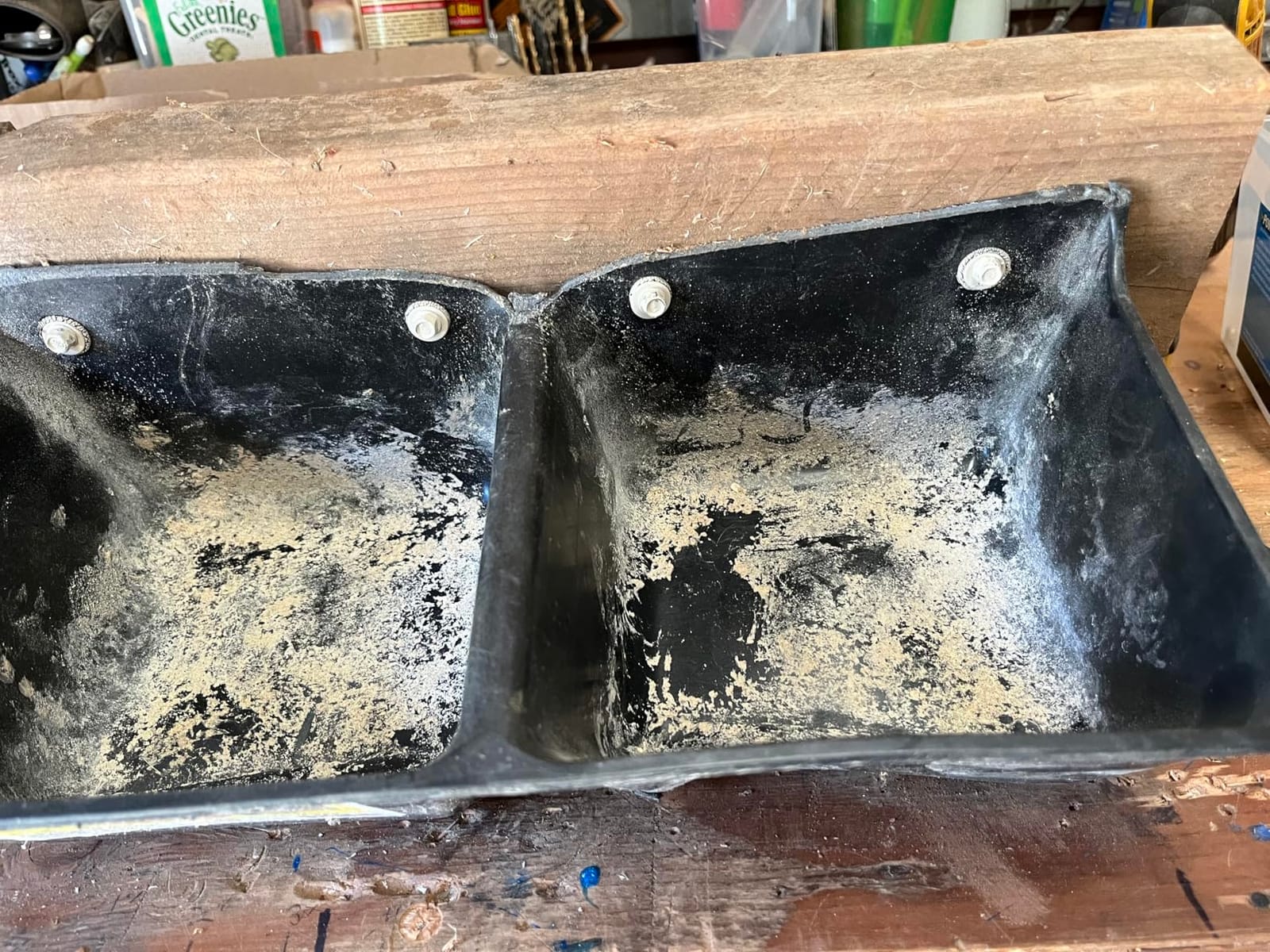
Mounting is where you need to take over from the factory. The three lag screws work on solid wood, but most reviewers — us included — ended up using baling wire or their own hooks on wire and pipe fencing. Plan on supplying your own hanging hardware and this is a five-star accessory.
The two-compartment layout deserves more credit than it gets. Running mineral and a second supplement side by side saves a second feeder and a second mounting job, and lets you offer free-choice options without mixing them.
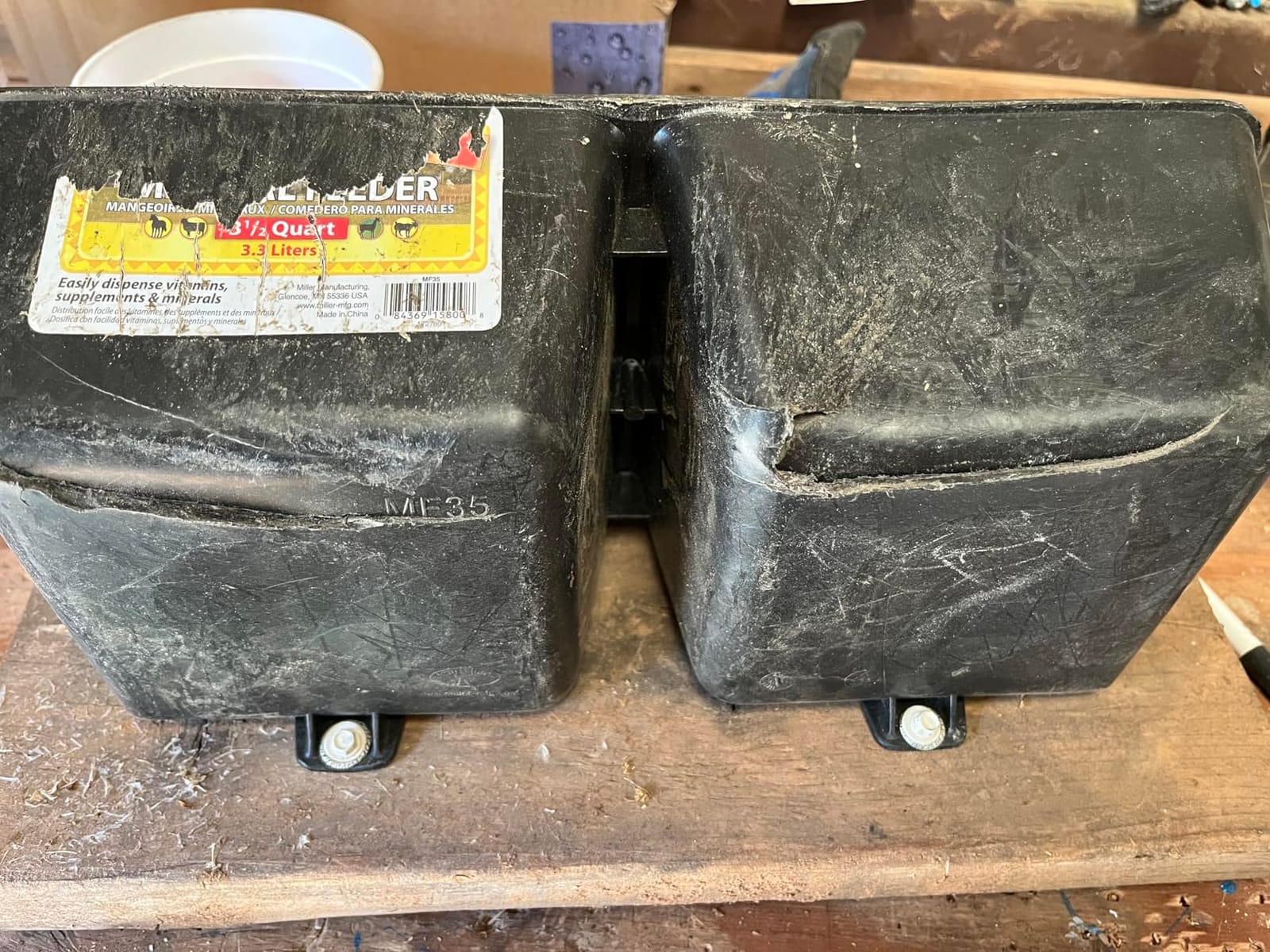
Which animals and minerals it handles best
Goats, sheep, calves, and horses all use it naturally at free-choice height. The 3.5-quart total capacity is right for a small herd’s weekly mineral consumption, so you are not constantly refilling.
For cattle you will want either multiple units or a larger bin, since a full-grown cow empties this quickly and dominant animals can monopolize a single station.
What to know before you buy
Mount it under a roof or on a sheltered side of the post — the compartments are open, and rain will turn loose mineral to soup. Height matters too: position it above manure-splatter range but at shoulder height for your shortest adult animal.
Buy your own heavy zip ties, wire, or lag bolts at the same time. Treat the included hardware as a starting point rather than the finished solution.
5. Little Giant Plastic Fence Feeder — Best High-Capacity Clip-On Bucket
Little Giant® Plastic Fence Feeder | Pig Feeder | Clip On Fence Feeder | Mountable Feed Bucket | 20 Quarts | Red
20-quart (5 gallon)
Clip-on fence mount
Polyethylene resin
17.5 inches long
Pros
- Huge 20-quart capacity
- Thick impact-resistant plastic
- Mounting brackets and bolts included
- Doubles as water bucket
Cons
- Frequently low stock
- Not Prime eligible
- Some units ship without hardware
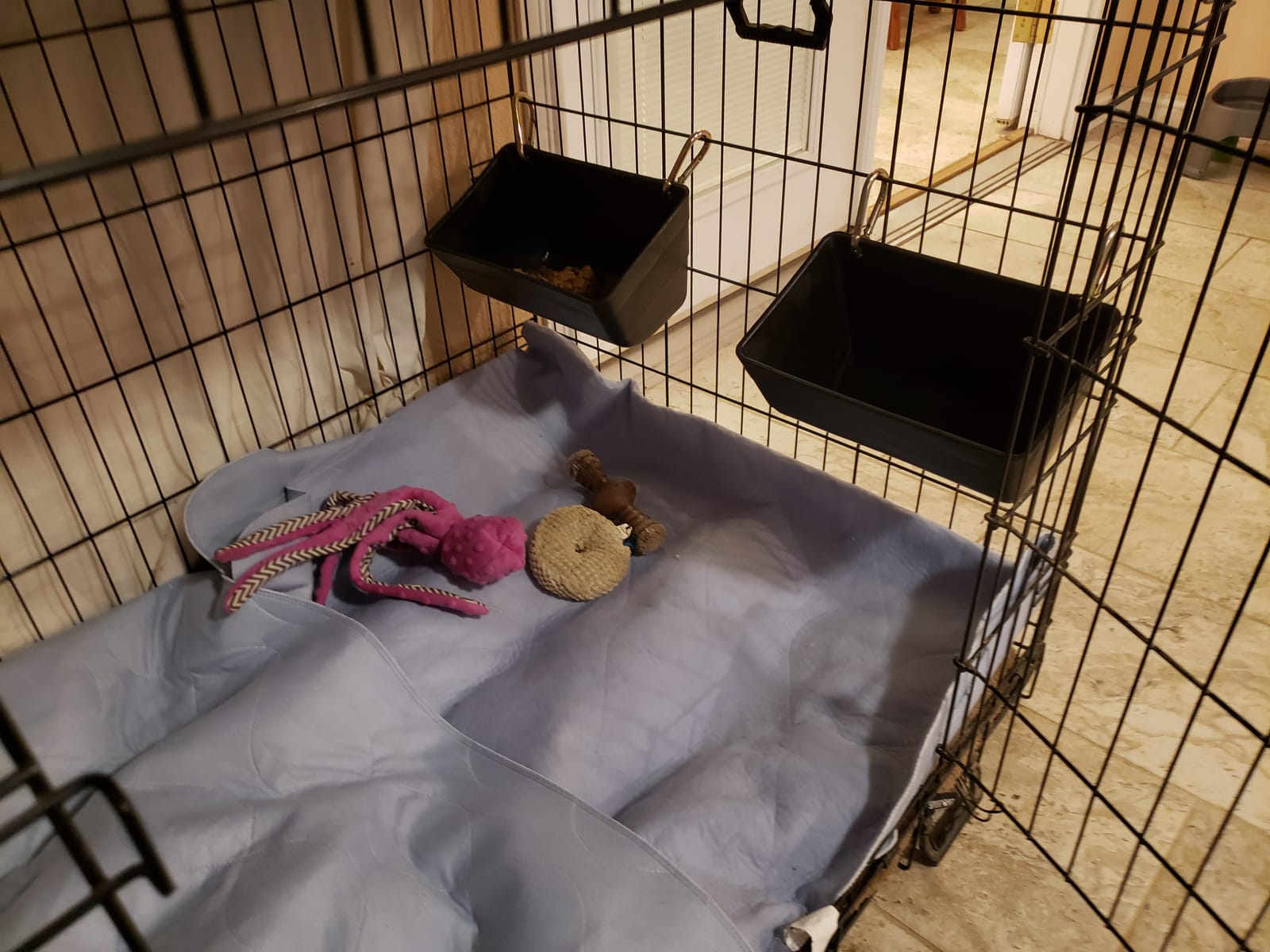
With 2,257 reviews, this is the most-owned feeder on our list, and there is a reason the classic clip-on bucket design never goes away. The flat-back ergonomic shape sits flush against a board fence, the metal bracket holds it steady, and 20 quarts is enough for a full grain feeding for a horse or a solid ration for several goats at once.
We use ours as a grain tub and as a water bucket depending on the season, and the polyethylene resin has taken freezes, drops, and a horse deciding to flip it without splitting. The thick walls are immediately obvious the first time you thump one — this is not the flimsy hardware-store bucket you replace every year.
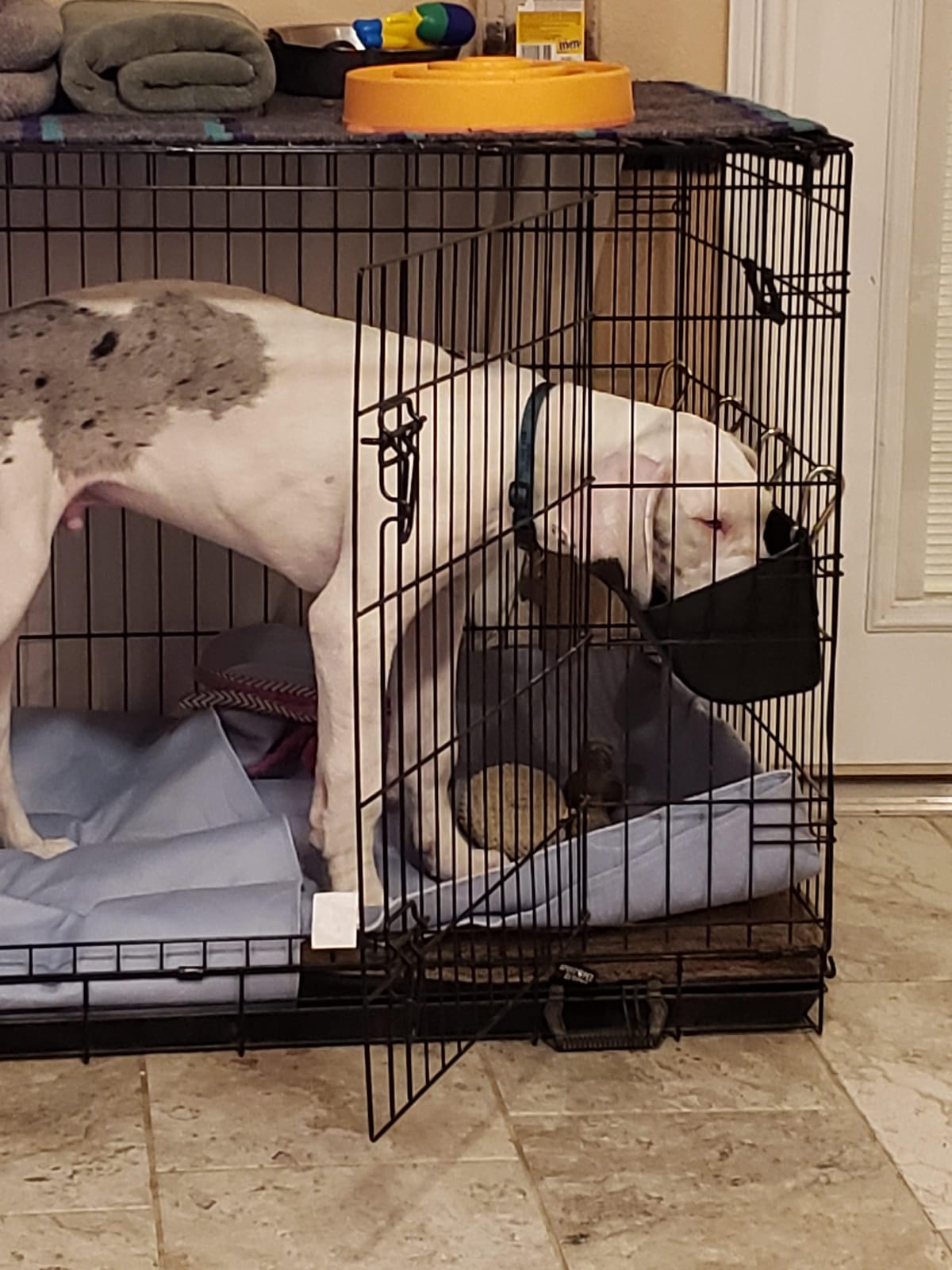
The detachable bracket is quietly the best feature. Slide the bucket off to scrub it, dump water, or move it to another pen, and click it back on. Reviewers with ducks, pigs, dogs, and horses all run the same bucket across species.
Two warnings from the review data: this SKU is often low on stock and is not Prime eligible, so if you need it by a date, order early. And check the box on arrival — some buyers found the mounting hardware missing, which the manufacturer will usually send out on request.
Which setups this bucket fits best
Board fences, stall walls, and gate frames are its natural home. If you feed grain, soaked beet pulp, or need a rugged water bucket that survives animal abuse, this is the one.
It is not a hay feeder — pair it with a rack if your animals need roughage too, since stuffing hay into a bucket defeats the purpose of both.
What to know before you buy
You need a board or rail roughly two inches wide for the bracket to hook over. On wire fencing you will have to improvise a cross-member, so factor that in before ordering.
Mount it at the height of your tallest regular user for grain, or lower for water — and expect horses to test whether they can knock it free, because a few reviewers say the persistent ones eventually can.
6. mozoba Hanging Feed Trough — Best Value 3-Pack for Small Livestock
Hanging Chicken Feeder Trough Goat Feeder Chicken Fence Feeder Waterer Cup
3-pack troughs
Clips and screws included
PP plastic
Feeder or waterer
Pros
- Three feeders in one purchase
- Hangs on any fence with clips
- Works as feed or water trough
- Keeps feed off the ground
Cons
- Carabiners are low quality
- Small capacity per trough
- Some spillage with sloppy eaters
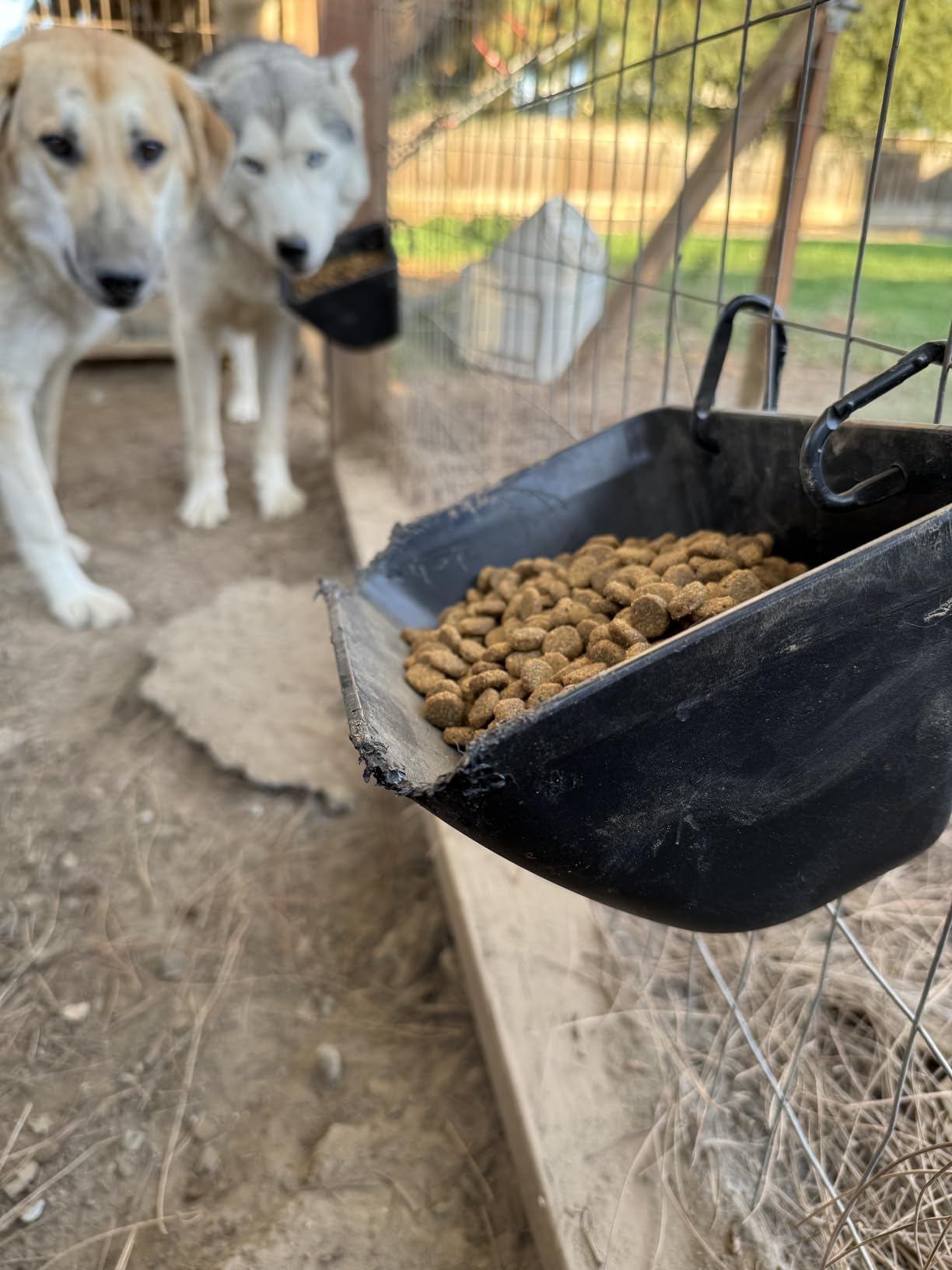
Sometimes the best livestock feeders are the simple ones you can scatter everywhere. This 3-pack of hanging troughs cost us less than a single steel rack, and suddenly we had one on the chicken run, one on the goat pen, and one in the farrowing area for a litter of piglets. For a dollar-per-feeding-station comparison, nothing else on this list comes close.
The additive-free PP plastic is safe for animals and has held up to a goat’s enthusiastic head-butting. Each trough comes with two clips and two screws, so you can hang them on wire, board, or mesh without extra shopping trips. With 649 reviews and a 4.6 rating, the experience of other smallholders matches ours.
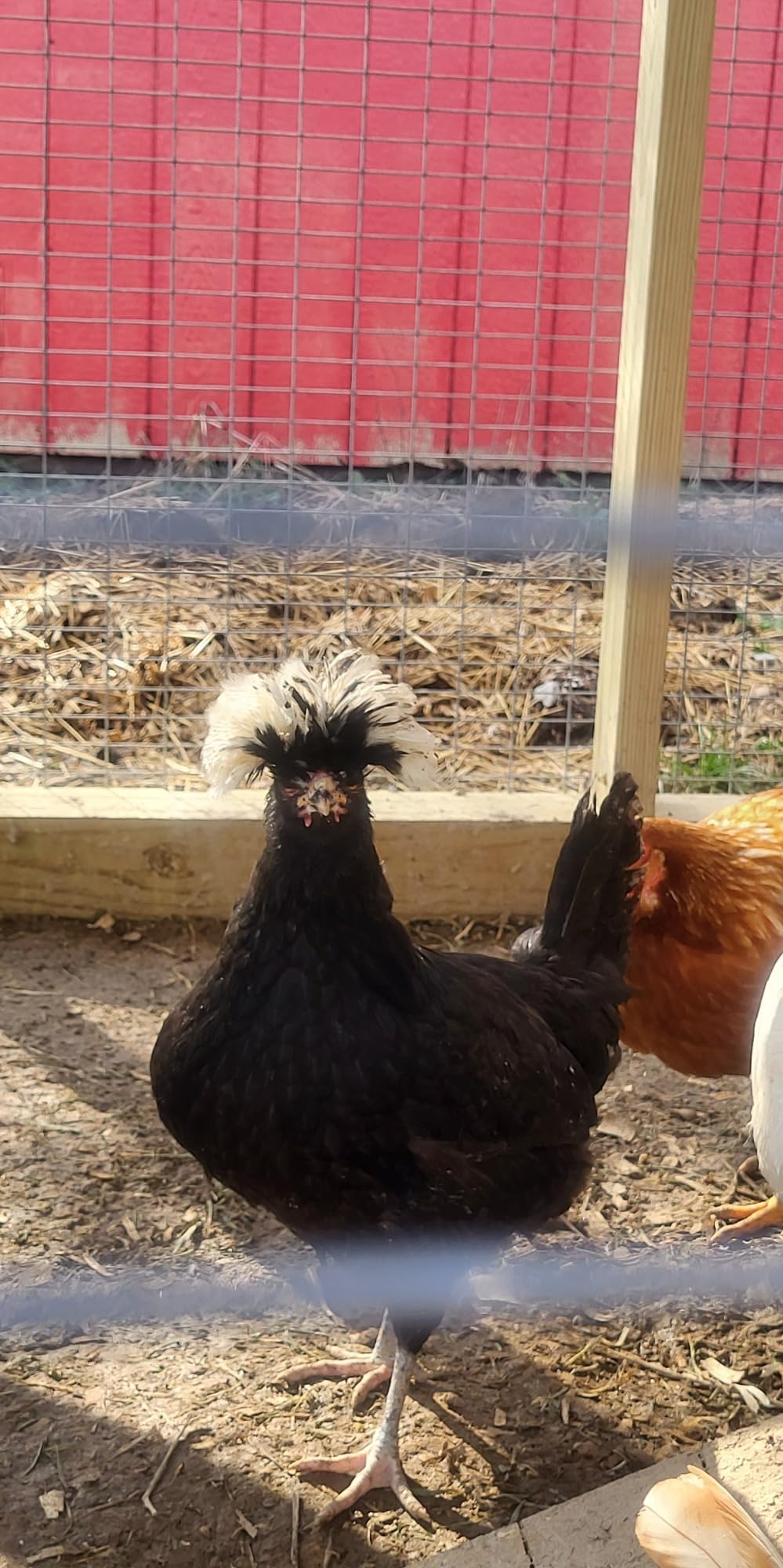
Using them as waterers works too — we ran one as a duckling waterer one spring and it was easy to dump and rinse. Keeping feed elevated and off the ground is the whole point, and waste in our chicken run dropped within a week of switching from ground scattering.
The weak link is the carabiner clips, which several reviewers correctly called out as flimsy. Ours held, but I swapped two of them for zip ties after a windy week. The individual troughs are also modest in size, which is fine for poultry and goats but limiting for larger mouths.
Where a 3-pack beats a single feeder
Multiple feeding points reduce bullying, which is a real problem in mixed flocks and herds. Three troughs spread along a fence let timid hens and low-ranking goats eat in peace instead of waiting for the boss to finish.
The multi-pack also suits rotational setups — move one trough with each group as you rotate pens, and keep a spare clean one ready to swap in.
What to know before you buy
Expect to improve the hanging hardware yourself, since the included carabiners are the most common complaint. Zip ties or your own clips make the system much sturdier for a few cents each.
Think through trough height per species: chickens want them at back height, goats at chest height, and piglets close to the ground. One height will not suit all three.
7. VEVOR 2-in-1 Wall Feeder with Grain Tray — Best Combo for Goat Barns
VEVOR Wall Mounted Hay Rack, 18.5 Gallon Livestock Feeder with 2.5 Gallon Feed Tray, 2 in 1 Hay and Grain Feeder, Feeds up to 5 Goats, Heavy-Duty Galvanized Steel Goat Feeders for Farm Sheep Horses
Hay rack plus 2.5-gal tray
Feeds up to 5 goats
Galvanized Q235 steel
L-shaped wall hooks
Pros
- Hay and grain in one wall unit
- Full-welded galvanized frame
- L-shaped hooks install fast
- Rust and wear resistant panels
Cons
- Can feel flimsy when overloaded
- Limited mounting positions
- Rust spots reported by some buyers
This is the wall-mounted version of our top pick’s idea: hay up top, grain tray below, one installation. The 2.5-gallon tray catches the leaf drop from the rack above it, so the best feed falls into the pan instead of the floor — that is hay-saver thinking applied to a small-farm budget. VEVOR rates it for up to five goats at once, which matched what we saw comfortably.
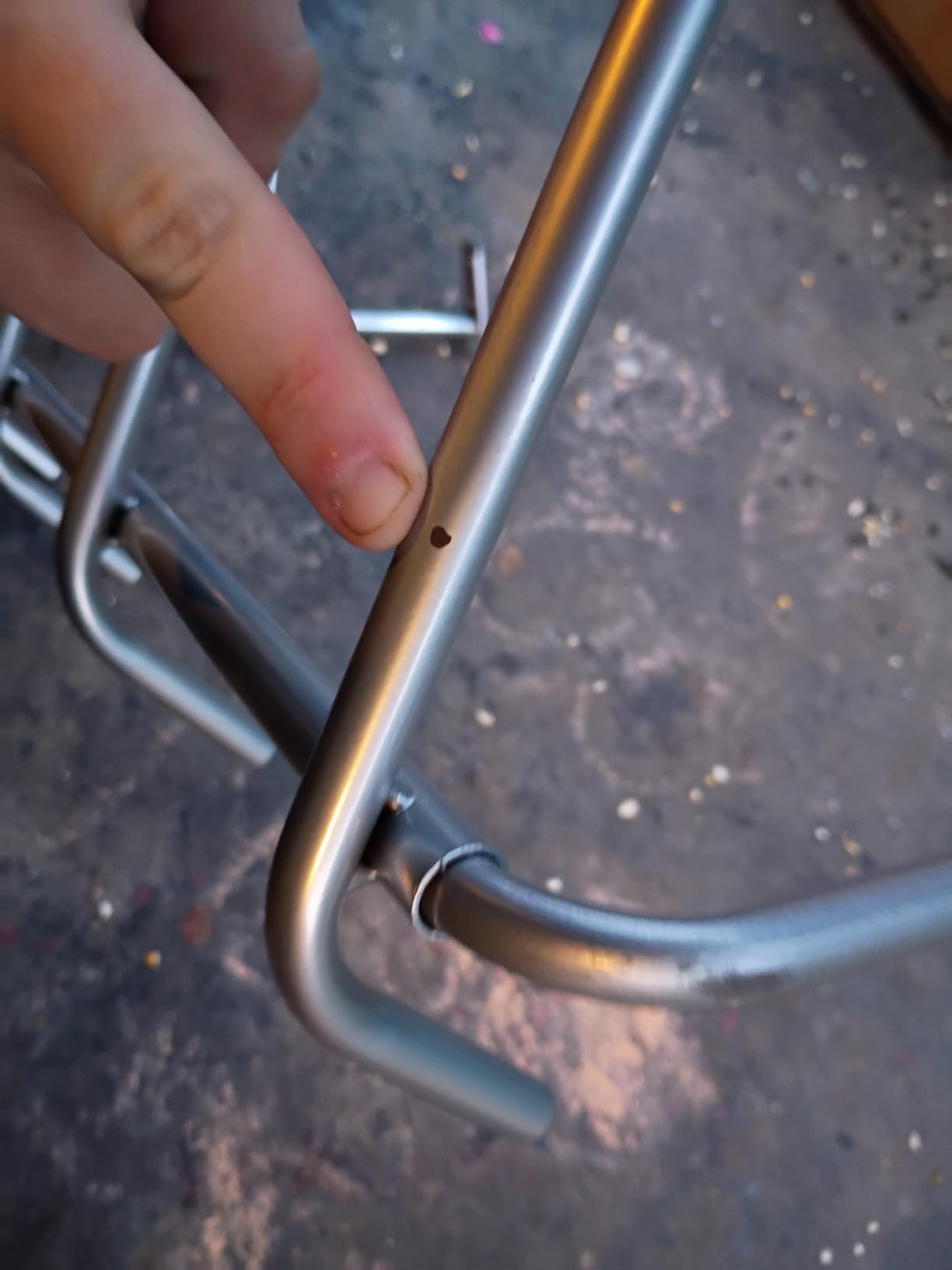
Installation is genuinely tool-simple thanks to the L-shaped hooks, and the whole unit can be lifted off the wall for cleaning or pen rearranging. The Q235 carbon steel pipes with galvanized panels are welded as one piece, and after months of barn humidity ours shows no structural complaints.
Compared to the plain wall rack earlier in this list, the grain tray is the difference-maker. Supplement, mineral pellets, or caught leaf shatter all land somewhere useful instead of in the bedding, and you can run one wall station per group instead of separate rack and trough.
The honest negatives mirror the other VEVOR wall unit: a few buyers found it bends if you really cram it, and there are scattered reports of rust and chipped finish. For a goat or sheep barn it is well-matched; for horned, heavy, or bored animals, choose a floor-standing heavy feeder instead.
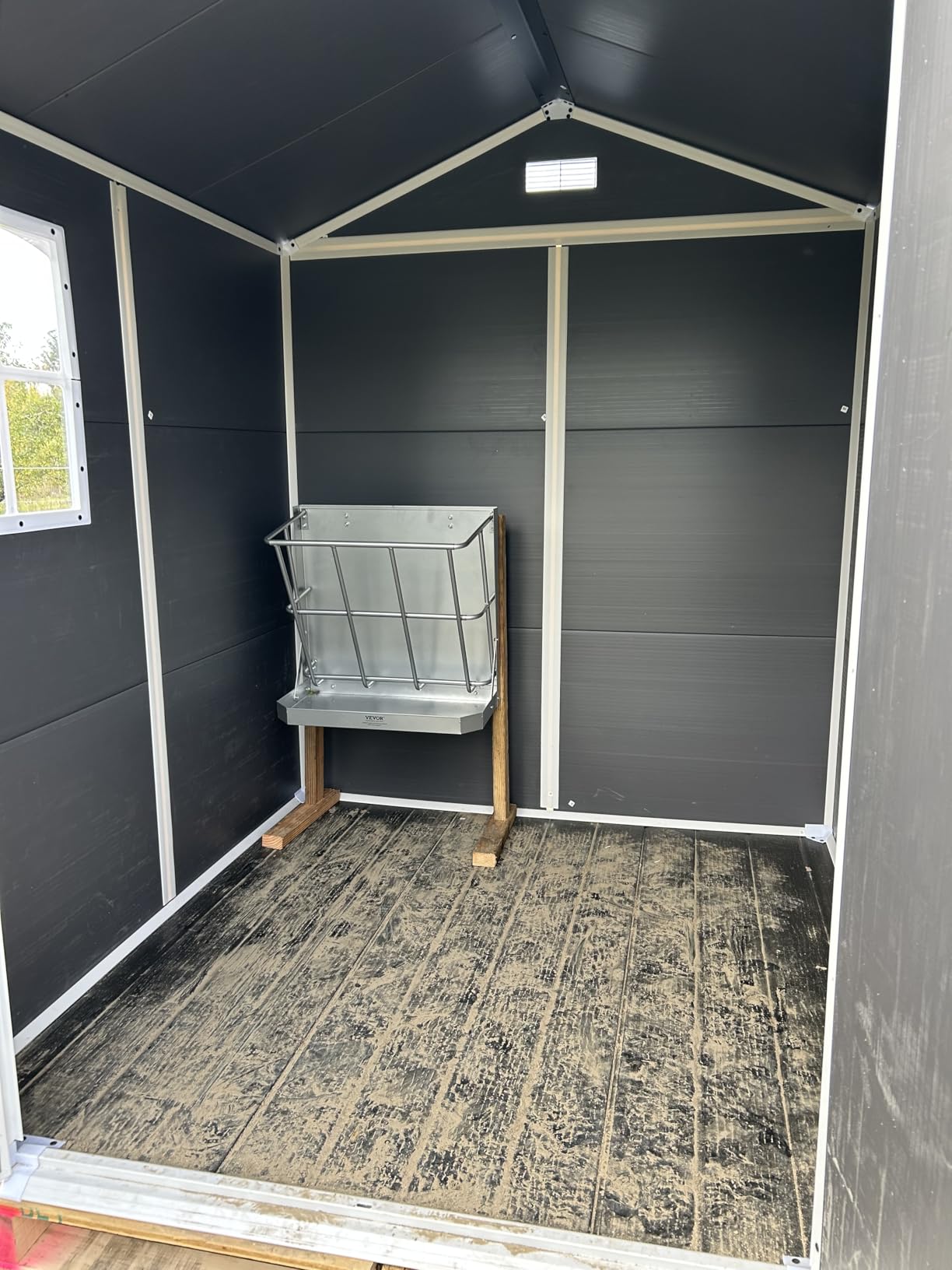
Which barns this combo suits
It is built for goat and sheep setups in barns, stables, and three-sided sheds where wall space exists and floors need to stay clear. Small to medium groups of about five animals per unit is the sweet spot.
It is a poor match for open muddy lots with no walls, and for cattle who will stress any wall-mounted hardware beyond its design.
What to know before you buy
Confirm your wall can carry a loaded rack — wet hay is heavy, and the hooks transfer all that load to the board behind them. Anchor into framing, not thin sheathing.
Note that this model is often low in stock, so if you need matched pairs for multiple pens, order them together rather than weeks apart.
8. Little Giant Hook Over Feeder — Best USA-Made Hook-On Bucket
Little Giant® Plastic Hook Over Feeder | Mountable Livestock & Pet Feed Bucket | Horse Feed Bucket | Made in USA | 15 Quarts | Green
15-quart capacity
Hooks over any 2-inch board
Impact-resistant polyethylene
Made in USA
Pros
- Hooks on in seconds with no tools
- Impact and warp resistant resin
- Feed or water use
- Nine color and size combinations
Cons
- Persistent horses can knock it off
- Stickers are hard to remove
The highest-rated feeder on our list is also one of the simplest. This 15-quart bucket hooks over any two-inch board or rail — no brackets, no bolts, no assembly — and a 4.8 average across 661 reviews with 88 percent five-star ratings puts it in rare territory for any farm product.
We keep one on the rail at a time and move it wherever it is needed: stall for the horse’s grain, yard fence for the dogs’ water, barn aisle for soaking feed. The polyethylene resin shrugs off impacts that would crack cheaper buckets, and the molded hook has not warped or spread after a year of daily lifting on and off.
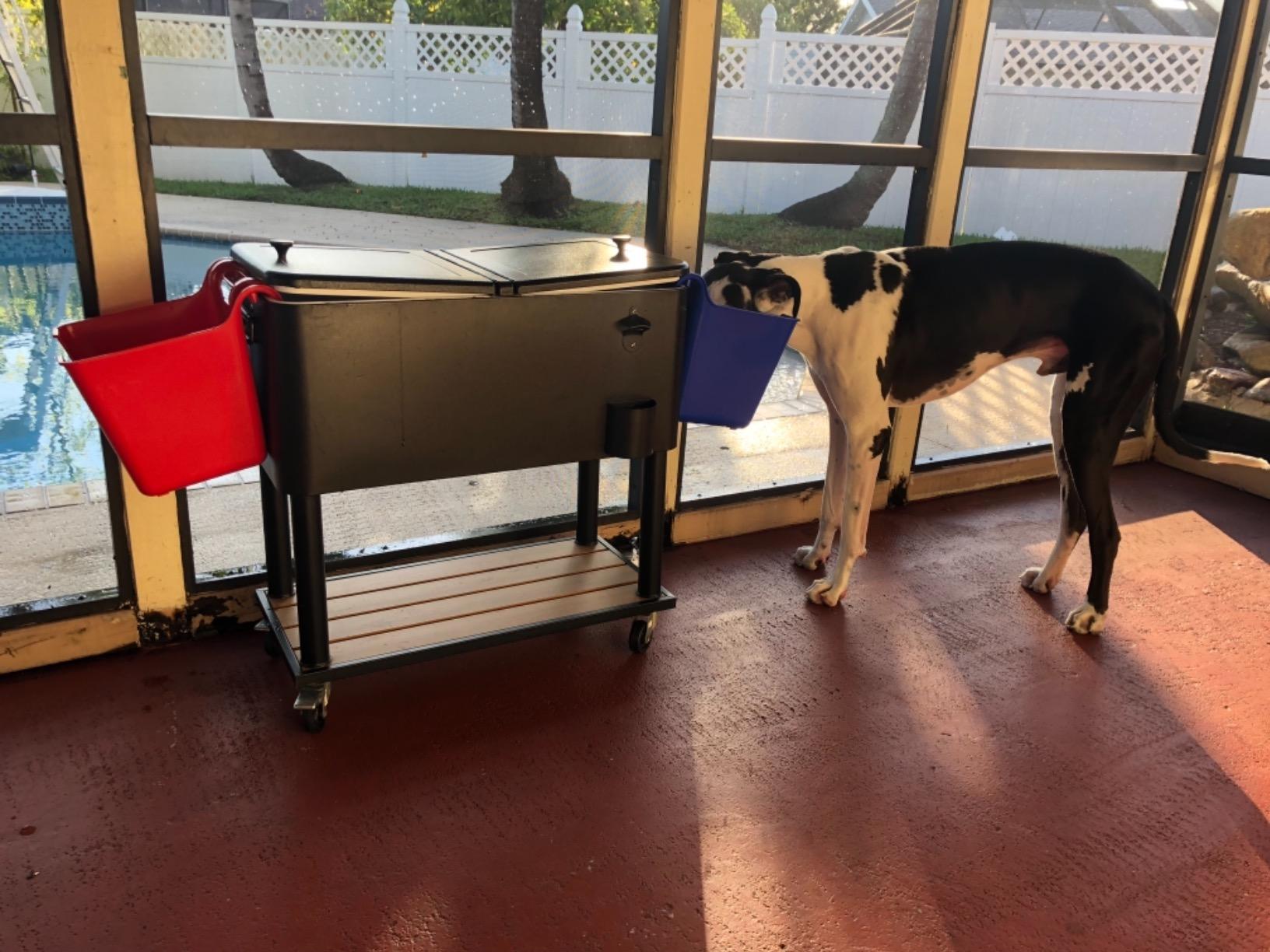
Made in USA quality shows in the details — consistent wall thickness, a flat stable base when set on the ground, and a finish that has not chalked in the sun. When something has been in production this long with ratings that consistent, you are buying a known quantity.
The two complaints in the data are minor but real: the shipping stickers are stubborn to remove, and a determined horse can eventually knock a hook-on bucket off a rail. If that is your situation, a single screw through the mounting tab locks it in place permanently.
Which animals and uses fit this bucket
Horses, ponies, goats, sheep, and dogs are the core users. Fifteen quarts is generous for grain rations and workable as an overnight water bucket for one animal.
For cattle or hogs it is undersized as a primary feeder, but it excels as a catch-all for supplements, medications, or moving feed around the property.
What to know before you buy
Measure your top rail before ordering — the hook is sized for a two-inch board, and anything thicker needs the screw-in mounting route instead. It also comes in a 12-quart size and eight other colors if you color-code by animal or pen.
If you have a known bucket-flipper, plan on the one-screw permanent mount from day one and save yourself the chase.
What to Look for When Buying Livestock Feeders?
Choosing between livestock feeders comes down to five factors, and getting them right matters more than any specific brand. Here is what our seasons of trial and error — plus the collective experience in ranching forums — taught us to check first.
1. Waste reduction design
This is the whole game. Ranchers report 35 to 50 percent hay waste when feeding loose bales with no feeder, and cone-style and rack designs recover most of that loss. Look for feeders that catch falling leaf shatter in a tray or pan, and for bar spacing that lets animals pull hay without dragging whole sections onto the ground.
Even the simple step of lifting grain into a trough instead of feeding on the ground cuts visible waste within days, as we saw with our own hens.
2. Capacity matched to your herd
A feeder that is too small creates two problems: constant refilling and bullying, since dominant animals control a scarce resource. As a working rule from forum experience and our own pens, plan one wall rack or station per five goats or sheep, and one hook bucket per horse.
For cattle, the classic question is how many animals one round bale supports. A 1,200-pound bale feeds roughly 25 to 30 cows for a day at typical consumption — so size your feeder and your bale count around the herd, not the other way around.
3. Build quality and materials
Q235 carbon steel with galvanized or powder-coated finishes is the standard to look for in metal feeders, and full-welded frames outlast bolted ones. In plastics, look for impact-resistant polyethylene with UV protection — cheap plastic becomes brittle in one summer of direct sun.
Weight tells the truth in metal feeders: experienced ranchers favor heavy units because light ones get pushed, lifted, and eventually destroyed by bored animals.
4. Mounting and portability
Wall-mounted units save floor space and stay cleaner, but they tie you to a structure and demand solid anchoring. Floor-standing and hook-on feeders move with rotational grazing, which forum users consistently rate as a top convenience.
If your pens rotate or your ground turns to mud, prioritize feeders you can relocate — ideally one-person portable.
5. Climate and footing
In wet climates, rust resistance and drainage come first: galvanized or powder-coated steel, and plastics rated for frost. Several experienced operators also recommend rubber mats or gravel under feeding stations to keep mud — and wasted feed mixed into it — under control.
In freezing regions, choose troughs you can empty and flip overnight, and remember that frozen feed at the bottom of a trough is a common cold-weather complaint.
A note on net wrap safety
A concern that comes up repeatedly in ranching communities is cattle ingesting net wrap when bales are fed in open feeders. If you feed wrapped bales, cut and remove all wrap before loading a feeder — no feeder design makes net wrap safe to eat.
Frequently Asked Questions
What is the most efficient hay feeder for cattle?
Cone-style round bale feeders are widely considered the most efficient for cattle, with ranchers reporting 35 to 50 percent less hay waste compared to feeding bales on the ground. The cone holds the bale above the ground and forces cattle to eat from below, catching falling leaves in the base. For small livestock like goats and sheep, rack feeders with a catch tray below deliver a similar waste-saving benefit.
How many cows will one round bale feed a day?
A typical 1,200-pound round bale feeds roughly 25 to 30 cows for one day, based on average consumption of about 2 to 2.5 percent of body weight in dry matter per cow daily. Actual numbers depend on bale weight, forage quality, whether the cows are lactating, and how much waste your feeder allows. Using an efficient feeder effectively stretches each bale further because less hay is trampled.
Is a bale feeder worth the money?
For most operations, yes. If you feed hay through a winter, cutting waste from 40 percent down to 10 percent means roughly a third more usable feed from every bale you buy. For a herd eating hundreds of dollars of hay per month, a well-built feeder typically pays for itself within one or two feeding seasons, then keeps saving money for years if the construction holds up.
How much does a hay ring cost?
Hay ring prices vary widely depending on size, steel thickness, and whether the design includes a cone or skirt, with basic rings at the low end and heavy cone-style savers at the high end. Lighter single-ring models cost the least but last fewer seasons, while heavy galvanized units with skirted bottoms cost more upfront and save more hay over time. Wall-mounted racks and trough feeders for small livestock are far cheaper than full cattle hay rings.
What size hay feeder do I need?
Match feeder capacity to your head count: one wall rack per 5 goats or sheep, one bucket per horse, and for cattle a full-size round bale feeder per 20 to 25 cows so all animals can eat at once. Undersized feeders cause bullying and constant refilling, while oversized feeders waste space and money. When in doubt, buy two smaller feeding stations rather than one large one, since multiple points reduce competition.
Final Verdict: Which Livestock Feeder Should You Buy?
After living with these feeders through full feeding seasons, our recommendations are clear. The VEVOR 2-in-1 hay and grain station is the best livestock feeder for small mixed herds, combining real capacity with a catch pan that pays for itself in saved hay. The mozoba 3-pack is the smartest money you can spend on getting feed off the ground across poultry and small ruminant pens, and the Little Giant mineral feeder and hook-over bucket are the proven, top-rated accessories every barn eventually needs.
Whatever your herd size, the principle is the same: every bale you keep out of the mud is feed you already paid for. Match the feeder to the animal, anchor it well, and it will save you money season after season — and if you are still feeding hay loose on the ground, 2026 is the year to stop.