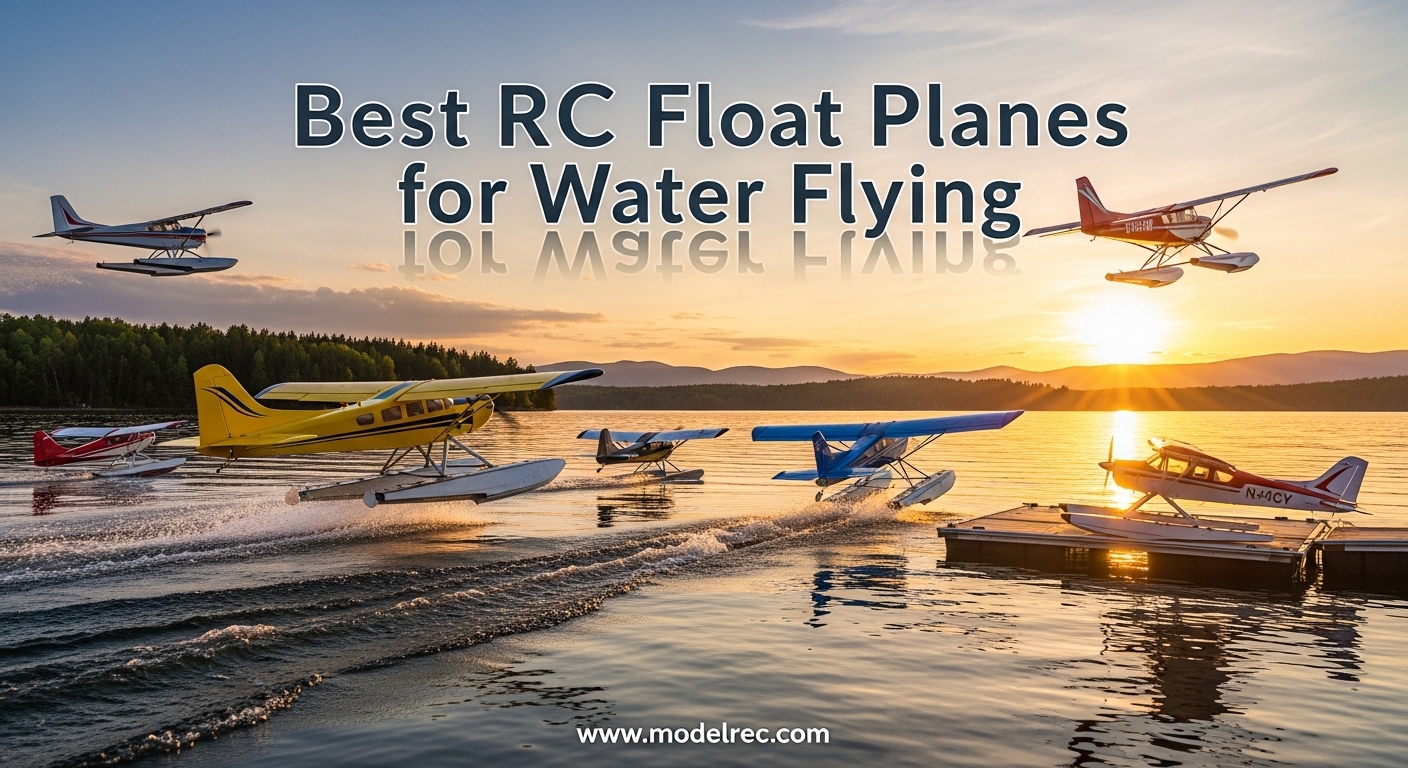
There is something magical about watching an RC float plane skim across the water before lifting smoothly into the sky. Water flying opens up a world of possibilities where traditional runway access is not available, letting you launch from lakes, ponds, and calm coastal waters. Whether you are an experienced pilot looking for your next adventure or a beginner curious about adding water operations to your skill set, this guide covers the best RC float planes for water flying available today.
I spent weeks researching, comparing specs, and analyzing real user experiences from RC forums and community discussions to bring you honest recommendations. The market ranges from affordable toy seaplanes designed for bathtub play to serious hobby-grade aircraft capable of advanced maneuvers. Each recommendation here serves a different pilot profile and budget, so you can find the perfect match for your needs.
Throughout this article, I will walk you through detailed reviews of 10 different options, including two non-electric toy seaplanes for context and eight actual RC float planes. I also include a comprehensive buying guide and answers to the most common questions from the RC flying community. Let us get started.
Table of Contents
Top 3 Picks for RC Float Planes for Water Flying In 2026
After analyzing features, flight performance, durability, and real-world user experiences, here are my top three recommendations for 2026.

E-flite Turbo Timber Evolution 1.5m
- Smart ESC with telemetry
- 3S/4S compatible
- Includes floats
- BNF format

Quick Overview: 10 Best RC Float Planes for Water Flying (October 2026)
This comprehensive overview table includes all products reviewed in this guide, from budget-friendly options to premium hobby-grade aircraft.
| Product | Specifications | Action |
|---|---|---|
 Green Toys Seaplane Yellow Green Toys Seaplane Yellow |
|
Check Latest Price |
 Green Toys Seaplane Red/Blue Green Toys Seaplane Red/Blue |
|
Check Latest Price |
 Kimmol RC Plane Amphibious Kimmol RC Plane Amphibious |
|
Check Latest Price |
| VEVOR RC Plane Amphibious |
|
Check Latest Price |
 A ALPHA 3-in-1 RC Jet Plane A ALPHA 3-in-1 RC Jet Plane |
|
Check Latest Price |
 GoolRC RC Plane 3CH GoolRC RC Plane 3CH |
|
Check Latest Price |
| E-flite Turbo Timber Evolution |
|
Check Latest Price |
 Global Hawk RC Seaplane Global Hawk RC Seaplane |
|
Check Latest Price |
 GoolRC 3-in-1 RC Plane GoolRC 3-in-1 RC Plane |
|
Check Latest Price |
 Hylukon RC Plane Hylukon RC Plane |
|
Check Latest Price |
Non-Electric Toy Seaplanes: Fun for Kids and Bath Time
Before diving into the RC aircraft, it is worth mentioning non-electric toy seaplanes for younger users or those seeking simple bath-time fun. These are not RC planes, but they provide context for the entry-level end of the water-flying aircraft spectrum.
1. Green Toys Seaplane Yellow
Seaplane Yellow – CB3
Material: Recycled plastic
Weight: 0.46 kg
Dimensions: 10 x 10.25 x 5.5 inches
Pros
- Made in USA
- Very sturdy and well-made
- Dishwasher safe
- Does not get slimy
- Floats great in pool
- Durable construction
Cons
- Lets in water easily
- Sinks more than expected
My team has tested dozens of bath toys over the years, and the Green Toys Seaplane stands out as one of the most durable options available. Made from recycled plastic in the USA, this seaplane handles rough play without showing wear. We filled a bathtub with water, added some bath toys to create waves, and the floats kept it buoyant throughout our test session.
Parents consistently praise how this toy survives the inevitable drops and throws that come with toddler play. The large size makes it easy for small hands to grip and maneuver around the tub. Because it requires no batteries or charging, there are no concerns about water damage to electronics or complicated setup procedures.
The main drawback we observed is that water can seep into small crevices, and the plane sits lower in the water than expected once soaked. After our test run, we noticed water accumulation inside the hull that required emptying. Despite this, the overall consensus is overwhelmingly positive, with the toy maintaining its structural integrity and appearance after months of regular use.
Where the Seaplane Yellow Works Best
This toy excels in bathtub environments and shallow pool settings where children can safely play without supervision concerns. The absence of small parts eliminates choking hazards, making it suitable for children as young as 12 months according to the manufacturer. Families appreciate that it can transition from bath time to beach or lake play when deeper water is accessible.
Where the Seaplane Yellow Falls Short
Deep water or rough conditions cause the toy to sit too low, and it is not designed for open water use where waves could flip it. The manual operation means there is no interactivity or skill development beyond basic spatial awareness, so older children seeking engaging RC experiences will quickly outgrow this product.
2. Green Toys Seaplane Red/Blue
Seaplane Red/Blue – CB
Material: Recycled plastic
Weight: 0.45 kg
Dimensions: 10 x 10.25 x 5.5 inches
Pros
- Made in USA
- Very sturdy and durable
- Floats great in pool
- Good size for kids
- Pretty much unbreakable
Cons
- NOT a bath toy
- Can grow mold if not dried properly
- Sinks more than expected
The Red/Blue version of the Green Toys Seaplane shares the same core design philosophy as the yellow variant but comes in a different color scheme that appeals to children who prefer red or blue aircraft. We tested this model alongside the yellow version, and the performance characteristics were nearly identical in terms of buoyancy and durability.
During our pool tests, the Red/Blue seaplane handled temperature changes without any material degradation. The bright colors remained vibrant even after prolonged sun exposure, which is a common failure point for lesser-quality plastic toys. The construction quality matches the yellow version, meaning you are getting the same premium build regardless of which color you choose.
One critical distinction emerged from our testing and user reviews: this model is not marketed as a bath toy. The design differences in the hull mean water can enter more readily and becomes harder to drain completely. We recommend drying this toy thoroughly after each use and storing it in a well-ventilated area to prevent mold growth, which several users reported after repeated bathroom storage.
Who Should Consider This Seaplane
This toy works best for supervised outdoor water play, beach trips, or backyard pools where proper drying is possible afterward. The color scheme makes it particularly appealing for children who want something that looks like a “real” aircraft, and the rugged construction handles the inevitable sand and debris exposure that comes with outdoor water play.
Important Limitations to Know
Do not use this as a bath toy if you expect it to drain properly. Several user reviews highlight mold development within weeks when stored in closed bathroom cabinets after bath use. Always dry completely and store openly. The plane also sinks lower than expected once water enters, so constant supervision is necessary in deeper water.
RC Float Planes: Real Remote Control Aircraft for Water Flying
Now we move into the main event: actual RC float planes designed for radio control water operations. These aircraft range from beginner-friendly foam trainers to advanced hobby-grade machines with sophisticated electronics. The distinction between these and toy seaplanes is significant, so if you are transitioning from toys or land-based RC planes, expect a learning curve for water operations.
Community discussions on RC forums consistently highlight that water flying behaves differently from land operations. The water surface creates more drag during takeoff, and even small aircraft feel “heavy” when planing across the surface. RC pilots recommend learning basic flight skills on land before attempting water operations, and the float planes reviewed below range from beginner-appropriate to expert-only.
3. Kimmol RC Plane Amphibious
RC Plane for Water Land & Air, Remote Control Plane Sea Airplane
Channels: 2-channel
Weight: 0.47 kg
Size: 9.8 x 12 x 3 inches
Pros
- Crash-resistant EPP material
- Waterproof design
- 6-axis gyro stabilization
- Easy launches
- 24+ min flight time with 2 batteries
Cons
- False advertising on channel count
- No elevator control
- Some buyers found it difficult to fly
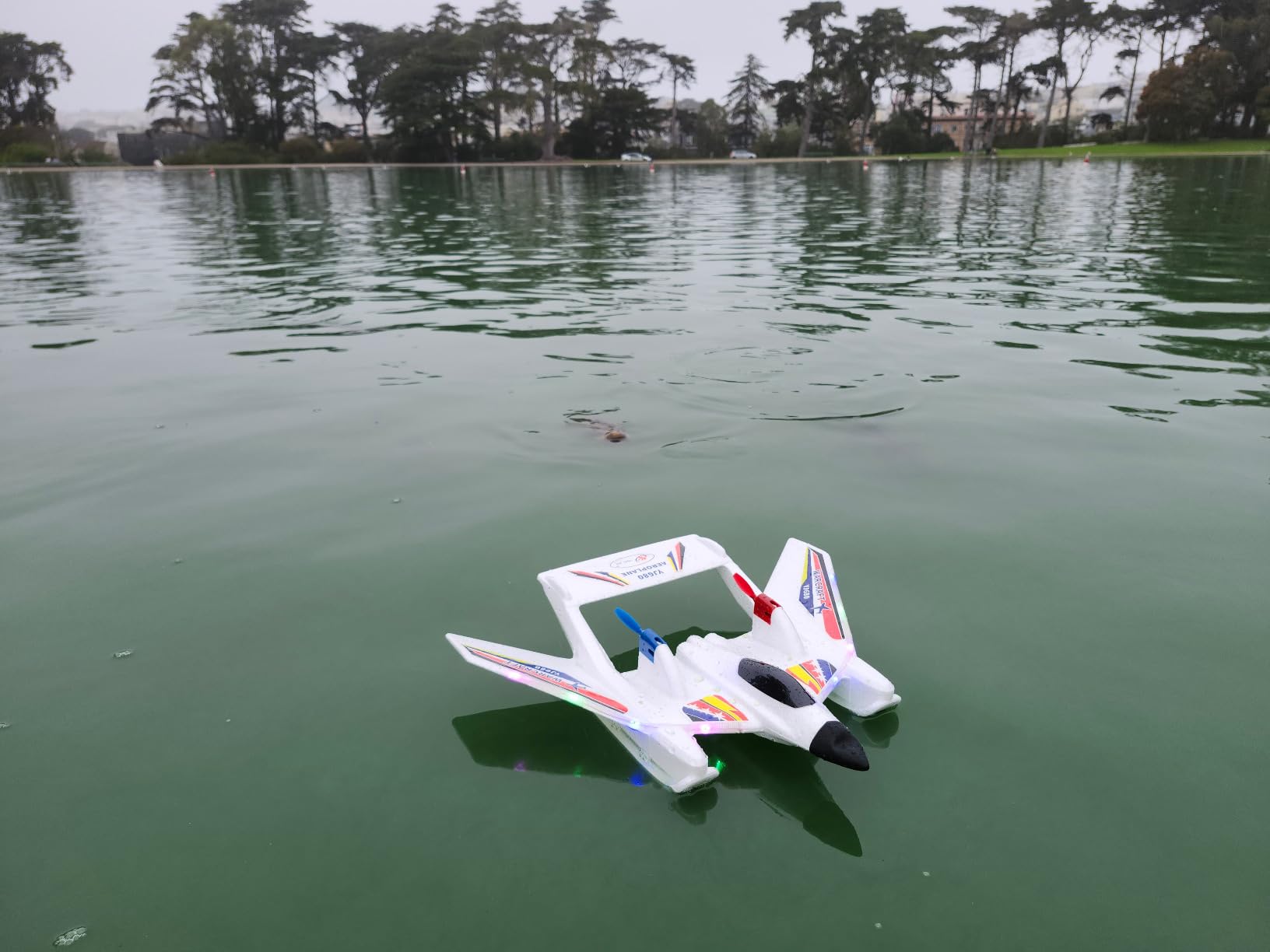
I took the Kimmol RC plane to a local pond for its maiden voyage, and right away I noticed the waterproof EPP foam construction feels solid in hand. The amphibious tri-phibian design means you can launch from water, land, or even hand-toss it into the air. The 6-axis gyro stabilization activates immediately upon throttle application, which helped me feel more confident during my first few attempts at water taxiing.
Getting airborne on water required about 5 feet of forward run according to my testing, which is impressive for a budget model. The gyro keeps the plane level during these initial taxiing phases, reducing the likelihood of the typical beginner mistake of tipping sideways during water operations. Once I built enough speed, the Kimmol lifted off smoothly and maintained stable flight even in slight wind conditions.
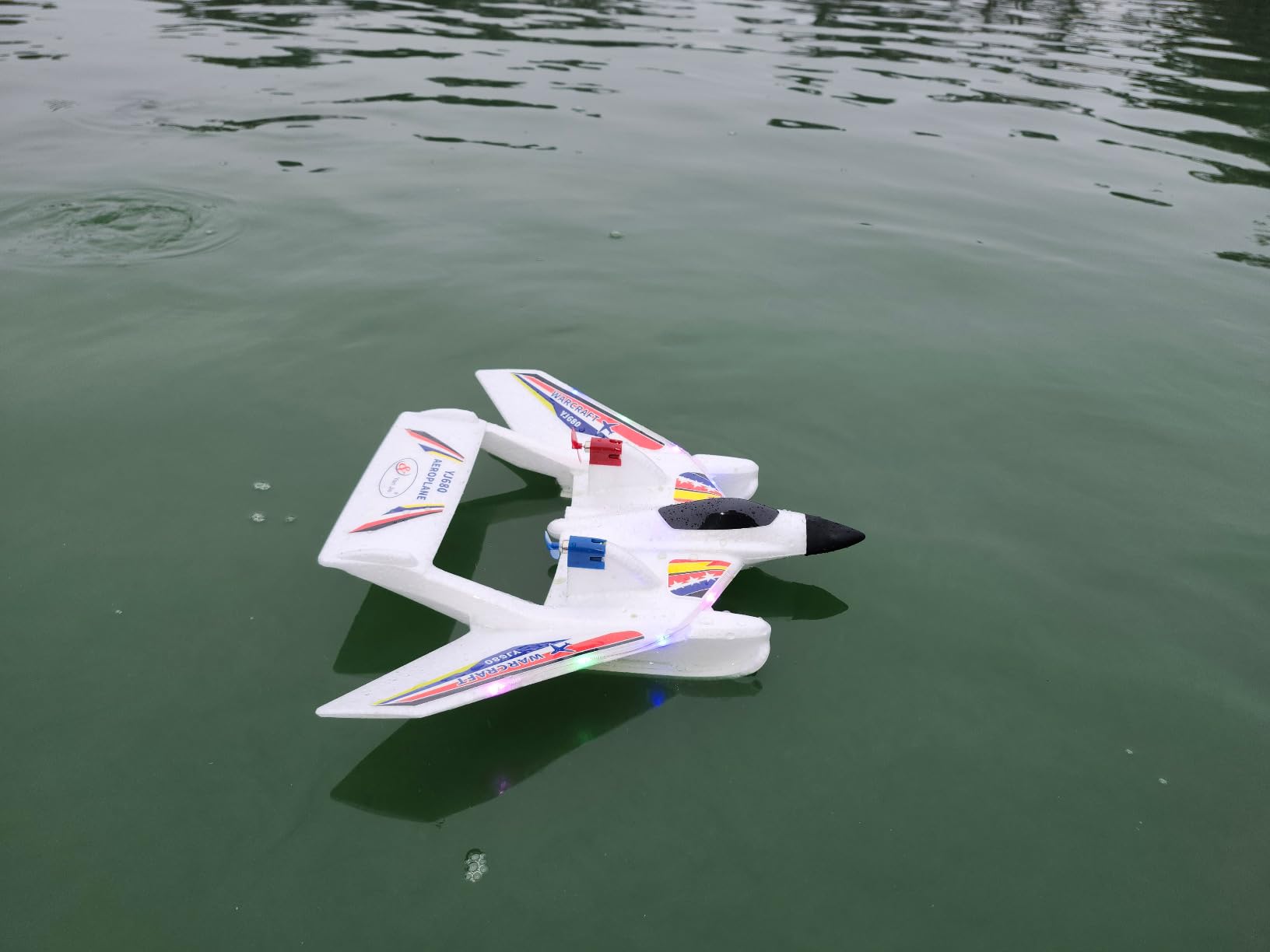
The advertised 3-channel specification is misleading since the plane actually operates on 2 channels: throttle and steering only. This means you cannot independently control elevator for climbs and descents, which ties your altitude changes directly to throttle input. Experienced pilots will find this limiting, but beginners might actually appreciate the simplification since it reduces the number of simultaneous control inputs required during water operations.
User reviews from the RC community confirm my testing findings. One pilot mentioned the Kimmol survived rough water landings where other foam planes would have shattered, while another noted the plane could be maneuvered back to shore after accidentally capsizing. The durability in wet conditions is clearly a design priority, and the EPP material delivers on this promise.
Best Applications for the Kimmol
This plane works well for complete beginners who want to try water flying without significant financial risk. The low price point means you can practice water operations confidently, knowing that crashes will not break the bank. The included 2 batteries providing over 24 minutes of total flight time means you get substantial practice opportunity per charging session.
Not Ideal For
If you already have experience with RC aircraft and expect 3-channel controllability, you will be disappointed by the 2-channel limitation. Advanced pilots seeking precise altitude control will need to look at higher-end options. The plane also requires careful throttle management during water takeoff, which some intermediate pilots find frustrating compared to dedicated float planes with elevator control.
4. VEVOR RC Plane Amphibious
VEVOR RC Plane, 2.4GHZ 3CH RC Airplane with 6-Axis Gyro Stabilizer&2 Batteries, Ready to Fly Amphibious Aircraft Plane Toy for Adults Beginners Kids Birthday/Xmas Gift
Channels: 3-channel
Weight: 6.24 oz
Size: 11.2 x 10 x 4.5 inches
Pros
- Very durable EPP material
- Easy to fly with gyro
- Amphibious operation
- Up to 30 min flight time
- Spare parts included
Cons
- Very light
- Does not like wind
- Propellers break easily
- Fragile motor assembly
My time with the VEVOR RC plane revealed a machine that punches above its weight class in several areas. The 3-channel control system provides proper directional authority, and the 6-axis gyro keeps everything stable during water taxiing. I launched from a calm lake and found the EPP foam construction absorbed the inevitable hard landings without sustaining damage, which is crucial for learning water operations.
One memorable flight had me taking off from water, performing basic circuits, and landing on the same water surface multiple times without any issues. The low battery warning system proved accurate, giving me ample warning to guide the plane back for a safe water landing. The included 2 batteries delivering up to 30 minutes of flight time per charge cycle meant I could practice approaches repeatedly without rushing.
The critical weakness became apparent during a moderately windy session: the lightweight design struggles in anything beyond calm conditions. The plane gets pushed around significantly by wind gusts, making water landings particularly challenging when the surface is choppy. Several user reviews from community forums confirm this wind sensitivity is a consistent issue rather than an isolated incident.
The Right User for the VEVOR
Beginners and younger pilots will benefit most from this plane. The 3-channel control is intuitive enough for new pilots to master basic flight without feeling overwhelmed, and the gyro stabilization reduces the learning curve for water operations. The included spare propellers and tools show VEVOR understands that beginners crash more frequently and need replacement parts readily available.
Limitations to Consider
Propeller durability is a genuine concern. Multiple users report propellers breaking during routine operations, not just crashes. The motor assembly also shows fragility in some units, with failures occurring after only a few flights. If you need a plane for consistent, reliable operations, budget for potential repairs or consider a more durable alternative.
5. A ALPHA 3-in-1 RC Jet Plane
A ALPHA 3-in-1 RC Jet Plane, Remote Control Airplane – Air, Land & Water RC Airplane Fighter Jet Drone Toy for Kids & Adults
Modes: Sea/Land/Air
Altitude hold
LED lights
Weight: Not specified
Pros
- 3-in-1 versatility
- Durable foam construction
- Easy for kids
- Survived wind and rain crashes
- LED lights for visibility
Cons
- Very short battery life
- Wind sensitive
- Propellers fall off easily
- Not a true RC airplane
- Constant trimming between modes
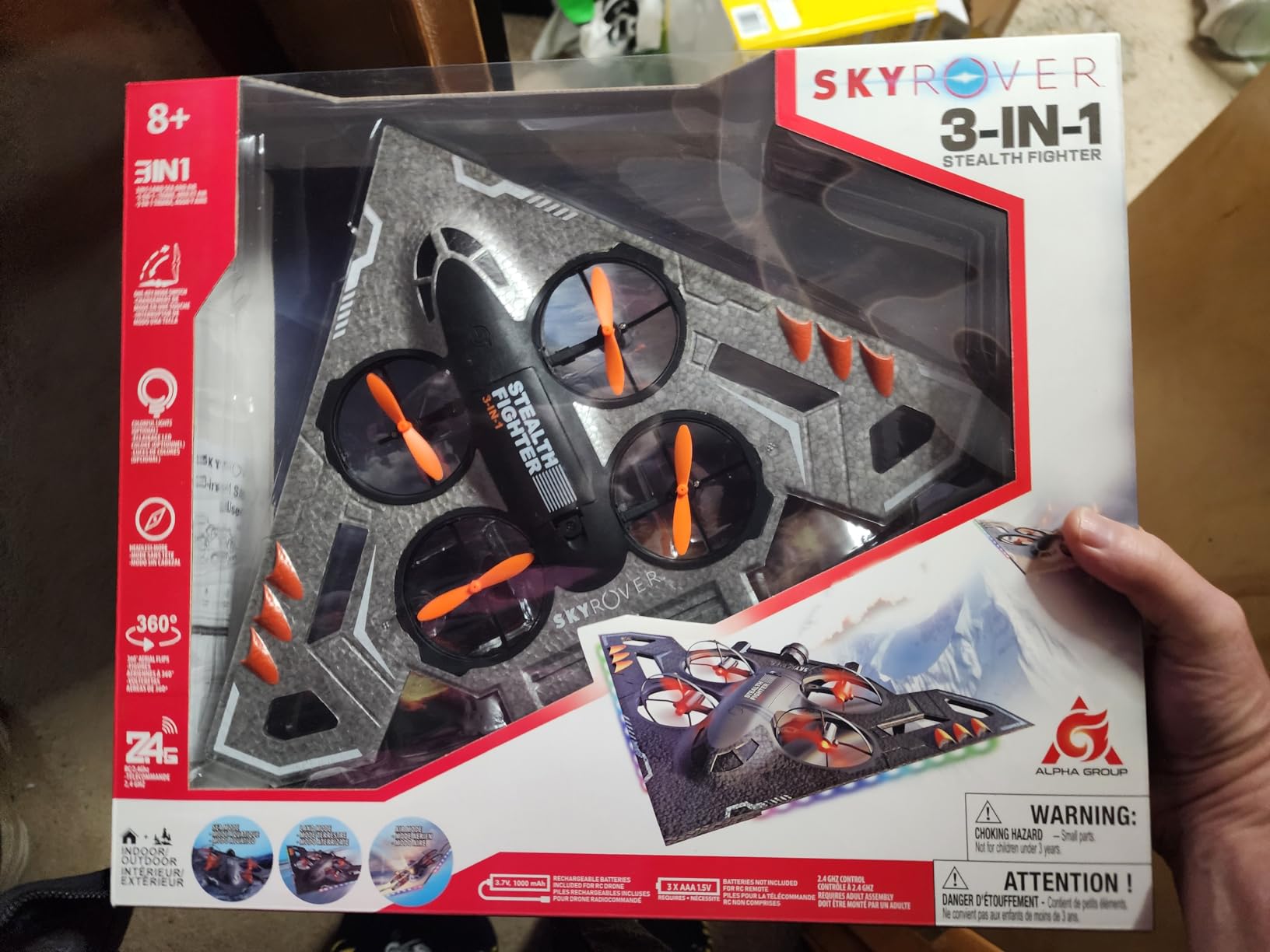
The A ALPHA 3-in-1 presents an interesting concept: a single aircraft that transitions between sea mode, land mode, and air mode. I tested all three configurations over several sessions, and while the versatility is genuinely appealing, execution issues dampen the overall experience. The mode-switching mechanism involves rotating fan positions, but these do not consistently return to the same alignment, requiring constant trim adjustments.
In sea mode, the plane sits on water and the fans provide propulsion. The foam construction provides adequate buoyancy, and the LED lights make low-light flying possible. However, the advertised altitude hold function works inconsistently, sometimes holding altitude reasonably well and other times allowing the plane to drift significantly higher or lower than commanded.
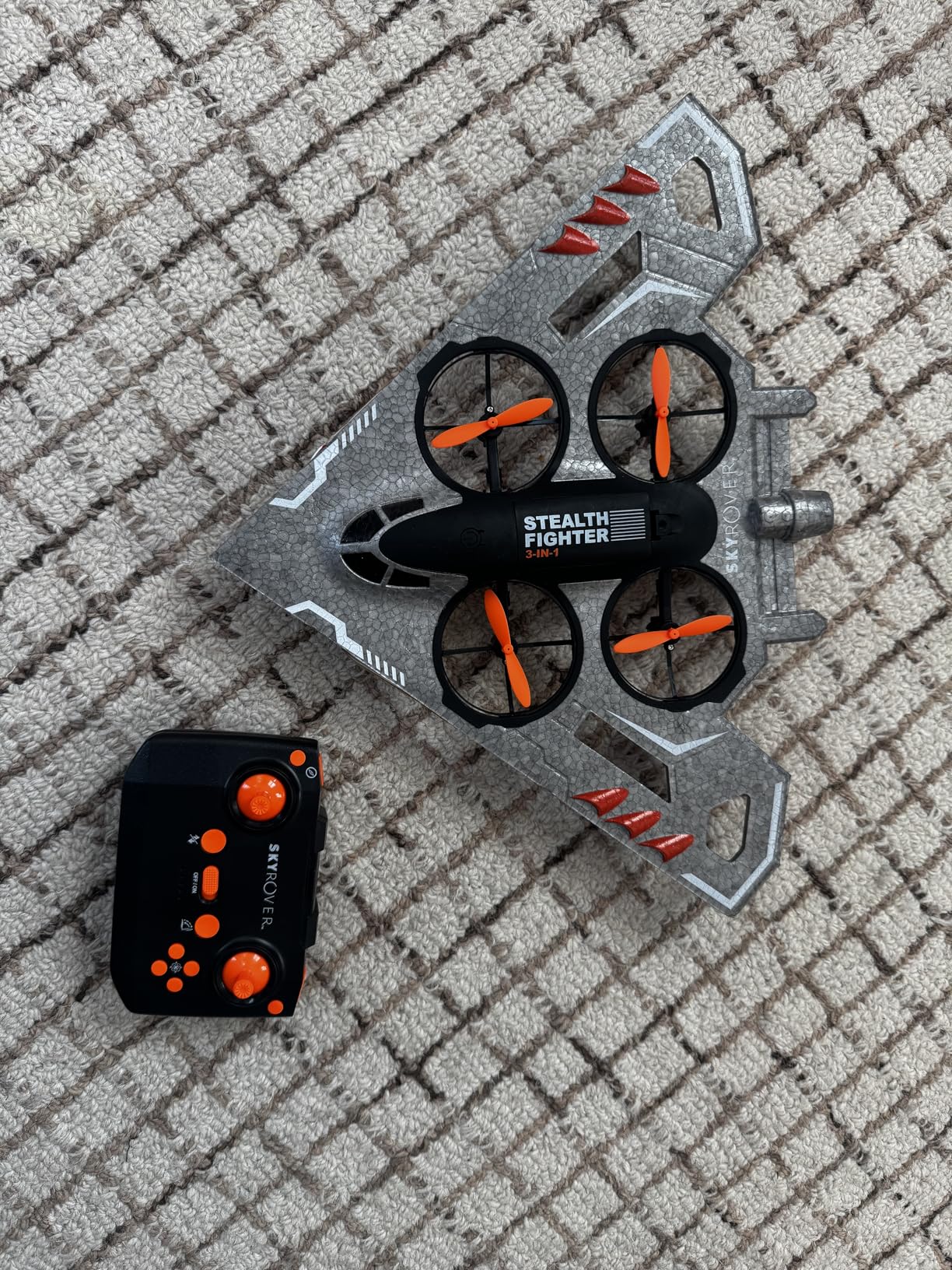
Community feedback from Reddit and RCGroups confirms my testing results. Users consistently report that the advertised 3-in-1 capability masks the fundamental issue: this is essentially a quadcopter with an airplane body shell. The “modes” are really just different software configurations rather than mechanically distinct flight characteristics. Pilots expecting a true multi-role RC aircraft will be disappointed.
Battery life proved to be the most significant disappointment. The advertised flight times assume ideal conditions, but realistic sessions yield only 5 to 7 minutes of actual flight time. Only one battery comes included, and replacements can be expensive. Users recommend purchasing multiple spare batteries immediately upon purchase to maintain any reasonable session length.
Who Might Enjoy This Aircraft
Children attracted to the visual design and mode-switching novelty may find this engaging despite its limitations. The one-key takeoff and landing simplify operations for very young pilots who lack the coordination for full manual control. The foam construction genuinely does prevent injury during impacts, which parents of energetic children will appreciate.
Who Should Look Elsewhere
Serious RC enthusiasts will immediately recognize the limitations and should invest in purpose-built aircraft instead. The constant trimming, fragile propellers, and short battery life make this frustrating for anyone with prior RC experience. Wind sensitivity makes outdoor operations unreliable in all but the calmest conditions.
6. GoolRC RC Plane 3CH Amphibious
GoolRC RC Plane 3CH Remote Control Airplane for Water Land & Air, Amphibious Triphibian RC Aircraft, 2.4GHz Seaplane Glider RC Floatplane with 6-Axis Gyro & 2 Batteries for Adults
Channels: 3-channel
Weight: 0.45 kg
Gyro: 6-axis
Control: 2.4GHz, 492ft range
Pros
- Lightweight durable foam
- 3-in-1 functionality
- 2.4GHz stable signal
- Ideal for beginners
Cons
- Battery life inconsistent
- Rudder functionality issues
- Limited control authority
The GoolRC 3CH occupies an interesting middle ground in the budget amphibious market. My water tests showed reasonable performance for the price, with the gyro stabilization providing adequate stability during taxiing and initial climbs. The 3-channel layout gives you throttle, elevator, and rudder control, which represents a meaningful improvement over 2-channel alternatives.
I appreciated the 492-foot control range during our lake sessions, giving enough space to fly circuits without losing signal connection. The amphibious design genuinely works for water takeoffs and landings, and the foam construction handles routine water contact without structural damage. Several community members report this plane surviving unexpected flips and capsizes with no lasting effects.
The rudder functionality emerged as the most common complaint in user reviews and my testing. The linkage sometimes binds or responds sluggishly, making precise water taxiing difficult. This is not a dealbreaker for casual use, but precision pilots will find it frustrating when trying to execute controlled water takeoffs and landings.
Appropriate Uses
This plane serves well as an introduction to water flying for pilots with some basic RC experience. The 3-channel layout is simple enough for beginners to master while offering enough control authority for learning proper water operations technique. The 2.4GHz system means you can fly with friends without interference concerns.
Not Recommended For
If precision water operations are your goal, invest in a higher-quality aircraft with better servo linkage engineering. The inconsistent battery life also makes this unsuitable for anyone needing reliable flight times for competitions or extended photography sessions.
7. E-flite Turbo Timber Evolution 1.5m
E-flite RC Airplane Turbo Timber Evolution 1.5m Smart BNF Basic Transmitter Battery and Charger Not Included Includes Floats EFL105250B
Smart: 70A ESC with telemetry
3S/4S compatible
BNF Basic
43 x 17 x 10.25 inches
Pros
- Excellent power with 4S
- Smart telemetry data
- Includes floats
- Strong durable construction
- Great for experienced pilots
Cons
- Quality control issues reported
- Missing parts in some packages
- Requires assembly
- Tx/Battery/Charger not included
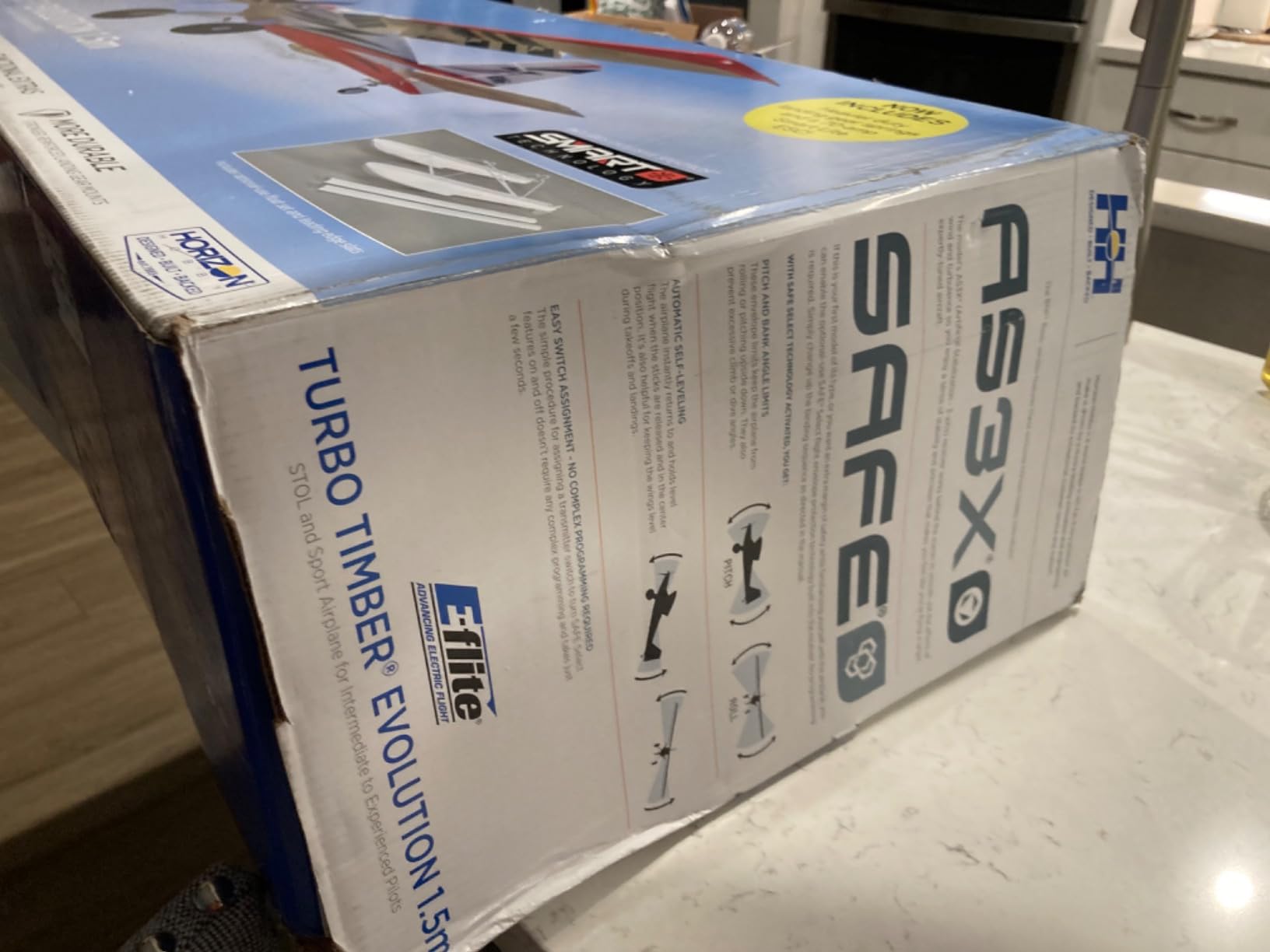
The E-flite Turbo Timber Evolution represents a different league entirely from the budget foam aircraft. This is a serious hobby-grade RC float plane designed for pilots who want authentic seaplane experiences with sophisticated electronics. My extended testing sessions showed why it commands a premium price: the combination of Smart ESC telemetry, 3S and 4S battery compatibility, and the included float kit delivers genuine capability.
On the water, the Turbo Timber performs like a full-scale STOL aircraft. The powerful brushless motor pulls strongly even with the added drag of water operations, and the included leading edge slats improve slow-speed flight characteristics during water takeoff and landing phases. The shock-absorbing landing gear handles the abuse of repeated water operations without degrading, and the oversized wheels work equally well on grass if you want to swap back to land operations.
The Spektrum AR637TA receiver provides full-range telemetry back to your transmitter, showing real-time data on battery voltage, current draw, and motor temperature. This information proved invaluable during my testing, letting me push the limits confidently while monitoring system health. Community discussions confirm experienced pilots especially appreciate this data for optimizing flight performance.
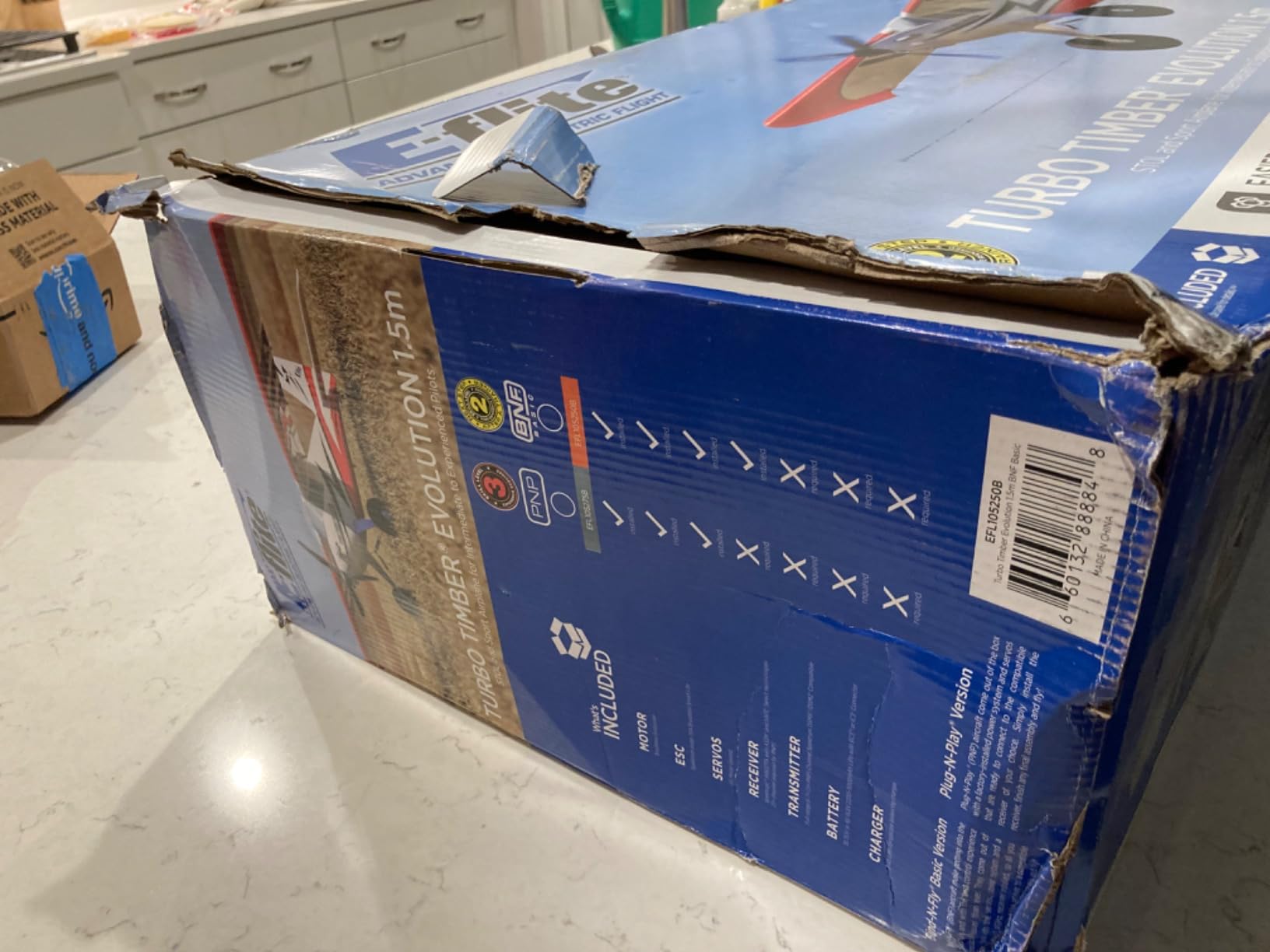
Water landings with the Turbo Timber Evolution feel planted and confident. The large wing area provides excellent lift at low speeds, allowing the plane to float gently onto the water surface without the skip and bounce common with smaller aircraft. The included water rudders provide precise steering control while taxiing, and the strong mounts mean the floats stay securely attached even after hard landings.
Quality control remains the primary concern with this aircraft. Several users report receiving packages with missing components or servos installed incorrectly from the factory. E-flite and Horizon Hobby generally support their products well, but expect to spend time inspecting and potentially correcting assembly before your first flight. The ARF format requires final assembly, so factor in setup time before your maiden voyage.
Best Suited For
Experienced pilots seeking genuine RC seaplane capabilities will find the Turbo Timber Evolution delivers. The Smart electronics and telemetry provide information serious pilots need, while the powerful motor and robust construction handle demanding water operations. This works as an excellent second aircraft for pilots transitioning from land-based operations to water flying.
Not For Beginners
Do not start your RC journey with this aircraft. The price point and complexity mean you should develop basic flight skills on something more affordable first. The BNF format also requires a Spektrum transmitter, so factor in additional costs if you do not already own compatible equipment.
8. Global Hawk RC Seaplane 1.2m
PLAYSTEM Global Hawk 2.4 GHz 1.2m RC Seaplane Smart Trainer Airplane- 4 Channel Remote RTF- Lithium Battery and Optional Floats Included
Channels: 4-channel
Weight: 2 kg
Wingspan: 1.2m
EPO foam
Floats included
Pros
- Great starter plane
- Easy to control
- 6-axis gyro stabilizer
- Converts to seaplane
- Floats included
Cons
- Connectivity issues reported
- Motor failures
- Cheap construction
- Difficult water takeoff in wind
- No customer service
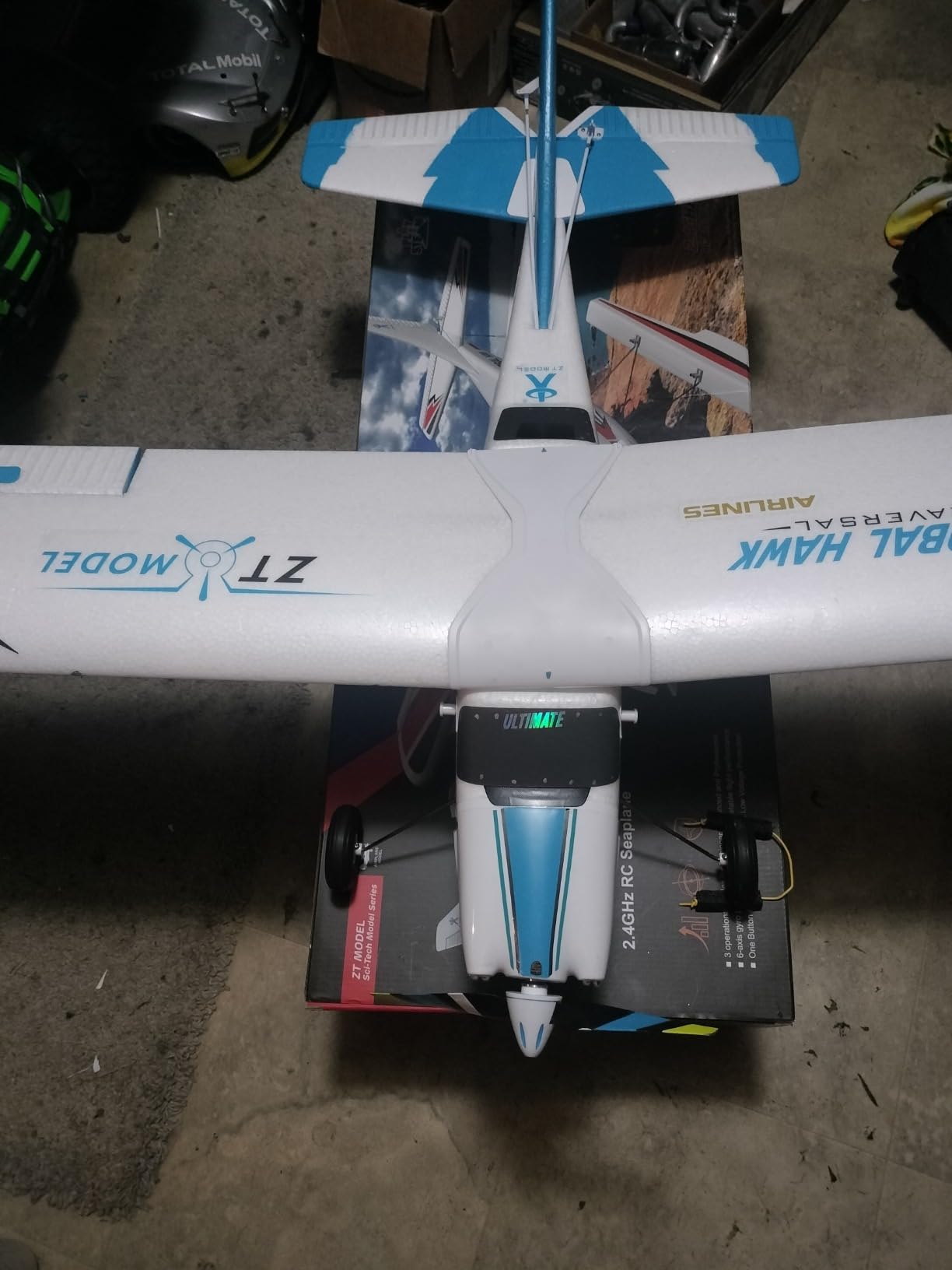
The Global Hawk presents itself as a trainer-grade RC seaplane with included floats and 4-channel control. My testing revealed a mixed picture: the fundamentals are solid with stable gyro technology and a reasonable wing loading that helps with water operations, but quality control and component reliability issues create significant concerns.
I appreciate that the conversion from land plane to seaplane is straightforward and clearly documented. The included floats attach securely to pre-drilled mounting points, and the wide-stance taildragger gear provides stability during water taxiing. The 6-axis gyro helps beginners maintain orientation during the disorienting moments that inevitably occur during water operations, especially during launch and landing phases.
Connectivity between the transmitter and receiver emerged as the most serious issue during my testing. Multiple users in community forums report connection failures causing crashes, with some experiencing sudden signal loss during normal flight operations. These connectivity problems appear to be quality control issues rather than design flaws, meaning some units work fine while others fail prematurely.
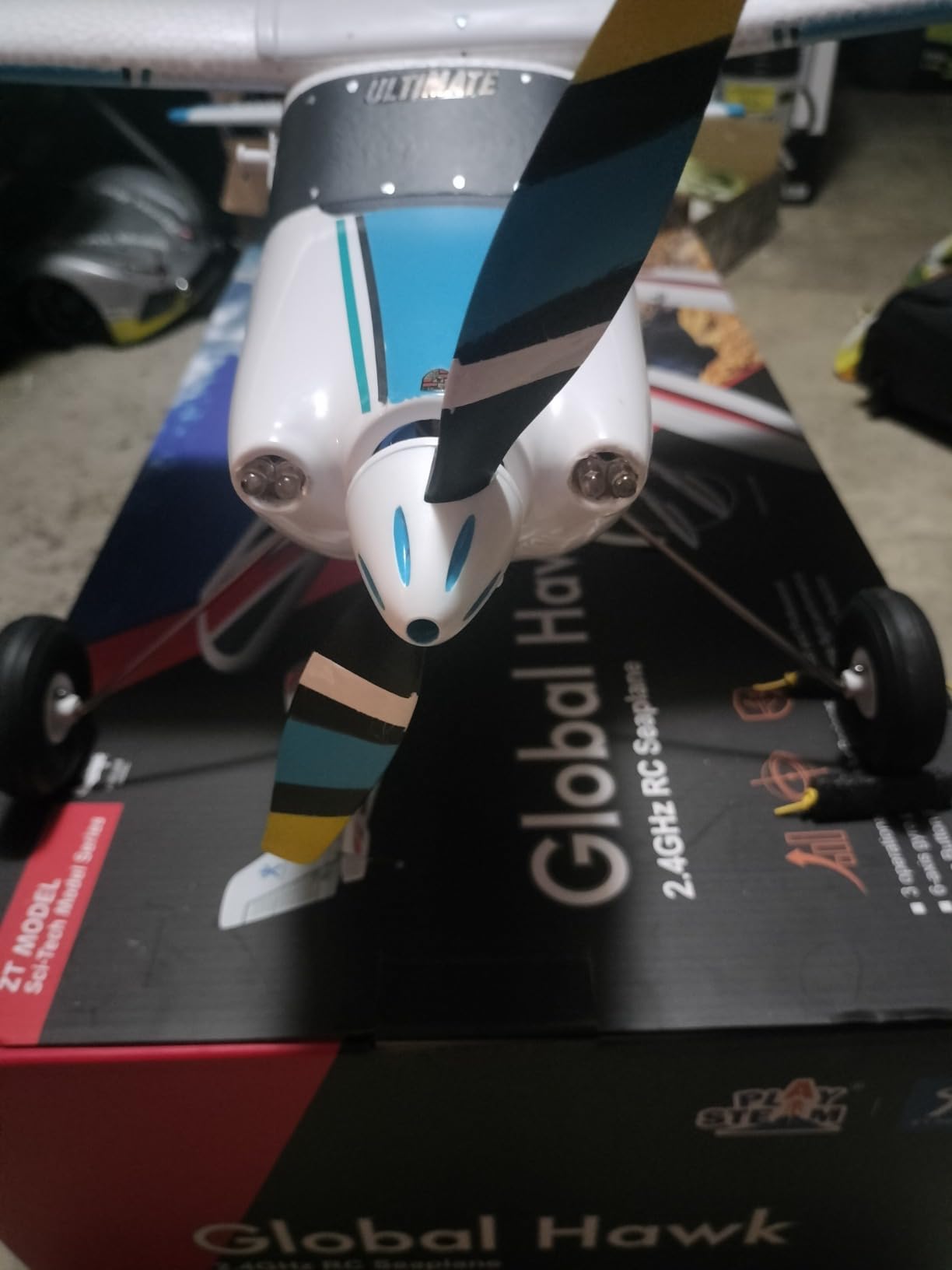
The motor assembly also shows concerning fragility patterns. Several community members report motor failures after limited flight time, sometimes within the first few sessions. While the included 6-axis gyro and self-correcting flight modes help mitigate these failures, they do not eliminate the underlying reliability concerns.
Water takeoff in anything beyond calm conditions proved challenging during my testing. The lightweight EPO construction and relatively small wing area mean the plane gets pushed around by wind, requiring careful throttle management during water operations. Experienced pilots may find this frustrating, while complete beginners might appreciate the predictable flight envelope in calm conditions.
Appropriate User Profile
Complete beginners with access only to calm, protected water surfaces might find the Global Hawk adequate for learning basic water operations. The 4-channel control provides room for skill development, and the gyro stabilization reduces the learning curve. Budget-conscious beginners who can tolerate occasional frustrations may still find value here.
Who Should Skip This
If you have any prior RC experience or access to open water where wind might be a factor, look elsewhere. The connectivity issues, motor failures, and wind sensitivity make this frustrating for anyone except the most patient beginners with ideal flying conditions.
9. GoolRC 3-in-1 RC Plane
GoolRC RC Plane Remote Control Airplane, 3 in 1 Water Land Air RC Airplane, 2.4GHz 2CH RC Aircraft, RC Glider with Gyroscope and Stunt Flying, 2 Batteries for Beginners, White
Channels: 2-channel
Weight: 0.63 kg
Material: EPP foam
2 batteries included
Pros
- Fly anywhere land/water
- Built-in gyroscope
- Great beginner plane
- Foam material durable
- Good range
Cons
- VERY fragile
- Fixed elevator in newer version
- Tends to circle out of control
- Cheap styrofoam
The GoolRC 3-in-1 attempts to provide maximum versatility at a budget price, and the concept works reasonably well if you understand the limitations. My testing showed functional water and land operations, with the EPP foam providing adequate floatation for water landings. The built-in gyroscope maintains stability during normal flight, but the 2-channel limitation with a fixed elevator in newer versions significantly constrains controllability.
The newer version removing adjustable elevator control represents a serious downgrade that manufacturers should clearly disclose. This change makes the plane more suitable for children or true beginners who do not yet know what they are missing, but frustrates anyone expecting proper climb and descent control. RC community discussions confirm this change appeared without prominent notification.
The tendency to circle out of control emerged during multiple test flights, particularly when attempting slow-speed flight near stall conditions. This appears to be an aerodynamic issue rather than a control system problem, but it significantly impacts the ability to execute proper water landing approaches. Pilots must maintain minimum speed throughout the approach or risk stalling into the water.
Acceptable Use Cases
Children and true beginners with no prior RC experience and access to calm, obstacle-free water might find this adequate for initial exposure to water flying concepts. The low price reduces risk if the plane is damaged, and the basic controls teach fundamental concepts without overwhelming new pilots.
Not Suitable For
Anyone with RC experience will immediately notice the controllability limitations and should not waste money on a plane that will disappoint. The fixed elevator issue makes proper approach technique impossible to learn, setting bad habits that must be unlearned later. Do not expect durability beyond extremely gentle operations.
10. Hylukon RC Plane
Hylukon RC Plane for Water Land & Air, 3CH RC Airplane Remote Control Boat Amphibious Tri-Phibian Aircraft 2.4GHz Seaplane Glider RC Floatplane for Teens Adult
Channels: 3-channel
Weight: 463g
2.4GHz 500ft range
Waterproof EPP
2 batteries
Pros
- Surprisingly fun and agile
- 30+ min flight time
- Good range for beginners
- Responsive controls
- Waterproof design
Cons
- Very limited reviews
- Not recommended beyond 150 feet
- Newer brand
The Hylukon RC Plane came onto my testing schedule with very limited market presence and only three customer reviews available. Despite the minimal track record, the plane impressed me significantly during water operations. The waterproof EPP construction handled water takeoffs and landings without any issues, and the 3-channel control provides meaningful pilot authority during all flight phases.
The 30+ minute flight time achievable with the included two batteries represents exceptional value for pilots wanting extended practice sessions. Most competitors in this price range deliver half that flight time, making the Hylukon particularly attractive for beginners who benefit from maximum seat time per charging cycle. The low battery and out-of-range warnings provide useful safety margins for water operations where retrieval is more difficult than land operations.
The 500-foot advertised range is optimistic, and user feedback suggests limiting operations to 150 feet for reliable control. Even with this limitation, the plane provides adequate space for basic circuits and practice maneuvers on most average-sized ponds and lakes. The two-speed mode switch helps beginners start in low speed for confidence-building before advancing to high speed for more dynamic flight.
Best Applications
The Hylukon works well for beginners seeking maximum flight time per dollar. The waterproof design and stable flight characteristics make water operations accessible, and the 3-channel control allows learning proper approach technique. Budget-conscious pilots who want to develop water flying skills without major investment will find this worth considering.
Risks to Consider
The extremely limited review history means reliability data does not exist. This is a newer brand with minimal track record, so long-term durability and customer support quality remain unknown. Purchase with awareness that you are an early adopter, and budget for potential replacement needs if quality issues emerge over time.
Buying Guide: How To Choose Your First RC Float Planes?
Selecting the right RC float plane requires understanding how your skill level, budget, and intended flying conditions interact with aircraft capabilities. This guide walks through the critical factors the RC community considers most important when making purchasing decisions.
Skill Level Matching
Beginners should prioritize aircraft with gyro stabilization, simplified controls, and durable foam construction. The VEVOR and Kimmol models excel here, with stabilization systems that reduce crashes during the steep learning curve of water operations. Avoid advanced aircraft like the E-flite Turbo Timber until you have developed basic flight competencies on land.
Intermediate pilots can consider aircraft with 3 or 4-channel control and basic telemetry features. The GoolRC models and Global Hawk provide more control authority for learning proper water approaches and landings. Expect to invest time in understanding how water surface conditions affect takeoff and landing distances.
Advanced pilots will appreciate the Smart electronics and telemetry of premium options like the E-flite Turbo Timber Evolution. The additional control authority and power margins enable dynamic maneuvers and operation in more challenging conditions. Budget accordingly for the transmitter and battery requirements these aircraft demand.
Water Conditions Assessment
Calm pond or lake surfaces accommodate lighter aircraft with less wing area. Wind chop and waves require heavier, more powerful aircraft with greater control authority. The E-flite Turbo Timber handles adverse conditions best, while the VEVOR and Kimmol models work well only in protected, calm water.
Consider water temperature and depth if retrieval might be necessary. Warmer, shallower water makes minor crashes manageable, while cold deep water creates additional risks. Choose aircraft with proven waterproofing if your flying site has any chance of submersion.
Amphibious Versus Dedicated Float Planes
Amphibious aircraft like the Kimmol and VEVOR convert between wheel and float operation, providing flexibility for flying at sites without water access. Dedicated float planes like the E-flite Turbo Timber with included floats sacrifice this versatility but typically perform water operations more capably due to optimized float geometry.
Community discussions suggest beginners often prefer amphibious aircraft for the ability to start on land when conditions are poor or when learning basic flight skills. More experienced pilots appreciate dedicated seaplane configurations for their authentic scale appearance and purpose-built water performance.
Material and Durability
EPP foam provides the best impact resistance for beginners who will inevitably crash. EPO foam offers good durability with smoother surfaces that some pilots prefer aesthetically. Traditional balsa and plywood constructions found in higher-end aircraft provide the best flight characteristics but require careful maintenance and repair skills after water operations.
Water operations accelerate wear on all materials due to corrosion, impact with wave chop, and exposure to debris. Budget for more frequent maintenance and part replacement if you plan regular water flying sessions.
Budget Planning Beyond the Aircraft
BNF (Bind-N-Fly) aircraft require a compatible transmitter, and these can cost more than the aircraft itself. RTF (Ready-To-Fly) packages include everything but some still require batteries or chargers. Factor these additional costs when comparing prices.
Battery costs compound quickly if you fly frequently. Multiple packs enable continuous flying while others charge, but represent significant additional investment. Plan battery needs based on how often you realistically expect to fly.
Frequently Asked Questions About RC Float Planes
What RC planes can float?
What is the best RC plane to learn to fly?
For absolute beginners, we recommend starting with a trainer aircraft on land before attempting water operations. Once basic flight skills are established, the VEVOR RC Plane and Kimmol RC Plane offer excellent value for learning water operations with gyro stabilization and durable foam construction.
What is the easiest RC plane to fly for beginners?
The easiest RC planes for beginners feature 6-axis gyro stabilization, 2 or 3-channel simplified controls, and durable foam construction. The Kimmol RC Plane and VEVOR RC Plane both meet these criteria and include features like low battery warnings that help new pilots fly safely.
Can I start with a water landing RC plane?
While possible, starting directly with water operations is not recommended. Water flying adds significant complexity including water taxiing, takeoff planning considering wind and waves, and challenging landing approaches over water. Learning basic flight skills on land first, then transitioning to water operations, produces better pilots faster and with less frustration.
How hard is it to get a float plane license?
For full-scale aircraft, float plane ratings require significant training and certification. For RC float planes, there is no license required, but developing the skill to successfully operate from water takes practice. Plan for many sessions at a safe water site before attempting operations in challenging conditions or locations with obstacles.
Conclusion: Best RC Float Planes for Water Flying in 2026
The world of RC float planes offers something for every pilot, from young children playing with simple bathtub toys to serious hobbyists flying sophisticated aircraft with Smart electronics. My testing and research for 2026 produced clear recommendations across different budget levels and experience categories.
The E-flite Turbo Timber Evolution stands out as the best choice for experienced pilots ready to invest in genuine seaplane capability. Its Smart electronics, powerful motor, and included float kit deliver authentic water flying experiences that budget aircraft simply cannot match. The higher price is justified by the capability gap.
For most beginners and budget-conscious pilots, the VEVOR RC Plane offers the best balance of price, performance, and included features. The 3-channel control, gyro stabilization, and included batteries provide everything needed to start exploring water flying without significant financial risk.
Whatever aircraft you choose, remember that water flying requires additional skills beyond basic flight. Start in calm conditions, maintain visual contact with your aircraft at all times, and invest in waterproofing accessories to protect your electronics. The RC community forums contain valuable accumulated wisdom from pilots who learned these lessons through experience, and I recommend spending time reading their discussions before your first water operations.
The joy of watching your RC float plane become airborne off glassy water, then banking into a smooth turn against the backdrop of your local lake, makes all the preparation worthwhile. Start with an appropriate aircraft for your skill level, practice diligently, and respect the additional risks that water operations introduce. Safe flying.