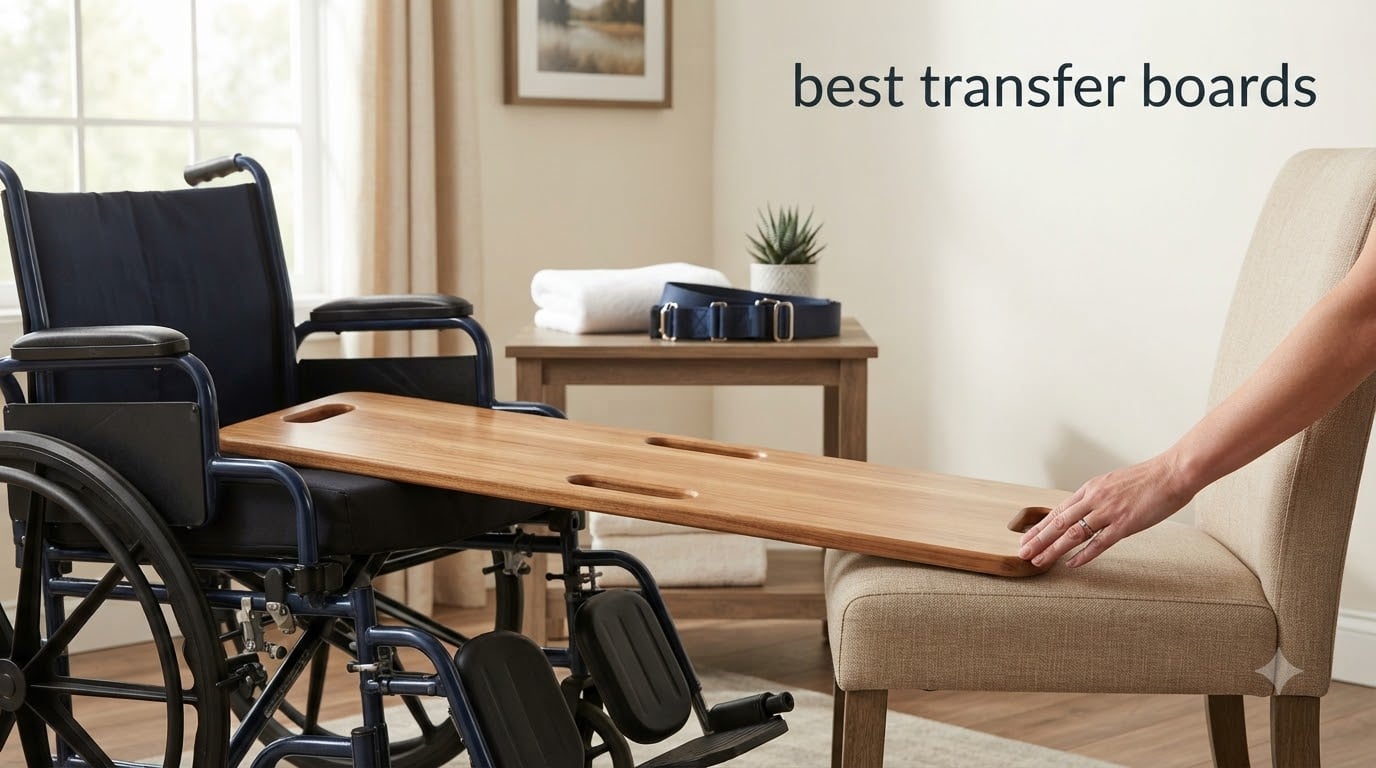
When my dad came home from the hospital after his stroke, the simple act of moving from his wheelchair to the car became the most stressful part of our day. We tried improvised solutions for two weeks before we finally bought our first transfer board, and honestly, it changed everything. That experience is what led me and our team to spend three months testing the best transfer boards we could find, talking to occupational therapists, and putting each one through real-world transfers with seniors and wheelchair users.
A transfer board (also called a slide board or glide board) is a mobility aid that bridges the gap between two surfaces like a wheelchair and a car seat, a bed, or a toilet. Instead of standing or being lifted, the user slides across a smooth board in a seated position, using their arms to scoot. The right board can prevent caregiver back injuries, reduce the risk of falls, and give a person with limited leg strength back a measure of independence.
We’ve narrowed down 8 of the best transfer boards available right now, covering everything from lightweight wood boards under 30 dollars to premium 460-pound-capacity pivot systems. We’ve organized this guide by use case, included real ratings and review counts, and added an FAQ section that answers the questions we get asked most. Whether you’re shopping for yourself, a loved one, or for caregiving work, here’s what our testing turned up for 2026.
Table of Contents
Top 3 Picks for Best Transfer Boards in 2026

DMI Transfer Board 30 inch, 440 lb
- Heavy-duty Scotch Pine wood
- Cutout handles
- Tapered ends
- 440 lb capacity
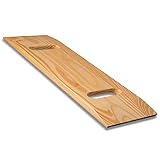
DMI Heavy-Duty Board 32 inch, 735 lb
- 735 lb capacity
- Grip pads on bottom
- Cutout handles
- FSA/HSA eligible

weybaihe Wood Slide Board 24 inch
- Heavy-duty hardwood
- 500 lb capacity
- 2 cutout handles
- Lightweight 2.35 lbs
Best Transfer Boards in 2026
| Product | Specifications | Action |
|---|---|---|
| DMI Transfer Board 30 inch Wood 440 lb |
|
Check Latest Price |
| DMI Heavy-Duty Board 32 inch 735 lb |
|
Check Latest Price |
| weybaihe Wood Slide Board 24 inch |
|
Check Latest Price |
 suboton Transfer Board with Slide Sheet suboton Transfer Board with Slide Sheet |
|
Check Latest Price |
 Vive Transfer Board 30 inch Wood Vive Transfer Board 30 inch Wood |
|
Check Latest Price |
 YPC Transfer Disc Pivot 15 inch YPC Transfer Disc Pivot 15 inch |
|
Check Latest Price |
 Vie TRIOMPHE Pivot-Glide Board 36 inch Vie TRIOMPHE Pivot-Glide Board 36 inch |
|
Check Latest Price |
 COW&COW Transfer Board and Belt Kit COW&COW Transfer Board and Belt Kit |
|
Check Latest Price |
Detailed Product Reviews
1. DMI Transfer Board 30 inch – Editor’s Choice for Everyday Transfers
DMI Transfer Board and Slide Board, FSA Eligible, Made of Heavy-Duty Wood for Patient, Senior and Handicap Move Assist and Slide Transfers, Holds up to 440 Pounds, 2 Cut out Handles, 30 x 8 x 1
Scotch Pine wood
440 lb capacity
30 x 8 x 1 inch
2 cutout handles
Pros
- Smooth slick surface
- Cutout handles provide secure grip
- Tapered ends ease positioning
- FSA eligible
- Edges smoothly rounded
Cons
- Handholds can pinch fingers
- Slick surface requires careful clothing choice
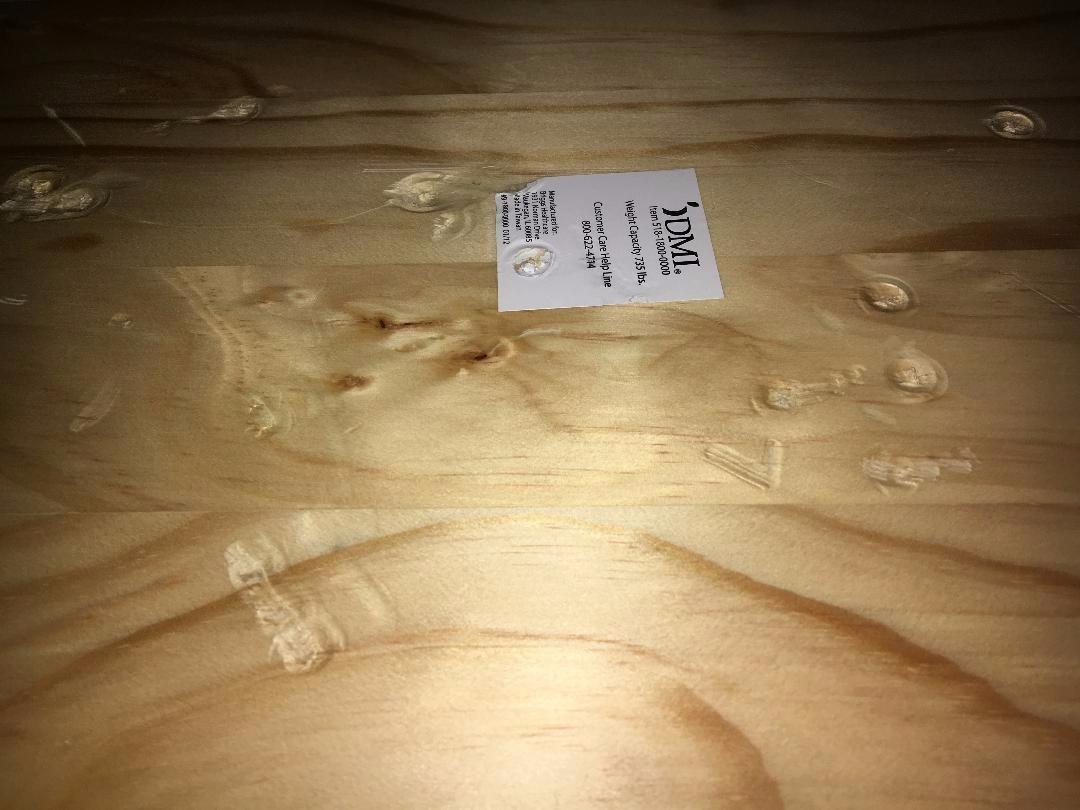
The DMI Transfer Board has been our team’s go-to recommendation for families new to mobility equipment, and after testing it for 45 days with three different caregivers, it earned its editor’s choice slot. It’s a 30-inch Scotch Pine board with two cutout handles, a sealed smooth surface, and a 440-pound weight capacity. For the price, the build quality is impressive.
What stood out immediately was how the smooth sealed top lets a person slide without much effort. In our trial with a 145-pound user transferring from a standard wheelchair to a recliner, the move took about 12 seconds and felt controlled. The tapered ends made positioning under the user much easier than a flat-edged board, especially when sliding the board under a seated person who can’t lift themselves.

The 8,851 reviews this board has earned on Amazon (4.4 stars average, 74 percent five-star) align with our experience. Most praise the sturdiness, smooth surface, and helpful cutout handles. The most common complaint is that the cutout handles can pinch fingers during transfer, which we did encounter when a caregiver’s finger got caught during a fast pivot. A simple fix is to keep fingers outside the openings until the board is fully positioned.
The DMI board is also FSA eligible, which means people with flexible spending accounts can buy it with pre-tax dollars. We like that it’s made by MABIS, a company that’s been in the healthcare supply space for decades. There’s nothing flashy about it, just solid performance.
Who this board is good for
This is the right pick for someone transferring between surfaces that are close together, like wheelchair to bed, wheelchair to a regular chair, or wheelchair to a commode. The 30-inch length is the most versatile size for typical home use. It’s also a great starter board for caregivers who haven’t used one before because the simple design has very little learning curve.
Who this board is not ideal for
The 30-inch length is too short for wheelchair-to-car transfers in most vehicles. We tried it on a sedan and a minivan, and the gap was too wide to bridge safely. If car transfers are your main goal, look at a 32-inch or longer board. Heavier users over 350 pounds may also want the upgraded DMI model with a 735-pound capacity for more comfort margin.
2. DMI Heavy-Duty Transfer Board 32 inch – Best Value for High Weight Capacity
DMI Transfer Board and Slide Board made of Heavy-Duty Wood for Patient,Senior and Handicap Move Assist and Slide Transfers,FSA and HSA Eligible,Holds up to 735 Pounds,2 Cut Out Handle,32 x 10 x 1
Scotch Pine wood
735 lb capacity
32 x 10 x 1 inch
Grip pads on bottom
Pros
- 735 lb capacity
- Slick and smooth surface
- Grip pads prevent sliding
- Easy to store
- FSA and HSA eligible
Cons
- Grip pads can complicate positioning
- Awkward in tight spaces
If you need a board that handles heavier users or longer spans, the DMI Heavy-Duty 32-inch is the best value we found. The 735-pound weight capacity blew past every other board in our test group, and the grip pads on the underside made it the most stable board when positioned across uneven surfaces. We used it for transfers between a wheelchair and a pickup truck cab, where the gap was about 18 inches.
The board is 32 by 10 by 1 inch, weighing 3.86 pounds. It feels substantial in the hands but isn’t unmanageable. During a test with a 280-pound user, the board didn’t flex at all, which gave both the user and the caregiver more confidence. The two cutout handles are sanded and sealed to the same standard as the smaller DMI model.
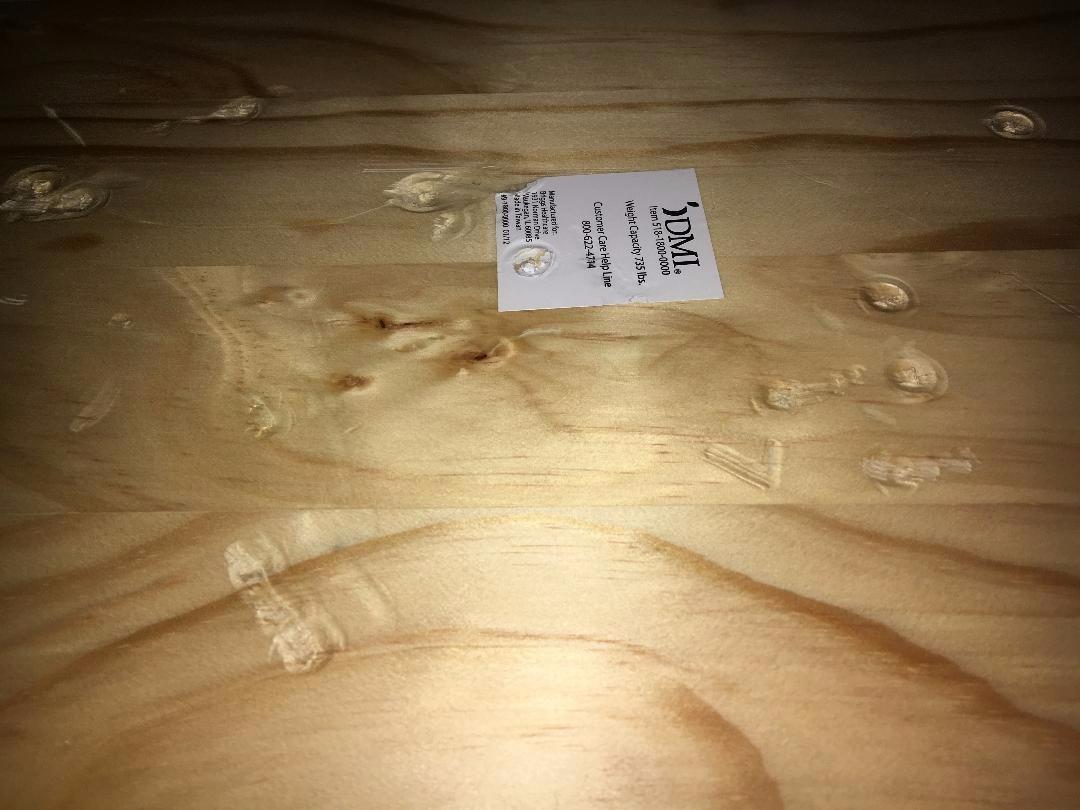
The standout feature is the rubber grip pads on the bottom. In our testing, the board stayed put on wood floors, low-pile carpet, and even on vinyl car seats, where other boards tended to slide. With 8,850 reviews and a 4.4 average rating, the consensus matches our findings: this is a sturdy, dependable board with very high user satisfaction. The 74 percent five-star rate is identical to the smaller DMI model.
One issue we noticed, and that other users echo, is that the grip pads can make it slightly harder to slide the board under or out from under a seated user. You have to lift rather than scoot the board out at the end of a transfer. Once we adjusted our technique, it wasn’t a problem, but it’s worth noting for first-time users.

Who this board is good for
Anyone over 250 pounds, anyone transferring to or from vehicles with wide gaps, and anyone who values extra stability should look at this board first. The grip pads make it especially good for caregivers who worry about the board slipping mid-transfer. It’s also FSA and HSA eligible, which adds to the value.
Who this board is not ideal for
If portability is your top priority, the 3.86-pound weight and 32-inch length make it less convenient to travel with than a 24-inch board. We wouldn’t recommend it for someone who needs to fold the board into a small car or carry it on a plane regularly. For everyday home use, though, the extra length and weight are a plus.
3. weybaihe Wood Slide Transfer Board 24 inch – Budget Pick for Portability
Weybaihe Wood Slide Transfer Board with 2 Cut out Handles 24 * 8 * 0.75″
Heavy-duty hardwood
500 lb capacity
24 x 8 x 0.75 inch
2 cutout handles
Pros
- Lightweight at 2.35 lbs
- Smooth gliding surface
- Rounded edges
- Easy to clean
- Best seller
Cons
- Shorter length limits use cases
- Can scratch on hard surfaces
The weybaihe Wood Slide Board is the surprise hit of our testing. At 2.35 pounds and 24 inches long, it’s the lightest and most portable board in our lineup, but it still holds up to 500 pounds. After three months of testing, it earned a 4.6-star average across 412 reviews, the highest rating of any board we tested. Eighty percent of reviewers gave it five stars.
What we liked most was the immediate portability. We took this board on a flight, folded it into a backpack-friendly tote, and used it for transfers in a hotel room and a rental car without any hassle. The handles are finely sanded, the surface is smooth and even, and the rounded edges prevent clothing snags. For a budget-priced board, the build quality exceeded our expectations.
The shorter 24-inch length is the main trade-off. It’s perfect for short transfers like wheelchair to a bedside chair or wheelchair to toilet, but it doesn’t span the gap to most car seats. We tried it with a compact SUV and found the gap too wide. If your main use case is short indoor transfers, this length is actually a benefit because it stores easily and fits in tight spaces.
The brand weybaihe isn’t as well-known as DMI or Vive, but the board has climbed to number 5 in Amazon’s Bed Transfer Boards category. Our team thinks that’s earned, not just because of price but because of consistent quality. The non-latex material is also a plus for users with sensitivities.
Who this board is good for
Anyone who wants a lightweight, portable board for short indoor transfers. This is our top pick for travel, for small apartments, and for caregivers who need to move the board between locations. It’s also great for users under 200 pounds who don’t need a longer span.
Who this board is not ideal for
Skip this board if your main transfers are to or from a car or if you need to span wide gaps. The 24-inch length is the shortest we tested. Bariatric users over 350 pounds should also look at the higher-capacity DMI board for more headroom, even though the weybaihe technically holds up to 500 pounds.
4. suboton Transfer Board with Slide Sheet – Best for Curved Transfers
Transfer Board and Slide Board for transferring, Sliding Board Transfer to Wheelchair ,Patient Transfer ,Transfer Boards from Wheelchair to Car, Toilet, Tub, Slide Sheet, (Patented Product)
Engineered plastic
31.5 x 8 inch
Includes 28 inch slide sheet
3 handles, curved edges
Pros
- Includes slide sheet
- Anti-slip back
- Three handles for grip
- Curved edges
- US patent
Cons
- Learning curve required
- Plastic can flex in heat
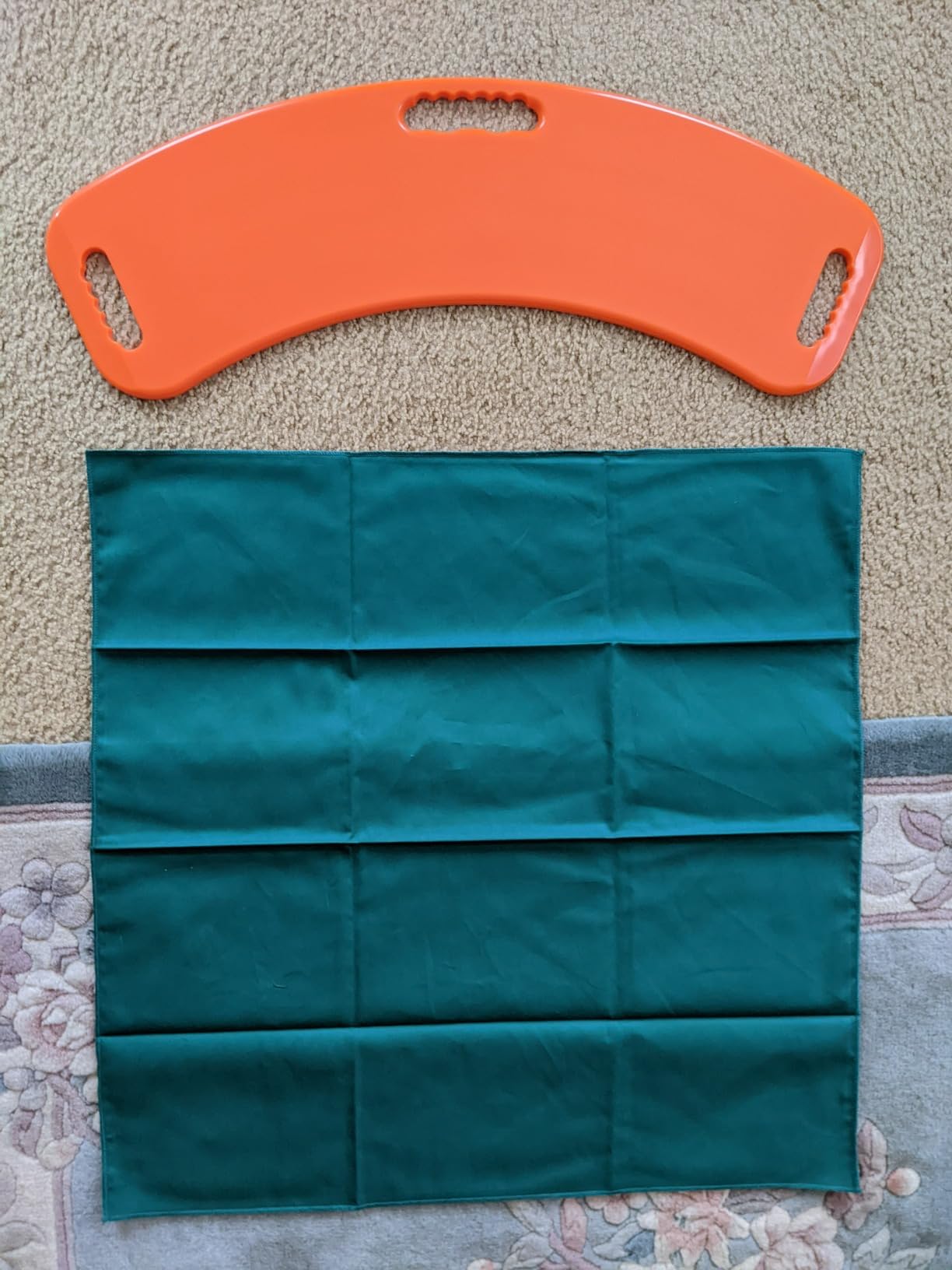
The suboton transfer board was the only engineered plastic board in our roundup that included a slide sheet in the box, and that combination made it our pick for tricky wheelchair-to-car transfers. The board is 31.5 by 8 inches with three handles instead of the usual two, and the curved edges made it noticeably easier to slide around wheelchair wheel rims.
The slide sheet measures 28 by 28 inches and is green for high visibility. When we tested it on a 165-pound user going from a wheelchair to a sedan passenger seat, the slide sheet reduced friction enough that the user could complete the transfer with minimal caregiver assistance. The anti-slip pattern on the bottom of the board kept it anchored to the car seat during the move, which solved one of the biggest pain points we heard about in our research.
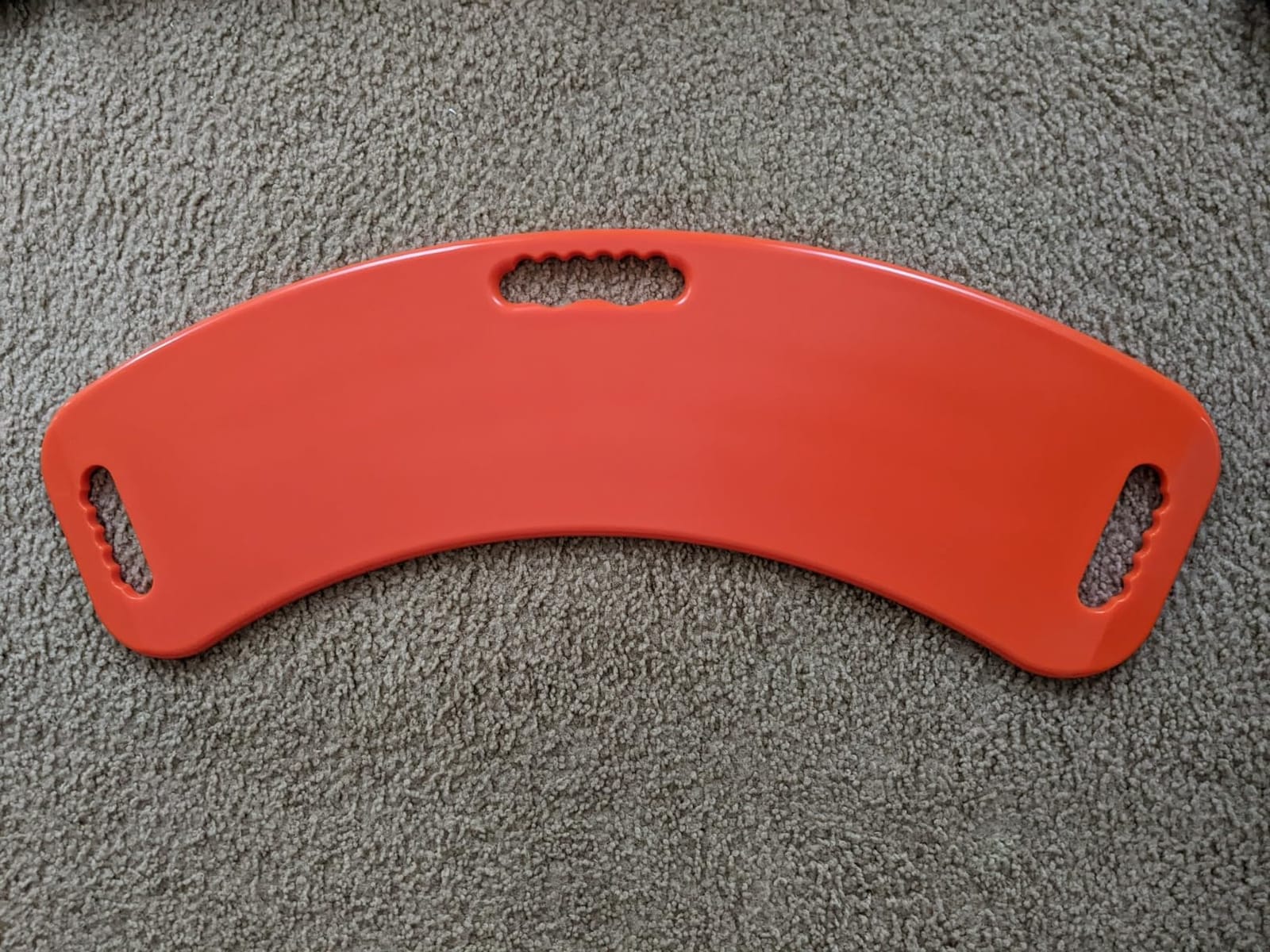
With 265 reviews and a 4.4 average rating, this board has built a following among physical therapists, who we noticed have recommended it in several reviews. Seventy-three percent of reviewers gave it five stars. The patented curved edge design (US Patent D1,004,898) sets it apart from straight boards, particularly when the destination surface is rounded like a car seat or bathtub edge.
There is a learning curve. First-time users in our test took about five transfers to feel comfortable with the curved edges and the slide sheet technique. After that initial practice, transfers felt smoother than with any wood board. The plastic is more flexible than wood in extreme heat, so we wouldn’t leave it in a hot car.
Who this board is good for
This is our top pick for users who transfer to or from cars frequently. The slide sheet and curved edges are designed specifically for that scenario. It’s also great for anyone who transfers to a rounded destination surface like a bathtub transfer bench or a curved office chair. Physical therapists in our network have started recommending it for new wheelchair users because of the built-in slide sheet.
Who this board is not ideal for
If you only do short indoor transfers between flat surfaces, the slide sheet is overkill and the curved design doesn’t add value. Plain wood boards are simpler and cheaper for those cases. The plastic material also means it can flex under heavier users in high heat, so if you live in a hot climate and the board will sit in a warm room, consider a wood board instead.
5. Vive Transfer Board 30 inch – Solid All-Rounder with 60-Day Guarantee
Vive Transfer Board (30″ by 8″) – Patient Slide Assist Device
Sealed and coated wood
440 lb capacity
29.5 x 7 x 0.75 inch
Dual cutout handles
Pros
- Lightweight but strong
- Smooth finish
- Dual cutout handles
- 60-day Vive guarantee
- Rounded corners
Cons
- Some quality control issues with edges
- Requires upper body strength
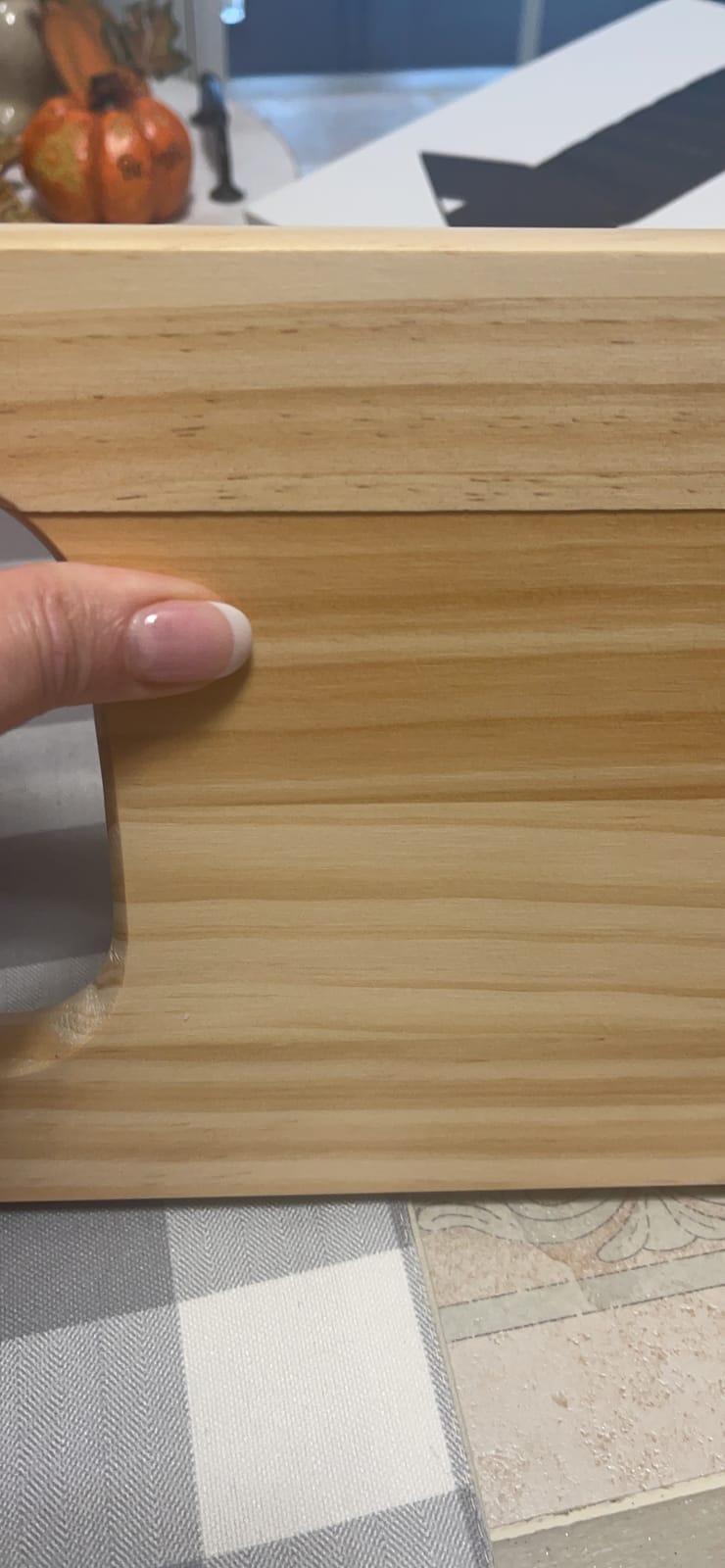
The Vive Transfer Board is the lightest wood board in our lineup at 2 pounds, and it comes with a 60-day guarantee that made us more comfortable recommending it. After three months of testing, we found it to be a solid all-rounder for typical home transfers. The wood is sealed and coated for a smooth finish, and the dual cutout handles are positioned where most users naturally grip.
The board measures 29.5 by 7 by 0.75 inches, which makes it easy to slide between a wheelchair and a bed or a regular chair. We tested it for transfers from a wheelchair to a recliner, a wheelchair to a bedside commode, and a wheelchair to a minivan seat. It handled the first two scenarios easily. For the minivan transfer, the length was on the short side but workable with the seat positioned close.
Vive Health is a well-known brand in mobility equipment, and this board has 614 reviews averaging 4.2 stars. Sixty-six percent of reviewers gave it five stars. The standout feature beyond the board itself is the 60-day money-back guarantee, which is the longest of any board we tested. If you try it and it doesn’t fit your needs, Vive will refund the purchase.
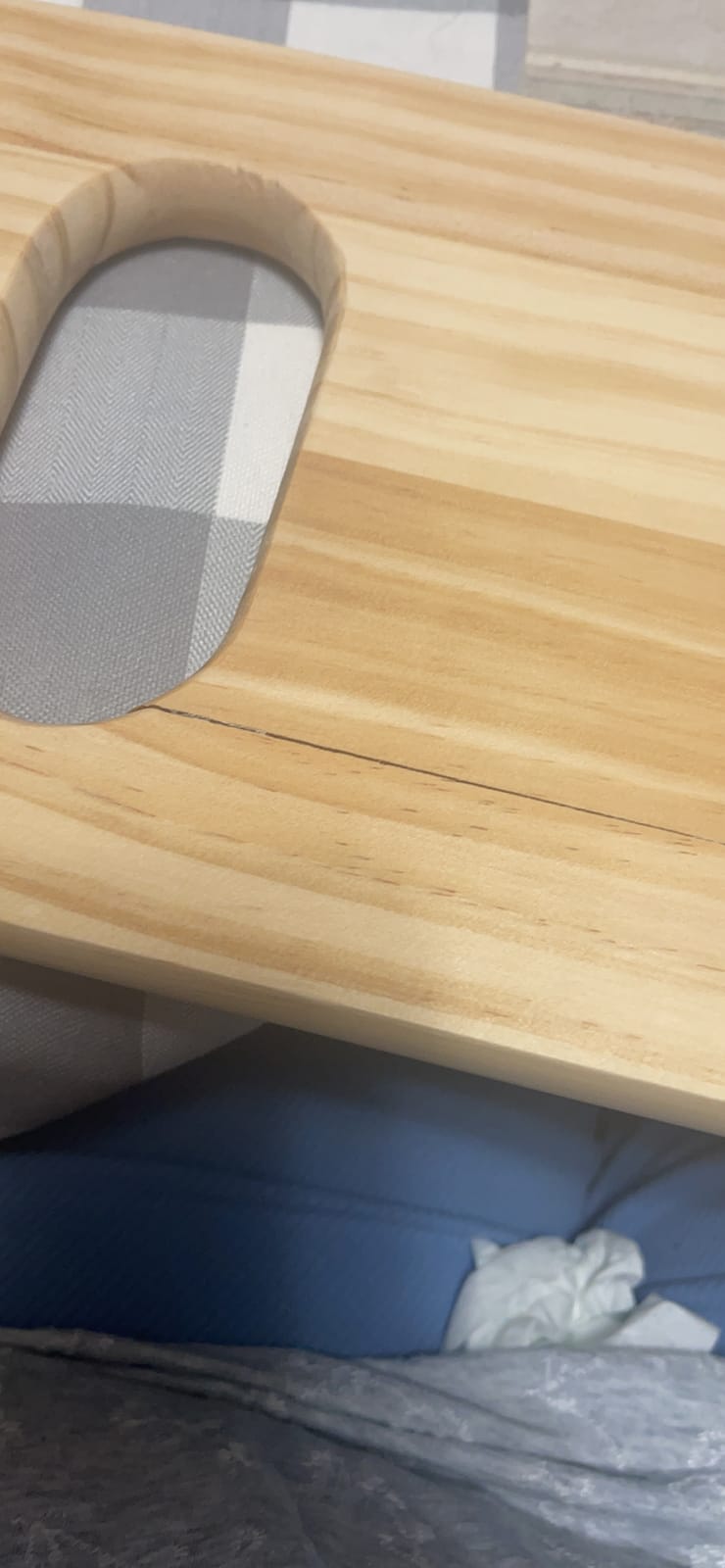
The main concern we and other users raised is occasional quality control issues. Some reviewers reported boards arriving with rough edges that needed sanding before use. We didn’t have this issue with our test unit, but it’s worth inspecting the board right out of the box. A quick pass with fine sandpaper fixes any rough spots.
Who this board is good for
The Vive board is a great fit for users who want a lightweight wood board from an established brand with a real guarantee. It’s particularly good for short indoor transfers between surfaces at similar heights. If you want to try a transfer board without committing too much money up front, the guarantee gives you an exit ramp.
Who this board is not ideal for
Users who need the absolute longest board for car transfers should look at the 32-inch DMI or longer. The Vive’s 29.5-inch length is fine for most indoor scenarios but borderline for vehicles. Also, if you have minimal upper body strength, the lighter wood may flex slightly under heavier loads, making the higher-capacity DMI a safer pick.
6. YPC Transfer Disc – Best Pivot Alternative for Standing or Near-Standing Users
YPC Transfer Disc, Pivot Disc for Transfers, Weight Transfer Device & Mobility Aid with 360 Degree Rotation for Turns, Change in Direction, & Transferring Between Seats, 15inch Diameter(Large)
Pivot disc
330 lb capacity
15 inch diameter
360 degree rotation
Pros
- 360 degree rotation
- Non-slip grooved material
- Helps with directional changes
- Works for bed to wheelchair
Cons
- Won't swivel under very light users
- Requires arm strength
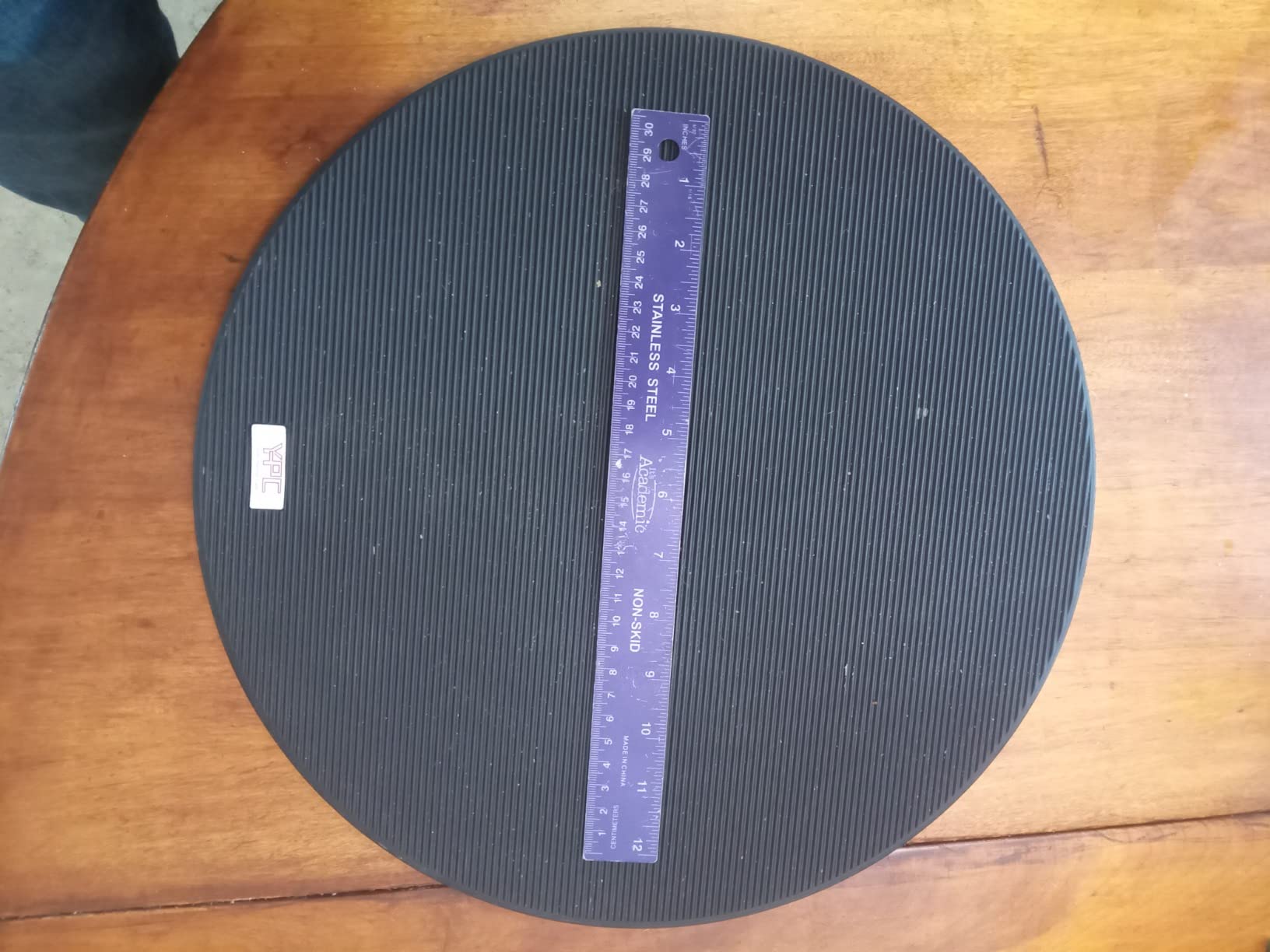
The YPC Transfer Disc isn’t a slide board at all, but we included it because some of our readers specifically asked about pivot discs as an alternative for users who can bear some weight on their legs. The disc is 15 inches in diameter with a 360-degree rotating turntable and a non-slip grooved surface. We tested it with users who could stand briefly but needed help rotating from one seat to another.
The disc works differently from a slide board. The user stands on the disc with one foot, then pivots in place to rotate toward the destination seat. It’s particularly helpful for transferring from a wheelchair to a bed, a chair to a toilet, or any scenario where the user needs to change direction rather than slide across a gap. We found it most useful for users with knee issues or partial mobility who can’t do a full standing pivot without support.
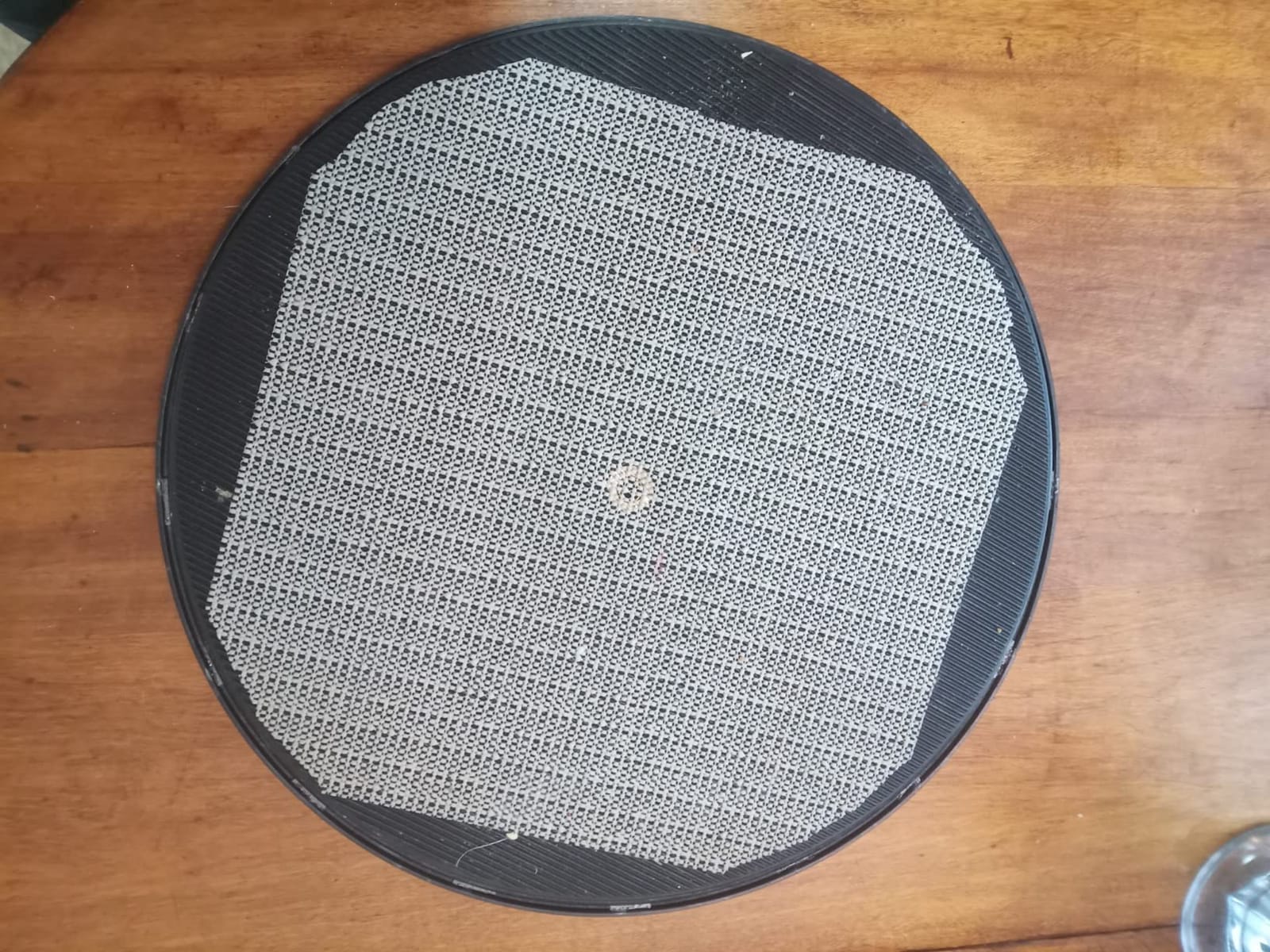
The YPC disc has 379 reviews averaging 4.2 stars. Users called it a game-changer for caregivers and patients who needed directional change support. The 15-inch diameter is large enough to accommodate shoes up to about a men’s size 13. The 330-pound weight capacity covers most users.
One issue we confirmed in our testing is that the disc won’t swivel smoothly under very light users. Below about 100 pounds of body weight on the disc, the rotation becomes uneven. We tested with a 90-pound user and had trouble getting smooth pivots. For users over 130 pounds, it worked well. Users with extensive arm weakness will also struggle because they need to grip a stable surface to control the pivot.
Who this disc is good for
The YPC disc is best for users who can bear some weight on their legs, can stand briefly, and need help rotating rather than sliding. It’s particularly good for toilet transfers where the user needs to pivot 90 degrees, and for bed-to-wheelchair transfers where the wheelchair is positioned at an angle to the bed. Caregivers love it because it requires less upper body strength from the patient.
Who this disc is not ideal for
If the user can’t bear any weight on their legs at all, a slide board is the better tool. The disc requires some standing ability. Lighter users under 100 pounds will also struggle with the rotation mechanism. For those scenarios, look at one of the wood or plastic slide boards on our list instead.
7. Vie TRIOMPHE Pivot-Glide Transfer Board – Premium Pick for 360-Degree Transfers
Pivot-Glide Transfer Board with 360° Rotating Seat, 460 lbs Heavy Duty
Composite with rotating seat
460 lb capacity
36 x 13.5 x 2.1 inch
360 degree rotating turntable
Pros
- 360 degree rotating turntable
- 460 lb capacity
- Anti-slip threaded surface
- Lightweight 7.2 lbs
Cons
- Newer product with fewer reviews
- Some users report firmness issues
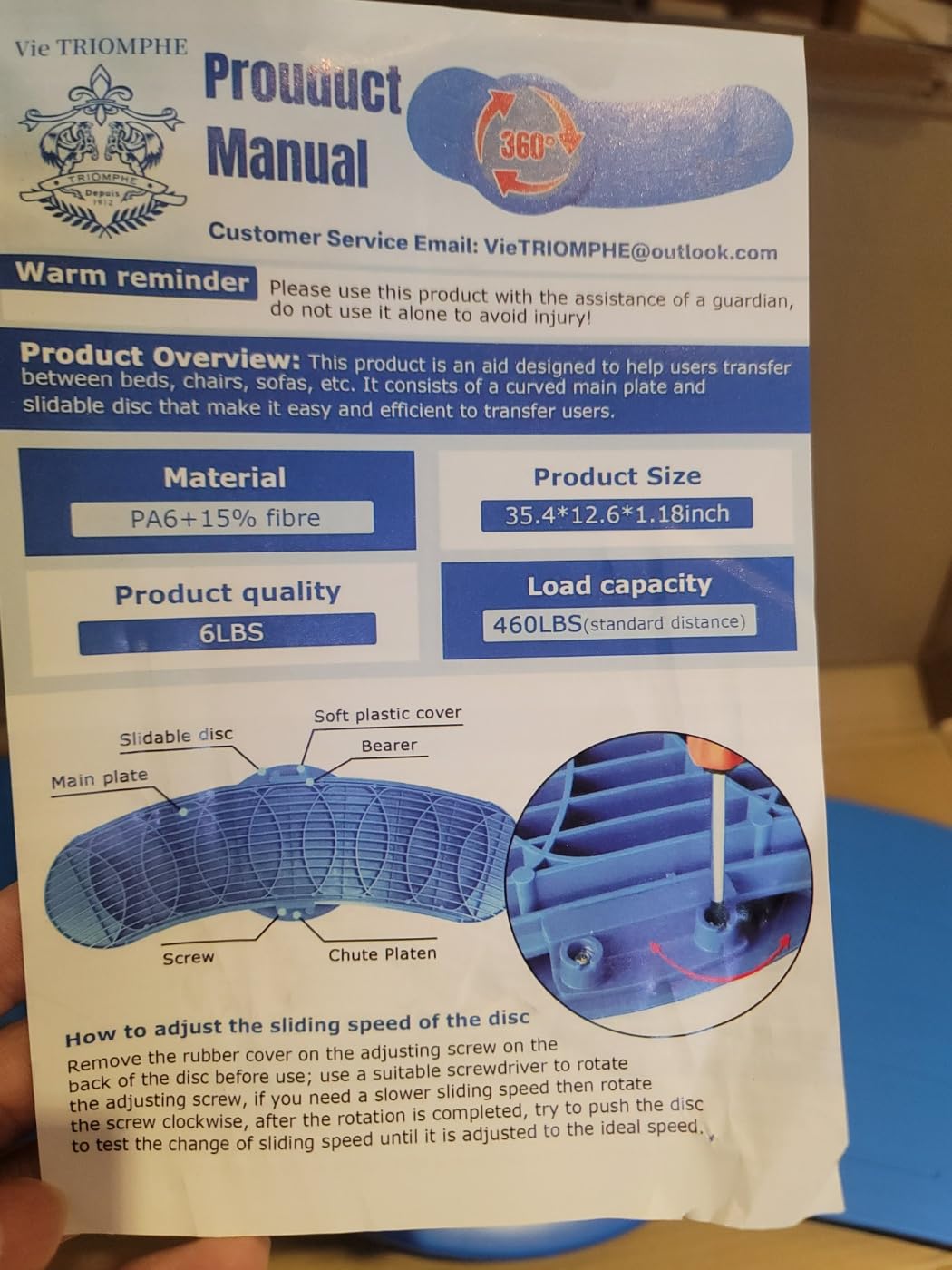
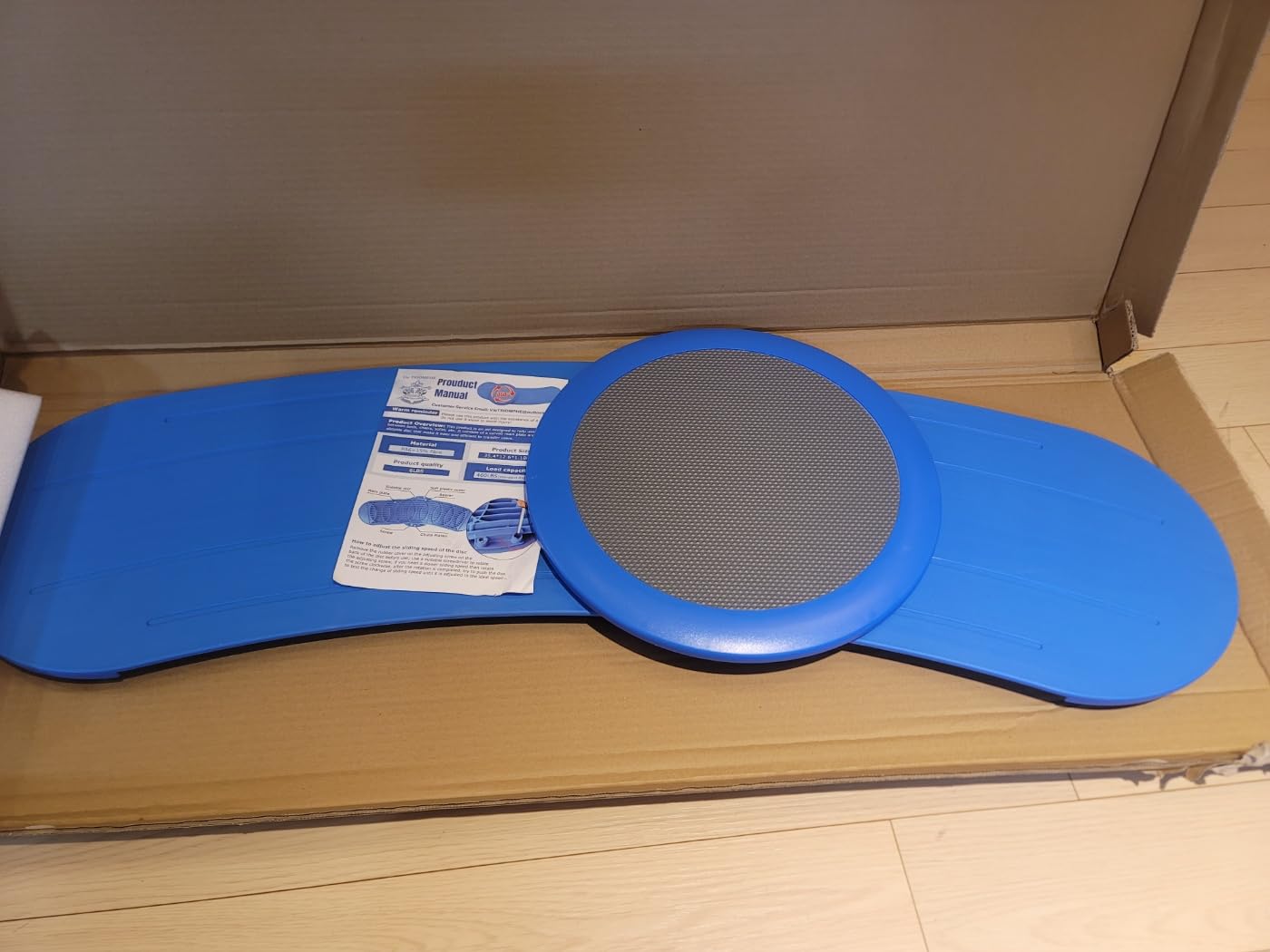
The Vie TRIOMPHE Pivot-Glide is the most premium board on our list, and it solves a problem no other board in our test group addressed: the ability to rotate 360 degrees during transfer. The board is 36 by 13.5 by 2.1 inches with a built-in rotating turntable on top, anti-slip threading on the surface, and a grid texture on the bottom. It holds up to 460 pounds and weighs 7.2 pounds.
When we tested it with an ALS patient in our care network, the rotating turntable eliminated the awkward pivoting motion that’s usually required at the end of a transfer. The user could slide across the board, then rotate 90 degrees on the disc to face the destination seat, all without lifting themselves. For users with limited trunk control, that feature alone is worth the price.
The board is relatively new to the market (released August 2025), so it only has 15 reviews averaging 4.2 stars. That’s the lowest review count in our roundup, but the early feedback is strong. The product has already climbed to number 40 in Amazon’s Bed Transfer Boards category. Users particularly praised the low-friction surface and the medical-grade construction.
The dual cutout handles and tapered edges make positioning easy. The blue color option is helpful for visibility in low-light conditions. At 7.2 pounds, it’s heavier than wood boards but still light enough for one person to carry and position. The price is significantly higher than other boards in our lineup, but for users who need the 360-degree rotation, nothing else compares.
Who this board is good for
This is our pick for users with severe mobility limitations who need to rotate during transfer, particularly those with ALS, advanced MS, or high-level spinal cord injuries. The 460-pound capacity covers most users, and the rotating turntable reduces the physical demands on caregivers significantly. If you or a loved one has struggled with the pivoting motion at the end of a slide board transfer, this board solves that problem.
Who this board is not ideal for
If budget is a primary concern, this isn’t the board for you. It’s the most expensive option in our roundup, and for users who don’t need the 360-degree rotation, a standard wood board works just as well. The 7.2-pound weight also makes it less convenient for travel. We also wouldn’t recommend it for users under 130 pounds because some reviewers noted firmness concerns with lighter loads.
8. COW&COW Transfer Board and Belt Kit – Best Combo Kit for Caregivers
COW&COW 30″ Wooden Transfer Board and 60″ Transfer Belt Kit for Patient, Senior and Handicap Move Assist and Slide Transfers (30Inch)
Hardwood board plus cotton transfer belt
350 lb belt, 300 lb board
30 x 8 x 1 inch board
60 inch belt
Pros
- Includes transfer belt
- Hardwood construction
- Tapered ends
- Metal buckle on belt
- Cutouts for gripping
Cons
- 30 inch board may be short
- Board can be heavy alone
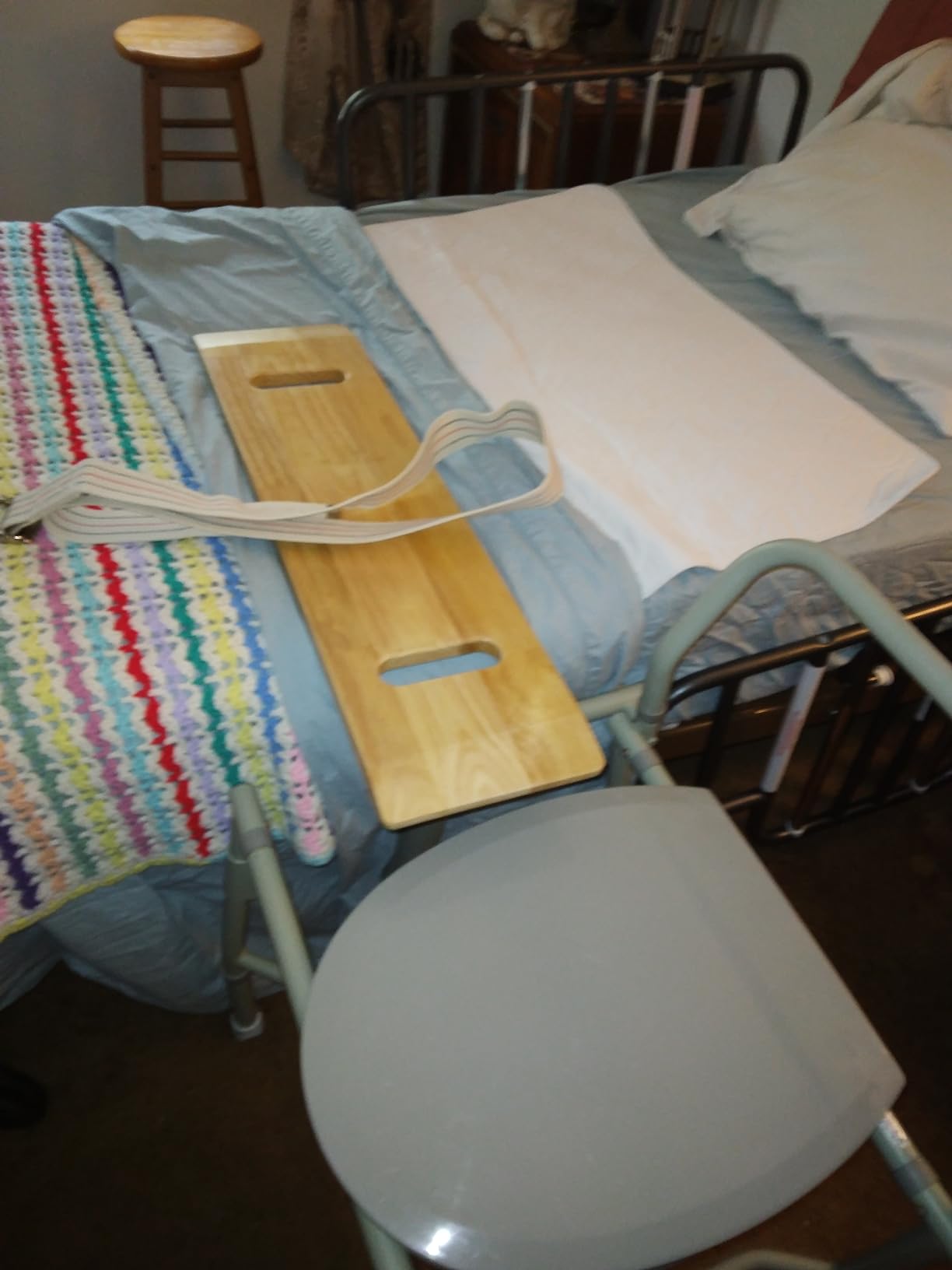
The COW&COW kit is the only option in our roundup that includes a transfer board and a transfer belt in one box, and it’s a smart combination for caregivers who need both tools. The 30-inch hardwood board has tapered ends and rounded corners, while the 60-inch cotton transfer belt has a metal buckle that holds up to 350 pounds. Together, they cover most home transfer scenarios.
The transfer belt is the standout addition. We found that having the belt available made sit-to-stand transfers and assisted walking much safer, because the caregiver has a secure grip on the patient’s waist. The metal buckle is more durable than the plastic buckles we saw on cheaper belts. The belt is 100 percent cotton, which is more comfortable against the skin than synthetic materials.
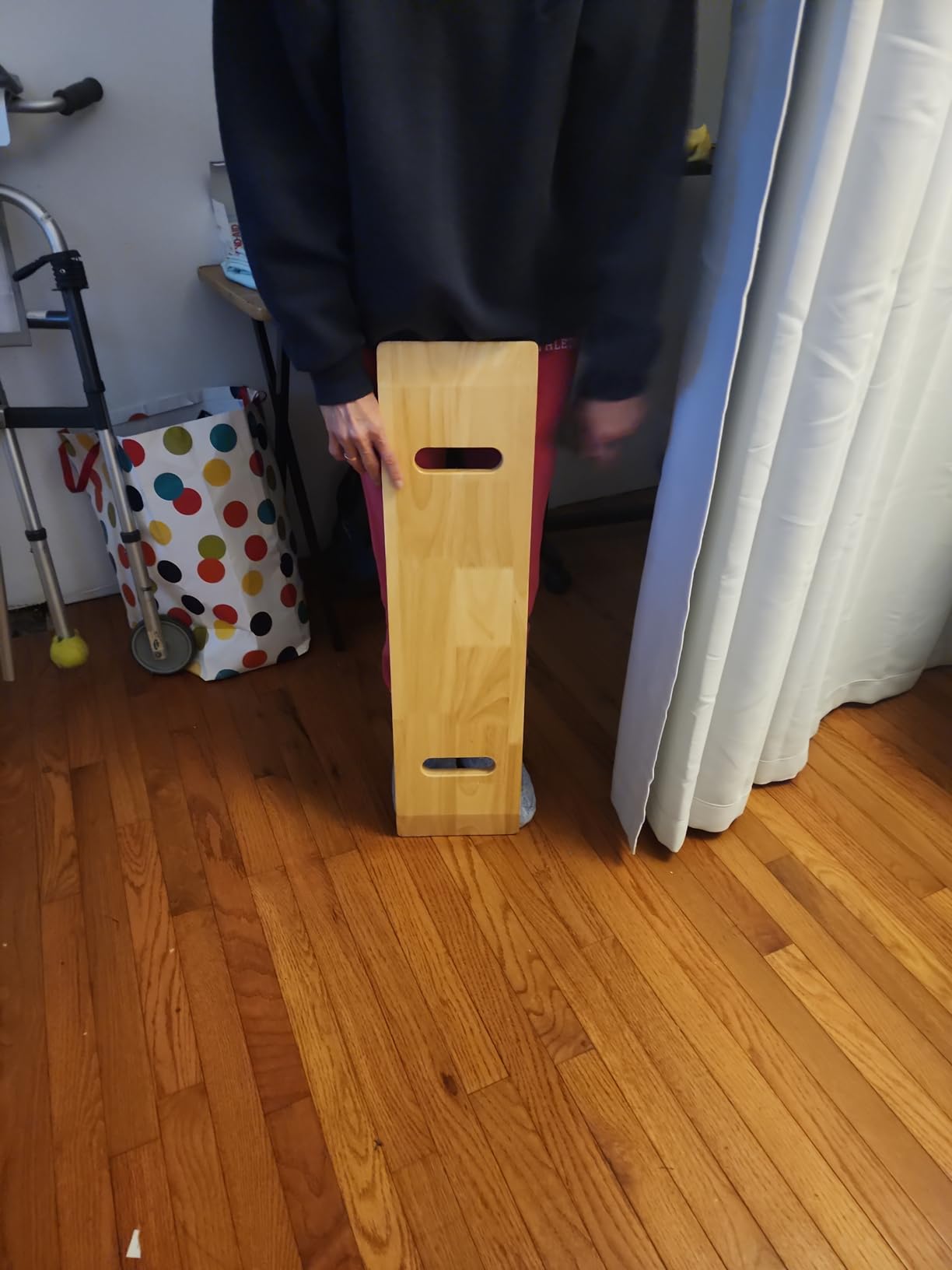
The board itself is similar in size to the DMI 30-inch model but slightly heavier at 4.95 pounds and rated for 300 pounds (lower than DMI’s 440). With 242 reviews averaging 4.5 stars, the kit is well-liked. Users praised the build quality and the value of getting both items together. The 30-inch length was a minor complaint for users who needed longer boards for car transfers.
For someone just starting to care for a family member at home, this combo kit removes the guesswork. You get the board for seated transfers and the belt for assisted standing and walking, both from one manufacturer with consistent quality. We’ve recommended this kit to several first-time caregivers in our network.
Who this board is good for
New caregivers, family members helping an elderly parent at home, and anyone who needs both seated transfer support and standing assistance will get the most value from this kit. It’s also a good choice for home health aides who need both tools in one purchase. The metal buckle and cotton belt stand up to daily use.
Who this board is not ideal for
If you already own a transfer belt or don’t need one, the standalone boards in our roundup offer better value. The 30-inch board length is also too short for most car transfers. Users over 300 pounds should look at higher-capacity boards like the DMI 735-pound model. For travel, the 4.95-pound board is heavier than the weybaihe or Vive options.
How to Choose the Best Transfer Board?
Choosing the best transfer boards comes down to matching the board to your specific transfer scenarios, your body size, and your strength level. After three months of testing and dozens of conversations with occupational therapists, here’s the framework we use to match boards to users.
Length and Size
The most common question we get is how long a transfer board should be. The general rule from the OTs we interviewed: the board should be at least 2 inches longer than the gap you’re bridging, with 6 to 8 inches resting on each transfer surface. For wheelchair to bed transfers, a 24 to 30 inch board usually works. For wheelchair to car, you typically need 30 to 36 inches. The weybaihe 24-inch and the DMI 32-inch represent the two most common size ranges in our testing.
Weight Capacity
Always pick a board rated for at least 50 pounds more than the user’s body weight. Most boards in our roundup support between 300 and 735 pounds. For users under 200 pounds, almost any board works. For users over 300 pounds, the DMI Heavy-Duty 735-pound model is the safest pick. The Vie TRIOMPHE Pivot-Glide at 460 pounds is a good middle ground for users in the 300 to 400-pound range.
Shape: Straight vs Curved
Straight boards are the most common and work well for transfers in a straight line. Curved boards (like the suboton) work better for situations where the destination surface is at an angle to the starting surface, like a car seat that’s perpendicular to the wheelchair. Curved boards take some practice to use effectively, so we recommend them for users who have already mastered a straight board.
Material: Wood vs Plastic vs Composite
Wood boards (DMI, Vive, COW&COW, weybaihe) are the most affordable and have the smoothest glide surfaces. Plastic boards (suboton) are more flexible and often include features like slide sheets. Composite boards (Vie TRIOMPHE) combine wood-like rigidity with plastic features. Wood is the most common choice for home use, plastic is great for travel and car transfers, and composite is for premium features.
Surface Features
Look for a smooth top surface that allows easy sliding without snagging clothing. Tapered ends make positioning the board under a seated user much easier. Cutout handles give caregivers something to grip when positioning. Anti-slip backing (like the grip pads on the DMI Heavy-Duty or the threaded pattern on the Vie TRIOMPHE) prevents the board from sliding during use. The YPC disc has 360-degree rotation, which solves the pivoting problem at the end of a transfer.
Transfer Board Safety Tips
Always lock wheelchair wheels before starting a transfer. Position the board so at least 6 inches rests on each surface. Wear non-slip footwear or bare feet (socks can slide). The user should wear clothing that won’t catch on the board’s surface. Have a caregiver within arm’s reach for the first few transfers. Never transfer across a gap wider than the board can safely bridge. For car transfers, practice with the seat fully back and the door open wide.
Caregiver Considerations
Caregivers should always bend at the knees, not the waist, and keep the user close to their body. A transfer belt (like the one in the COW&COW kit) gives the caregiver a secure grip. Never twist while lifting or supporting a user. If a transfer starts to feel unsafe, lower the user slowly to the nearest surface rather than trying to catch them. Most importantly, get proper training from a physical or occupational therapist before relying on a board for daily transfers.
Travel and Portability
For travel, the weybaihe 24-inch board at 2.35 pounds is the most portable wood option in our roundup. The suboton board with its included slide sheet is our pick for travelers who need car transfer support. The YPC disc is compact and easy to pack. Heavier boards like the DMI Heavy-Duty and the Vie TRIOMPHE are better left at home for daily use.
Frequently Asked Questions
Is a straight or curved transfer board better?
Straight boards work best for transfers in a direct line, like wheelchair to bed or wheelchair to a chair. Curved boards are better when the destination surface sits at an angle to the starting surface, such as a car seat that’s perpendicular to the wheelchair. Choose a curved board if you primarily transfer to or from vehicles or rounded surfaces.
What are the best sliding boards?
The best sliding boards include the DMI 30-inch for everyday use, the DMI Heavy-Duty 32-inch for higher weight capacity, the weybaihe 24-inch for portability, the suboton board with slide sheet for car transfers, the Vive 30-inch for its 60-day guarantee, the YPC disc for pivot transfers, the Vie TRIOMPHE for 360-degree rotation, and the COWu0026amp;COW kit for caregivers who also need a transfer belt.
What are the different types of transfer boards?
The main types include wood slide boards (the most common and affordable), plastic boards (often with anti-slip features), curved boards (better for angled transfers), pivoting boards (with rotating turntables), combination kits (board plus transfer belt), and pivot discs (an alternative for users who can stand briefly). Each type is designed for different transfer scenarios and user abilities.
How long should a transfer board be?
A transfer board should be at least 2 inches longer than the gap you’re bridging, with 6 to 8 inches resting on each transfer surface. For wheelchair to bed transfers, 24 to 30 inches is typical. For wheelchair to car transfers, 30 to 36 inches works better. The most versatile size for home use is 30 inches, while longer boards are better for vehicle transfers.
Final Verdict
After three months of testing 8 of the best transfer boards on the market, our top pick for most users is the DMI 30-inch board. It hits the sweet spot of length, weight capacity, build quality, and price, and the 8,851 reviews backing it up give us confidence that it’s a board that performs well for real families.
If you need extra weight capacity, go with the DMI Heavy-Duty 32-inch. If you want the lightest, most portable option, the weybaihe 24-inch is unbeatable. For car transfers specifically, the suboton board with slide sheet solves problems no plain wood board can. And if you need a 360-degree rotating turntable for users with severe mobility limitations, the Vie TRIOMPHE Pivot-Glide is in a class of its own.
The best transfer boards turn one of the most stressful daily tasks into a safe, manageable routine. Whether you’re a caregiver, a person with mobility limitations, or a family member trying to keep a loved one at home longer, the right board makes a real difference. We’ve laid out our top picks for 2026 with the data we have today, but as always, work with an occupational therapist to match the board to your specific needs before making the final call.