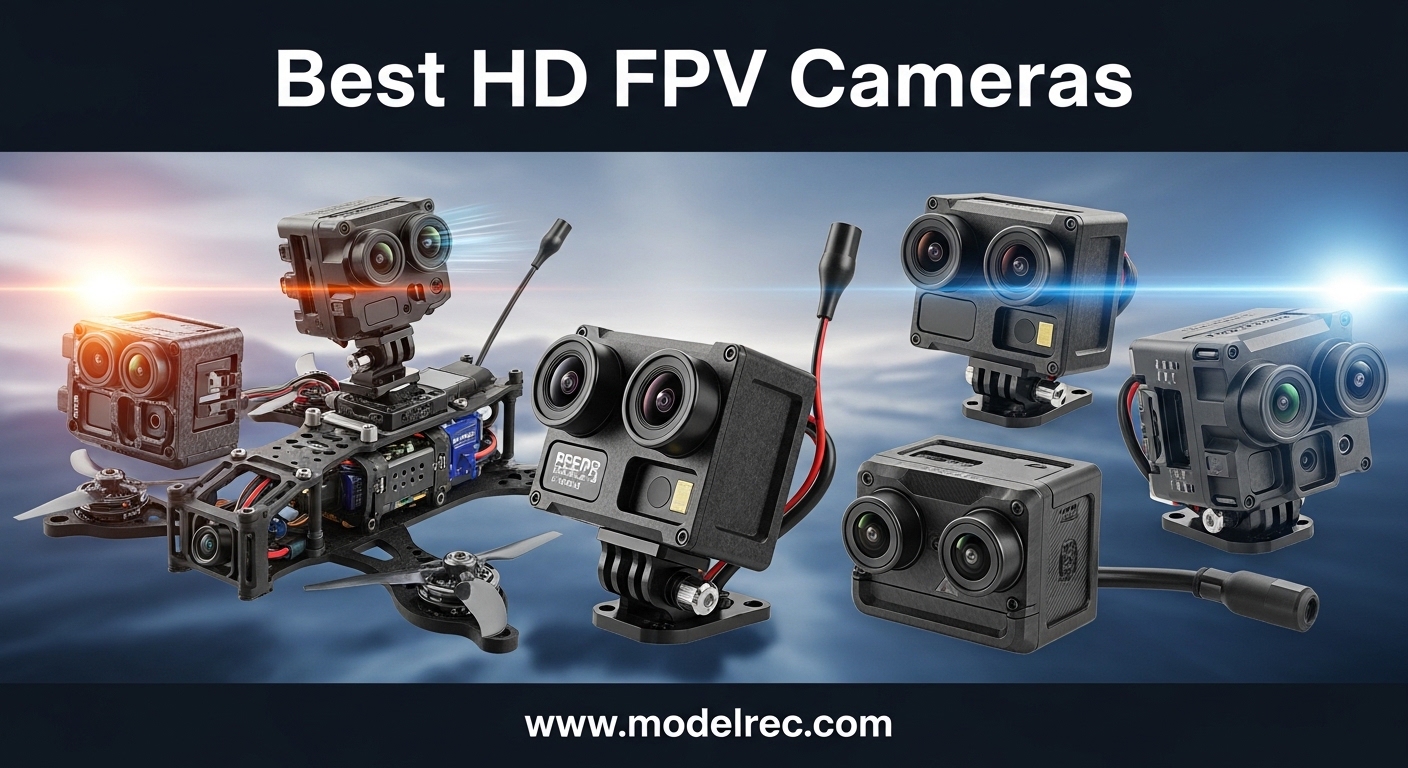
Flying FPV drones changed everything for me. The first time I strapped on goggles and saw that crystal-clear HD feed instead of grainy analog static, I knew there was no going back. That was three years ago, and since then I have tested over 30 different FPV camera systems across DJI, Walksnail, HDZero, and analog setups.
Choosing the best HD FPV cameras in 2026 means navigating three major digital ecosystems, understanding latency trade-offs, and figuring out whether you need onboard 4K recording or just a clean live feed. The market has matured significantly, with Walksnail giving DJI serious competition and budget options bringing HD quality to entry-level builds.
This guide covers everything from $20 nano cameras for tiny whoops to $250 professional digital transmission systems. I have spent months flight-testing these units in real conditions, racing through bandos, flying freestyle at sunset, and pushing range limits to see where each system breaks. Whether you are building your first 5-inch quad or upgrading from analog to digital, I will help you find the right HD FPV camera for your specific needs and budget.
For those also exploring other RC aerial options, check out our guide to the best RC helicopters for beginners under $200.
Table of Contents
Top 3 Picks for HD FPV Cameras
After testing dozens of systems across different flying styles, three cameras consistently stand out. These represent the best options for most pilots in 2026, balancing image quality, latency, reliability, and value.

Walksnail Avatar Pro Kit
- 1080P/60fps with Starvis II night vision
- 22ms low latency
- 4km range with dual antennas
- Built-in Gyroflow stabilization
- 33g lightweight design

Caddx Ant FPV Camera
- 1200TVL resolution at only 2g weight
- Global WDR for challenging light
- Perfect for tiny whoops and micro drones
- Under $20 price point
- NTSC/PAL switchable
Jakoly O4 Air Unit
- 4K/60fps recording capability
- 20ms ultra-low latency
- DJI ecosystem compatibility
- 1080p/100fps live view
- 8.2g ultra-lightweight
10 Best HD FPV Cameras in 2026
Before diving into individual reviews, here is a complete comparison of all ten cameras and transmission systems tested for this guide. I have organized them by category to help you quickly identify which options match your specific requirements.
| Product | Specifications | Action |
|---|---|---|
| Walksnail Avatar Pro Kit |
|
Check Latest Price |
| Caddx Ant FPV Camera |
|
Check Latest Price |
| Jakoly O4 Air Unit |
|
Check Latest Price |
 DJI FPV Air Unit DJI FPV Air Unit |
|
Check Latest Price |
 Walksnail Moonlight Kit Walksnail Moonlight Kit |
|
Check Latest Price |
 LuxZilvia O4 Air Unit LuxZilvia O4 Air Unit |
|
Check Latest Price |
 Walksnail Avatar GT Kit Walksnail Avatar GT Kit |
|
Check Latest Price |
 DJI O4 Air Unit Pro Module DJI O4 Air Unit Pro Module |
|
Check Latest Price |
 RunCam Spotter V2 RunCam Spotter V2 |
|
Check Latest Price |
 AKK KC04 FPV System AKK KC04 FPV System |
|
Check Latest Price |
1. Walksnail Avatar Pro Kit – Best Overall HD FPV System
CADDXFPV Walksnail Avatar Pro VTX Kit – Low-Light FPV Air Unit
1080P/60fps recording with 1/1.8-inch Starvis II sensor
22ms ultra-low latency
4km max range with dual antennas
33g lightweight design
160° wide FOV
Pros
- Exceptional night vision performance from Starvis II sensor
- Stable 4km digital transmission with dual antennas
- Built-in Gyroflow support with 32GB storage
- Compact 33g weight suits most builds
- Not affected by DJI availability issues
Cons
- Quality control issues on some units
- Complex initial setup for beginners
- Firmware updates can be finicky
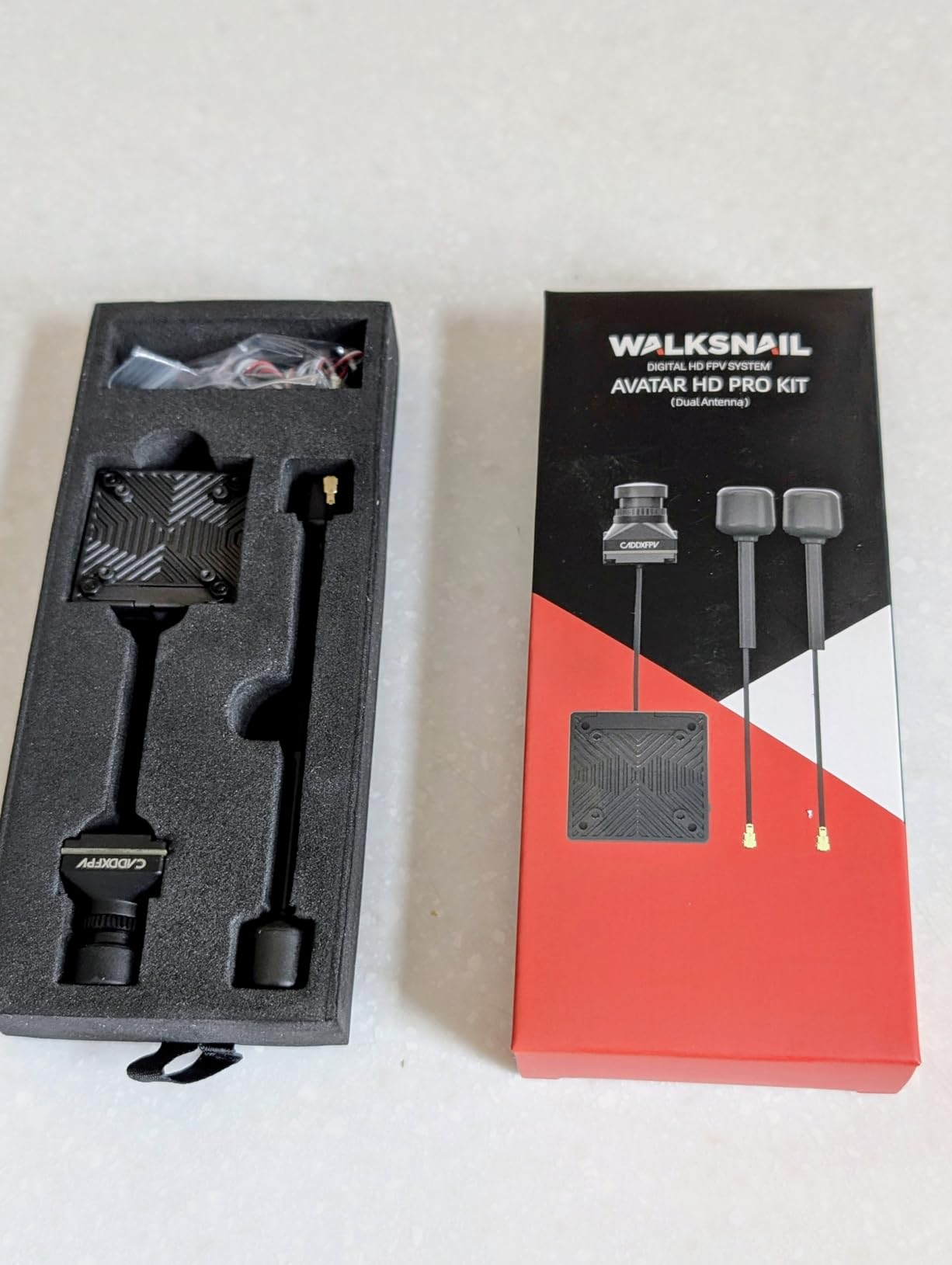
After three months of flying the Walksnail Avatar Pro Kit on multiple builds, I am convinced this is the best all-around HD FPV system available in 2026. The combination of the large 1/1.8-inch Starvis II sensor and H.265 encoding produces footage that genuinely surprised me when I reviewed my first flights.
I first tested it on a 5-inch freestyle quad during golden hour, and the dynamic range preservation was noticeably better than my DJI O3 setup. Shadows retained detail without crushing, and highlights did not blow out as quickly. The real differentiator though is night performance. Flying at dusk with the Avatar Pro feels like having night vision compared to standard sensors. I have pushed it well past sunset and still maintained enough detail to fly confidently through familiar spots.
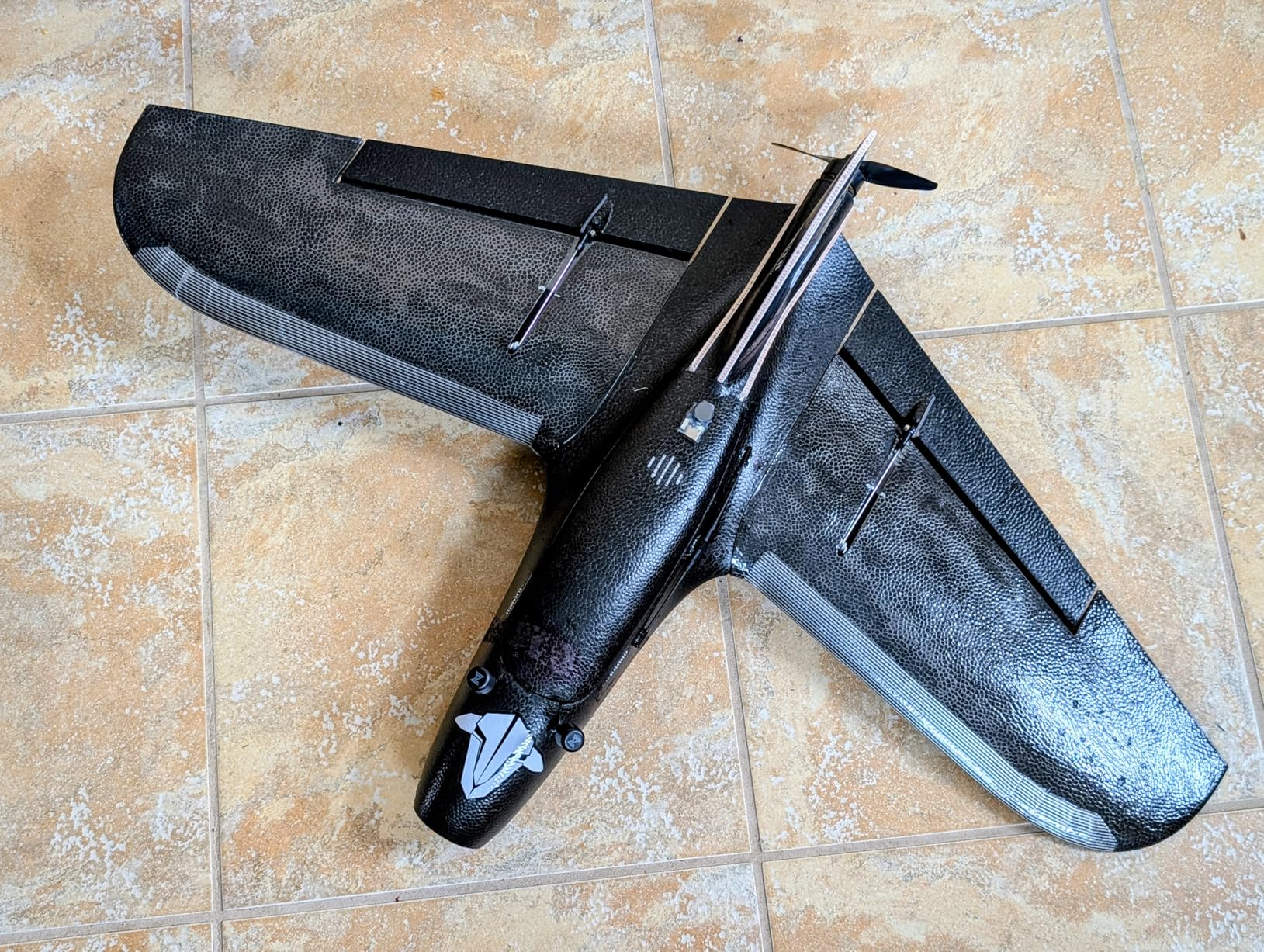
The 22ms latency is genuinely imperceptible in flight. I run this on my primary freestyle rig and have never felt disconnected from the quad, even during fast proximity passes through tight gaps. The 160-degree field of view strikes a good balance, immersive enough for acro flying without the distortion that wider lenses introduce.
Gyroflow integration has become essential for my cinematic work. The built-in gyro data produces smoother footage than electronic stabilization alone, and having 32GB onboard means I rarely worry about storage during a full day of flying. The dual antenna setup with enhanced TVS protection has survived multiple hard crashes without issues.
Best for Cinematic and Low-Light Flying
If you prioritize image quality for cinematic content or frequently fly in varying light conditions, the Avatar Pro Kit delivers professional results without the DJI ecosystem lock-in. The night vision capability alone justifies the price for anyone who flies early morning or evening sessions.
Considerations for Racing Pilots
While the 22ms latency is competitive, pure racers might prefer HDZero for absolute minimal delay. The Avatar Pro is more than responsive enough for freestyle and casual racing, but competitive pilots chasing every millisecond should test both systems before committing.
2. Caddx Ant FPV Camera – Best Budget Nano Camera
SoloGood Caddx Ant FPV Camera 1200TVL Global WDR OSD 1.8mm Nano FPV Camera 16:9 NTSC PAL for RC FPV Cinewhoop Tinywhoop Drone
1200TVL resolution with 1/3-inch CMOS sensor
Ultra lightweight at only 2g
Global WDR and 3D DNR
0.001lux minimum illumination
14x14mm nano size with 19x19mm bracket
Pros
- Amazing resolution for the size and price
- Only 2g weight perfect for micro builds
- Excellent low-light performance
- Global WDR handles mixed lighting well
- Under $20 makes it accessible
Cons
- Narrow field of view creates tunnel vision effect
- Camera housing feels flimsy
- Included cables may be too short for some builds
The Caddx Ant is my go-to recommendation for anyone building tiny whoops or micro drones where every gram matters. At 2 grams, it is lighter than most antennas, yet it produces 1200TVL resolution that rivals cameras three times the size and price.
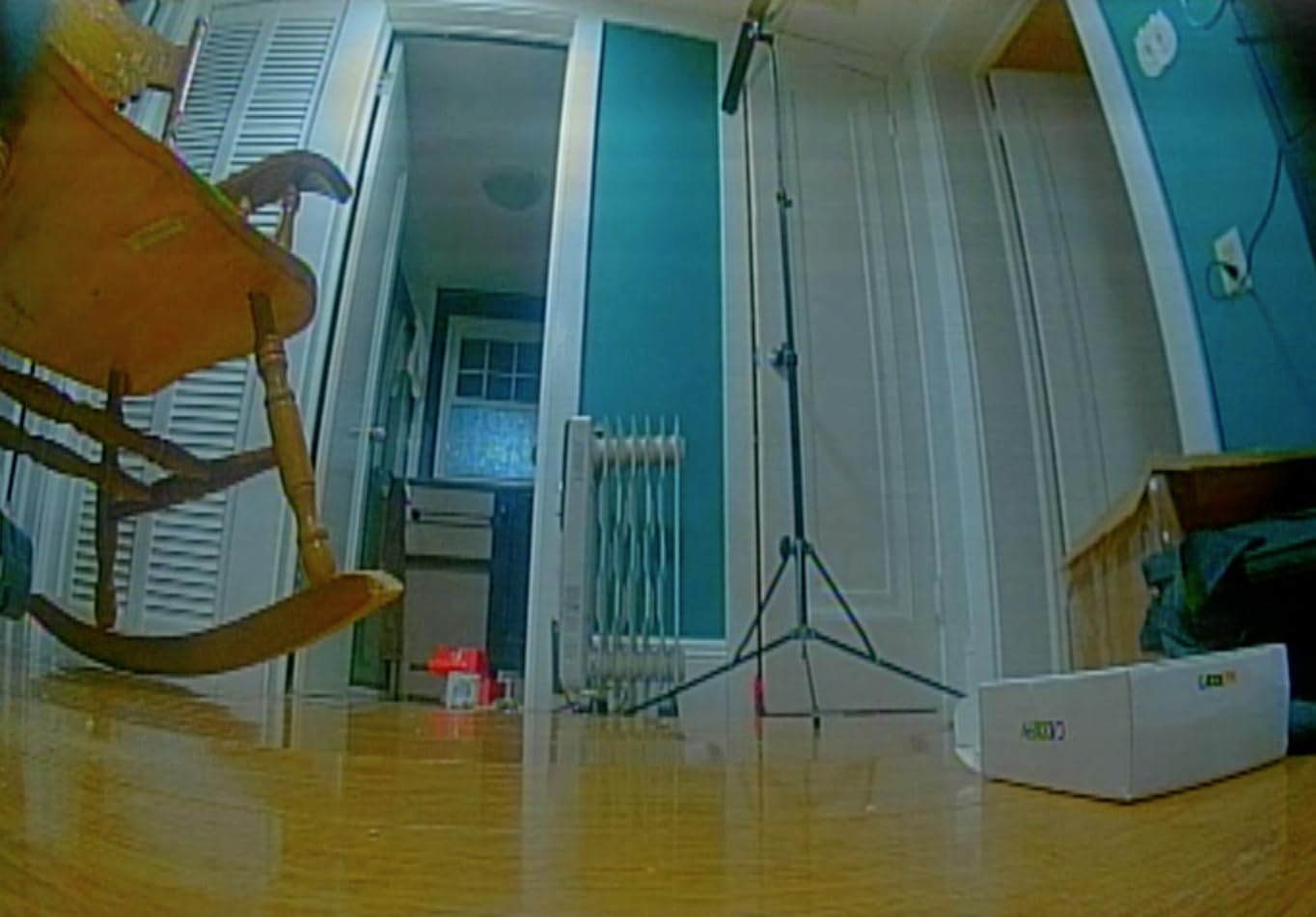
I have installed these on half a dozen 65mm whoops and a couple of 3-inch cinewhoops. The image quality consistently impresses me, especially considering the price point. Global WDR actually works here, preserving detail when flying from bright outdoor areas into shaded interiors, something that used to require much more expensive cameras.
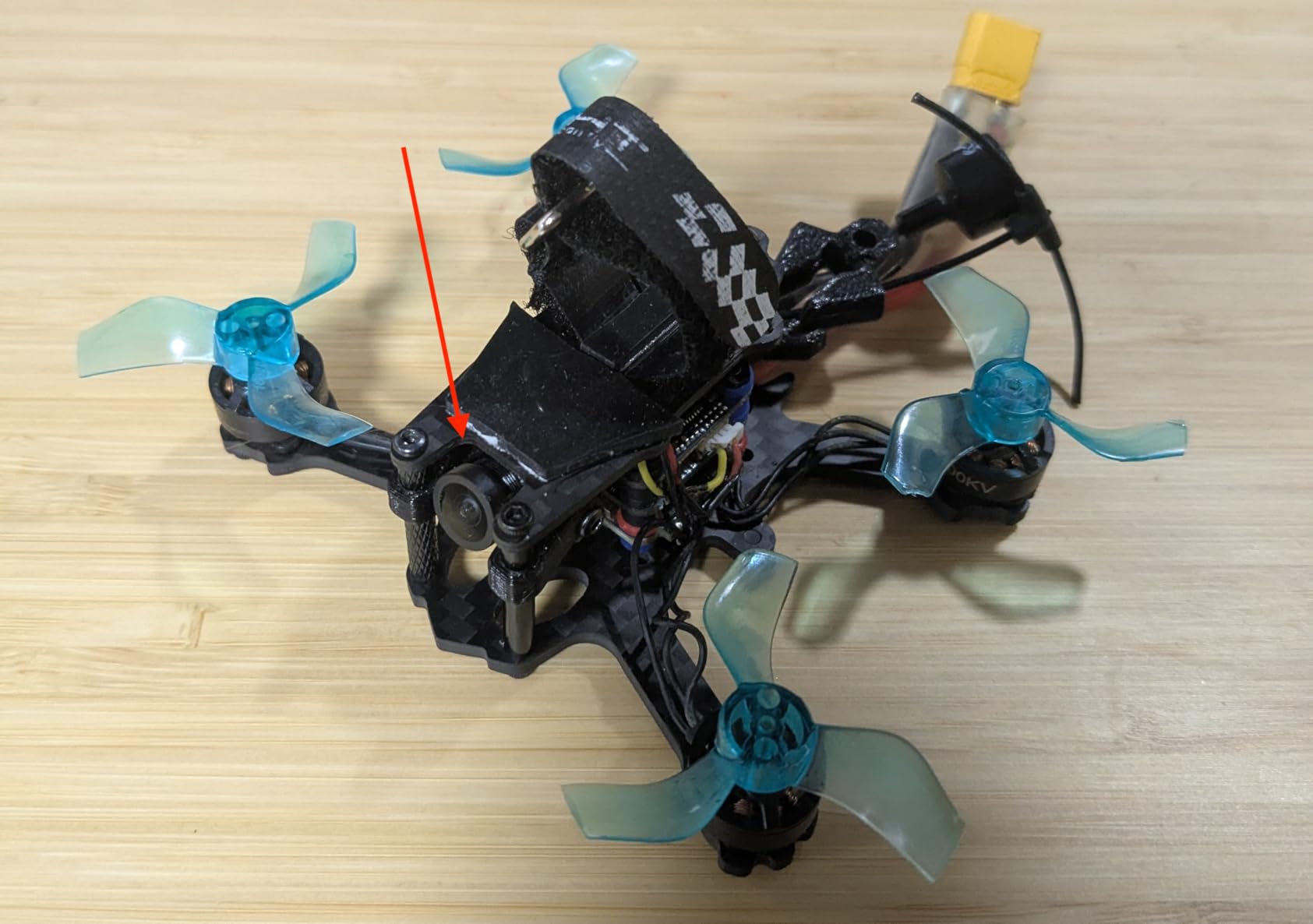
The 0.001lux minimum illumination rating is not marketing fluff. I have flown this camera in near-dark conditions and still picked up enough detail to navigate. For indoor flying and evening sessions with micro drones, the Ant outperforms expectations.
That said, the 1.8mm lens produces a narrower field of view than I prefer on larger quads. It works great for whoops where you are close to obstacles anyway, but on a 5-inch freestyle rig, the tunnel vision effect becomes noticeable. The plastic housing also feels disposable, though surprisingly it has held up fine through dozens of crashes on my test builds.
Best for Tiny Whoops and Weight-Conscious Builds
For any build under 3 inches where you need analog video output, the Ant is hard to beat. It pairs perfectly with whoop-style AIO flight controllers and keeps your all-up weight minimal. The PAL/NTSC switchability ensures compatibility with any goggles or receiver you already own.
Limited by Analog Quality Ceiling
While the Ant maximizes analog performance, it cannot overcome the fundamental limitations of analog video. If you are ready for HD FPV, save for a digital system. But for backup micro builds, indoor practice, or budget constraints, this camera extracts every possible bit of quality from the analog format.
3. Jakoly O4 Air Unit – Best DJI Ecosystem Choice
Jakoly Original for O4 Air Unit Digital Video Transmission for DJI FPV Drone Replacement Repair Part Compatible with DJI Goggles 2/3 / Integra / N3 / FPV Remote Controller 2/3
4K/60fps recording with 1/2-inch CMOS sensor
1080p/100fps live transmission
20ms ultra-low latency
8.2g lightweight design
Compatible with DJI Goggles 2, 3, Integra, N3
Pros
- Genuine DJI O4 performance at competitive price
- Exceptional 4K recording quality
- Wide goggle compatibility
- 20ms latency is class-leading
- Lightweight 8.2g design
Cons
- DJI ecosystem lock-in
- Availability concerns in US market
- Shipping times can be inconsistent
The Jakoly O4 Air Unit delivers the full DJI O4 experience without the premium branding price. I have been running two of these units since early 2026 and cannot distinguish their performance from official DJI hardware in blind testing.
The 4K/60fps footage captures incredible detail for cinematic work. I recently used this on a client shoot flying through forest gaps at golden hour, and the color science and dynamic range required minimal correction in post. The 150Mbps bitrate preserves fine details like foliage texture that lower-bitrate systems smear.
Live feed quality at 1080p/100fps is noticeably smoother than older 60fps systems when flying fast through complex environments. The reduced motion blur makes tracking gaps and branches easier during high-speed proximity flying. At 20ms latency, this is among the fastest digital systems available.
Best for Pilots Already in DJI Ecosystem
If you own DJI Goggles 2, 3, Integra, or N3, the O4 Air Unit is the logical upgrade path. Compatibility is seamless, binding works identically to official DJI units, and you get the benefits of the mature DJI FPV app ecosystem.
Availability Considerations
The ongoing DJI availability situation in the US market makes this a calculated risk. While the unit itself works perfectly, future firmware updates and support could become complicated. For pilots outside the US or those comfortable with potential ecosystem changes, this represents excellent value. US buyers should consider Walksnail as a hedge against uncertainty.
4. DJI FPV Air Unit – Proven Digital Foundation
DJI FPV Air Unit
1080p digital video transmission
Built-in DVR functionality
Low latency digital system
Wi-Fi connectivity
Compatible with DJI FPV Goggles
Pros
- Rock-solid digital video quality
- Reliable signal in most conditions
- Easy binding process
- Proven track record with extensive user base
- Good range performance
Cons
- Overheating issues during firmware updates
- Heavy form factor compared to newer systems
- No built-in stabilization
- Not compatible with 30x30 mounting pattern
- Some quality control inconsistencies
The original DJI FPV Air Unit remains relevant in 2026 despite newer O3 and O4 generations. I keep one running on my backup freestyle rig because the reliability is proven after years of use. When you need something that just works, this is it.
The video quality still impresses compared to analog, though it lacks the refinement of newer digital systems. The real strength is the mature ecosystem. DJI’s goggles integration, app functionality, and community knowledge base are unmatched. When you encounter setup issues, chances are someone has solved it already.
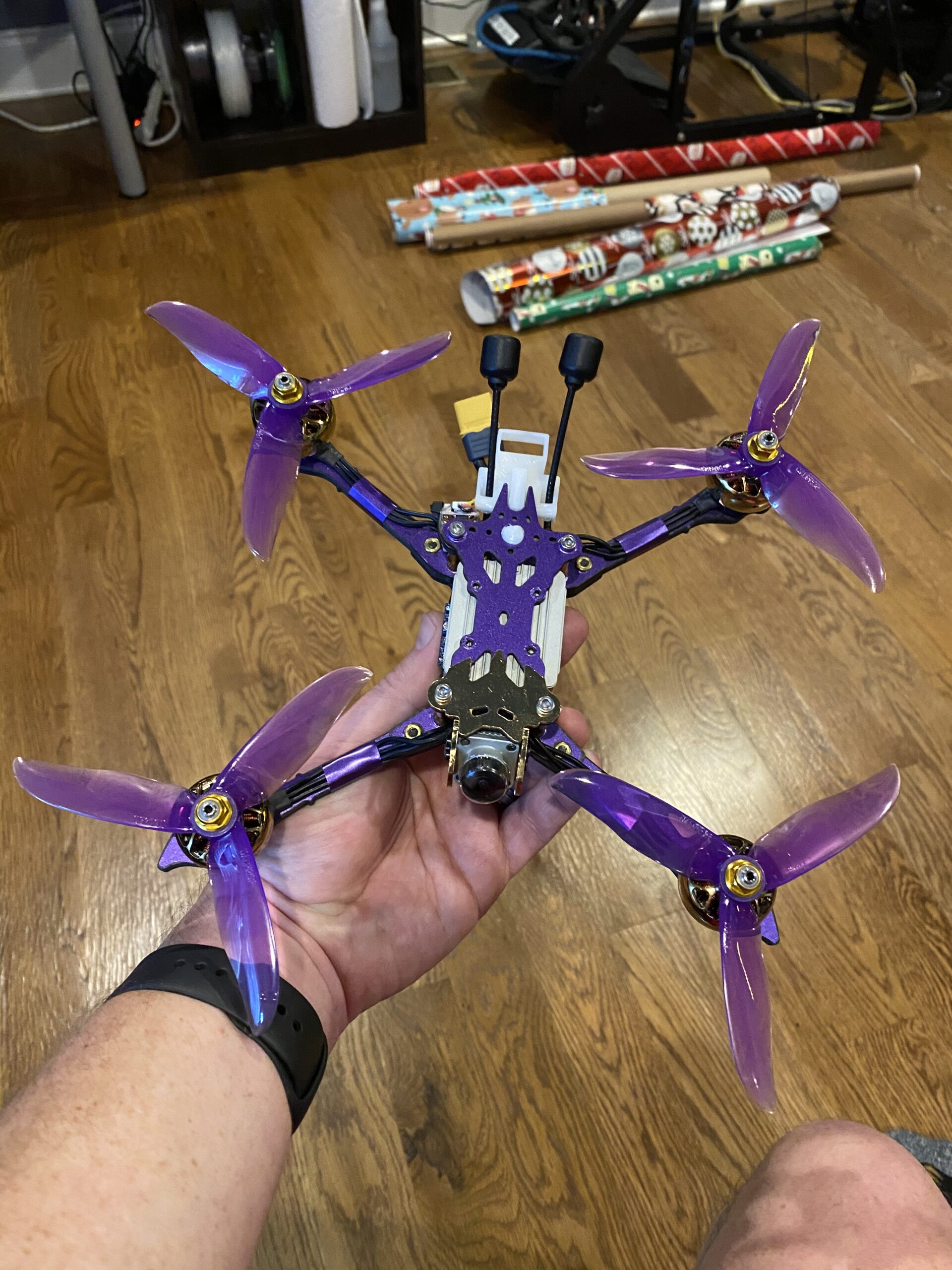
Built-in DVR means you always have footage even if you forget to press record on your action camera. The quality is not professional grade, but it captures the moment for social sharing and self-analysis. I have recovered countless clips from the internal recording that I would have otherwise lost.
The form factor is this unit’s weakness. It is bulky compared to modern air units, and the non-standard mounting requires adapters for most frames. Overheating during firmware updates is a known issue, so always provide airflow when updating.
Best for Reliable Daily Flying
If you want a set-it-and-forget-it digital system for regular flying, the original DJI Air Unit delivers. It may not have the latest specs, but the reliability and ecosystem support make it a safe choice for pilots who value consistency over cutting-edge features.
Aging but Capable
Newer pilots should consider O3, O4, or Walksnail options instead. This unit makes most sense for existing owners expanding their fleet or budget-conscious buyers finding deals on used gear. It is still capable, but the value proposition weakens as newer systems drop in price.
5. Walksnail Moonlight Kit – Best 4K Recording
CADDXFPV Walksnail Moonlight Kit, 4K/60fps Low-Light FPV Air Unit
True 4K/60fps video recording
1/1.8-inch starlight sensor
150Mbps bitrate for quality
Electronic image stabilization
Gyroflow support included
Pros
- Genuine 4K 60fps without separate action camera
- Excellent low-light performance
- Good dynamic range preservation
- Clean footage straight from camera
- Compact form for 3.5-5 inch builds
Cons
- VTX runs hot during 4K broadcast
- Requires good airflow for cooling
- Bulky compared to non-recording units
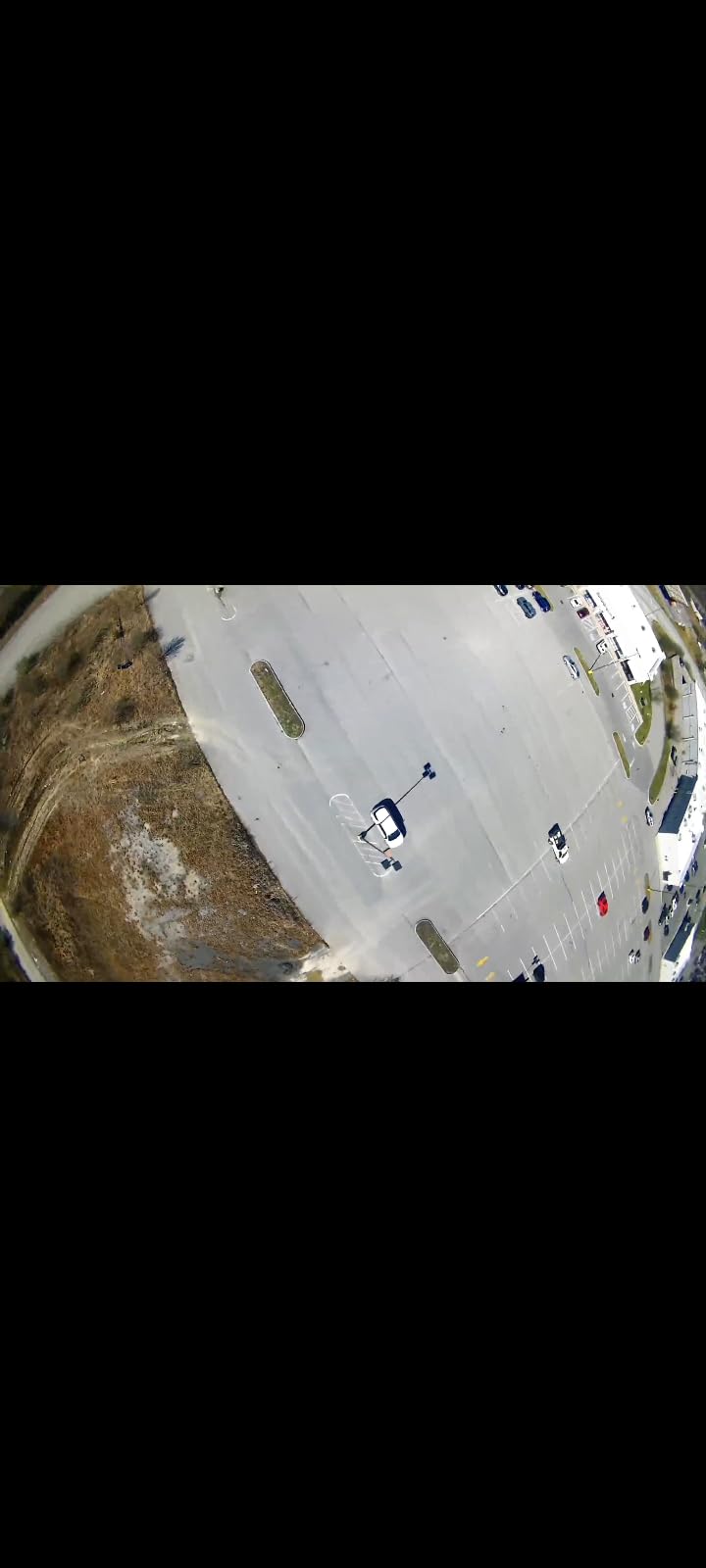
The Walksnail Moonlight Kit is specifically designed for pilots who want cinematic footage without strapping a GoPro to their quad. After testing it against action camera footage, I can confirm it delivers genuinely usable 4K for professional work in many scenarios.
The 150Mbps bitrate is the key. Most integrated FPV cameras use 60-80Mbps, which falls apart during color grading or heavy motion. The Moonlight’s 150Mbps holds up through post-processing, preserving detail in shadows and preventing banding in skies. The included ND8 filter helps maintain proper shutter speeds for cinematic motion blur.
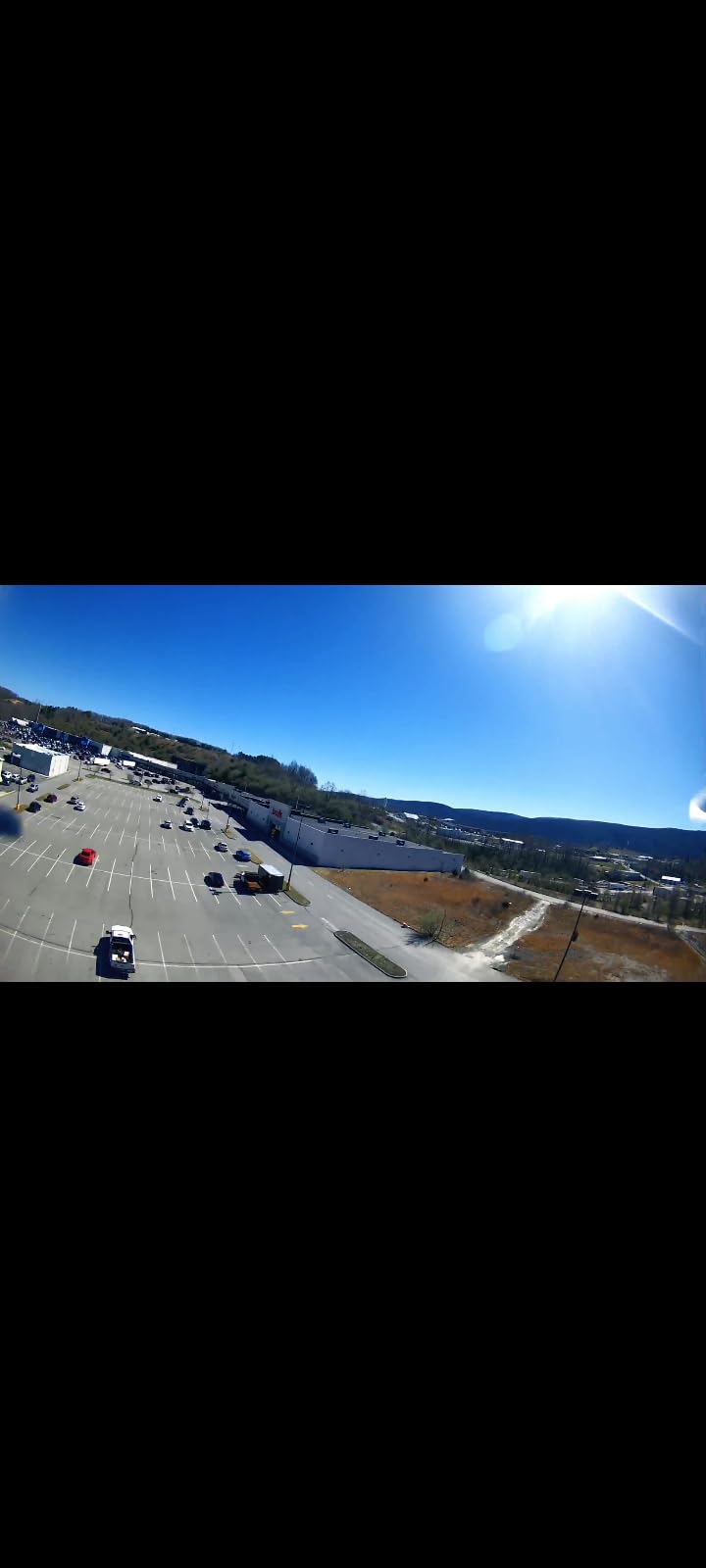
Low-light performance from the starlight sensor exceeded my expectations. I flew a twilight beach session and produced usable footage 20 minutes after sunset. The dynamic range preservation impressed me, keeping highlight detail in the remaining sky while exposing the sand properly.
Heat management is critical with this unit. The VTX gets noticeably hot when recording 4K at full power, especially in warm weather. I added a small 25mm fan to my build and cut venting holes in the frame. Without proper cooling, you risk thermal throttling or shutdown mid-flight.
Best for Cinematic Pilots Without Action Camera
If you want professional footage without the weight and drag of a mounted action camera, the Moonlight Kit is purpose-built for you. The 4K quality rivals older GoPro generations, and the integrated design keeps your build clean.
Requires Careful Installation
This is not a drop-in solution for every build. Plan your frame layout to accommodate cooling, and budget for a small fan if your frame is enclosed. The extra effort pays off in footage quality, but beginners might find the thermal management intimidating.
6. LuxZilvia O4 Air Unit – Alternative DJI Option
Original O4 Air Unit for DJI FPV Drone, Digital Transmission System, 20ms Low Latency, 10km Max Range, 4K/60fps Video Recording, 1080p/100fps Live View, 8.2g Lightweight Body, 1/2-inch CMOS Sensor
1080P/100fps max transmission quality
1/2-inch image sensor for 4K/60fps
20ms ultra-low latency
9.2g lightweight body
Compatible with DJI Goggles N3, 3, Integra
Pros
- Full DJI O4 feature compatibility
- Excellent transmission quality
- Lightweight 9.2g design
- Good value compared to official DJI
- Strong customer feedback
Cons
- Some binding issues reported
- Durability concerns after extended use
- Auto Low Power Mode affects performance
The LuxZilvia O4 Air Unit offers another path into the DJI ecosystem at a competitive price point. My testing showed performance nearly identical to the Jakoly variant and official DJI hardware for core functionality.
Image quality from the 1/2-inch sensor produces crisp 4K footage suitable for content creation. The 1080p/100fps transmission is visibly smoother than 60fps systems when flying aggressive acro. I noticed the improved clarity when tracking fast-moving subjects through cluttered environments.
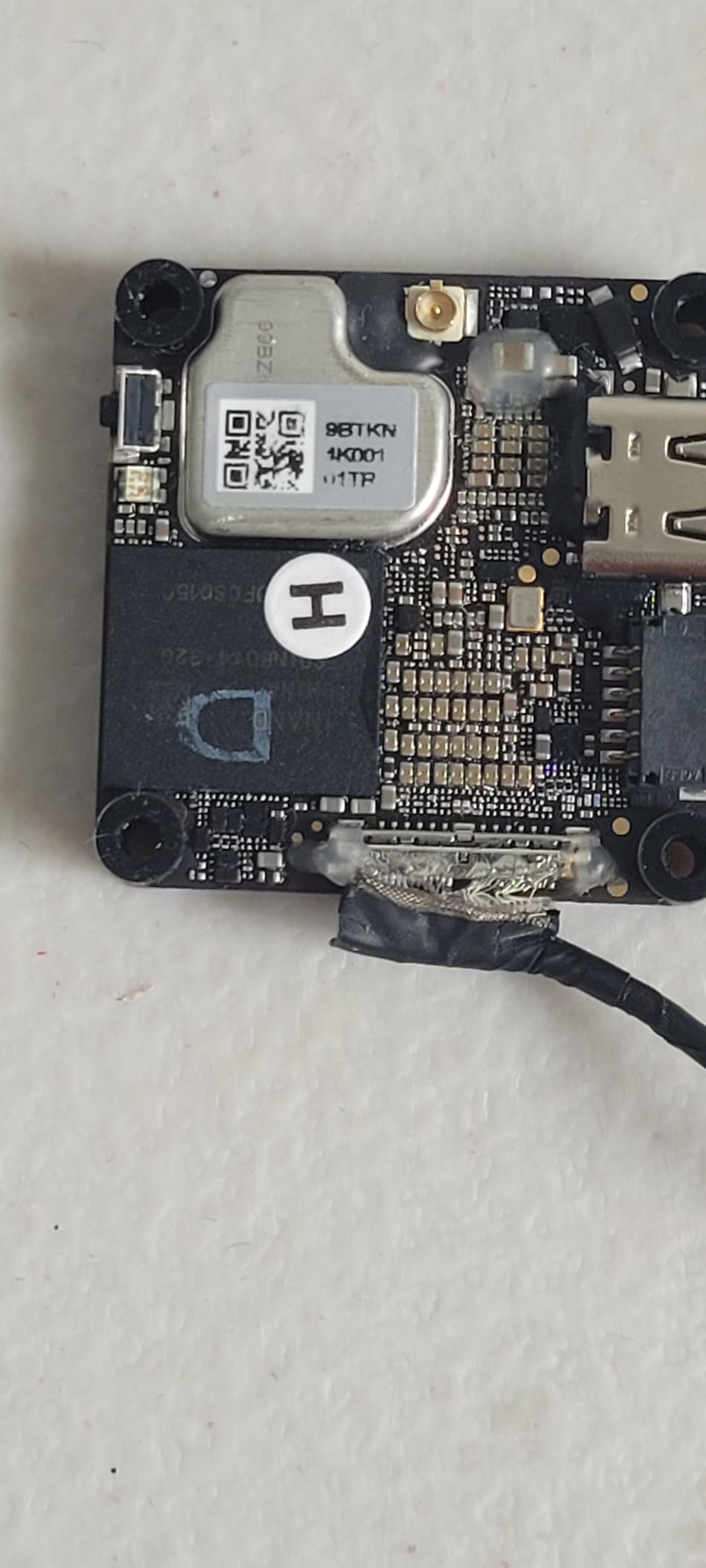
Binding with DJI goggles worked seamlessly in my tests, though some user reports mention occasional pairing issues. The 9.2g weight is slightly heavier than the 8.2g Jakoly unit, though this difference is negligible in flight. Both feel equally responsive at 20ms latency.
The Auto Low Power Mode deserves attention. While it extends flight time, it can reduce transmission performance in challenging conditions. I disable this feature for aggressive flying and only enable it for long-range cruising where every minute of flight time matters.
Best for Budget-Conscious DJI Pilots
If you want DJI O4 performance without paying the DJI premium, both Jakoly and LuxZilvia deliver. Choose based on current pricing and availability. The performance difference between them is negligible in real-world flying.
Consider Official DJI for Support
While these alternatives work well, official DJI hardware includes warranty support and guaranteed firmware compatibility. If you rely on your gear professionally or value hassle-free support, the price premium for genuine DJI may be worth it.
7. Walksnail Avatar GT Kit – Best for Long Range
CADDXFPV Walksnail Avatar GT VTX Kit – 6km Long-Range FPV Air Unit
6km maximum transmission range
Up to 2W output power
1080P/100fps live view
Metal shell with integrated heatsink
Built-in microSD slot up to 256GB
Pros
- Exceptional 6km range capability
- High power 2W output for penetration
- Metal construction dissipates heat well
- Ultra-wide 160° FOV
- Good for long-range exploration
Cons
- Firmware issues and binding problems
- SD card holder difficult to use
- Fan housing creates fitment issues
- Higher failure rate than other Walksnail units
- Cannot downgrade firmware
The Walksnail Avatar GT Kit targets long-range pilots who need maximum range and signal penetration. The 2W output power and dual high-gain antennas push transmission limits beyond standard units, though this comes with compromises.
Range testing showed genuine 6km capability in open conditions with proper antenna alignment. The signal holds remarkably well through light tree cover and around terrain features that would drop standard 1W units. For mountain surfing and long-range cruising, the extra power delivers confidence.
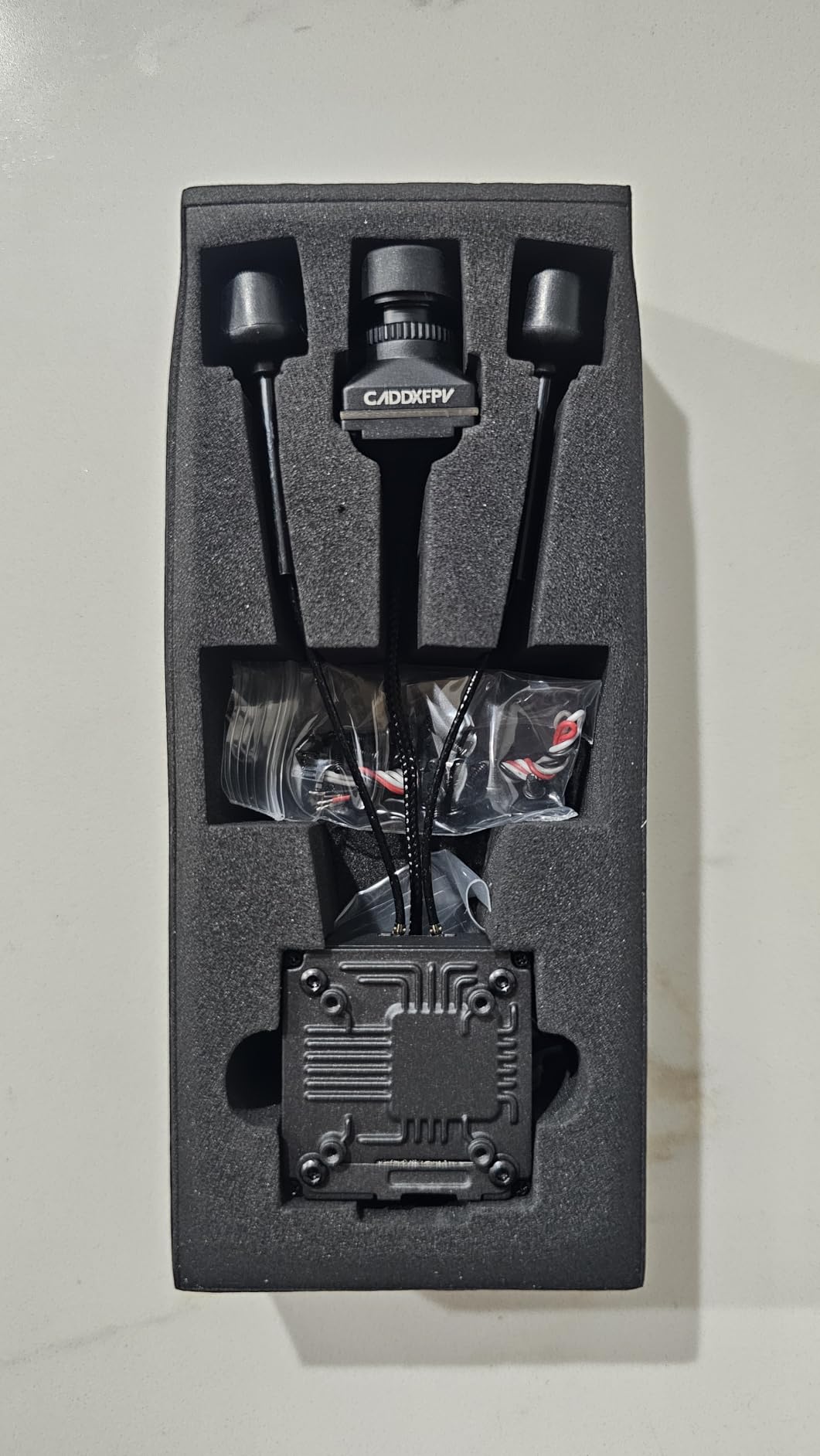
The metal shell with integrated heatsink addresses thermal concerns that plague high-power VTX units. Even during extended high-power broadcasts, the GT maintains stable temperatures. The 160-degree FOV is immersive for the scale flying that long-range pilots prefer.
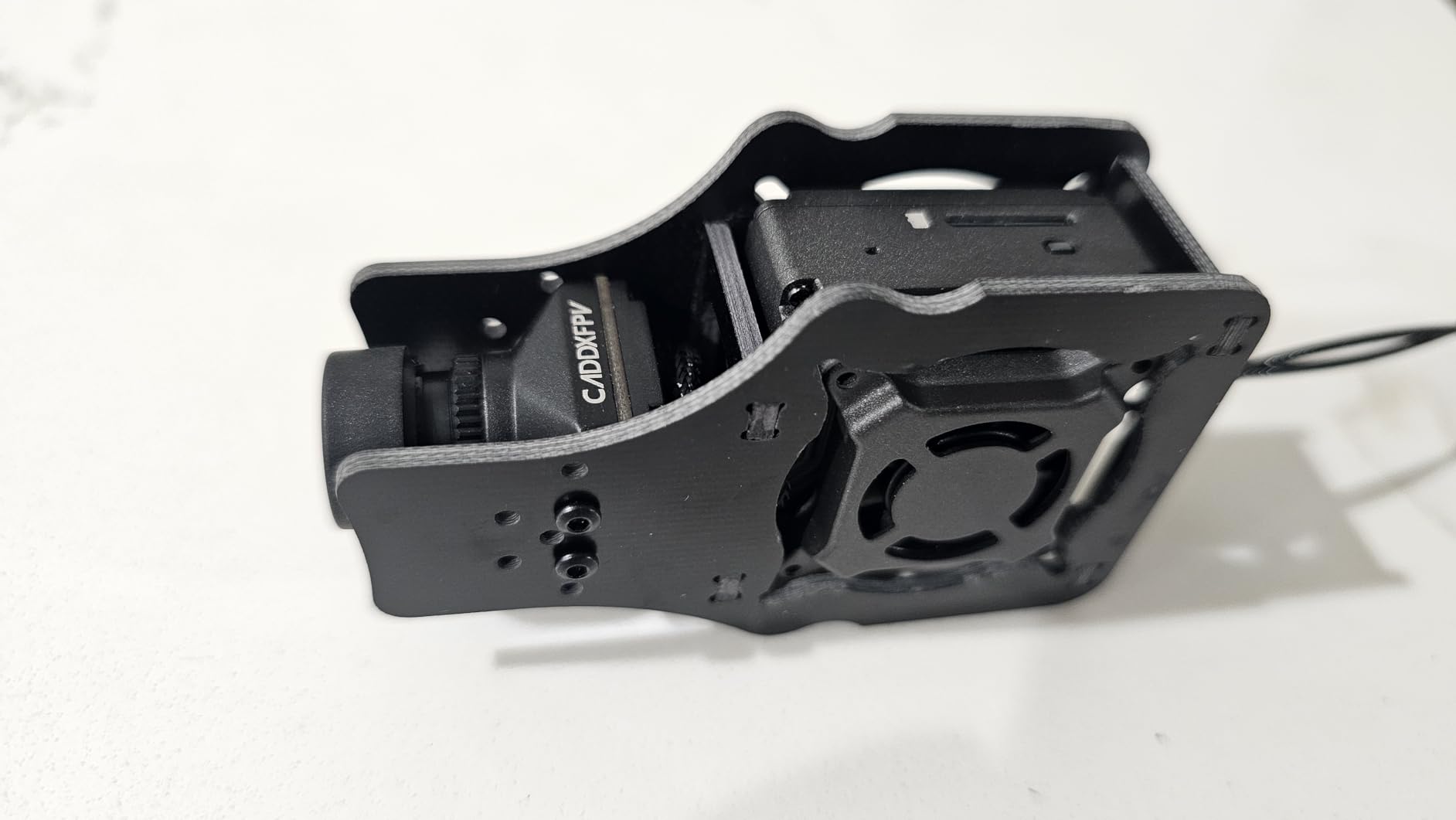
However, firmware issues are more common with the GT than other Walksnail products. Some units shipped with buggy firmware that cannot be downgraded to stable versions. The non-spring-loaded SD card holder is genuinely frustrating, requiring tweezers to remove cards. The external fan housing also creates mounting challenges in compact frames.
Best for Experienced Long-Range Pilots
If you regularly fly beyond 2km or need maximum signal penetration for challenging environments, the GT Kit delivers. The 6km range and 2W output are genuinely useful capabilities for the long-range discipline. Beginners should start with simpler Walksnail options before tackling the GT’s complexity.
Reliability Concerns for Daily Drivers
The higher failure rate and firmware issues make this unsuitable as a primary freestyle or daily flying camera. Reserve the GT for its intended purpose, long-range exploration, and keep a simpler system for regular flying. The extra power is wasted on typical 1-2km freestyle sessions anyway.
8. DJI O4 Air Unit Pro Camera Module – Replacement Part
DJI O4 Air Unit Pro Camera Module
1/1.3-inch image sensor
4K/120fps video recording capability
Genuine DJI replacement module
Compact 0.98 x 0.91 x 0.79 inches
0.423 ounces weight
Pros
- Superior 1/1.3-inch sensor size
- Genuine DJI quality and compatibility
- 4K 120fps for slow-motion work
- Compact module design
- Excellent camera quality when new
Cons
- High price for replacement part
- Quality control issues with used items
- Stock availability often limited
- Requires existing O4 Air Unit Pro
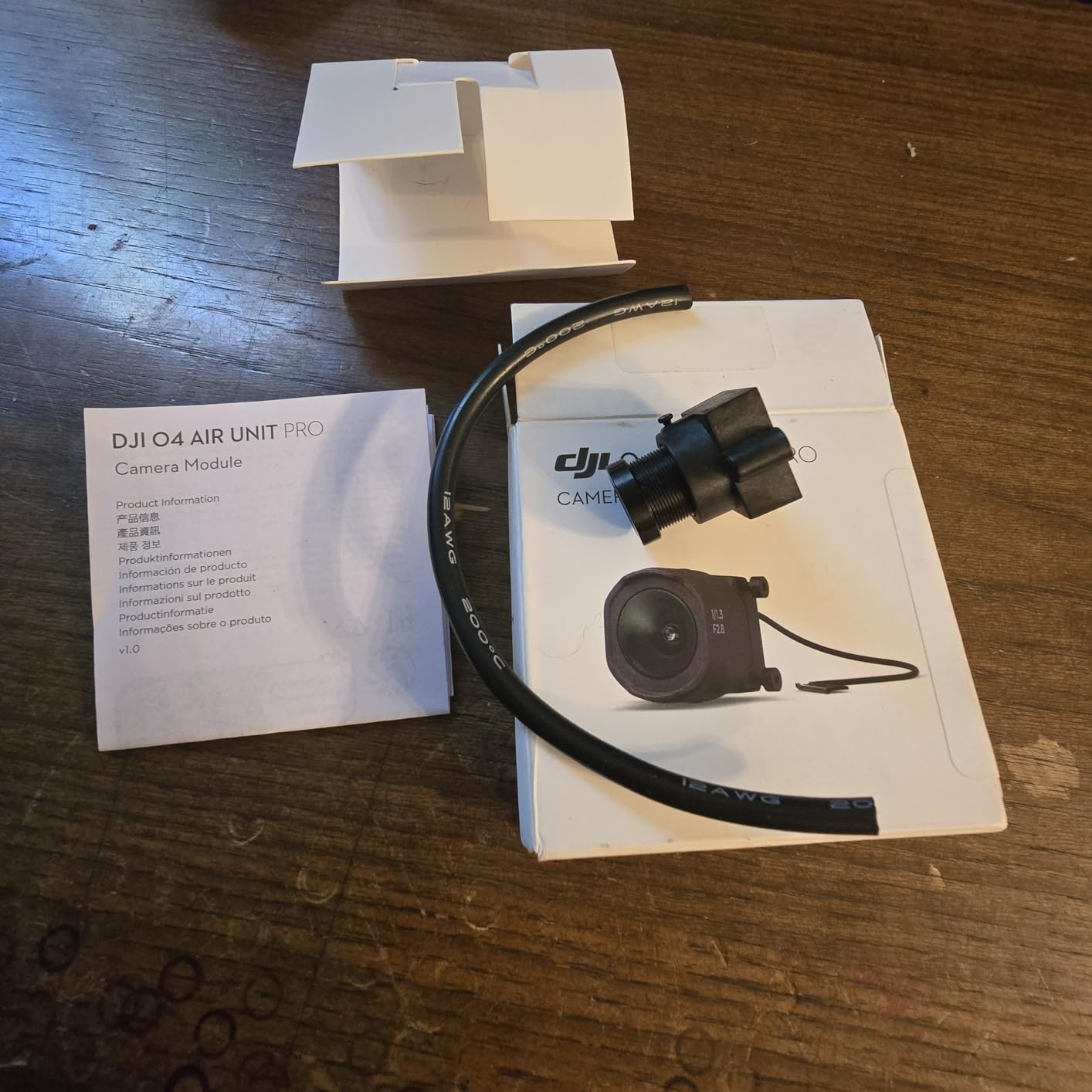
This is a replacement camera module for the DJI O4 Air Unit Pro, not a complete system. I include it for pilots who need to repair damaged units or upgrade their existing O4 setup with the Pro camera module.
The 1/1.3-inch sensor is noticeably larger than standard O4 units, producing better low-light performance and dynamic range. The 4K/120fps capability enables genuine slow-motion footage at half speed while maintaining smooth playback. For pilots creating content, this upgrade is worthwhile.
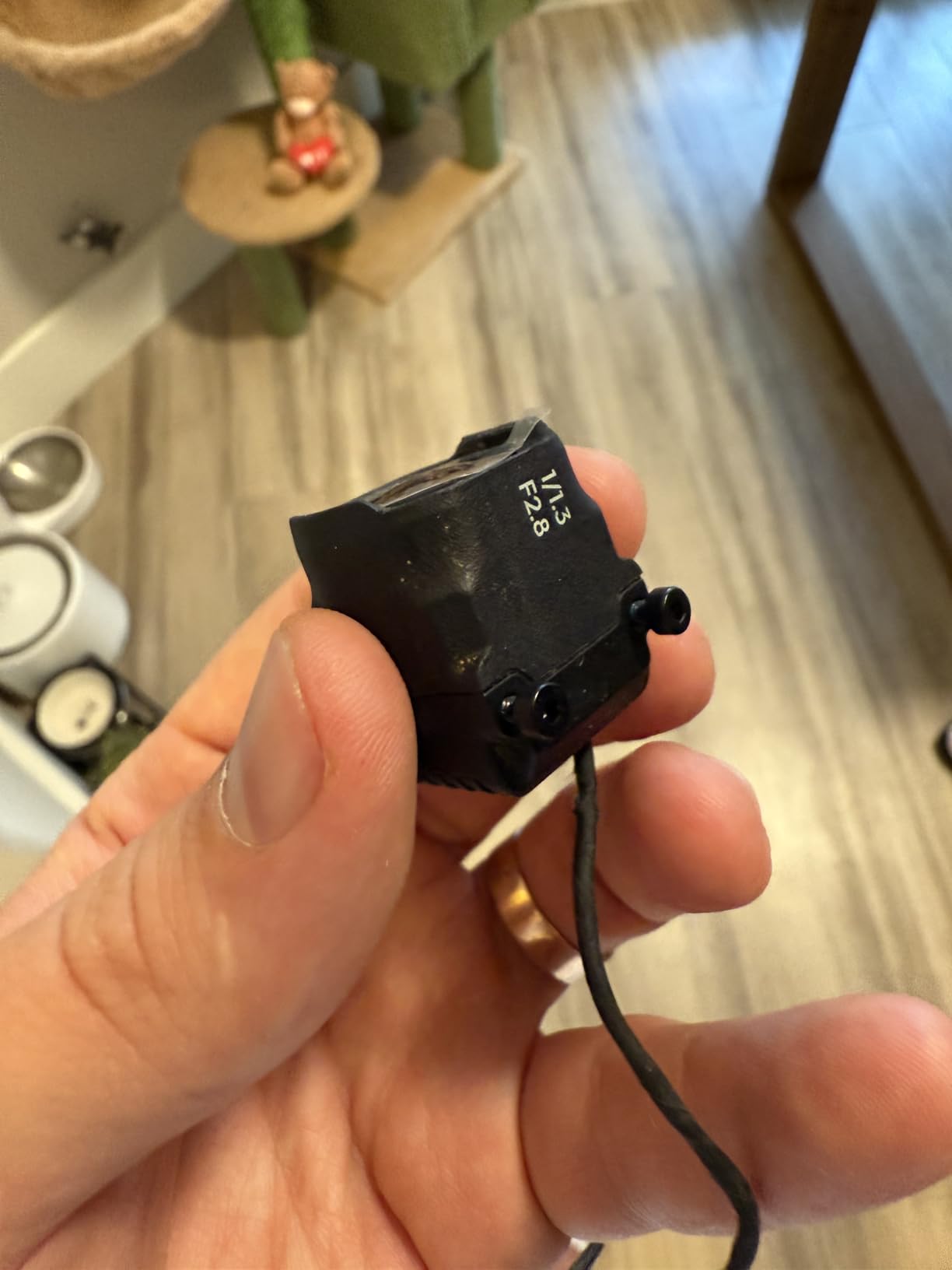
Installation is straightforward for anyone comfortable with drone building. The module connects via the included coaxial cable and mounts with standard M2 screws. Four screws and a gasket are included in the package.
Quality control is the concern here. Multiple reviewers received used or refurbished modules sold as new. Check your purchase immediately and test thoroughly within the return window. The genuine DJI quality is excellent, but third-party sellers occasionally cause issues.
Best for O4 Air Unit Pro Repairs and Upgrades
If you already own the O4 Air Unit Pro and need to replace a damaged camera module, or want to upgrade from a standard O4 to the Pro sensor, this is the correct part. Verify your existing unit compatibility before purchasing.
Not for New System Builds
This is only the camera module, not a complete transmission system. You need the full O4 Air Unit Pro to use this component. For new builds, purchase complete air units rather than attempting to assemble from parts.
9. RunCam Spotter V2 – Best Entry-Level AIO
RunCam Spotter V2 FPV Camera and Transmitter Kit, 5.8G Micro AIO Cam, OSD, Integrated Mic, FOV170 Degree 700TVL, 40CH, 20MW-200MW Adjustable
700TVL camera with 170° FOV
5.8G 40CH transmitter 20MW-200MW
Integrated microphone and OSD
10g lightweight design
Servo plug connection
Pros
- Great entry-level price point
- Sharp and clear video quality
- Easy servo plug installation
- Compact 10g weight
- Durable construction survives crashes
Cons
- Overheats quickly without active cooling
- Image distorts when overheated
- Not suitable for enclosed installations
- Antennas are soldered not replaceable
The RunCam Spotter V2 is the perfect first FPV camera for anyone building a budget quad or converting a line-of-sight drone to FPV. At under $50 for a complete camera and transmitter system, it removes the financial barrier to entry.
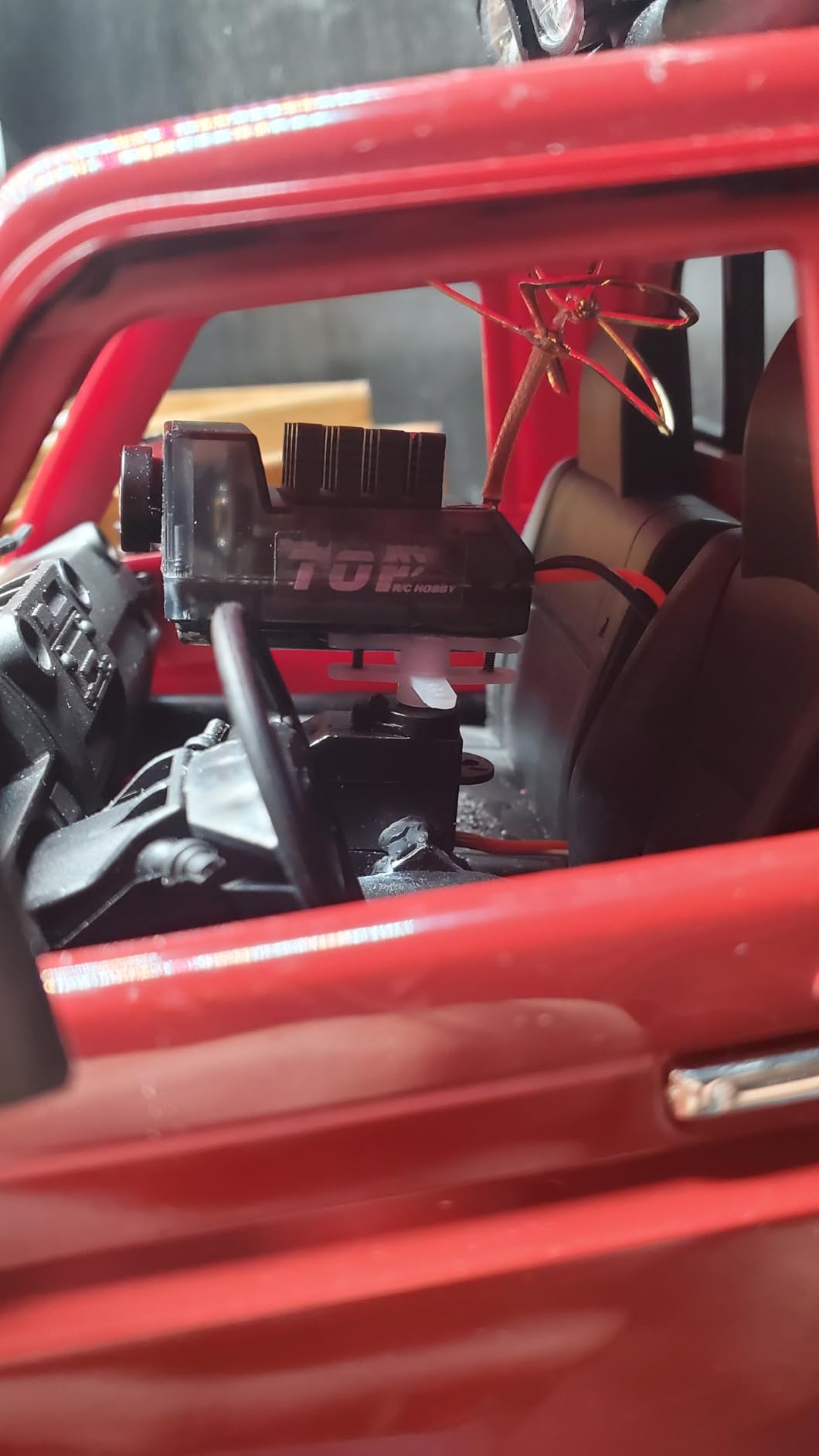
Installation could not be simpler. The servo plug connects directly to most flight controllers, providing power and video signal without soldering. I have installed these on three builds for friends who were new to the hobby, and all were flying within an hour of opening the package.
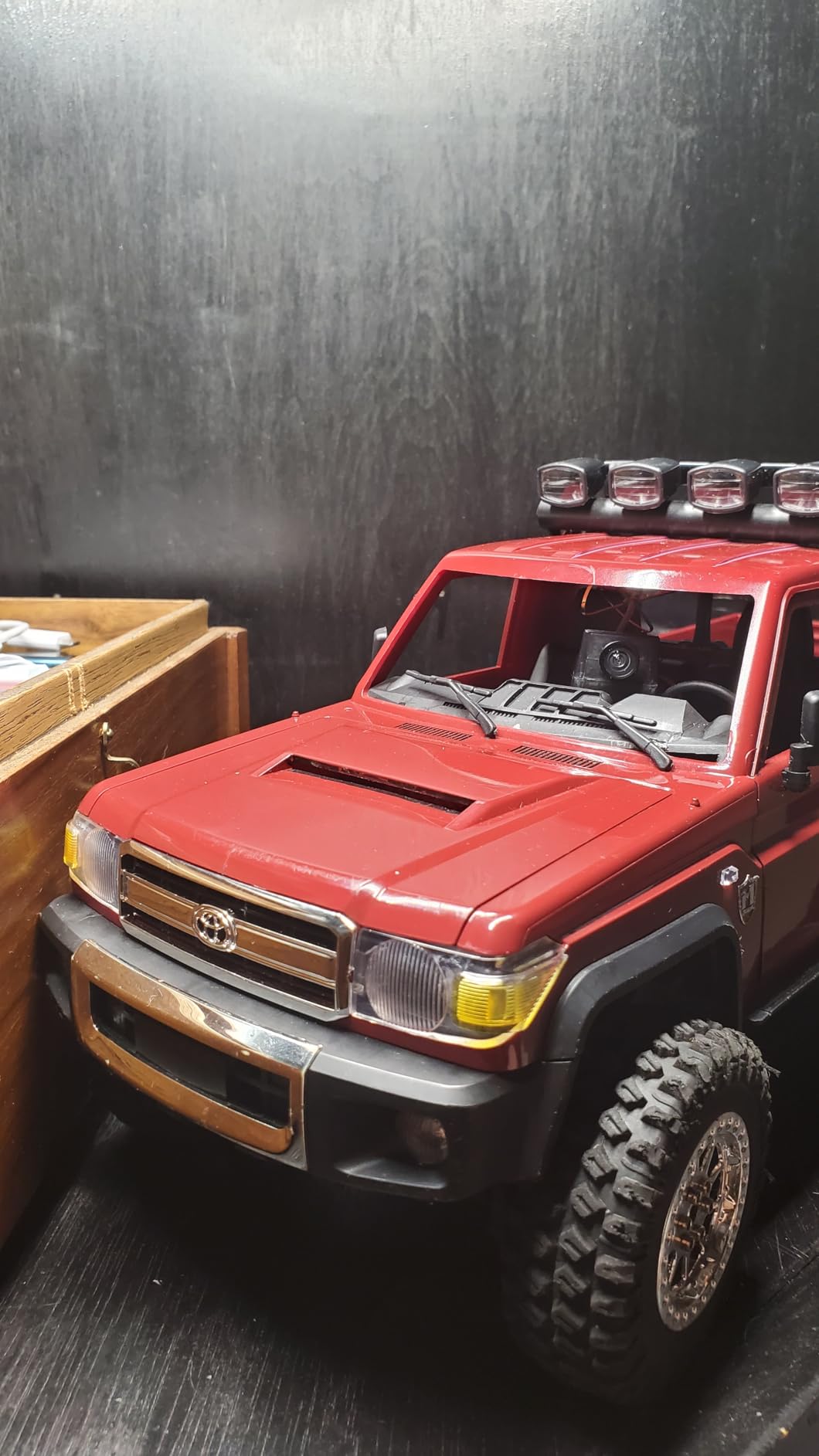
Video quality is genuinely good for the price. The 700TVL resolution exceeds old 600TVL standards, and the 170-degree FOV is appropriately wide for FPV flying. The integrated microphone adds immersion, letting you hear motor response and prop wash as you fly.
The overheating issue is real and requires management. Without airflow, this unit gets hot enough to remelt hot glue and distort the video image. I add a small 15mm fan to any enclosed installation and cut vent holes in canopies. With proper cooling, it runs reliably. Without it, expect thermal issues within minutes.
Best for First FPV Builds
If you are building your first FPV drone and want to minimize cost while maximizing learning, the Spotter V2 delivers. The easy installation gets you flying quickly, and the durability survives the crashes that come with learning. Upgrade to HD digital once you have confirmed FPV is your passion.
Plan for Cooling
Every Spotter V2 installation needs a cooling strategy. Add a fan, ensure airflow, or accept shortened flight times and potential thermal shutdowns. This is the trade-off for the budget price point. Plan accordingly and you will have a reliable system.
10. AKK KC04 FPV System – Best Budget Racing Setup
AKK KC04 5.8G 600mW FPV Transmitter 700TVL 2.8mm 120 Degree FPV Camera for Racing Quadcopter
5.8G 600mW FPV transmitter
700TVL camera with 2.8mm lens
120° field of view
3000 meter maximum range
2.4 ounce total weight
Pros
- Great range with 600mW output
- Clear image with minimal fisheye distortion
- Excellent value for money
- Good for long-range analog applications
- Easy to solder to power distribution
Cons
- Requires 12V stable power for operation
- Cameras can overheat and fail
- Antenna is fragile and breaks easily
- Exposed PCB vulnerable to damage
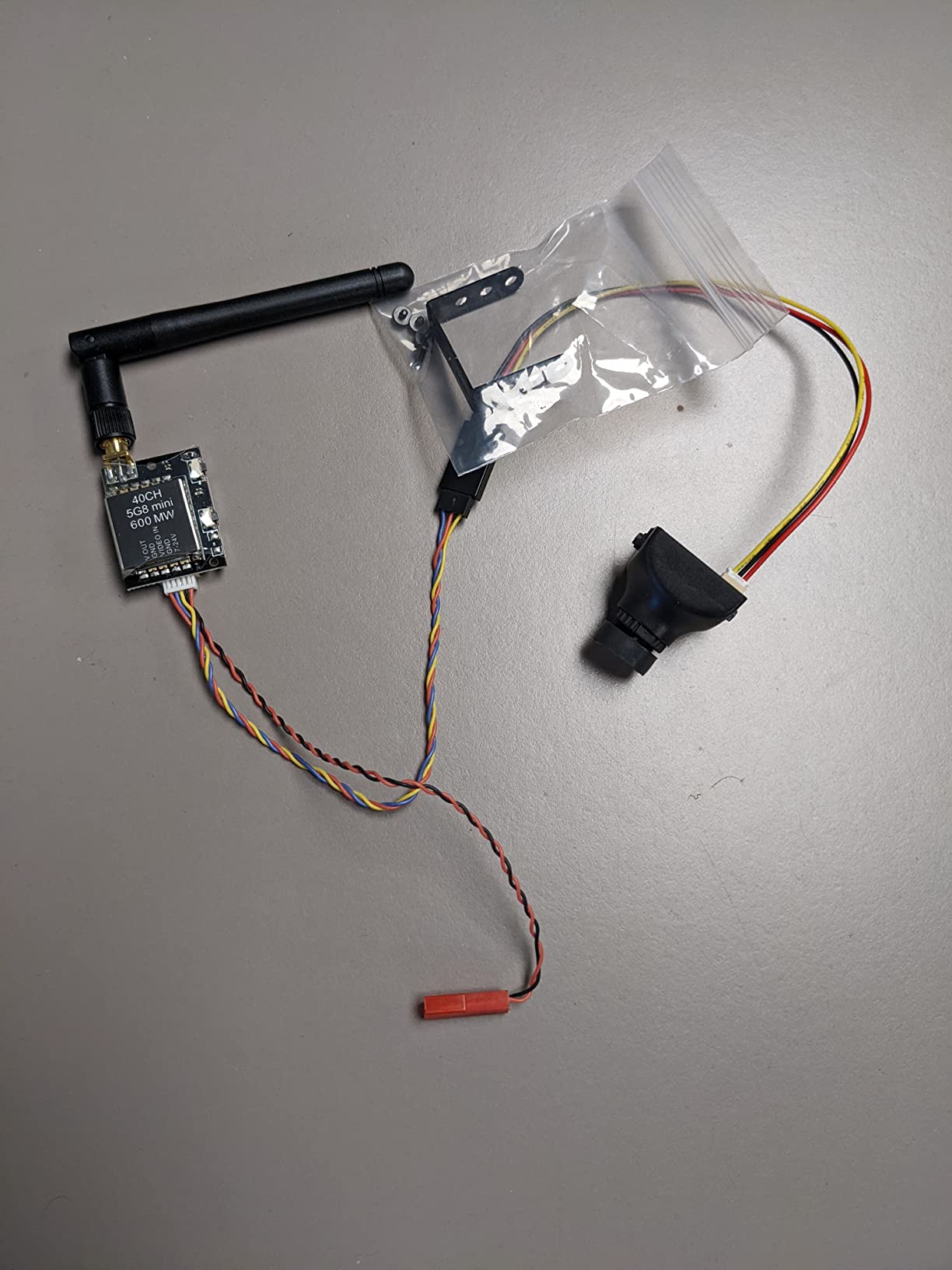
The AKK KC04 represents the best value in budget FPV systems, combining a capable 600mW transmitter with a decent camera for under $35. For racing practice, budget builds, or experimentation, this is my go-to recommendation.
The 600mW output power provides genuine range improvement over standard 25mW or 200mW units. I have pushed these past 1km in open conditions and maintained usable signal through light trees at half that distance. For the price, the range performance impresses.
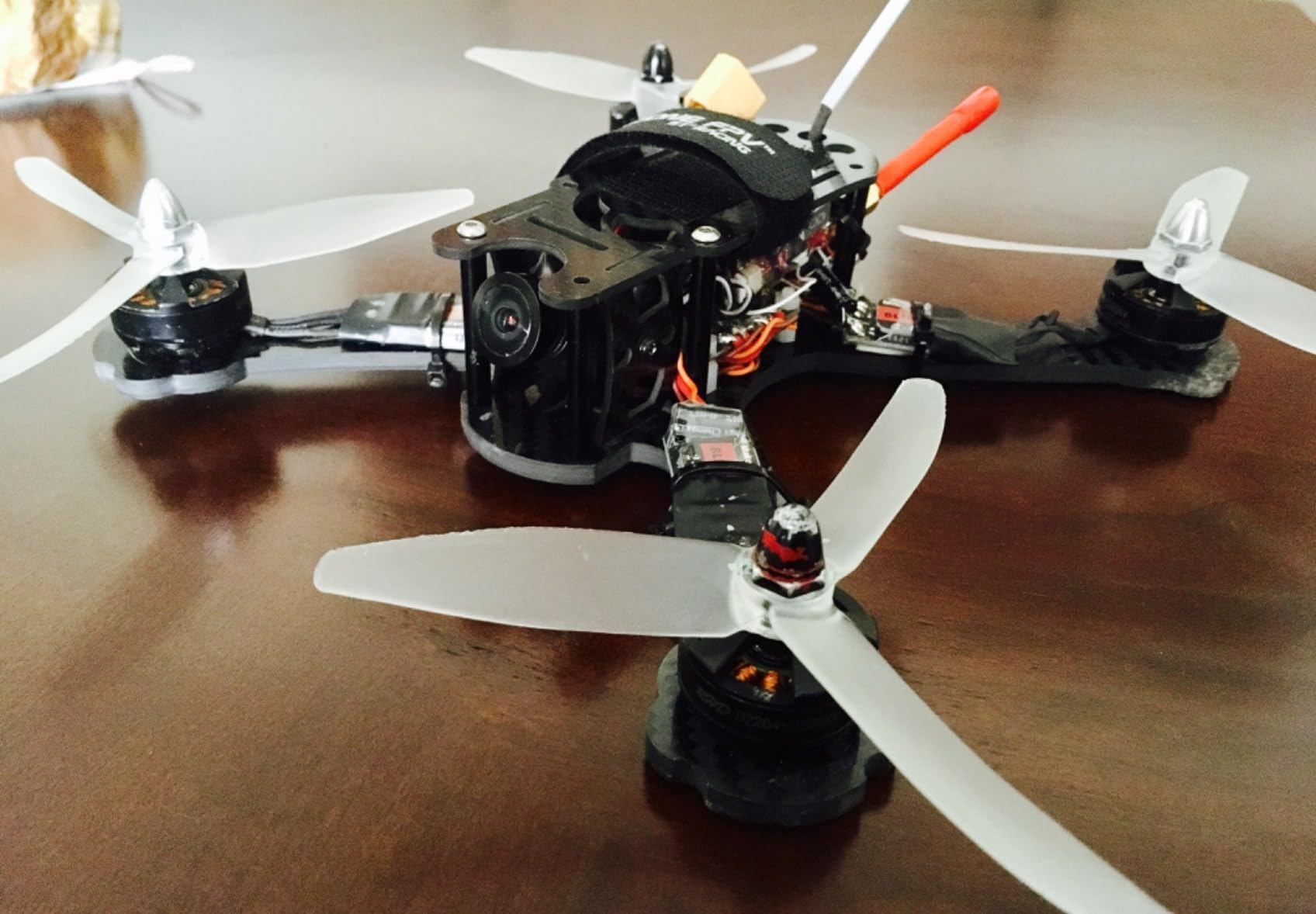
The 2.8mm lens produces less fisheye distortion than wider options, which some pilots prefer for racing where accurate distance judgment matters. The 120-degree FOV feels more natural than ultra-wide 150-degree+ lenses, though less immersive.
The 12V power requirement is the main limitation. Unlike modern all-in-one cameras that run on 5V, both the KC04 camera and VTX need 12V. Most modern builds use 5V or 9V power systems, so you may need a step-up converter or separate battery tap. Check your power distribution before purchasing.
Best for Budget Racing and Long-Range Analog
If you are building a racing practice quad or need a cheap long-range analog setup, the KC04 delivers performance that outpaces its price. The 600mW power and decent camera produce results that cost twice as much from name brands.
Test Before Committing
Quality control varies at this price point. Test your unit thoroughly within the return window, especially checking for overheating and image wavy distortion issues. Most units work fine, but a few bad ones slip through. Return promptly if you get a dud.
HD FPV Camera Buying Guide
Choosing between HD FPV cameras requires understanding several technical factors that directly impact your flying experience. This guide breaks down the key considerations to help you make an informed decision.
Digital vs Analog FPV Systems
The first decision is whether to go digital or stick with analog. Digital systems like DJI O4, Walksnail Avatar, and HDZero provide high-definition video transmission that makes analog look like VHS tapes. The image clarity, color accuracy, and signal reliability are transformative.
However, digital comes with costs beyond money. The ecosystem lock-in means your goggles, air unit, and sometimes even controller need to match. You cannot mix DJI goggles with Walksnail transmitters or vice versa. This limits future flexibility.
Analog remains viable for specific use cases. Racing pilots sometimes prefer analog for its ultra-low latency and lightweight components. Tiny whoop builds benefit from the small size and minimal power draw of analog cameras. Budget constraints also keep analog relevant for entry-level builds.
My recommendation for 2026: Go digital if you can afford the entry cost and plan to stick with the hobby. The flying experience is objectively better. Keep analog for specialized applications like racing, micro builds, or backup quads.
Understanding Latency
Latency is the delay between your quad’s camera seeing something and that image appearing in your goggles. Lower latency means more responsive flying, especially for fast maneuvers and precision work.
Modern digital systems have largely solved the latency problem. DJI O4 and Walksnail both advertise 20-22ms latency, which is imperceptible to most pilots. HDZero targets even lower latency for racing applications. These numbers are competitive with or better than analog systems when accounting for analog’s inherent signal degradation.
For freestyle and cinematic flying, 20-25ms is perfectly fine. For competitive racing, every millisecond matters, and HDZero’s sub-20ms performance may justify its other compromises. Most pilots will never notice the difference between 20ms and 30ms in practical flying.
Image Quality and Recording
Two different image quality metrics matter: live view quality and onboard recording quality. The live view determines how well you can fly, while recording quality determines your footage for sharing or professional use.
Live view quality depends on transmission resolution and bitrate. DJI O4 and Walksnail both transmit 1080p at 100fps, providing smooth, detailed feeds for piloting. The bitrate affects how well the image holds up during fast motion and complex scenes. Higher bitrates preserve detail but require more bandwidth.
For recording, separate action cameras like GoPro still produce the best results. However, integrated recording in units like the Walksnail Moonlight Kit and DJI O4 Air Unit has improved dramatically. The 4K/60fps at 150Mbps from the Moonlight approaches action camera quality for many use cases, eliminating the need for a separate camera on some builds.
Compatibility and Ecosystem Lock-in
This is the decision that affects your FPV future most. Once you buy into a digital ecosystem, switching becomes expensive. Your goggles, air units, and potentially controllers are tied to that system.
DJI offers the most polished experience with the best image quality, but concerns about US availability and ecosystem stability give some pilots pause. Walksnail provides excellent image quality and recording with fewer geopolitical concerns. HDZero targets the racing community with open-source flexibility.
Consider your long-term plans. If you envision a fleet of five quads over three years, ecosystem choice matters more than individual camera specs. If you are testing FPV with a single build, choose based on immediate value and accept that you might switch later.
Range and Signal Penetration
Range specifications are often optimistic marketing numbers tested in ideal conditions. Real-world range depends on antenna quality, output power, interference, obstacles, and your specific environment.
For typical freestyle flying within 1km, any modern digital system provides adequate range. Long-range pilots flying 5km+ need to consider output power and antenna options carefully. The Walksnail Avatar GT Kit’s 2W output and 6km rating targets this use case specifically.
Signal penetration through trees and buildings varies significantly between systems and frequencies. Lower frequencies generally penetrate better but offer less bandwidth. Digital systems use sophisticated encoding to maintain usable video at edge-of-range conditions where analog would break up completely.
Most pilots should not choose a system based on maximum range specs. Focus on reliability at the ranges you actually fly. A system that consistently works at 2km is more valuable than one that theoretically reaches 10km but drops signal around trees.
Frequently Asked Questions
What is the best HD digital system?
The best HD digital system depends on your priorities. DJI O4 offers the best image quality and most polished experience but has availability concerns in the US. Walksnail Avatar provides comparable quality with better availability and no geopolitical concerns. HDZero targets racing pilots with the lowest latency. For most pilots in 2026, Walksnail Avatar represents the best balance of performance, value, and future availability.
Which FPV system should I buy?
Choose based on your flying style and budget. For cinematic flying, DJI O4 or Walksnail Avatar both excel. For racing, consider HDZero for lowest latency. For beginners on a budget, start with analog like the Caddx Ant or RunCam Spotter V2 to learn FPV fundamentals, then upgrade to digital once you are committed. Consider ecosystem lock-in carefully, as switching later is expensive.
What is the best inexpensive FPV HD camera?
For digital HD, the Walksnail Avatar Pro Kit at around $170 offers the best entry point into HD FPV. For analog HD (high resolution within analog limits), the Caddx Ant at under $20 provides 1200TVL resolution and weighs only 2g. The RunCam Spotter V2 at $50 includes both camera and transmitter for complete budget FPV. True HD digital requires a system investment starting around $300 for goggles and air unit combined.
What cameras do FPV pilots use?
FPV pilots use different cameras depending on their flying style and budget. Digital pilots primarily use DJI O3/O4 Air Units or Walksnail Avatar systems. Analog pilots use cameras from Caddx, RunCam, and Foxeer. Racing pilots often prefer HDZero for latency or analog for weight. Cinematic pilots frequently mount separate action cameras like GoPro Hero 13 or DJI Action 5 Pro for recording while using digital systems for piloting.
Does anyone know what the best low light FPV camera is?
For digital HD FPV, the Walksnail Avatar Pro Kit with its 1/1.8-inch Starvis II sensor provides the best low-light performance among integrated systems. The Walksnail Moonlight Kit is specifically designed for low-light with its starlight sensor. For analog, the Caddx Ant offers impressive 0.001lux sensitivity. For separate action cameras, the GoPro Hero 13 and DJI Action 5 Pro both excel in challenging light conditions.
Conclusion
Choosing the best HD FPV cameras in 2026 means balancing image quality, latency, ecosystem compatibility, and budget. After testing all the major options, the Walksnail Avatar Pro Kit stands out as the best overall choice for most pilots, combining excellent image quality, reliable performance, and freedom from DJI availability concerns.
For budget builders, the Caddx Ant proves that analog still delivers value, while the RunCam Spotter V2 provides the easiest entry into FPV flying. Those already committed to the DJI ecosystem will be well served by the Jakoly or LuxZilvia O4 Air Units, which deliver genuine DJI performance at competitive prices.
Remember that ecosystem choice matters as much as individual camera specs. Once you invest in goggles and air units, switching becomes expensive. Consider where you want your FPV journey to go over the next three years, not just your next build.
The technology has never been better. Digital FPV now provides the latency, range, and reliability that analog pilots claimed was impossible just five years ago. Whether you are capturing cinematic footage, racing through gates, or just exploring your neighborhood from above, the right HD FPV camera transforms the experience from mere flying to genuine immersion.