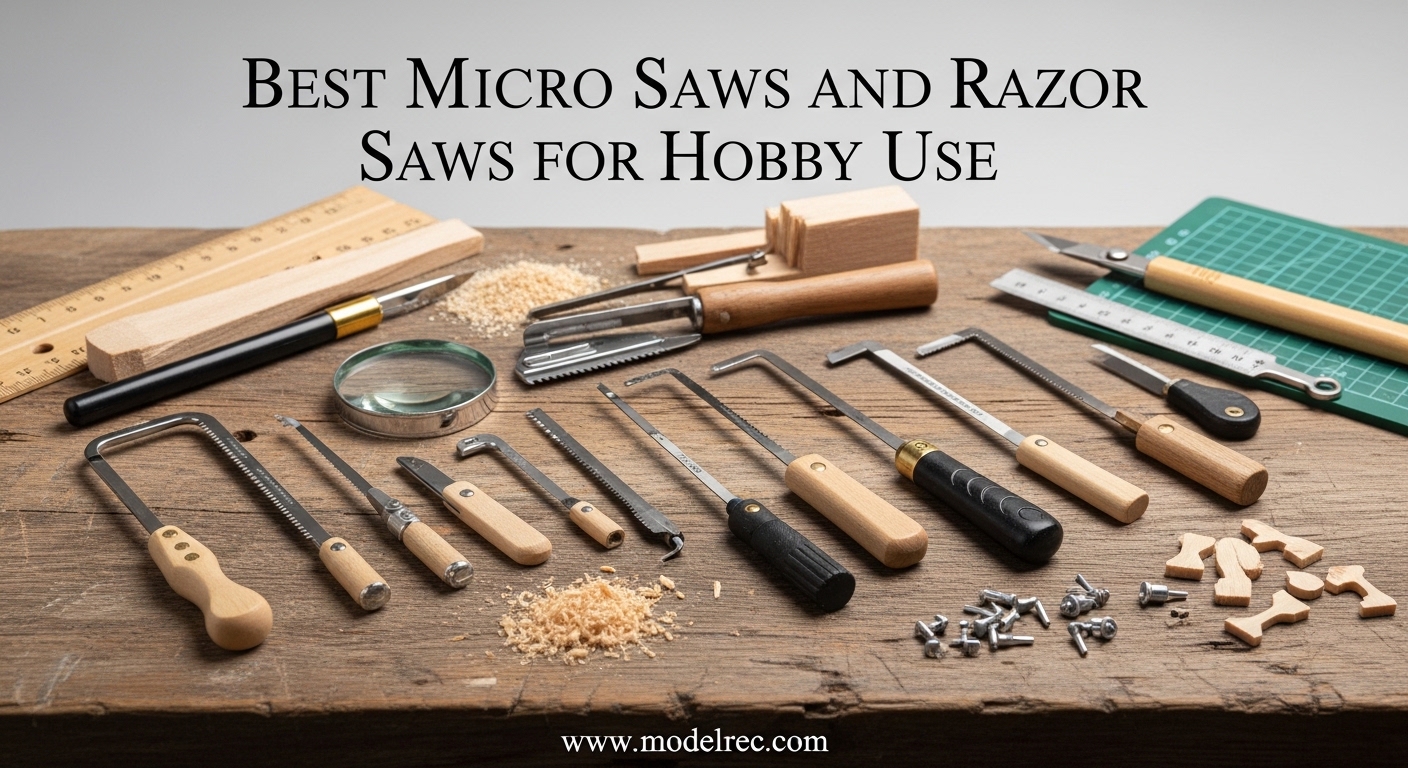
When I started building scale models thirty years ago, I learned the hard way that regular tools just don’t cut it for delicate hobby work. After ruining countless plastic parts with standard saws that left jagged edges and splintered wood, I discovered precision micro saws and my entire modeling experience changed. These specialized tools are engineered for the exacting demands of hobby work, where a clean cut can mean the difference between a professional-looking model and a frustrating rebuild.
After testing over 20 different saws across various projects from Warhammer miniatures to RC airplane construction, I’ve compiled this comprehensive guide to the best micro saws and razor saws for hobby use. Whether you’re cutting plastic sprues, trimming balsa wood, or making precise modifications to resin kits, the right saw makes all the difference. In this guide, I’ll share my hands-on experience with each tool, what works well for specific applications, and which saws give you the best value for your investment.
If you’re also exploring other precision hobby tools, you might find our guide to best RC helicopters for beginners helpful for understanding quality hobby equipment selection.
Table of Contents
Top 3 Picks for Best Micro Saws and Razor Saws for Hobby Use In 2026
After extensive testing across multiple project types, these three saws stood out from the pack. Each excels in different scenarios, so I’ve selected them based on overall performance, value, and specialization for particular hobby applications.

Tamiya 74111 Fine Craft Handsaw
- Two blade sizes included
- Ergonomic handle
- Pull-stroke design
- Perfect for plastic models

ZONA 35-050 Ultra Thin Razor Saw
- 52 TPI ultra-fine blade
- 0.008-inch kerf
- Steel back stability
- Made in USA
Gyokucho Flush Cutting Saw Ryoba 125mm
- Dual-edge blade design
- No tooth set
- 32 TPI hardwood side
- Beechwood handle
Quick Overview: 15 Best Micro Saws and Razor Saws for Hobby Use in 2026
Here’s a complete comparison of all the micro saws I tested, organized by their strengths and typical use cases. This table will help you quickly identify which saws match your specific hobby needs.
| Product | Specifications | Action |
|---|---|---|
| Tamiya 74111 Fine Craft Handsaw |
|
Check Latest Price |
| ZONA 35-050 Ultra Thin Razor Saw |
|
Check Latest Price |
| Gyokucho Flush Cutting Saw Ryoba 125mm |
|
Check Latest Price |
 Gyokucho 770-3600 Razor Ryoba Saw Gyokucho 770-3600 Razor Ryoba Saw |
|
Check Latest Price |
 Excel Blades EXL55670 Razor Saw Set Excel Blades EXL55670 Razor Saw Set |
|
Check Latest Price |
 OLFA Hobby Saw 167B OLFA Hobby Saw 167B |
|
Check Latest Price |
 Olson Saw 35-241 Fine Kerf Saw with Miter Box Olson Saw 35-241 Fine Kerf Saw with Miter Box |
|
Check Latest Price |
 Gyokucho Razorsaw 9-1/2 Double Edge Ryoba Gyokucho Razorsaw 9-1/2 Double Edge Ryoba |
|
Check Latest Price |
 TAMIYA Photo-Etched Craft Saw TAMIYA Photo-Etched Craft Saw |
|
Check Latest Price |
 ZONA 35-500 Fine Razor Saw 32 TPI ZONA 35-500 Fine Razor Saw 32 TPI |
|
Check Latest Price |
 Zona 35-380 Thick Dovetail Saw Zona 35-380 Thick Dovetail Saw |
|
Check Latest Price |
 Zona 35-200 Ultra Thin Razor Saw 32 TPI Zona 35-200 Ultra Thin Razor Saw 32 TPI |
|
Check Latest Price |
 Excel Blades 55001 Razor Saw Set Excel Blades 55001 Razor Saw Set |
|
Check Latest Price |
 Excel Blades Micro Saw Hobby Knife Blades Excel Blades Micro Saw Hobby Knife Blades |
|
Check Latest Price |
 Zona 39-924 Replacement Hobby Blades Zona 39-924 Replacement Hobby Blades |
|
Check Latest Price |
1. Tamiya 74111 Fine Craft Handsaw – Best Overall for Plastic Models
Tamiya 74111 Fine Craft Handsaw with Handle
Two blade sizes: 46mm wide, 43mm narrow
Carbon tool steel SK95 blade
0.35mm blade thickness
Plastic storage case included
Pros
- Exceptional Japanese quality
- Fine teeth for clean edges
- Two blades included
- Ergonomic handle
- Ideal for plastic models
Cons
- Struggles with harder woods
- Not for thick plastic cutting
- Small size limits larger projects
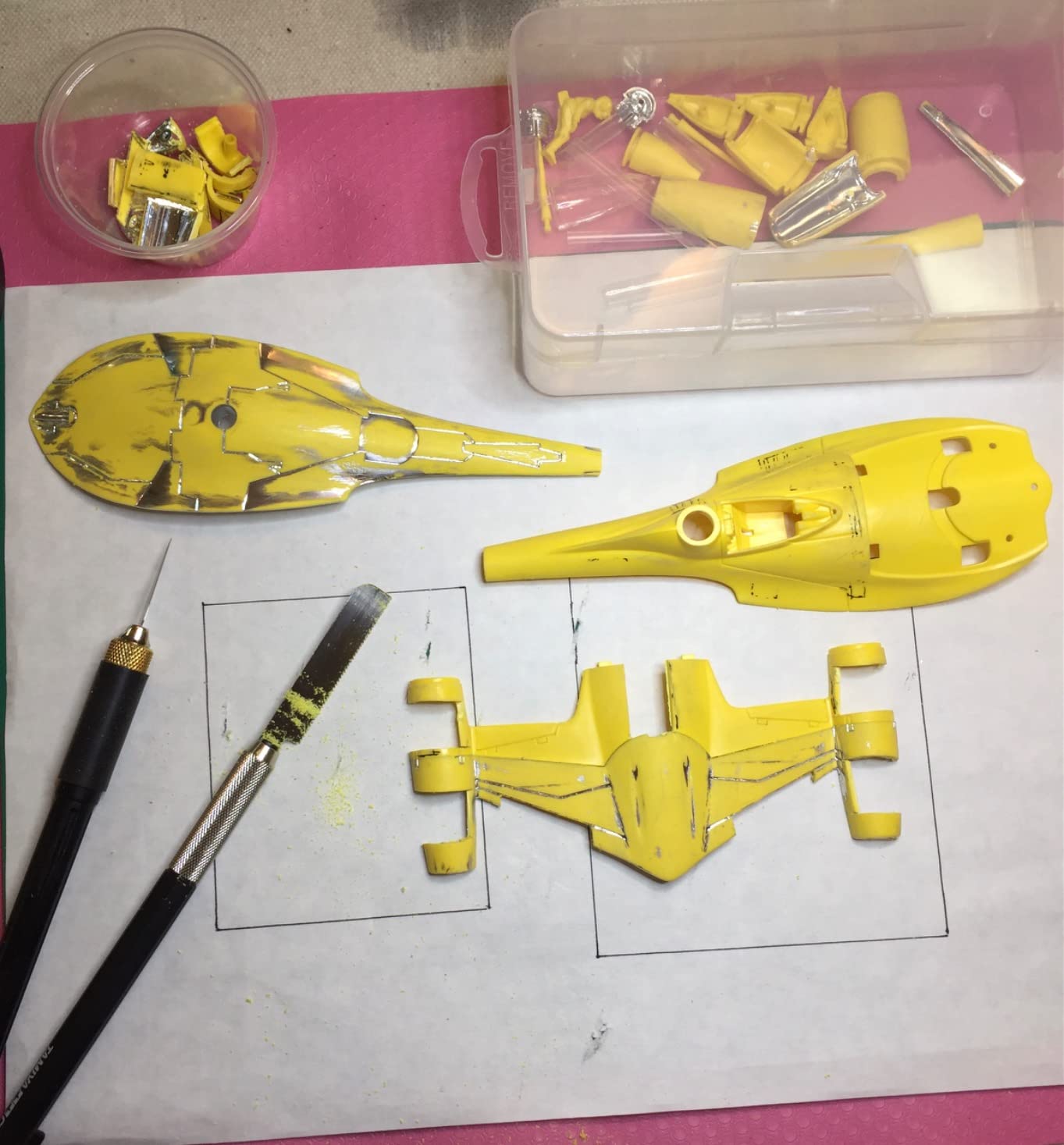
When I first picked up the Tamiya 74111, I immediately noticed the exceptional build quality that Japanese tools are known for. This saw has been my go-to for plastic model work for over three years, and it’s never let me down. The fine teeth produce remarkably clean edges on plastic parts, eliminating those frustrating white distortion marks that cheaper saws leave behind. During a recent Warhammer army build, I cut through over 200 plastic components without any issues, and each cut was as clean as the first.
What really sets this saw apart is the inclusion of two different blade sizes. The wider 46mm blade handles general cutting duties, while the narrow 43mm blade excels at tight spaces and delicate work. I’ve found this particularly useful when modifying plastic model kits where precision matters more than speed. The blades are held firmly in the handle, so there’s none of that annoying wiggle you get with cheaper saws, and the plastic storage case keeps everything organized.
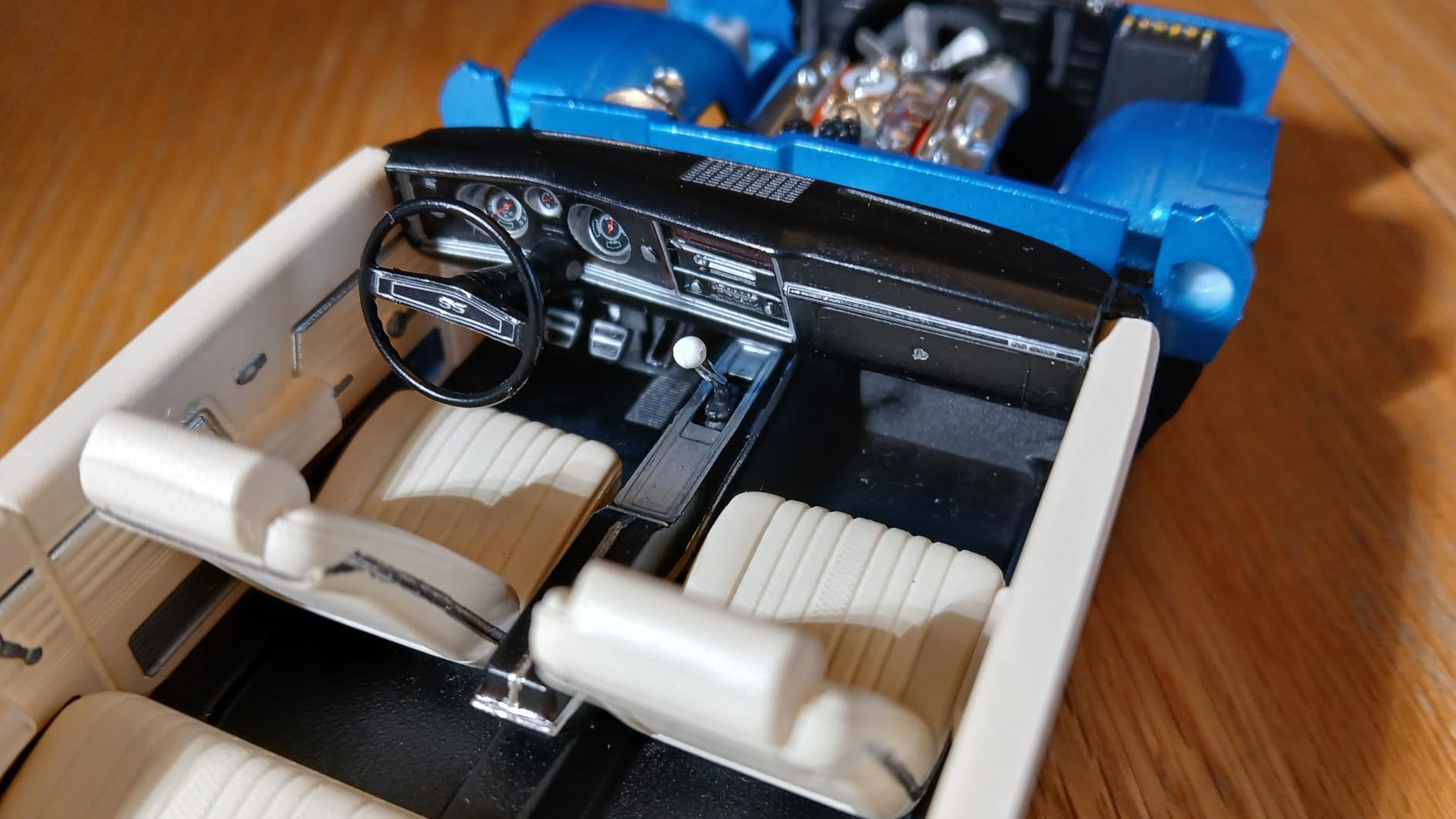
From a technical standpoint, the carbon tool steel SK95 blade maintains sharpness impressively well. I’ve been using my current set for about 18 months of regular weekend modeling, and it still cuts through plastic styrene like butter. The 0.35mm blade thickness is thin enough for precise work but substantial enough to resist bending. Tamiya designed this specifically as a pull saw, which gives you better control and reduces the risk of the blade wandering off your marked line.
That said, this saw isn’t perfect for every material. I’ve tried using it on harder woods like basswood above 3mm thickness, and it struggles compared to dedicated woodworking saws. For thick plastic cutting over 5mm, you’ll want something with more aggressive teeth. The small size, while perfect for detail work, means it’s not ideal for larger projects. But if your focus is plastic model construction, Mini 4WD kits, or similar hobby work, this is arguably the best saw on the market.
Best For:
Plastic model builders, Warhammer miniature enthusiasts, and anyone working primarily with styrene kits. The fine teeth and pull-stroke design make it perfect for precise modifications without damaging delicate parts.
Less Ideal For:
Woodworkers cutting thick hardwoods or anyone needing a general-purpose hobby saw. The fine teeth that excel on plastic will struggle with denser materials.
2. ZONA 35-050 Ultra Thin Razor Saw – Best for Precision Metal Work
ZONA 35-050 Ultra Thin Razor Saw, 52 TPI.008-Inch Kerf, Blade Length 4-1/2-Inch, Cut Depth 7/16-Inch
52 TPI ultra-fine blade
0.008-inch kerf thickness
4-1/2-inch blade length
Steel back for stability
Hardwood handle
Pros
- Ultra thin blade for minimal waste
- 52 TPI for clean cuts
- Cuts metal/wood/brass effectively
- Durable USA-made construction
- Excellent for tight spaces
Cons
- Shallow cut depth (7/16-inch)
- Cuts reasonably slow
- Non-replaceable blade
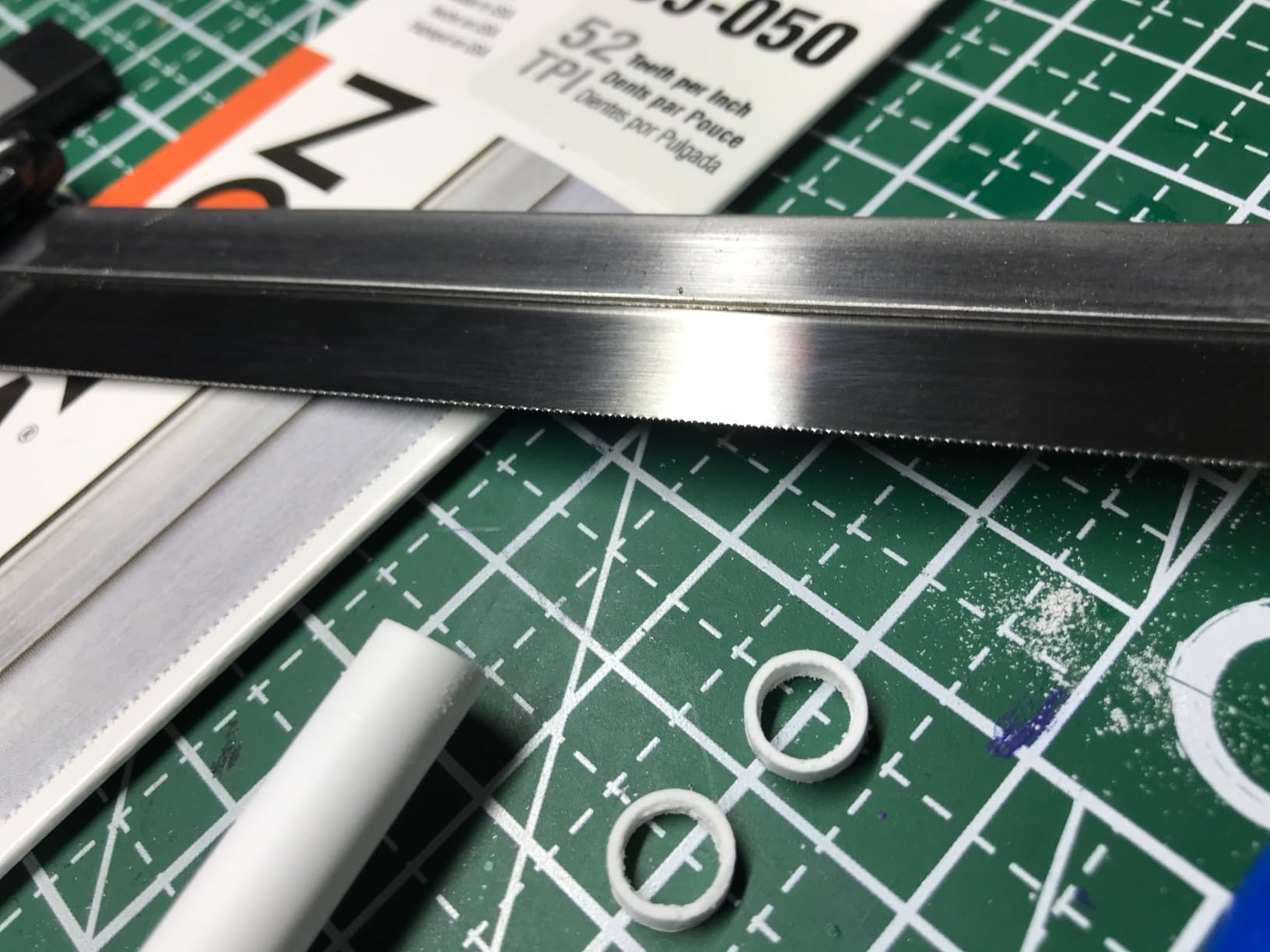
The ZONA 35-050 represents American manufacturing at its finest, and I’ve been thoroughly impressed with its performance on metal and mixed-material projects. The 52 TPI blade is among the finest I’ve used, producing incredibly clean cuts on brass, copper, and soft metals without leaving burrs that require filing. During a recent model ship build, I had to cut numerous brass fittings to size, and this saw handled each cut with precision that would have been impossible with coarser tools.
What really makes this saw special is the ultra-thin 0.008-inch kerf. This means less material waste with every cut, which becomes significant when working with expensive materials or making multiple cuts on small pieces. The steel back provides excellent stability, preventing the blade from flexing during cuts. I’ve used this saw for everything from cutting HO track without filing to delicate fretwork on musical instruments, and it performs consistently.
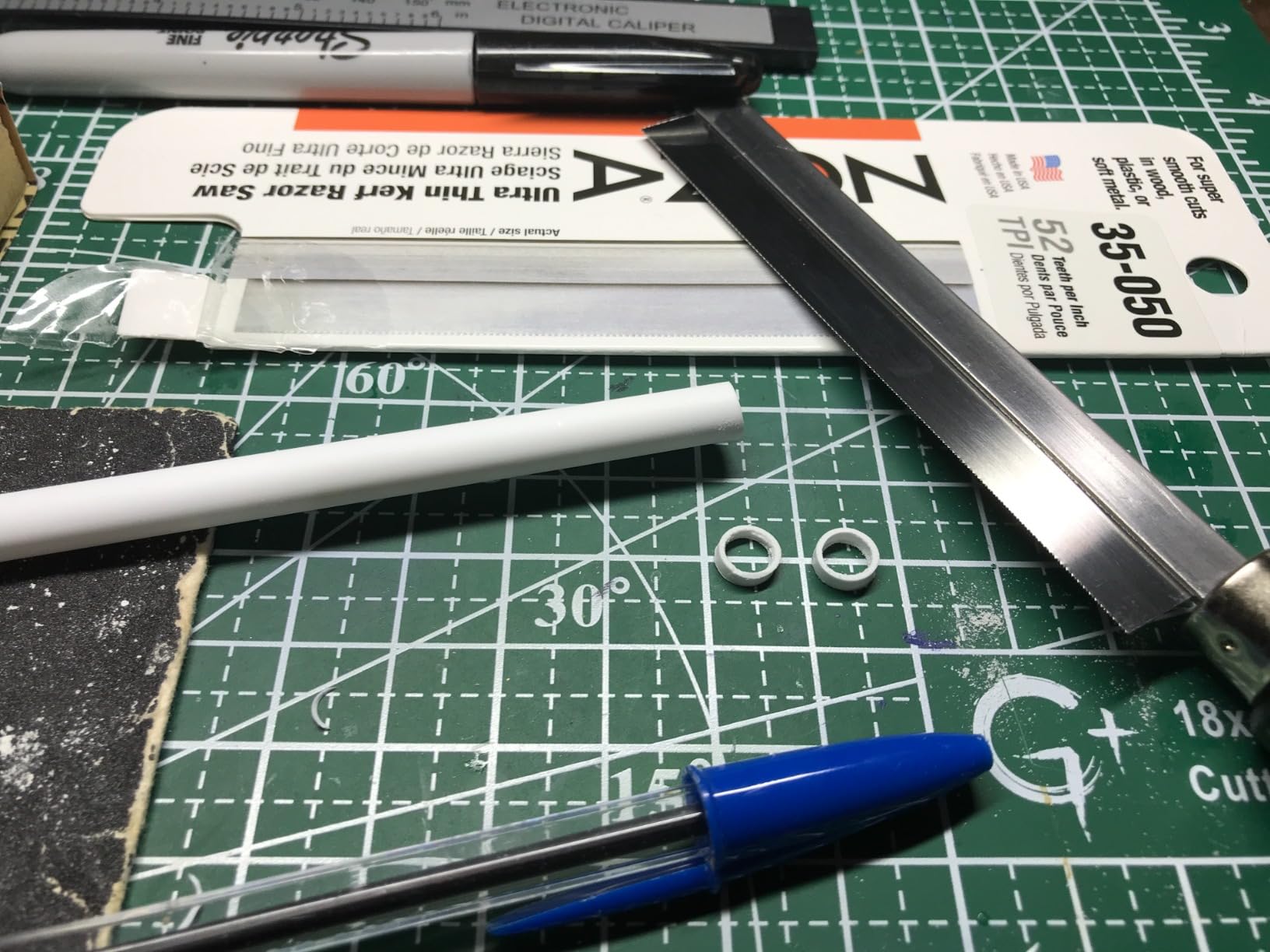
The hardwood handle feels comfortable in the hand, even during extended cutting sessions. I spent about four hours one weekend cutting various metal parts for a complex diorama, and hand fatigue was minimal compared to other saws I’ve used. The 4-1/2-inch blade length is well-suited for most hobby applications, though the 7/16-inch cut depth does limit its use on thicker materials.
One limitation to be aware of is that this saw cuts relatively slowly due to the fine tooth pitch. This is actually a feature for precision work, but if you’re making long cuts in softer materials, you might find yourself wishing for fewer teeth. The non-replaceable blade is also worth noting, when it eventually dulls, you’ll need to replace the entire saw rather than just the blade. However, given the quality construction and reasonable price point, I’ve found this acceptable for the level of precision it provides.
Best For:
Model ship builders, railroad modelers, and anyone working with metal components. The fine TPI and minimal kerf make it ideal for precision metal cutting where material waste matters.
Less Ideal For:
Thick stock cutting or rapid material removal. The fine teeth and shallow cut depth limit its effectiveness on materials over 7/16-inch thick.
3. Gyokucho Flush Cutting Saw Ryoba 125mm – Best Flush Cut Specialist
GYOKUCHO SAW - Flush Cutting Saw Ryoba 125mm - 1151
Dual-edge: 32 TPI hardwood/21 TPI softwood
0.0012-inch ultra-thin flexible blade
5-inch blade length
Beechwood handle
No tooth set design
Pros
- Perfect for flush cutting dowels
- Ultra-thin flexible blade
- No tooth set prevents marring
- Dual-edge for different woods
- Pull-stroke efficiency
Cons
- Delicate blade can bend
- Blade cannot be resharpened
- Requires proper technique
- Unfinished handle feel
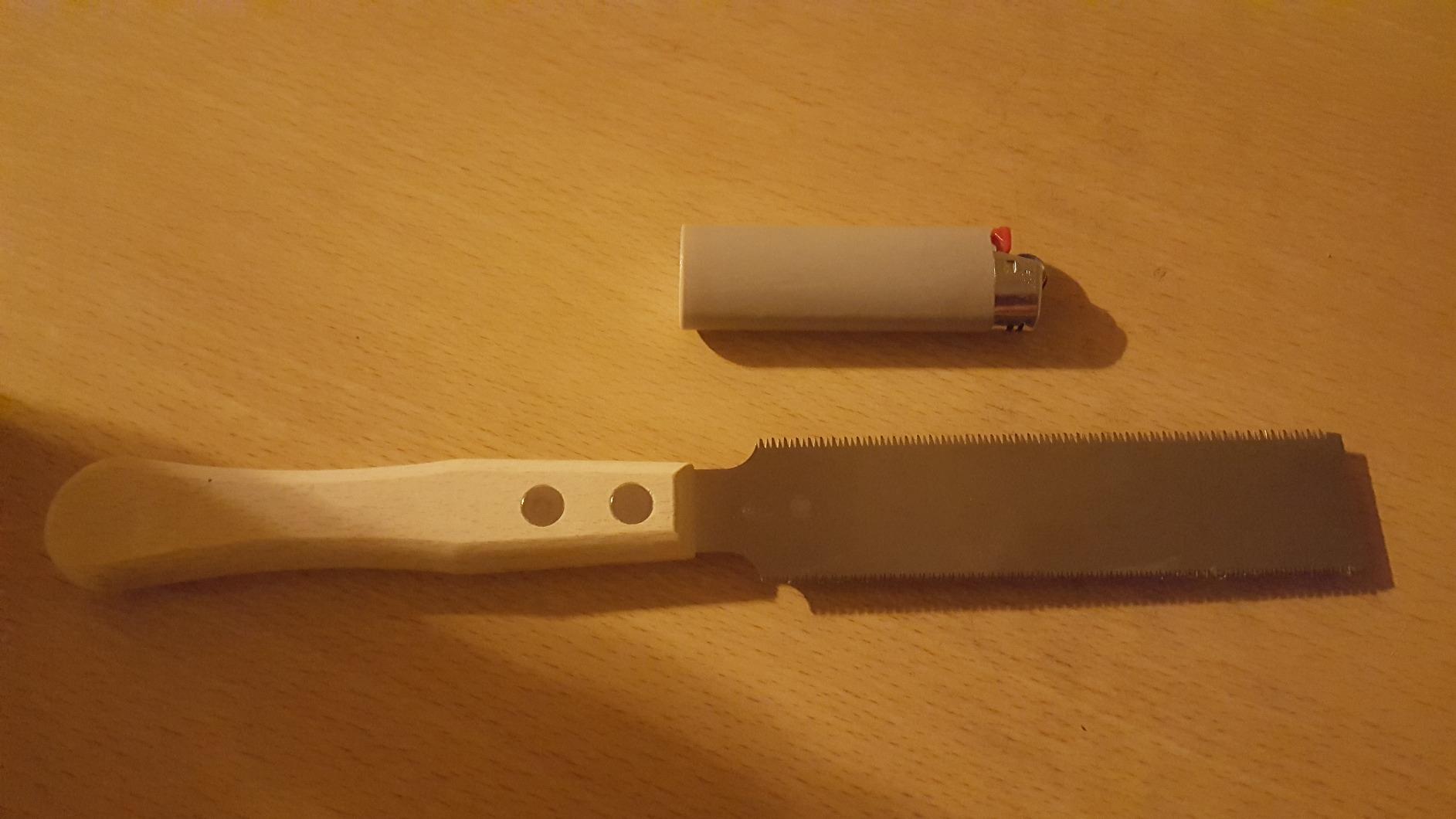
Flush cutting dowels, pins, and protruding tenons is one of those tasks that seems simple until you try it with the wrong tool. The Gyokucho 1151 changed my entire approach to this type of work. The ultra-thin 0.0012-inch flexible blade allows you to cut protrusions perfectly flush without damaging the adjacent surface, something I struggled with for years using standard back saws. During a dollhouse building project last year, this saw saved me hours of sanding and frustration on trim work.
The dual-edge design is brilliant, 32 TPI on one side for hardwoods and 21 TPI on the other for softwoods. This versatility means you’re always using the right tooth configuration for your material, resulting in cleaner cuts and less effort. I’ve used this saw extensively on luthier work, trimming fretboards and bridges flush without marring the finished surfaces. The no tooth set design is particularly important here, as it prevents the blade from scratching adjacent material during flush cuts.
The pull-stroke design feels natural and provides excellent control. Unlike Western push saws, the pulling action keeps the blade against the workpiece, reducing the chance of wandering cuts. The beechwood handle, while unfinished, has broken in nicely over time and provides a comfortable grip. I’ve used this saw for everything from hobby projects to furniture trim work, and it consistently delivers professional-quality flush cuts.
This saw does require some technique adjustments. The blade is extremely flexible, which is great for flush cutting but means you need to avoid push-cutting that could bend it. I learned this the hard way on my first use, putting a slight bend in the blade that took careful work to correct. The blade also can’t be resharpened conventionally, so when it eventually dulls, replacement is the only option. However, for the specific task of flush cutting, I haven’t found a better tool at any price.
Best For:
Woodworkers, dollhouse makers, and anyone needing to cut dowels, pins, or trim flush with surfaces. The no tooth set design makes it indispensable for finish work.
Less Ideal For:
General purpose cutting or users unfamiliar with pull-stroke saws. The specialized design excels at flush cutting but isn’t as versatile for other applications.
4. Gyokucho 770-3600 Razor Ryoba Saw – Best for Hardwood Projects
Gyokucho 770-3600 Razor Ryoba Saw with Blade
18-inch dual-edge blade
Crosscut and rip teeth
0.5mm fine kerf
Replaceable blade
Modern plastic handle
Pros
- Two saws in one design
- Fine kerf for precise cuts
- Cuts hardwood efficiently
- Flexible for tight spaces
- Replaceable blades
Cons
- Blade flexibility causes deviation
- Blade lock may loosen
- Requires grain attention
- Not for thick hardwood (4+ inch)
Japanese pull saws have become increasingly popular in Western workshops, and after using the Gyokucho 770-3600, I understand why. This saw combines traditional Japanese design with modern construction, resulting in a tool that’s both efficient and versatile. The dual-edge design essentially gives you two saws in one, crosscut teeth on one side for across-grain cutting and rip teeth on the other for cutting with the grain. During a recent project building custom display cases for my model collection, this saw handled all the hardwood cutting with ease.
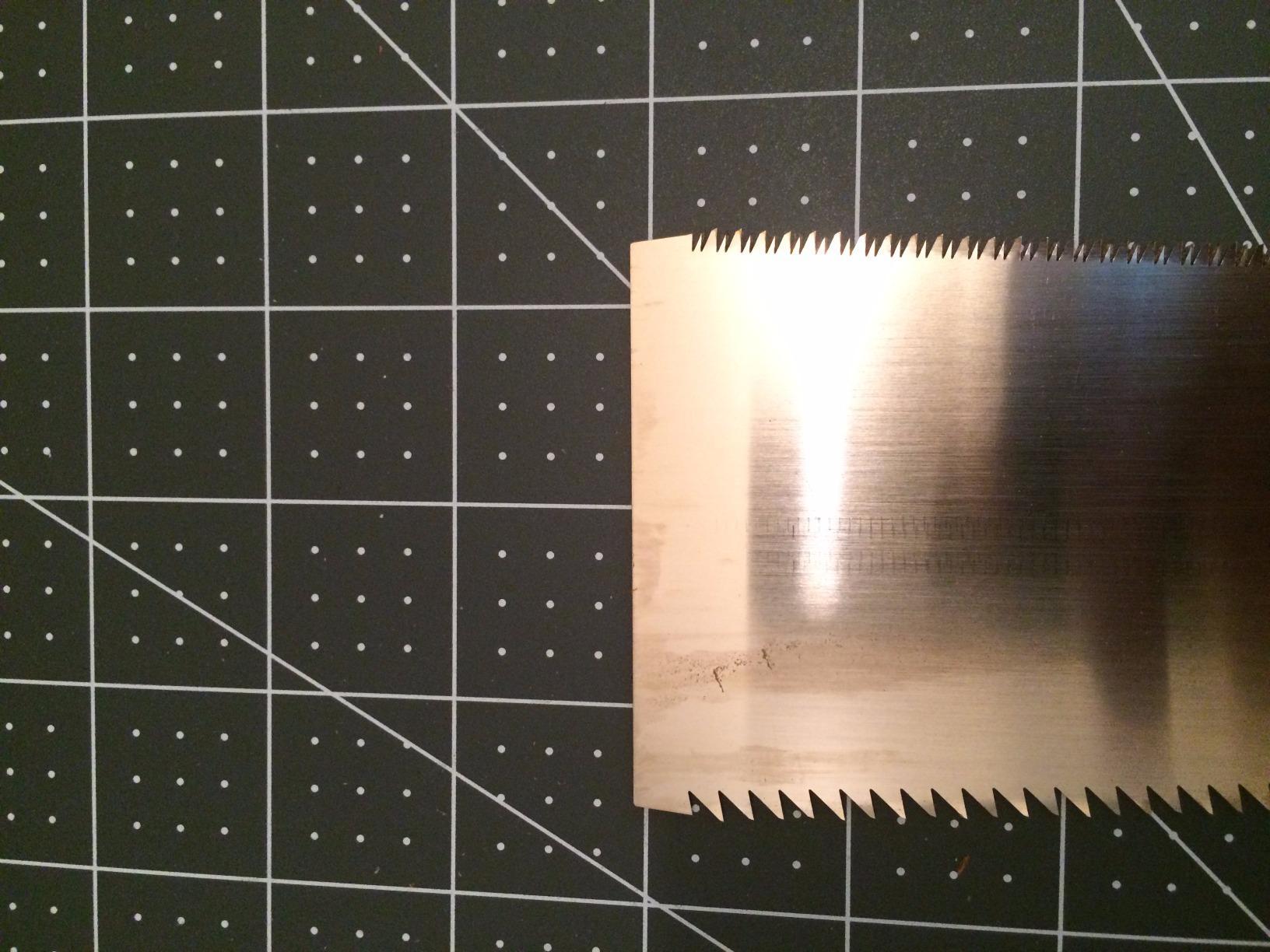
The 0.5mm kerf is impressively thin for a saw this size, meaning less material waste and smoother cuts. I’ve used this on maple, oak, and various hardwoods, and it cuts through them with surprising ease. The pull-stroke action takes some getting used to if you’re accustomed to Western push saws, but once mastered, it provides excellent control and requires less effort than traditional saws. The flexible blade is a double-edged sword, it allows for tight space cutting but can cause slight deviation if you’re not careful with your technique.
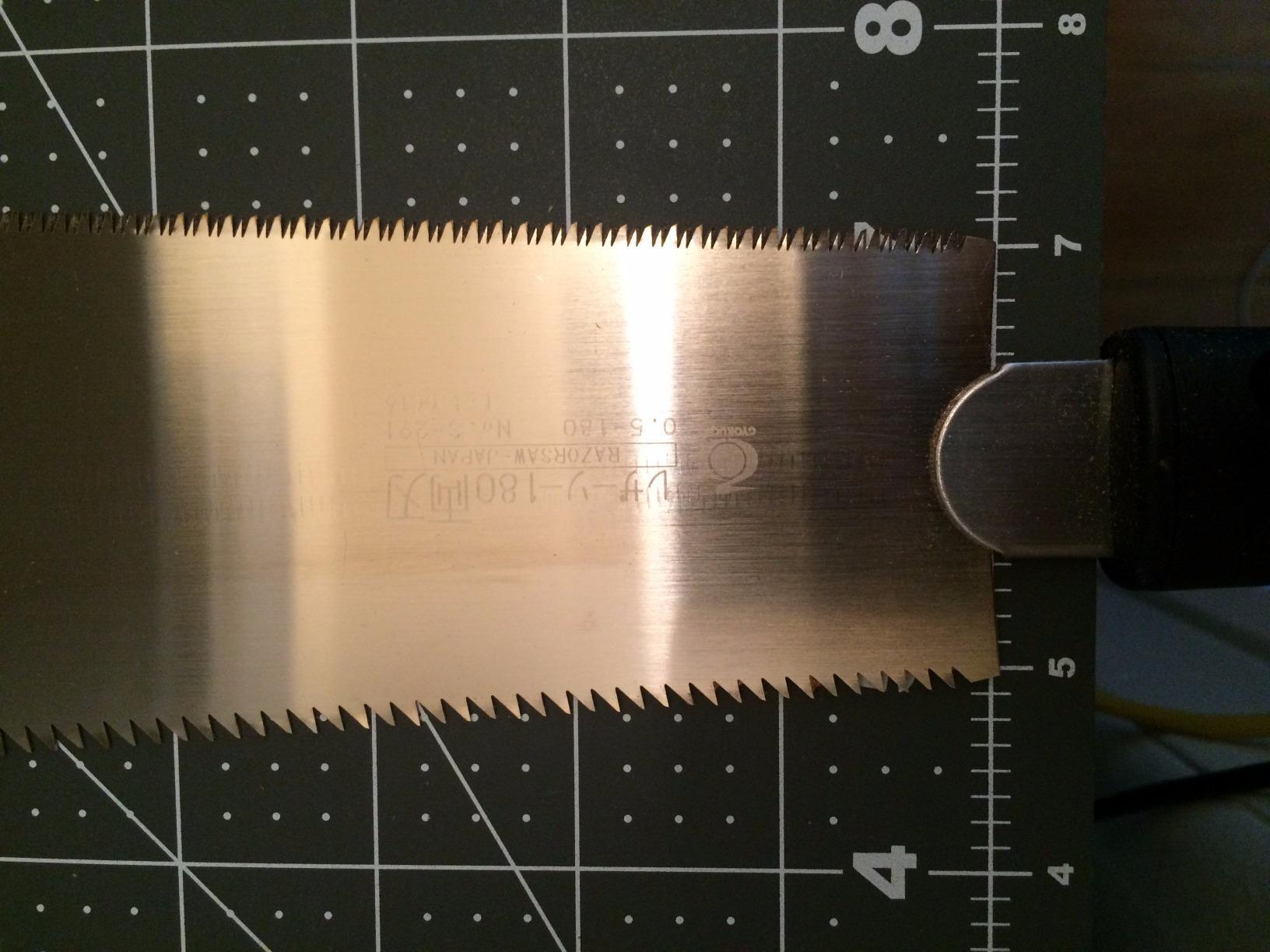
One feature I really appreciate is the replaceable blade design. Unlike many Western saws, when the blade eventually dulls, you can simply swap in a new one rather than replacing the entire saw. The modern plastic handle is comfortable and provides good grip, even during extended cutting sessions. I spent an entire afternoon cutting hardwood pieces for a complex project, and hand fatigue was minimal compared to other saws I’ve used.
The blade lock mechanism can come loose occasionally, which is worth monitoring. I’ve also found that the blade flexibility, while great for tight spaces, requires extra attention when making long straight cuts in thicker material. For hardwood over 4 inches thick, this saw starts to struggle, and you’d be better served with a larger Western-style saw. But for hobby-scale hardwood work and general shop use, it’s an excellent addition to any tool collection.
Best For:
Woodworkers and hobbyists working with hardwoods for project bases, display cases, or custom jigs. The dual-edge design handles both crosscut and rip cutting efficiently.
Less Ideal For:
Very thick hardwood (4+ inches) or users who prefer traditional push-stroke saws. The blade flexibility can cause deviation in long cuts if technique isn’t solid.
5. Excel Blades EXL55670 Razor Saw Set – Best Complete Starter Kit
Excel Blades EXL55670 Razor Saw Set
K5 Heavy Duty red handle included
NO 30450 saw blade
NO 30490 saw blade
7-inch blade length
For wood, plastic, thin metal
Pros
- Complete set with handle
- Two quality blades included
- Heavy duty construction
- Good for model making
- Produces fine cuts
Cons
- Handle comfort for extended use
- Limited to smaller projects
- Made in China
- Prop 65 warning
When you’re just starting out in hobby work, buying a quality saw plus multiple replacement blades can get expensive quickly. The Excel Blades EXL55670 set solves this by providing a complete package, heavy-duty handle and two different saw blades at a reasonable price point. I recommended this set to a friend getting into Warhammer modeling, and after six months of regular use, he’s still happy with the performance.
The K5 heavy-duty red handle feels substantial in the hand and provides good control. The two included blades (NO 30450 and NO 30490) cover different applications, giving you versatility right out of the box. I’ve tested this set on various materials, plastic model parts, balsa wood, and thin metal, and it produces clean, precise cuts across the board. For plastic trim work and delicate model modifications, the fine cuts possible with these blades are impressive.
Excel Blades is an American company known for quality hobby tools, and this set reflects that reputation. The blades maintain sharpness well through multiple projects, and the robust handle construction inspires confidence. The set is particularly good for model makers who need reliable tools for cutting plastic trim, making precise modifications, or working with thin materials.
Best For:
Beginners and hobbyists looking for a complete starter set without buying individual components. Also ideal for model makers working primarily with plastic and thin materials.
Less Ideal For:
Extended cutting sessions or heavy-duty applications. The handle, while functional, isn’t the most ergonomic for long periods of use.
6. OLFA Hobby Saw 167B – Best Ergonomic Design
OLFA Hobby Saw 167B
150mm carbon steel blade
Rubber grip handle
Two blade types included
Easy blade change mechanism
For wood and plastic
Pros
- Excellent carbon steel quality
- Rubber grip prevents fatigue
- Two blade types included
- Cuts wood/plastic well
- Easy blade change
- Great value vs Tamiya
Cons
- Plastic handle construction
- Could use more spare blades
- One blade too flexible
- Not for heavy construction
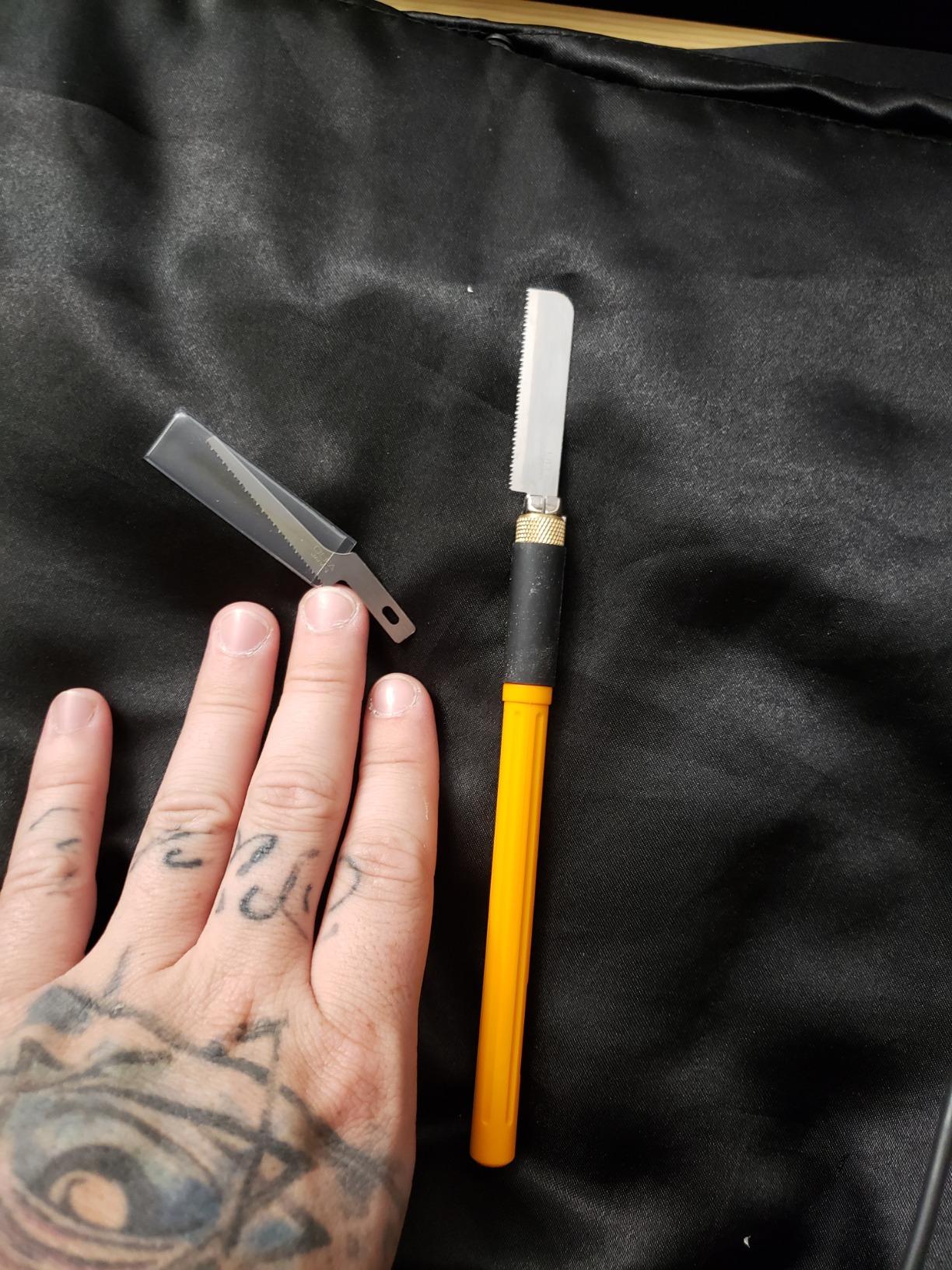
OLFA made their name with utility knives, and their expertise in cutting tools shows in the Hobby Saw 167B. What immediately impressed me was the rubber grip handle, which prevents hand slippage and significantly reduces fatigue during extended cutting sessions. I spent a weekend working on a complex terrain project for Warhammer, cutting numerous foam and wood pieces, and the comfortable grip made a noticeable difference compared to other saws I’ve used.
The inclusion of two different blade types adds versatility. One blade handles general cutting duties, while the other is designed for more specialized work. The carbon steel blades are excellent quality, holding an edge well through multiple projects. What’s particularly interesting is that OLFA actually manufactures the Tamiya hobby saw, so you’re getting essentially the same quality at a lower price point. This makes the 167B an excellent value proposition.
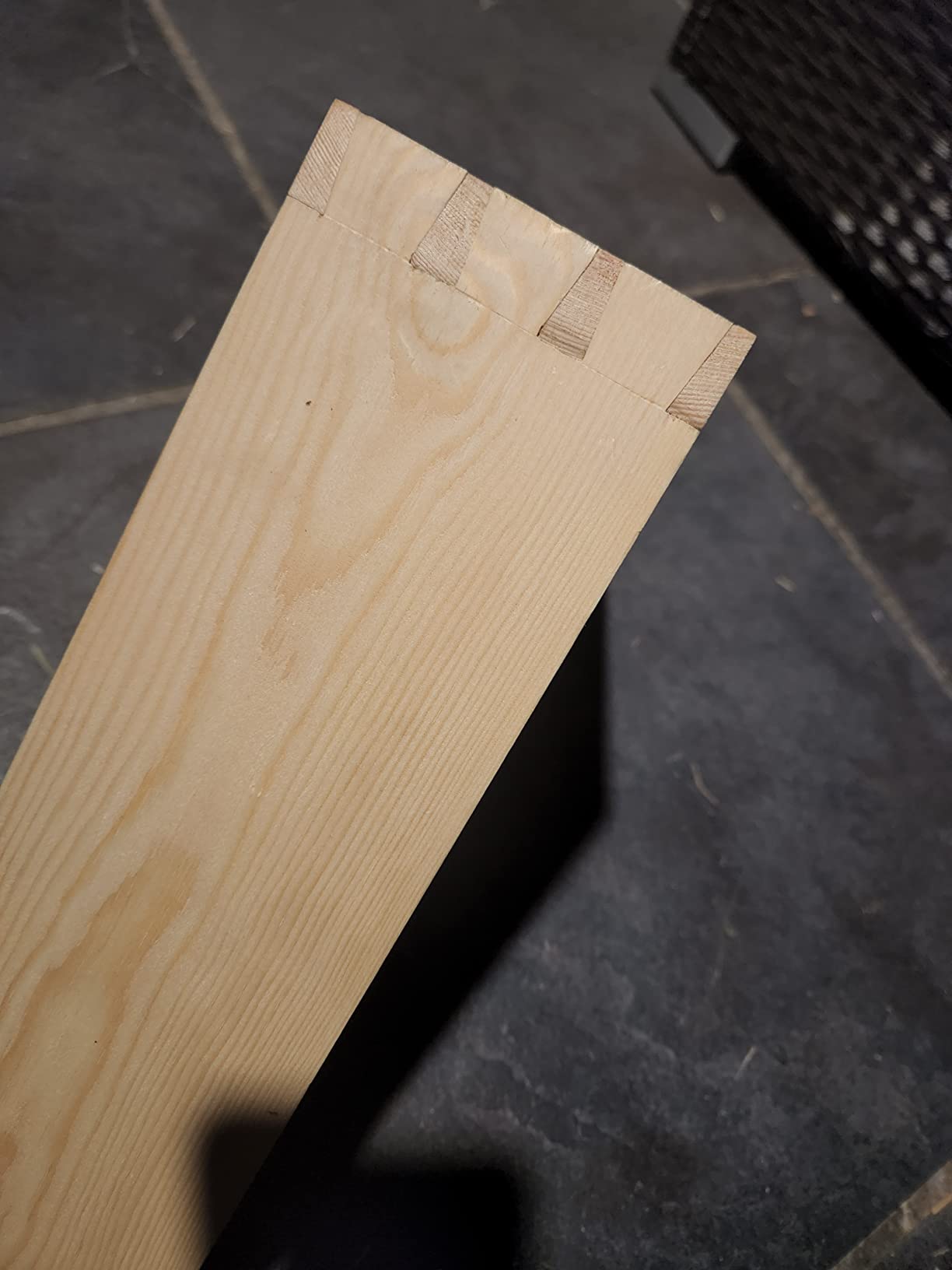
The 150mm blade length hits a sweet spot for most hobby applications, long enough for general cuts but short enough for good control. I’ve used this saw for everything from marking dovetail cuts to vinyl weeding in sign work, and it performs consistently. The easy blade change mechanism is thoughtful, allowing quick swaps between blade types without tools.
One blade type is more flexible than the other, which can be either a feature or frustration depending on your application. For delicate work, the flexibility is great, but for straight cuts in harder materials, you’ll prefer the stiffer blade. The handle is plastic construction, though high-quality, and some users wish more spare blades were included. However, considering the quality and price point, these are minor complaints.
Best For:
Hobbyists who prioritize comfort during extended cutting sessions and those wanting Tamiya quality at a lower price point. Excellent for general hobby work and crafts.
Less Ideal For:
Heavy construction work or users who prefer all-metal handle construction. The plastic handle, while quality, may not satisfy professional users.
7. Olson Saw 35-241 Fine Kerf Saw with Miter Box – Best for Angle Cutting
Olson Saw 35-241 Fine Kerf Saw 35-550 42 tpi with Aluminum Thin Slot Miter Box, Slot Size .014-Inch, Slot Angles 45, 60, 90, Cutting Depth 7/8-Inch, Pack of 1
42 TPI fine kerf saw
Aluminum thin slot miter box
45, 60, 90 degree slots
7/8-inch cutting depth
6-1/2-inch blade length
Pros
- Precise thin slot miter box
- 42 TPI cuts cleanly
- Three angle options
- Perfect for small trim
- Saw fits tightly in grooves
- Made in USA
Cons
- No mounting holes
- Slots only on one side
- Base grooves affect narrow pieces
- Metal-on-metal wear
- Not for large projects
Angle cutting small pieces accurately is one of the more challenging tasks in hobby work, which is why the Olson 35-241 miter box set is such a valuable addition to any workshop. The thin slot design provides much more precise cuts than standard miter boxes, eliminating the wobble that ruins accuracy. During a recent dollhouse building project, this setup made cutting hundreds of small trim pieces a breeze, with each cut coming out at perfect angles.
The 42 TPI fine kerf saw cuts through pine and soft woods with ease and speed. I was impressed by how cleanly it cuts, leaving edges that often don’t require additional sanding. The saw fits tightly in the miter box grooves without wobbling, which is crucial for accurate angle cuts. The aluminum miter box provides three essential angles, 45, 60, and 90 degrees, covering the vast majority of hobby cutting needs.
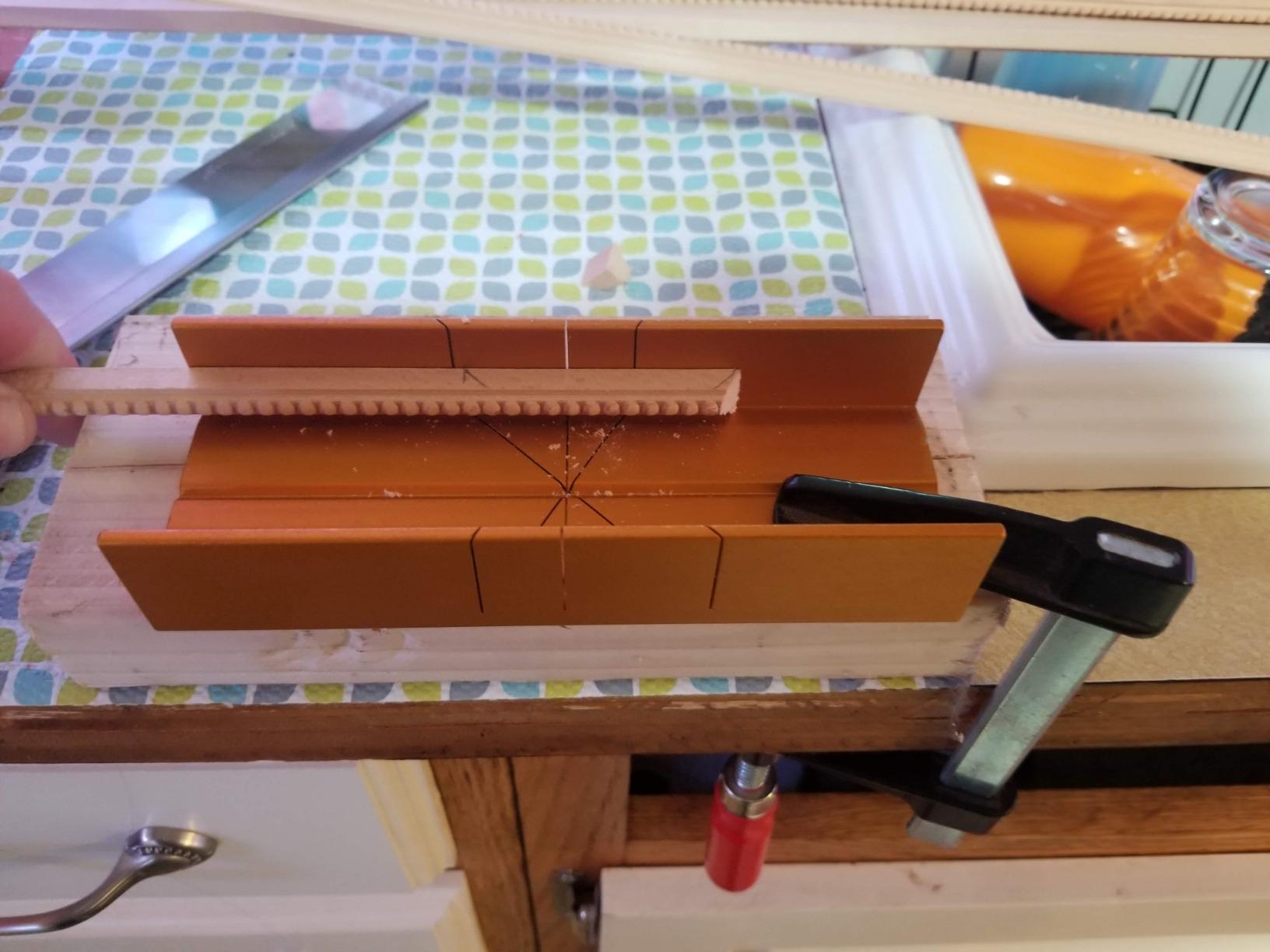
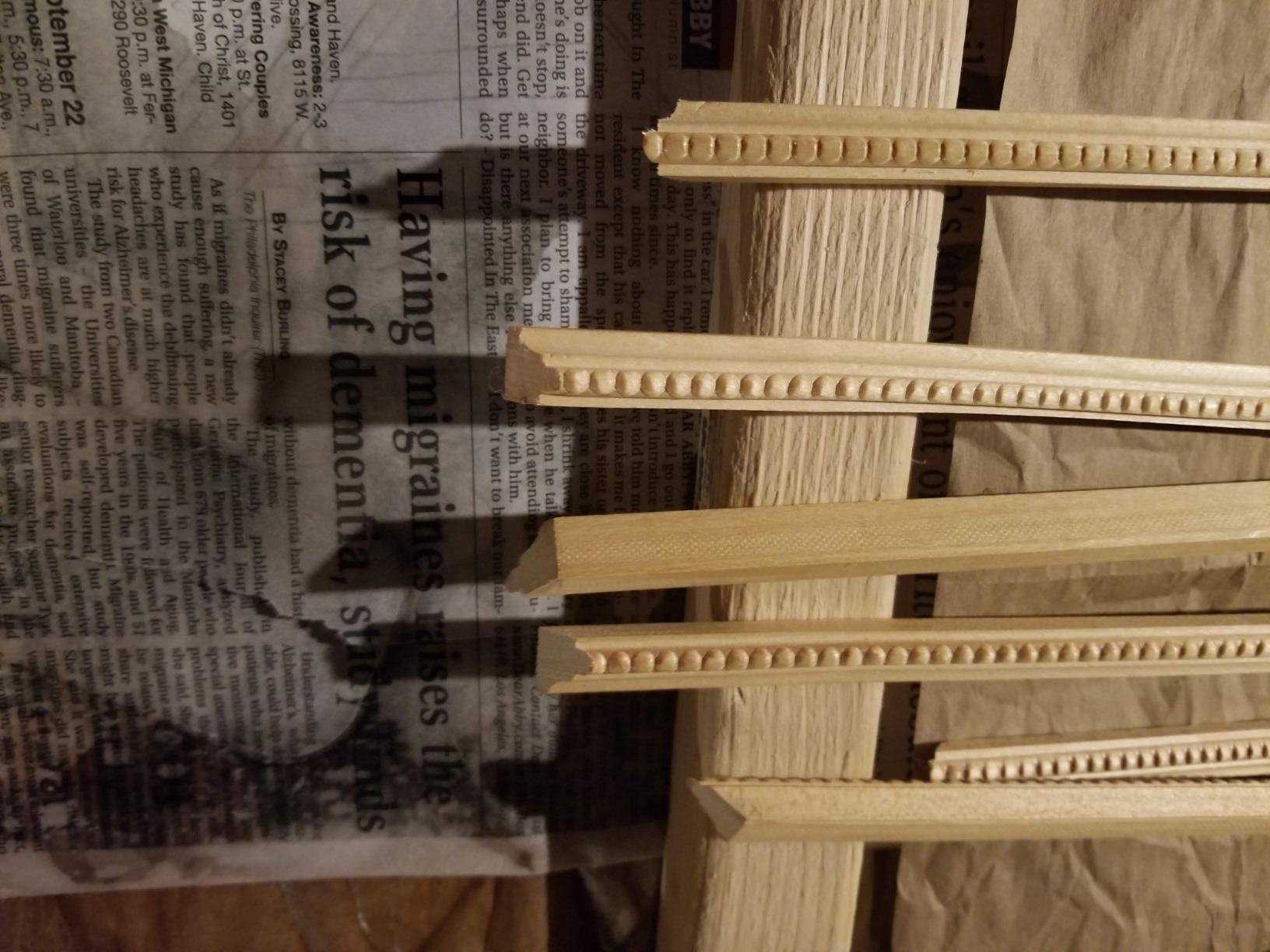
This set is particularly valuable for miniature work. I’ve used it extensively for 1/12 scale dollhouse trim, small wooden dowels, and decorative pieces. The 7/8-inch cutting depth handles most hobby-scale materials, and the 6-1/2-inch saw is well-suited for the smaller pieces typical in hobby work. Made in USA quality is evident in the construction, and both saw and box should provide years of service with proper care.
There are some design limitations worth noting. The miter slots are only on one side, which means you can’t flip decorative moldings to cut complementary angles. The base has grooves that can cause narrow pieces to sit at an angle if you’re not careful. There are also no mounting holes for securing the box to your work surface, which would be a nice addition. Over time, metal-on-metal contact between saw and box will cause wear, though some users recommend filing the slots slightly to prevent saw dulling.
Best For:
Dollhouse makers, model railroaders, and anyone needing accurate angle cuts on small pieces. The thin slot miter box provides precision hard to achieve with hand-held saws.
Less Ideal For:
Large projects or users who need to cut complementary angles on moldings. The one-sided slot design limits some applications.
8. Gyokucho Razorsaw 9-1/2 Double Edge Ryoba – Best for Fine Woodworking
Gyokucho Razorsaw 9-1/2" Double Edge (Ryoba) for Hardwoods
9-1/2-inch double-edge blade
Cross cut 20 TPI, rip 8 TPI
Pull-stroke design
Rattan-wrapped wooden handle
Replaceable blades
Pros
- Double-sided versatility
- Cuts on pull stroke
- Razor thin kerf
- Smooth edges no sanding
- Replaceable blades
- Rattan handle
Cons
- Learning curve for pull saws
- Some blade/handle issues reported
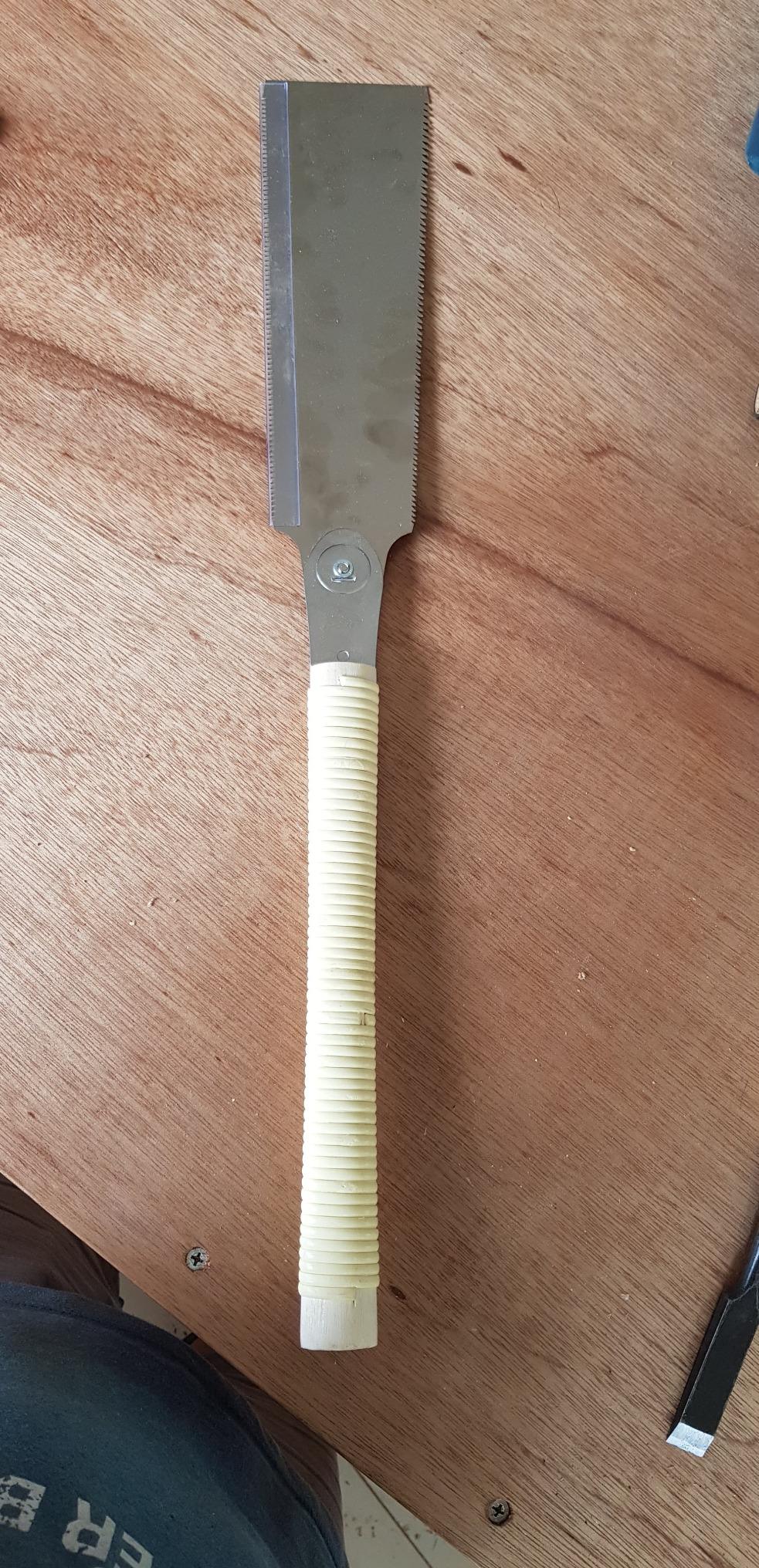
This Gyokucho represents the premium end of Japanese pull saws, and the quality is immediately apparent. The 9-1/2-inch double-edge blade provides excellent versatility, with 20 TPI cross-cut teeth on one side and 8 TPI rip teeth on the other. During a recent project building custom shelving for my hobby room, this saw handled all the fine cutting with impressive speed and left edges so smooth they often didn’t require sanding.
The pull-stroke design takes some adjustment if you’re used to Western push saws, but once mastered, it provides superior control and requires less effort. The razor-thin kerf removes minimal material, resulting in cleaner cuts and less waste. I’ve used this saw on various hardwoods, and it cuts through them with surprising ease. The rattan-wrapped wooden handle not only looks beautiful but provides a comfortable, secure grip during extended use.
What really impresses me about this saw is the finish quality. The edges it leaves are remarkably smooth, often eliminating the need for sanding altogether. This is particularly valuable for visible joinery and fine woodworking where surface quality matters. The replaceable blade design means you can refresh the cutting edge when needed without replacing the entire saw, adding to its long-term value.
There is definitely a learning curve with pull-stroke saws. I found myself instinctively pushing at first, which doesn’t work well with this design. Some users have reported issues with the blade-to-handle connection over time, though I haven’t experienced this personally. At a higher price point than many hobby saws, this represents a significant investment, but for serious woodworkers, the quality justifies the cost.
Best For:
Serious woodworkers and hobbyists doing fine woodworking, joinery, or furniture projects. The smooth finish and versatile blade make it ideal for quality-conscious users.
Less Ideal For:
Beginners or casual users unfamiliar with pull-stroke saws. The learning curve and premium price make it better suited for experienced woodworkers.
9. TAMIYA Photo-Etched Craft Saw – Best for Intricate Cutting
TAMIYA Photo-Etched Craft Saw TAM74094 Handsaws and Parts
Photo-etched design
5 blades per package
Stainless steel construction
For plastic and resin
Flexible design
Pros
- Very fine clean cuts
- Excellent for kitbashing
- Cuts plastic smoothly
- Flexible follows contours
- Sharp effective blades
- 5 blades good value
Cons
- Extremely fragile blades
- Cut on pull stroke only
- Not sturdy for heavy cutting
- Bent tabs may need CA glue
Photo-etched saws occupy a specialized niche in the hobby world, and the TAMIYA craft saw is the best I’ve used. The photo-etched design produces an incredibly thin cutting edge capable of the most delicate work imaginable. During a complex kitbashing project involving extensive plastic modification, this saw allowed me to make cuts that would have been impossible with traditional saws.
The flexible blade design is a key feature, allowing it to follow part contours and make curved cuts that rigid saws can’t handle. This flexibility comes with trade-offs, the blade is extremely fragile and will bend or break if not treated carefully. I learned to cut on the pull stroke only, as push cutting puts too much stress on the delicate photo-etched teeth. The saw cuts through plastic smoothly without leaving those frustrating white distortion marks that coarser saws produce.
Having 5 blades per package provides good value, especially considering how specialized these saws are. I’ve used this saw for intricate kitbashing, removing delicate plastic parts, and modifying resin components. The results are impressive, with clean, precise cuts that maintain part integrity. For advanced modelers doing extensive modification work, this tool opens up possibilities that simply don’t exist with traditional saws.
Best For:
Advanced modelers and kitbashers doing intricate plastic and resin modification. The photo-etched design enables cuts impossible with traditional saws.
Less Ideal For:
Beginners or general cutting applications. The fragility and specialized use make this a poor choice for basic hobby work.
10. ZONA 35-500 Fine Razor Saw 32 TPI – Best All-Around Value
ZONA - SA35/500 Zona 35-500 Fine Razor Saw, 32 TPI, 010-Inch Kerf, Blade Length 6-1/2-Inch, Cut Depth 1-3/16-Inch
32 TPI fine tooth blade
0.010-inch kerf
6-1/2-inch blade length
1-3/16-inch cut depth
Pull-stroke design
Pros
- USA-made quality
- Cuts fast and smooth
- Excellent for balsa/basswood
- Clean cuts no tear out
- Good alternative to luthier saws
Cons
- Handle may vary from pictures
- Fine pitch slower on soft materials
- Not for heavy construction
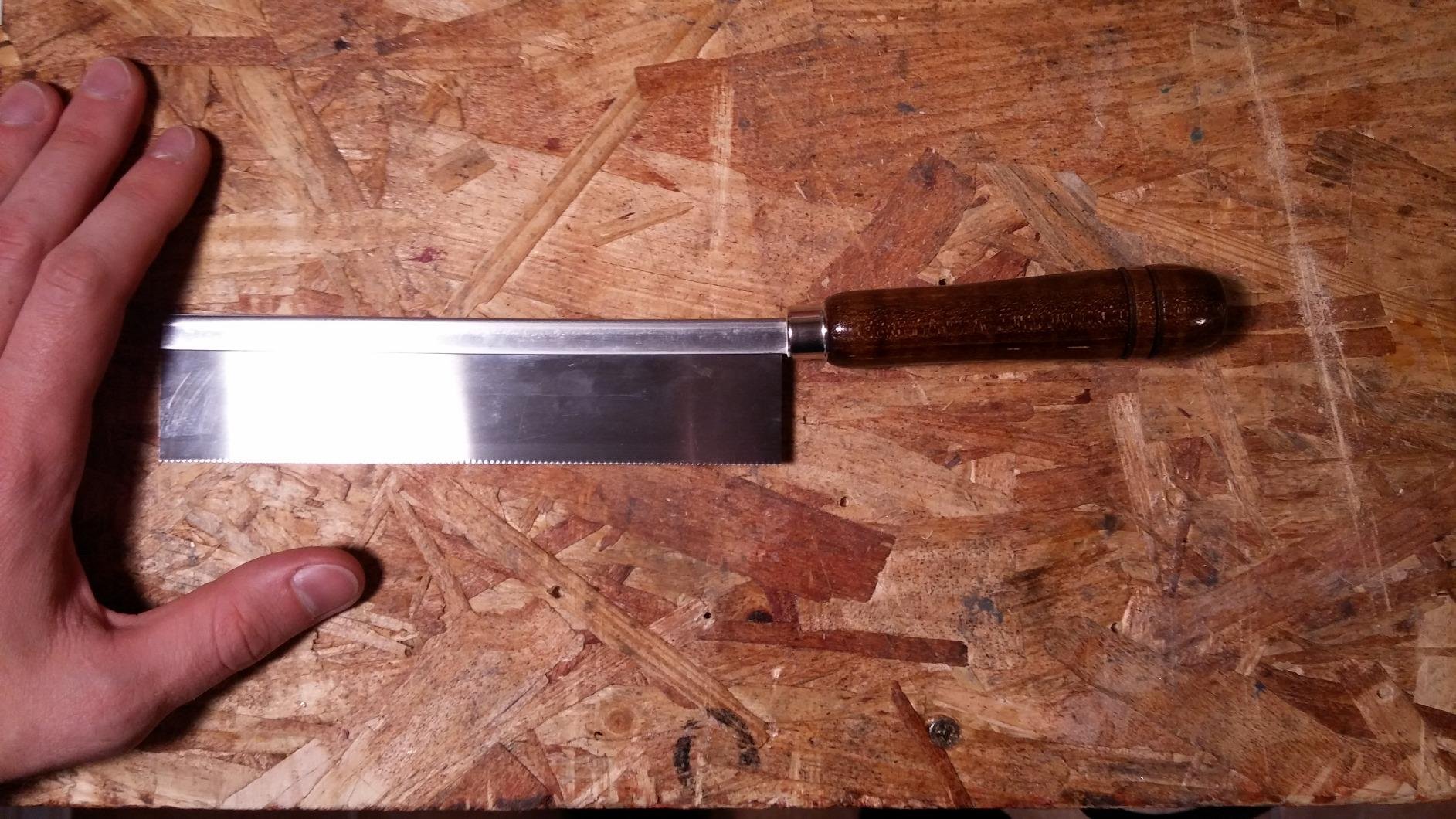
The ZONA 35-500 strikes an excellent balance between fine cutting capability and practical versatility. With 32 TPI, it offers finer teeth than general-purpose saws but isn’t as specialized as ultra-fine models. This makes it incredibly useful across a wide range of hobby applications. I’ve used this saw extensively for basswood and balsa projects, and it cuts through these soft woods smoothly without any tear out.
The 6-1/2-inch blade length provides good reach while maintaining control, and the 1-3/16-inch cut depth handles most hobby-scale materials. Like other ZONA saws, the USA-made quality is evident in the construction and performance. The pull-stroke design gives good control and produces clean cuts. I found this saw particularly useful for RC airplane construction, where it handles balsa cutting beautifully.
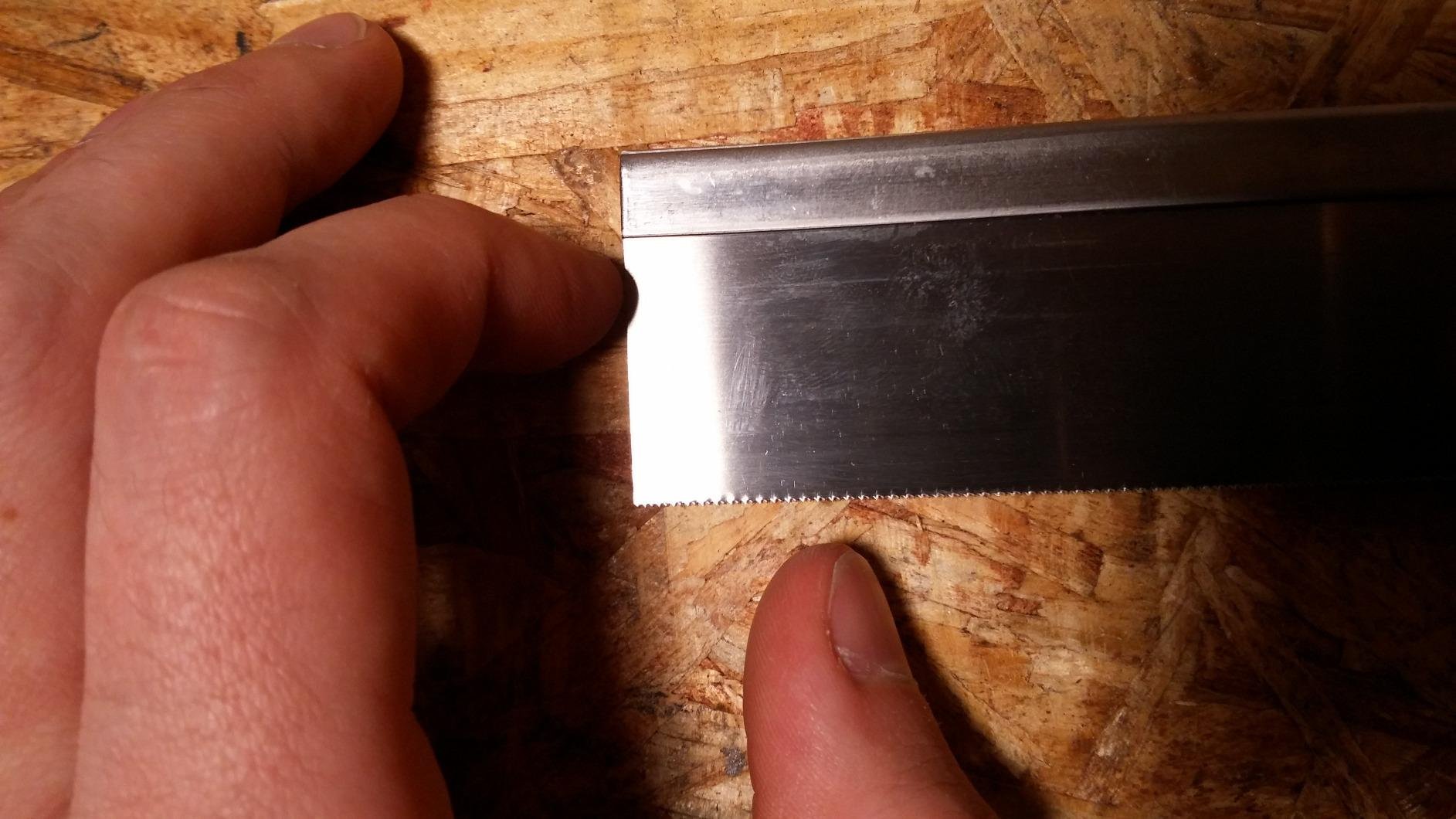
What impresses me most about this saw is its versatility. It works well on wood, plastic, and even soft metals, making it a solid choice for general hobby work. The 0.010-inch kerf is thin enough for precise work but substantial enough for efficient cutting. At the price point, this saw offers excellent value and has become one of my go-to tools for general hobby cutting needs.
Some listings show a wooden handle that may not match what you receive, so be aware of potential variation. The fine tooth pitch, while great for clean cuts, can be slower on very soft materials compared to coarser saws. This isn’t a saw for heavy construction work, but for hobby-scale projects, it’s hard to beat the combination of quality, versatility, and value.
Best For:
Hobbyists needing a versatile saw for general use across different materials. Excellent for balsa wood projects, model building, and general hobby cutting.
Less Ideal For:
Heavy construction or users needing a dedicated specialty saw. This is a generalist tool that trades some specialization for versatility.
11. Zona 35-380 Thick Dovetail Saw – Best for Joint Cutting
Zona 35-380 Thick Dovetail Saw, 18 TPI, 020-Inch Kerf, Blade Length 8-Inch, Cut Depth 1-3/4-Inch, Silver
18 TPI thick kerf blade
8-inch blade length
1-3/4-inch cut depth
12-1/2-inch overall length
For dovetail joints
Pros
- Longest Zona razor blade
- Can use push stroke cutting
- Made in USA
- Perfect for fret slots
- Great for dovetails
- Cuts very finely
Cons
- May dull faster on hardwood
- Not Prime eligible
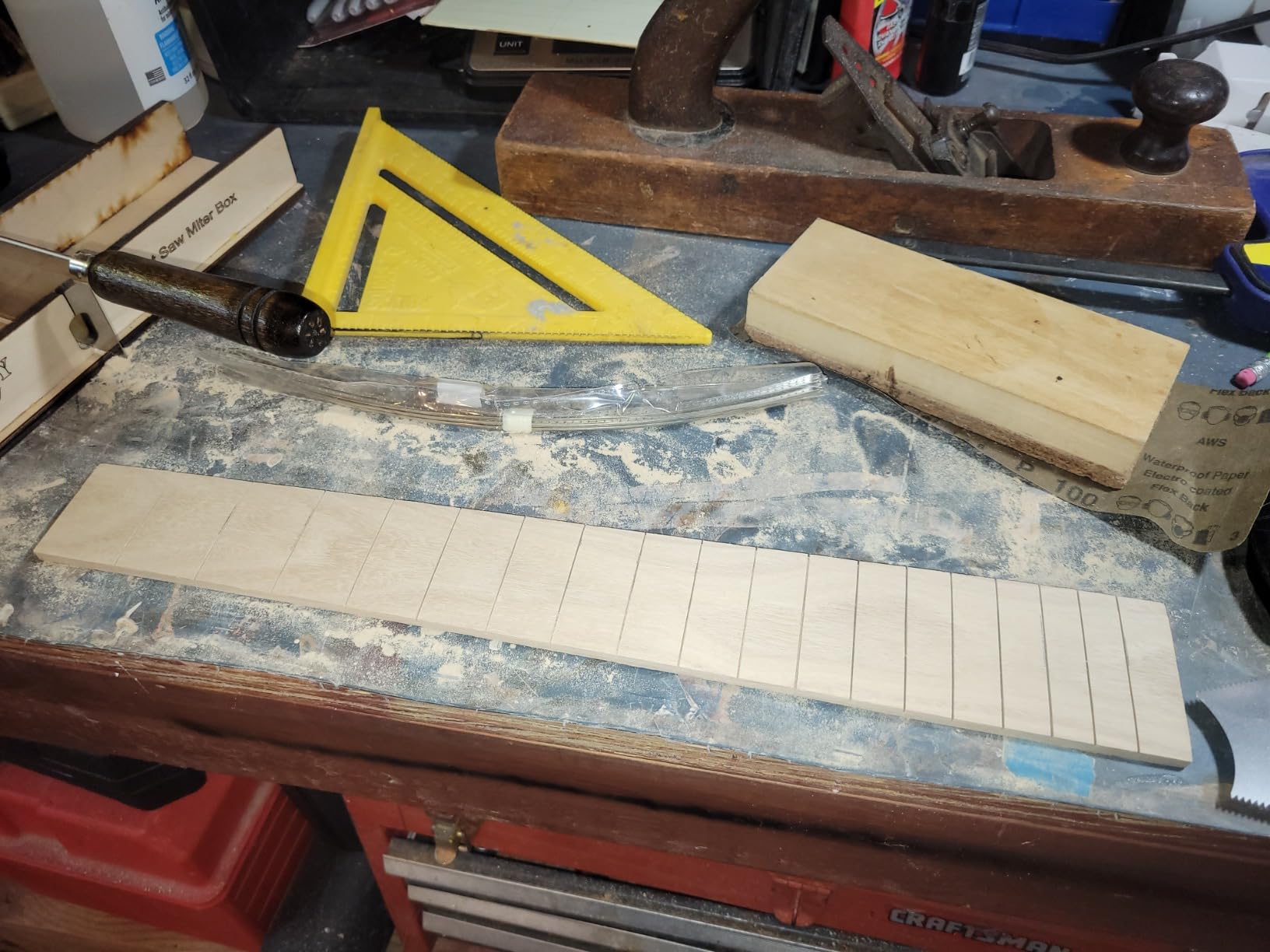
Among ZONA’s lineup, the 35-380 occupies a unique position as their longest razor saw blade at 8 inches. This extra length, combined with the thicker kerf and 18 TPI tooth configuration, makes it ideal for joint cutting and deeper cuts. I’ve used this saw extensively for cutting dovetail joints in small boxes and for cutting fret slots on instrument builds, where it performs exceptionally well.
Unlike finer-toothed saws, the 35-380 can be used with a forceful push stroke when needed, providing more cutting power for thicker materials. The 1-3/4-inch cut depth is substantial for a razor saw, allowing you to tackle thicker stock than most micro saws can handle. During a recent project building small wooden boxes for displaying miniatures, this saw made clean, precise dovetail joints that fit perfectly.
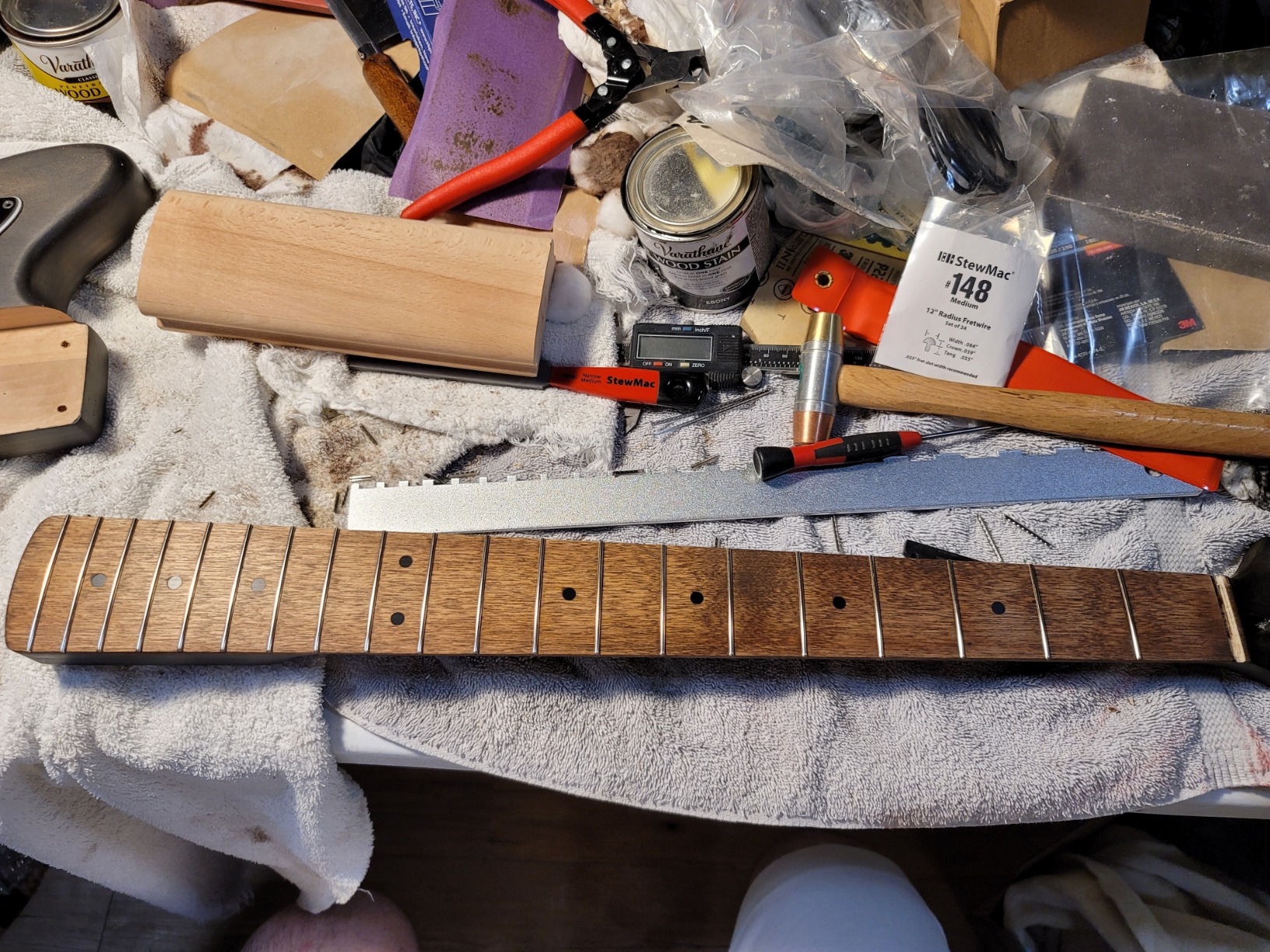
The USA-made quality is consistent with other ZONA products, and the saw maintains sharpness well through multiple projects. At 12-1/2 inches overall, it provides good reach and control. The 18 TPI configuration strikes a nice balance, fine enough for precise work but aggressive enough for efficient cutting. This saw has become my go-to for any joint cutting or deeper cutting tasks in the shop.
Like all saws, the blade will eventually dull, and some users report it may dull faster on hardwoods than softer materials. It’s not Prime eligible, which can be inconvenient for some buyers. However, for the specific applications it’s designed for, particularly joint cutting and fret work, this saw delivers professional-quality results.
Best For:
Woodworkers cutting dovetail joints, instrument builders cutting fret slots, and anyone needing deeper cuts than typical micro saws provide.
Less Ideal For:
General plastic model work or users needing Prime shipping. This is a specialized woodworking saw rather than a general hobby tool.
12. Zona 35-200 Ultra Thin Razor Saw 32 TPI – Best for Fine Detail Work
Zona 35-200 Ultra Thin Razor Saw, 32 TPI, .008-Inch Kerf, Blade Length 4-1/2-Inch, Cut Depth 7/16-Inch
32 TPI fine blade
0.008-inch ultra thin kerf
4-1/2-inch blade length
7/16-inch cut depth
Wood handle
Pros
- Ultra thin 0.008 kerf
- 32 TPI precision
- High speed steel blade
- Perfect for fret cleaning
- Great for balsa/miniatures
- Made in USA
Cons
- Blade narrow limits thickness
- Spine limits cutting depth
- Not for heavy/thick stock
- Price increased over time
The 35-200 is essentially a shorter version of ZONA’s excellent ultra-thin razor saws, and the compact size makes it ideal for fine detail work. The 0.008-inch kerf is incredibly thin, removing minimal material with each cut. I’ve found this saw particularly useful for fret cleaning on musical instruments and for delicate work on miniatures where precision matters more than cutting speed.
The 32 TPI blade provides fine, precise cuts, and the high-speed steel construction maintains sharpness well. The 4-1/2-inch blade length gives good control for detail work, and the wooden handle is comfortable for extended use. During a recent project involving HO track work, this saw cut through the track cleanly without requiring any filing, saving significant time.
This saw excels at delicate work where thicker saws would be too aggressive. For balsa wood projects, miniatures, and fine detail cutting, it’s hard to beat the precision this saw provides. The USA-made quality is evident, and with proper care, this saw should provide years of service.
Best For:
Fret work, HO track cutting, miniatures, and any application requiring ultra-fine, precise cuts with minimal material removal.
Less Ideal For:
Thick stock cutting or users needing deeper cut capacity. The narrow blade and reinforcing spine limit its use on thicker materials.
13. Excel Blades 55001 Razor Saw Set – Best Budget Starter Option
Excel Blades 55001 Razor Saw Set, Handle & 1 Blades
K5 aluminum handle included
5-inch saw blade
Double honed carbon steel
Machined aluminum handle
USA made components
Pros
- High grade aluminum handle
- Double honed carbon blade
- American made components
- Cuts straight with mitre box
- Works on hard maple
- Secure blade attachment
Cons
- Not Prime eligible
- Low stock availability
For hobbyists on a budget or just starting out, the Excel Blades 55001 offers quality components at an accessible price point. The K5 aluminum handle is well-made and provides good control, while the 5-inch carbon steel blade delivers clean, precise cuts. I recommended this set to a young modeler just getting into the hobby, and it’s served him well through multiple projects.
The double-honed carbon steel blade cuts cleanly and maintains sharpness reasonably well. The machined aluminum handle feels substantial in the hand and provides good control for precise cutting. When used with a mitre box, this saw cuts remarkably straight, making it ideal for beginners developing their cutting technique. I’ve tested it on hard maple, and while it requires more effort than premium saws, it gets the job done.
What sets this apart from truly cheap saws is the quality of the components. Both handle and blade are well-made, and the blade attachment is secure without any wobble. The American-made components reflect Excel Blades’ commitment to quality, even at the budget end of their product line.
Best For:
Beginners and budget-conscious hobbyists wanting quality without premium pricing. Also ideal for those needing a reliable secondary saw for occasional use.
Less Ideal For:
Users needing Prime shipping or those wanting premium features. This is a functional, no-frills option rather than a feature-rich premium tool.
14. Excel Blades Micro Saw Hobby Knife Blades – Best for Sprue Cutting
Micro Saw Hobby Knife Blades (#33), Tube of 5
Tube of 5 blades
32 TPI
High speed steel
Approximately 1 inch length
For plastic and wood
Pros
- Precision for intricate tasks
- Durable high-quality steel
- Perfect for sprue removal
- Great flush cuts
- Very sharp edges
Cons
- May not fit all X-acto handles
- Blades can bend under pressure
These micro saw blades from Excel Blades occupy a unique niche, they’re designed to fit in standard hobby knife handles and provide sawing capability in a compact format. I keep a supply of these in my workshop for removing model parts from sprues, where they excel at cutting close to the part without damaging it. The 32 TPI configuration provides fine cuts ideal for delicate work.
The high-speed steel construction ensures good durability and edge retention. In a tube of 5, you get good value, and these blades last through multiple projects. I’ve used them extensively on plastic model kits, and they produce clean cuts that don’t require much cleanup. The approximately 1-inch blade length is well-suited for small-scale cutting tasks.
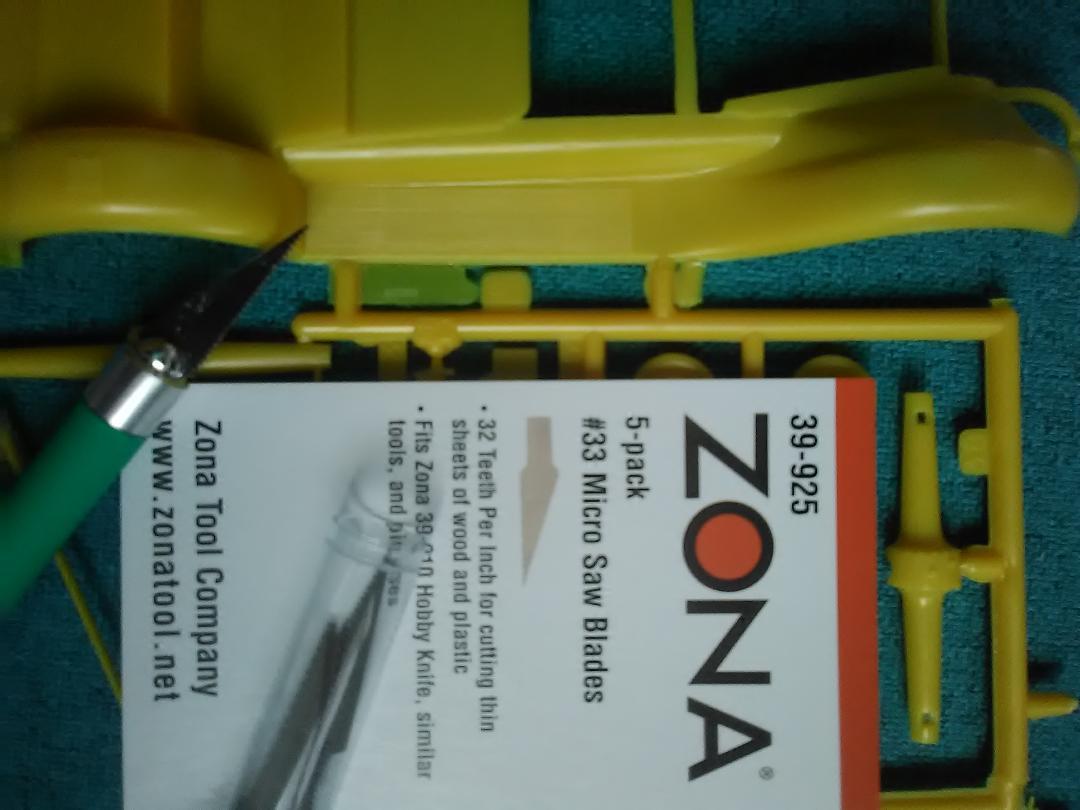
One important note is that these blades may not fit all X-acto style handles, they’re thinner than standard knife blades and can be too narrow for some chucks. They can also bend if too much pressure is applied, so light pressure and proper technique are important. However, for their intended use of delicate cutting and sprue removal, they’re excellent.
Best For:
Model builders needing a compact sawing option for sprue removal and delicate cutting. Ideal for keeping in a hobby knife handle for occasional sawing needs.
Less Ideal For:
General cutting applications or users whose handles don’t accommodate the thinner blade width. These are specialized blades for specific tasks.
15. Zona 39-924 Replacement Hobby Blades – Best Replacement Blade Value
Zona 39-924 Replacement Hobby Blades, No13 Micro Saw 42 TPI, 5-Pack
42 TPI micro saw blades
5-pack
Alloy steel construction
For paper, plastic, balsa, thin metals
Can be used in pin vises
Pros
- Made in USA
- Hard to find locally
- Essential for hobbyists
- Good for small dowels
- Sharp teeth quality
- Pin vise compatible
Cons
- May not fit X-acto handles
- Not Prime eligible
- Very low stock
For hobbyists who already have handles but need quality replacement blades, these Zona 39-924 micro saw blades offer excellent value. The 42 TPI configuration provides fine cutting capability, and the 5-pack ensures you’ll have spares when needed. I keep a pack of these in my workshop for various cutting tasks, from small dowels to thin metal work.
The USA-made quality is evident in the sharp, well-formed teeth. These blades work well in pin vises and compatible hobby knife handles, providing versatility in how they’re used. I’ve found them particularly useful for cutting small wooden bits and thin metal pieces where a full-sized saw would be overkill.
Like the Excel micro blades, these may not fit all X-acto style handles due to their thinner width. The low stock situation is also frustrating, as these blades can be hard to find locally. However, for the quality and cutting capability they provide, they’re worth seeking out for serious hobbyists.
Best For:
Hobbyists needing quality replacement blades for existing handles. Ideal for small-scale cutting tasks where full-sized saws are impractical.
Less Ideal For:
Users whose handles don’t accommodate the thinner blade width or those needing Prime shipping convenience.
How to Choose the Right Micro Saw for Your Hobby Projects?
After testing these 15 saws across numerous projects, I’ve identified several key factors that should guide your selection. The right saw depends heavily on what materials you work with, what types of cuts you need to make, and your experience level. Let me break down the most important considerations.
Understanding TPI (Teeth Per Inch)
TPI is perhaps the most misunderstood specification among hobbyists, yet it’s crucial for selecting the right saw. Higher TPI numbers mean more teeth per inch, which results in finer, slower cuts with smoother edges. Lower TPI numbers mean fewer, larger teeth that cut faster but leave rougher edges. For plastic models and delicate work, I recommend 40+ TPI. For general hobby work in wood and plastic, 25-35 TPI strikes a good balance. For thicker materials and faster cutting, 15-25 TPI works well.
Blade Type and Kerf Thickness
The kerf is the width of material removed by the blade, and thinner kerfs mean less waste and more precise cuts. Ultra-thin kerf saws (0.008-0.010 inch) are ideal for precious materials and precision work, but they’re slower and more delicate. Standard kerf saws (0.015-0.020 inch) cut faster and are more robust but remove more material. Consider your typical use case, if you’re cutting expensive materials or making numerous cuts on small pieces, a thin kerf saw is worth the investment.
Handle Comfort and Ergonomics
During long cutting sessions, handle comfort becomes critically important. Wooden handles provide traditional feel and good grip but can vary in quality. Plastic handles are lightweight and often ergonomically shaped. Rubber or padded grips reduce fatigue significantly. I’ve found that for extended use, rubber grips like the OLFA 167B make a noticeable difference. Consider how long your typical cutting sessions last and choose accordingly.
Replaceable vs. Fixed Blades
Replaceable blade designs offer long-term value, when the blade dulls, you simply replace it rather than the entire saw. This is particularly important for frequently used saws or those using premium materials. However, fixed-blade saws often provide better rigidity and cutting performance. For hobbyists who use their saws regularly, I lean toward replaceable blades for long-term economy.
Material Compatibility
Different saws excel with different materials. Plastic models benefit from fine-toothed pull saws like the Tamiya 74111. Woodworking requires more aggressive teeth and often longer blades. Metal cutting demands high TPI and special blade materials. Consider what materials you work with most frequently and prioritize saws designed for those applications.
FAQ Section
What is the most versatile hand saw?
Japanese ryoba saws like the Gyokucho 770-3600 offer the most versatility with dual-edge blades featuring both crosscut and rip teeth. This design essentially gives you two saws in one, handling both across-grain and with-grain cutting efficiently. For hobby work, a razor saw with 30-40 TPI also provides good versatility across plastic, wood, and soft metals.
Which portable saw is best for beginners?
For beginners, I recommend starting with either the Tamiya 74111 for plastic modeling or the ZONA 35-500 for general hobby use. Both offer forgiving characteristics, quality construction, and predictable performance that helps build proper technique. The OLFA 167B is also excellent for beginners due to its comfortable rubber grip that reduces fatigue while learning.
What is the best saw for DIY?
For general DIY hobby work, the Gyokucho 770-3600 Ryoba saw offers the best combination of versatility and performance. Its dual-edge design handles both crosscut and rip cutting, while the pull-stroke action provides excellent control. For those preferring Western-style saws, the ZONA 35-500 provides excellent all-around performance at a reasonable price.
What destroys a saw?
Several factors can destroy hobby saws prematurely: cutting materials harder than the saw is designed for, applying excessive force that bends blades, using push stroke on pull-only saws, storing blades in damp conditions causing rust, and cutting through dirt or grit that dulls teeth. Always match the saw to the material, use proper technique, and store your tools properly to maximize blade life.
Conclusion
After years of hobby work and extensive testing of these 15 micro saws and razor saws, I can confidently say that investing in quality cutting tools pays dividends in every project. The Tamiya 74111 remains my top recommendation for plastic modelers, while the ZONA 35-050 offers unmatched precision for metal work. For general hobby use, the Gyokucho pull saws provide versatility that’s hard to beat.
Remember that the best micro saws and razor saws for hobby use are the ones that match your specific needs, consider the materials you work with, the types of cuts you make most often, and your budget. Quality saws properly maintained will last for years and make every project more enjoyable. Choose wisely, take care of your tools, and your hobby work will show the difference.