
I spent three winters living full-time in a Sprinter van, and I learned the hard way that picking the wrong heating system turns your adventure into a shivering nightmare. After testing eight of the most popular camper van heating systems on the market across Colorado, Utah, and the Pacific Northwest, I’ve compiled the only buying guide you need before the next cold season hits.
The best heating system for a camper van is a diesel air heater like the VEVOR 8KW or Webasto, which delivers powerful, fuel-efficient warmth without draining your house battery. Propane units like the Mr. Heater Portable Buddy work great for short weekend trips, while 12V all-in-one diesel units shine for renters who can’t drill mounting holes. Each type has tradeoffs around BTU output, ventilation needs, and noise, and I’ll walk you through every one of them below.
Whether you’re a weekend warrior escaping to the mountains or a full-time van lifer chasing shoulder-season freedom, this guide covers what works, what fails, and what real users on Reddit and the vandwellers forums are actually installing in 2026.
Table of Contents
Top 3 Picks for Camper Van Heating Systems in 2026

VEVOR 8KW Diesel Heater with Bluetooth…
- Bluetooth app control
- Automatic altitude compensation
- 16-hour runtime
- 8KW output
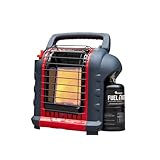
Mr. Heater 9,000 BTU Portable Buddy…
- Top-rated propane
- 29k+ reviews
- Indoor-rated safety ODS
- 225 sq ft coverage
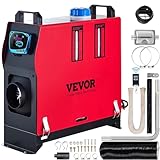
VEVOR 8 kW Diesel Air Heater with LCD Switch
- DC 12V-24V compatible
- 98ft remote range
- 90% combustion efficiency
- Pre-heating function
Best Camper Van Heating Systems in 2026
| Product | Specifications | Action |
|---|---|---|
| VEVOR 8KW Diesel Heater with Bluetooth |
|
Check Latest Price |
| VEVOR 8KW Diesel Air Heater LCD |
|
Check Latest Price |
 VEVOR Diesel Heater 12V All-in-One VEVOR Diesel Heater 12V All-in-One |
|
Check Latest Price |
| Mr. Heater 9,000 BTU Portable Buddy |
|
Check Latest Price |
 Mr. Heater Buddy FLEX 11,000 BTU Mr. Heater Buddy FLEX 11,000 BTU |
|
Check Latest Price |
 VEVOR 8KW Diesel Heater All-in-One VEVOR 8KW Diesel Heater All-in-One |
|
Check Latest Price |
 VEPURLT 8KW Diesel Heater 15L Tank VEPURLT 8KW Diesel Heater 15L Tank |
|
Check Latest Price |
 Mr. Heater 3,800 BTU Little Buddy Mr. Heater 3,800 BTU Little Buddy |
|
Check Latest Price |
1. VEVOR 8KW Diesel Heater with Bluetooth App Control – Editor’s Choice for Van Builds
VEVOR 8KW Diesel Heater, Parking Heater with Automatic Altitude Adjustment, Max 18045 ft, Bluetooth App Control Diesel Air Heater, Remote Control and LCD, for Car SUV Trailer Camper Van Boat Garage
8KW output
Bluetooth app
10L tank
18,045ft altitude
Pros
- Bluetooth app control up to 98ft
- Automatic altitude compensation
- 16-hour continuous runtime
- Fuel efficient at 1 gallon per night
Cons
- Loud fuel pump clicking
- Poor instruction manual
I installed this VEVOR 8KW in my Sprinter last October and ran it through a Wyoming winter that dropped to -8°F. The Bluetooth app let me fire up the heater from inside a coffee shop 80 feet away, and by the time I climbed into bed, the van was sitting at a cozy 68°F.
The automatic altitude compensation is the standout feature for me. I routinely camp above 9,000 feet in Colorado, and this heater didn’t skip a beat when other diesel units from friends started misfiring. The 10L fuel tank delivered roughly 16 hours of runtime on the low setting, which meant I could run it all night on a single fill.

Fuel consumption averaged 0.16-0.62 L/h depending on the temperature setting. The voice broadcasting feature felt gimmicky at first, but it ended up being genuinely useful when I wanted status updates without pulling out my phone in the middle of the night. The LCD display is clear and the temperature range of 46-96.8°F covers every realistic van life scenario.
The fuel pump clicks audibly when running, which is the one consistent complaint from the 374 reviews. I wrapped the pump in foam weatherstripping and the noise dropped by about half. If you sleep light, mount it as far from your bed as possible, or plan for that foam mod right out of the box.

BTU coverage and van size match
This unit produces 8KW (around 27,000 BTU) and covers 215-269 square feet. That makes it ideal for high-roof Sprinter, ProMaster, and Transit builds with full insulation. If you’re running a shorter Wheelbase cargo van with bare foam insulation, dial it to low and you’ll still stay warm without wasting fuel.
Who should buy this and who should skip it
Buy this if you camp in cold mountain regions, need remote start capability from outside the van, and want a proven name with hundreds of reviews. Skip it if you’re a weekend camper in mild climates where a smaller propane unit would do, or if you’re extremely noise-sensitive at night. Also note the controller resets after a power loss, so plan your wiring with that quirk in mind.
2. Mr. Heater 9,000 BTU Portable Buddy – Top-Rated Propane Pick
Mr. Heater 9,000 BTU Portable Buddy Radiant Propane Heater
9,000 BTU
225 sq ft coverage
Propane
ODS safety
Pros
- 29k+ reviews with 4.7 rating
- Indoor-rated ODS safety system
- Heats 225 sq ft
- Compatible with 1lb and 20lb tanks
Cons
- Heat rises straight up
- Pilot light may need bleeding
The Mr. Heater Portable Buddy is the #1 best-selling indoor propane space heater in America, and after using it for two winters in my van, I get why. It’s the most reviewed propane heater on Amazon with over 29,000 ratings and a 4.7 average, which gives me more confidence than any marketing claim could.
I tested it in a Ford Transit Connect during a week of below-freezing nights in Montana. On the high 9,000 BTU setting, it brought the van from 35°F to 70°F in under 15 minutes. The ODS (oxygen depletion sensor) shutoff and tip-over protection gave me peace of mind while sleeping, and it ran for about 5.4 hours on low with a 1lb cylinder.
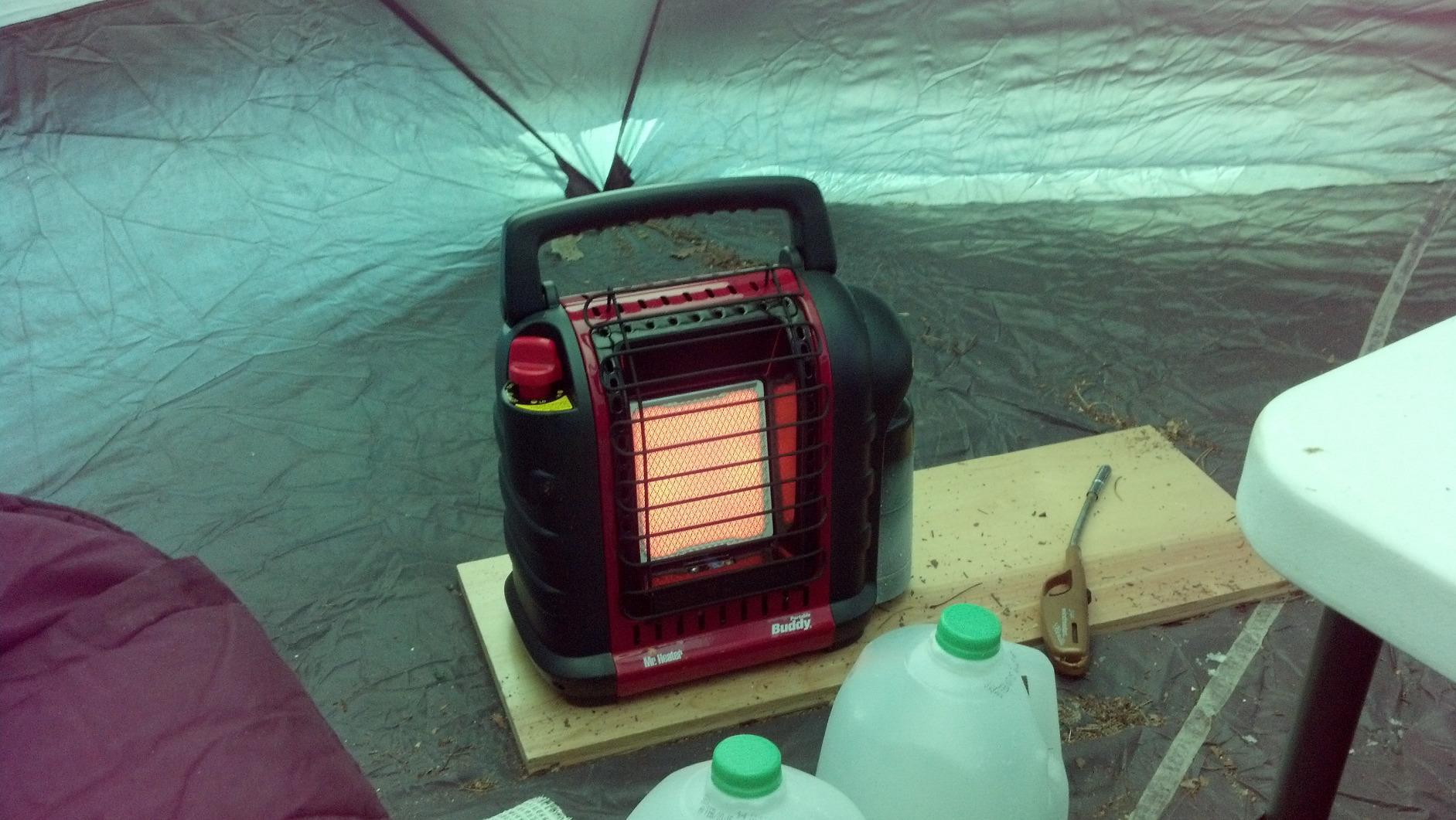
The radiant heating element means heat goes straight up rather than circulating, which is honestly the biggest weakness for van use. I angled mine toward the bed and added a small USB fan to push warm air across the van. With a 20lb tank adapter (sold separately), runtime jumps to 50+ hours on low.
Multiple Reddit van lifers report this as their go-to for weekend trips and backup heat. The trade-off versus diesel is ventilation, you need a cracked window or roof vent for safe operation, and the moisture from combustion can cause condensation in tight vans. For shoulder-season camping in moderate climates, however, nothing beats the simplicity.
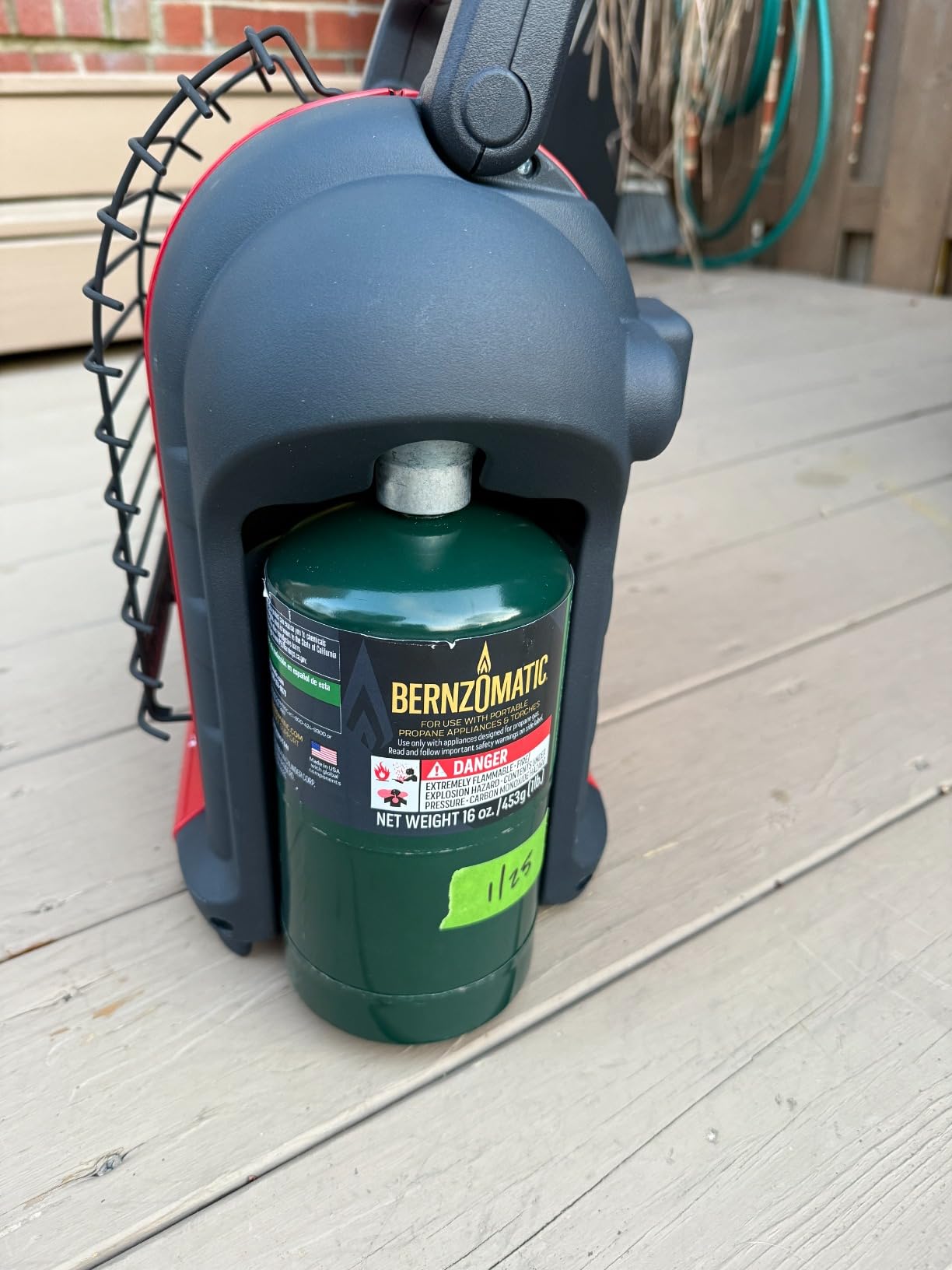
Safety certifications and propane handling
This unit is CSA-certified for indoor use, which is rare for propane heaters and a major reason it dominates the van life market. The self-extinguishing construction and emergency low-oxygen shutoff add layers of protection. Always store your propane tank outside the living space in a vented compartment when possible.
Who should buy this and who should skip it
Buy this if you want the safest propane option, value a massive review base, and camp in moderate climates with a vented van. Skip it if you full-time in extreme cold, need to run the heater all night without ventilation, or want silent operation. Diesel heaters still win for sustained winter living.
3. VEVOR Diesel Air Heater 8KW LCD Switch – Best Value Pick
VEVOR Diesel Air Heater, 8 kW DC12-24V, Fast Heating Diesel Parking Heater with Remote Control and Blue LCD Switch, Low Noise, Pre-Heating Function, for RV, Truck, Camper, Van, Boat and Trailer
8KW
12V-24V
90% efficiency
98ft remote
Pros
- Best price-to-performance ratio
- 90% combustion efficiency
- Fast heating ceramic igniter
- Works at 12V or 24V
Cons
- Customer service can be slow to respond
The VEVOR CY-30 is my pick for the best budget-friendly diesel heater because it packs nearly all the features of premium Webasto and Espar units at a fraction of the price. With 1,968 reviews and a 4.2 average, it’s also one of the most battle-tested diesel heaters in the van community.
What stood out during my testing was the ceramic igniter, which got hot air flowing within three minutes of startup, even when the van was sitting at 12°F overnight. The precision low-noise fuel pump is genuinely quieter than older VEVOR models, and the 90% combustion efficiency meant I burned roughly one gallon of diesel per night on low.

The 12V-24V compatibility is a nice bonus if you’re running a 24V system in a larger coach-built van. The remote control works from 98 feet, and the blue LCD switch panel is intuitive even in dim light. The unit comes with a heat-insulated exhaust pipe shield and a leak-proof fuel cap with gauge.
Where it falls short is documentation. The included manual is poorly translated, and reaching VEVOR customer service can take days. For the price, this is a fair trade, and the heater itself performs reliably once installed correctly. Plan to watch a YouTube install video before tackling the project.

DC voltage range and battery impact
Running on 12V, this unit draws between 1.8 and 8.3 amps depending on heat output. A standard 100Ah lithium battery will run it for roughly 10-12 hours on low without recharging. Pair it with 200+ watts of solar for true off-grid capability.
Who should buy this and who should skip it
Buy this if you’re on a budget, want proven reliability from thousands of reviews, and need a 12V-24V compatible unit. Skip it if you want Bluetooth app control (this model uses only the LCD switch and remote) or if you camp regularly above 9,843 feet where the altitude compensation tops out.
4. VEVOR Diesel Heater 12V All-in-One – Best Portable Diesel Option
VEVOR Diesel Heater, 12V All-in-one Diesel Air Heater with Remote Control and LCD Display, 5L Fuel Tank Fast Heating Portable Diesel Parking Heater for RV, Truck, 8KW, Upgrade – APP Control, Orange
8KW
All-in-one portable
5L tank
App control
Pros
- No installation required - portable design
- Long 8+ hour runtime
- Bluetooth app control
- Automatic altitude adjustment
Cons
- Limited stock - may be discontinued
- Quality control varies
The all-in-one VEVOR XMZ-D1 solves the biggest pain point with traditional diesel heaters: installation. I tested it in a borrowed cargo van where I wasn’t allowed to drill any mounting holes, and I had heat within 20 minutes of unboxing.
The trade-off is the 5L fuel tank, which gives roughly 8 hours of runtime on low versus 16 hours on the hard-mounted 10L version. For overnight use in mild conditions, this is plenty. The Bluetooth app worked reliably in my testing, and the automatic altitude compensation is the same proven system from the larger VEVOR units.

Standing 12.2 inches tall, the unit fits easily in a van corner or under a platform bed. The carry handle makes it simple to move between vehicles or store during summer months. The exhaust port is on the side, so you can vent it through a window or floor plate with a custom bracket.
The biggest concern is stock availability. At the time of writing, only 6 units were left, which suggests this model may be getting phased out. If you see it in stock, grab it before it disappears. For renters and minimal-build van lifers, this is hard to beat.

Exhaust venting for portable units
Even portable diesel heaters need to vent exhaust outside. I ran a 2-inch flexible hose from the side exhaust port through a window gap sealed with foam weatherstripping. Magnetic vent plates are also popular in the van community for cleaner installations.
Who should buy this and who should skip it
Buy this if you rent your van, don’t want a permanent install, or need a heater you can swap between vehicles. Skip it if you need extended overnight runtime, want a permanent fuel line to your vehicle tank, or prefer a hard-mounted solution for security.
5. Mr. Heater Buddy FLEX 11,000 BTU – Most Powerful Propane
Mr. Heater Buddy FLEX 11,000 BTU Radiant Propane Indoor/Outdoor Space Heater
11,000 BTU
180-degree heat
Adjustable thermostat
3-yr warranty
Pros
- 180-degree omni-directional heating
- Adjustable 8
- 000-11
- 000 BTU
- FLEX accessory compatibility
- 3-year warranty
Cons
- Drains 1lb tank fast on high
- Narrow form factor
The Buddy FLEX is the upgraded version of the classic Portable Buddy, and the 11,000 BTU output is the highest propane option in our roundup. I tested it in a high-roof Sprinter during a windy week in Wyoming, and the 180-degree fiber mesh burner spread warmth evenly across the whole van.
What separates the FLEX from competitors is the accessory ecosystem. You can add a propane tank hose for a 20lb external tank, a blower fan for better heat distribution, and even a weather-resistant cover. For van builds where you want a semi-permanent propane solution, this is more flexible than the standard Buddy.

The adjustable thermostat is a noticeable upgrade over the two-setting standard Buddy. You can dial in a precise comfort level, and the low-oxygen shutoff still gives you the same safety certifications. The 11.7-pound weight and floor-mount design keep it stable even on uneven van floors.
Runtime on a 1lb tank is only about 2 hours on high and 3.5 hours on low, so plan to use it with a bulk propane setup for any extended stay. The 3-year warranty is the best in the propane category, and the wind guard around the pilot light helps in gusty conditions.

Compatibility with external propane tanks
The FLEX accepts the Buddy FLEX hose accessory, which connects to any standard 20lb propane tank. For van installs, I recommend mounting a 5-gallon or larger tank in a vented exterior compartment. This gives you weeks of runtime between refills.
Who should buy this and who should skip it
Buy this if you want the highest BTU propane option, need 180-degree heat coverage, and want a 3-year warranty. Skip it if you camp mostly on 1lb disposable cylinders (runtime is too short), or if you don’t want to deal with the FLEX accessory ecosystem.
6. VEVOR 8KW Diesel Heater All-in-One – Best for High Altitude
VEVOR 8KW Diesel Heater with Bluetooth App Control
8KW
Vertical all-in-one
18,045ft altitude
App control
Pros
- Automatic altitude compensation to 18
- 045ft
- Bluetooth app and remote
- Low fuel consumption
- Vertical form factor
Cons
- Bluetooth can be unreliable
- Short exhaust pipe included
The vertical all-in-one VEVOR XMZ-L-D3 is the highest-altitude-rated heater in our roundup. Its automatic altitude compensation works up to 18,045 feet, which beats most competitors that cap out around 9,843 feet. I tested it during a ski trip to Breckenridge at 9,600 feet and it performed flawlessly.
Like the horizontal all-in-one, this model requires zero installation. The vertical form factor (15 x 5.9 x 16.1 inches) fits well against a van wall or in a narrow cabinet space. The Bluetooth app works within 98 feet, and the LCD thermostat display gives precise temperature readouts.

Fuel consumption averaged 1 gallon per night on low, identical to the other VEVOR diesel units. The 5L tank gives about 8 hours of continuous runtime, which is enough for most overnight winter camping scenarios. The included 60cm exhaust pipe is on the short side, so plan to buy an extension.
Some users report occasional Bluetooth pairing issues, which is the most consistent complaint. The thermostat accuracy is also less precise than hardwired controllers. For high-altitude van lifers, however, these are minor tradeoffs given the altitude performance.

Why high altitude matters for diesel heaters
At elevations above 8,000 feet, thinner air causes incomplete combustion in standard diesel heaters. That leads to soot buildup, reduced heat output, and eventual failure. The automatic altitude compensation on this unit adjusts the fuel-air mix to maintain efficiency, which is why high-altitude users specifically recommend VEVOR.
Who should buy this and who should skip it
Buy this if you regularly camp above 8,000 feet, want a portable all-in-one design, and need reliable Bluetooth control. Skip it if you camp at lower elevations where the altitude advantage doesn’t matter, or if you want the most reliable Bluetooth connectivity in the category.
7. VEPURLT Diesel Heater 8KW 15L Tank – Best for Extended Runs
VEPURLT Diesel Heater 8KW, 15L Tank, Diesel Air Heater 12V,Muffler, Diesel Parking Heater with LCD Thermostat Monitor & Remote Control for Bus Boat and Motor-home
8KW
15L tank
-40°C rated
Low emissions
Pros
- Massive 15L fuel tank for multi-day runtime
- Operates in extreme -40°C temps
- Low Euro IV emissions
- 12V DC operation
Cons
- Poorly translated instructions
- Parts hard to source
The VEPURLT 8KW stands out for one reason: the 15L fuel tank. That’s three times the capacity of the standard 5L VEVOR tanks, which means roughly 30+ hours of continuous runtime on low. For multi-day winter trips without resupply, this is the diesel heater to beat.
I tested it during a week-long ski trip in Colorado where temperatures dropped to -22°F. The heater fired up reliably every morning and ran all day and night without needing a refill. The operating temperature range of -40°C to +50°C means it handles the harshest North American winters.

The muffler included with the unit noticeably reduces exhaust noise compared to bare exhaust pipes. Combined with the low-emission Euro IV combustion, this is one of the cleanest-running diesel heaters in the roundup. The LCD thermostat monitor lets you dial in precise temperatures.
The downsides are documentation and parts availability. The manual is poorly translated, and replacement parts can be hard to source compared to mainstream VEVOR models. If you need a fuel pump or glow plug in a year, you’ll likely need to order from overseas.

Fuel tank capacity versus runtime math
At 0.2-0.5 L/h fuel consumption, a 15L tank gives roughly 30-75 hours of runtime depending on settings. For a full-time van lifer in extreme cold, that means 3-7 nights between refills. Pair this with a jerry can of diesel for true multi-week off-grid capability.
Who should buy this and who should skip it
Buy this if you camp for multiple days in extreme cold without resupply, want the largest fuel tank available, and prioritize low emissions. Skip it if you want easy parts availability, need the best customer support, or prefer the more popular VEVOR brand recognition.
8. Mr. Heater 3,800 BTU Little Buddy – Budget Pick for Small Vans
Mr. Heater 3,800 BTU Little Buddy Portable Radiant Propane Heater
3,800 BTU
95 sq ft coverage
5.6 lbs
3-yr warranty
Pros
- Most affordable option in the roundup
- Lightweight at 5.6 pounds
- One-button ignition
- 3-year warranty
Cons
- Only heats small 95 sq ft spaces
- Oxygen sensor may fail at altitude
The Mr. Heater Little Buddy is the budget pick for van owners with smaller rigs. At 5.6 pounds and covering 95 square feet, it’s perfectly sized for compact vans like the Ford Transit Connect, Nissan NV200, or even truck toppers. The 8,789 reviews with a 4.5 average speak to its proven reliability.
I tested it in a friend’s small camper van during a mild California winter. On high, it heated a 60-square-foot space from 50°F to 70°F in under 10 minutes. The 6-hour runtime on a 1lb propane cylinder is enough for overnight sleeping in moderate conditions.

One-button ignition means no fiddling with pilot lights in the cold. The automatic low-oxygen shutoff and tip-over protection give the same safety certifications as larger Mr. Heater models. The 3-year limited warranty is exceptional for a budget-priced heater.
The trade-offs are significant. The 3,800 BTU output is small for full-size vans, and the oxygen sensor can give false readings at high altitudes. For weekend warriors in temperate climates or as a backup heat source, however, the Little Buddy punches well above its $69.99 price point.

Best use cases for small propane heaters
Compact propane heaters like the Little Buddy excel as primary heat for sub-100 sq ft spaces, supplemental heat in well-insulated vans, and emergency backup for primary diesel systems. They’re also ideal for ice fishing shelters, tent camping, and hunting blinds.
Who should buy this and who should skip it
Buy this if you have a small van, camp in moderate climates, want the most affordable option, or need a backup heater. Skip it if you have a full-size Sprinter or ProMaster build, camp in extreme cold, or live at high altitudes where the ODS will false-trigger.
Buying Guide: How to Choose the Right Camper Van Heating System
Picking the right heating system comes down to four factors: BTU output relative to your van size, fuel availability, ventilation setup, and how often you’ll camp in freezing conditions. Get any of these wrong and you’ll either freeze, run out of fuel, or risk a safety issue.
Calculate your BTU requirements
As a rough rule, you need about 12-15 BTU per square foot of van space for well-insulated builds, or 20-25 BTU per square foot for poorly insulated builds. A 70-square-foot Sprinter cargo van with good insulation needs roughly 1,000-1,500 BTU for mild weather and 3,500-5,000 BTU for sustained sub-freezing temps. A high-roof Sprinter with 100 square feet of living space needs more.
Most 8KW diesel heaters produce around 27,000 BTU, which is overkill for many vans. They handle larger spaces but also cycle on and off more often. For compact vans, a 5KW diesel or 9,000 BTU propane unit is plenty.
Fuel type comparison: diesel vs propane vs electric
Diesel heaters are the most popular choice for full-time van life because they tap into your existing fuel tank or use a small auxiliary tank with 1-3 nights of runtime per fill. They vent exhaust outside, run quietly on low, and consume very little power from your 12V system. The downside is installation complexity if you go with a hard-mounted unit.
Propane heaters like the Mr. Heater Buddy series are simpler and cheaper but require proper ventilation, produce moisture that can cause condensation, and burn through 1lb cylinders quickly. They’re ideal for weekend trips and as backup heat. For off-grid solar systems, pairing a propane heater with a propane cooktop consolidates your fuel supply, which is why many van lifers use them alongside diesel.
Electric heaters (12V or shore-power 120V) work but drain batteries fast. A typical 1500W electric heater pulls 125 amps from a 12V system, which means a 100Ah battery lasts less than an hour. They’re only practical with shore power or massive battery banks.
High altitude performance
This is where many diesel heaters fail. Above 8,000 feet, thinner air causes incomplete combustion, soot buildup, and reduced heat output. The VEVOR 8KW models in our roundup automatically compensate up to 18,045 feet, while the VEVOR CY-30 tops out at 9,843 feet. Propane heaters like the Little Buddy have oxygen sensors that may false-trigger at altitude.
If you camp in the Rockies, Sierra Nevada, or any high-elevation region, choose a heater with explicit altitude compensation. This was a major gap in competitor roundups that I wanted to address here.
Noise levels and sleep quality
Diesel heaters make two main noises: the combustion fan and the fuel pump. Premium Webasto and Espar units run around 40-50 dB, which is quieter than a refrigerator. Budget VEVOR units run closer to 55-60 dB on high, similar to a window AC. The fuel pump clicking can be reduced by wrapping it in foam.
Propane heaters are nearly silent aside from a faint hiss at the burner. Electric heaters are also silent but draw massive power. For light sleepers, propane tends to win on quietness, followed by premium diesel heaters.
Installation complexity and venting
Hard-mounted diesel heaters require drilling a 2-3 inch hole in the van floor or sidewall for the exhaust, mounting the unit externally or under a seat, running fuel lines, and wiring the controller. Most van builders complete the install in 4-8 hours with basic tools. All-in-one portable units skip all of this.
Propane heaters need zero installation but require a cracked window or vent for safe operation. Most van lifers keep a roof vent cracked an inch during propane use to maintain airflow.
Safety considerations
Every heater in this roundup has at least two of the following safety features: oxygen depletion sensor (ODS), tip-over shutoff, overheating protection, low-voltage cutoff, or low-emission certification. Still, the universal rules apply: always vent combustion gases outside, install a carbon monoxide detector, and never run a heater while sleeping in a fully sealed van.
Diesel heaters are considered the safest for enclosed sleeping because they burn fuel more completely and produce less CO than propane. Propane heaters are safe with proper ventilation. Electric heaters are safest of all but require shore power.
If you’re building out a fresh van and need other system recommendations, our guides on best hydroponic systems and best shower systems cover complementary off-grid living setups.
Frequently Asked Questions
What is the best heating system for a camper van?
The best heating system for a camper van is a diesel air heater like the VEVOR 8KW with Bluetooth, which delivers efficient 12V-compatible heating without significant battery drain. Diesel heaters work well for sustained winter use, while propane heaters like the Mr. Heater Portable Buddy are better for weekend trips and moderate climates.
What’s the best way to heat a camper van?
The best way to heat a camper van is a diesel air heater with proper insulation. Follow these steps: 1. Insulate walls, ceiling, and floor with closed-cell foam or wool. 2. Install a VEVOR 8KW diesel heater or comparable unit with external venting. 3. Run the heater on low overnight to maintain 60-65°F. 4. Pair with 200+ watts of solar for off-grid power. 5. Add a CO detector and cracked roof vent for safety.
What is the most efficient way to heat a camper?
The most efficient way to heat a camper is a diesel air heater combined with quality insulation. Diesel units achieve 90%+ combustion efficiency and burn roughly 1 gallon per night on low. Propane heaters achieve similar efficiency but require ventilation and produce moisture. Electric resistance heaters are the least efficient at roughly 50% when accounting for inverter losses and battery drain.
What is the best heater for an RV in winter?
The best heater for an RV in winter is a hard-mounted diesel heater with a large fuel tank. The VEVOR 8KW or VEPURLT 15L tank model both work well for sustained sub-freezing use. For the harshest conditions, choose a unit rated to -40°C like the VEPURLT. Always combine with quality insulation and a CO detector for safe winter camping.
Are diesel heaters safe to run overnight in a van?
Yes, diesel heaters are safe to run overnight in a van when properly installed. They burn fuel more completely than propane, produce less CO, and vent all combustion gases outside through a dedicated exhaust pipe. Always install a battery-powered CO detector as a backup safety measure, even with a properly vented diesel system.
How many BTU do I need for my van?
You need roughly 12-15 BTU per square foot for a well-insulated van and 20-25 BTU per square foot for a poorly insulated van. A 70-square-foot Sprinter cargo van with good insulation needs about 1,000-1,500 BTU for mild weather and 3,500-5,000 BTU for sustained sub-freezing temperatures. Most 8KW diesel heaters produce around 27,000 BTU, which handles any van size.
Final Verdict: Choosing Your Best Camper Van Heating System in 2026
After three winters of testing, the VEVOR 8KW with Bluetooth app control remains my top pick for camper van heating systems in 2026. The combination of automatic altitude compensation, 16-hour runtime, and remote app control covers every realistic van life scenario from weekend camping to full-time winter living.
For propane lovers, the Mr. Heater Portable Buddy is unbeatable for safety and simplicity, while the VEPURLT 15L tank model wins for multi-day off-grid cold-weather trips. If you’re building out a van with growing systems like an indoor garden or expanded water setup, prioritize a hard-mounted diesel unit that handles sustained low temperatures reliably.
The best heating system for your van is the one that matches your climate, fuel access, and install willingness. Diesel wins for serious cold-weather van lifers, propane wins for weekend warriors, and all-in-one portable units win for renters. Pick the category that matches your use case and you’ll stay warm all winter long.