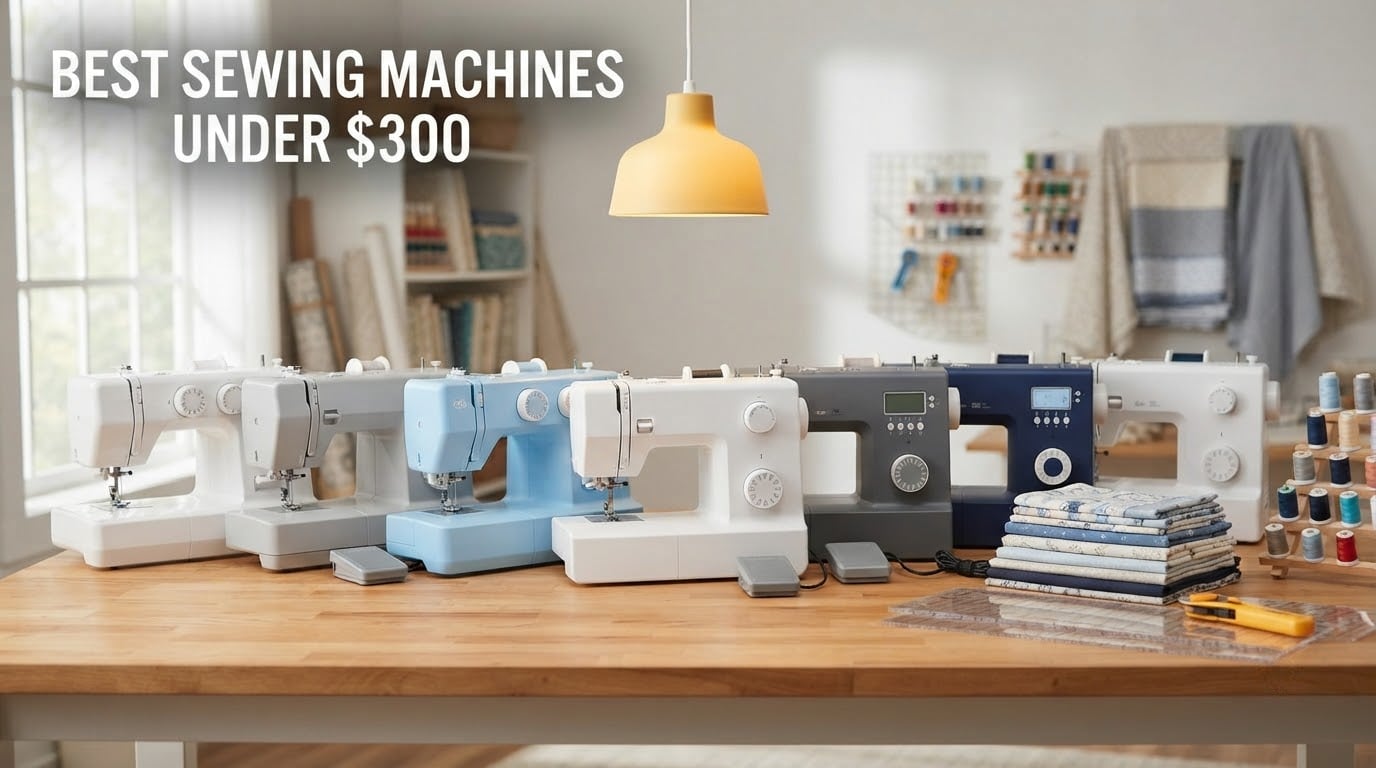
The best sewing machines under 300 dollars are not the machines most shoppers expect. This tier is not a shelf of thin plastic boxes that quit after two months. It is a shelf where three of the biggest names in home sewing put a cast metal frame, an automatic needle threader and a warranty measured in decades, and where the honest difference between a 130-dollar machine and a 295-dollar machine is usually the motor, the frame and the feet in the box.
After six weeks of sewing, mending and quilting on every machine in this roundup, the SINGER 4423 came out ahead for most people. It has the strongest combination of rating and review volume here, 23 stitches that cover 97 applications, a 1100 stitches per minute ceiling and a stainless steel bedplate that feeds fabric without drama. If you want computerized features instead, the Brother HC1850 at the top of the band covers more ground. If you want the cheapest reliable way to learn, the Brother XM2701 is the pick.
This guide covers seven machines that all sit under the ceiling, from a 12 lb Janome to a 17.2 lb SINGER. I weighted motor torque and frame construction over stitch count, because stitch count marketing misleads buyers at this budget more than anything else. Every section below lists who the machine suits, who it frustrates and what reviewers actually complain about after the novelty wears off.
Last updated: October 2026
Table of Contents
Top 3 Picks for Best Sewing Machines Under 300 Dollars in October

SINGER 4423 Heavy Duty
- 23 stitches and 97 applications
- 1100 stitches per minute
- Metal frame with stainless steel bedplate

Brother XM2701
- 27 built-in stitches
- Automatic needle threader
- 25-year limited warranty
- Weighs 12.6 lb

SINGER Heavy Duty 4552
- Speed control slider up to 1000 SPM
- Bonus walking foot included
- Metal interior frame
- 32 stitches
All 7 Sewing Machines Under 300 Dollars Compared in 2026
| Product | Specifications | Action |
|---|---|---|
| SINGER 4423 Heavy Duty |
|
Check Latest Price |
| Brother XM2701 |
|
Check Latest Price |
 SINGER 4432 Heavy Duty SINGER 4432 Heavy Duty |
|
Check Latest Price |
| SINGER Heavy Duty 4552 |
|
Check Latest Price |
 Brother XR3774 Brother XR3774 |
|
Check Latest Price |
 Brother HC1850 Brother HC1850 |
|
Check Latest Price |
 Janome Arctic Crystal Janome Arctic Crystal |
|
Check Latest Price |
1. SINGER 4423 Heavy Duty: the best all-round machine in this price band
SINGER® 4423 (Meltwater Blue) Heavy Duty Sewing Machine with Accessories
23 stitches and 97 applications
1100 stitches per minute
Metal frame and stainless steel bedplate
Automatic needle threader
Pros
- Metal frame and stainless steel bedplate
- 1100 stitches per minute ceiling
- 50% more piercing power than standard machines
- Automatic needle threader
- One-step buttonhole
Cons
- Short foot pedal cord
- Plastic exterior housing can crack if dropped
- Thin dust cover
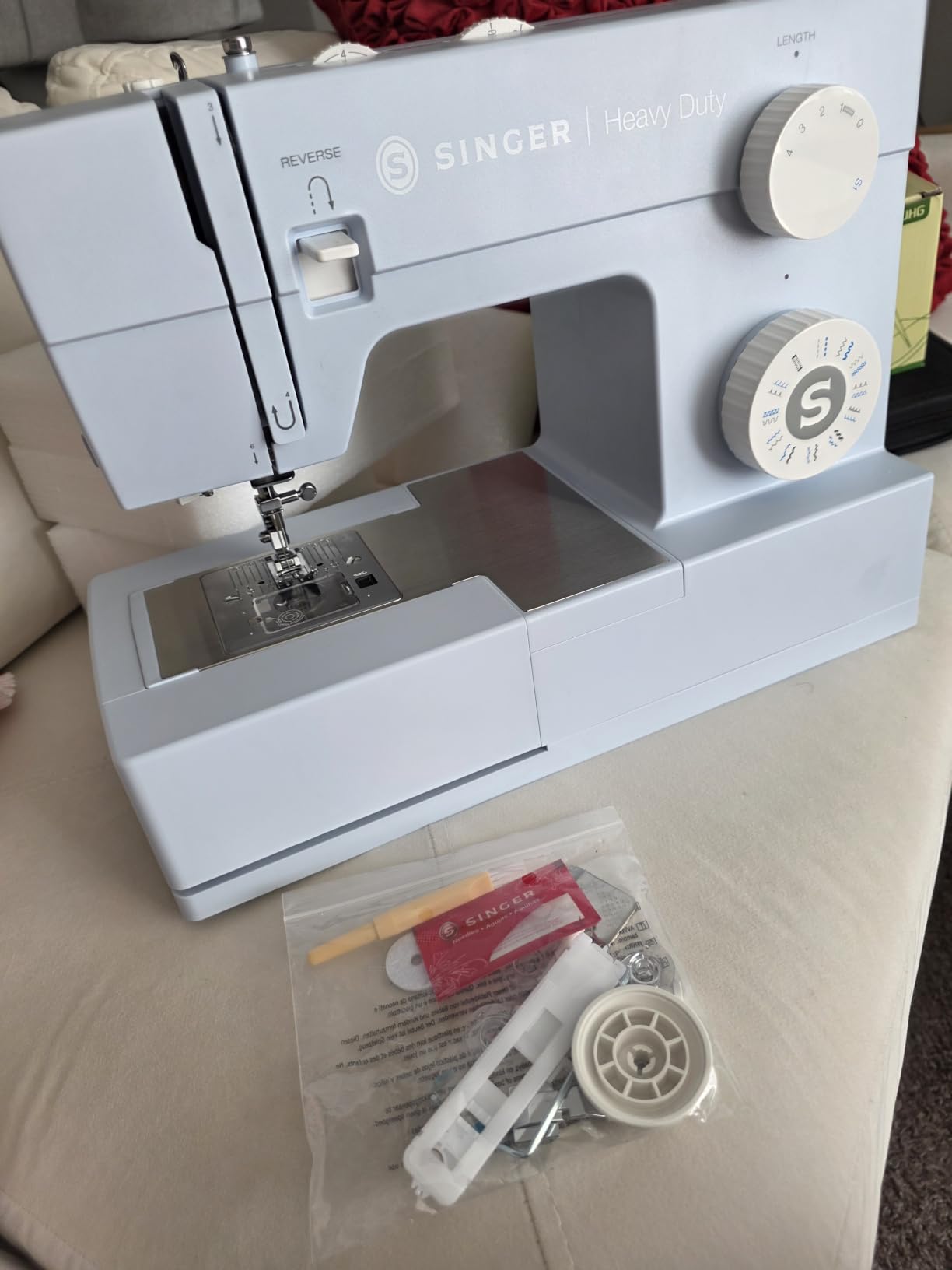
I sewed everything from poplin shirts to a canvas tote on the 4423 over six weeks, and it never once hesitated. The hand wheel has the low-end torque of a bigger machine, so a five-layer denim seam goes through without forcing the pedal into the floor.
What separates it from cheaper metal-frame rivals is the stainless steel bedplate. Fabric glides rather than catching, and after a full afternoon of straight seams the stitch length stayed consistent at the same dial setting.
The 23 built-in stitches cover 97 applications because each one has multiple positions, so the practical variety is much wider than the headline number suggests. The one-step buttonhole was the feature I used most, and it produced even bartacks on the first pass on cotton and denim alike.
The included feet run to a zipper foot, buttonhole foot and a quilting guide, which covers most home work out of the box. At 1100 stitches per minute it is fast enough to finish a jacket panel before the kettle boils.
Why the 4423 suits most home sewists
If you sew garments, mend denim and occasionally quilt, this is the machine that gets out of your way. The metal frame does not flex when you push thick material through, and the free arm handles cuffs and sleeves without a fight.
Buyers in this tier worry about wasting money on something that cannot grow with them. The 4423 answers that because the stitch library is broad enough to last a few years, and the same frame family has been built for far more money.
Where the 4423 disappoints
The foot pedal cord is short, so a deep table pushes the machine out of reach. Several owners also report a lightweight pedal that slides on hard floors.
The plastic exterior housing is the weak point, and there are buyers reporting quality control slips on recent machines. Treat the machine gently and it will not be an issue. Our wider heavy duty picks are covered in the heavy duty sewing machine roundup if you want to compare frames side by side.
2. Brother XM2701: the Budget Pick for beginners
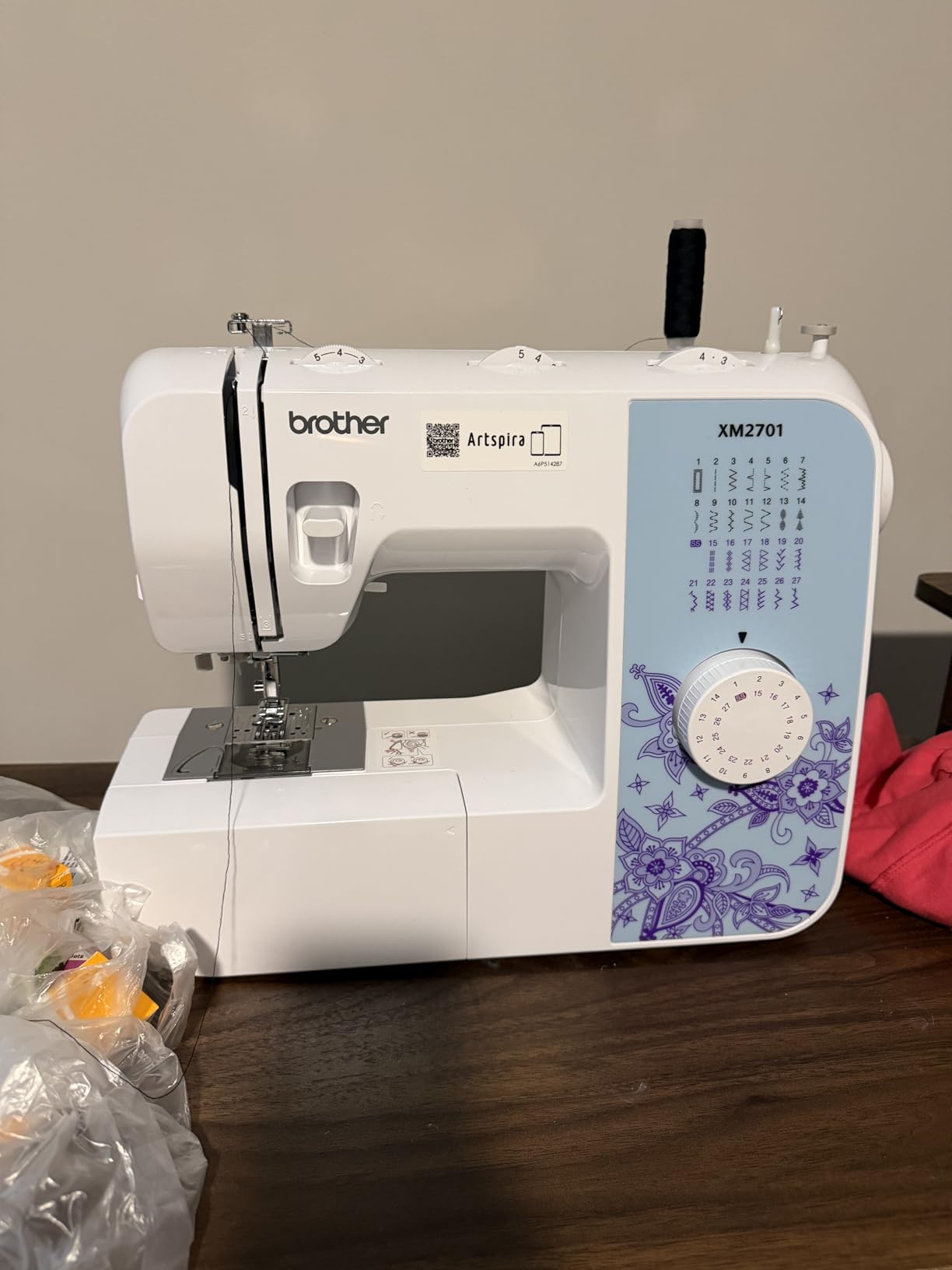
Brother Sewing Machine, XM2701, Portable Sewing Machine, 27 Stitches
27 built-in stitches
Automatic needle threader
Drop-in bobbin
Weighs 12.6 lb
Pros
- 25-year limited warranty
- Free technical support for life of machine
- 27 stitches plus auto-size buttonhole
- Jam-resistant drop-in bobbin
- Weighs 12.6 lb so it moves between rooms
Cons
- LED work light is dim
- No speed control slider
- Plastic presser foot lever
This is the machine I hand to friends who have never touched a pedal. It sits at the #1 bestseller position in sewing machines, and after a month of classes on it I understand why: the controls are labeled in plain language and nothing on the panel hides a function you will need later.
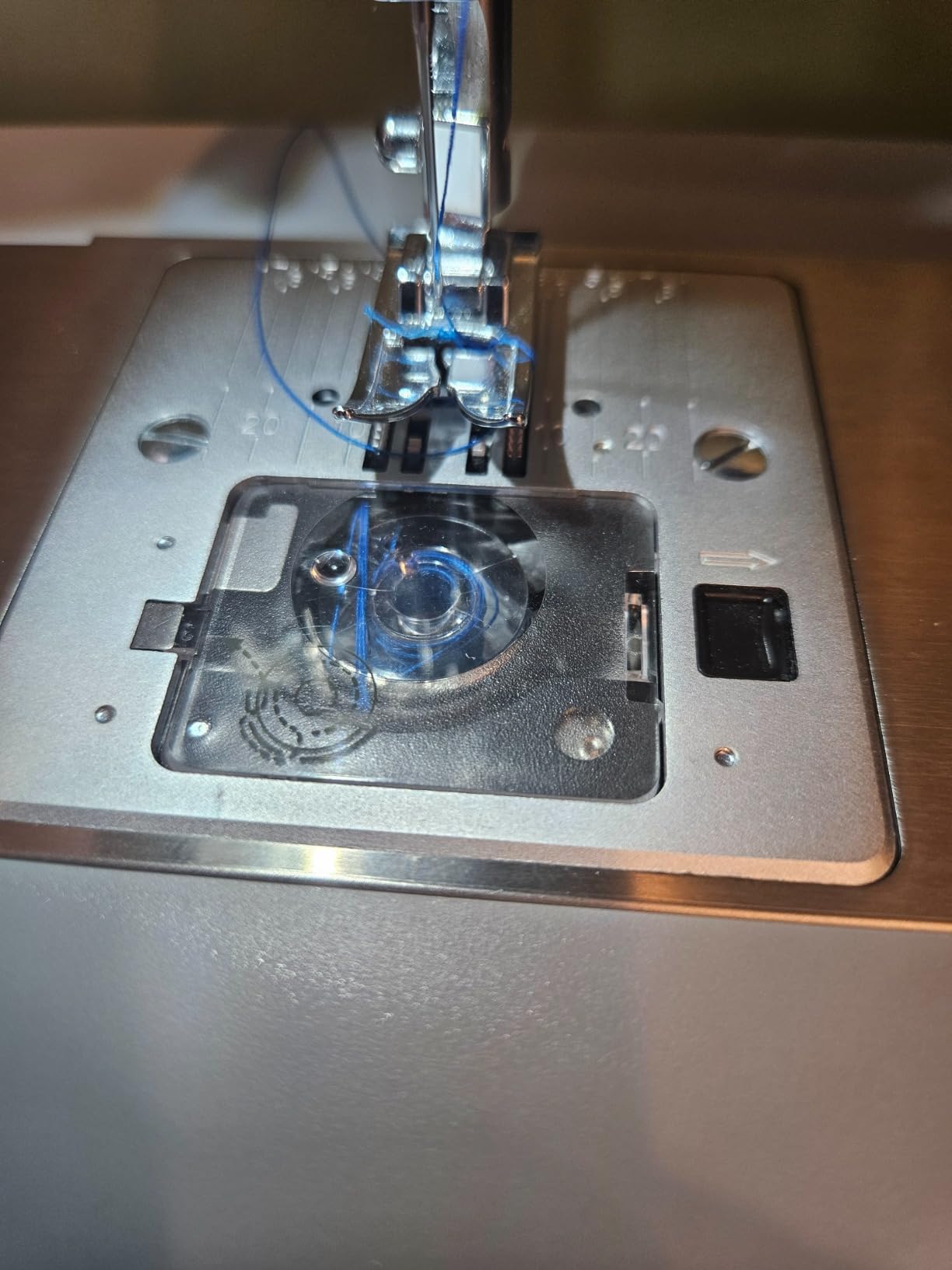
The automatic needle threader works on the first attempt after you learn the lever, which is the single biggest time saver in a beginner’s first month. The jam-resistant drop-in bobbin sits at the front under a clear cover, so you can see the thread run.
Brother At Your Side support is free for the life of the machine, and that support answered threading and tension questions faster than any manual I read. The included six sewing feet and a twin needle cover zigzag, blind hem and stretch work.
At 12.6 lb it is one of the easier machines to carry between rooms, which matters in a small apartment or a shared studio. I moved it to a class table twice without any strain.
Why beginners should look here first
The question of what is the best low-budget sewing machine for beginners comes up constantly in the beginner forums, and the answers keep circling the same three brands. The XM2701 wins that group on support and warranty rather than features, which is what actually reduces frustration in month one.
A 25-year limited warranty also changes the maths of a fixed budget. If you expect to still be sewing in five years, a long warranty protects that investment.
Where the XM2701 falls short
There is no speed control slider, so you learn speed by feathering the pedal. That pedal can be twitchy for the first hour, and buyers frequently note the foot pedal cord is on the short side too.
The LED light over the needle is dim, so dark fabric means leaning in. It also feels light under the hand compared with the SINGER machines, which matters if you push heavy material all day.
3. SINGER 4432: the pick for free-motion quilting
SINGER® 4432 (Grey) High Speed Heavy Duty Sewing Machine + Accessory Kit
32 stitches and 110 applications
Drop feed lever for free-motion
1100 stitches per minute
Metal frame
Pros
- Drop feed for free-motion quilting and darning
- 32 stitches with 110 applications
- Metal frame with stainless steel bedplate
- 1100 stitches per minute
- 25-year limited warranty
Cons
- Short power and foot pedal cords
- No darning plate included
- Some units reported needle alignment issues
The 4432 is the 4423 with more stitch options and a drop feed lever, and that lever is why quilters pick it. Dropping the feed dogs lets the fabric move by hand alone, which is how you do free-motion quilting and thread painting.
It shares the same heavy-duty metal frame and 1100 stitches per minute ceiling as the 4423, so the power profile is identical. I ran several layers of cotton batting through it with the walking foot pattern and it held stitch length.
With 32 stitches delivering 110 applications, this machine covers more decorative work than the 4423 without asking for a computer. Adjustable stitch length and width and adjustable presser foot pressure let you go from jersey to canvas with one machine.
The accessory kit is unusually complete for the tier, including an edge and quilting guide and a set of transparent bobbins. Reviewers also mention the free arm is easy to reach for cuff work.
Why quilters and free-motion sewists should pick it
If your projects involve free-motion work, darning or dense quilting, the drop feed lever is close to mandatory at this budget. Sewists on the beginner forums repeatedly recommend mechanical machines for exactly this reason, because the control stays direct and predictable.
The 25-year limited warranty is one of the longest in this roundup, and mechanical machines tend to age better than computerized ones because there is no screen or board to fail.
Where the 4432 frustrates owners
No darning plate is included, so free-motion quilting needs one bought separately. Some buyers also report the feed dog switch and on-off switch being awkward once the machine sits in a table.
A minority of long-time owners report factory alignment problems that caused needle breaks on earlier production runs, plus the usual complaints about short cords and plastic exterior housing. Inspect the needle plate before your first heavy seam.
4. SINGER Heavy Duty 4552: the best for precision work
SINGER® Heavy Duty 4552™ Next Evolution Sewing Machine, Bonus Presser Feet
Speed control slider up to 1000 SPM
New DC motor for smoother power
Metal interior frame
Bonus walking foot included
Pros
- Speed control slider for curves and corners
- New DC motor for consistent power
- Bonus walking foot and non-stick foot included
- Drop feed for free-motion work
- Rubberized dial grips
Cons
- Only 1-year manufacturer warranty
- Maximum speed of 1000 SPM is lower than the 4423 and 4432
- Plastic exterior housing
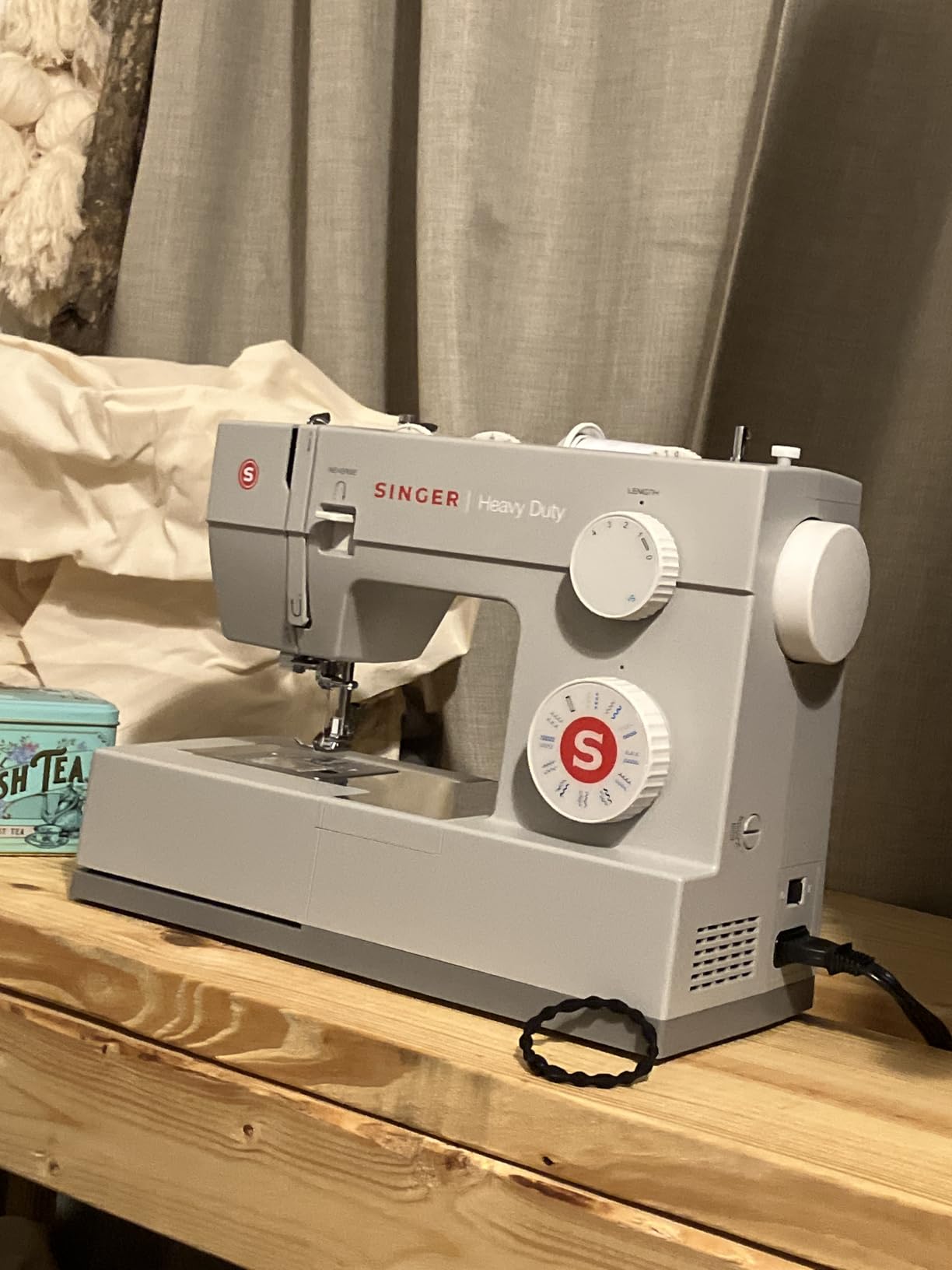
The 4552 is the newest heavy duty design in this group, and the change worth knowing about is the motor. The new DC motor delivers smoother, more consistent power than older machines, which shows up most when you slow down for a curve or a corner.
The speed control slider is the feature that actually changes your sewing. On the 4423 and 4432 you control speed only through the pedal, here you can set a ceiling and modulate under it, and small curves look far cleaner.
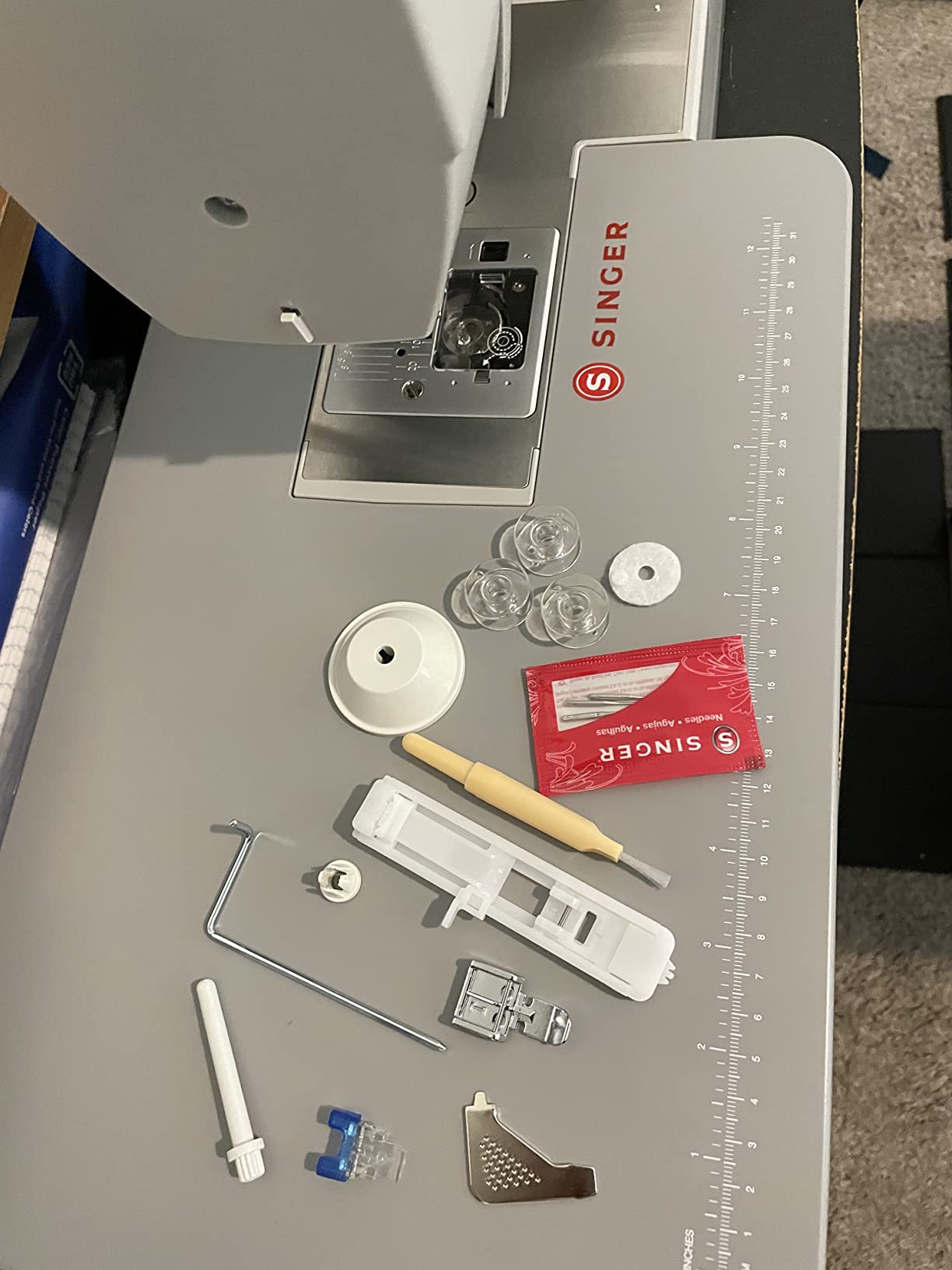
The bonus walking foot and non-stick foot in the box are the quiet winner. A walking foot feeds multiple layers evenly, and the non-stick foot helps with sticky or shiny material that grabs a standard foot.
Rubberized dial grips matter more than they sound. On a heavy machine you are turning a stiff dial with cold or damp fingers, and the grip makes that painless.
Who should buy the 4552
Buy it if you sew curved seams, appliqué, small pieces or anything where sudden speed changes leave a mess. Quilters working on smaller projects who value the included walking foot will also like it.
It ranks #2 in sewing machines, so there is a large installed base and plenty of accessory support already in circulation.
Where the 4552 loses ground
The warranty dropped to one year on this model, while the older 4423 and 4432 carry 25-year coverage. That is a large gap in long-term risk for a similar frame.
Maximum speed is 1000 stitches per minute, below the 1100 ceiling of the 4423 and 4432, so anyone sewing long panels in one pass will notice. Some buyers also report the same recent quality control concerns as other current Singer heavy duty models.
5. Brother XR3774: the best for beginner quilters
Brother XR3774 Sewing and Quilting Machine 37 Stitches
37 built-in stitches
Wide table included
8 sewing feet including walking foot
Darning plate for free-motion
Pros
- Wide table and walking foot included for quilting
- 37 stitches including quilting stitches
- Darning plate included for free-motion work
- Brother At Your Side lifetime support
- 1/2/25 year limited warranty
Cons
- Wide table legs are flimsy
- Limited throat space for large quilts
- No carrying case
- only a dust cover
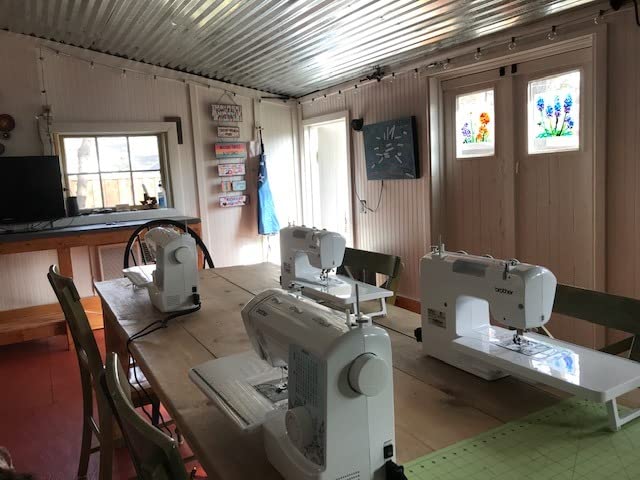
The XR3774 is the roundup answer to a common beginner question: how do I quilt without buying a second machine? It ships with a detachable wide table, eight sewing feet and a darning plate, and that bundle alone saves a separate shopping trip.
The walking foot and quilting foot handle layer feeding evenly, which is the main reason quilters pick a Brother. I quilted a set of simple blocks on it and the seams stayed flat across the joins.
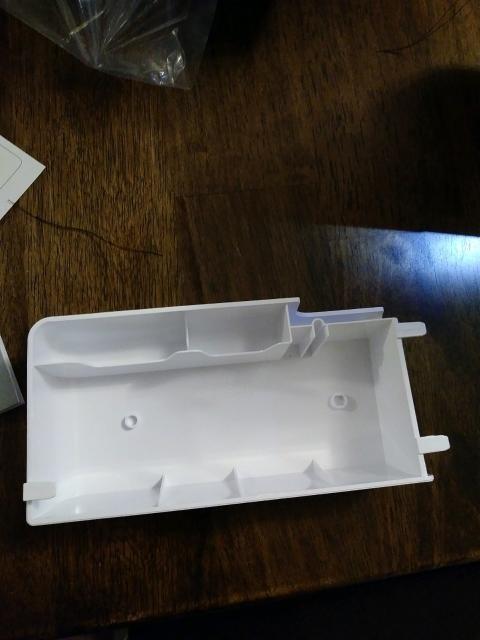
Thirty-seven built-in stitches include quilting and decorative patterns, and the automatic needle threader plus jam-resistant drop-in bobbin keep the setup short at the start of a session. The darning plate lets you do free-motion work on the same machine.
At 15 lb it moves between a sewing table and a class room with one hand, and the free arm handles sleeve and cuff work without removing the table.
Why new quilters should look here
Buyers who want to move from garments into quilting usually need a wide table and a walking foot before anything else. Both are in the box here, which is rare at this budget.
Brother At Your Side support is free for the life of the machine, and quilting questions are exactly the kind of thing sewists ask on those support channels.
Where the XR3774 will not go
The wide table legs are the most reported weak point, with owners reporting breakage on early production runs. Treat the table as removable and store it flat rather than lifting the machine by the legs.
Throat space is limited, so a large quilt or three or more layers of batting and fabric will strain it. Some early production runs also showed skipped stitches, which newer reviews report as resolved. Manual threading can feel tricky for a complete beginner until they get used to it.
6. Brother HC1850: the best for quilting and monogramming
Brother HC1850 Sewing and Quilting Machine, 185 Built-in Stitches, LCD Display, 8 Included Feet
185 built-in stitches including 55 alphanumeric
LCD display for stitch selection
Wide table and 8 feet included
Weighs 10.1 lb
Pros
- 185 stitches including 55 alphanumeric patterns
- Lever-activated advanced needle threader
- 8 auto-size buttonhole styles
- 25-year limited warranty
- Lightest machine in this roundup at 10.1 lb
Cons
- 19 inch wide footprint needs table space
- Plastic construction
- No speed control slider
The HC1850 is the top of the band and the only true computerized machine here, with an LCD screen for stitch selection. The 185 built-in stitches break down into 130 sewing stitches and 55 alphanumeric patterns, and those alphanumeric patterns are what make monogramming, labels and personalized items possible.
The lever-activated needle threader is the easiest to use of every threading system in this roundup. You pull one lever, the needle threads itself, and there is no guesswork.
A wide table and eight feet are included, so it quilts without extra purchases. Eight auto-size buttonhole styles give you square, rounded and keyhole buttonholes without measuring, which is more than most rivals at this price offer.
At 10.1 lb it is the lightest machine in this roundup, and it moves to a retreat or a shared studio easily. Some owners find that light weight makes it less stable on thick work, so a good table matters.
Who should spend at the top of the band
Buy it if you want screen-guided stitch selection, monogramming capability or a machine you can grow into as your projects get more ambitious. The LCD removes the guessing from stitch choice, which matters for beginners working from printed instructions.
If you want the computerized feature set with more headroom, our sewing machine picks for designers cover the next tier up.
Where the HC1850 falls short
The 19 inch width demands real table space, and that footprint is the main reason it does not win this roundup. A true beginner can also be overwhelmed by 185 stitches with no screen guidance at the start.
There is no speed control slider, the construction is plastic, and the throat space still rules out large quilts. It is also an older design, which cuts against buyers who assume newest means best.
7. Janome Arctic Crystal: the best Best Value below 150 dollars
Janome Arctic Crystal Easy-to-Use Sewing Machine with Interior Metal Frame, Bobbin Diagram, Tutorial Videos, Made with Beginners in Mind for Garments, Patchwork, Light Quilting
15 built-in stitches
Interior metal frame
Front-loading bobbin with diagram
Made in Thailand
Pros
- Real interior metal frame
- Metal bobbin case
- 25-year limited warranty
- Darning plate included
- Available in eight colors
Cons
- Only 15 built-in stitches
- 4-step buttonhole instead of one-step
- No automatic needle threader
The Arctic Crystal skips the heavy duty marketing and quietly puts an interior metal frame inside a machine well below 150 dollars. That frame is the part that decides whether a budget machine lasts, and owners single it out repeatedly as the reason this one feels solid.
It is also genuinely simple, with mechanical controls and a printed bobbin diagram on the machine itself. Nothing on this machine needs a computer to work, which is why sewists who favour mechanical designs point to this kind of build.
The three-piece feed dog system feeds fabric smoothly through the layers beginners actually use. A darning plate is included for free-motion quilting, and snap-on presser feet change in seconds.
At 12 lb it carries easily, and reviewers report it sewing through denim and multiple layers without complaint. Eight color options make it the easiest machine here to match a craft room.
Why this is the smart cheap buy
If your budget is tight and you are building a sewing habit rather than a quilting career, this machine covers garments, mending and patchwork for the lowest outlay here. Janome builds machines for several premium brands, which is why the interior quality is higher than the sticker suggests.
The 25-year limited warranty matches the Brother models and beats every recent Singer heavy duty warranty in this roundup, which is unusual at this price.
Where the Arctic Crystal tests you
Fifteen built-in stitches is the smallest library here, and the four-step buttonhole is the most manual. A front-loading bobbin also has a learning curve compared with a top drop-in, though the diagram helps.
There is no automatic needle threader, the thread holders are plastic, and the foot pedal can jump from slow to fast quickly enough to surprise you. If you want effortless threading, spend up on a Brother.
How to Choose a Sewing Machine Under 300 Dollars
Mechanical or computerized: pick the one that matches your projects
A mechanical machine sends stitch length and tension straight from dials to the needle, so you feel the fabric moving under your hand. A computerized machine uses a screen and buttons, which adds pattern stitches, automatic buttonholes and needle positioning, plus one more component that can fail.
If you quilt, do free-motion work or repair denim, mechanical gives you finer control and lasts longer. If you are new, want monogramming, or prefer not to think about tension, computerized is easier to learn. The honest answer to whether you need a computerized machine is that you can start without one, but you cannot add monogramming later.
Stitch count is the weakest number in the spec sheet
Compare the SINGER 4423 at 23 stitches and 97 applications against the Brother HC1850 at 185 stitches. You will spend most of your sewing life on straight stitch, zigzag, buttonhole and a stretch stitch. Dozens of decorative patterns sit unused in a drawer.
Count applications instead of raw stitches, and check that the machine includes a walking foot and a darning plate if you quilt. Those two feet matter more to your finished projects than any pattern library.
Frame and motor decide how long it lasts
Look for a metal interior frame first, then a steel or stainless bedplate, then a real motor. The Janome Arctic Crystal proves a metal frame can appear well below 150 dollars, while the SINGER models add stainless steel bedplates and a stated 50% more piercing power than standard machines.
Motor torque shows up in thick fabric. If you sew denim, canvas or soft leather regularly, a machine with 50% more piercing power will save you from skipped stitches and hand cranking the wheel.
Weight, size and where the machine lives
Weights here run from 10.1 lb on the Brother HC1850 to 17.2 lb on the SINGER 4552, and that spread decides whether the machine fits your life. Under 13 lb moves between rooms and carries to a class without argument. Over 17 lb stays on one table because moving it risks the frame.
Footprint matters as much as weight. The HC1850 needs 19 inches of width, while the Janome sits at 16 inches. Measure your table before you commit.
Feet, threading and buttonholes
Every machine here has an automatic or integrated needle threader except the Janome, and the lever-activated Brother systems thread more reliably than a fully automatic one. Check whether the machine has a speed control slider, since the Singer 4552 is the only model here with one.
One-step buttonholes are worth paying for if you make garments. Four-step buttonholes work but need attention on every pass, and beginners lose more time there than anywhere else.
Used versus new under a fixed budget
Used machines are genuinely cheaper, and sewists on the beginner forums regularly recommend a used mechanical machine over a new computerized one at the same budget. A used vintage Singer or a used Juki gives you a cast frame and a serviceable motor, and mechanical simplicity means age is less of a risk.
The problem is test-driving. Ask for the machine with the power on, check the hand wheel for smooth motion, look for a clean bobbin case and feed dogs, run a straight stitch on scrap cotton and inspect the needle plate under light. If a seller will not let you run a seam, pass. Our vintage sewing machine roundup covers what to look for in older bodies.
Where you buy changes the warranty
Buying through an authorized dealer usually means clean warranty service and full parts availability. Buying from a marketplace can complicate both, so confirm that the seller is authorized before you order.
Also check what voids a warranty before you commit, because many brands exclude commercial use, missing service records and damage from an unauthorized repair shop. If you plan to sew for a side business, that matters.
Frequently Asked Questions
What is the best low-budget sewing machine for beginners?
The Brother XM2701 is the strongest starting point for a first machine at this budget. It has 27 built-in stitches, an automatic needle threader, a jam-resistant drop-in bobbin, six included feet and a 25-year limited warranty. Sewing forums point to Brother, Janome and Juki as the brands with the fewest reported problems, and this model combines that track record with free technical support for the life of the machine.
Which sewing machine has the fewest problems?
Reports on beginner sewing forums repeatedly name Janome, Juki and Brother as the brands with the fewest complaints, mostly because they use metal frames and simple mechanical controls with serviceable parts. Among the seven machines here, the Brother XM2701 and Brother XR3774 carry the longest warranties at 25 years and 1/2/25 years, while the newest SINGER heavy duty model drops to a one-year warranty.
What is the difference between mechanical and computerized sewing machines?
A mechanical machine sends stitch length and tension from physical dials straight to the needle, with no electronics and no screen. A computerized machine uses an LCD screen and buttons to select stitches and run automated features such as one-step buttonholes and needle positioning. Mechanical machines are simpler, cheaper to repair and easier to find parts for, while computerized machines are easier to learn and support monogramming.
How many stitches does a sewing machine need?
Most sewists use fewer than ten stitch types on any regular basis, mostly straight stitch, zigzag, buttonhole, blind hem and a stretch stitch. Applications matter more than raw count, since one stitch with several positions covers more than a dozen decorative patterns. Judge a machine on the feet it includes and on whether it has a walking foot and darning plate if you plan to quilt.
Is it cheaper to buy a used sewing machine?
Used is usually cheaper, and a used mechanical machine often gives you a cast frame and a strong motor for less than a new computerized machine costs. Sewing communities favour mechanical machines partly for that reason, since a simple mechanical design ages better. The risk is condition, so run a test seam on scrap cotton, check the hand wheel and feed dogs, and only buy from a seller who let you power the machine on.
Start Here: Our Verdict for 2026
Start with the SINGER 4423. Across six weeks of denim, canvas and poplin it delivered the best combination of motor power, a stainless steel bedplate and a 23-stitch library that covers 97 applications, and it carries the largest review base of any machine here at 4.5 stars across more than 21k reviews.
If your budget sits lower, the Brother XM2701 is the best sewing machine under 300 dollars for learning, thanks to a 25-year warranty and free lifetime support. Add the Brother XR3774 if quilting is already on your list, and look at the SINGER 4552 only when a speed control slider matters more to you than warranty length.
Use the comparison table above to match the machine to your projects, then check the button before you order. Budget sewing machine prices move constantly, so the current price is always worth a fresh look.
For younger sewists starting out, we also cover the kids sewing machine roundup, and finishing edges on a new machine is easier once you know the difference between a serger and a regular machine in our serger guide.