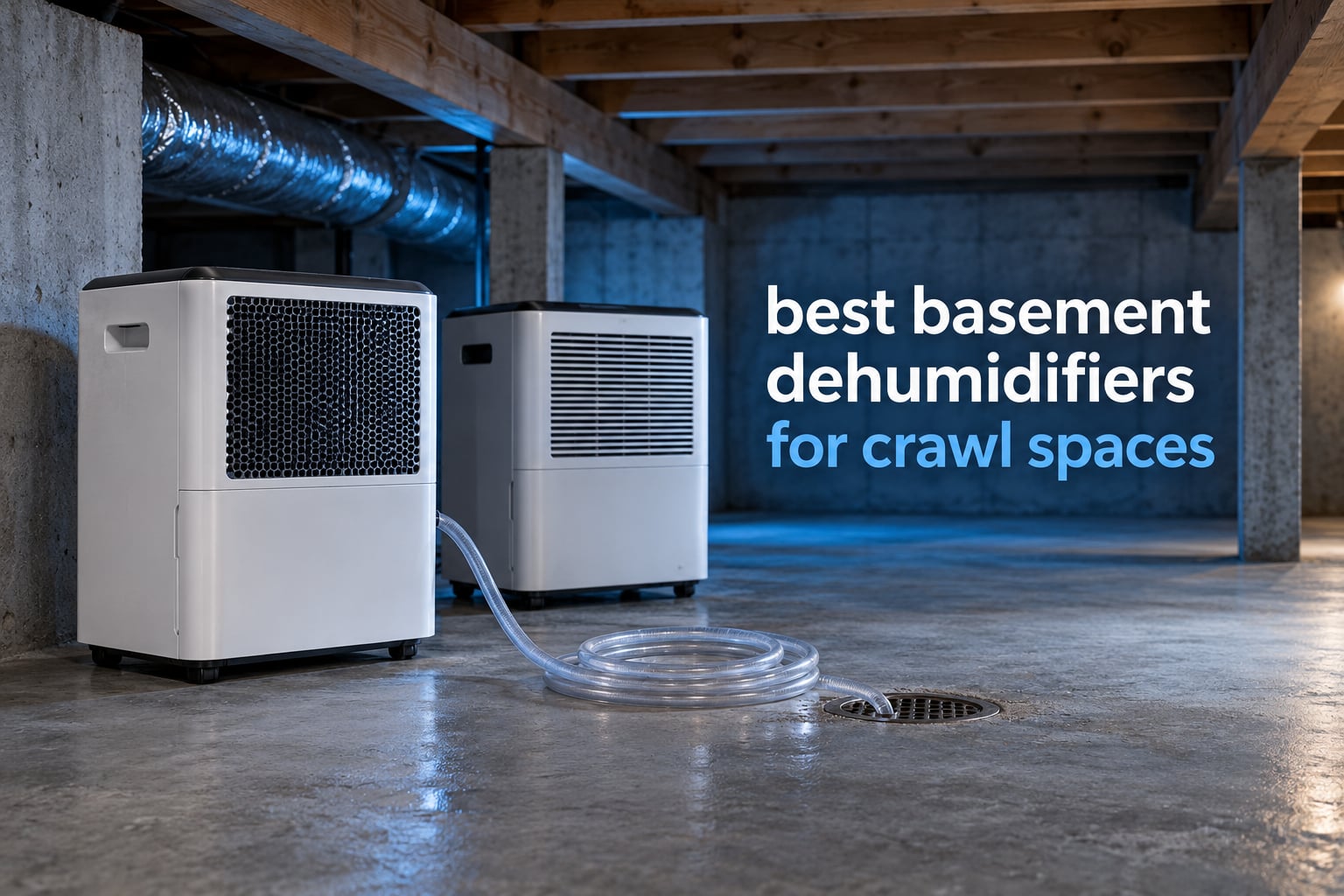
A crawl space is the least forgiving room in your house. It is unheated, it sits on dirt or concrete, and it can hold enough moisture to rot the floor framing that carries everything above it. Choosing from the best basement dehumidifiers for crawl spaces is mostly a matter of three things: does the machine physically fit under the joists, can it get the water out, and can it keep running in cold air without icing up.
We went through the current crop of crawl space units and sorted them by those constraints rather than by the big number printed on the box. That number is a saturation capacity, measured at 95 degrees and 90 percent relative humidity, and it is roughly double what the machine will actually pull out of a cool, damp crawl space. The AHAM figure, when a manufacturer publishes it, is the honest one. Several of the picks below list it clearly; others do not, and we note that every time it matters.
If you are still deciding whether this is a basement job or a crawl space job, our basement dehumidifier roundup covers finished and partially finished spaces. The crawl space picks below are built differently: lower profiles, continuous drainage, and defrost cycles. Our general dehumidifier guide covers portable consumer units if you want a single room handled instead.
Table of Contents
Top 3 Best Basement Dehumidifiers for Crawl Spaces in October

ALORAIR Sentinel HD55
- 53 PPD at AHAM
- 113 at saturation
- 1200 sq. ft.
- 13.3 inch tall
- tankless gravity drain
- auto defrost

Aiusevo 130 Pint
- Built-in pump with 16.4 ft hose
- 6.6 ft gravity hose
- 265 CFM
- 6-inch ductable outlet
- touchscreen panel

Waykar 70 Pint Energy Star
- 265 watt ENERGY STAR draw
- 10-90 percent RH control
- pump and gravity hoses
- 13.15 inch tall
All 10 Crawl Space Dehumidifiers Side by Side in 2026
| Product | Specifications | Action |
|---|---|---|
| ALORAIR Sentinel HD55 |
|
Check Latest Price |
| Aiusevo 130 Pint |
|
Check Latest Price |
| Waykar 70 Pint Energy Star |
|
Check Latest Price |
 ALORAIR 70 PPD Sentinel HD35P ALORAIR 70 PPD Sentinel HD35P |
|
Check Latest Price |
 Moiswell Defender M145 Moiswell Defender M145 |
|
Check Latest Price |
 Yaufey 70 Pint Yaufey 70 Pint |
|
Check Latest Price |
 AprilAire E070 Pro AprilAire E070 Pro |
|
Check Latest Price |
 BaseAire 113 Pint AirWerx BaseAire 113 Pint AirWerx |
|
Check Latest Price |
 Waykar 158 Pint Dual Duct Waykar 158 Pint Dual Duct |
|
Check Latest Price |
 Abestorm 70 PPD Guardian SN35P Abestorm 70 PPD Guardian SN35P |
|
Check Latest Price |
What Type of Dehumidifier Is Best for a Crawl Space?
A commercial-grade, low-profile, continuous-duty unit with automatic defrost and continuous drainage is the right type for a crawl space. The three features that separate a crawl space dehumidifier from a room unit are a body short enough to slide under low floor joists, a drain that runs continuously so nobody has to carry a bucket into a crawl space, and defrost logic that protects the evaporator coil in unheated air.
Room-style consumer dehumidifiers fail on the first two criteria. Household owners on HVAC forums describe consumer-grade models giving out in crawl spaces well before their expected life, and the recurring recommendation is to move up to a commercial chassis. Our commercial dehumidifier guide for water damage covers that class in more detail if you are restoring a space after flooding.
What a crawl space dehumidifier actually does, in plain terms: it pulls humid air across a chilled evaporator coil, condenses water out of that air, and moves the water out through a hose while a humidistat cycles the compressor to hold your set relative humidity. That is a mechanical process, not an air cleaner, and it does nothing to remove mold already growing on wood.
On a small, relatively dry space, a small dehumidifier can handle the job. Once you are past roughly 1,200 square feet, or you have active seepage, the math changes fast.
1. ALORAIR Sentinel HD55 – 53 PPD at AHAM with a Tankless Gravity Drain
ALORAIR 113 Pints Crawlspace Dehumidifier for Commercial, Sentinel HD55
53 PPD at AHAM
113 PPD at saturation
1200 sq. ft.
13.3 in tall
460 W
Pros
- Only pick here with a published AHAM figure and a large review base
- Tankless continuous gravity drain
- Compact 19.2 in deep metal body
- Auto defrost with temperature sensors
- 1200 sq. ft. rated coverage
Cons
- Persistent hum in enclosed spaces
- Evaporator can ice over and block the filter
- Refrigeration failures reported around the two-year mark
This is the unit we would install first in most crawl spaces. The Sentinel HD55 is one of the few machines in the group that states its real capacity plainly: 53 pints per day at AHAM conditions, and 113 pints per day at saturation. The second number is what gets printed on the box. The first is what a cool, damp crawl space will actually produce.
At 13.3 inches tall, 12.2 inches wide, and 19.2 inches deep, it clears most standard joist bays and passes through a typical crawl space access door without disassembly. The all-metal casing and integrated handle are sensible choices for a space with gravel, dust, and footing concrete, and the listed weight of 41.7 pounds is manageable for a two-person lift.
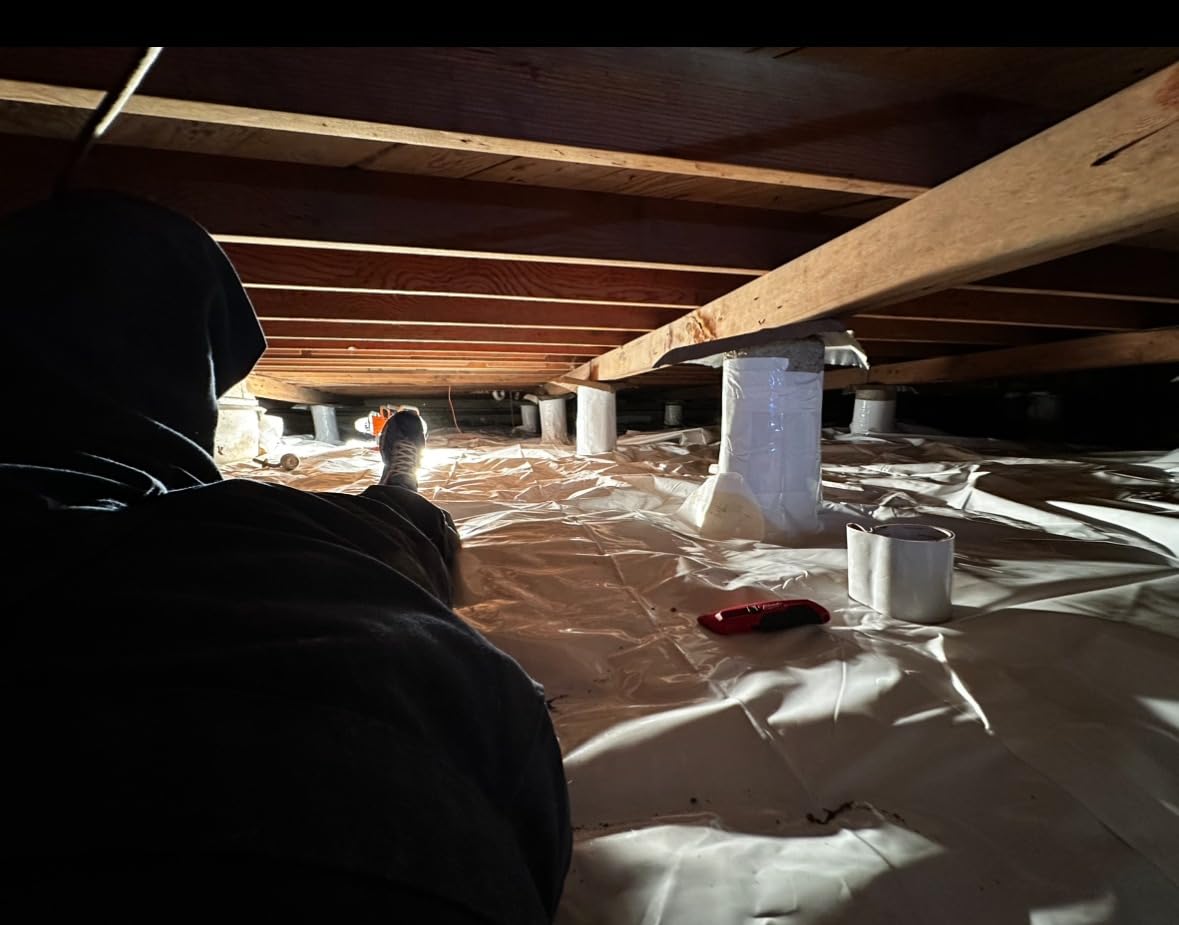
Operation is continuous with a gravity drain, so there is no tank to empty and no pump to fail. There is a 14.12-gallon reservoir listed in the product details, but the drainage design is what matters in a crawl space. Automatic defrost uses built-in temperature sensors to protect the coil, and a MERV-1 filter keeps dust off the internal components.
The warranty is unusual in this category: one year parts and labor, three years on the refrigeration system, and five years on refrigeration parts. Reviewers commonly describe the durability as the weak point, though, with several accounts of evaporator icing and refrigeration failures around the two-year mark in continuous service.
What the 53-pint AHAM number means in practice
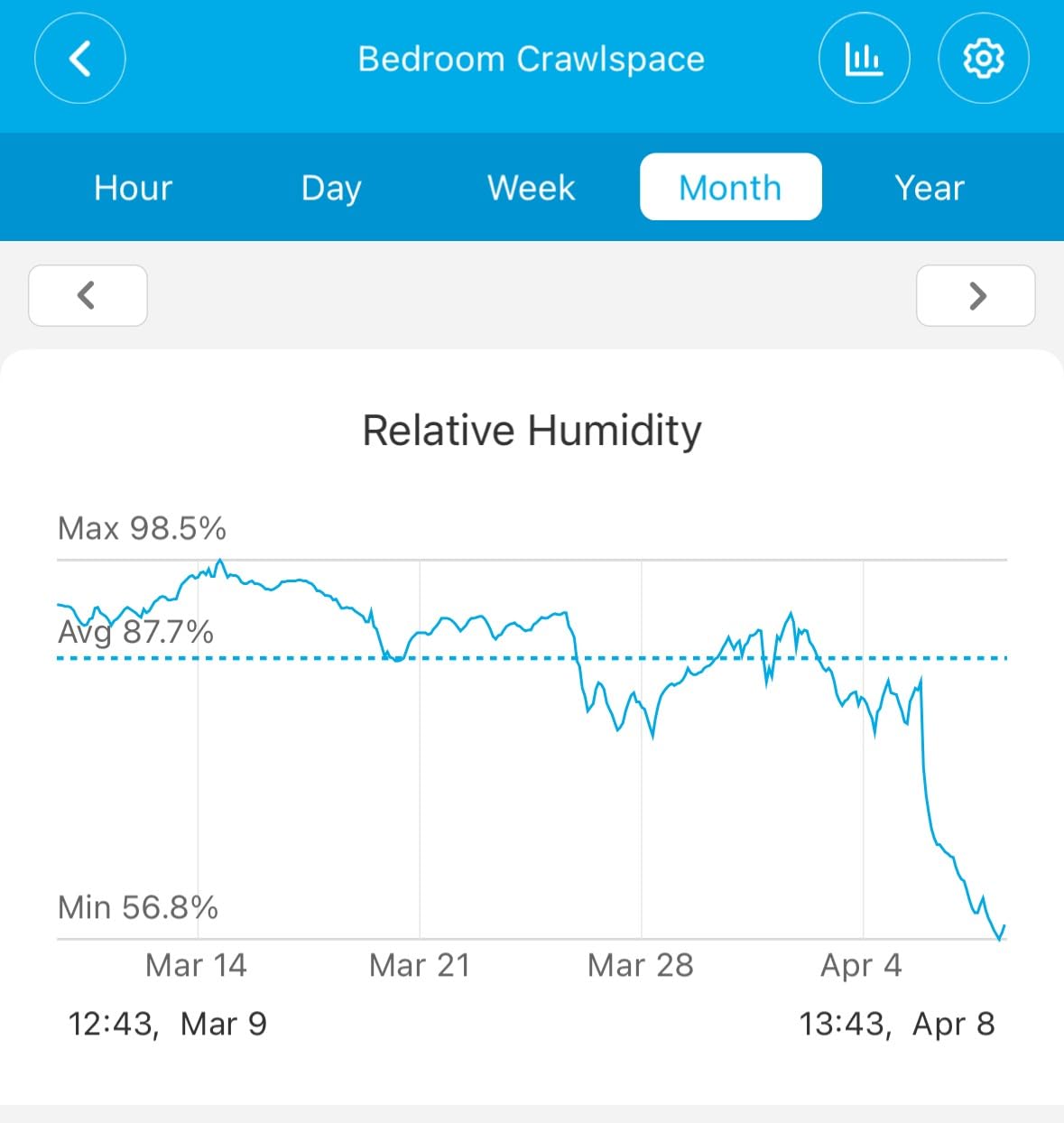
The 113-pint headline is measured at 95 degrees and 90 percent RH, conditions your crawl space may never see. At 53 pints per day at AHAM, this unit keeps a 1,200 square foot space in the moderate-to-damp range indefinitely, which is the workload a crawl space dehumidifier actually has.
If your space is larger than about 1,200 square feet, or you have groundwater coming in, look at the 55 PPD at AHAM from the BaseAire or a larger 70 PPD at AHAM machine rather than stepping up a size here.
Where this model is the wrong choice
Choose something else if you need to lift water upward, since this drains by gravity only and the remote control is a separate purchase. It is also the wrong fit for an unvented space under 13 inches of clearance, where the 11.4-inch ALORAIR Sentinel HD35P is the better body.
Buy a different model if noise matters, which it does when the crawl space sits under a bedroom, because owners consistently report a steady hum. And if you are buying for a ten-year service life rather than a two-year one, the warranty terms on this unit are not the strongest in the group.
2. Aiusevo 130 Pint – Pump and Gravity Hoses in One Box
125Pints Crawl Space Dehumidifier with Pump and Drain Hose up to 6500 Sq.Ft
130 PPD at 95F and 90 percent RH
265 CFM
Built-in pump, 16.4 ft hose
6-inch duct outlet
Pros
- Pump and gravity hoses both included
- Dual drainage routing for low spots or floor drains
- 265 CFM airflow moves a lot of air
- 6-inch ductable outlet for HVAC tie-in
- Auto restart and auto defrost for unattended running
Cons
- 17.5 inch height will not fit shallow joist bays
- Panel settings reset after a power cycle
- Real-world removal may fall short of the saturation figure
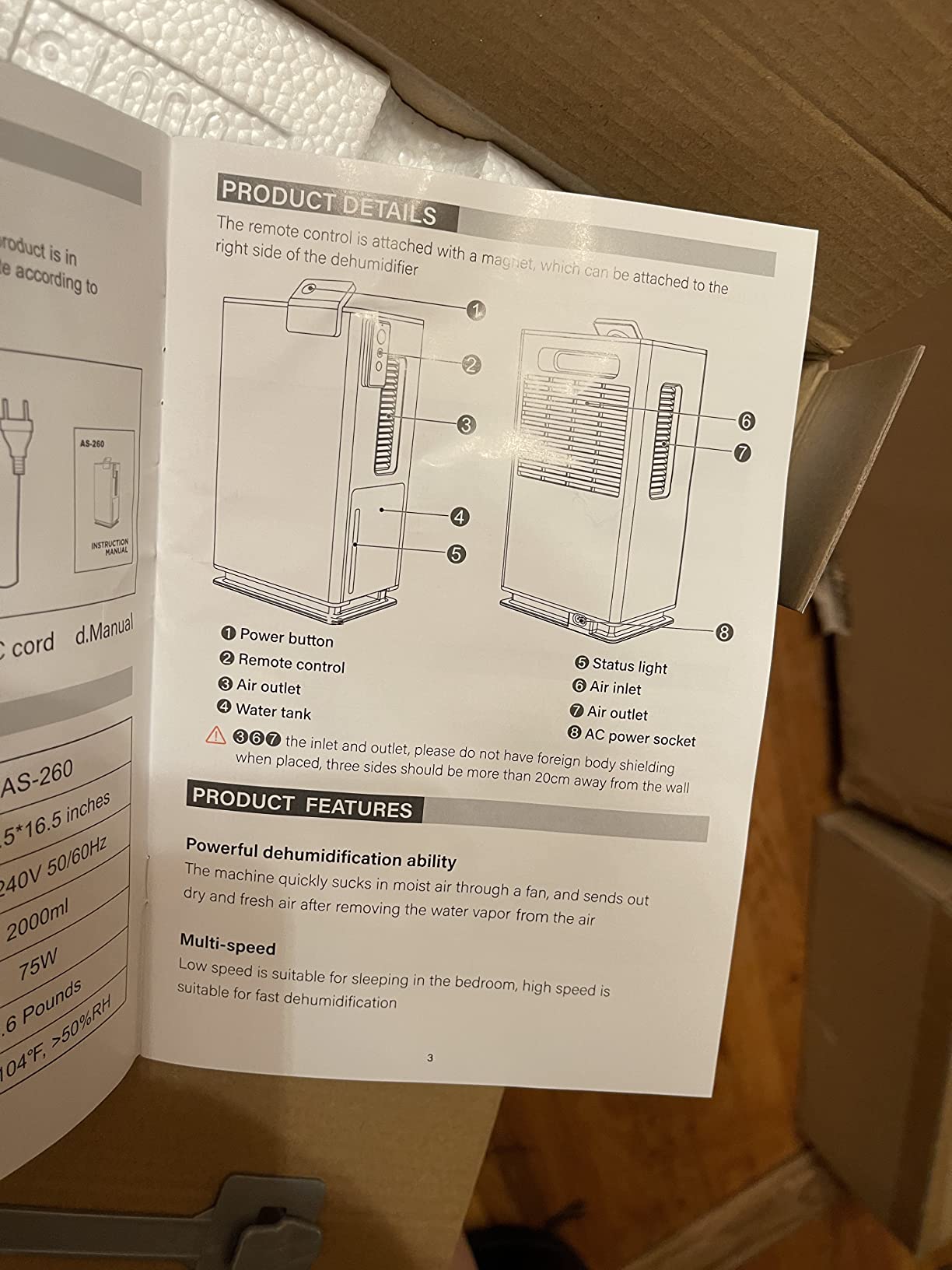
This machine solves the drainage problem better than anything else in the group because it ships with both drainage paths. The built-in condensate pump pushes water up through the included 16.4 foot hose, and a separate 6.6 foot gravity line handles the case where you have a floor drain within reach.
That flexibility matters in a crawl space because gravity drainage runs out of distance fast. Owners on home improvement forums describe pairing a pump with a long hose as the approach that actually works in low spots, and this unit makes that the default configuration rather than an add-on.
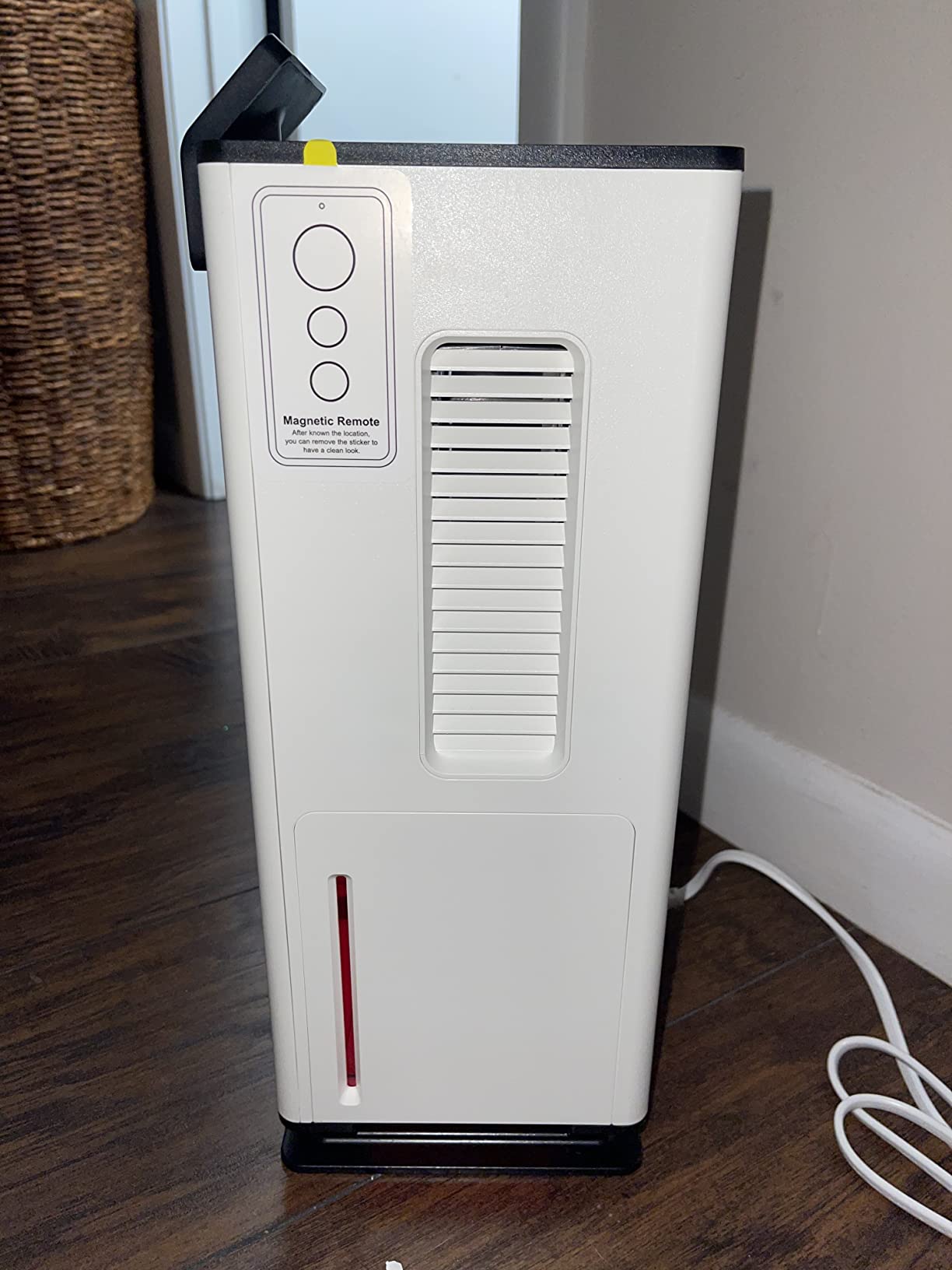
The 265 CFM airflow figure is the highest in this group alongside the Moiswell, and the listing rates coverage up to 6,500 square feet. Airflow is what keeps humidity uniform across a space with joist bays and dead corners where a lower-flow machine leaves damp pockets. The 6-inch ductable outlet also means this can feed a forced-air distribution run if your crawl space serves the whole house.
The touchscreen panel shows humidity, timer, and temperature, with error codes for troubleshooting. Two drawbacks show up repeatedly in the reviews: settings are not retained after the unit power cycles, and several owners question whether real-world moisture removal matches the 130-pint saturation claim. The listing does not publish an AHAM figure, so treat the headline number as a saturation figure.
How the dual drainage setup changes installation
Run the pump line when there is no drain below the unit or when the nearest outlet is uphill. Run the gravity line into a sump or floor drain when one is within hose length and downhill. Having both hoses in the box means you do not have to buy a line before you can start the install.
For sizing, treat this as a large-space machine. The 265 CFM airflow and the pump make it a sensible match for a crawl space of 1,500 square feet or more, or a wet space that needs a serious pull-down after rain.
Where this model is the wrong choice
Skip it if your clearance is under about 18 inches. At 17.5 inches tall and 17.8 inches wide, it is the second-largest body here, and physical fit is the most common reason a crawl space dehumidifier gets returned.
Also look elsewhere if you need a proven ten-year track record. The warranty is listed at 2 years, which is the shortest in this group, and the brand has a limited field history compared with the established names.
3. Waykar 70 Pint Energy Star – The 265-Watt Option for Continuous Duty
Waykar 70 Pint Energy Star Crawl Space Dehumidifier with Pump & Drain Hose for Basements, Commercial & Water Damage Spaces up to 5000 Sq. Ft., Compact, Strong Dehumidification, 5-Year Quality Coverage
70 PPD at 95F and 90 percent RH
265 W ENERGY STAR
Pump lift to 16.4 ft
10-90 percent RH range
Pros
- ENERGY STAR certified for 24/7 running
- Lowest wattage in this group at 265 W
- 10-90 percent RH set point is wider than typical
- 13.15 inch body fits low clearance
- Five-year compressor coverage
Cons
- Owners describe it as industrial loud
- Error codes require a manual power cycle
- Remote control sold separately
Electricity is the line item that decides whether a crawl space dehumidifier is a reasonable ongoing expense, because the machine runs near-continuously. At 265 watts, this Waykar draws roughly 6.4 kilowatt-hours a day at full duty, and its ENERGY STAR certification is the main reason it lands on this list despite a middling 4.2 rating.
The humidity control range of 10 to 90 percent RH is unusually wide. Most residential units stop at 30 percent, which is fine in a basement but restrictive in a crawl space where you may want a tighter set point in a sealed space and a looser one when drying out after rain.
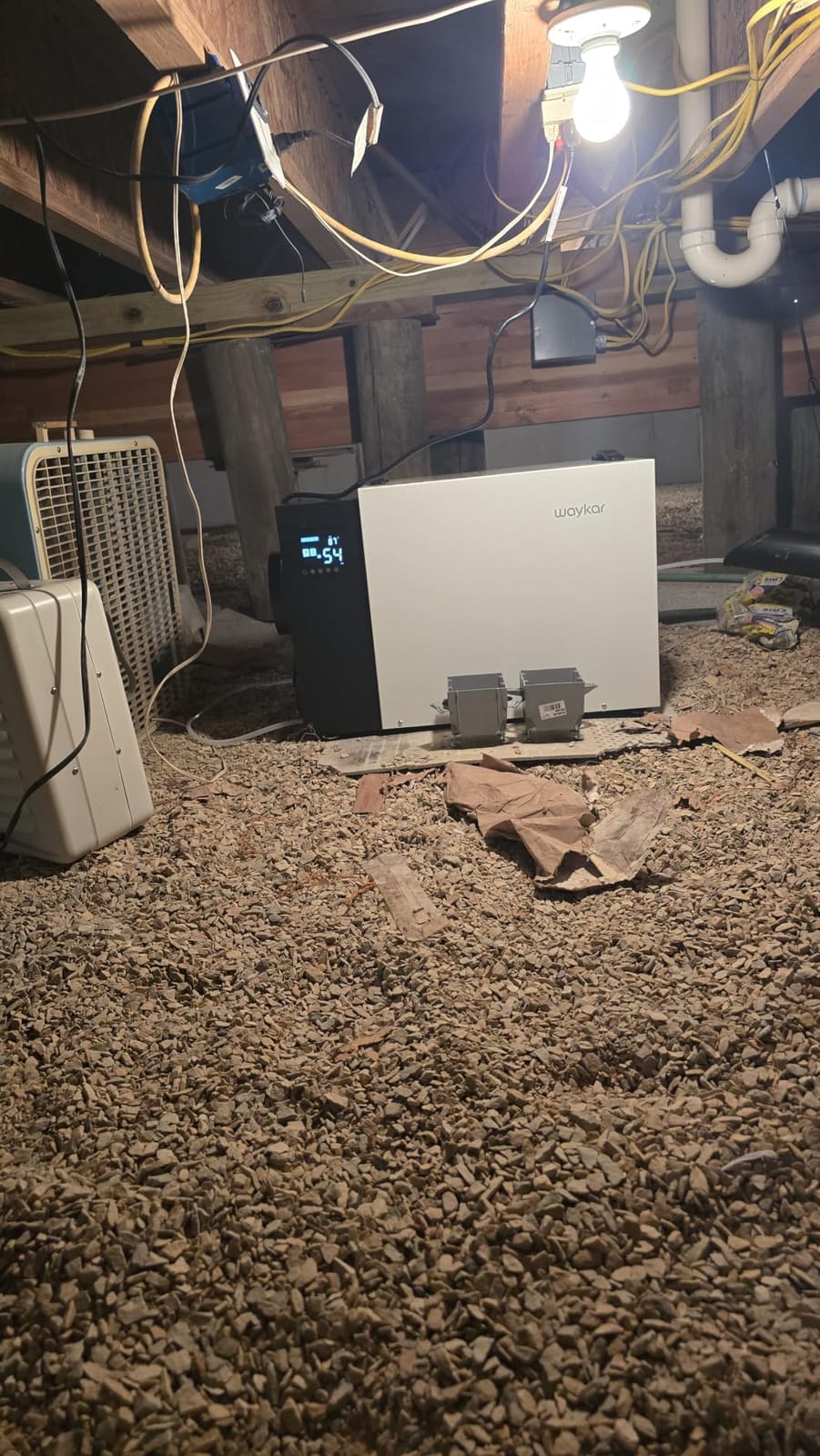
The built-in pump lifts water up to 16.4 feet vertically and the 16.4 foot pump hose is included, along with a 6.6 foot straight gravity hose. At 13.15 inches tall and 13.58 inches wide, the body fits under low joists, and adjustable feet are listed as reducing noise and vibration.
Warranty terms are 1 year full, an additional year with registration, 5 years on the compressor, and lifetime technical support. Noise is the consistent complaint, with several owners rating it very loud. Owners in genuinely wet spaces and flooded basements credit the pump with holding set humidity without intervention.
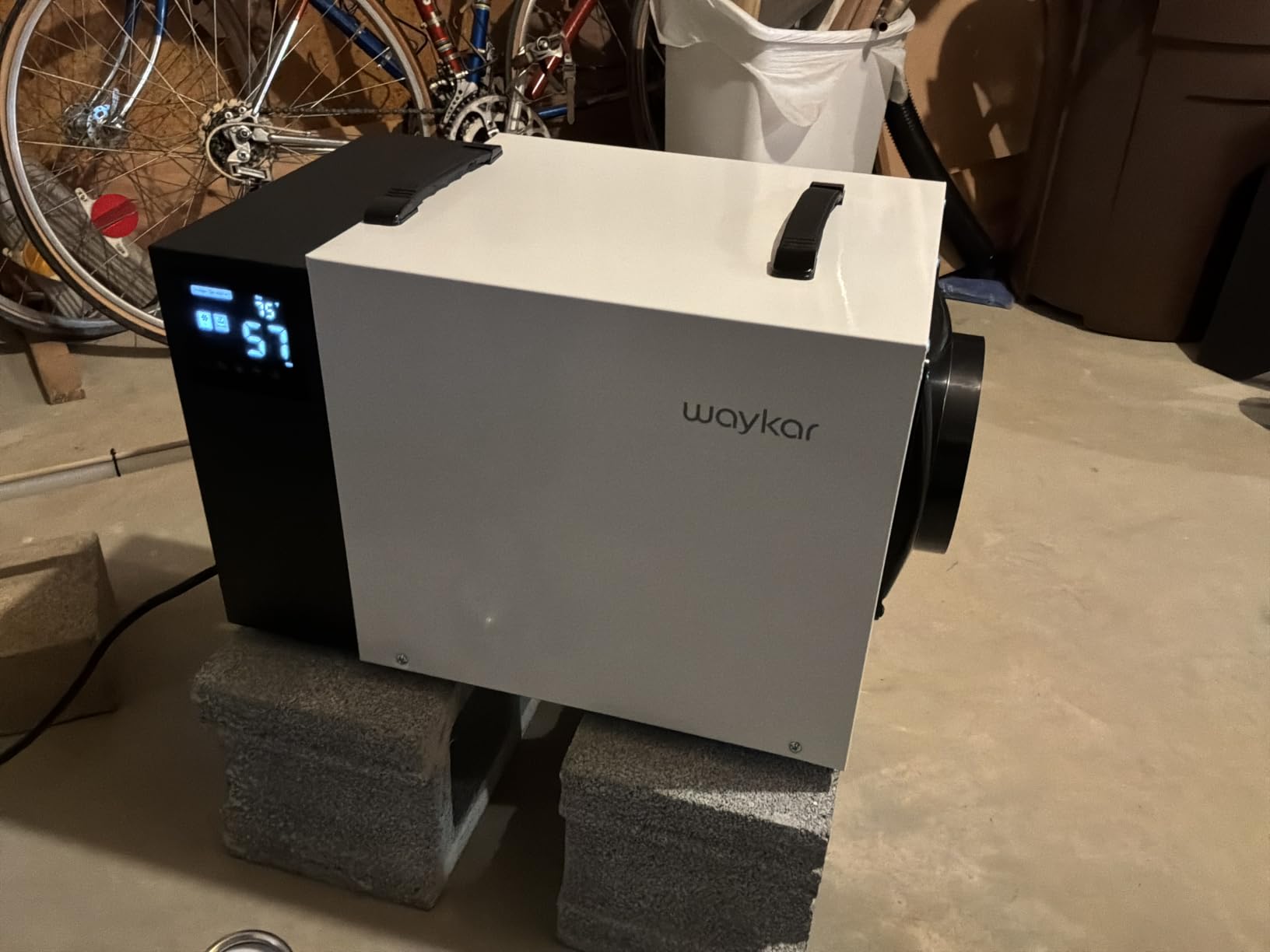
What the ENERGY STAR label actually changes
Certification means lower energy use per pint of water removed, and the listing claims up to 45 percent better efficiency than non-certified models. On a unit that runs 24 hours a day, that is the difference between a defensible monthly bill and one that makes you second-guess the install.
Pair the efficiency with the wide humidity range and this becomes the pick for a dry climate crawl space under about 1,200 square feet, where the load is steady rather than extreme.
Where this model is the wrong choice
Look for something quieter if the space sits under sleeping space. A low wattage does not mean a low noise, and the compressor plus fan combination is audible.
Also consider a different unit if you want the whole house dried through ducts, because this one is not ductable, and if the space is very large, since 158 CFM airflow is on the lower side of this group. Buyers wanting a remote panel should note it is a separate purchase here.
4. ALORAIR 70 PPD Sentinel HD35P – 19.6 ft Pump Lift in an 11.4-Inch Body
ALORAIR 70 PPD Dehumidifier with Pump for Crawl Space and Basement
35 PPD at AHAM, 70 at saturation
19.6 ft pump lift
11.4 in tall
1000 sq. ft.
Under 50 dB
Pros
- Longest pump lift in the group at 19.6 ft
- 11.4 inch body clears shallow joist bays
- Quietest spec in the lineup at under 50 dB
- Auto defrost and auto restart
- Same warranty terms as the Sentinel HD55
Cons
- Rated for only 1000 sq. ft.
- Highest one-star share in the group at 16 percent
- Coil icing reported in cool damp basements
This is the one to buy when clearance is the deciding factor. At 11.4 inches tall and 11.2 inches wide, it is among the shortest bodies we found, and it still carries a built-in pump that lifts water 19.6 feet vertically, which is the joint-highest lift in this group.
That combination solves the two hardest crawl space problems at once. A low ceiling rules out the bigger commercial bodies, and a crawl space with no accessible floor drain rules out gravity-only machines. This one handles both.
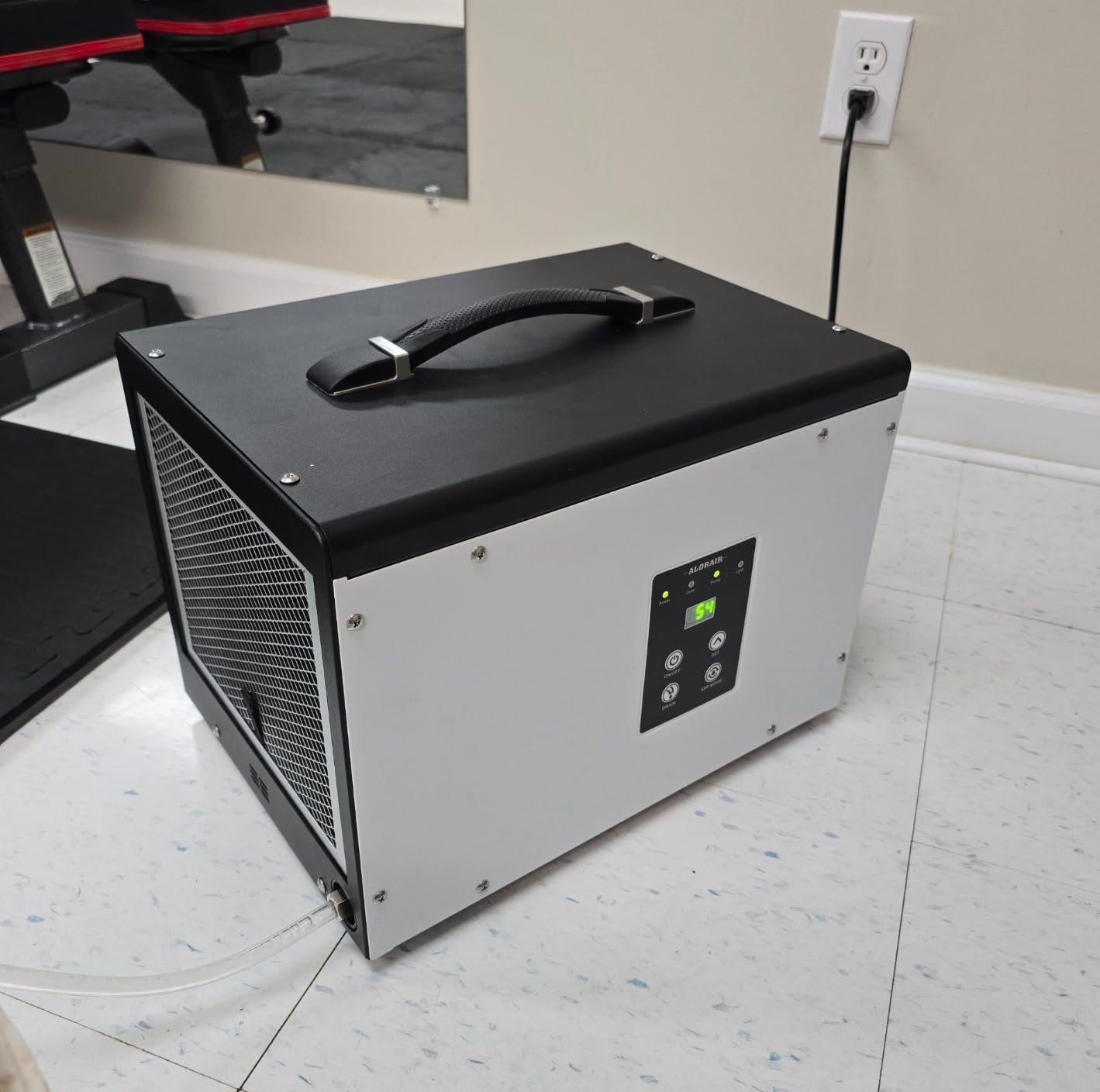
The rating is 4.0, the second-lowest here, and the 16 percent one-star share is the highest in the group. Those complaints center on evaporator icing and refrigeration failures inside the first couple of years in continuous service. Buyers running it in moderately dry spaces report quiet, steady operation, which matches the under-50 dB specification.
Coverage is rated at 1,000 square feet, smaller than most competitors at this level, and the AHAM figure of 35 pints per day is honest but modest. A MERV-1 filter, auto restart, and auto defrost round out the feature set.
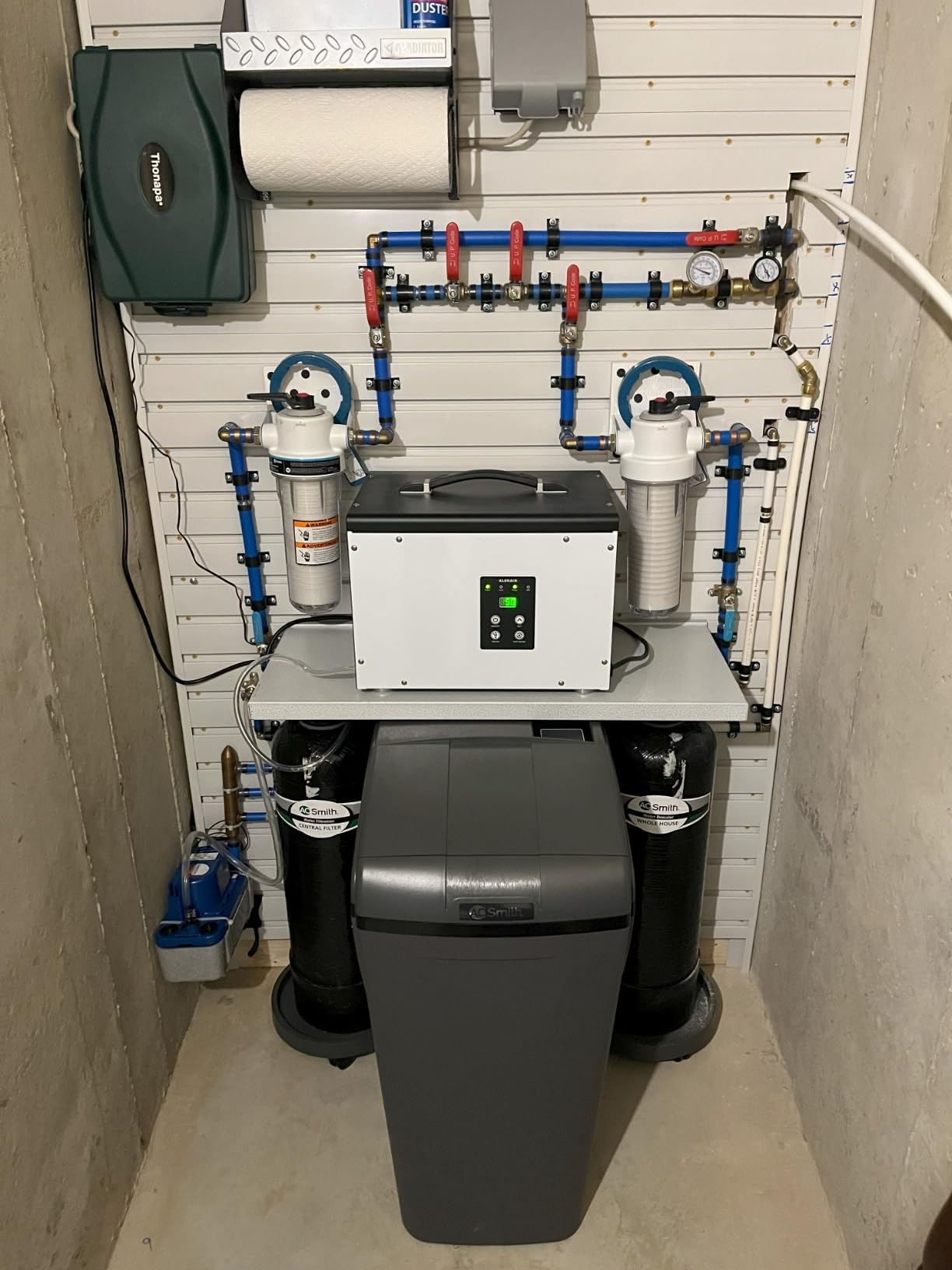
How to know if your clearance allows this body
Measure from the lowest obstruction to the underside of the joists at three points: near the access door, in the middle of the space, and at the deepest joist bay. If the smallest measurement is 12 inches, this 11.4-inch body fits with room for the drain hose routing.
Leave an inch of working clearance at the intake if you can. Pulling a filter in a space where you are lying on your side is unpleasant, and airflow restricted by a dirty filter is the most common reason these machines ice up.
Where this model is the wrong choice
Skip it for a large space. At 1,000 square feet rated and 35 pints per day at AHAM, it will run near-continuously in anything bigger, and continuous running is exactly when the durability complaints show up.
Choose something else if you want app or remote control, since there is no remote option on this model, and note that the Sentinel HD55 in the number one spot is a better buy when your space allows 13.3 inches of height.
5. Moiswell Defender M145 – Horizontal Body with 70 Pints per Day at AHAM
Moiswell 155 Pint Commercial Dehumidifier with Drain Hose for Crawl Spaces
70 PPD at AHAM, 155 PPD max
6000 sq. ft.
265 CFM
Horizontal low-profile
860 W
Pros
- Highest rating in the group at 4.5 stars
- 70 PPD at AHAM is a real capacity figure
- Horizontal body fits between joist bays
- ENERGY STAR certified
- 265 CFM for large open spaces
Cons
- Gravity drain only
- no built-in pump
- Heaviest mid-size unit at 63 pounds
- Highest wattage figure here at 860 W
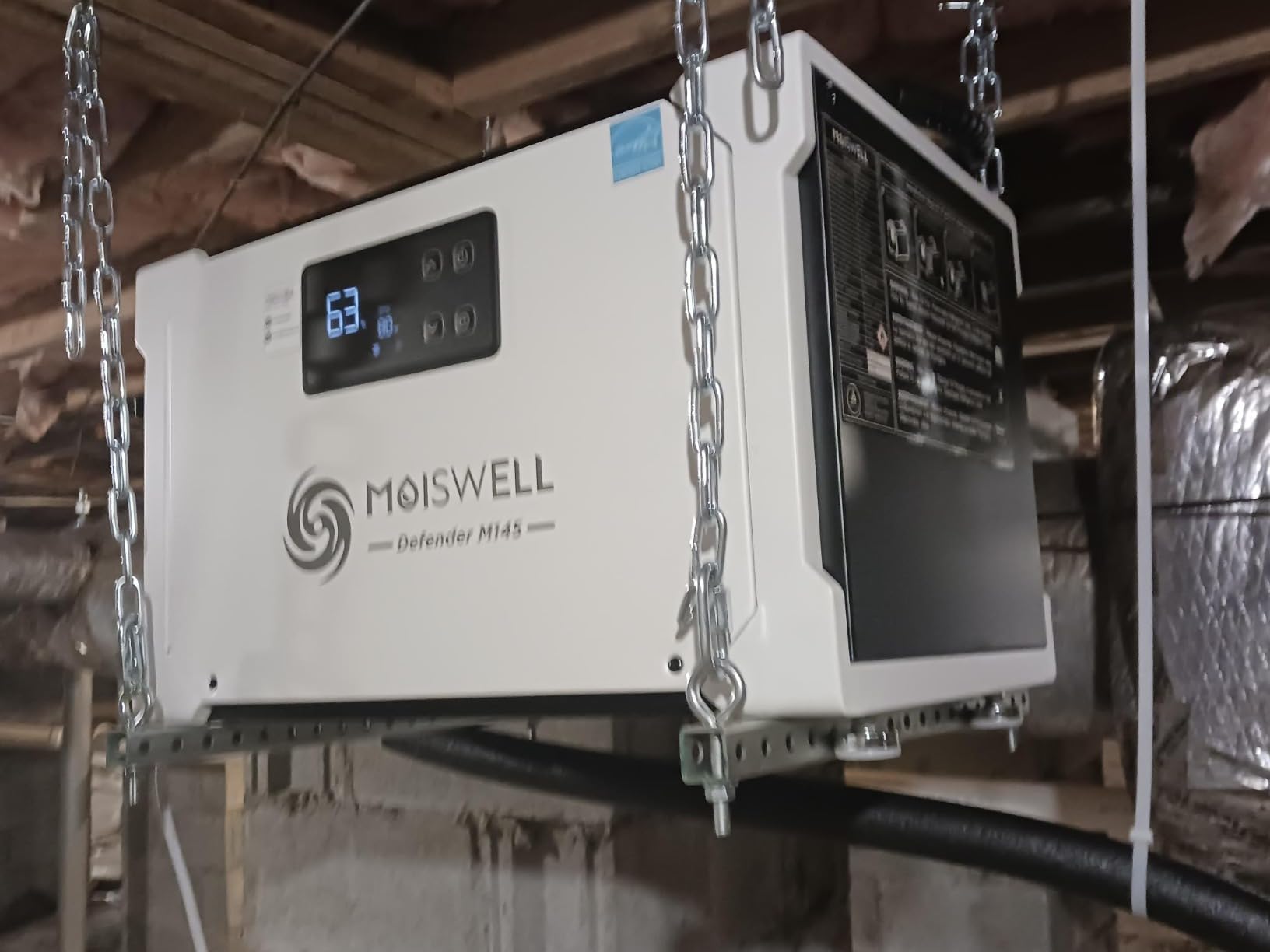
The Moiswell Defender M145 is the strongest all-round performer in the group, and the only mid-size machine that pairs a horizontal low-profile body with a published 70-pint-per-day AHAM rating. At 4.5 stars across 500 ratings, it draws the most favorable owner feedback of anything on this list.
The horizontal form factor is the reason it works in tight joist bays. At 22.5 inches long, 14 inches wide, and 14.7 inches tall, it lies flat rather than standing up, and owners specifically cite the shape as fitting tight joist bays and low overhangs.
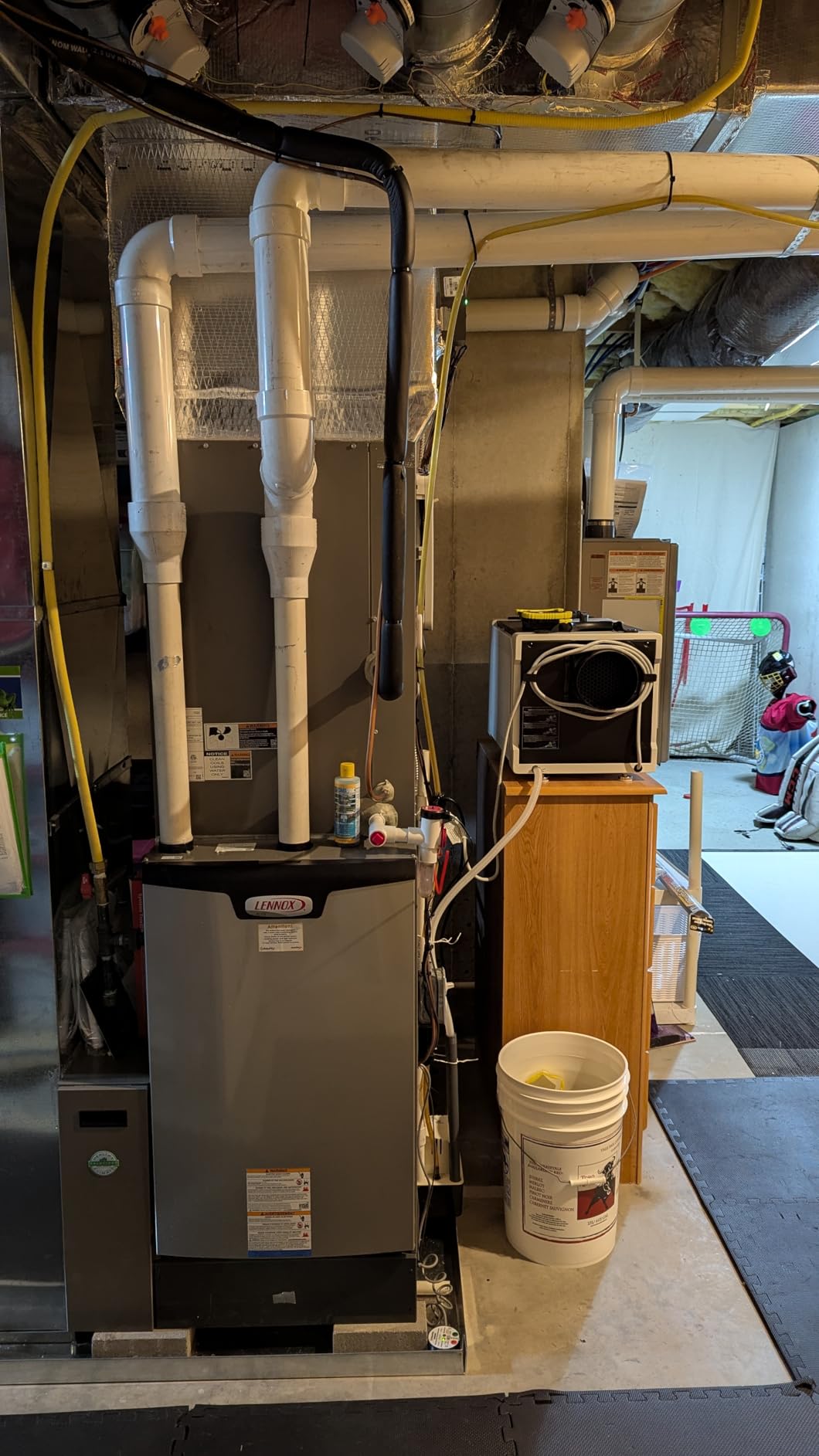
Airflow of 265 CFM and a 6,000 square foot coverage rating put it in the same class as the Aiusevo, and the 155-pint maximum handles post-rain dry-down work well. The gravity auto drain with an included hose removes the bucket from the equation entirely, with a 24-hour timer, auto defrost, and auto restart.
The catch is weight and power. At 63 pounds and an 860 watt rated draw, this is the heaviest and highest-wattage mid-size option here, and it is the reason we did not make it the first pick despite the rating. A crawl space running this machine continuously needs a real electrical check.
Why a 70 PPD AHAM rating changes the sizing decision
Most 70-pint machines on the market are 35-pint machines at real conditions. This one delivers twice that, which means it covers a 2,000 square foot crawl space without running flat out, and it has the headroom to dry a damp space instead of only holding it.
That headroom matters if you have a dirt floor, active seepage, or a space that gets wet after heavy rain. A unit sized to hold conditions will never recover quickly after a soak.
Where this model is the wrong choice
Pass if there is no floor drain or gravity fall available, because there is no built-in pump and no way to discharge water upward. The hose included is a gravity line only.
Also pass if the crawl space is under about 1,500 square feet or if continuous electricity cost is a concern, since the 860 watt draw is more than three times the ENERGY STAR Waykar. Owners needing upward discharge add a separate pump, which erodes the value of buying this unit in the first place.
6. Yaufey 70 Pint – Lowest-Cost ENERGY STAR Option with R32
Yaufey 70 Pints Energy Star Commercial Dehumidifier with Drain Hose for 5000 Sq. Ft. Crawl Space, Basement, Industrial, 10-90% RH Humidity Control, 24/7 Continuous Drainage,TUV Certified,5-Yr Coverage
70 PPD at 95F and 90 percent RH
ENERGY STAR with R32
5000 sq. ft.
265 W
11.81 in tall
Pros
- ENERGY STAR and TUV certified at the lowest price here
- 265 W draw suits continuous running
- 10-90 percent RH control range
- 11.81 inch height fits low clearance
- All-metal corrosion-resistant housing
Cons
- No built-in condensate pump
- Smallest review base here at 211 ratings
- No remote or app control
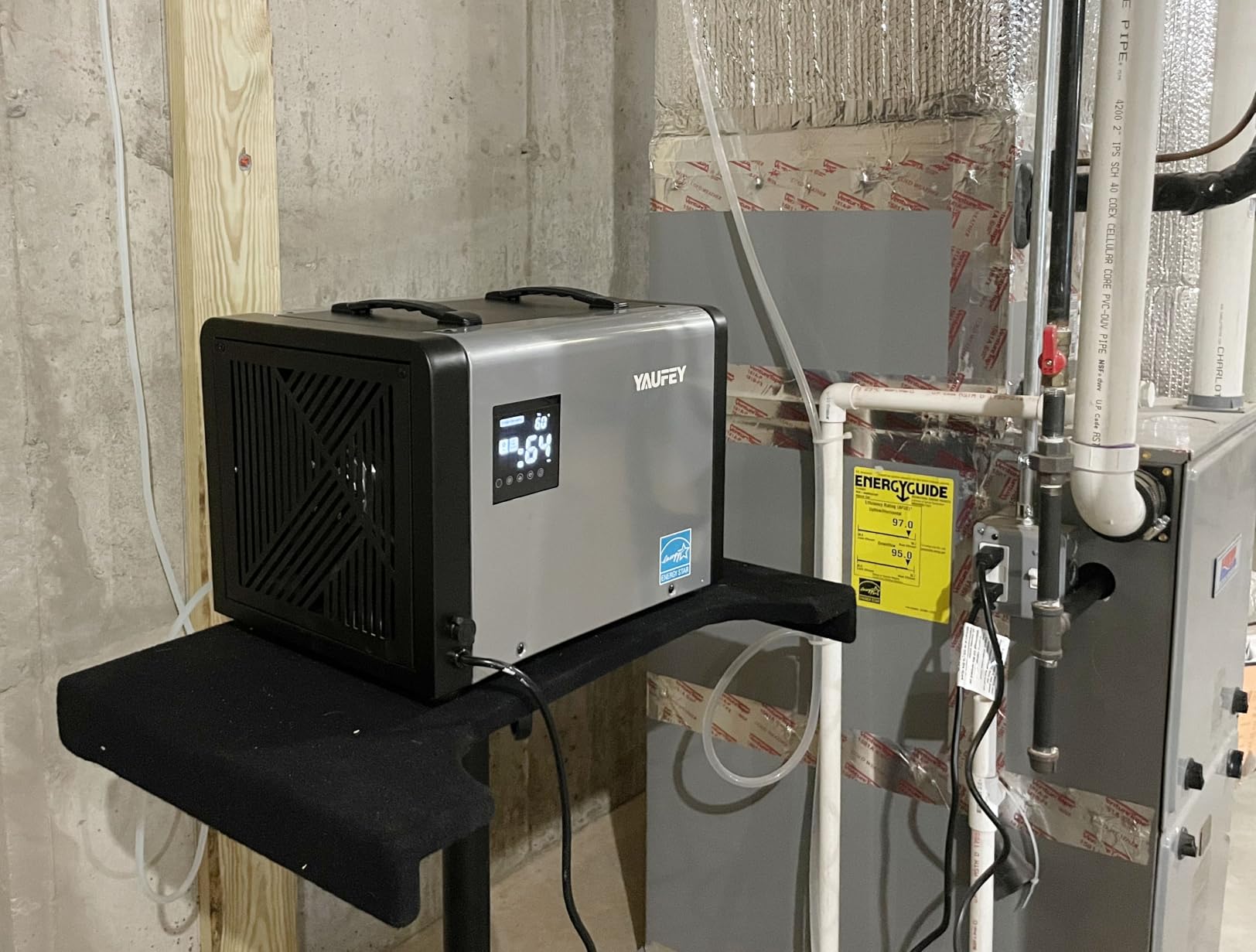
Yaufey is the value entry in this lineup: a 70-pint machine with ENERGY STAR certification, R32 refrigerant, and TUV certification at the lowest price of the ten. At 265 watts, the operating cost profile matches the Waykar in the number three spot, so the low price does not get eaten by electricity.
The body is 12.99 inches deep, 16.54 inches wide, and 11.81 inches tall, so it works in shallow crawl spaces and can be mounted between joists, set on a shelf, or placed on the floor. Gravity drainage with a 6.56 foot hose supports unattended 24/7 operation where a floor drain exists.
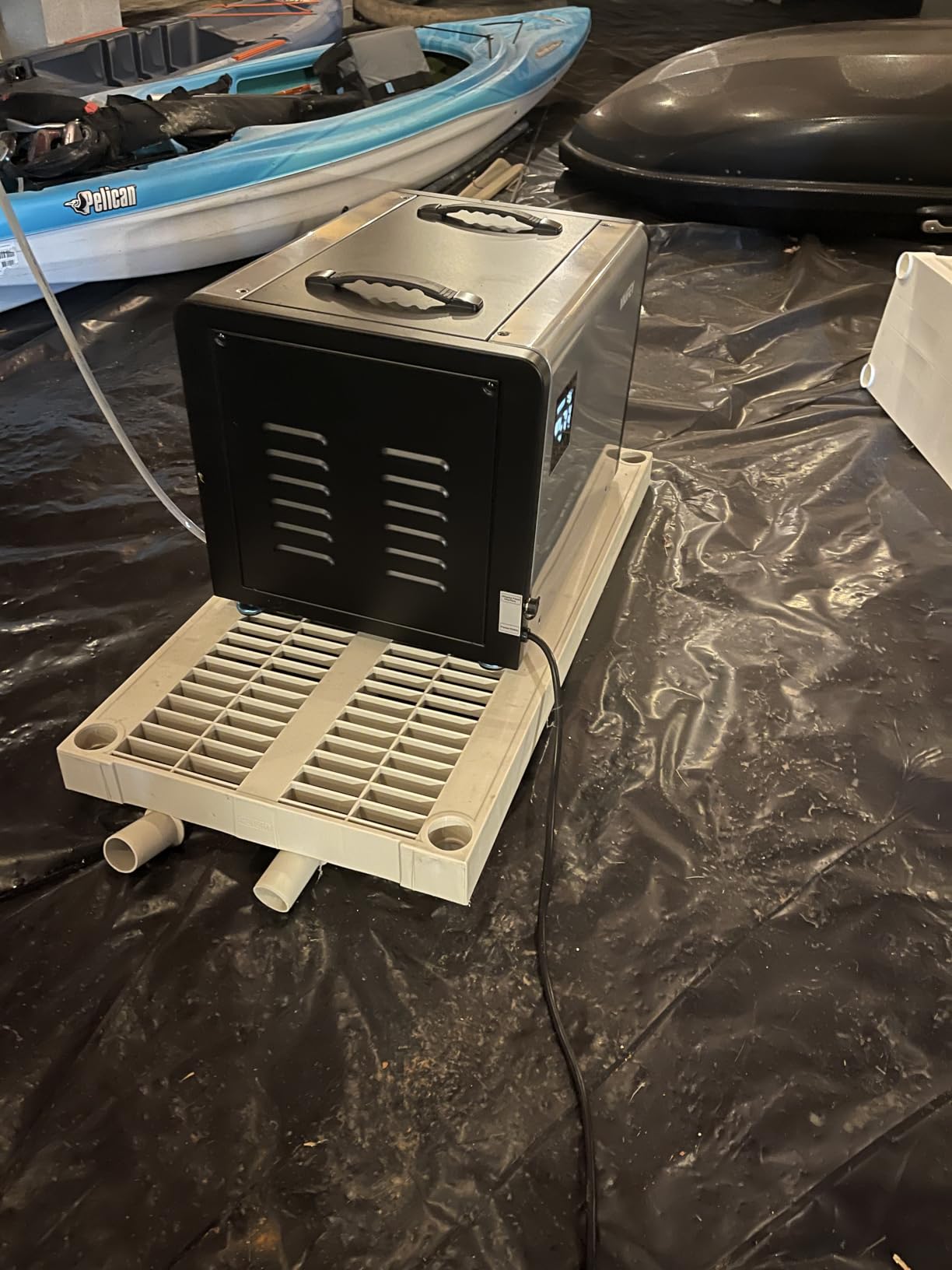
Owners generally report steady humidity control and quiet running for the money, with the wide 10 to 90 percent RH range and the metal body singled out as the differentiators. Auto defrost keeps it working in unheated crawl spaces, and there is an anti-spill function, auto restart, and a 3-minute compressor delay.
The honest limitation is the review base. With 211 ratings, long-term durability data is thin, and the 13 percent one-star share follows the familiar pattern in this category of units stopping within a year or two. Coverage is listed at 1,200 square feet.
When a newer brand is an acceptable trade
It is acceptable when the job is straightforward: a dry climate, a crawl space with a working floor drain, and a budget that does not stretch to a commercial chassis. The warranty terms are 1 year quality coverage, 2 years extended, 5 years on the compressor, plus lifetime technical support.
It is not acceptable when seepage means the unit will run at full load every day of the year, because that is the duty cycle where the durability complaints concentrate. A Professional Hosts community thread about commercial dehumidifiers notes an AHAM-rated unit controlling humidity in crawl spaces up to 2,000 square feet, which points toward buying for a real AHAM figure instead.
Where this model is the wrong choice
Skip it whenever drainage is uncertain. There is no built-in pump, so the whole install depends on a floor drain or gravity fall, and the included hose is only 6.56 feet.
Look at the AprilAire or the Moiswell if you want a published long warranty on the whole machine, and note that there is no remote or app control, so set point changes mean crawling under the house.
7. AprilAire E070 Pro – Made in the USA with 8-Inch Duct Collars
AprilAire E070 Pro 70-Pint Crawl Space Dehumidifier with Drain Hose, Commercial-Grade Whole-House Dehumidifier for Crawlspace, Basement, or Whole Home up to 2,200 sq. ft.
70 PPD removal up to 2200 sq. ft.
USA made, aluminum coils
8-inch duct collars
56 pounds
5-year warranty
Pros
- Only USA-made unit in the group with corrosion-resistant aluminum coils
- Narrow 12.5 inch profile passes through crawl space doors
- 8-inch inlet and outlet collars for whole-home ducting
- 5-year manufacturer warranty
- Owners report a decade-plus service life
Cons
- Most expensive unit in the group
- Smallest coverage rating here at 2200 sq. ft.
- Gravity drain only with no integrated pump
The AprilAire E070 Pro is the durability answer. It is designed and manufactured in the USA, uses corrosion-resistant aluminum coils instead of the cheaper steel coils on most imports, and carries a 5-year manufacturer warranty. Owners describe service lives measured in decades, and several contrast it directly with cheaper import units that failed within two years.
The 70-pint rating here is stated for real-world conditions rather than saturation only, which is why the headline number matches what the machine actually does. Coverage is rated at 2,200 square feet, the smallest figure in this group, but that is a whole-home figure rather than a crawl space ceiling.
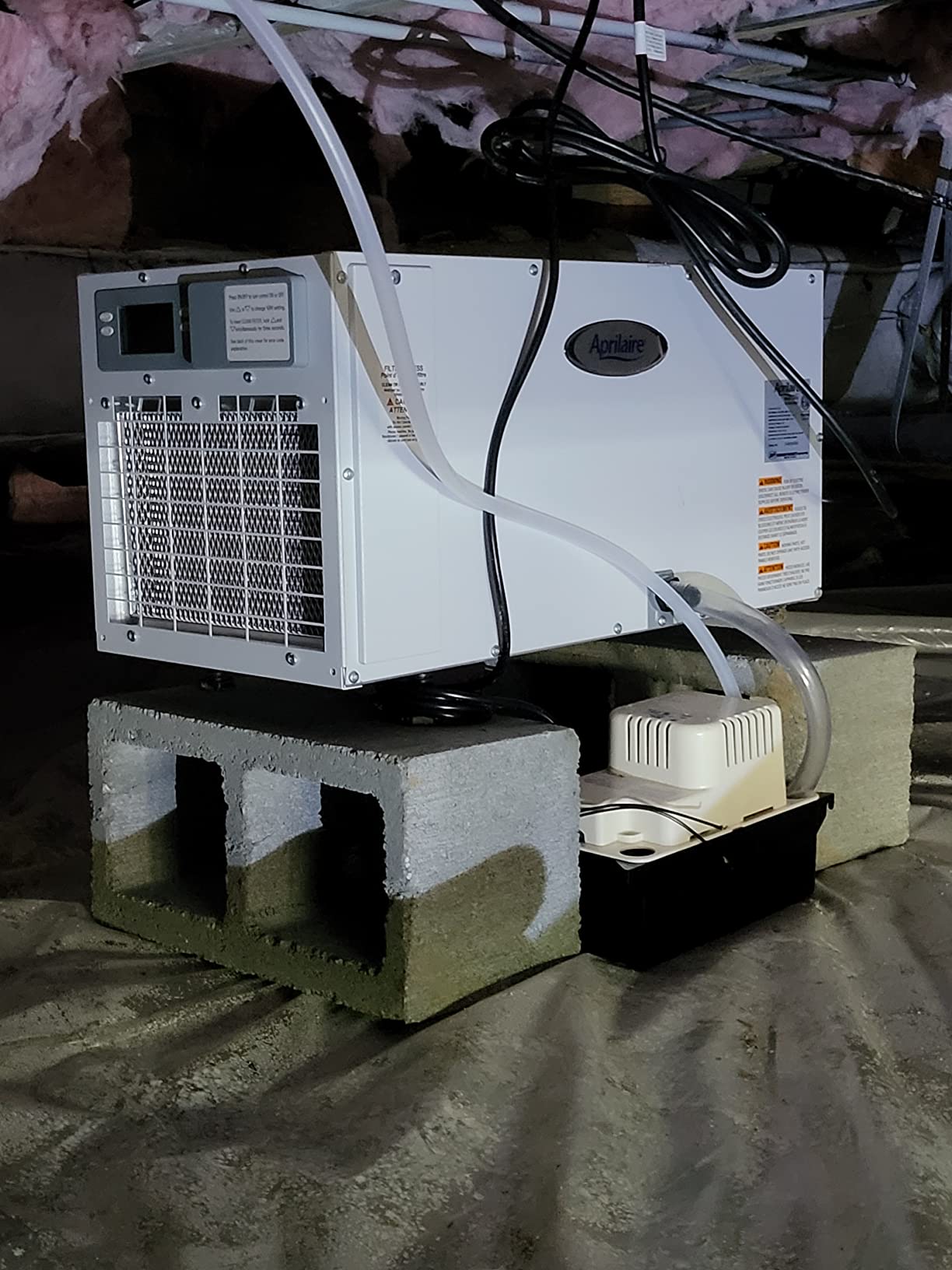
The body is 12.5 by 12.5 by 25 inches. The narrow profile is the clever part: it stands 12.5 inches tall, so it clears low joists, while the 25 inch length runs along a joist bay rather than across it. Several owners buy this specifically because it passes through a standard crawl space door without disassembly.
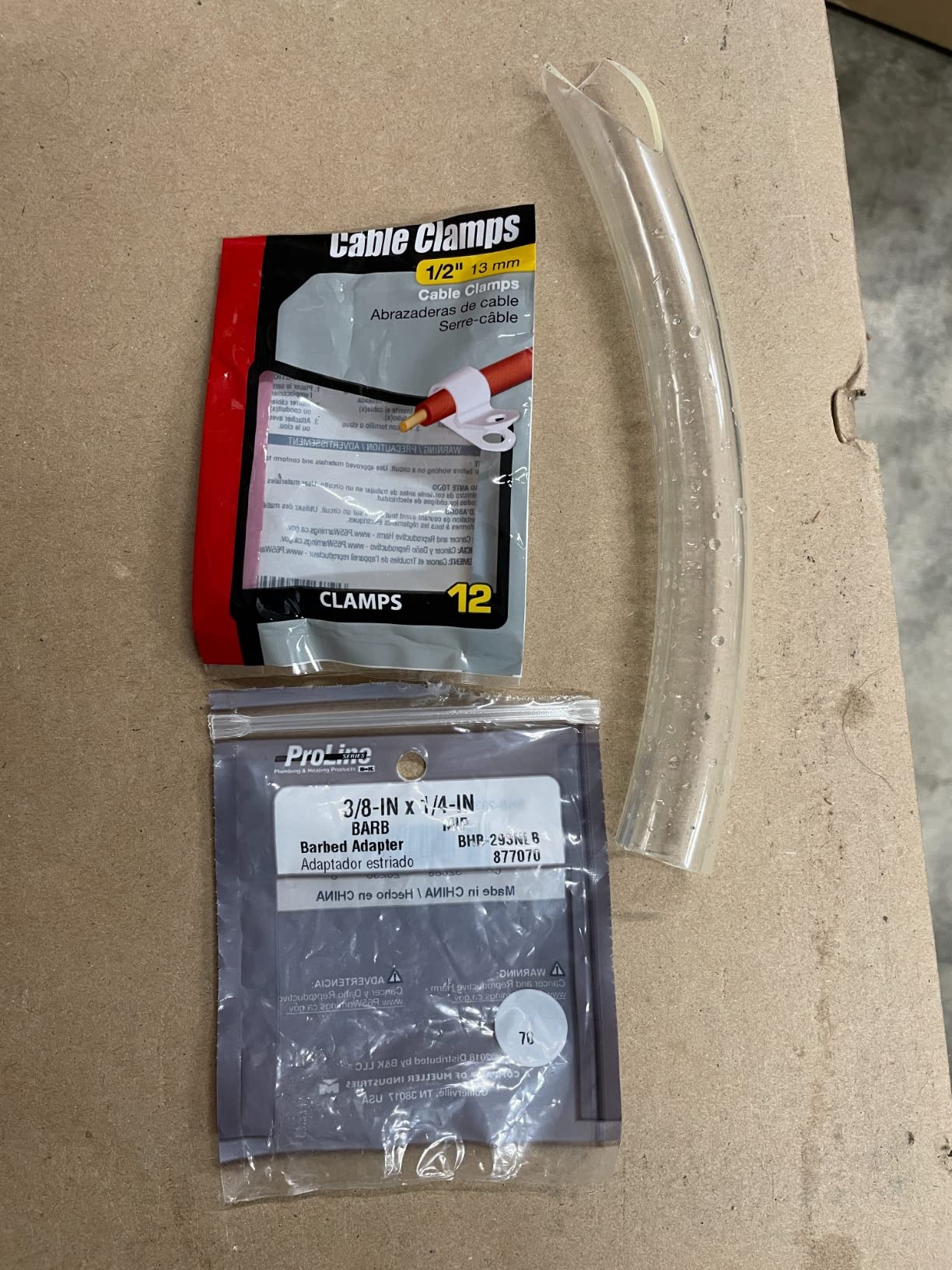
Both the inlet and outlet carry 8-inch duct collars, so the machine can be tied into a forced-air distribution system and serve the whole house rather than one space. A washable MERV 8 filter, automatic defrost, auto restart, digital display, 10 feet of drain tubing, and a barbed drain fitting are all included.
What USA manufacture and aluminum coils change
Steel evaporator coils in a damp crawl space corrode from the inside, and that corrosion is a leading cause of the refrigerant leaks and dead compressors owners report on cheaper units. Aluminum coils plus domestic spare parts availability mean a five-year-old unit can be repaired rather than replaced.
That changes the cost of ownership calculation more than the purchase price does. If a commercial import dies in year two and you buy it twice, the math favors the more expensive unit within a few years.
Where this model is the wrong choice
It is the wrong buy for a small, dry, vented crawl space with a floor drain nearby. You would be paying for build quality and service life that a low-dryness space never demands.
It also does not solve upward drainage, since there is no integrated pump, and at 696 watts the continuous running cost is the second highest in this group. Confirm your circuit can carry it before you commit.
8. BaseAire 113 Pint AirWerx – 55 PPD at AHAM and Near-Silent Running
BaseAire 113 Pints Crawlspace Dehumidifier with Drain Hose for 1200 Sq Ft
55 PPD at AHAM, 113 PPD max
1200 sq. ft.
13.3 in tall
Near-silent
41.7 pounds
Pros
- 55 PPD at AHAM is a real capacity figure for a 1200 sq. ft. space
- Multiple owners report it is effectively inaudible
- Same compact body as the Sentinel HD55
- Gravity drain works cleanly into a sump
- Auto defrost held up through several winters
Cons
- Evaporator icing in cool basements sometimes does not clear
- Warranty support described as unresponsive
- Gravity drain only with no pump
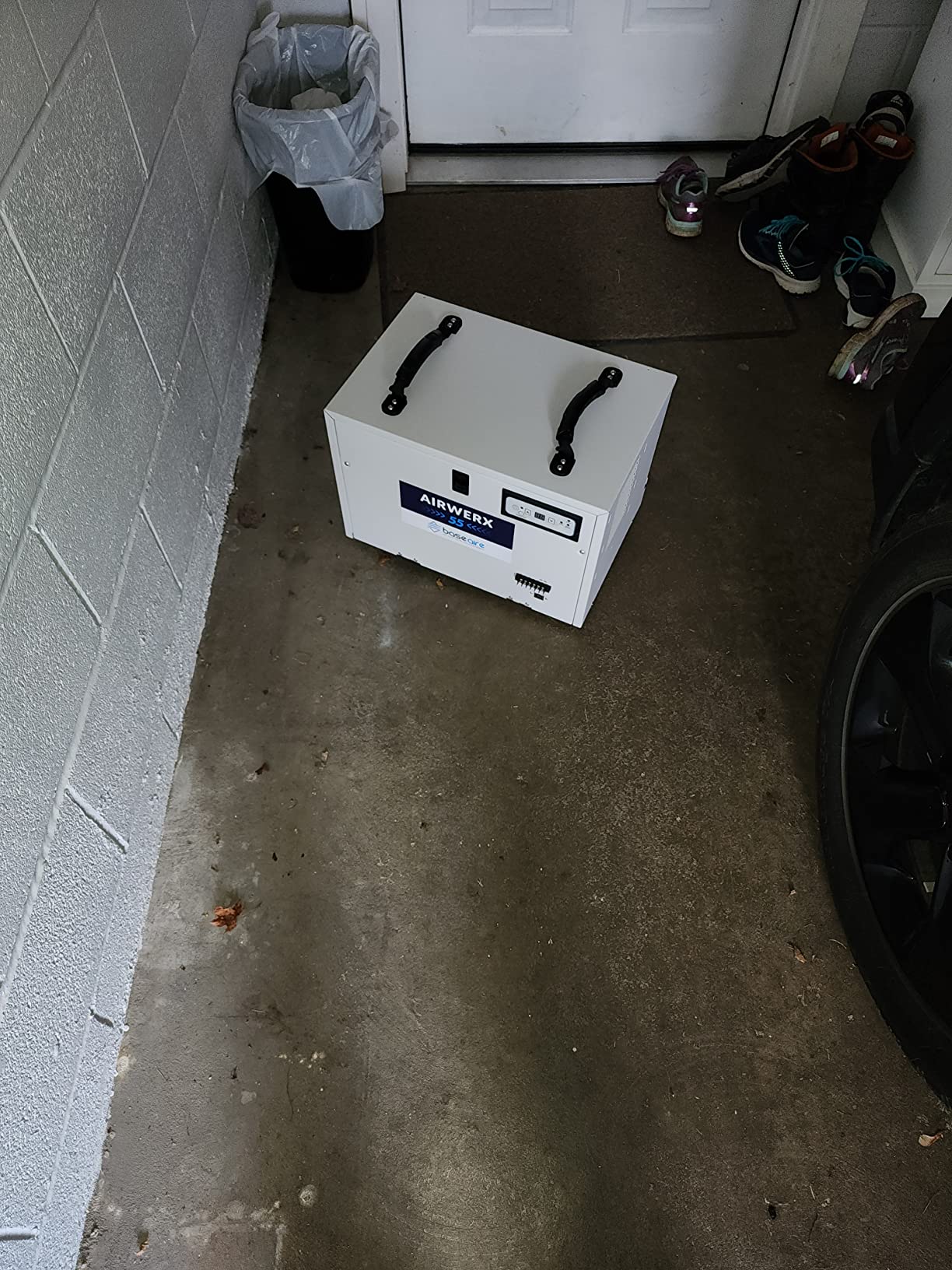
The AirWerx shares its 19.2 by 12.2 by 13.3 inch body with the Sentinel HD55, and on paper it is slightly stronger: 55 pints per day at AHAM against 53. Where it clearly wins is noise. Multiple verified owners describe it as effectively inaudible during continuous operation, which matters if the crawl space is under a bedroom or a quiet room.
That is not a small detail. Several owners in HVAC forums specifically recommend avoiding standard residential units in crawl spaces and moving up to commercial chassis, and a commercial chassis that runs quietly under a bedroom is a narrower category than you would expect.
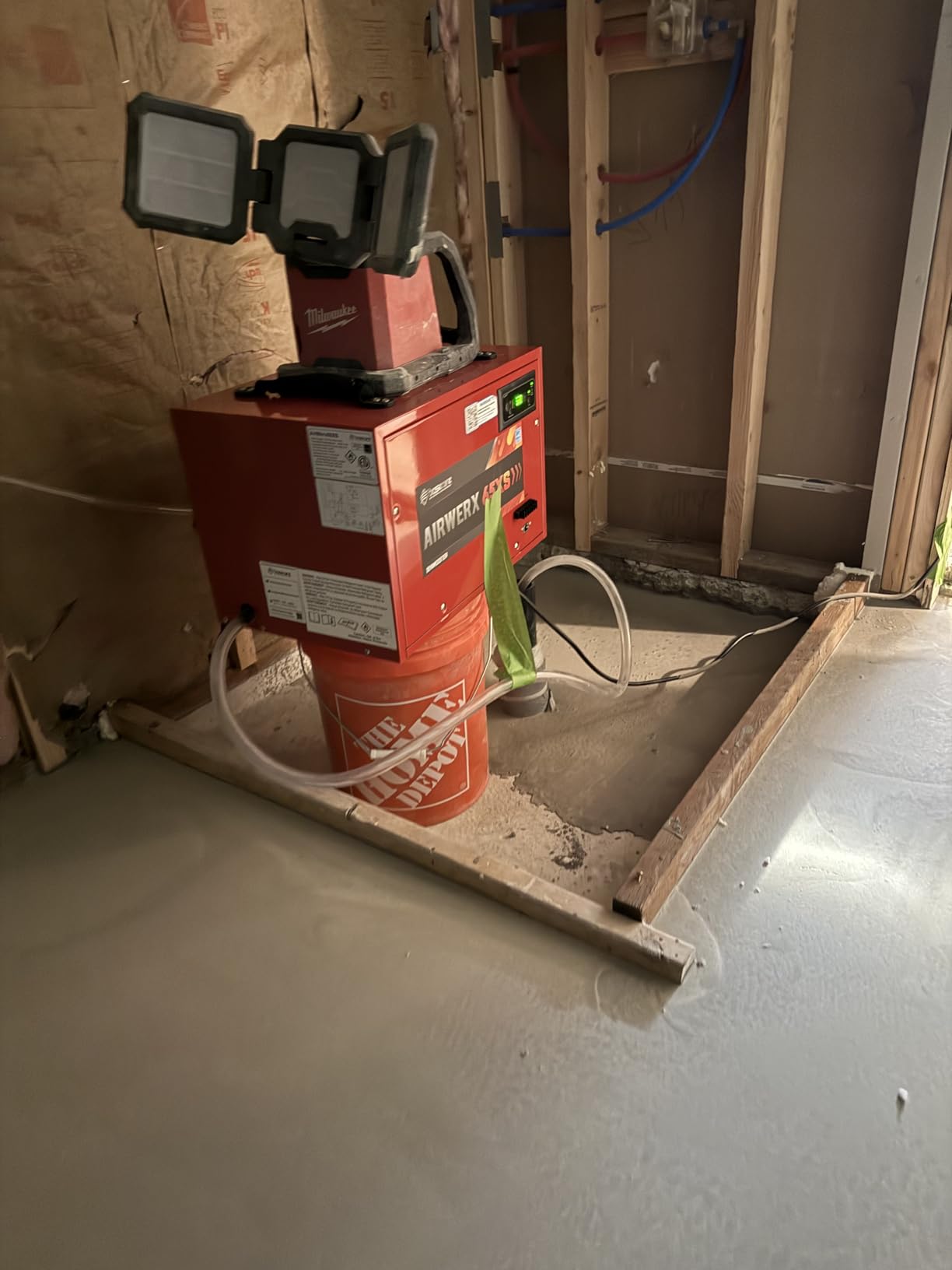
Drainage is gravity only, with a 6.56 foot hose, so this needs a sump or floor drain within reach. The unit can be freestanding, set on a counter, or suspended between joists, and it can pair with a wired controller over cat5 cable in some installations. Auto ON/OFF humidity control, auto drain, auto defrost, and auto restart after an outage are all standard.
The one significant negative in the reviews is a warranty service experience: a buyer whose evaporator iced up repeatedly in a 42 to 44 degree basement says support stalled. That is worth weighing if your crawl space runs cold, because icing is the failure mode that ends most of these machines early.
When quiet operation changes the decision
If the crawl space sits directly under sleeping space, noise becomes a household issue rather than a technical one. Residential room units are the wrong tool there for two reasons at once: they are louder, and they are built for intermittent duty rather than the continuous cycling a crawl space demands.
A unit you cannot hear also means you are less likely to notice a failing pump, a blocked filter, or a coil icing problem until the humidity has already climbed back.
Where this model is the wrong choice
Pass if you have no gravity fall or floor drain within about 6 feet of the planned location, and pass if your space is larger than 1,200 square feet without a second machine.
Consider a different option if the crawl space is unheated and regularly below 45 degrees, where the reported icing complaints matter more than the silence. The Sentinel HD55 in the number one spot is the alternate if you can tolerate more sound for a larger review base and a longer warranty on the refrigeration system.
9. Waykar 158 Pint Dual Duct – Included Remote Panel and Whole-House Capability
Waykar 158 Pints Crawl Space Dehumidifier with Remote Control and Pump, Dual Duct HVAC Commercial Whole-House Dehumidifier for Basement, Industry Water Damage Unit – 5-Year Quality Coverage
158 PPD at 95F and 90 percent RH
7500 sq. ft.
Dual duct inlets and outlets
Included remote
530 W
Pros
- Remote control panel included rather than sold separately
- Dual duct inlets and outlets for HVAC integration
- Largest capacity in the group at 158 PPD
- Both pump and gravity hoses included
- Cord-winding column and handles for a 70.9 pound unit
Cons
- Automatic functions need the 16.4 ft humidity sensor installed
- Heaviest and widest unit here at 70.9 pounds
- Compressor failures reported within a couple of years
This is the whole-home machine in the group. At 158 pints per day and 206 CFM airflow, it is the largest capacity unit we looked at, and the dual duct design with separate inlet and outlet collars lets it push dried air into a distribution system rather than only treating the space it sits in.
Unlike almost every competitor on this list, the remote control panel is included in the box, with a 32.8 foot range. Buyers single out the bundled remote as the main reason to pick it, and that panel matters in a crawl space where changing a set point means crawling under the house.
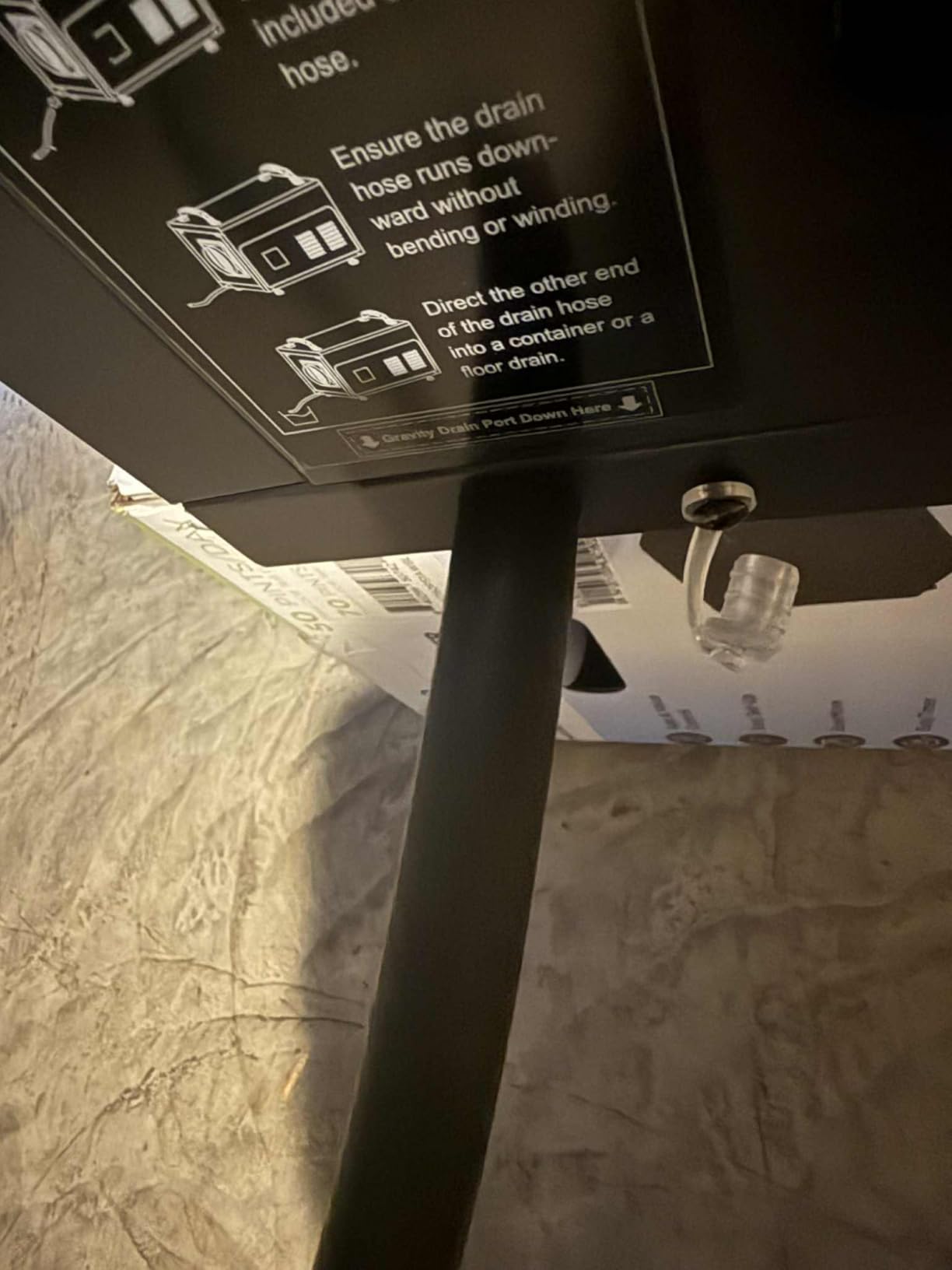
Drainage is flexible: a 16.4 foot pump hose lifting water 16.4 feet, plus a 6.6 foot gravity hose. A 16.4 foot humidity sensor is also included, and the automatic functions depend on it being installed correctly, which is the single biggest setup mistake owners describe.
The tradeoffs are size and power. At 70.9 pounds and 24.4 inches wide with a height of 17.7 inches, this is the largest and heaviest unit here, and it needs clearance most crawl spaces do not have. The 530 watt draw is the second highest in the group. Warranty terms include 30-day money back, 1-year full, 2-year extended, and 5 years on the compressor.
When dual ducting is worth the size
Dual ducting pays off when the crawl space is the dry side of a house with a basement or conditioned space above, and you want the dehumidified air distributed rather than trapped under the floor. Owners report strong whole-basement drying once the sensor is placed properly.
The setup is straightforward in principle: run supply duct to the areas you want dried, and return air through the second collar. Getting it wrong usually means the automatic humidity functions never engage.
Where this model is the wrong choice
Skip it for a typical crawl space. The height alone disqualifies it under 18 inches of clearance, and moving 70.9 pounds in and out through a crawl space door is a two-person job on a gravel floor.
Look at the AprilAire instead if you want whole-house distribution in a narrower package, and note that several owners report compressor or refrigeration failures within a couple of years, so the size does not guarantee service life.
10. Abestorm 70 PPD Guardian SN35P – Shortest Body, Parts You Can Still Order
Abestorm 70 PPD Dehumidifier with Pump & Hose for Crawl Space & Basement
35 PPD at AHAM, 70 PPD max
19.6 ft pump lift
11.2 in tall
1000 sq. ft.
45-55 percent RH
Pros
- Shortest body in the group at 11.2 inches
- 19.6 ft pump lift matches the largest here
- Replacement parts orderable direct from the manufacturer
- Solid handle and good finish reported by owners
- Gravity drain option alongside the pump
Cons
- Two owners report total loss of condensation at 6 and 16 months
- Panel functions need the manual
- Warranty service may require owner-paid shipping
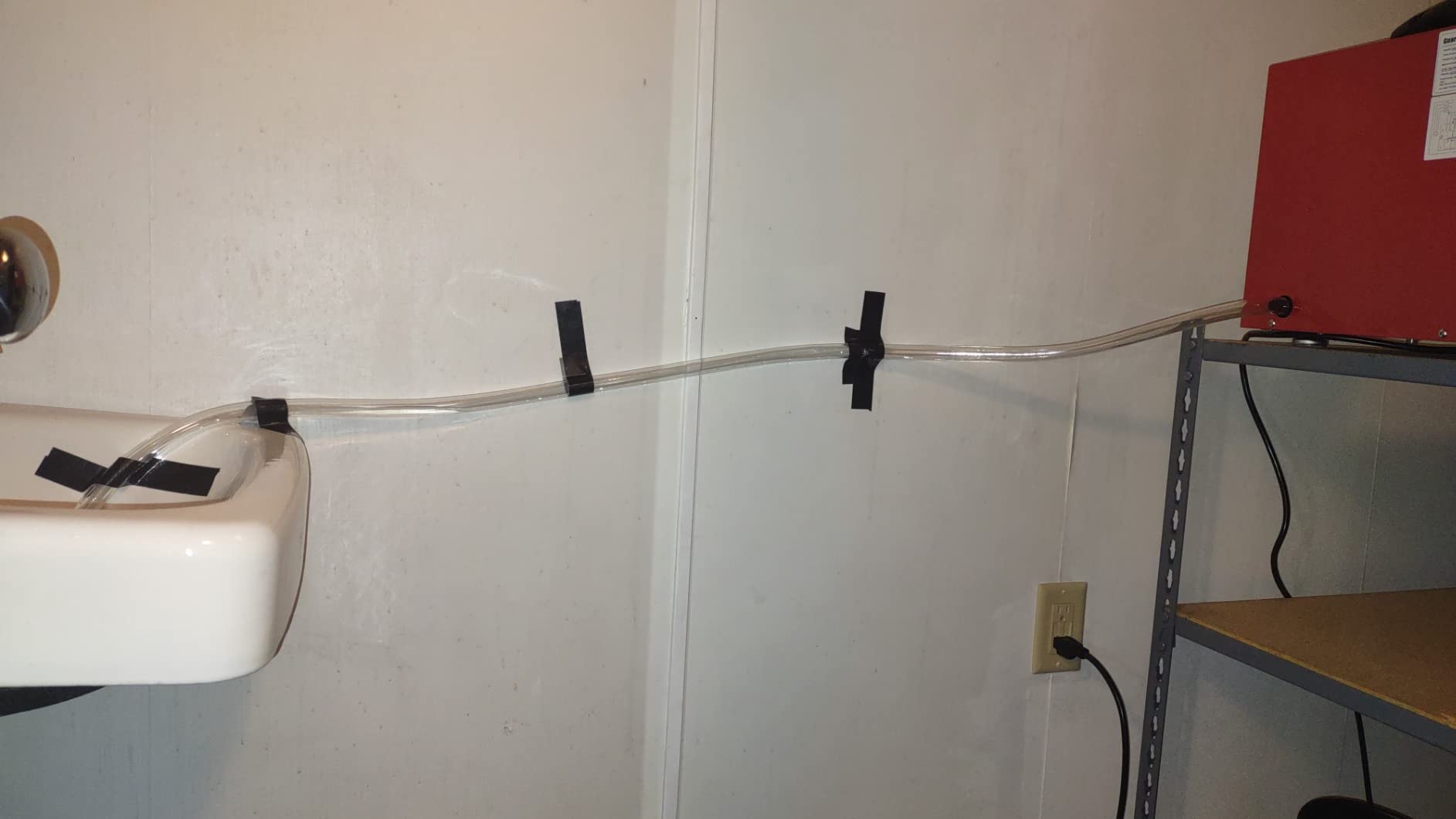
The Guardian SN35P is the most compact machine here, at 15.2 inches deep, 11.4 inches wide, and 11.2 inches tall, and it still carries a built-in condensate pump with 19.6 feet of lift. If your joist bays are genuinely shallow, that combination is hard to find.
It also runs a 45 to 55 percent relative humidity maintenance range automatically, stopping at set point and restarting after a power interruption. That is a sensible default band for wood framing, and it removes the need to tune the machine after install.
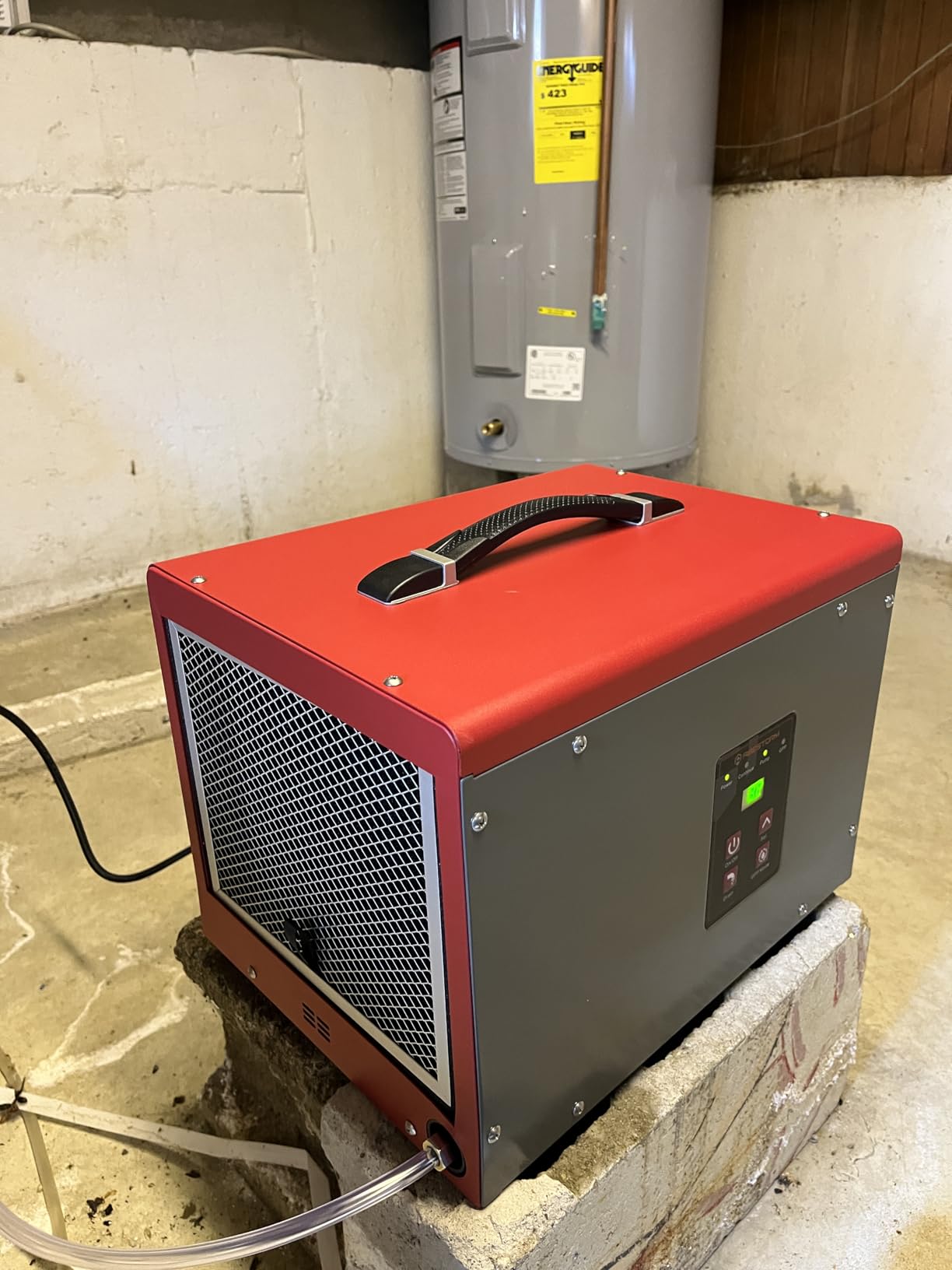
What sets it apart on paper is parts availability. Owners who have been through several consumer-grade units report ordering replacement parts directly from the manufacturer, which is a real advantage on an appliance expected to run for years. Warranty terms are 5 years limited with lifetime expert technical support.
The durability reports are the concern. Two prominent reviews describe the unit running and blowing air without condensing, at six and sixteen months respectively, both traced to a refrigerant leak. Buyers also note the controls take some reading to understand, and that the pump is audible from the living space above.
How to decide between the three shortest bodies
Three machines here clear 12 inches: this one at 11.2 inches, the ALORAIR Sentinel HD35P at 11.4 inches, and the Yaufey at 11.81 inches. The Sentinel has the larger review base and better acoustics, the Yaufey has the lowest power draw, and this one has the shortest body and the best documented parts ordering.
If you can accept 11.4 inches instead of 11.2, we would take the Sentinel for the quieter operation and wider review history.
Where this model is the wrong choice
Pass if your space is larger than 1,000 square feet or if the pump noise would carry into a room above. The rated capacity of 35 pints per day at AHAM is modest, and it will run continuously trying to keep up with anything larger.
Also consider a different machine if the crawl space is unheated and gets cold, since a unit that has lost its charge through a coil leak will not recover, and owner-paid shipping on a 38-pound unit for warranty service is a real cost.
How to Measure Your Crawl Space Clearance Before You Buy
Measure the distance from the ground or footing to the underside of the floor joists at three points, then buy for the smallest number. Most returns in this category are size returns, and they are entirely avoidable.
First, find the lowest point of the crawl space floor, which is often where footing concrete or a drainage gravel bed sits highest. Second, measure up to the underside of the joists directly above that low point, not above the middle of the bay where the framing is higher. Third, measure the width between joists and the depth available for the drain hose.
Add an inch of clearance for filter access. Every unit here needs its filter pulled periodically, and airflow restricted by a clogged filter is the leading cause of evaporator icing.
Heights across this group range from 11.2 inches to 17.7 inches. Anything at or under 12 inches rules out the two largest machines immediately, and anything under 13 inches narrows the field to four picks.
AHAM Capacity vs Saturation Capacity: Why the Big Number Misleads
Saturation capacity is measured at 95 degrees and 90 percent relative humidity. AHAM capacity is measured at a standard lower temperature and indoor humidity that most crawl spaces resemble far more closely. A unit advertised at 70 or 113 or 155 pints per day is often a 35 to 55 pint machine at real conditions.
On this list, the ALORAIR Sentinel HD55 states 53 pints per day at AHAM against 113 at saturation, and the Sentinel HD35P states 35 at AHAM against 70 at saturation. The Moiswell Defender is the exception that proves the point: its 70-pint AHAM figure is genuinely double the typical number for its size class.
Where a listing publishes no AHAM figure at all, treat the headline as saturation only. That is the case for the Aiusevo 130-pint, the Yaufey 70-pint, and the Waykar 70-pint, and several owners of the Aiusevo specifically question whether real-world removal matches the headline claim.
Our rule: size the machine on the AHAM number, or on the saturation number divided in half if no AHAM figure exists, then round up to the next size.
How to Size a Crawl Space Dehumidifier
Size on moisture load, not square footage. A sealed 900 square foot crawl space in a dry climate needs far less capacity than an open 900 square foot space with active seepage, and coverage figures on the box assume ideal conditions that rarely exist below a house.
For a moderate space under about 1,000 square feet with normal seasonal humidity, 35 pints per day at AHAM is the right working figure. That is the ALORAIR Sentinel HD35P and the Abestorm Guardian territory.
For a damp or larger space between 1,000 and 2,000 square feet, look for 50 to 55 pints per day at AHAM. The Sentinel HD55 at 53 and the BaseAire AirWerx at 55 both sit there, and the Moiswell at 70 has genuine headroom.
For a wet, flood-prone, or whole-home job, start at 70 pints per day at AHAM and consider ducting it. The AprilAire E070 Pro and the Moiswell Defender M145 both qualify, and the Waykar 158-pint dual-duct unit is the option when you want to push dried air through the house.
If you have standing water, a dehumidifier is not the first fix. Foundation seepage, failed downspouts, and negative grading have to be corrected first, or the unit will run continuously and fail early. Our water damage dehumidifier picks cover the rental-grade side of that work.
Drainage: Gravity Line vs Built-In Condensate Pump
Choose a built-in condensate pump whenever there is no floor drain below the unit, when the nearest outlet is uphill, or when the hose run is longer than a few feet. Choose gravity drainage when you have a sump or floor drain within reach and downhill from the unit.
Four picks here have both options, which is the most flexible arrangement: the Aiusevo ships a 16.4 foot pump hose and a 6.6 foot gravity hose, the Waykar 70-pint does the same, and the Waykar 158-pint and Abestorm Guardian pair a pump with a gravity drain connection.
Pump lift figures vary more than buyers expect. The Sentinel HD35P, Abestorm Guardian, and both ALORAIR pump models list 19.6 feet of vertical lift. The two Waykar units lift 16.4 feet. Check the elevation from the unit to your discharge point before ordering.
On where the water goes: condensate is not sewage, but it should discharge to a floor drain, sump, or an approved exterior drainage point rather than onto the ground next to your foundation. Confirm the local code requirements before you run a hose out of a vent.
Do You Even Need a Dehumidifier? Encapsulated vs Open Crawl Space
You still need one after encapsulation in most homes. A vapor barrier on the walls and floor slows moisture moving in, but it does not remove the moisture already in the air and the vapor that diffuses through the soil. Encapsulation without dehumidification is a common and expensive halfway measure.
Where a dehumidifier earns its place immediately is a vented crawl space with an open dirt floor, visible condensation on pipes, or a musty odor that shows up upstairs. Those are all signs the moisture load is already there.
The downsides of encapsulation are worth stating plainly. It traps whatever moisture is inside, so a unit is mandatory rather than optional. It can reduce ventilation that the structure was relying on, so the space needs a plan for access and inspection. It requires a committed budget, and quoted packages for a 2,000 square foot space commonly run into the thousands. Doing encapsulation without a dehumidifier sized to match is the expensive version of the mistake.
Also note that sealing foundation vents is a code question, not a personal preference. Vent requirements exist for a reason in many jurisdictions, and vent sealing without the rest of the encapsulation package can trap more moisture than it removes.
Which Crawl Space Dehumidifier Is Most Energy Efficient?
On running cost, the two ENERGY STAR 265-watt machines here, the Waykar 70-pint and the Yaufey 70-pint, are the cheapest to operate continuously. They use roughly 6.4 kilowatt-hours a day at full duty, and a humidistat that cycles the compressor usually runs well below that once the space is under control.
The Moiswell Defender at 860 watts and the AprilAire E070 Pro at 696 watts cost the most to run continuously. The AprilAire is ENERGY STAR-free on the label but built to last decades, so its running cost should be spread over a far longer service life.
Compare total cost of ownership, not purchase price alone. A cheaper import that fails in year two means buying it again, plus a second round of shipping, plus a period of uncontrolled humidity while you wait. That is the argument the AprilAire and the Sentinel warranty terms are built on.
Reliability and Warranty: What to Look for in a 10-Year Appliance
A crawl space dehumidifier is a ten-year appliance, not a disposable one, and it runs near-continuously. Buyers on buy-it-for-life forums make the same argument repeatedly: buy the highest capacity unit you can, once, rather than replacing a cheap one every two years.
The most common failure mode in this category is a refrigerant leak from a corroded coil, often preceded by evaporator icing that never clears on its own. Units with automatic defrost and temperature sensors fail less often here, which is why every pick above lists it.
Warranty terms are the fastest reliability signal available. The strongest here are the ALORAIR Sentinel models at one year parts and labor, three years on the refrigeration system, and five years on refrigeration parts. The AprilAire carries a 5-year manufacturer warranty with US spare parts. The Moiswell, Waykar, Abestorm, and Yaufey list 5-year compressor coverage with varying terms on the whole machine. The Yaufey and Aiusevo have the thinnest overall coverage.
US-based support and orderable replacement parts matter as much as the warranty length. The Abestorm stands out here because owners report ordering parts direct from the manufacturer after cycling through several consumer-grade units.
Installation Mistakes That Shorten Unit Life
Do not install a unit under standing water or active seepage. Correct foundation drainage, downspout extensions, and grading before the machine goes in, or it will run at full capacity continuously and fail early.
Do not coil the drain hose uphill. A rise anywhere in the line defeats gravity drainage, and a flooded line can pull air back into the drain port. Run the hose continuously downhill and secure it.
Do not block the intake. Leave clearance for filter removal, and check the filter on a schedule. A restricted airflow path is the most common reason a coil ices over.
Do not install the humidity sensor in a dead corner if the unit has one. The Waykar 158-pint requires its 16.4 foot sensor for automatic functions, and a badly placed sensor is why owners report units that never cycle.
Do not oversize for a dry space. An oversized machine cycles on and off, short-cycling the compressor, which is harder on it than steady operation.
Frequently Asked Questions
What type of dehumidifier is best for a crawl space?
A commercial-grade, low-profile, continuous-duty unit with automatic defrost, continuous drainage, and a body short enough to clear your floor joists. Room-style consumer units are built for intermittent duty and fail early in crawl spaces.
What size dehumidifier do I need for a 2000 sq ft crawl space?
Size on moisture load, not square footage. A 2,000 square foot crawl space with moderate humidity needs roughly 50 to 70 pints per day at AHAM conditions. A wet or flood-prone space needs 70 pints at AHAM plus ducting, and anything above that usually means two machines.
Is it necessary to have a dehumidifier in an encapsulated crawl space?
Yes, in most homes. Encapsulation slows moisture entering the space but does not remove moisture already in the air or vapor diffusing through the soil. Without a unit, encapsulation simply traps what is there.
Which crawl space dehumidifier is the most energy efficient?
The ENERGY STAR 265-watt machines in this group, the Waykar 70-pint and the Yaufey 70-pint. Each draws about 6.4 kilowatt-hours a day at full duty, and a humidistat cycling the compressor drops that once the space is controlled.
Can I use a regular dehumidifier in a crawl space?
You can, but it is a poor fit. Room units are rarely low enough to clear floor joists, they run intermittently rather than continuously, and consumer-grade compressors are common early-failure complaints in damp crawl spaces.
The Best Basement Dehumidifiers for Crawl Spaces in 2026
The best basement dehumidifiers for crawl spaces come down to honest capacity, a body that fits, and a drain route you can actually install. The ALORAIR Sentinel HD55 takes the top spot because it is one of the few machines here that publishes a real AHAM figure, runs a tankless gravity drain, and carries the strongest warranty terms in the group.
Buy the Aiusevo 130-pint when drainage is uncertain, the Waykar 70-pint or Yaufey 70-pint when continuous electricity cost drives the decision, the Moiswell Defender or AprilAire E070 Pro when the space is large and you want genuine capacity headroom, and the Sentinel HD35P or Abestorm Guardian when you are working under 12 inches of clearance.
Before any of them go in, fix bulk water, seal the crawl space, and measure your clearance. A dehumidifier manages moisture. It does not stop water coming in, and it cannot remove mold that has already grown.