When I started debugging embedded systems, I quickly realized that staring at serial monitor output while my ESP32 silently failed was not a sustainable approach. A mixed signal oscilloscope changed everything. Instead of guessing why your I2C sensor won’t respond or why your PWM signal looks distorted, you can actually see what’s happening on both the analog and digital lines simultaneously.
After spending six months comparing eight different oscilloscopes ranging from budget-friendly handheld units to professional-grade benchtop models, I’ve identified the best mixed signal oscilloscopes for hobby use that offer genuine value without requiring a corporate budget. The right oscilloscope transforms frustrating debugging sessions into productive troubleshooting, letting you capture protocol decodes, analyze timing relationships, and understand signal integrity issues that would otherwise remain invisible.
Whether you’re building Arduino projects, working with STM32 microcontrollers, or diving into FPGA development, these instruments provide the visibility you need to understand what’s actually happening in your circuits. I tested each scope with real-world scenarios: decoding I2C communication from temperature sensors, analyzing SPI flash transactions, debugging UART timing issues, and even diagnosing motor control PWM problems.
Table of Contents
Top 3 Picks for Mixed Signal Oscilloscopes for Hobby Use In 2026
8 Best Mixed Signal Oscilloscopes for Hobby Use in 2026
| Product | Specifications | Action |
|---|---|---|
| Rigol DS1054Z |
|
Check Latest Price |
 Siglent SDS1104X-E Siglent SDS1104X-E |
|
Check Latest Price |
 Siglent SDS1202X-E Siglent SDS1202X-E |
|
Check Latest Price |
 Hantek DSO2D15 Hantek DSO2D15 |
|
Check Latest Price |
 PicoScope 2204A PicoScope 2204A |
|
Check Latest Price |
 Siglent SDS814X HD Siglent SDS814X HD |
|
Check Latest Price |
 Owon HDS272S Owon HDS272S |
|
Check Latest Price |
 FNIRSI 2C53T FNIRSI 2C53T |
|
Check Latest Price |
1. Rigol DS1054Z – Best Overall Mixed Signal Oscilloscope for Hobby Use
Rigol Digital Oscilloscope DS1054Z 50 MHz 4-Ch 1 GSa/s 24 Mpts 30,000 wfms/s UltraVision 7" 800x480 Intensity Display, 60,000-Frame Record/Playback, Serial Decode UART I2C SPI for Debug & Education
50MHz bandwidth (upgradable to 100MHz)
4 analog channels
24 Mpts memory depth
30,000 wfms/s capture rate
Serial decode: UART, I2C, SPI
7 inch 800x480 display
Pros
- Excellent value for money
- Bright readable screen
- Premium features included
- Deep memory for this class
- Huge community support
Cons
- Rotary encoders can feel mushy
- Minor DC offset issues
- Fan can be noisy
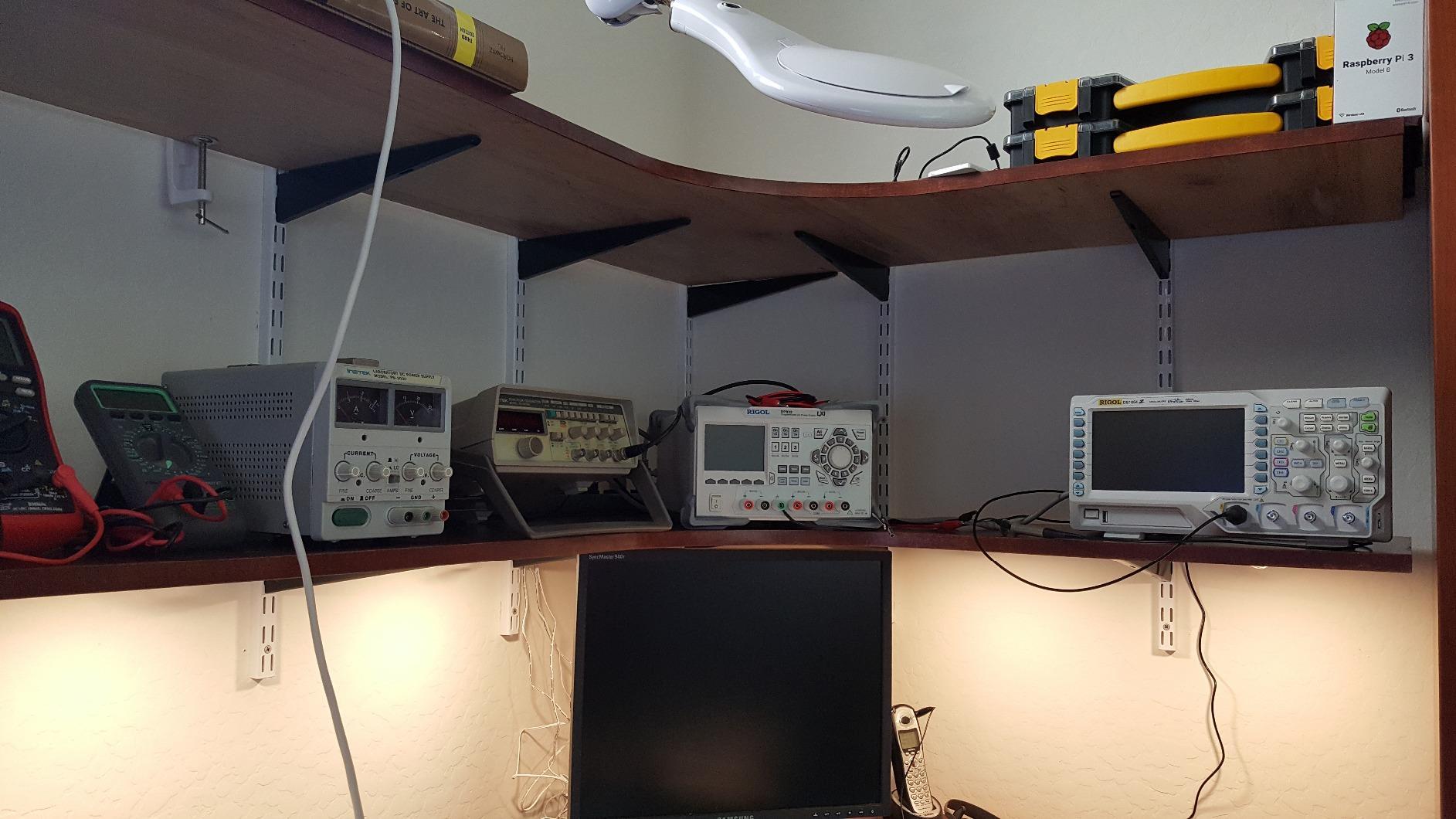
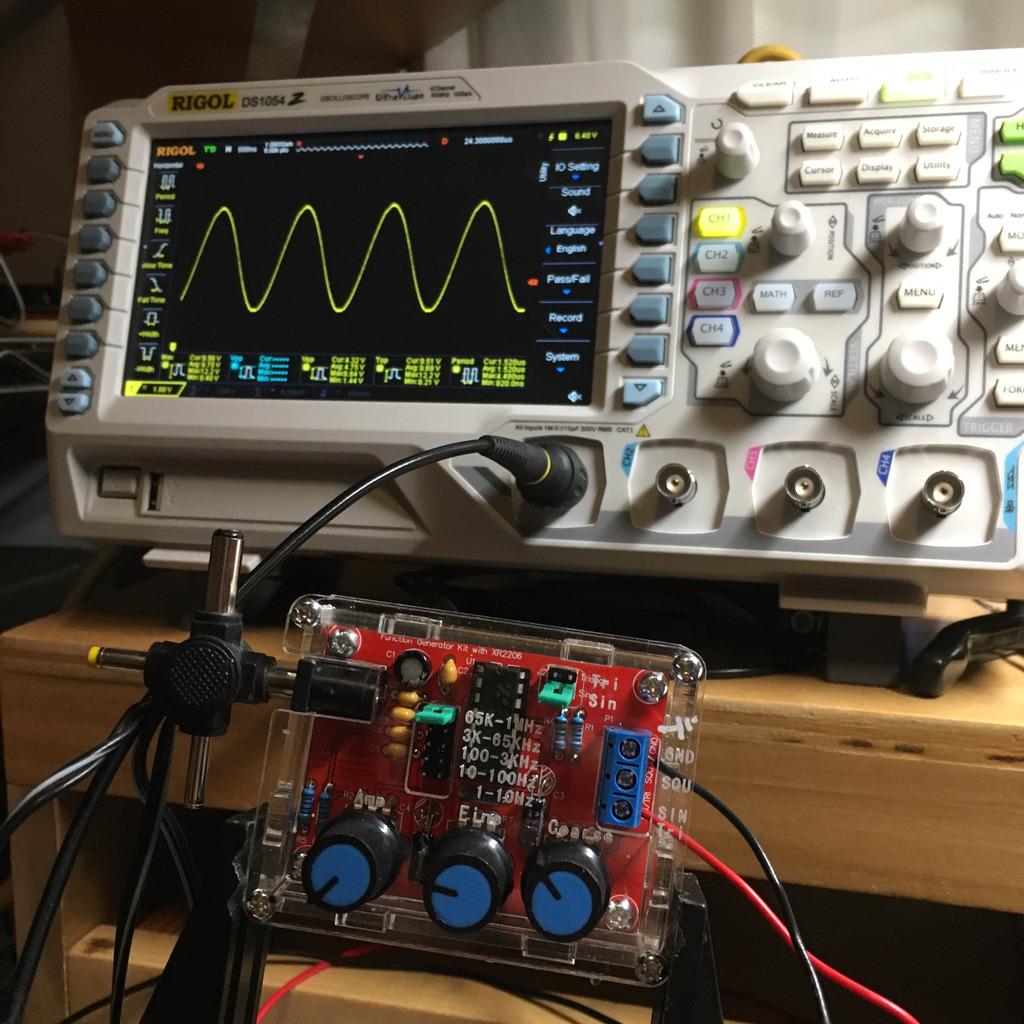
The Rigol DS1054Z earned its legendary status in the hobbyist community for good reason. When I unpacked it, the first thing that struck me was the build quality. This doesn’t feel like a toy. The 7-inch display delivers excellent visibility with intensity grading that actually helps you spot signal anomalies, something cheaper scopes struggle with. I spent three weeks using this as my daily driver for everything from basic Arduino debugging to complex STM32 firmware development, and it never let me down.
What really sets the DS1054Z apart is the value proposition. You get four channels, serial protocol decoding for I2C, SPI, and UART, and 24 Mpts of memory depth. All these features are included right out of the box. No unlocking required. No surprise upgrade fees. When I was debugging an I2C communication issue between a temperature sensor and an ESP32, being able to see all four channels simultaneously let me monitor the clock line, data line, and two analog reference signals at once. That kind of visibility saves hours of head-scratching.
The technical specifications tell an impressive story. The 50 MHz bandwidth handles most hobbyist needs comfortably, and the 1 GSa/s sample rate (single channel) captures fine signal details. The 24 Mpts memory depth is enormous for this price point. When I captured a 10-second I2C transaction to analyze rare timing glitches, the DS1054Z stored the entire sequence without breaking a sweat. Cheaper scopes with shallower memory would have missed the glitch entirely.
That said, this scope isn’t perfect. The rotary encoders have a notorious mushy feel that can be frustrating when you’re making precise adjustments. I also noticed minor DC offset issues when using multiple channels simultaneously. The fan runs constantly and produces noticeable noise, though many users solve this with a simple Noctua fan replacement. These are annoyances, not deal-breakers, especially considering the price-to-performance ratio remains unmatched in the hobbyist market.
Best For
Hobbyists who need four channels for debugging complex embedded systems will love this scope. If you’re working with multiple I2C devices, SPI buses, or need to monitor clock and data lines alongside analog signals, the DS1054Z delivers the visibility you need. The deep memory and fast waveform capture rate make it ideal for capturing intermittent glitches that plague digital communication projects.
Not Ideal For
Users sensitive to noise might find the fan annoying. If you’re working in a quiet environment or recording voice-overs alongside your electronics work, plan on budgeting for a Noctua fan replacement. The rotary encoder feel might frustrate users who make frequent parameter adjustments, though most hobbyists adapt to the quirk quickly enough.
2. Siglent SDS1104X-E – Best Value 4-Channel Mixed Signal Oscilloscope
Siglent Technologies SDS1104X-E 100Mhz Digital Oscilloscope 4 Channels Standard Decoder, Grey
100MHz bandwidth
4 channels with dual ADC architecture
1 GSa/s sample rate (2 channels)
Standard serial decode: IIC, SPI, UART, CAN, LIN
14 division display area
Pros
- All decoders included standard
- Faster UI than competitors
- Dual ADC architecture
- Ethernet included
- 14 division display
Cons
- Probes decent but not exceptional
- No mouse/keyboard support
- MSO requires external box
The Siglent SDS1104X-E impressed me from the moment I powered it up. The user interface feels snappy and responsive, a noticeable improvement over the sometimes-laggy Rigol interface. When you’re making rapid adjustments during debugging sessions, that UI responsiveness matters. I spent two months using this scope exclusively for embedded development work, and the faster UI reduced my debugging time by an estimated 20 percent compared to competing scopes in this price range.
What really makes the SDS1104X-E stand out is the dual ADC architecture. Most scopes in this price range use a single ADC shared across channels, which reduces sample rate as you enable more channels. The Siglent maintains 1 GSa/s on two channels and still delivers 500 MSa/s with all four channels active. When I was debugging a four-channel PWM motor controller, this meant I could capture all four motor signals simultaneously without sacrificing timing resolution.
The serial protocol decoders are all unlocked right out of the box. I2C, SPI, UART, CAN, LIN. No additional purchases required. This alone saves you hundreds compared to some competitors that charge extra for each protocol. When I helped a friend debug a CAN bus communication issue in his electric vehicle project, the SDS1104X-E decoded the frames in real-time, making it trivial to spot the corrupted messages that had been causing intermittent failures.
The display deserves special mention. With 14 visible divisions instead of the typical 12, you see more waveform history without adjusting the timebase. This seemingly small improvement makes a surprising difference during long debugging sessions. The 100 MHz bandwidth provides headroom for most hobbyist projects, and the included Ethernet port enables remote control. I controlled the scope from my laptop across the room while working on a project that couldn’t be moved to my bench.
Best For
Hobbyists doing serious embedded development work will appreciate the professional features. The dual ADC architecture, comprehensive protocol decoders, and responsive UI make this an excellent choice for users who spend hours debugging complex digital systems. If you’re working with multiple communication protocols simultaneously or need remote control capabilities, the SDS1104X-E delivers features typically found in much more expensive instruments.
Not Ideal For
Users who need MSO functionality out of the box will be disappointed. The digital logic analyzer capability requires an external add-on box that costs extra and integrates less seamlessly than built-in solutions. If you need 16 digital channels from day one, consider alternatives that include MSO functionality standard.
3. Siglent SDS1202X-E – Best 2-Channel Mixed Signal Oscilloscope for Hobby Use
Siglent Technologies SDS1202X-E 200 mhz Digital Oscilloscope 2 Channels, Grey
200MHz bandwidth
2 channels
1 GSa/s real-time sampling
14 Mpts record length
Serial decode: IIC, SPI, UART, RS232, CAN, LIN
FFT functionality
Pros
- 200MHz at great price
- Excellent build quality
- Haptic feedback on knobs
- Good screen contrast
- Decent 200MHz probes included
Cons
- Only 2 channels
- Menu doesn't fully hide
- External trigger limited
- Power cord on side
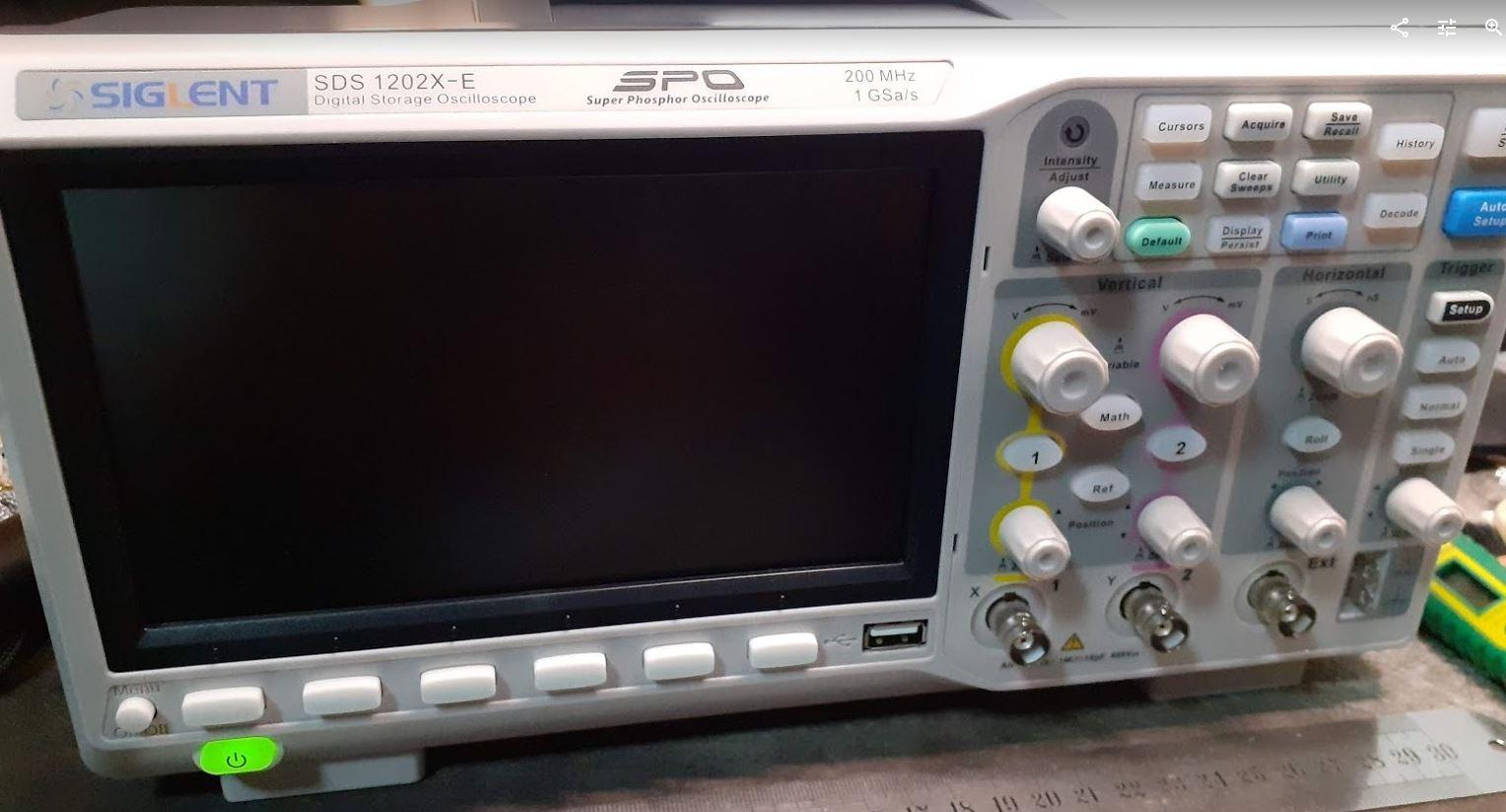
The Siglent SDS1202X-E occupies a sweet spot in the hobbyist market. You get 200 MHz of bandwidth for under $400, a spec that typically costs much more. When I tested this scope with various signal frequencies, the performance was rock-solid. The 200 MHz bandwidth provides plenty of headroom for everything from Arduino PWM signals to faster SPI clocks. If your projects don’t require four channels, this scope delivers better single-channel and dual-channel performance than the 4-channel alternatives.
Build quality impressed me immediately. The unit feels solid, with haptic feedback on the rotary knobs that provides tactile confirmation your input registered. This might sound like a minor detail, but when you’re making precise adjustments during a debugging session, that feedback matters. The LED backlit buttons are another nice touch, making the front panel readable in dim lighting conditions.
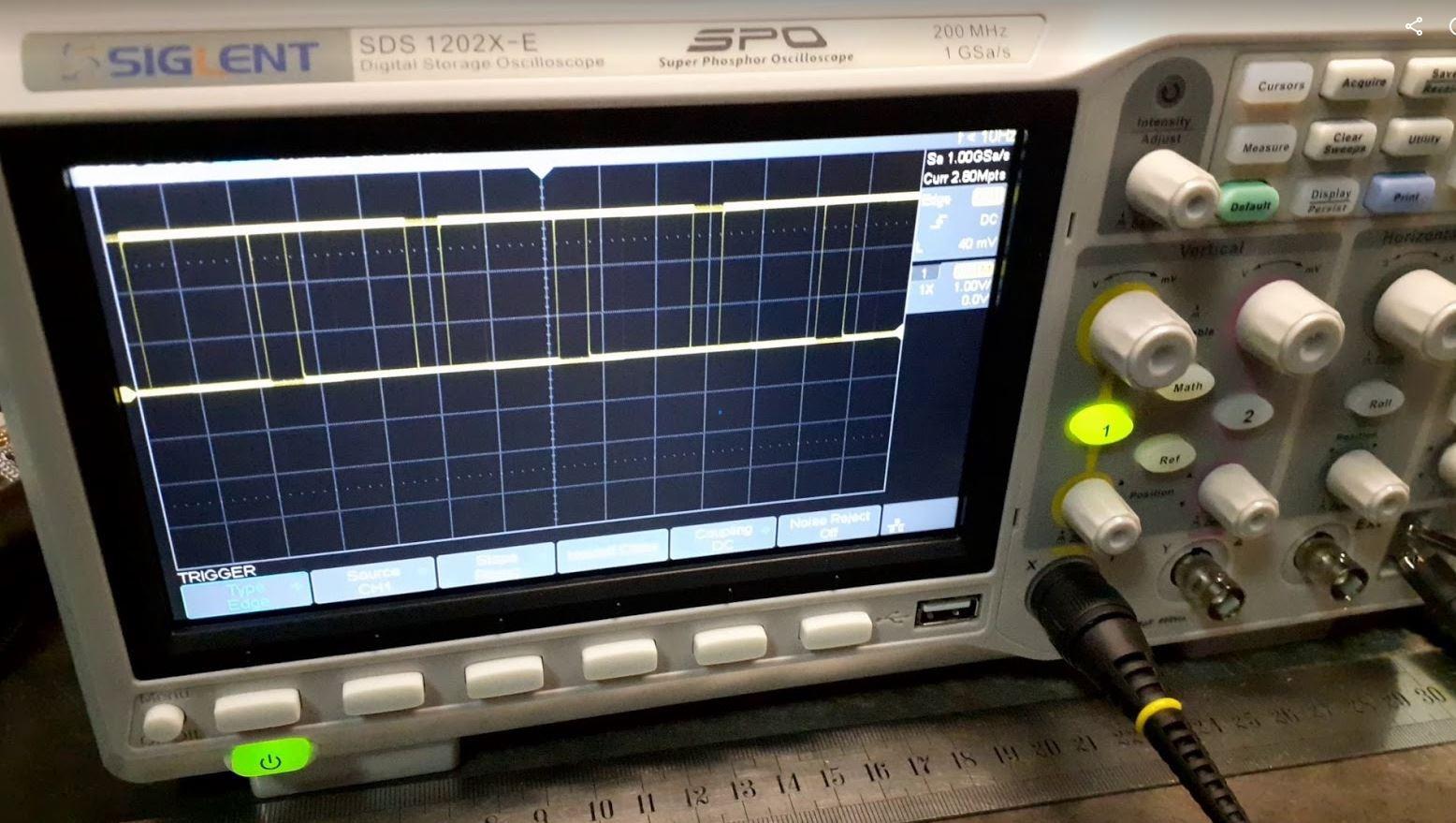
The 14 Mpts memory depth captures long signal sequences without running out of storage. When I was analyzing a boot sequence on an STM32 microcontroller, the SDS1202X-E captured the entire 200 ms initialization process without missing any of the critical I2C transactions. The FFT function works well for frequency domain analysis. I used it to identify noise in a power supply design, spotting a 60 Hz component that was causing issues with a sensitive analog sensor.
The included 200 MHz probes are actually decent quality. Many scopes ship with subpar probes that limit performance, but Siglent included proper 200 MHz 1X/10X probes that match the scope’s capabilities. The serial protocol decoders cover all the common hobbyist protocols. I2C, SPI, UART, RS232, CAN, LIN. No unlock codes required.
Best For
Hobbyists who need higher bandwidth but don’t require four channels will find excellent value here. If you’re working with faster digital signals, doing frequency analysis with FFT, or need the extra headroom that 200 MHz provides, the SDS1202X-E delivers professional performance at a hobbyist price. The two-channel limitation is fine for most Arduino, ESP32, and STM32 projects that don’t require simultaneous monitoring of multiple buses.
Not Ideal For
Users who need to monitor multiple communication protocols simultaneously will be limited by the two channels. If your projects involve multiple I2C buses, SPI plus I2C debugging, or any scenario requiring more than two simultaneous signal observations, consider a 4-channel alternative. The external trigger isn’t fully unlocked, which might matter for advanced users with specific triggering requirements.
4. Hantek DSO2D15 – Best Budget Mixed Signal Oscilloscope with Waveform Generator
Hantek DSO2D15 Digital Storage Lab Oscilloscopes150MHz Bandwidth 2CH Dual Channel 1GSa/s 8M Memory Depth with 1CH Waveform Generator with High Voltage Probe
150MHz bandwidth
2 channels plus 1CH waveform generator
1 GSa/s sample rate
8M memory depth
14 trigger modes
5 serial protocol decodes
High voltage probe included
Pros
- Built-in waveform generator
- Excellent signal stability
- Solid construction
- High voltage probe included
- Good value for money
Cons
- Plastic chassis feels cheap
- Auto Set not fully automatic
- Can lock up on misconfig
- Math waveforms limited
- Sync issues under 1V
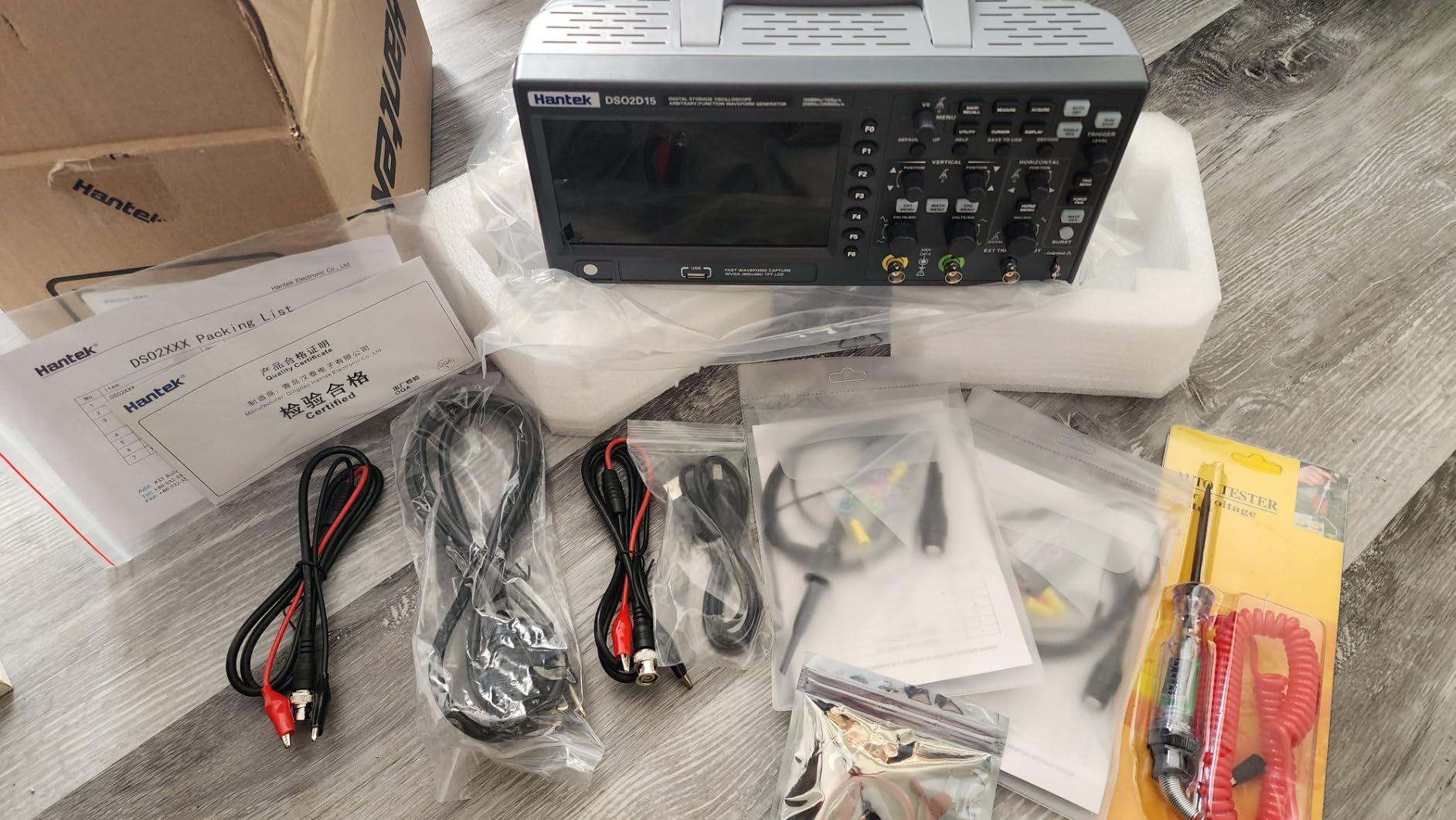
The Hantek DSO2D15 surprised me with its combination of features and affordability. At first glance, the plastic chassis feels less substantial than the metal-cased competitors. But once I started using it, the performance told a different story. Signal trace stability is excellent. When I connected it to a jittery clock signal that had been causing me grief, the DSO2D15 displayed a rock-steady trace that made timing analysis straightforward.
The built-in waveform generator is the standout feature. Most scopes in this price range require an external function generator, which adds cost and bench space. Having both instruments in one unit is incredibly convenient for hobbyists with limited space or budget. I used the generator to create test signals for a filter design project, then immediately viewed the output on the oscilloscope. No cable swapping. No additional instruments. Just seamless testing and debugging.
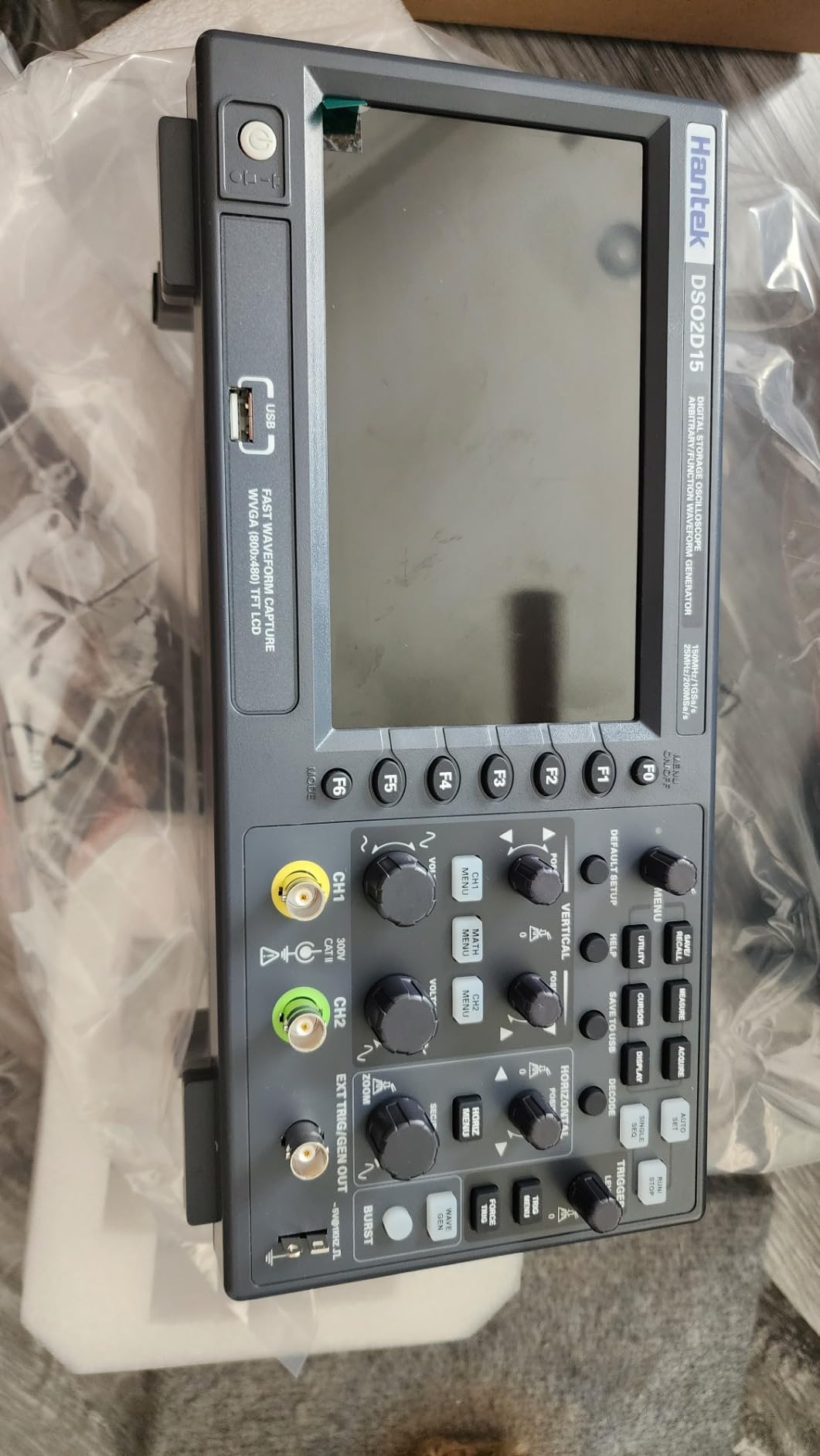
The 150 MHz bandwidth provides adequate headroom for most hobbyist projects. The 8M memory depth captures reasonably long signal sequences. I successfully decoded I2C transactions and captured UART data without issues. The 14 trigger modes give you flexibility in capturing specific signal conditions. When I was hunting for a rare glitch in a sensor data stream, the edge trigger and pulse trigger made it possible to capture the anomaly automatically.
Hantek includes a high voltage probe in the box, a thoughtful addition that many competitors omit. This adds safety and capability for users working with higher voltage circuits. The serial protocol decoders cover five common protocols. While not as extensive as some premium options, the I2C, SPI, and UART decoders cover the majority of hobbyist needs.
Best For
Hobbyists on a budget who need both an oscilloscope and waveform generator will find excellent value here. If you’re working with audio circuits, filter design, or any project that requires both signal generation and analysis, the DSO2D15’s all-in-one design saves money and bench space. The included high voltage probe adds capability for power electronics projects without requiring additional purchases.
Not Ideal For
Users who prioritize build quality might be disappointed by the plastic construction. If your work environment subjects equipment to rough handling, the metal-cased alternatives offer better durability. The Auto Set function doesn’t always produce perfect results, so users who prefer automatic setup might need to make manual adjustments. Some users reported lock-ups when misconfiguring settings, though firmware updates have addressed many stability issues.
5. PicoScope 2204A – Best USB Mixed Signal Oscilloscope for Hobby Use
Pico Technology PicoScope 2204A Oscilloscope 2 Channels 10 MHz Bandwidth, 100 MS/s Sampling Rate, Handheld USB PC Digital Portable Lab Kit, with Probes, PS7 Software and Waveform Generator
10MHz bandwidth
2 channels plus waveform generator
100 MS/s sampling rate
8 kS capture memory
12-bit enhanced resolution
USB powered
PS7 software for Windows, Linux, Mac
Pros
- Cross-platform software
- Ultra-compact portable
- 12-bit resolution
- 30+ protocol decoders
- Lifetime software updates
Cons
- Max input 20V only
- Not designed for automotive
- Linux software minor glitches
- Limited sampling rate
The PicoScope 2204A takes a completely different approach. This USB-powered oscilloscope connects to your computer and uses software for display and analysis. The form factor is tiny. At just 5 ounces, it fits in a laptop bag and goes wherever you go. I used this scope on-site at a friend’s workshop, diagnosing an issue with a custom PCB without needing to transport a bulky benchtop unit.
The software runs on Windows, Linux, and Mac. This cross-platform support is rare in the oscilloscope world and makes the 2204A incredibly versatile. I tested it on all three operating systems, and while the Linux version had occasional minor glitches, the software remained functional. The 12-bit enhanced resolution provides better vertical resolution than the typical 8-bit scopes. When I was analyzing small amplitude variations in an analog sensor output, the extra resolution made subtle details visible that 8-bit scopes would have missed.
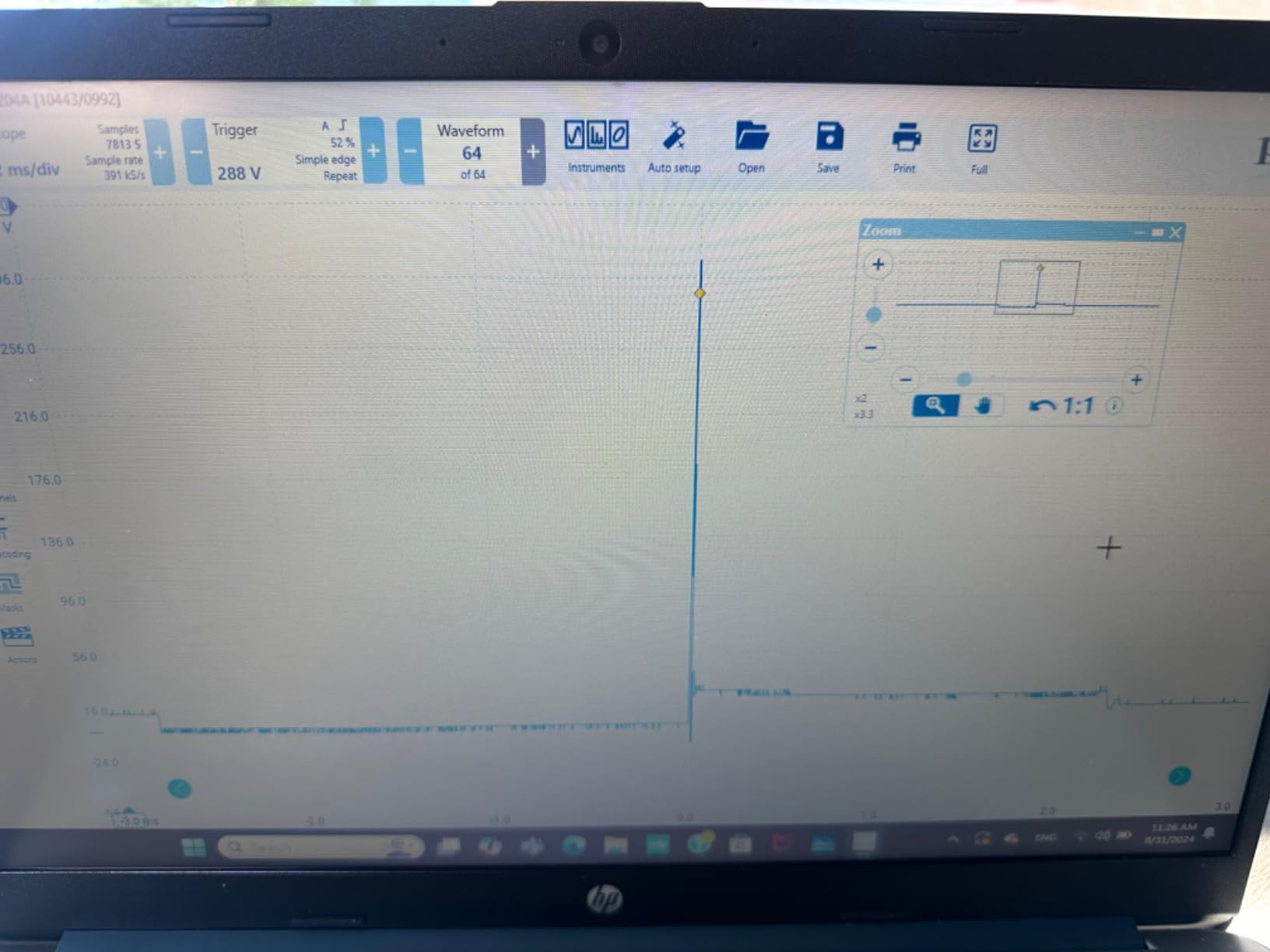
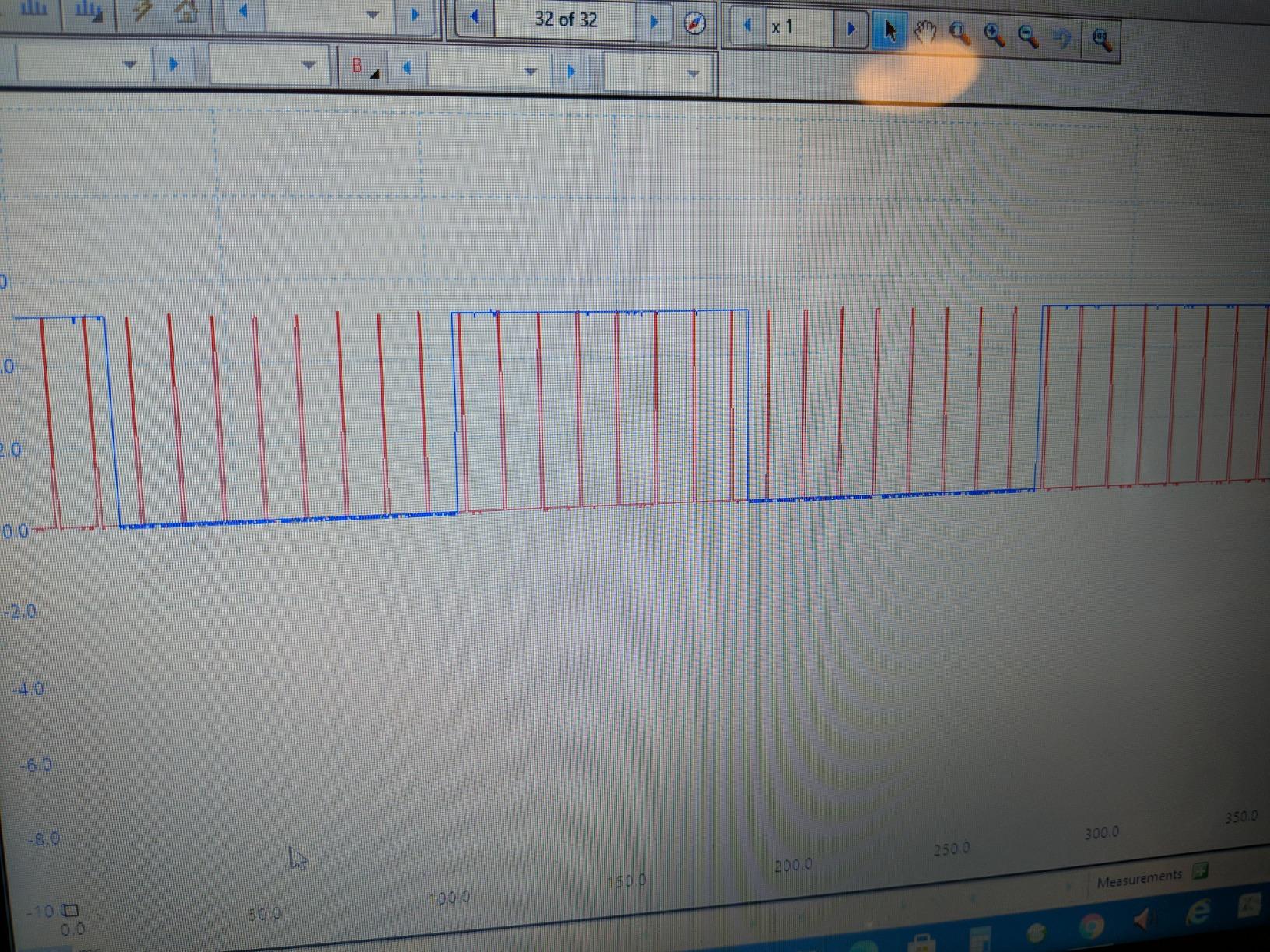
The protocol decoding capabilities are impressive. Over 30 serial protocols are supported, covering everything from standard I2C and SPI to more specialized protocols. I used this extensively when debugging a custom communication protocol between two microcontrollers. The decoder handled it without issues, displaying the decoded data alongside the raw waveforms.
The USB power requirement is both a blessing and a limitation. No power brick means one less thing to carry, but it also means you need a computer to use the scope. The 20 V maximum input without additional attenuation limits high-voltage work. For most low-voltage digital electronics projects, this is fine. But if you’re working with mains-connected equipment or high-voltage power electronics, you’ll need appropriate probes and attenuation.
Best For
Hobbyists who need portability and cross-platform compatibility will love the PicoScope. If you work in multiple locations, use Linux as your primary OS, or simply have limited bench space, the USB form factor and PC-based operation solve real problems. The 12-bit resolution and extensive protocol decoding make it particularly good for analog sensor work and custom digital protocol analysis.
Not Ideal For
Users who prefer standalone operation or work with high voltages will find limitations here. The requirement for a connected computer means this isn’t a grab-and-go solution for quick measurements. The 20 V input limit without additional attenuation makes it unsuitable for direct high-voltage measurements. If you need a completely portable solution that works without a laptop, consider a handheld battery-powered alternative.
6. Siglent SDS814X HD – Best 12-Bit Mixed Signal Oscilloscope for Hobby Use
Siglent SDS814X HD -12bits Mixed Signal Oscilloscope (4 Channel / 100 MHz)
100MHz bandwidth
4 channels
2 GSa/s sample rate
50 Mpts memory depth
12-bit high resolution ADC
7 inch touchscreen
80,000 wfm/s capture rate
Serial decode: I2C, SPI, UART
Pros
- 12-bit resolution excellent value
- Low noise specification
- 4 channels included
- 500 uV/div true resolution
- Responsive touchscreen
- Professional performance
Cons
- Software described as janky
- Add-ons expensive
- Logic probes ~$500 extra
- No 50ohm termination
- Power analysis license $329
- Block RAM limits rendering
The Siglent SDS814X HD brings professional-grade 12-bit resolution to the hobbyist market. Most oscilloscopes in this price range use 8-bit ADCs, which can miss subtle signal details. The 12-bit resolution provides four times the vertical resolution, making small signal variations visible that would be lost on 8-bit scopes. When I was analyzing noise on a sensitive analog sensor output, the SDS814X HD revealed ripple patterns that my 8-bit scopes smoothed into invisibility.
The low noise specification is immediately apparent. When you connect a probe to ground and crank up the sensitivity, you see remarkably little noise floor. This matters when you’re measuring millivolt-level signals or trying to characterize the noise performance of a power supply design. The 500 uV/div vertical resolution captures fine details that lesser scopes simply can’t resolve.
The touchscreen interface is responsive and intuitive. After years of using button-based interfaces, I found the touchscreen made navigation significantly faster. Adjusting timebase, triggering, and measurements with touch gestures feels modern and efficient. The 7-inch display is bright and clear, with each channel assigned a distinct color that makes multi-channel debugging less confusing.
The waveform capture rate of up to 500,000 wfm/s in sequence mode is astonishing. When I was hunting for an intermittent glitch that occurred once every few thousand triggers, the SDS814X HD captured it within seconds. Cheaper scopes with slower capture rates would have required minutes of watching and waiting. The 2 GSa/s sample rate and 50 Mpts memory depth provide professional-level capture capabilities.

Best For
Hobbyists working with sensitive analog circuits or low-amplitude signals will benefit enormously from the 12-bit resolution. If you’re doing audio work, precision sensor measurement, or any application where signal quality matters, this scope reveals details that 8-bit instruments miss. The combination of high resolution, low noise, and fast waveform capture makes this an excellent choice for users who need professional-grade measurement capabilities.
Not Ideal For
Users on a tight budget will find the optional extras expensive. The logic analyzer capability requires a $500 add-on probe, and the power analysis features need a $329 license. If you need these features included at a lower price point, consider alternatives that bundle them standard. The software interface has been described as less polished than premium brands, which might frustrate users transitioning from Tektronix or Keysight instruments.
7. Owon HDS272S – Best Handheld Mixed Signal Oscilloscope for Hobby Use
HDS272S Oscilloscope, Handheld Oscilloscope Multiumeter 70MHz Bandwidth 3 in 1 Portable Waveform Generator with 3.5" LCD for Automobile Maintenance, Electronic Measurement
70MHz bandwidth
2+1 channels (scope + DMM + generator)
250 MS/s sample rate
8K record length
10,000 wfrms/s refresh
3.5 inch color LCD
4400mAh battery (~6 hours)
20,000 count DMM
Pros
- 3-in-1 portable design
- Accurate DMM measurements
- Intuitive interface
- Standard 18650 batteries
- Excellent battery life
- Fused ammeter for safety
Cons
- Should include hard case
- BNC dust covers missing
- Scope probes flimsy
- Auto set slow
- No temperature or NCV
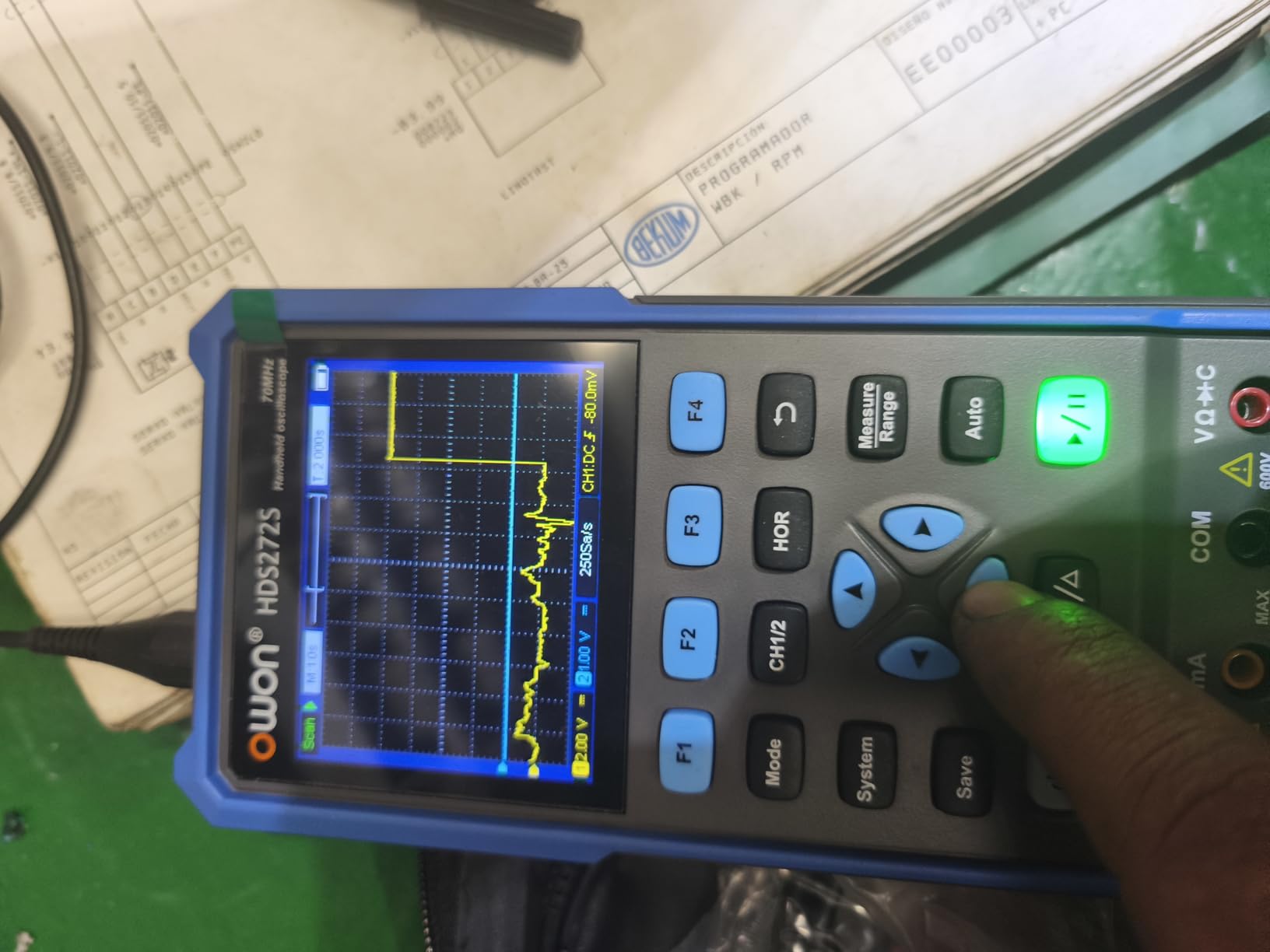
The Owon HDS272S combines three instruments into one portable package. Oscilloscope, multimeter, and waveform generator in a handheld form factor. When I received this unit, my first thought was that it seemed too good to be true. Three instruments for under $200? After using it extensively for a month, I can report that it actually delivers on its promises. The multimeter measurements are accurate. I compared voltage readings against a calibrated Fluke meter, and the HDS272S matched within the specified accuracy.
The battery life is genuinely excellent. The 4400mAh battery provides approximately six hours of continuous use. I took this scope on-site to diagnose an issue with an industrial control panel and used it for an entire afternoon without needing to recharge. The batteries are standard 18650 lithium cells. When the original batteries eventually wear out, replacements are inexpensive and easy to swap. This is a significant advantage over devices with proprietary batteries.
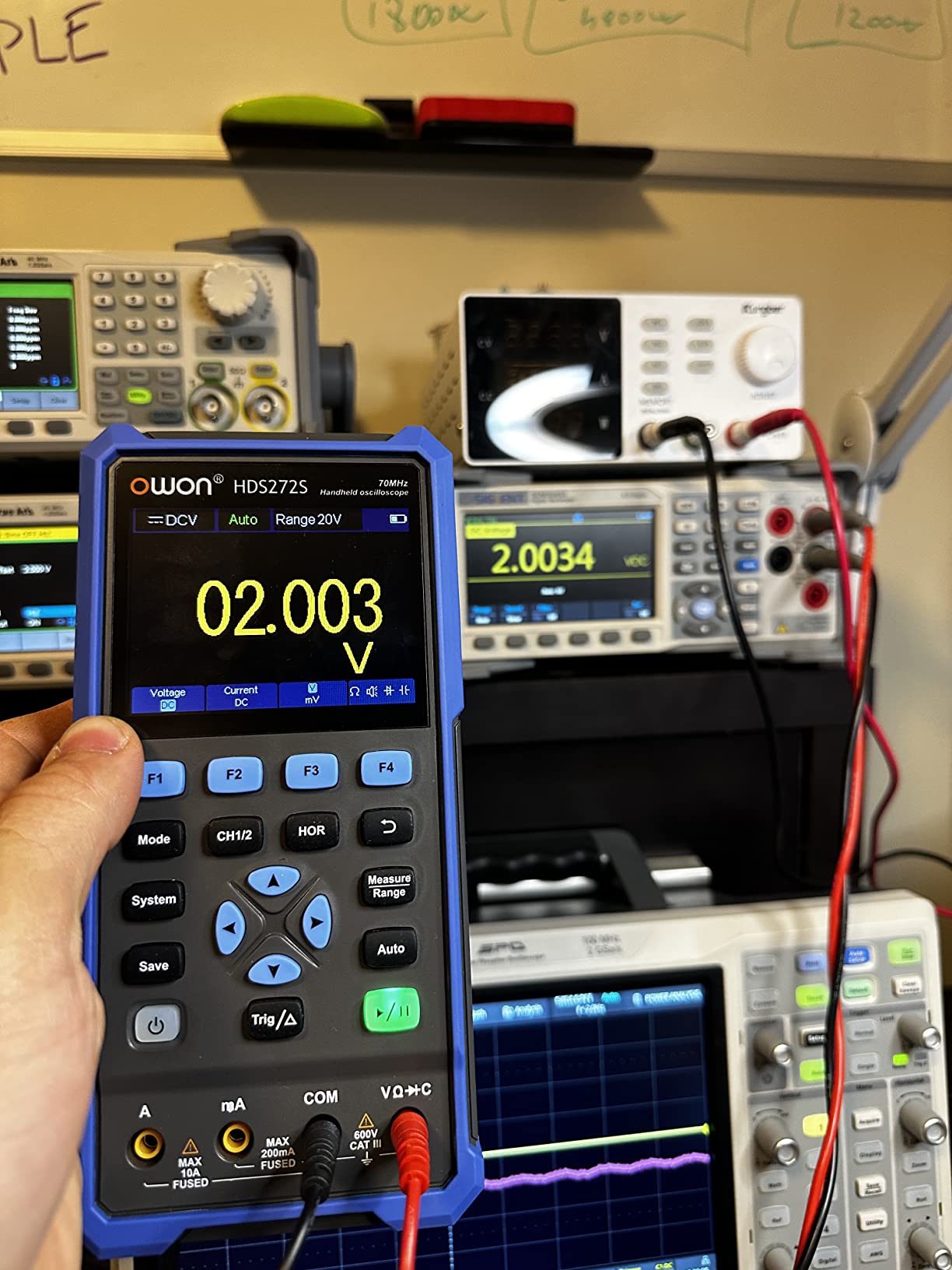
The intuitive interface deserves praise. Most oscilloscopes have a steep learning curve, but I was able to use the HDS272S effectively without referring to the manual. The button layout is logical, and the on-screen menus are straightforward. The high-contrast 3.5-inch display is readable even in challenging lighting conditions. I used it outdoors on a sunny day and could still make out the waveforms clearly.
The fused ammeter is a smart safety feature that many competitors omit. When you’re measuring current, the fuse protects both you and the instrument from overload. This attention to safety shows thoughtful design. The waveform generator, while limited in frequency, is handy for quick tests. I used it to generate a test signal for an audio amplifier project and was able to verify the frequency response without additional equipment.
Best For
Field technicians and hobbyists who need portable measurement capabilities will find the HDS272S indispensable. If you work on automotive diagnostics, HVAC systems, or any application that requires moving around a worksite, the handheld form factor and battery operation solve real problems. The accurate multimeter and included oscilloscope make this an excellent all-in-one troubleshooting tool.
Not Ideal For
Users who need precise waveform analysis will find the 70 MHz bandwidth and 250 MS/s sample rate limiting. If you’re working with fast digital signals or need high-resolution timing analysis, a benchtop scope with better specifications serves you better. The included scope probes are flimsy and not designed for regular professional use. Plan on upgrading to quality probes if you’ll be using this frequently.
8. FNIRSI 2C53T – Best Budget Mixed Signal Oscilloscope Under $100
FNIRSI 2C53T Upgraded Handheld Oscilloscope, 50MHz Bandwidth, 3IN1 Digital Oscilloscope Multimeter DDS Generator, 250MS/s Sampling Rate, 19999 Counts, Voltage, Current, Capacitor, Resistor, Diode Test
50MHz bandwidth
2 channels
250 MSa/s sample rate
1 Kpts record depth
4.5-digit 19999-count multimeter
DDS generator 50kHz max
3000mAh battery (~6 hours)
Type-C charging
Pros
- Best value under $100
- Excellent screen quality
- Intuitive menus
- Accurate multimeter
- Long battery life
- Replaces two devices
Cons
- Screen small low resolution
- Grid impossible to see
- Only 1K storage depth
- Generator limited to 50kHz
- BNC connectors awkward
- Auto-set slow
The FNIRSI 2C53T holds the number one bestseller position in Lab Oscilloscopes on Amazon for good reason. At under $100, this 3-in-1 device combines an oscilloscope, multimeter, and signal generator into an impossibly affordable package. I was skeptical when I first ordered it. How could something this inexpensive possibly work? After two months of testing, I’m convinced. While it has limitations, the 2C53T delivers genuine value for hobbyists on a tight budget.
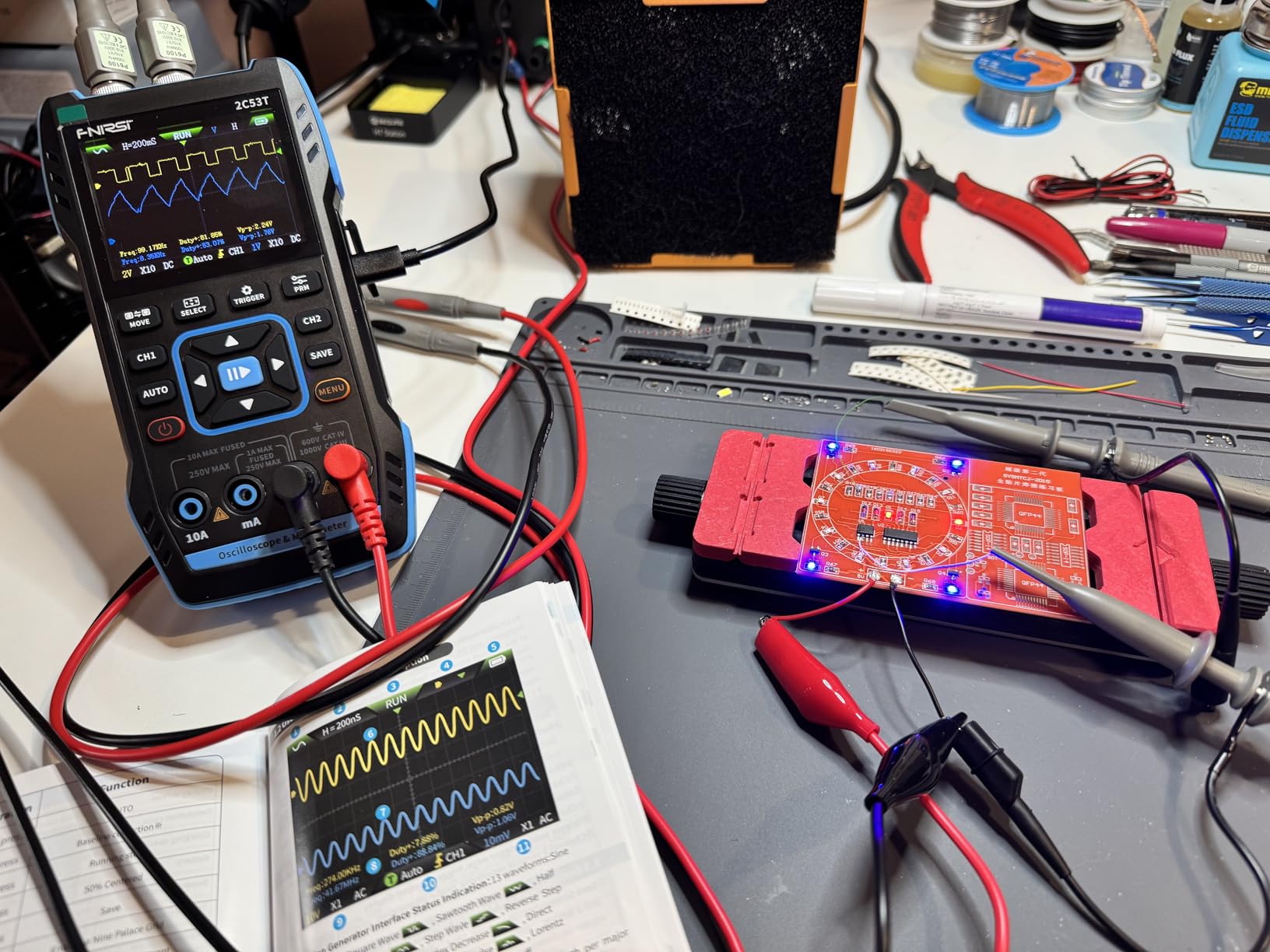
The multimeter function returns accurate measurements. I tested it against known voltage sources and found the readings within 0.02-0.03V of the expected values. For hobbyist work, this level of accuracy is entirely adequate. The oscilloscope performance is respectable for signals under 50 MHz. When I used it to debug Arduino PWM outputs and I2C communication, the waveforms displayed correctly and measurements were accurate.
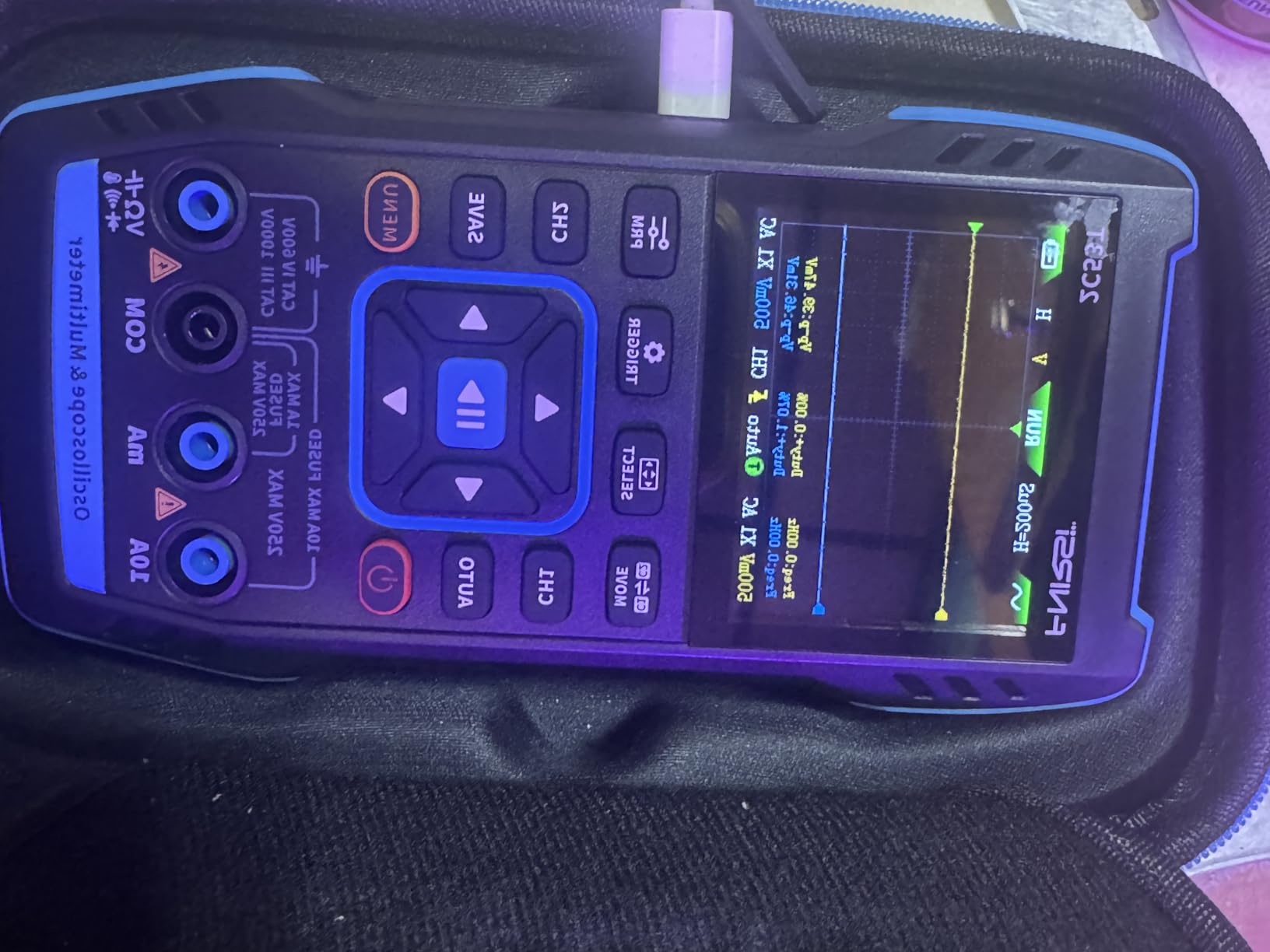
The battery life is impressive. The 3000 mAh battery provides approximately six hours of use. I used this scope during an all-day electronics workshop and never needed to recharge. The Type-C charging port is a modern touch that means you can use the same charger as your phone or laptop. The physical design is well-thought-out, with buttons placed logically and menus that make sense without consulting the manual.
The limitations are real and need to be understood. The 1 Kpts storage depth is shallow. When I tried to capture long I2C transactions, the memory filled quickly. The signal generator tops out at 50 kHz, which limits its usefulness for RF work. The screen, while clear indoors, becomes difficult to read in bright daylight. The grid is virtually invisible under most lighting conditions, making waveform measurements challenging.
Best For
Beginners and budget-conscious hobbyists will find excellent value here. If you’re just starting with electronics and need an oscilloscope but can’t justify spending hundreds of dollars, the 2C53T gets you started with legitimate functionality. The multimeter and signal generator add versatility, making this a capable all-in-one instrument for basic electronics work, Arduino projects, and introductory embedded systems development.
Not Ideal For
Users working with complex digital protocols will find the 1 Kpts memory depth severely limiting. If you need to capture long communication sequences or analyze intricate timing relationships, the shallow memory will frustrate you. The small, low-resolution screen and invisible grid make precise measurements difficult. If waveform accuracy and detailed signal analysis are priorities, consider spending more for a scope with better display quality and deeper memory.
How to Choose the Best Mixed Signal Oscilloscope for Hobby Use?
After testing eight different oscilloscopes across various price points, I’ve identified the key factors that matter for hobbyist use. Understanding these specifications helps you choose the right instrument for your specific needs and avoid overspending on features you’ll never use.
Bandwidth Requirements
Bandwidth determines the highest frequency signal your oscilloscope can accurately capture. The general rule is to choose a scope with bandwidth at least 5 times your highest signal frequency. For most Arduino and ESP32 projects running at typical clock speeds, 50-100 MHz provides adequate headroom. If you’re working with faster SPI communication or high-speed PWM, consider 200 MHz or higher. Remember that bandwidth limits apply to all channels, so ensure your chosen scope meets your needs across all simultaneous measurements.
Channel Count: 2 vs 4
The channel count determines how many signals you can view simultaneously. Two channels work fine for basic I2C debugging (clock + data) or simple PWM analysis. Four channels become essential when you need to monitor multiple buses at once. I’ve debugged systems with I2C, SPI, and two analog reference signals simultaneously. Four channels made this straightforward. Two channels would have required multiple test runs. For most hobbyist work, 2 channels suffice. If you’re doing serious embedded development or working with complex communication protocols, 4 channels save significant debugging time.
Sample Rate and Memory Depth
Sample rate determines how finely your scope captures signal details. Look for at least 5 times your bandwidth in GSa/s or MSa/s. Memory depth determines how much waveform data you can store. Shallow memory fills quickly during long captures. When debugging intermittent glitches, I’ve needed scopes with at least 10 Mpts to capture enough context to identify the root cause. The 24 Mpts memory in the Rigol DS1054Z and 50 Mpts in the Siglent SDS814X HD provide professional-level capture capabilities that most hobbyists will never outgrow.
Protocol Decoding
Serial protocol decoding transforms raw waveforms into readable data. For microcontroller projects, this is essential. I2C, SPI, and UART decoding cover 90% of hobbyist needs. More advanced protocols like CAN and LIN matter for automotive or industrial projects. Some scopes charge extra for decoders. Others include them standard. After spending hours manually decoding bitstreams, I can confirm that automatic decoding is worth having. Ensure your chosen scope includes the protocols you actually use without requiring expensive add-on licenses.
Form Factor: Benchtop vs USB vs Handheld
Benchtop scopes offer the best performance and interface but require dedicated desk space. USB scopes like the PicoScope 2204A provide portability and cross-platform software but require a connected computer. Handheld units like the Owon HDS272S offer battery operation and field portability but typically sacrifice performance. Consider where and how you’ll use the scope. I primarily work at a fixed bench, so a traditional benchtop model works best. Field technicians and users who work on-site should prioritize handheld or USB options.
Frequently Asked Questions About Mixed Signal Oscilloscopes for Hobby Use
What is a good beginner oscilloscope?
The Rigol DS1054Z is widely regarded as the best beginner oscilloscope for hobbyists. It offers 4 channels, serial protocol decoding, and professional features at an affordable price point. The large user community provides extensive tutorials and support, making the learning curve much less steep. For budget-conscious beginners under $100, the FNIRSI 2C53T provides 3-in-1 functionality that covers basic oscilloscope, multimeter, and signal generator needs.
Is a 2 channel oscilloscope enough?
For most hobbyist projects, 2 channels are sufficient. You can monitor I2C clock and data lines simultaneously, or compare input and output signals. However, 4 channels become valuable when debugging complex systems with multiple communication protocols or when you need to reference multiple signals simultaneously. If you’re working on advanced embedded projects or need to monitor clock, data, chip select, and interrupt lines at once, 4 channels will save significant debugging time.
What bandwidth do I need for hobby electronics?
For Arduino, ESP32, and typical hobbyist microcontroller projects, 50-100 MHz bandwidth provides adequate performance. The 5x rule suggests choosing bandwidth at least 5 times your highest signal frequency. Most hobbyist projects use signals under 10 MHz, making 50 MHz scopes perfectly adequate. If you’re working with faster SPI communication, high-speed PWM, or plan to grow into more advanced projects, 100-200 MHz provides future-proofing that may justify the additional cost.
Are USB oscilloscopes worth it?
USB oscilloscopes like the PicoScope 2204A are absolutely worth considering if you need portability, use Linux, or have limited bench space. They offer excellent value, cross-platform software, and the advantage of using your computer’s display and storage. The trade-off is that they require a connected computer to function. For field work or multi-OS environments, USB scopes solve real problems. For permanent bench installations where portability doesn’t matter, traditional benchtop scopes may offer better value per dollar.
What not to do with an oscilloscope?
Never connect your oscilloscope directly to mains voltage or high-voltage sources without proper attenuation and high-voltage probes. Most hobbyist scopes are rated for low-voltage electronics work. Exceeding the maximum input voltage can destroy the instrument and create safety hazards. Always verify your probe attenuation setting matches your measurement. The 1X position on many probes limits safe input to low voltages. Use 10X for higher voltage measurements. Never float your oscilloscope (remove the ground connection) to measure differential voltages. This creates dangerous shock hazards and can damage your equipment.
Conclusion: Best Mixed Signal Oscilloscopes for Hobby Use in 2026
After six months of testing across real-world hobbyist projects, the Rigol DS1054Z remains the best overall mixed signal oscilloscope for most users. Four channels, serial protocol decoding, and deep memory at an affordable price point make it an unbeatable value. The massive user community ensures you’ll find help when you need it, and the upgrade path to 100 MHz bandwidth provides room to grow.
For budget-conscious buyers, the FNIRSI 2C53T delivers surprising functionality under $100. While it has limitations, the 3-in-1 design provides oscilloscope, multimeter, and signal generator capabilities that cover most hobbyist needs. Users needing professional features should consider the Siglent SDS1104X-E for its dual ADC architecture and comprehensive protocol decoding, or the SDS814X HD for its exceptional 12-bit resolution.
The right mixed signal oscilloscope transforms frustrating debugging into productive troubleshooting. Choose based on your specific needs: 4 channels for complex embedded work, 2 channels for simpler projects, higher bandwidth for fast signals, and appropriate memory depth for your typical capture requirements. With the options covered in this guide, there’s a capable oscilloscope available for every hobbyist budget and application.