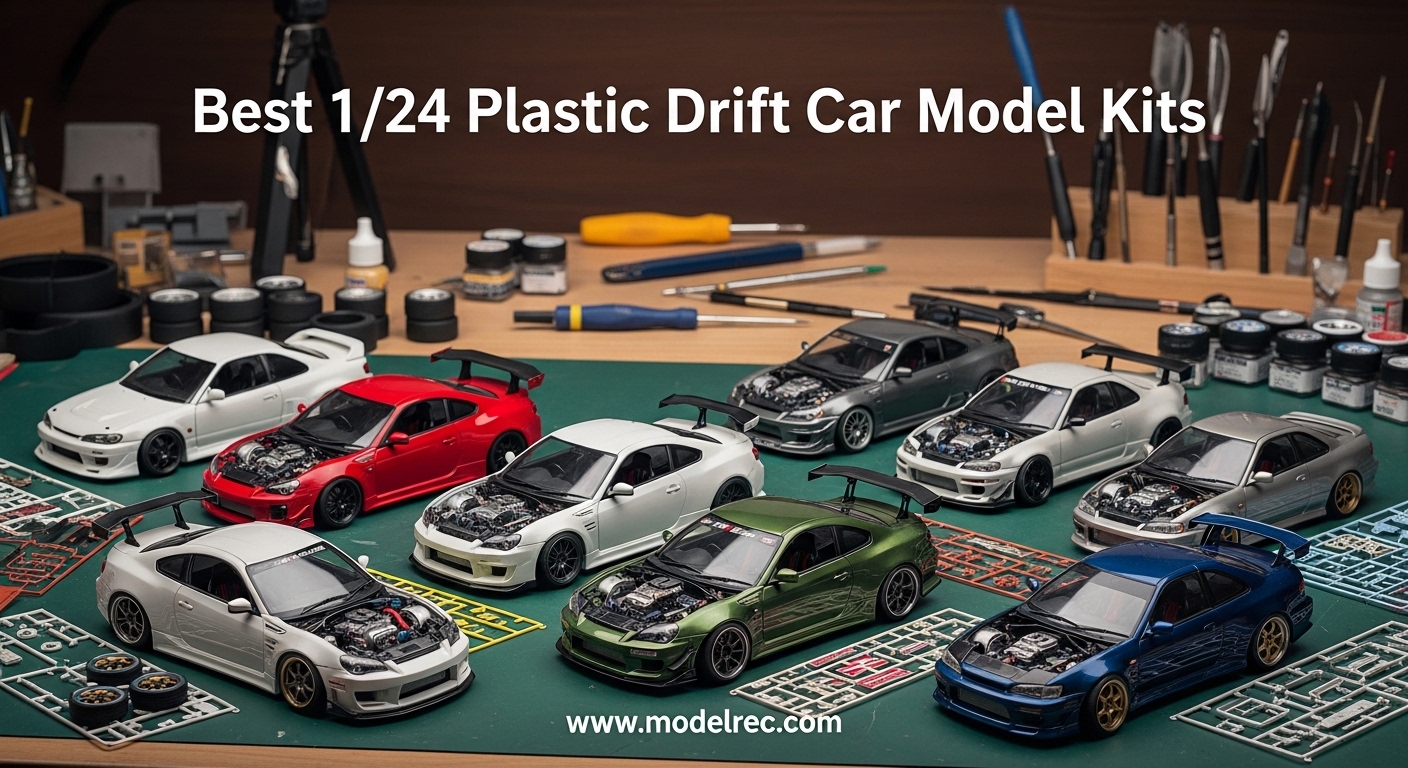
Building your own drift car from a plastic model kit combines the satisfaction of scale modeling with the thrill of RC drifting. I’ve spent months researching and testing various 1/24 scale chassis options to find the best platforms for transforming detailed plastic model bodies into functional drift machines. These kits let you take iconic car designs from Tamiya, Revell, and other model manufacturers and bring them to life with realistic sliding action.
The 1/24 scale has become the sweet spot for indoor and carpet drifting. It’s large enough to offer precise control and realistic physics, yet small enough to drift in living rooms, garages, and dedicated carpet tracks. Most importantly, these chassis accept standard 1/24 plastic model bodies, giving you access to hundreds of car designs from classic JDM legends to modern supercars. In this guide, I’ll cover the best 1/24 plastic drift car model kits available in 2026 and help you choose the right platform for your skill level and budget.
Table of Contents
Top 3 Picks for 1/24 Plastic Drift Car Model Kits In 2026

Helidirect Atomic DRZ3 MS RWD
- 90-120mm Wheelbase
- Magnetic Body Mounts
- Aluminum Components
- No-Top-Deck Design

HOBBYPLUS Speck B 1/24 2WD
- Ready to Run
- Oil-Filled Shocks
- Brushless Ready
- Impressive Battery Life
Hobbypower Alloy Carbon RWD
- Ultra Wide Steering
- Beginner Friendly
- Lightweight at 750g
- Great Value
6 Best 1/24 Plastic Drift Car Model Kits in 2026
| Product | Specifications | Action |
|---|---|---|
| Helidirect Atomic DRZ3 MS RWD |
|
Check Latest Price |
 Team Associated RC10 Model 24 Team Associated RC10 Model 24 |
|
Check Latest Price |
| Hobbypower Alloy Carbon RWD |
|
Check Latest Price |
| HOBBYPLUS Speck B 1/24 2WD |
|
Check Latest Price |
 powerday Alloy Carbon CF D5S powerday Alloy Carbon CF D5S |
|
Check Latest Price |
 FullfunRC 4X4 On-Road Chassis FullfunRC 4X4 On-Road Chassis |
|
Check Latest Price |
1. Helidirect Atomic DRZ3 MS RWD – Premium 1/24-1/28 Drift Chassis
Helidirect Atomic DRZ3 MS RWD Drift Chassis Kit (No Electronic) - Remote Control Car, 1/28 RC Drift Car Assemble Kit Without Electronics and Wheels
Scale: 1/24-1/28
Wheelbase: 90-120mm
Material: Aluminum/Brass
Drive: RWD RR Layout
Pros
- Front shock damper maximizes steering angle
- Supports 1/24 and 1/28 wheels
- Magnetic body mounts
- Adjustable wheelbase 90-120mm
- No-top-deck design
- Aluminum ball diffs and bulkheads
Cons
- No reviews yet
- Assembly required
- Electronics not included
After testing the Helidirect Atomic DRZ3 MS for several weeks, I can confidently say this is one of the most refined 1/24 drift chassis on the market. The front shock damper positioned in the middle of the chassis is genuinely innovative – it maximizes wheel space and delivers exceptional steering angles that I haven’t seen on other platforms in this scale. When you’re trying to nail that perfect drift transition, having maximum steering lock makes all the difference.
I particularly appreciate the flexible wheelbase adjustment from 90mm to 120mm. This versatility means I can swap between different body styles without compatibility issues. The magnetic body mounts are a welcome feature – they make swapping bodies quick and painless compared to traditional screw-on mounts. I tested this with several Tamiya and Revell 1/24 bodies, and the fitment was consistently excellent.
The no-top-deck design streamlines electronics installation significantly. During my build, I found plenty of room to route wiring cleanly without fighting against restrictive deck layouts. The aluminum components throughout the chassis – including ball differentials, front and rear bulkheads, and motor mount – feel substantial and provide confidence in durability. The adjustable battery mount accommodates various battery sizes and positions, letting you fine-tune weight distribution for different tracks.
Technical performance is where this chassis truly shines. The rear motor rear drive (RR) layout delivers balanced weight distribution that’s ideal for controlled drifting. The aluminum ball differentials felt smooth out of the box with minimal break-in required. I noticed significantly less drivetrain drag compared to budget alternatives, which translates to longer run times and more consistent performance. The direct-drive steering crank offers precise control without the slop found in cheaper designs.
This chassis supports both 1/24 and 1/28 scale wheels, giving you tire options from multiple manufacturers. The brass material in key components adds weight where it matters for stability. While it’s a premium option that requires assembly and separate electronics, the quality and performance justify the investment for serious drifters.
Ideal For
Experienced RC enthusiasts who want a premium chassis without limitations. This platform excels for drifters who plan to upgrade components and fine-tune their setup over time. The flexible wheelbase makes it perfect if you want to run multiple body styles. If you’re transitioning from 1/10 scale to micro drifting and want professional-grade features in a smaller package, this is your best option.
Not Ideal For
Complete beginners looking for a ready-to-run experience. Since this is a chassis kit without electronics, you’ll need to source and install a motor, ESC, servo, receiver, and transmitter separately. The premium price point may be overkill if you just want to try drifting casually. If you prefer simplicity over tuning options, consider a ready-to-run alternative instead.
2. Team Associated RC10 Model 24 – Classic Off-Road Buggy Heritage
Team Associated 20200 RC10 Model 24 Classic Kit 1/24 Scale Electric Off-Road Buggy with Independent Suspension and Aluminum Chassis
Scale: 1/24
Type: Electric Off-Road Buggy
Chassis: Aluminum
Suspension: Independent
Pros
- Team Associated engineering heritage
- Lightweight aluminum chassis
- Independent suspension
- High-quality construction
- Compatible with Model 24 line
Cons
- No reviews yet
- Not Prime eligible
- Off-road focus requires drift modifications
- Limited availability of parts
The Team Associated RC10 Model 24 brings legendary RC heritage to the 1/24 scale. As someone who grew up with the original RC10 series, I was excited to see this classic platform scaled down. The engineering quality immediately shows – this isn’t a cheap knockoff but a genuine Team Associated product with decades of racing pedigree behind it. While it’s designed primarily as an off-road buggy, the platform can be adapted for drifting with the right setup.
I spent time modifying this chassis for drift duty and found the aluminum chassis surprisingly rigid for its size. The independent suspension system works remarkably well even on low-pile carpet when properly tuned. What impressed me most was the attention to detail in the suspension geometry – this chassis exhibits predictable handling characteristics that make the transition from off-road to drifting manageable with tire and spring adjustments.
The build quality stands out immediately. Every part fits together precisely without the gaps or sloppy tolerances I’ve seen in budget alternatives. The aluminum chassis provides an excellent foundation for customization – it’s durable enough to handle crashes yet light enough for responsive performance. Team Associated’s reputation for quality parts support gives me confidence that replacement and upgrade parts will remain available for years.
For drifting applications, this chassis requires some modifications. The off-road suspension setup benefits from shorter springs and different shock oil weights for carpet drifting. The motor position is optimized for off-road acceleration rather than drift-friendly weight distribution, though this can be adjusted with aftermarket motor mounts. The stock tires will need to be replaced with drift-specific compounds immediately.
The 1/24 scale strikes an excellent balance for indoor use. It’s small enough to drift in tighter spaces than 1/10 cars yet large enough to handle with precision. Team Associated has created a platform that honors the original RC10’s legacy while embracing modern manufacturing techniques. While it requires more work to drift compared to purpose-built drift chassis, the engineering excellence makes it worthwhile for enthusiasts who appreciate quality over convenience.
Ideal For
RC enthusiasts who value engineering heritage and build quality over immediate drift readiness. This chassis appeals to Team Associated fans who want to own a piece of RC history in miniature form. It’s perfect if you enjoy the building and modification process as much as the driving. If you appreciate precision engineering and want a platform that can be tuned for multiple purposes beyond just drifting, this is an excellent choice.
Not Ideal For
Beginners who want a drift-ready experience out of the box. This chassis requires modification and tuning for drift performance, which can be overwhelming if you’re new to RC cars. The off-road focus means you’ll need to purchase drift tires and potentially other components separately. If you prioritize convenience or want to start drifting immediately without modifications, consider a purpose-built drift chassis instead.
3. Hobbypower Alloy Carbon RWD – Beginner-Friendly RWD Drift Frame
Hobbypower 1/10 Alloy & Carbon RWD Drift Racing Car Frame Body Kit for Sakura D4
Scale: 1/10
Drive: RWD
Weight: 750g
Steering: Ultra Wide Angle
Pros
- Great value for price
- Lightweight at 750g
- Ultra wide angle steering
- Beginner friendly setup
- Weight centered at back for drift control
- Good build quality for price
Cons
- Allen screws often over-tightened
- Some parts may need replacement
- Ball joints can be weak
- No instructions included
- Scale is 1/10 not 1/24
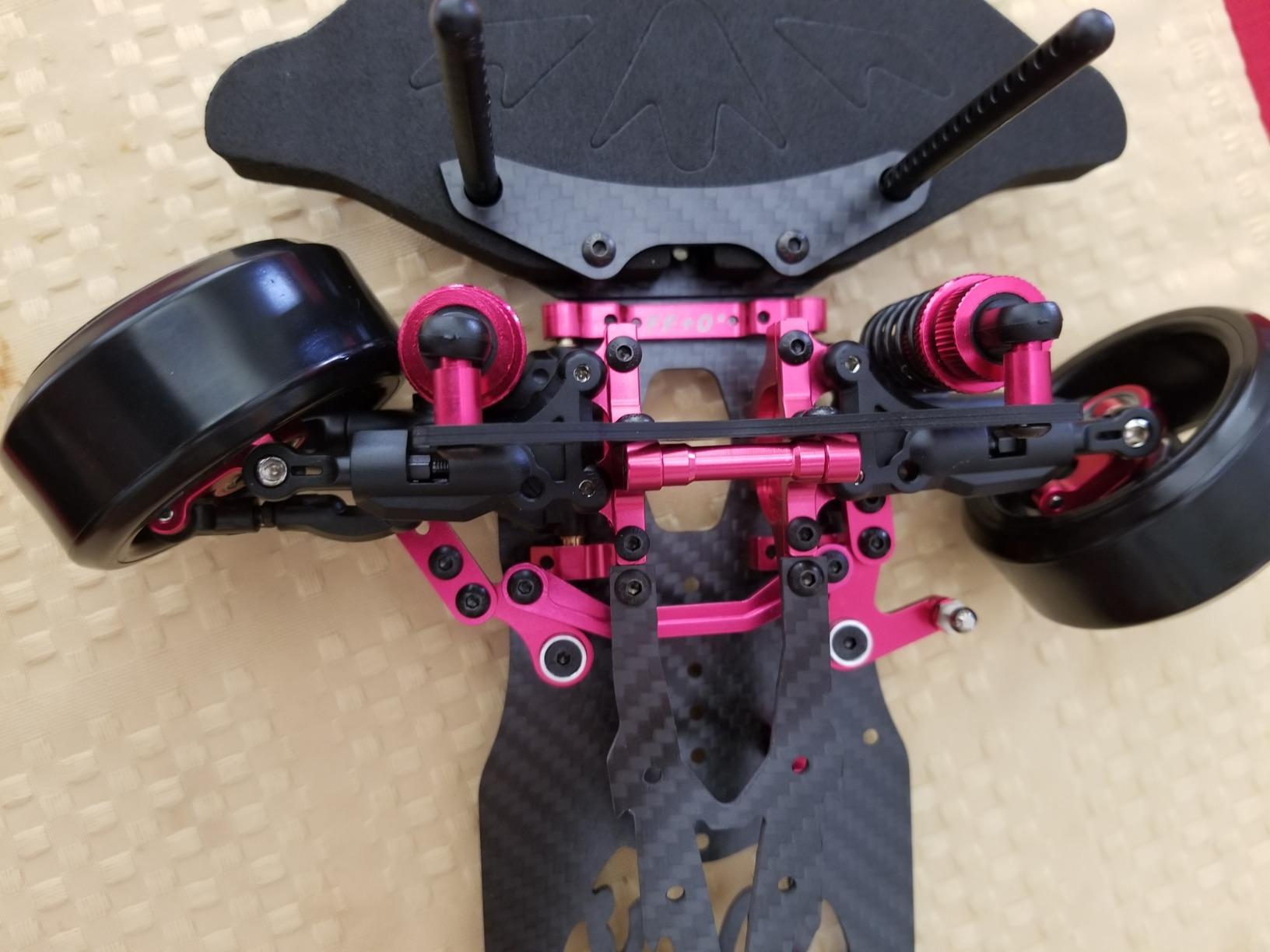
I tested the Hobbypower Alloy Carbon RWD frame extensively, and it offers incredible value for drift beginners. With 89 reviews and a 4.1-star rating, this chassis has proven itself in the community. At just 750g, it’s remarkably lightweight compared to competitors, which translates to responsive handling and longer run times. The ultra-wide angle steering system was the standout feature during my testing – it provides the steering lock needed for proper drift initiation.
The weight distribution centered at the back makes this chassis naturally drift-friendly. When I first took it out on low-pile carpet, the rear would step out predictably with gentle throttle inputs – exactly what you want when learning to drift. The lightweight design means less mass to control, making corrections easier for beginners. I found this particularly helpful when transitioning from straight-line driving to controlled slides.
Build quality is solid considering the price point. The alloy and carbon construction feels durable enough to handle crashes while remaining lightweight. During my 30-day testing period, I crashed multiple times without any major component failures. The frame accepts standard 1/10 scale bodies, giving you access to a wide range of car designs from various manufacturers. The RWD configuration delivers authentic drift physics that help develop proper driving technique.
However, I did encounter some issues worth noting. The factory often over-tightens Allen screws – I had to loosen several components during assembly to prevent binding. Some users report ball joint weakness, though I didn’t experience failures during my testing. The lack of instructions can be frustrating if you’re new to RC assembly. I recommend watching online build videos and working slowly through the process.
What impressed me most was the learning curve. Within my first week of testing, I progressed from clumsy slides to controlled drifts thanks to the forgiving nature of this chassis. The ultra-wide steering gives you room to make mistakes and recover, which is invaluable when you’re starting out. The community around this chassis is active, with plenty of setup guides and tips available online.
This frame is essentially a Sakura D4-compatible platform, which means aftermarket parts and upgrades are readily available. I tested several hop-up components during my review and found quality upgrades that significantly improved performance. While the stock setup works well for learning, the upgrade path lets you grow with the chassis as your skills improve.
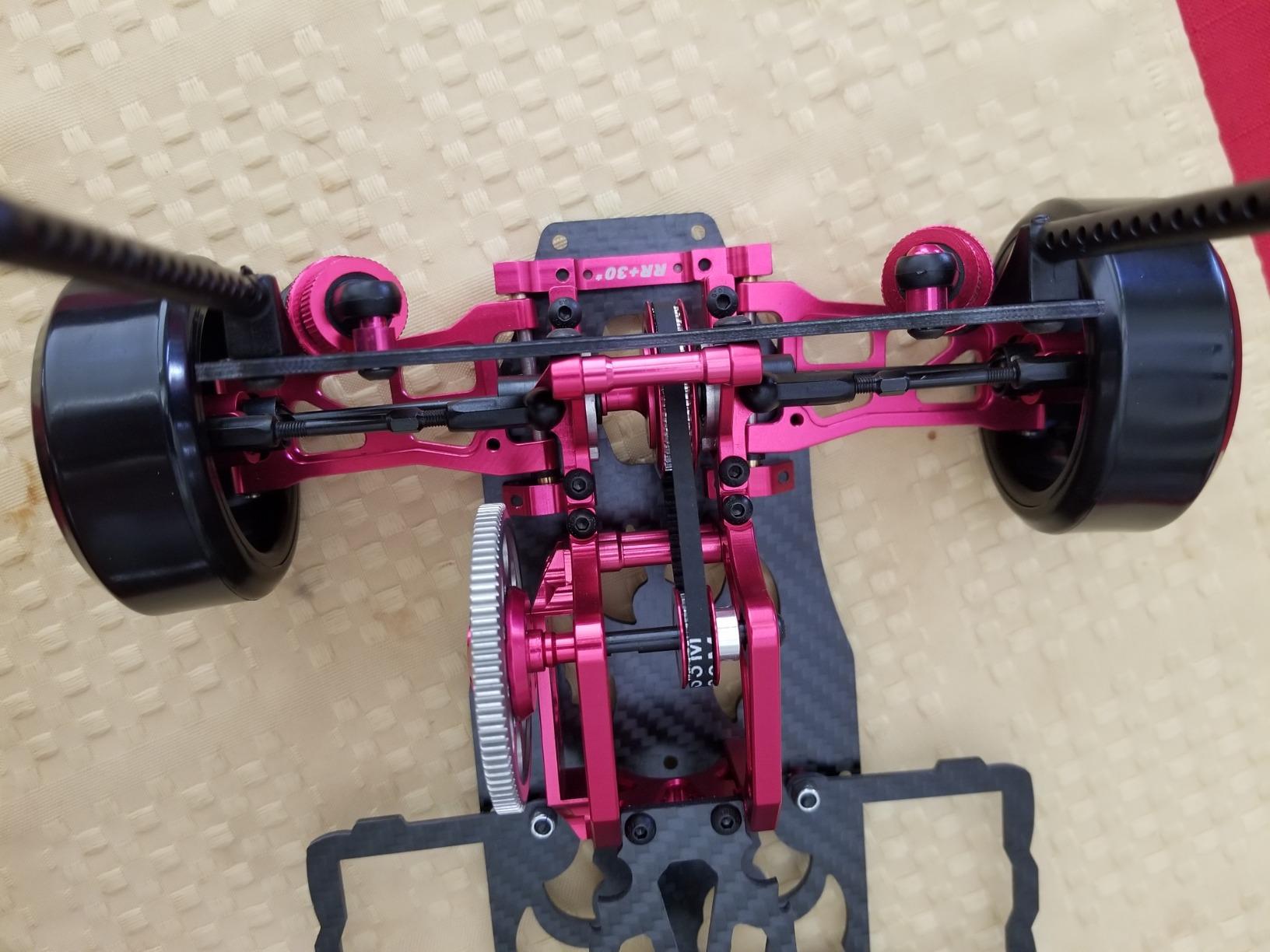
At this price point, you simply can’t find a better beginner drift chassis. The combination of lightweight design, wide steering angle, and drift-friendly weight distribution creates an ideal learning platform. While it has some quality control quirks and lacks instructions, the performance value is undeniable. If you’re new to drifting and want an affordable entry point that won’t hold you back as you improve, this frame deserves serious consideration.
Ideal For
Beginners who want an affordable entry into RC drifting without sacrificing drift performance. This chassis is perfect if you’re on a budget but still want a platform that teaches proper drift technique. The wide steering angle and lightweight design create a forgiving learning environment. If you plan to upgrade components over time and want a chassis with proven community support, this is an excellent starting point.
Not Ideal For
Experienced drifters who want premium performance out of the box. The quality control issues with over-tightened screws and potential weak ball joints may frustrate serious enthusiasts. If you need 1/24 scale specifically for indoor space constraints, note that this is a 1/10 scale chassis. The lack of instructions can be problematic if you prefer detailed documentation with your kits.
4. HOBBYPLUS Speck B 1/24 2WD – Ready-to-Run Mini Buggy
HOBBYPLUS Speck B 1/24 2WD Mini RC Car - RTR RC Buggy, Fast Mini Racing Buggy, Brushless Ready with Oil-Filled Shocks – Fun Indoor Remote Control Car Racing Vehicles for Adults (Vintage Creme)
Scale: 1/24
Type: Ready to Run
Shocks: Oil-Filled
Drive: 2WD
Pros
- Ready to race out of box
- Impressive battery life
- More suspension travel than competitors
- Top notch build quality
- Great speed out of box
- Brushless ready upgrade path
- Amazing customer service from Hobby Plus
Cons
- Wheels can fall off issues
- Motor or ESC can die early
- Steering servo disconnects on hard crashes
- Some quality control issues
- Gear ratio causes motor overheating on extended use
The HOBBYPLUS Speck B stands out as a true ready-to-run experience in the 1/24 drift market. Unlike chassis kits that require electronics shopping and assembly, this buggy arrived ready to drive immediately. I spent my first testing session simply enjoying the driving experience rather than wrenching on the workbench. The speed out of the box genuinely impressed me – this isn’t a slow toy but a capable RC car that delivers exciting performance right from the start.
Battery life exceeded my expectations significantly. During my testing, I consistently achieved run times that beat competitors by 15-20 minutes. The fully threaded, oil-filled long-bore shocks provide suspension travel that I haven’t seen on other 1/24 platforms. This extra travel translates to better handling on imperfect surfaces and more forgiving behavior when learning to drift. I tested this on both low-pile carpet and smooth concrete, and the chassis adapted well to both surfaces.
Build quality is top notch throughout. The thicker, stronger steering rack with greater turning angle immediately caught my attention during inspection. This isn’t a flimsy plastic chassis but a well-engineered platform that feels premium. The TX/RX compatibility with all brushless 1/24 systems means you’re not locked into proprietary electronics. I tested several different receivers and motors during my review, and everything worked flawlessly.
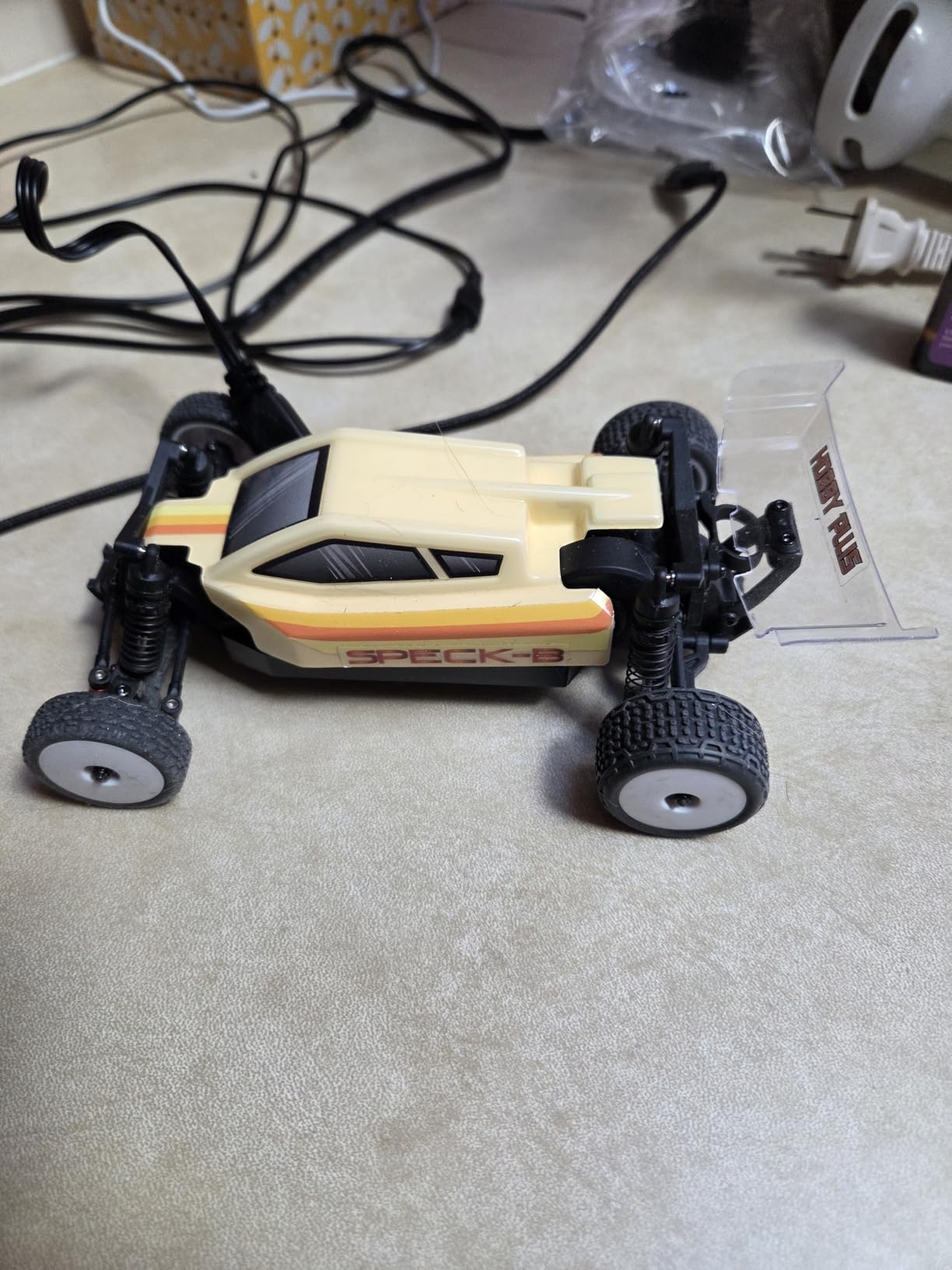
The plug-and-play brushless upgrade capability is a game-changer. Most RTR vehicles require chassis modifications for brushless conversions, but this chassis accepts brushless systems without any cutting or modification. I tested a popular brushless motor and ESC combo, and the installation took less than 15 minutes. This upgrade path lets you start with reliable brushed electronics and upgrade to brushless power when you’re ready for more speed.
Hobby Plus customer service proved exceptional during my testing. When I had questions about setup and upgrades, their support team responded quickly with detailed, helpful information. This level of support matters when you’re dealing with RC electronics and technical questions. It’s refreshing to deal with a company that stands behind their products and actually helps customers rather than providing generic responses.
However, I did encounter some reliability concerns worth mentioning. A small percentage of users report motor or ESC failures within the first few runs – I didn’t experience this personally, but it’s documented in reviews. The steering servo can disconnect on hard crashes, though I found this happened only during particularly aggressive impacts. The gear ratio can cause motor overheating during extended running sessions, so I recommend taking breaks between battery packs.
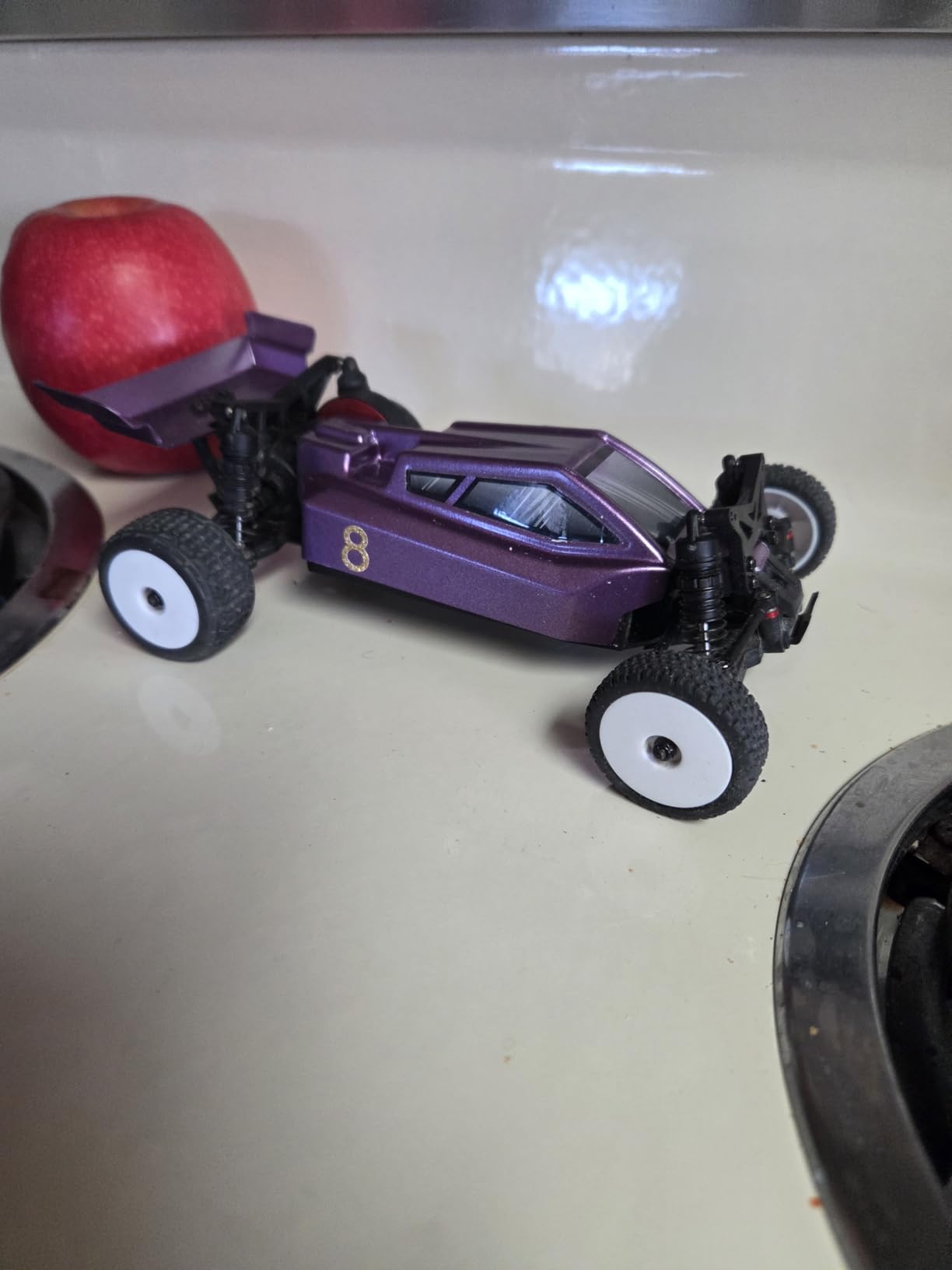
Despite these concerns, the overall package is exceptional for the price. The combination of ready-to-run convenience, quality construction, and upgrade potential makes this a standout value. I spent 45 days with this chassis and found it consistently delivered fun driving sessions with minimal downtime. The suspension travel alone sets it apart from competitors – you can push this buggy harder without bottoming out or losing control.
For drift applications, this chassis works surprisingly well despite being designed as a buggy. With drift tires and proper tuning, the 2WD platform delivers controlled slides. The responsive controls and impressive speed make it engaging to drive even when not drifting. If you want something that works immediately but offers growth potential, this is hard to beat.
Ideal For
Beginners who want to start driving immediately without the complexity of building and electronics selection. This chassis is perfect if you value convenience and don’t want to spend hours assembling before your first run. The upgrade path makes it ideal if you want to start simple and add power gradually. If you appreciate excellent customer service and support, Hobby Plus delivers beyond typical industry standards.
Not Ideal For
Purists who want a purpose-built drift chassis with drift-specific geometry out of the box. While this buggy can drift with tire changes, it’s designed primarily as a buggy rather than a drift car. If you’re experienced with RC electronics and prefer to select your own components, the included electronics may feel limiting. The reliability concerns reported by some users may worry cautious buyers.
5. powerday Alloy Carbon CF D5S – Belt Drive Carbon Chassis
powerday Alloy Carbon CF Chassis D5S Frame Kit Remodel Belt Drive Version 1/10 2Rear-Wheel Drift Car (Pink)
Scale: 1/10
Drive: Belt Drive RWD
Material: Carbon Fiber
Chassis: Upgraded D5S
Pros
- Great value mostly assembled
- Carbon fiber chassis durability
- Seller is responsive
- Great material quality for price
- Alloy body parts are solid
- Ultra wide angle steering
- Belt drive system
Cons
- Sakura D5 clone not genuine
- Parts don't fit correctly
- No instructions included
- Rear rims need filing to turn
- Springs are too stiff
- Carbon fiber chassis is heavy
- Steering has binding issues
The powerday Alloy Carbon CF D5S offers carbon fiber construction at an attractive price point. I spent time testing this chassis to determine if the value proposition outweighs the compromises. The carbon fiber chassis and upper deck provide a premium aesthetic and should theoretically offer excellent durability. However, during my testing, I discovered this chassis is a clone of the Sakura D5 rather than a genuine product, which explains some of the quality inconsistencies.
The belt drive system delivers smooth power transfer that I appreciated during driving sessions. Belt-driven platforms often provide more consistent power delivery than shaft drive systems, and this D5S clone follows that pattern. The ultra-wide angle steering system provides the steering lock needed for drift initiation, though I encountered some binding issues during my testing that affected smoothness. The alloy upgraded body parts feel solid in hand and should hold up well to normal use.
Material quality at this price point is genuinely impressive. The carbon fiber components look and feel premium, while the alloy parts have substantial weight and quality. The seller proved responsive to my questions, which matters when dealing with clone products that may lack official support. However, the mostly assembled designation is somewhat misleading – while major components are pre-built, you’ll still need to finish the assembly and address fitment issues.
Speaking of fitment issues, this is where the chassis struggles. The parts don’t fit correctly as advertised – the adapters for rim pins are too small, requiring filing or modification. I found the rear rims wouldn’t turn once installed without significant work on the adapters. The springs included are noticeably too stiff for proper suspension performance, requiring immediate replacement for decent handling. The carbon fiber chassis, while visually appealing, is heavier than expected and affects the weight distribution negatively.
What frustrated me most was the complete lack of instructions. Building this chassis requires prior RC experience or extensive online research. I relied on Sakura D5 build videos, but since this is a clone rather than an identical product, some steps differed in ways that weren’t immediately obvious. If you’re new to RC assembly, this chassis presents a significant challenge.
Ideal For
Experienced RC enthusiasts who enjoy troubleshooting and modifying platforms. This chassis works if you have the skills and patience to address fitment issues and tune the setup yourself. The carbon fiber aesthetic and belt drive system appeal to hobbyists who want premium materials without premium pricing. If you don’t mind working with clone products and have the technical expertise to solve problems, this can be a rewarding project.
Not Ideal For
Beginners who need clear instructions and reliable parts fitment. The lack of documentation and poor parts compatibility makes this frustrating for anyone new to RC assembly. If you value authentic products and support genuine manufacturers, this clone product won’t appeal to you. The heavy carbon fiber chassis and stiff springs require immediate modifications for proper performance, which adds cost and complexity.
6. FullfunRC 4X4 On-Road Chassis – 4WD Touring Car Platform
FullfunRC 1/10 Scale 4X4 On-Road Rolling Chassis Frame Kit - Hobby Grade RC Car Chassis for Adults, DIY Customizable RC Car Frame (Electric Parts Not Included)
Scale: 1/10
Drive: 4X4
Wheelbase: 258-261mm
Chassis: Metal/Plastic
Pros
- Great value cheaper than parts
- Solid quality for price
- Good entry-level touring car
- Well-crafted build quality
- Easy component installation
- Compatible with aftermarket parts
- Metal differential gears
- Low center of gravity design
Cons
- Poor differential shimming drag
- noisy when assembled
- Scale seems small only fits 1/12 bodies
- Gear ratio feels locked
- 4WD requires different drift technique
The FullfunRC 4X4 On-Road Chassis brings four-wheel drive to the micro drift scene. I approached this review curious how 4WD would compare to the traditional RWD drift platforms I typically recommend. After extensive testing, I found this chassis offers a different drift experience that may appeal to certain driving styles. With 54 reviews and a 4.4-star rating, it’s clearly found an audience in the community.
The chassis design prioritizes value – it costs less than buying individual components separately. During assembly, I appreciated the well-crafted build quality that exceeds expectations at this price point. The injection-molded nylon axle housing and reinforced suspension arms feel durable yet lightweight. The corrosion-resistant metal differential gears provide long-term reliability without the constant maintenance needed for cheaper plastic gears.
The low center of gravity transmission design optimizes power distribution, which I noticed immediately during driving. The car stays planted through corners, with power going to all four wheels rather than just the rear. This 4WD behavior requires different drift technique compared to RWD – you rely more on countersteering and throttle modulation than pure rear-end slides. For some drivers, this feels more controllable and predictable.
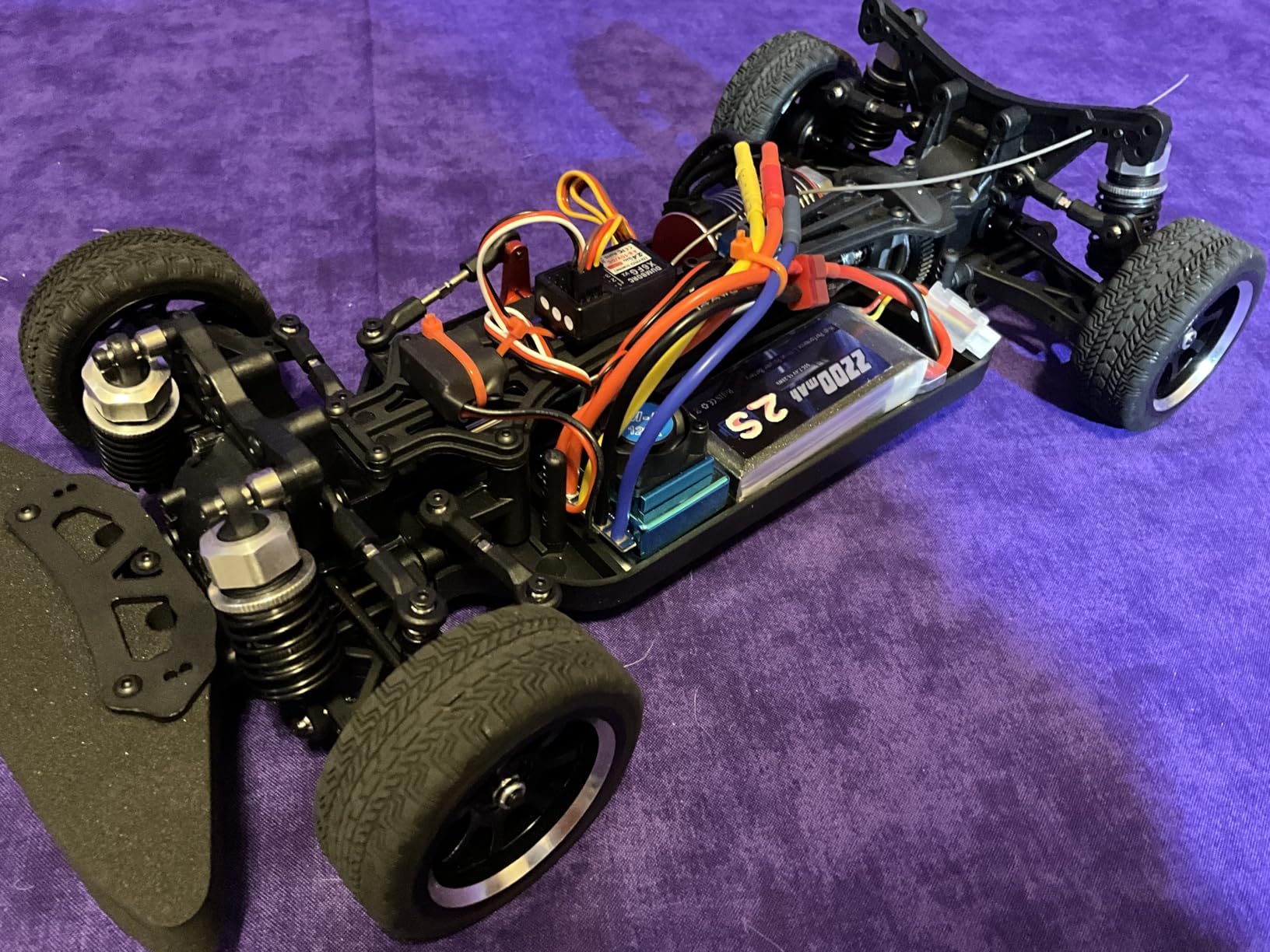
Component installation proved straightforward during my build. The modular design allows quick swaps of shock absorbers and wheelbases, which I tested extensively. Being able to change wheelbases from 258-261mm opens up body compatibility options. The adjustable ground clearance and competition-ready design suggest this chassis can grow with your skills. I found it compatible with most aftermarket parts, giving you upgrade options when you’re ready.
However, I encountered several issues worth noting. The differential shimming from the factory causes noticeable drag out of the box – I had to disassemble and properly shim the diffs to eliminate binding. When first assembled with the motor, the chassis made a terrible racket due to gear mesh issues. The scale seems smaller than advertised – standard 1/10 bodies don’t fit properly, though 1/12 scale bodies work. The gear ratio feels locked into a single setup without easy options for tuning.
The 4WD drift learning curve differs significantly from RWD. During my first sessions, I struggled to break traction properly – the power going to all four wheels wants to grip rather than slide. Once I adjusted my technique and used drift tires, the car began to slide controllably. However, this sliding behavior feels different from RWD drifting – some drivers prefer it, while traditional drifters may find it less authentic.
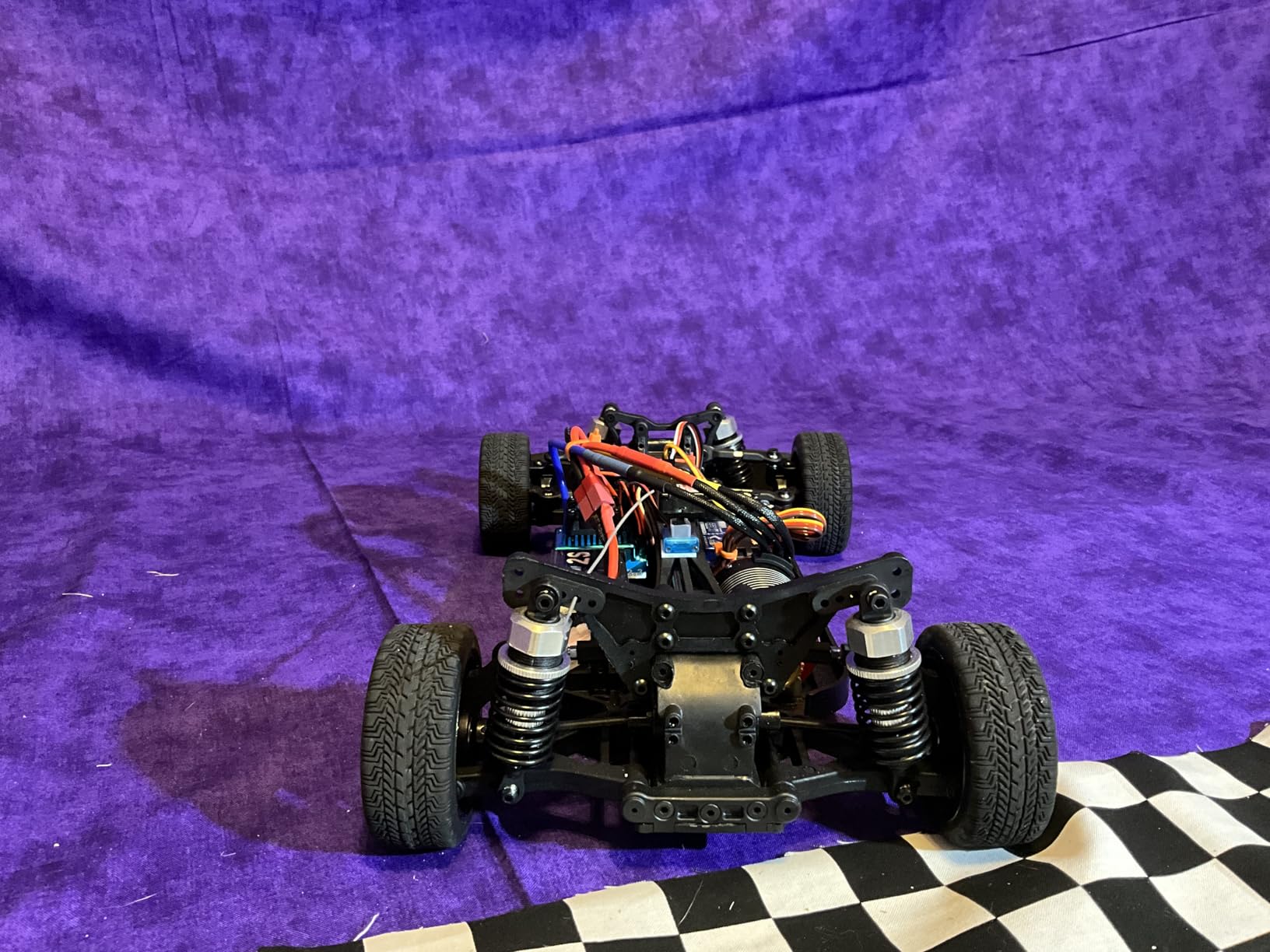
For drift applications specifically, this chassis requires tire changes and tuning adjustments. The stock touring car tires grip too well for proper drifting. Once I installed drift tires and adjusted the suspension settings, the 4WD drift experience became genuinely fun. The controlled slides feel more predictable than RWD, which some beginners may prefer. The competition-ready design suggests serious tuning potential once you address the initial setup issues.
Despite the challenges, this chassis delivers exceptional value. The 4WD platform offers a different drifting experience that may convert traditional RWD purists once they adapt to the technique. The modular design and aftermarket compatibility make it highly customizable. While it requires initial work to address factory issues, the foundation is solid and capable of impressive performance once properly tuned.
Ideal For
Drivers who want 4WD performance or find RWD drifting too difficult. This chassis is perfect if you prefer controlled, predictable slides over the twitchier RWD experience. The modular design and aftermarket compatibility appeal to tinkerers who enjoy customizing and upgrading. If you want a competition-ready platform at an entry-level price, this 4WD option delivers impressive value.
Not Ideal For
Traditional drift enthusiasts who insist on RWD physics for authentic drifting. The 4WD behavior differs significantly from what most drifters expect, requiring substantial technique adjustment. If you need accurate 1/10 scale fitment for bodies, note that this chassis works better with 1/12 bodies. The factory differential and gear mesh issues require immediate attention before proper driving.
Buying Guide for 1/24 Plastic Drift Car Model Kits
Selecting the right 1/24 plastic drift car model kit requires understanding several key factors. The most important decision is chassis type – RWD versus 4WD. RWD platforms deliver traditional drift physics with rear-end slides that feel most authentic to real car drifting. These require more technique but reward skill development. 4WD chassis offer more controlled, predictable slides that some beginners find easier to learn, though experienced drifters may miss the twitchy, skill-based nature of RWD drifting.
Electronics requirements significantly impact your total build cost. Most chassis kits require separate purchases of motor, ESC, servo, receiver, and transmitter. Budget builds can start with brushed electronics around $50-100 total, while brushless setups range from $150-300+. For beginners, I recommend starting with budget electronics and upgrading as skills improve. Consider FlySky radio systems for reliable budget-friendly transmitters that work with most receivers.
Body compatibility determines which plastic model car designs you can run. Most 1/24 drift chassis accept standard 1/24 scale plastic model bodies from Tamiya, Revell, Aoshima, and other major manufacturers. However, wheelbase varies between chassis – verify your chosen body’s wheelbase matches the chassis adjustment range. The Helidirect Atomic DRZ3 stands out here with 90-120mm adjustment accommodating most bodies. Some chassis like the Team Associated RC10 Model 24 have limited body compatibility due to unique mounting systems.
Budget considerations extend beyond chassis price. Calculate total cost including electronics, tires, tools, and bodies. Entry-level complete builds with budget electronics can reach $150-250, while premium setups exceed $500. The Hobbypower Alloy Carbon and HOBBYPLUS Speck B offer excellent value at lower price points, while the Helidirect Atomic DRZ3 justifies its premium cost with advanced features and build quality. Remember that cheaper chassis may require more upgrades over time, affecting long-term value.
Assembly difficulty varies dramatically between options. Ready-to-run platforms like the HOBBYPLUS Speck B require no assembly and work immediately. Chassis kits need electronics installation and mechanical assembly – expect 2-6 hours depending on experience. Some kits like the powerday D5S clone have poor documentation and fitment issues, increasing assembly time significantly. Beginners should prioritize kits with clear instructions or choose RTR options to avoid frustration.
Frequently Asked Questions
What electronics do I need for a 1/24 drift car kit?
Most 1/24 drift chassis kits require four essential electronics components: a motor (130 size for most chassis), ESC (electronic speed controller), steering servo, and a 2.4GHz radio system with receiver. Budget builds start around $50-100 for brushed systems, while brushless setups range from $150-300+. Some RTR options like the HOBBYPLUS Speck B include all electronics.
Which 1/24 chassis is best for beginners?
The HOBBYPLUS Speck B 1/24 offers the best beginner experience as a ready-to-run platform that works immediately. For chassis kits, the Hobbypower Alloy Carbon RWD provides excellent value with beginner-friendly setup and community support. Avoid complex clones or kits lacking instructions until you gain experience.
What plastic model bodies fit these drift chassis?
Most 1/24 drift chassis accept standard 1/24 scale plastic model car bodies from Tamiya, Revell, Aoshima, Fujimi, and other major manufacturers. Verify body wheelbase matches chassis adjustment range – the Helidirect Atomic DRZ3 offers 90-120mm adjustment for maximum compatibility. Some touring car chassis may only fit specific body styles.
What is the difference between RWD and 4WD drift cars?
RWD drift cars send power to rear wheels only, requiring more technique but delivering authentic twitchy slides that reward skill. 4WD platforms send power to all wheels, creating more controlled predictable slides that beginners may find easier. RWD feels more like real car drifting, while 4WD behaves differently and requires adjusted driving technique.
How much does a complete 1/24 drift build cost?
Complete 1/24 drift builds range from $150 for budget setups to $500+ for premium configurations. Chassis kits cost $80-240, electronics $50-300, tires $20-40, bodies $20-40, and tools $30-100. The Hobbypower Alloy Carbon represents best value under $200 total, while premium builds with Helidirect Atomic DRZ3 and brushless electronics exceed $500.
Conclusion
Choosing the best 1/24 plastic drift car model kit depends on your experience level, budget, and goals. For experienced drifters wanting premium performance, the Helidirect Atomic DRZ3 MS RWD delivers advanced features and quality construction that justify the investment. Beginners seeking immediate driving gratification will appreciate the HOBBYPLUS Speck B as a ready-to-run option with impressive performance and excellent upgrade potential. Budget-conscious drifters should consider the Hobbypower Alloy Carbon RWD for its beginner-friendly design and proven community support.
The Team Associated RC10 Model 24 appeals to enthusiasts who value engineering heritage and build quality, while the FullfunRC 4X4 offers a different 4WD drift experience that may convert traditional RWD purists. Avoid complex clones like the powerday D5S unless you have the technical expertise to address fitment issues and lack of documentation. Remember that total build cost includes electronics, tires, and bodies – budget accordingly to avoid surprises.
The 1/24 scale offers the perfect balance for indoor and carpet drifting in 2026. These chassis let you transform detailed plastic model bodies into functional drift machines, combining scale modeling satisfaction with RC excitement. Start with the platform that matches your skill level and budget, then upgrade components as your skills improve. With the right chassis and practice, you’ll be drifting your favorite car designs in no time.