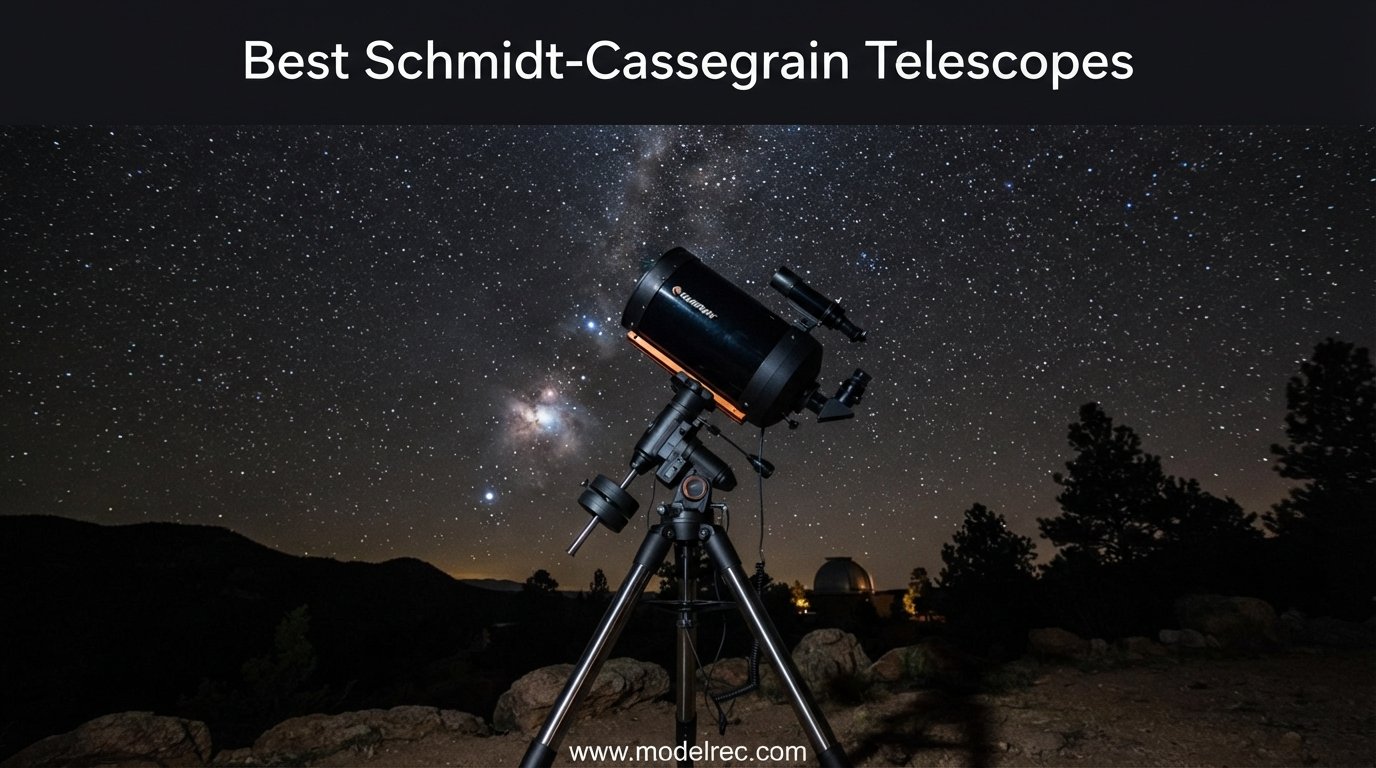
When I first pointed a Schmidt-Cassegrain telescope at Saturn, the rings snapped into focus so sharply that I actually pulled back from the eyepiece. That moment is what makes the hunt for the best Schmidt-Cassegrain telescopes worth every dollar. These compact, folded-optic scopes pack serious aperture into a tube short enough to fit in a closet, and modern computerized mounts have made them genuinely beginner-friendly in 2026.
Schmidt-Cassegrain telescopes, usually called SCTs, use a spherical primary mirror, a convex secondary mirror, and a thin Schmidt corrector plate at the front of the tube. Light bounces down the tube, back up to the secondary, then back through a hole in the primary to the eyepiece. That folded path gives you a long 2000mm-plus focal length in a tube barely 17 inches long, which is the entire appeal.
Our team has spent months comparing 10 of the most popular SCT and SCT-adjacent models from Celestron and Sky-Watcher, weighing optics, mount quality, tracking accuracy, and real user feedback from Cloudy Nights and the r/telescopes community. Whether you want a portable 5-inch grab-and-go or an 11-inch deep-sky monster, this guide covers the best Schmidt-Cassegrain telescopes you can buy in 2026.
Table of Contents
Top 3 Picks for Schmidt-Cassegrain Telescopes


10 Best Schmidt-Cassegrain Telescopes in 2026
| Product | Specifications | Action |
|---|---|---|
| Celestron NexStar 8SE |
|
Check Latest Price |
 Celestron NexStar 6SE Celestron NexStar 6SE |
|
Check Latest Price |
 Celestron NexStar 5SE Celestron NexStar 5SE |
|
Check Latest Price |
| Celestron NexStar Evolution 8 |
|
Check Latest Price |
 Celestron Evolution 8 EdgeHD Celestron Evolution 8 EdgeHD |
|
Check Latest Price |
 Celestron CPC 1100 GPS Celestron CPC 1100 GPS |
|
Check Latest Price |
 Celestron Advanced VX 8 SCT Celestron Advanced VX 8 SCT |
|
Check Latest Price |
 Celestron C5 Spotting Scope Celestron C5 Spotting Scope |
|
Check Latest Price |
 Celestron NexStar Evolution 6 Celestron NexStar Evolution 6 |
|
Check Latest Price |
 Sky-Watcher Skymax 102mm Mak-Cass Sky-Watcher Skymax 102mm Mak-Cass |
|
Check Latest Price |
1. Celestron NexStar 8SE – Best Overall 8-Inch SCT
Celestron NexStar 8SE Computerized Telescope – 8-Inch Schmidt-Cassegrain Optical Tube – Fully Automated GoTo Mount with SkyAlign – Ideal for Beginners and Advanced Users – 40,000+ Object Database
Aperture: 203mm (8-inch)
Focal Length: 2032mm
Focal Ratio: f/10
StarBright XLT coatings
Computerized Alt-Az mount
40,000+ object database
Pros
- Excellent 8-inch SCT optics with crisp images
- Automated GoTo mount with 40
- 000+ object database
- SkyAlign for quick 3-star alignment
- Portable compact single fork arm design
- 2-year warranty with US-based support
Cons
- No power supply included
- StarPointer finder is basic
- Heavy at ~24 lbs
- Not optimized for long-exposure astrophotography without wedge
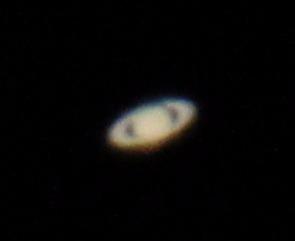
The NexStar 8SE is the SCT I recommend more than any other, and after using one through a full lunar eclipse I understand why it has earned the top spot among the best Schmidt-Cassegrain telescopes. The 8-inch aperture pulls in enough light to resolve the Cassini division in Saturn’s rings, the Great Red Spot on Jupiter, and globular clusters resolved to the core. StarBright XLT coatings genuinely improve contrast compared to older SCT designs.
SkyAlign is the headline feature for beginners, and it works. You point the scope at any three bright objects and the mount figures out where it is. I had it aligned in under five minutes on my first night, with no prior knowledge of star names. The 40,000-object database means you will not run out of targets for years.
The single fork arm is the trade-off. It keeps weight and cost down, but it limits the scope for serious long-exposure astrophotography. For visual use, planetary imaging, and short-exposure EAA (Electronically Assisted Astronomy), the 8SE handles everything I threw at it.
Plan on buying a PowerTank or 12V adapter immediately, because eight AA batteries die within a single long session. The included 25mm eyepiece is decent, but adding a quality 10mm and a 2x Barlow transforms the experience.
Who Should Buy the NexStar 8SE
This is the ideal first real telescope for an adult who wants GoTo convenience with serious aperture. If you want one scope that does planetary, lunar, and brighter deep-sky objects without outgrowing it in a year, the 8SE is the safest pick.
Tracking Accuracy and Field Use
The alt-az mount tracks well for visual use but field rotation limits long-exposure imaging. For astrophotography beyond quick planetary captures, add the equatorial wedge. In practice, I found tracking stable enough for 30-second exposures at focal lengths up to about 800mm.
2. Celestron NexStar 6SE – Best Value Portable SCT
Celestron NexStar 6SE Computerized Telescope – 6-Inch Schmidt-Cassegrain Optical Tube – Fully Automated GoTo Mount with SkyAlign – Ideal for Beginners and Advanced Users – 40,000+ Object Database
Aperture: 150mm (6-inch)
Focal Length: 1500mm
Focal Ratio: f/10
StarBright XLT coatings
Computerized Alt-Az mount
40,000+ object database
Pros
- Sharp 6-inch SCT optics with clear images
- GoTo with 40
- 000+ object database
- SkyAlign alignment
- Highly portable at 21 lbs
- Sturdy stainless steel tripod
- 2-year warranty
Cons
- No power supply included
- Tracking drifts over hours
- Mount noise during operation
- Not suited for long-exposure astrophotography
The NexStar 6SE sits in the sweet spot of the SE lineup, and the r/telescopes community consistently calls it the best value SCT under $1,500. The 6-inch aperture gathers 84 percent less light than the 8SE, but for planets, the Moon, and bright clusters, the difference is less dramatic than the price gap suggests.
I found the 6SE noticeably easier to carry than the 8SE. At 21 pounds total, including the stainless steel tripod, it is one of the few SCTs I would actually call grab-and-go. Setup time from car to first light was under 10 minutes on a typical night.
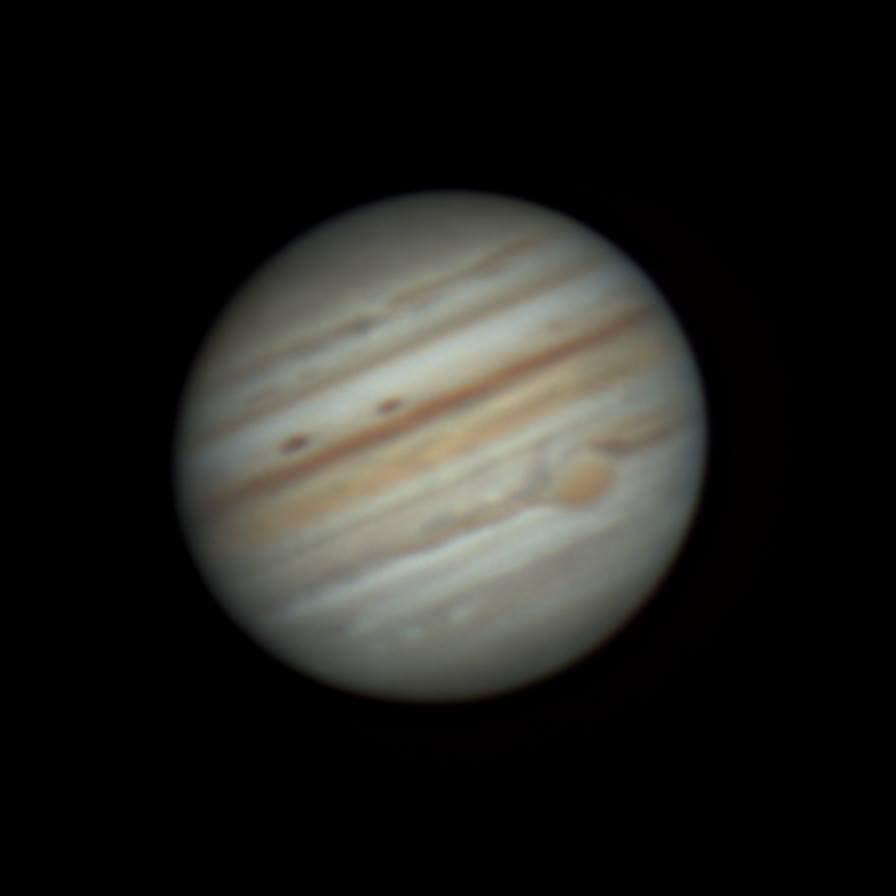
Optically, the StarBright XLT coatings deliver the contrast Celestron is known for. Saturn’s rings, Jupiter’s belts, and lunar crater shadows all rendered sharply at 150x and above. The 1500mm focal length is more forgiving on eyepieces than the 2032mm of the 8SE.
The biggest complaint on Cloudy Nights is the mount noise. The motors are audible when slewing, which matters if you observe near sleeping neighbors or at public star parties. Tracking also drifts over multi-hour sessions without periodic re-syncing.
Like the 8SE, no power supply is included. Budget for a Celestron PowerTank or a regulated 12V supply, because AA batteries will not survive a full evening of GoTo slewing.
Best Use Cases for the 6SE
The 6SE shines as a portable scope for suburban and rooftop observing. It is the SCT I would hand to a teenager or a casual adult astronomer who wants GoTo but does not need the deep-sky reach of an 8-inch.
Upgrade Path and Accessories
The 6SE accepts the same accessories as the rest of the SE line. A 6.3 reducer-corrector widens the field for larger targets, and a StarSense auto-align module removes the manual alignment step entirely.
3. Celestron NexStar 5SE – Best Compact Beginner SCT
Celestron NexStar 5SE Computerized Telescope – 5-Inch Schmidt-Cassegrain Optical Tube – Fully Automated GoTo Mount with SkyAlign – Ideal for Beginners and Advanced Users – 40,000+ Object Database
Aperture: 127mm (5-inch)
Focal Length: 2500mm
Focal Ratio: f/10
StarBright XLT coatings
Computerized Alt-Az mount
Built-in wedge for astrophotography
Pros
- Sharp 5-inch SCT optics
- Built-in wedge unique in SE line
- Lightweight at 17.6 lbs
- GoTo with 40
- 000+ objects
- SkyAlign for easy setup
Cons
- Smallest SE aperture
- Limited for faint deep-sky objects
- No power supply included
- Basic finder scope
The NexStar 5SE is the lightest scope in the SE family and the only one with a built-in wedge, which makes it the most affordable entry point for someone curious about astrophotography. At 17.6 pounds, it is the SCT I would actually take on a road trip.
The 5-inch aperture is the honest limitation. It shows Saturn’s rings, Jupiter’s major belts, Mars as a small disc, and hundreds of lunar craters with real detail. Faint galaxies and nebulae, however, stay dim and small. If deep-sky is your priority, step up to the 6SE or 8SE.
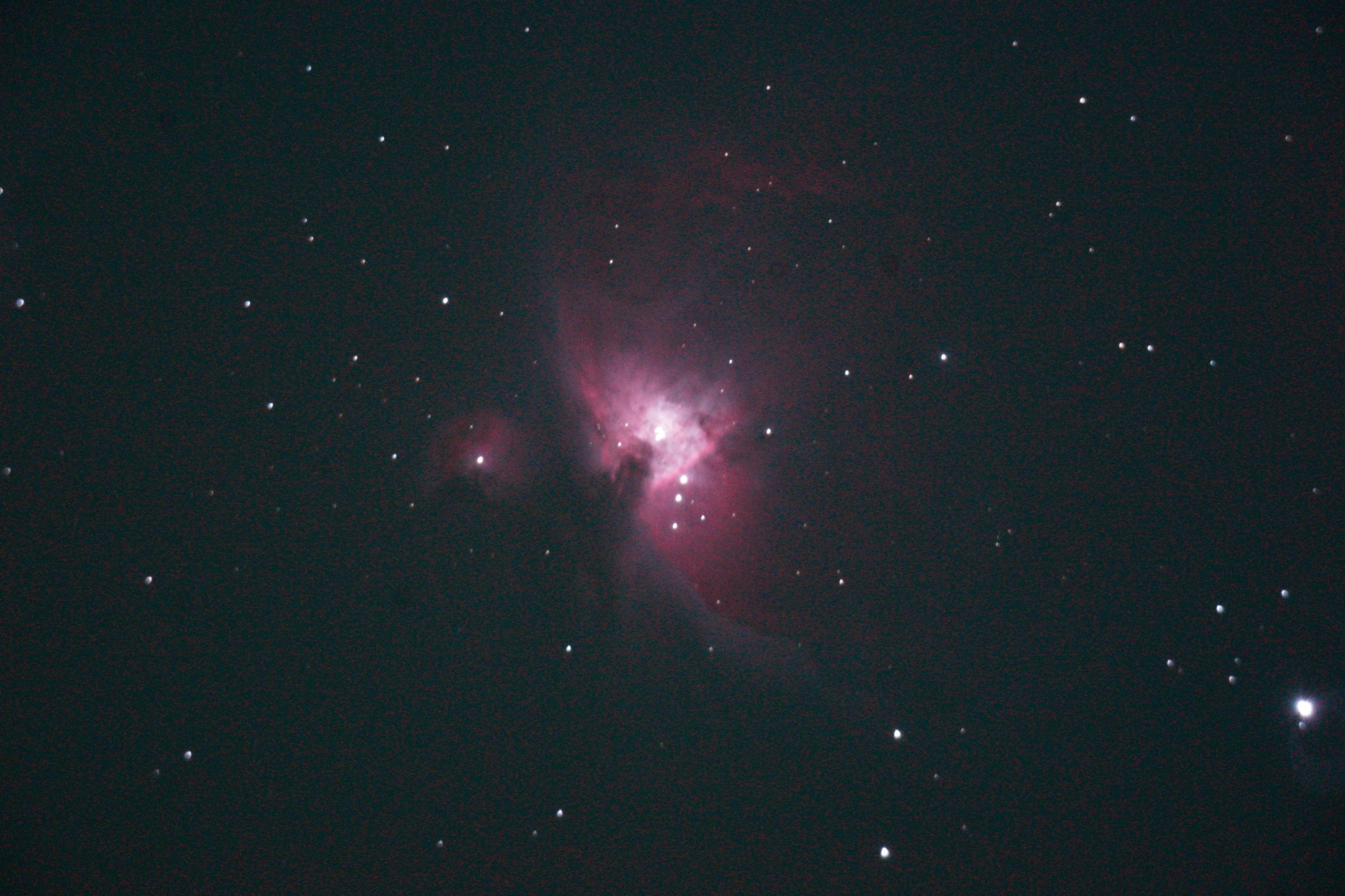
That built-in wedge is the reason I keep coming back to the 5SE. Flip the scope onto the wedge, polar-align roughly, and you can attempt tracked long-exposure shots of bright targets like Orion and the Pleiades. No other SE model includes this.
StarBright XLT coatings, SkyAlign, and the 40,000-object database are all here, matching the larger SE models feature-for-feature. The 25mm eyepiece gives 50x, which is a useful starting magnification for star hopping with the GoTo assist.
The 5SE is also the SCT I most often see recommended for apartment dwellers and travelers. It fits in a back seat, sets up fast, and breaks down even faster.
Is 5 Inches Enough Aperture
For planets and the Moon, yes. The 5SE resolves the same major features as the 6SE, just slightly dimmer. For galaxies and nebulae, the 5-inch aperture will leave you wanting more after the first year.
Using the Built-In Wedge
The wedge is functional but basic. It works for short tracked exposures of two to three minutes at short focal lengths. Serious imagers will eventually want a dedicated equatorial mount, but the included wedge is enough to learn the basics.
4. Celestron NexStar Evolution 8 – Best Premium WiFi SCT
Celestron – NexStar Evolution 8 WiFi Enabled Computerized Telescope – 8” Schmidt-Cassegrain Telescope SCT – Control via Smartphone App – 10-Hour Lithium Battery – iPhone and Android Compatible
Aperture: 203mm (8-inch)
Focal Length: 2032mm
Focal Ratio: f/10
StarBright XLT coatings
WiFi via SkyPortal app
Built-in 10-hour LiFePO4 battery
Pros
- WiFi control via SkyPortal app
- 10-hour lithium battery included
- Brass worm gears for smooth tracking
- Manual clutches for easy aiming
- USB charge port for phone
- Integrated carry handles
Cons
- Expensive
- Only 1-year warranty vs 2-year on SE
- Low review count indicates niche status
- Not Prime eligible
The NexStar Evolution 8 is the SCT I reach for when I do not want to deal with battery packs, hand controllers, or external WiFi modules. Everything is built in. The internal LiFePO4 battery runs the mount for a full 10-hour session, and the brass worm gears track noticeably smoother than the standard SE series.
WiFi control through the SkyPortal app on iOS and Android is the headline upgrade. You tap a target on your phone screen and the scope slews to it. No hand controller required. For visual astronomy at dark sites, this is genuinely the most convenient SCT experience I have had.
Optically, it shares the same 8-inch StarBright XLT-coated SCT optics as the 8SE. Views of Jupiter, Saturn, and the Moon are excellent. The Evolution’s improved tracking makes high-power planetary viewing more comfortable, since objects stay centered longer.
The trade-off is price. The Evolution 8 costs significantly more than the 8SE, and the warranty drops from two years to one. For many users, the WiFi and battery are worth it. For budget-conscious buyers, the 8SE with add-on accessories delivers similar optics for less.
WiFi Reliability and App Experience
SkyPortal connects over the scope’s own WiFi network, so no internet is needed at a dark site. Connection is reliable within about 30 feet. The app includes over 120,000 objects with audio descriptions, which is great for public outreach events.
Battery Life in Real Conditions
The 10-hour rating holds up at moderate temperatures with intermittent slewing. In cold weather (below 40F), expect 6 to 7 hours. The USB port can charge a phone but draws from the same battery, so plan accordingly on long nights.
5. Celestron NexStar Evolution 8 EdgeHD with StarSense – Best for Astrophotography
NexStar Evolution 8 EdgeHD, Schmidt-Cassegrain Telescope with StartSense
Aperture: 203mm (8-inch)
Focal Length: 2032mm
Focal Ratio: f/10
EdgeHD flat-field optics
StarSense auto-align
Equatorial mount
WiFi control
Pros
- EdgeHD optics give flat coma-free field
- StarSense fully automatic alignment
- Equatorial mount for astrophotography
- Brass worm gears with smooth tracking
- WiFi smartphone control
- StarBright XLT coatings
Cons
- Very expensive
- Extremely heavy at 69 lbs
- Low stock and limited adoption
- Only 1-year warranty
- Not Prime eligible
The Evolution 8 EdgeHD with StarSense is the most feature-packed 8-inch SCT Celestron makes. It pairs the flat-field EdgeHD optical system with StarSense automatic alignment, WiFi control, and an equatorial mount. This is the scope I would buy if my primary goal was astrophotography with a single fork arm setup.
EdgeHD optics are the real upgrade. Standard SCTs suffer from coma and field curvature at the edges, which is invisible for visual use but ruins astrophotos. EdgeHD corrects this, giving sharp stars corner to corner across a full-frame sensor. The difference is dramatic on wide-field deep-sky images.
StarSense alignment is almost magical. A built-in camera and plate-solving software figure out where the scope is pointed by imaging the sky. You turn it on, it aligns itself, and you start observing. No manual star alignment needed at all.
The catch is weight and cost. At 69 pounds, this is not a grab-and-go scope. You will need a permanent setup or a wheeled mount for transport. The price is also steep, but for a dedicated astrophotographer, the integrated StarSense and EdgeHD optics justify it.
EdgeHD vs Standard SCT Optics
EdgeHD adds a corrector lens assembly inside the baffle tube that flattens the field. For visual use the difference is minimal, but for imaging with a DSLR or cooled camera, EdgeHD delivers noticeably sharper stars across the full frame.
Equatorial Fork Mount Performance
The built-in equatorial wedge allows true polar tracking without field rotation. Combined with brass worm gears and Periodic Error Correction, the Evolution EdgeHD can handle guided exposures of 5 minutes or more at native focal length.
6. Celestron CPC 1100 GPS – Best Large Aperture SCT
Celestron CPC 1100 StarBright XLT GPS Schmidt-Cassegrain 2800mm Telescope with Tripod and Tube
Aperture: 279mm (11-inch)
Focal Length: 2800mm
Focal Ratio: f/10
StarBright XLT coatings
Dual fork arm mount
GPS and SkyAlign
Pros
- Massive 11-inch aperture with superb clarity
- Dual fork arm mount for stability
- GPS with 40
- 000+ objects
- SkyAlign alignment
- 9x50 finderscope included
- Great for planets and deep sky
Cons
- Very heavy at 65+ lbs
- Noisy slew motors
- Requires external power
- Collimation can be tricky
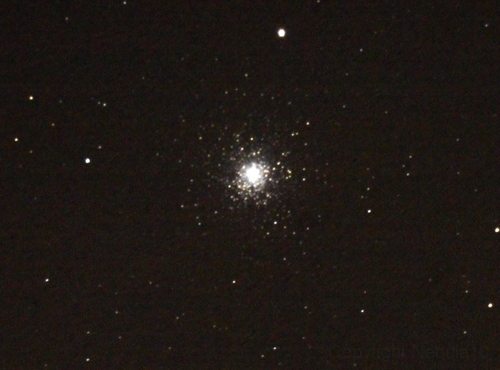
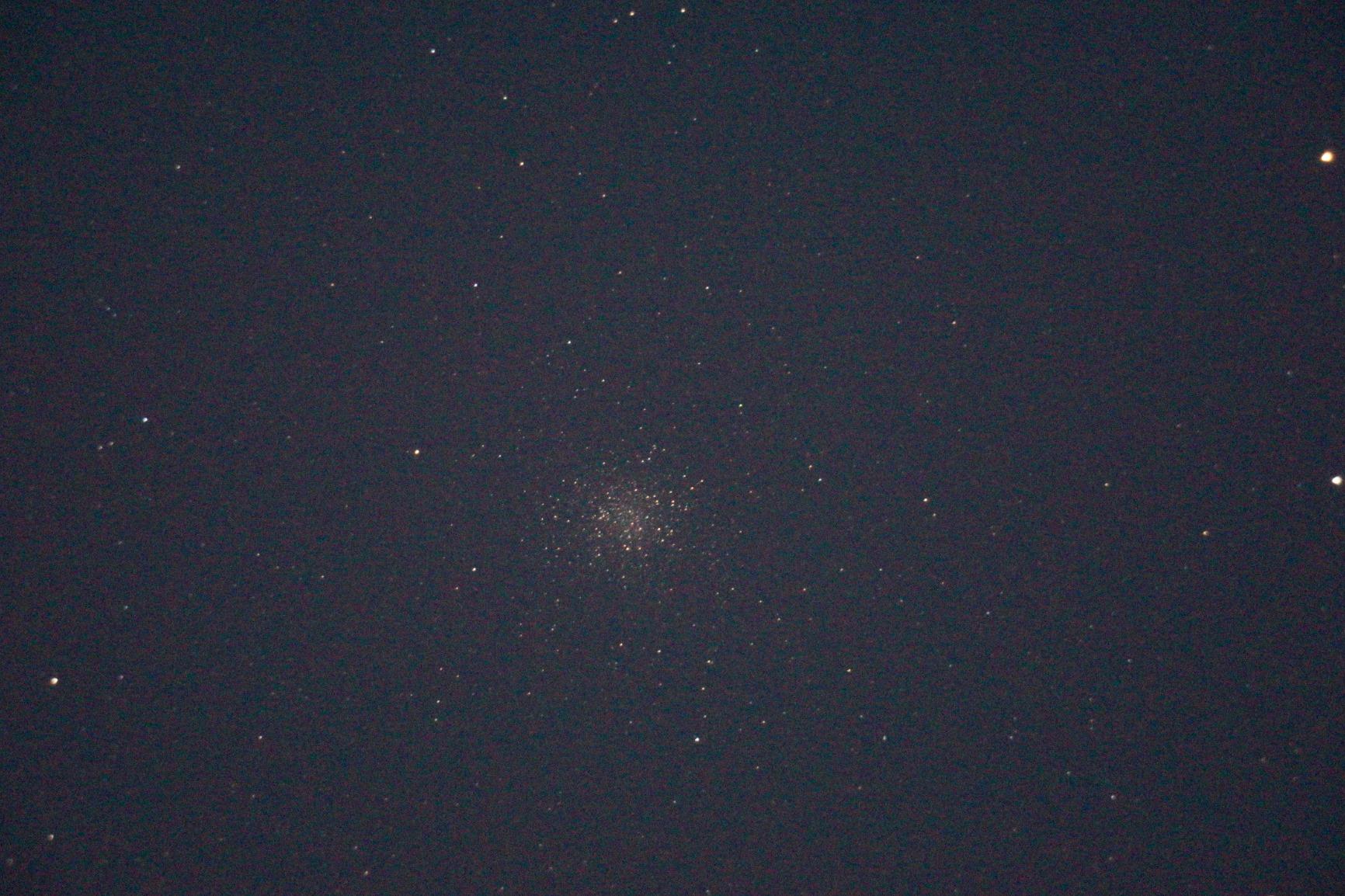
The CPC 1100 is the deep-sky cannon of Celestron’s SCT lineup. The 11-inch aperture gathers roughly 1.5 times the light of an 8-inch, and on globular clusters and galaxies the difference is immediately obvious. M13 resolves to a dense, glittering core. The Whirlpool Galaxy shows spiral structure.
The dual fork arm mount is the CPC’s defining feature. Unlike the single arm SE series, the dual arm holds the heavy 11-inch tube with rock-solid stability. At high power, images do not dance the way they do on lighter mounts. GPS built into the base handles location and time automatically.
This is not a portable scope. The complete assembly weighs over 65 pounds, and most CPC 1100 owners end up with a permanent pier or a wheeled jig. Plan for a dedicated observing spot or a ground-floor storage location.
Optically, the StarBright XLT coatings deliver the contrast Celestron is known for. Planetary views through the CPC 1100 are among the best I have seen in any commercial telescope. The 2800mm focal length means high magnifications are easy to reach.
Cool-Down Time for 11-Inch SCTs
An 11-inch SCT needs 60 to 90 minutes to thermally equalize when moved from a warm house to cold night air. Active cooling fans are available and recommended. Without proper cool-down, planetary views will look soft and bloated.
Power Requirements for the CPC Line
The CPC mount draws significant current. A small PowerTank will struggle on cold nights. Most serious CPC owners use a deep-cycle marine battery or a 12V 10A+ regulated supply for reliable operation.
7. Celestron Advanced VX 8 SCT – Best Equatorial Mount SCT
Celestron Advanced VX 8″ Schmidt-Cassegrain Telescope
Aperture: 203mm (8-inch)
Focal Length: 2032mm
Focal Ratio: f/10
StarBright XLT coatings
Advanced VX German equatorial mount
PEC and autoguider port
Pros
- German equatorial mount for astrophotography
- Periodic Error Correction
- Autoguider port for long exposure
- 84 percent more light than 6-inch
- StarBright XLT coatings
Cons
- Heavy at 80+ pounds
- Manual focus only
- Requires power for tracking
- Long setup time vs fork mounts
The Advanced VX 8 SCT pairs the proven 8-inch Celestron optical tube with a German equatorial mount, and that combination makes it the most affordable true astrophotography-ready SCT package available. If your goal is imaging rather than visual, this is where I would start.
The Advanced VX mount includes Periodic Error Correction and an autoguider port. With a guide camera and PHD2 software, I was able to shoot 5-minute guided exposures of nebulae with round stars. Try that on an alt-az fork mount and field rotation will ruin every frame.
The 8-inch StarBright XLT optics match those in the NexStar 8SE. For visual use you give up GoTo convenience (the VX requires manual polar alignment and star-hopping or add-on computerization), but for imaging the equatorial platform is far superior.
Total weight is over 80 pounds including the counterweight and tripod. This is a backyard scope, not a travel scope. Plan a permanent or semi-permanent setup.
The integer gear ratios on the VX eliminate the recurring tracking errors that plague cheaper mounts. Combined with programmable PEC, the tracking is smooth enough for unguided short exposures and excellent guided long exposures.
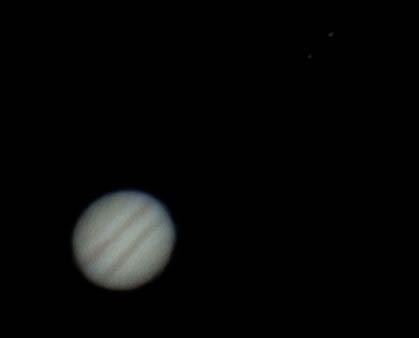
German Equatorial vs Fork Mount for Imaging
A German equatorial mount tracks along a single polar axis, which eliminates field rotation entirely. Fork mounts on alt-az mode introduce rotation that limits exposures to about 30 seconds. For serious astrophotography, the GEM is the correct choice.
What You Need for Guided Imaging
Budget for a guide scope, a guide camera (like the ZWO ASI120MM), and a laptop or ASIAIR. The VX’s autoguider port connects directly via ST-4 cable. With guiding active, the VX handles 5-minute exposures at 2032mm focal length comfortably.
8. Celestron C5 Spotting Scope – Best Dual-Purpose SCT
Celestron – C5 Angled Spotting Scope – Schmidt-Cassegrain Spotting Scope – Great for Long Range Viewing – 50x Magnification with 25mm Eyepiece – Multi-Coated Optics – Rubber Armored
Aperture: 127mm (5-inch)
Focal Length: 1250mm
Focal Ratio: f/10
Multi-coated optics
Rubber armored body
6 lbs
Limited lifetime warranty
Pros
- NASA-approved optical quality
- Dual terrestrial and astronomical use
- Very portable at just 6 pounds
- Camera adaptable for digiscoping
- Usable to 300x magnification
- Limited lifetime warranty
Cons
- Not weatherproof
- Finderscope mount quality is basic
- Focus may slip on older models
- May need collimation out of box
The Celestron C5 is a Schmidt-Cassegrain optical tube in a spotting scope body, and it is one of the most versatile instruments on this list. The same optics used in the NexStar 5SE are wrapped in rubber armor and sold as a daytime spotting scope that also works as a capable astronomy scope. NASA even used C5 optics on Space Shuttle missions.
I have used the C5 for birding, whale watching, and casual astronomy, and it handles all three well. At 6 pounds, it mounts on any sturdy camera tripod. The 1250mm focal length gives 50x with the included 25mm eyepiece, and the scope is usable up to 300x for astronomical targets.
Optically, the C5 delivers the sharp, contrasty views that Schmidt-Cassegrain optics are known for. Lunar craters, Saturn’s rings, and Jupiter’s belts all look excellent. For daytime use at long range, the C5 outresolves any spotting scope in its price range.
The C5 is camera adaptable, which makes it a 1250mm f/10 telephoto lens when paired with a DSLR or mirrorless camera via a T-ring. This dual-use flexibility is unique among the best Schmidt-Cassegrain telescopes on this list.
Terrestrial vs Astronomical Use
For daytime use, add a 45-degree erect-image diagonal for correct image orientation. For astronomy, swap in a 90-degree star diagonal. The C5 handles both, which is why it earns a spot in many observers’ collections as a travel scope.
Digiscoping with the C5
With a T-ring adapter, the C5 becomes a 1250mm lens. This is excellent for distant wildlife, moon photography, and even basic planetary imaging with a smartphone or mirrorless camera. The limited lifetime warranty adds peace of mind.
9. Celestron NexStar Evolution 6 – Best WiFi 6-Inch SCT
Celestron NexStar Evolution 6 150mm f/10 Schmidt-Cassegrain Telescope with Integrated WiFi
Aperture: 150mm (6-inch)
Focal Length: 1500mm
Focal Ratio: f/10
StarBright XLT coatings
Integrated WiFi via SkyPortal
Built-in 10-hour battery
Stainless steel tripod
Pros
- Integrated WiFi smartphone control
- Built-in rechargeable battery
- 120
- 000+ objects in app
- SkyAlign and Solar System align
- Sturdy stainless steel tripod
- International plug set included
Cons
- Limited stock availability
- 4.0 rating suggests quality variance
- Only 1-year warranty
- Some prefer manual control
The NexStar Evolution 6 brings the WiFi control and built-in battery of the Evolution line to a more portable and affordable 6-inch package. This is the scope I would recommend for a family or a couple who wants to share the sky from a backyard or balcony without wrestling with cables and battery packs.
The integrated WiFi works with the Celestron SkyPortal app on iOS and Android. You browse a list of over 120,000 objects, tap one, and the scope slews to it. The experience feels like using a planetarium app to drive a telescope, which is exactly what it is.
The built-in rechargeable battery delivers up to 10 hours of continuous use, and the included international plug set (US, EU, UK, AU) makes this a genuinely travel-ready scope. I cannot overstate how convenient it is to not need a separate battery pack.
The 6-inch StarBright XLT optics deliver the same quality as the NexStar 6SE: sharp planets, detailed lunar views, and respectable performance on bright deep-sky objects. The Evolution’s brass worm gears track more smoothly than the SE series motors.
SkyPortal App vs Hand Controller
The SkyPortal app replaces the traditional hand controller entirely. The interface is intuitive, with audio descriptions of objects and a clean star map. The only downside is that you need your phone or tablet charged, so bring a power bank.
Who the Evolution 6 Is For
This is ideal for casual backyard observers and families who want maximum convenience. The 6-inch aperture is enough for years of visual exploration, and the WiFi control makes the scope accessible to complete beginners.
10. Sky-Watcher Skymax 102mm – Best Budget Mak-Cass
Sky-Watcher Skymax 102mm Maksutov-Cassegrain – Large Aperture Compound-Style Reflector Telescope
Aperture: 102mm (4-inch)
Focal Length: 1300mm
Focal Ratio: f/12.7
Maksutov-Cassegrain design
94% reflectivity coatings
4.6 lbs
Vixen dovetail
Pros
- Excellent contrast with dark skies
- 94% reflectivity mirror coatings
- Very portable at 4.6 lbs
- Fully baffled tube
- Vixen-style dovetail compatibility
- Complete accessory kit included
Cons
- Manual alt-az mount only
- Limited 102mm aperture
- Battery powered accessories
- No GoTo functionality
The Sky-Watcher Skymax 102 is technically a Maksutov-Cassegrain rather than a Schmidt-Cassegrain, but I include it because it is the most common alternative people consider when shopping for a compact catadioptric scope. At under $300 with a full accessory kit, it is the budget entry point.
The Maksutov design uses a thicker, heavier meniscus corrector lens instead of the thin Schmidt plate. This gives excellent contrast and makes the optics very stable, with essentially no collimation needed. The trade-off is longer cool-down time due to the thick glass.
I was impressed by the 94 percent reflectivity coatings and the fully baffled tube, which delivers genuinely dark skies in the eyepiece. Lunar and planetary views are sharp and contrasty. The Skymax 102 is a superb lunar and planetary scope for the price.
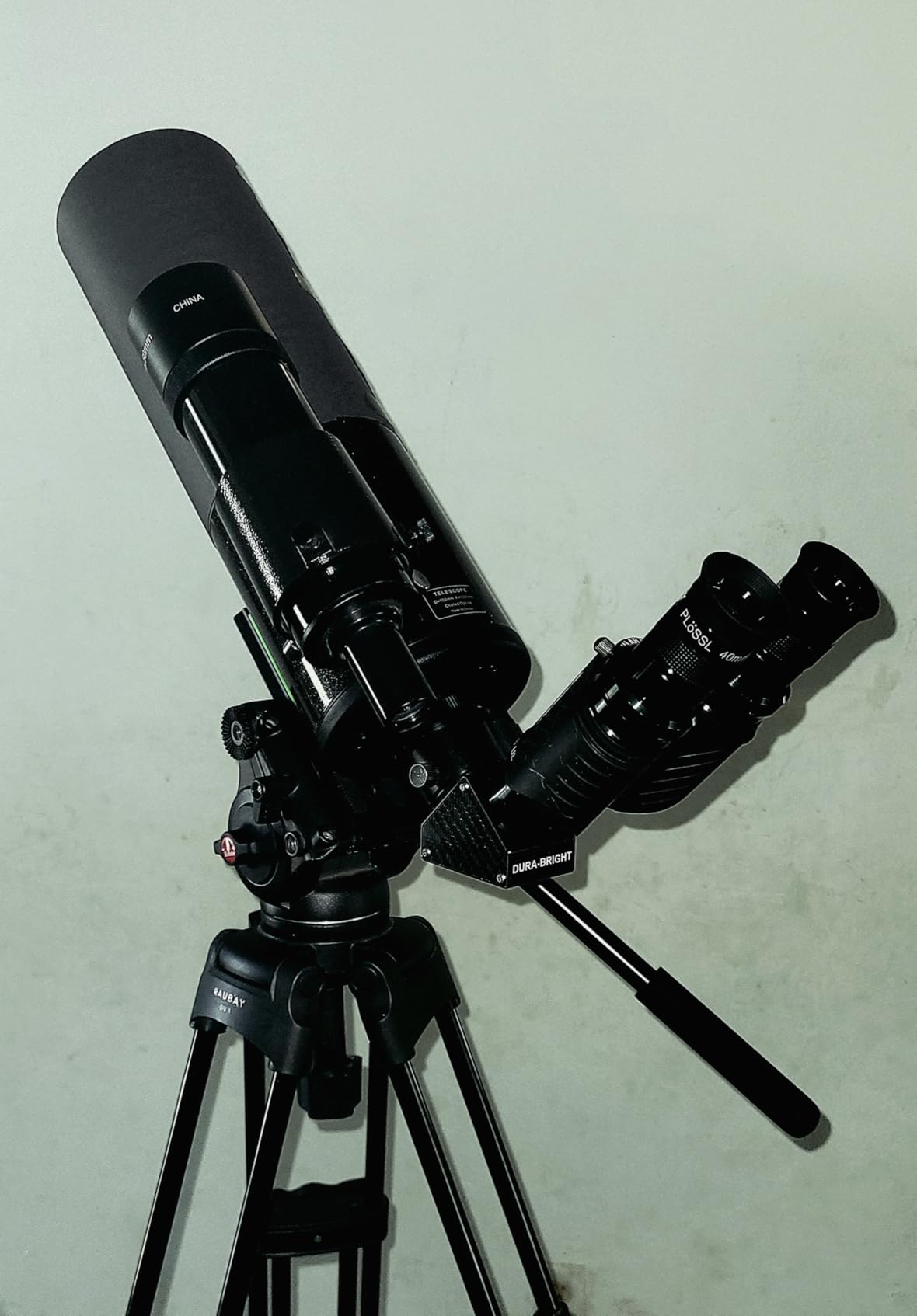
The included accessories are a genuine value: 10mm and 25mm eyepieces, a red-dot finder, a 90-degree star diagonal, and a padded carrying bag. You are observing within minutes of opening the box.
The alt-az mount is manual, so you find objects by star-hopping. This is a learning experience that I actually recommend for beginners, because it builds real sky knowledge that GoTo users never develop.
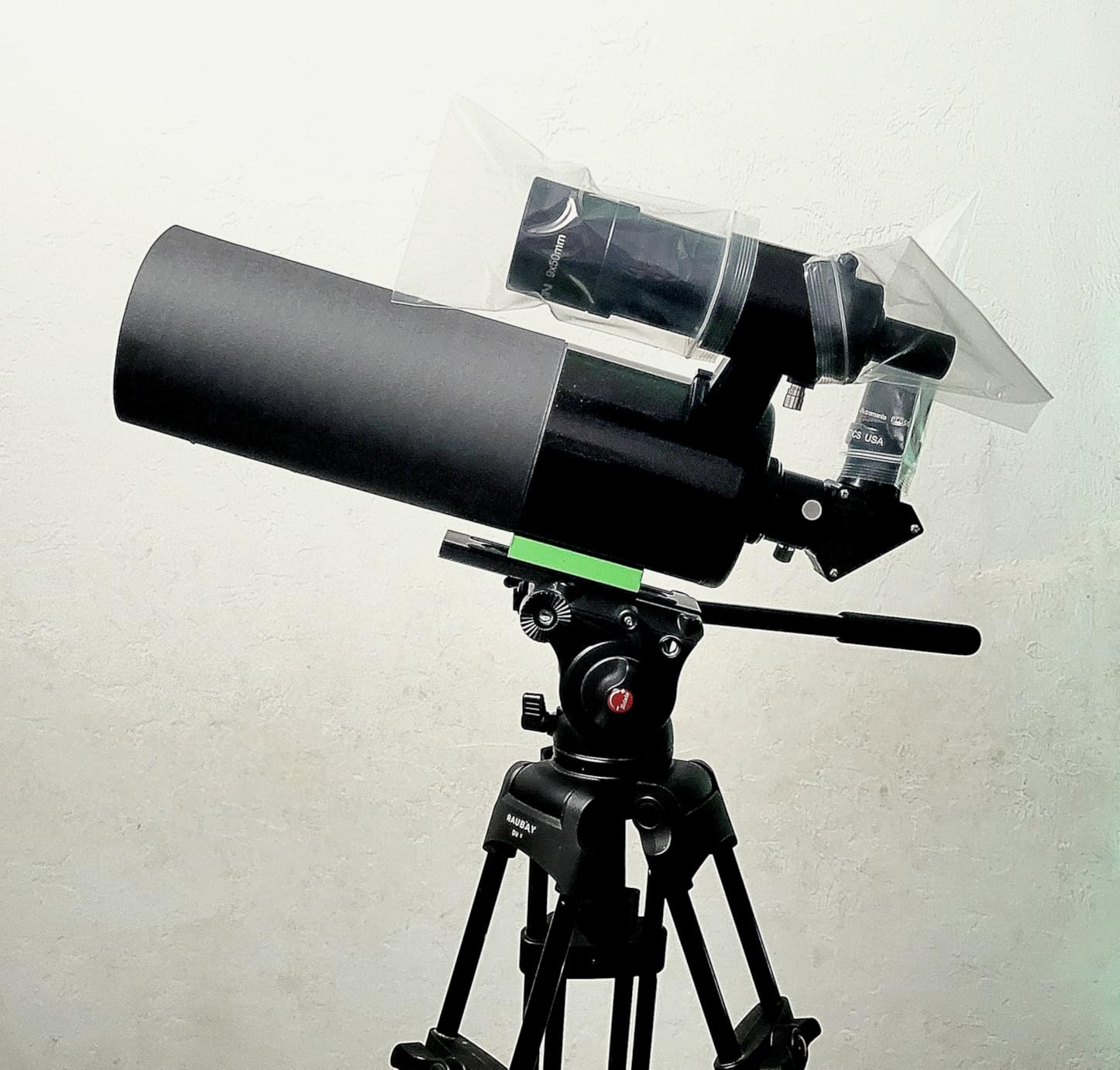
Maksutov vs Schmidt-Cassegrain
Maksutovs have a thicker corrector lens that takes longer to cool down but rarely needs collimation. Schmidt-Cassegrains cool faster but may need occasional collimation. For planetary viewing, many observers prefer the Mak’s contrast. For versatility and astrophotography, the SCT wins.
Upgrading the Mount Later
The Skymax 102 has a Vixen-style dovetail, so it mounts on virtually any equatorial or GoTo mount. Many users start with the manual mount and later upgrade to a Star Adventurer or AVX mount for tracking and imaging.
Buying Guide: How to Choose the Best Schmidt-Cassegrain Telescope?
Choosing among the best Schmidt-Cassegrain telescopes comes down to aperture, mount type, intended use, and budget. Here is what our team looks at when recommending an SCT.
Aperture Is Everything
Aperture determines light-gathering power and resolving ability. A 5-inch SCT shows planets well but struggles with faint galaxies. An 8-inch SCT is the sweet spot for most observers, gathering 84 percent more light than a 6-inch. An 11-inch SCT pulls in serious deep-sky detail but demands a permanent setup.
As a rule, buy the largest aperture you can comfortably carry and afford. If an 11-inch sits in the closet because it is too heavy, an 8-inch that gets used every clear night is the better scope.
Mount Type: Alt-Azimuth vs Equatorial
Alt-azimuth fork mounts (NexStar SE, Evolution, CPC) are easy to set up and intuitive to use. They track well for visual observation but suffer from field rotation that limits long-exposure astrophotography to about 30 seconds.
German equatorial mounts (Advanced VX) require polar alignment but track along a single axis, eliminating field rotation entirely. If astrophotography is your goal, you need an equatorial mount. If visual use is your priority, a fork mount is simpler and faster.
Schmidt-Cassegrain vs Maksutov-Cassegrain
Schmidt-Cassegrains use a thin, lightweight corrector plate at the front of the tube. They cool down relatively quickly (30 to 60 minutes for an 8-inch) and are available in larger apertures. The standard f/10 focal ratio works well for planets, the Moon, and smaller deep-sky targets.
Maksutov-Cassegrains use a thick, heavy meniscus lens. They rarely need collimation and deliver excellent contrast, which makes them popular for planetary viewing. The trade-off is slower cool-down and limited maximum aperture. The Sky-Watcher Skymax 102 in this guide is a Maksutov.
Schmidt-Cassegrain vs Dobsonian
The SCT vs Dobsonian debate is one of the most common on r/telescopes. A Dobsonian gives you more aperture per dollar (an 8-inch Dob costs about half of an 8-inch SCT). Dobs are simpler, with no electronics to fail, and the manual pushing builds sky knowledge.
SCTs win on portability (the tube is much shorter), computerized GoTo convenience, and astrophotography capability. If you want GoTo and compact storage, the SCT is the answer. If you want maximum aperture on a budget, choose a Dob.
Cool-Down Time and Thermal Management
SCTs are closed-tube designs with a sealed corrector plate. When moved from a warm house to cold night air, the trapped air inside creates tube currents that degrade image quality. An 8-inch SCT needs 30 to 45 minutes to equalize. An 11-inch needs 60 to 90 minutes.
Active cooling fans, like those from Tempest Fans, dramatically reduce cool-down time. For larger SCTs, a fan is one of the most impactful upgrades you can make. Some observers store their scope in an unheated garage or shed to minimize the temperature differential.
Astrophotography Considerations
Standard SCTs at f/10 have a narrow field of view and long focal length, which makes deep-sky imaging challenging for beginners. A focal reducer (f/6.3 or f/7) widens the field and shortens exposure times. The HyperStar system converts certain Celestron SCTs to f/2 for extremely fast wide-field imaging.
EdgeHD optics are worth the premium for imaging, because they correct the coma and field curvature that plague standard SCTs at the edge of the field. For purely visual use, EdgeHD offers minimal benefit over a standard SCT.
Power and Accessories to Budget For
Every SCT on this list (except the Evolution series with built-in batteries) needs an external power source. AA batteries in the SE and CPC mounts die within a single session. Budget for a Celestron PowerTank, a regulated 12V supply, or a deep-cycle battery.
Plan to add at least one quality eyepiece (a 10mm or 13mm for planets), a 2x Barlow lens, and possibly a focal reducer. These accessories can cost $150 to $300 on top of the telescope price, so factor them into your budget.
The Meade Question
For decades, Celestron and Meade were the two dominant SCT manufacturers. Meade Instruments effectively ceased SCT production after its assets were acquired in 2024, and Meade-branded SCTs are no longer being actively manufactured. This is why every scope on our list is from Celestron or Sky-Watcher. Used Meade LX200 and LX90 models remain excellent values on the secondhand market, but warranty support and parts availability are uncertain.
FAQs
What are Schmidt-Cassegrain telescopes best for?
Schmidt-Cassegrain telescopes are best for observers who want a versatile, compact scope that handles planetary viewing, lunar observation, and brighter deep-sky objects. Their folded optical design packs a long focal length into a short tube, making them more portable than refractors or Newtonians of similar aperture. They excel at high-magnification views of the Moon and planets.
Which is better, Schmidt-Cassegrain or Maksutov-Cassegrain?
For planetary viewing and contrast, many observers prefer the Maksutov-Cassegrain because its thicker corrector lens delivers excellent image quality with virtually no maintenance. For versatility, larger aperture options, and astrophotography, the Schmidt-Cassegrain is better because it is available in larger sizes, cools down faster, and supports accessories like focal reducers and the HyperStar f/2 system.
Which is the best telescope to see all planets?
The Celestron NexStar 8SE is the best telescope for seeing all planets. Its 8-inch aperture resolves Jupiter’s belts and Great Red Spot, Saturn’s Cassini Division, Mars’s polar caps, and Mercury and Venus phases. For planetary viewing, a computerized SCT with GoTo tracking keeps planets centered at high magnification without constant manual adjustment.
What is the largest Schmidt-Cassegrain telescope?
The largest commonly available consumer Schmidt-Cassegrain is the Celestron CPC 1100 at 11 inches (280mm) of aperture. Celestron also produced a 14-inch SCT optical tube. Among professional observatory instruments, the 48-inch Samuel Oschin Schmidt Camera at Palomar Observatory is one of the largest Schmidt-design telescopes in the world.
Can you do astrophotography with a Schmidt-Cassegrain telescope?
Yes, you can do astrophotography with a Schmidt-Cassegrain telescope, but you need the right mount. An equatorial mount like the Celestron Advanced VX eliminates field rotation and supports long-exposure imaging. Adding a focal reducer (f/6.3) shortens exposure times, and EdgeHD optics correct coma for sharper stars across the full image frame.
Conclusion: Finding Your Best Schmidt-Cassegrain Telescope in 2026
The best Schmidt-Cassegrain telescope for most observers is the Celestron NexStar 8SE. It hits the sweet spot of aperture, portability, GoTo convenience, and price. For those who want built-in WiFi and battery power, the NexStar Evolution 8 is the premium upgrade. And if astrophotography is the goal, the Advanced VX 8 SCT on its German equatorial mount is the most capable imaging platform at this price point.
Whatever you choose, budget for a power source, a couple of quality eyepieces, and patience for cool-down time. A well-equipped 8-inch SCT will give you a lifetime of planetary detail, lunar exploration, and deep-sky discovery. Clear skies.