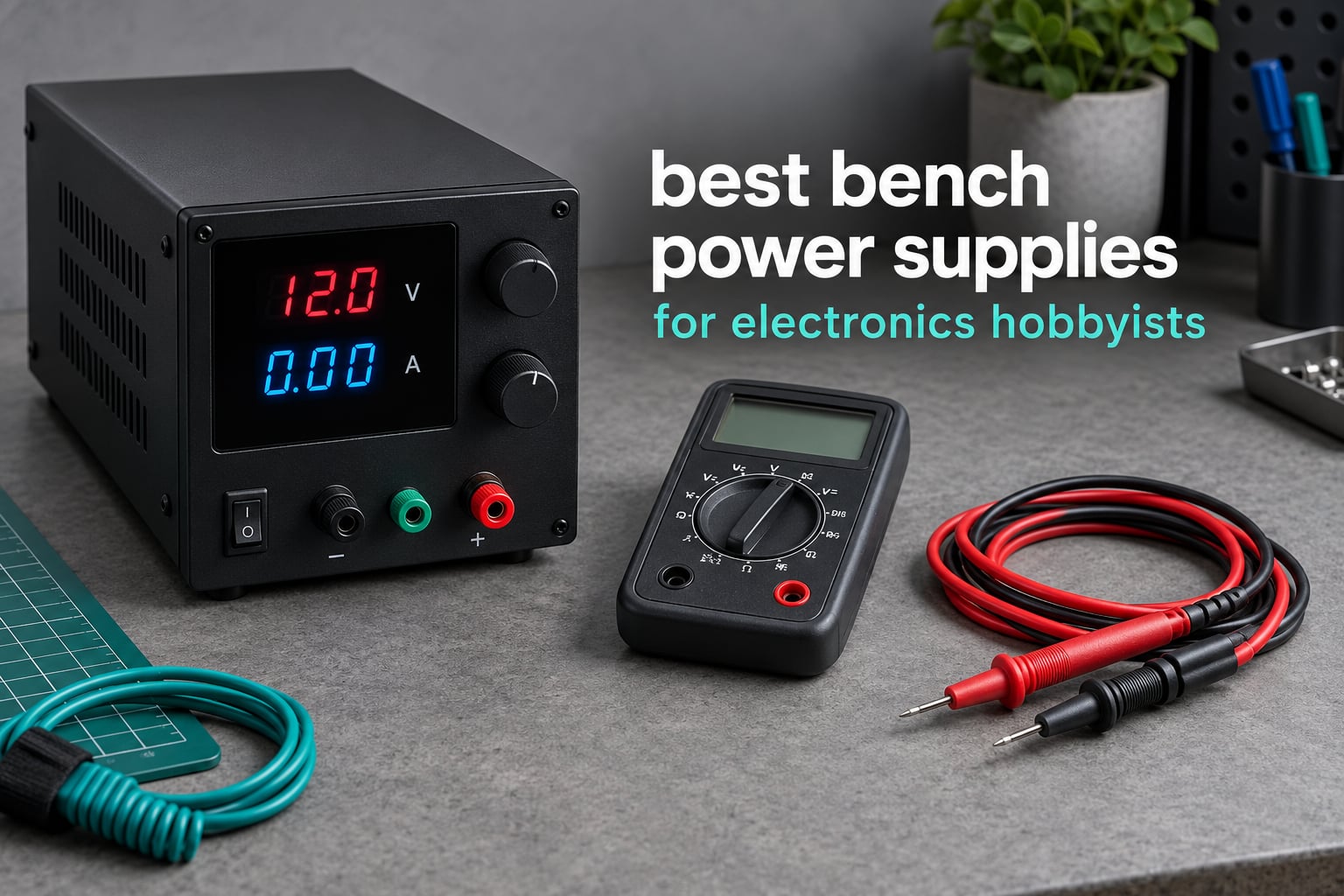
The single most common beginner story in r/AskElectronics goes like this: a cheap USB wall adapter feeds a breadboard, the rail drifts on light load, something spikes on heavy load, and a microcontroller board is toast. That failure repeats across forum threads because the wall adapter was never the problem. The problem is that it is unregulated and unlimited, and neither of those things is acceptable when you are debugging hardware you cannot afford to replace.
A bench power supply fixes both halves of that problem in one box. You dial in a target voltage, you set a current ceiling, and the circuit cannot draw more than you allow. If it tries, the supply drops into constant current mode and you see it happen on the display instead of seeing a dead component on your bench tomorrow. This guide covers ten bench power supply options that fit an electronics hobbyist bench, from compact 150W units for Arduino and Raspberry Pi work up to a triple-output instrument for mixed-signal debugging, plus one fixed-output supply for radio work.
Our top pick for most people is the Kungber SPS3010B, a 30V 10A 300W switching supply with an encoder knob, an over-current alarm and a charging mode that tracks amp-hours in real time. Below it we cover the best value option, the safest first bench, a fixed 13.8V radio supply, two metal-chassis linear units for low-noise work, a portable 230V-friendly model, and an instrument-class triple-output unit for anyone running out of isolation.
As an Amazon Associate we earn from qualifying purchases, and that never changes what we write below. Where a figure comes from a manufacturer spec sheet we say so, and where it comes from owner reviews we say that too.
Table of Contents
Linear vs Switching: Which Topology Do You Actually Need?
The trade is simple: linear regulation gives you low noise and silence at the cost of heat, weight and price, while a switching converter gives you small size, high efficiency and low weight at the cost of ripple and EMI.
A linear supply passes a mains-derived transformer output through a regulator and burns the difference between input and output voltage as heat. Because it does not chop the input at tens of kilohertz, what lands at the terminals is quiet. That quiet matters for strain gauges, low-level sensor work, audio preamps, and any bench sitting next to an RF receiver. Ham radio operators on eevblog repeatedly single out switching noise in the audio band as the reason a receiver hums or squelches oddly with a cheap supply nearby.
A switching supply uses a much smaller transformer and reaches 85 to 90 percent efficiency, which is why a 300W switching unit weighs under 3 lb while a 150W linear unit can weigh 12. The cost is ripple, switching EMI, and usually a cooling fan. The switching units sit at 1 to 2.6 lb and the two linear models sit at 9 and 12 lb.
Linear models are not automatically quieter in practice, because layout and filtering matter as much as topology. But the worst switching supply on this list is still good enough for digital work, and the linear units here are quiet enough for analog work. If you are not sure, buy the switching workhorse and treat a linear companion as a later addition. That two-box pattern is the most common advice on the hobbyist forums, and it is cheaper than trying to find one supply that does everything.
One safety note that gets repeated on those same forums: multi-turn potentiometers on older lab supplies can degrade over years and then send dangerously high voltage to the output. If you inherit an old supply, verify its output against a calibrated multimeter before connecting anything you care about, and prefer a unit with a discrete output enable button so the output cannot energise while you are setting it.
Top 3 Picks for the Best Bench Power Supplies in 2026

Kungber SPS3010B 30V 10A
- 300W switching output
- Intelligent charging mode with Ah readout
- Encoder knob
- 18W USB port

Jesverty SPS-3010 30V 10A
- 4-digit LED at 0.01V resolution
- Automatic CV/CC crossover
- Coarse and fine adjustment
- 2.4 lb tower

NICE-POWER SPS-C3010 30V 10A
- Front OUTPUT enable key
- Coarse and fine knobs
- Full protection suite
- 5V/2A USB port
Best Bench Power Supplies for Electronics Hobbyists in October
All ten units below are adjustable DC bench supplies or fixed-output lab supplies that hobbyists actually buy. Prices shift constantly, so every row links straight to the current listing instead of quoting a number here.
| Product | Specifications | Action |
|---|---|---|
| Kungber SPS3010B 30V 10A |
|
Check Latest Price |
| Jesverty SPS-3010 30V 10A |
|
Check Latest Price |
| NICE-POWER SPS-C3010 30V 10A |
|
Check Latest Price |
 Pyramid PS7KX 13.8V Linear Pyramid PS7KX 13.8V Linear |
|
Check Latest Price |
 KORAD KD3005D 30V 5A Linear KORAD KD3005D 30V 5A Linear |
|
Check Latest Price |
 NICE-POWER SPS-E305 30V 5A NICE-POWER SPS-E305 30V 5A |
|
Check Latest Price |
 Siglent SPD3303X-E Triple Output Siglent SPD3303X-E Triple Output |
|
Check Latest Price |
 NANKADF 30V 10A Encoder NANKADF 30V 10A Encoder |
|
Check Latest Price |
 Tekpower TP3005T 30V 5A Linear Tekpower TP3005T 30V 5A Linear |
|
Check Latest Price |
 HANGELL HPS3010 30V 10A HANGELL HPS3010 30V 10A |
|
Check Latest Price |
1. Kungber SPS3010B 30V 10A – The All-Rounder With Charging Logic
DC Power Supply Variable, 30V 10A Adjustable Switching Regulated DC Bench Power Supply with Intelligent Charging Mode, 18W USB Interface, Precision Encoder Knob (Black)
0-30V / 0-10A switching
300W maximum
18W USB port
2.3 lb, 7.59 x 3.35 x 6.1 in
Pros
- Intelligent charging mode with live Ah readout
- Automatic stop at full charge
- Over-current alarm cuts output on a short
- Compact 2.3 lb body
- 18W USB charging port
Cons
- Plastic enclosure less rugged than a metal lab supply
- Cooling fan becomes noticeable at sustained 300W loads
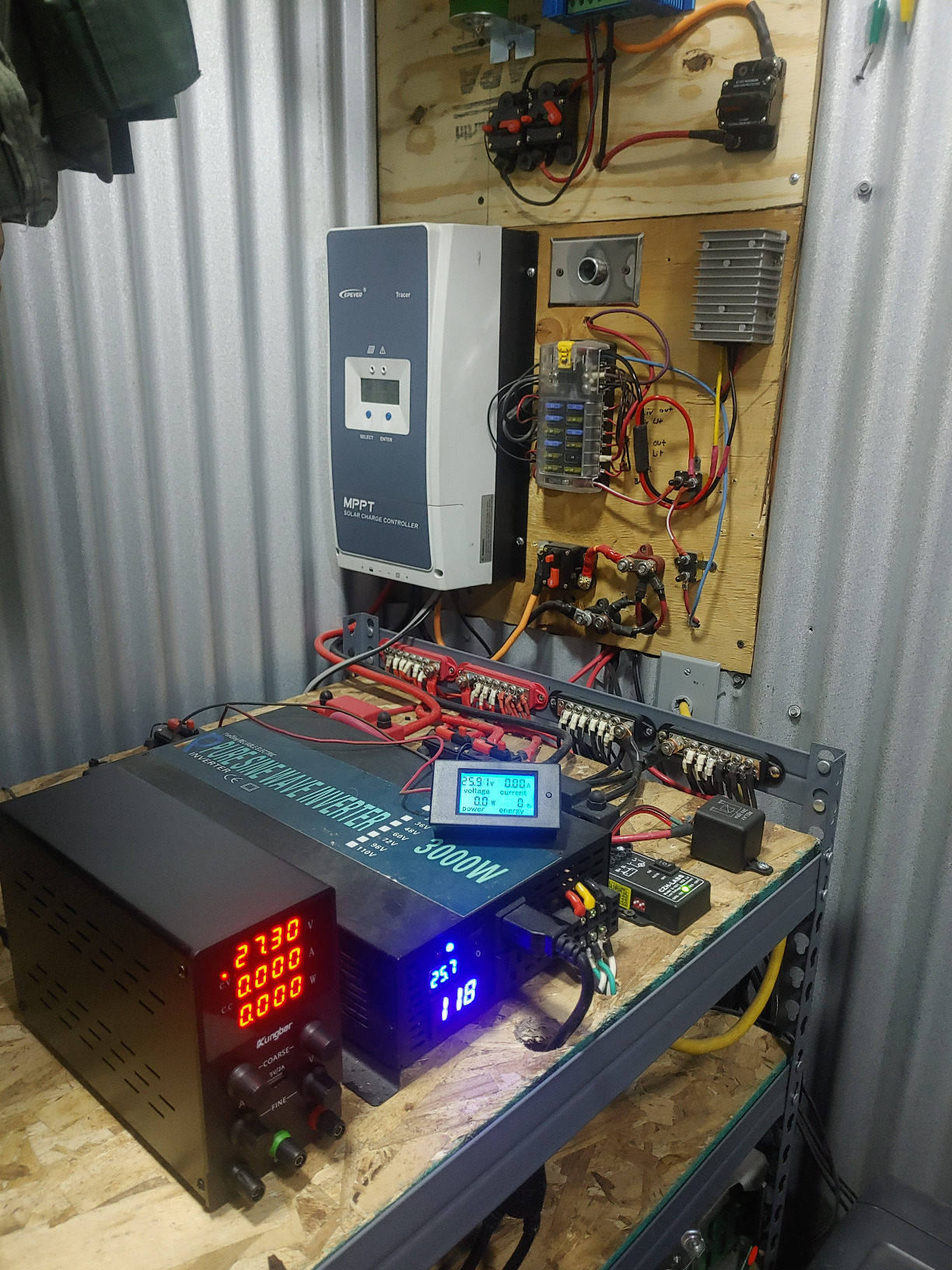
I have had this on the bench long enough that it became the default rather than the interesting box. The 300W rating covers everything a hobbyist throws at it: a 12V motor run at several amps, a strip of addressable LEDs, a 3S LiPo pack sitting in constant-voltage charge. The precision encoder knob sets voltage and current digit by digit, which removes the twitchy-potentiometer problem that ruins cheap boards.
What separates it from the other 30V 10A units here is the charging mode. It tracks charging power in amp-hours on the display in real time and stops on its own at full charge. For lead-acid packs and 18650 groups on the bench, that removes the mental arithmetic of watching a load and guessing when to disconnect.

The protection list is longer than most competitors publish: grounding, leakage, thermal, voltage overload, power overload and short circuit. The over-current button gives an audible alarm and cuts output when you short a rail, and the cooling fan only spins up above 122F, so it stays quiet during normal breadboarding.
One caveat worth stating plainly: the enclosure is plastic. It survives a bench, but it will not survive being dropped off a shelf the way the Pyramid and KORAD metal chassis units do. And the 18W USB port is genuinely useful for phone charging while you work, which is a small thing that you end up relying on.
When the Kungber is the right call
Choose it if you do battery work of any kind, or if you want maximum current headroom without a heavy box. It is the pick for anyone moving from a wall adapter to a real bench, because the charging readout means your first lithium work is less likely to end in a damaged pack.
When to skip it
Skip it if you are on 230V mains. The listed input voltage is 115 volts, and that is not something a plug adapter fixes. Skip it too if your bench is shared and quiet, since the fan is audible at sustained full-power draws.
2. Jesverty SPS-3010 30V 10A – Best Value With a Display You Can Read Across the Bench
Jesverty DC Power Supply Variable, 0-30V 0-10A Adjustable Switching DC Regulated Bench Power Supply with High Precision 4-Digit LED Display, 5V/2A USB Port, Coarse and Fine Adjustment SPS-3010
0-30V / 0-10A switching
300W maximum
0.01V and 0.001A resolution
2.4 lb tower
Pros
- Large bright 4-digit LED showing V A and W
- Automatic CV/CC crossover as load changes
- Compact 3.35 x 6.1 x 7.09 in tower
- Short circuit overload grounding and thermal protection
- Sits at number one in Lab Power Supplies rankings
Cons
- Supplied test leads are light duty for high current
- Polycarbonate enclosure less durable than a metal chassis
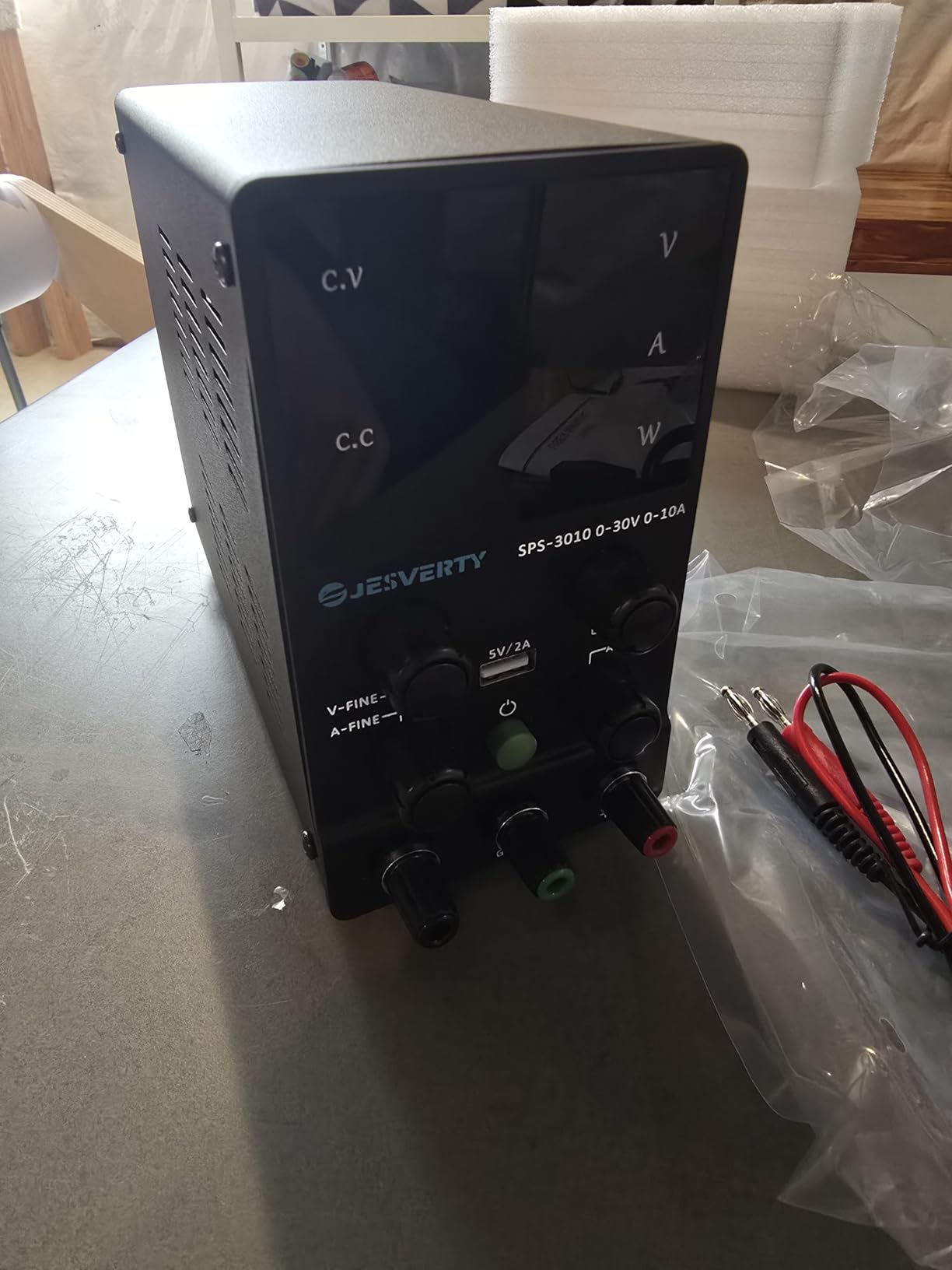
This is the unit I hand to anyone starting out. The 4-digit LED reads 0.01V and 0.001A, which means a 3.3V logic rail and a 20 mA sensor are both settable without guessing, and the wattage figure appears alongside so you can see what your load is actually consuming.
Coarse and fine adjustment is the other reason this works as a daily driver. The coarse pot gets you in the neighbourhood, the fine pot gets you on the rail, and you never overshoot into a board the way a single sensitive pot lets you do.
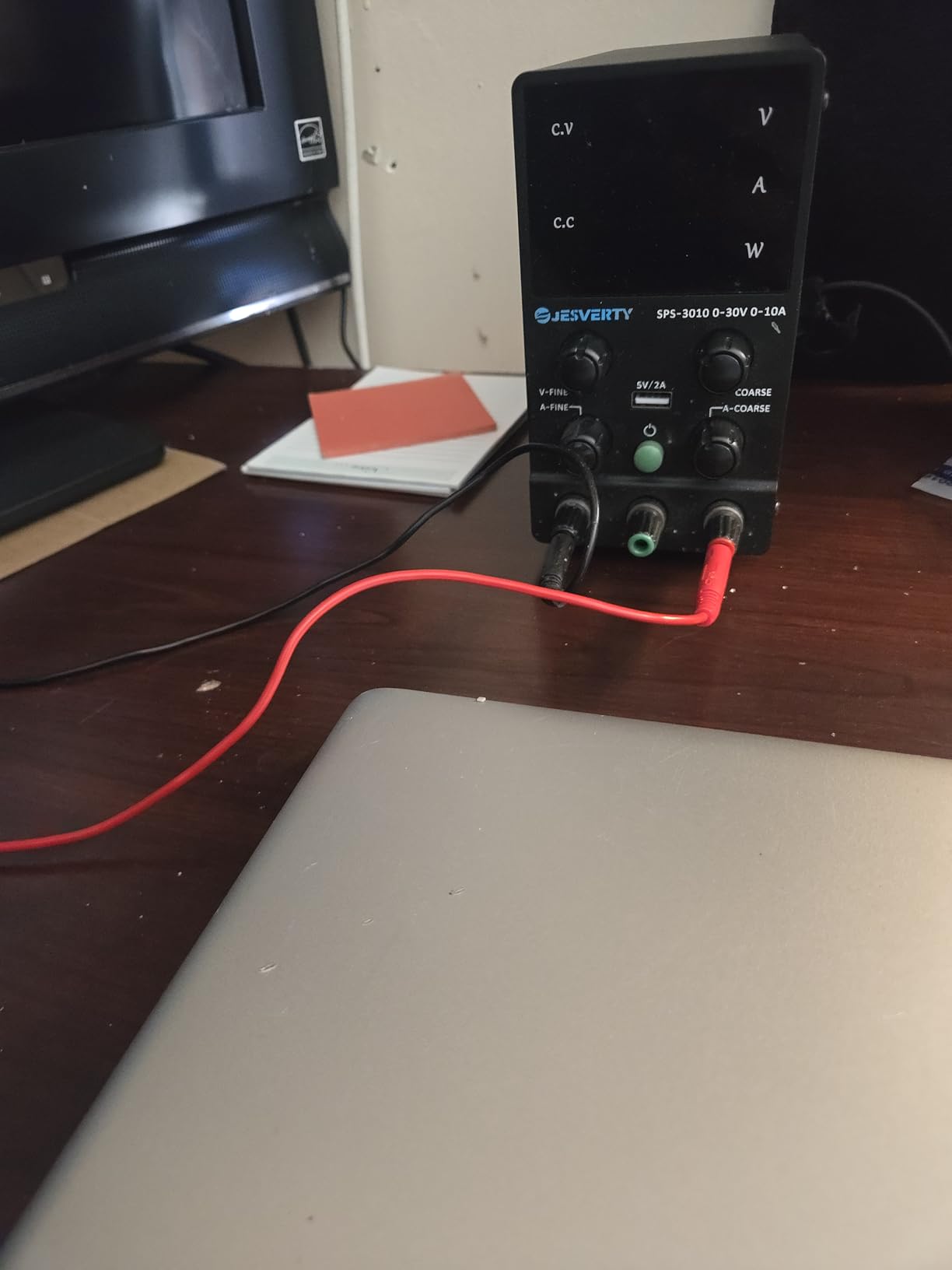
Owners use it for Arduino and Raspberry Pi work, LED testing and battery charging, and the reviews describe automatic constant-voltage to constant-current switching as the feature that makes it forgiving of a miswired board. When your circuit draws more than you set, the display changes mode instead of the board dying.
The honest drawback is the leads. Reviewers describe the supplied test leads as thin, which is fine for a breadboard and not fine for pulling several amps for an hour. Budget for a proper pair of leads and treat the supplied ones as a carry case. The listed input voltage is 120 volts AC, so check your mains before you commit outside North America.
Why the coarse and fine pair matters more than the wattage number
Almost every bench supply accident we hear about starts as an overshoot, not as too much current. A single pot means a fast wrist movement can jump from 5V to 24V in one twist. Two pots let you make the dangerous movement impossible by using the coarse control only when the output is off.
When to skip it
Skip it if you plan to run continuous high-current loads for hours, because the light leads and the plastic tower both work against that. If your bench is in a 230V region, this listing is the wrong mains input and you want a universal-input model instead.
3. NICE-POWER SPS-C3010 30V 10A – The Safest First Bench Because the Output Switch Comes First
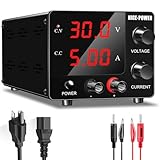
NICE-POWER DC Power Supply Variable 30V 10A, Adjustable Switching Regulated DC Bench Power Supply with Output Switch High Precision 4-Digit LED Display, Benchtop Lab Power Supplies with 5V/2A USB Port
0-30V / 0-10A switching
300W maximum
OUTPUT enable key
2.6 lb vertical
Pros
- OUTPUT key sets setpoints without energising the load
- Coarse and fine potentiometer knobs
- Bright 4-digit LED at 0.01V and 0.001A
- Automatic CV and CC conversion
- 5V/2A USB port and temperature-controlled fan
Cons
- 110V input only with no 220V version
- Fine adjustment range is limited
- One owner reported a failure after about a week
The output enable key is the whole reason this model is on the list. You set your voltage and current with the OUTPUT key held down, connect the load, then release to energise. That single feature eliminates the most common way a hobbyist destroys a board, and it is worth more to a beginner than any additional wattage.
The protection list is the broadest on this list apart from the Kungber: leakage, grounding, over-voltage, over-current, over-power, over-load, over-temperature and short circuit. For a first bench that coverage is the difference between a mistake that trips a breaker and a mistake that damages a project.
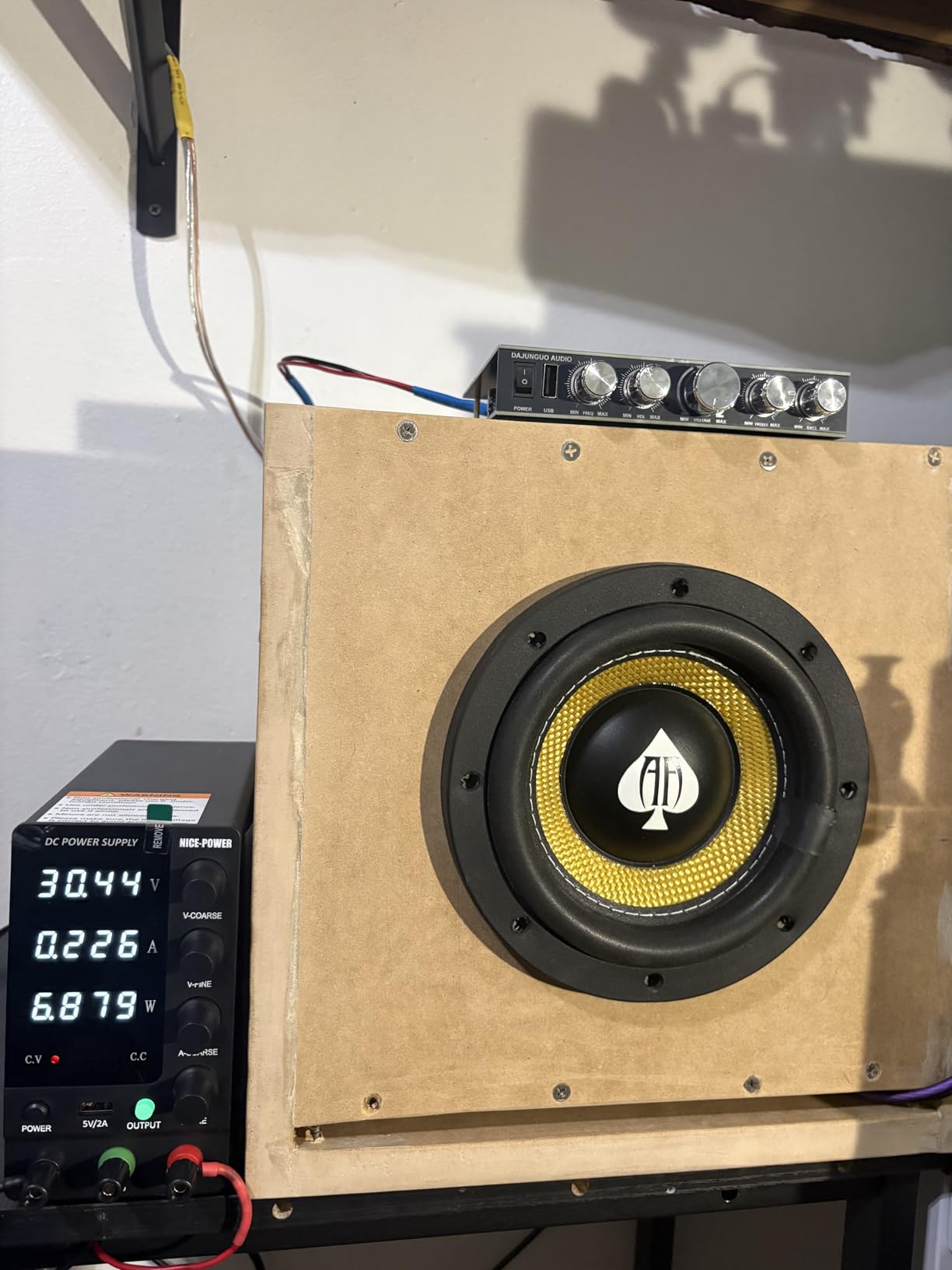
Owners report using it for EV battery module balancing, GPU testing and power-tool battery repair, which tells you it holds up under real repair work rather than only breadboard duty. The temperature-controlled fan keeps it quiet in normal use, which matters more than people expect on a desk.
Two things to plan around. The fine adjustment pot has limited travel, so start it mid-position or you will run out of range before you reach your setpoint. And the listed minimum and maximum input voltage is 115 to 126.5 volts, which makes this a 110V-only purchase.
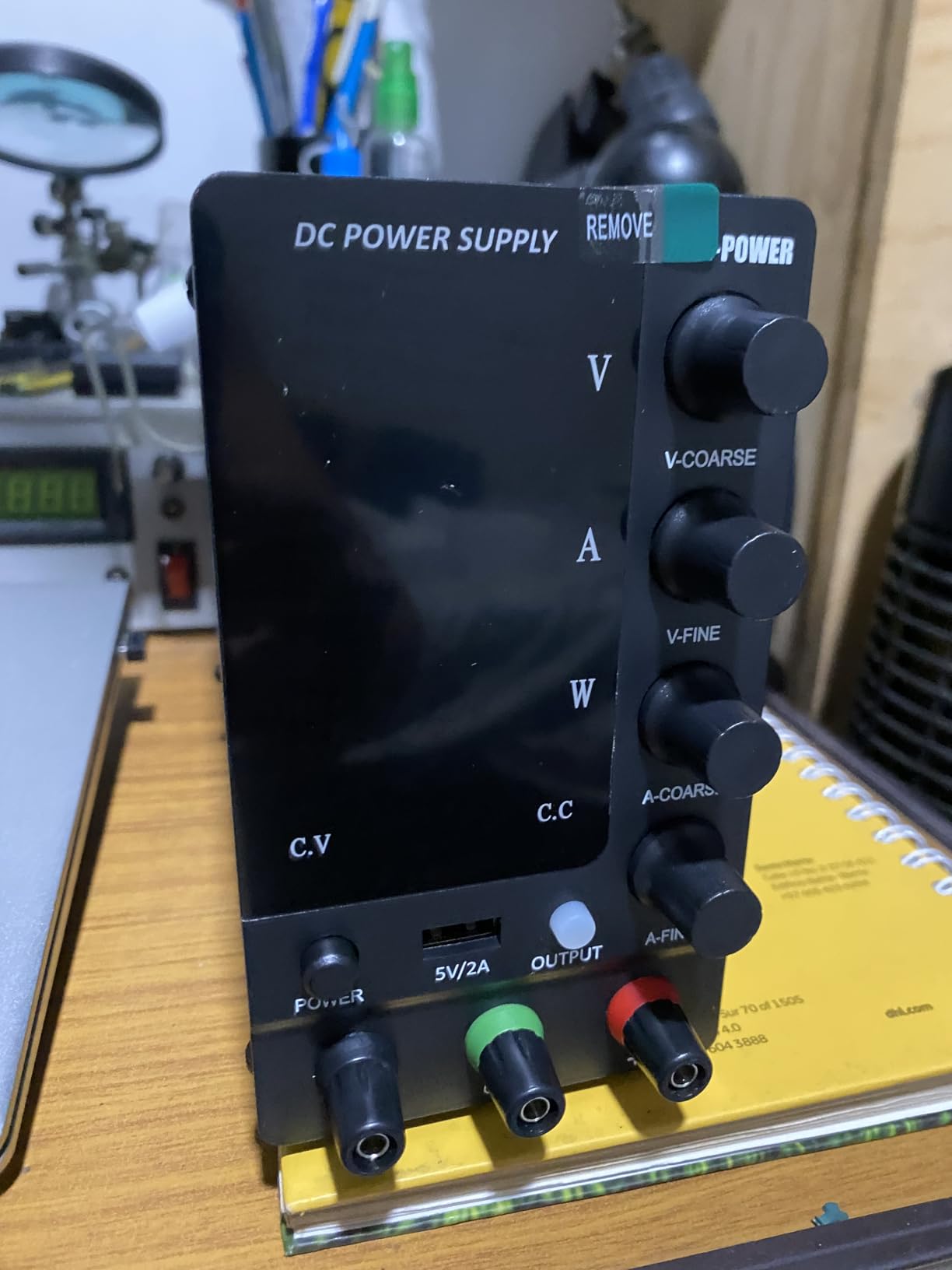
How to use the OUTPUT key properly on day one
Hold OUTPUT while turning the knobs, watch the voltage settle to the value you want, release to power the board, then raise the current limit only as far as the circuit actually draws. Most owners who report damaged boards skipped that order and dialled current up first with the load connected.
When to skip it
Skip it on 230V mains. There is no 220V version of this listing, and the failure risk of connecting it to the wrong supply is not worth the saving. If you are outside North America, cross off this row and read the mains section in the buying guide.
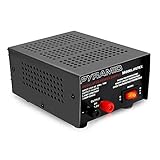
4. Pyramid PS7KX 13.8V Linear – The Radio And Automotive Supply That Does One Job Well
Pyramid Universal Compact Bench Power Supply – 5 Amp Linear Regulated Home Lab Benchtop AC-to-DC 12V Converter w/ 13.8 Volt DC 115V AC 70 Watt Power Input, Screw Type Terminals, Cooling Fan – PS7KX
Fixed 13.8V DC linear output
5A continuous, 7A surge
70W input at 115V AC
Screw-type terminals
Pros
- Holds a steady 13.8V for ham radio and CB rigs
- Rugged metal cabinet praised for longevity
- Runs cool and quiet with minimal hum
- Universal screw-type terminals
- Overload and short circuit protection with auto-reset fuse
Cons
- Fixed 12V and 13.8V output with no adjustment
- Heatsink runs very hot at a sustained 5A load
- 115V AC input only
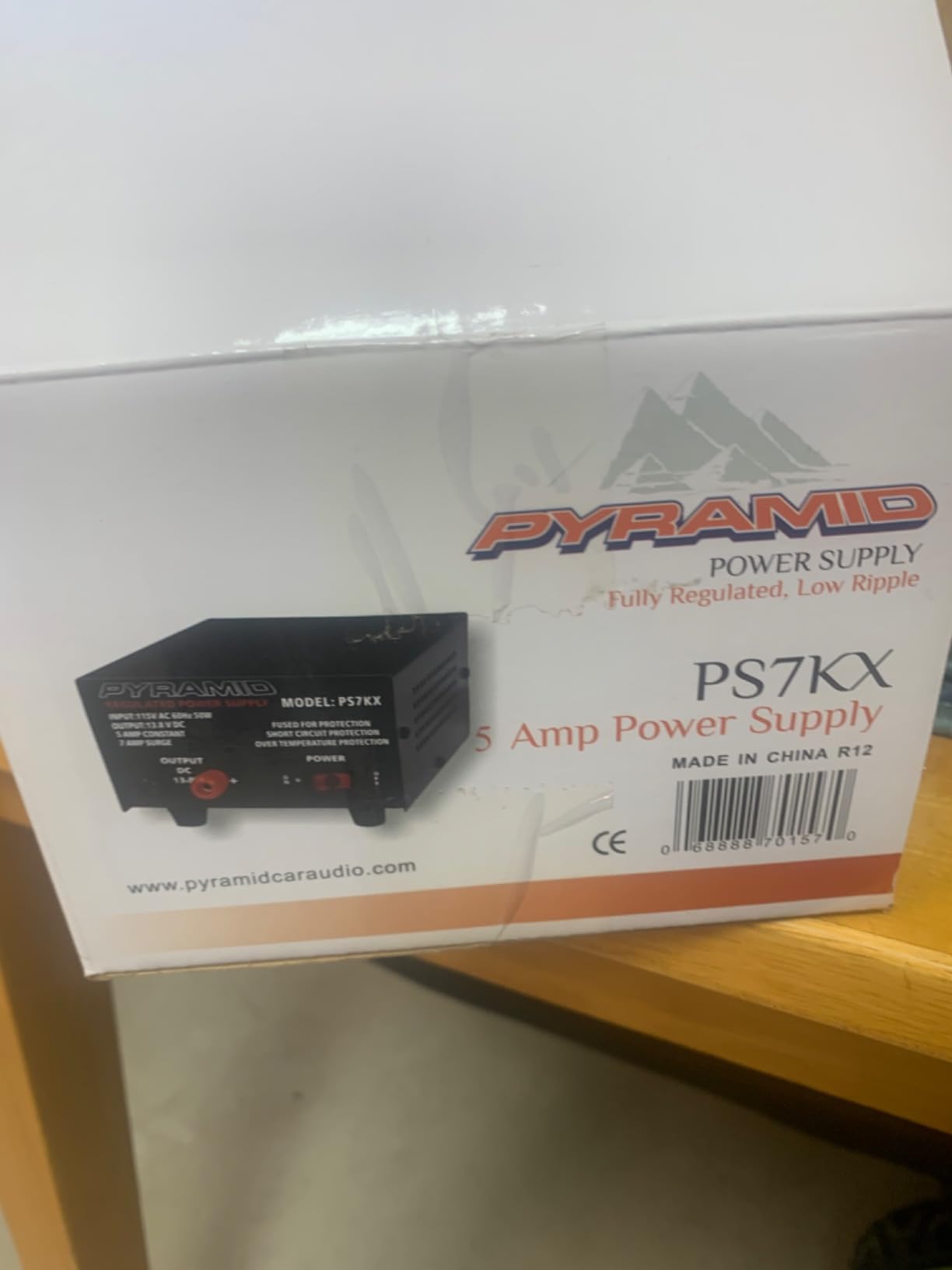
This is not a variable bench power supply and it does not pretend to be one. It converts 115V AC to a regulated 13.8V DC at 5A continuously, which is the rail a ham transceiver, a CB radio or an automotive accessory actually wants. If your bench is radio work and nothing else, this is the correct tool and an adjustable supply would be the wrong one.
The linear regulation is the point. Long-term owners in ham radio describe replacing costlier units with this one and keeping it for years, and the recurring comment is how quiet it runs with minimal hum next to a receiver. That matters more in radio work than any display resolution.
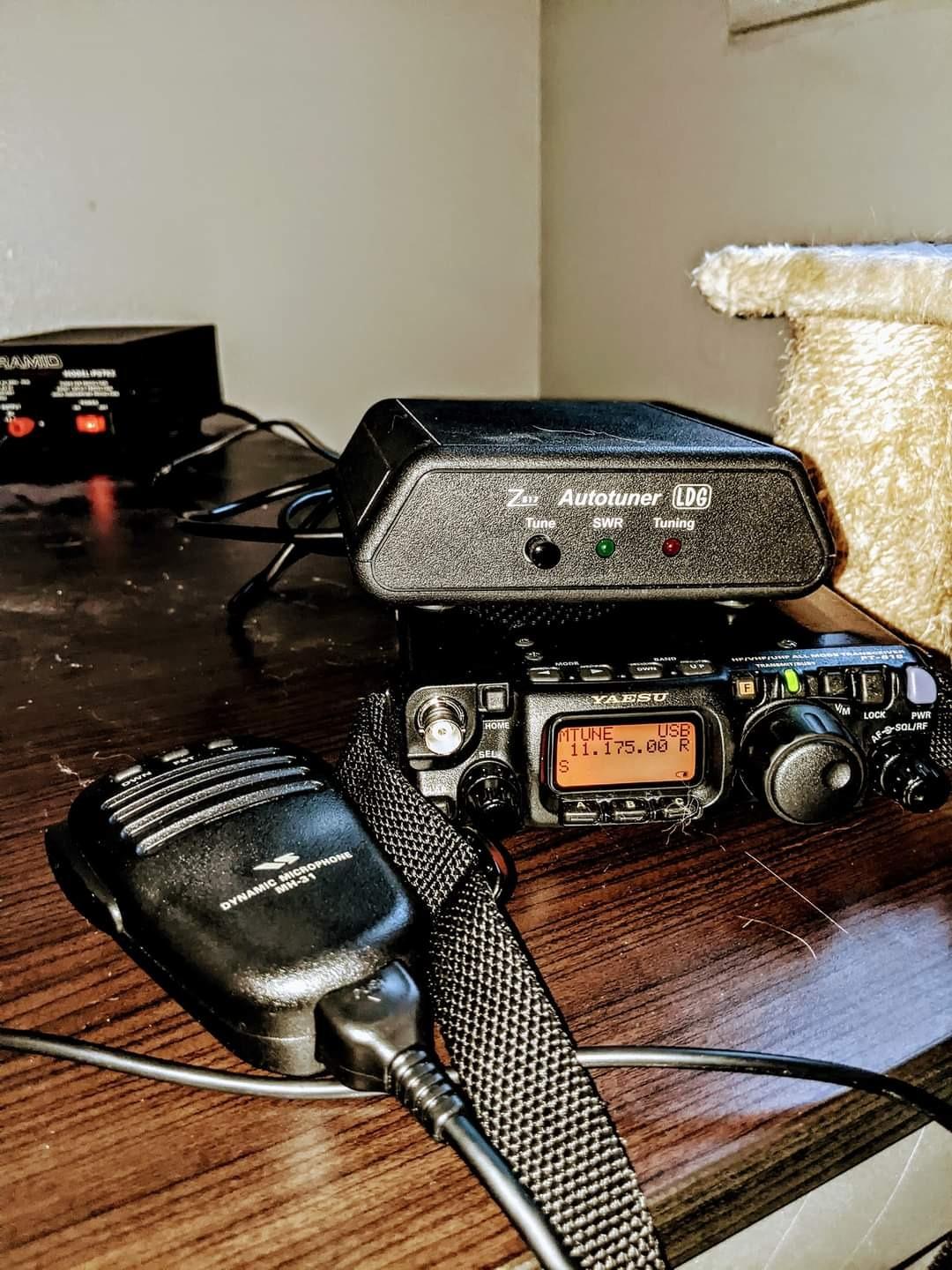
The screw-type hardwired terminals are a genuine convenience for a fixed supply because you are not plugging and unplugging leads all day. Built-in overload and short-circuit protection with an auto-reset fuse means a mistake clears itself rather than requiring a bench visit.
Plan around the thermal ceiling. Reviewers consistently recommend sizing below the 5A continuous rating because the heatsink runs hot at full load, treating 5A as a surge figure rather than a working current. The listed input is 115V AC only.
Fixed 13.8V versus a variable supply, honestly compared
A variable 30V supply set to 13.8V gives you a headroom problem instead: you are trusting a panel meter and a potentiometer to sit exactly on the rail. A purpose-built 13.8V unit holds the rail by design, which is why radio-only benches tend to end up with both a fixed supply and a variable one.
When to skip it
Skip it if you need to dial a rail. There is no adjustment on this unit at all, so breadboarding a 3.3V project with it is not possible. It is also a 115V AC input only, so it needs a step-down arrangement in 230V regions.
5. KORAD KD3005D 30V 5A – Metal-Chassis Linear Regulation For Analog Work
KORAD KD3005D – Precision Variable Adjustable 30V, 5A DC Linear Power Supply Digital Regulated Lab Grade…
0-30V / 0-5A linear output
Dual 4-digit LED displays
Switchable 110V / 220V input
9 lb metal chassis
Pros
- Linear lab-grade regulation in a metal chassis
- Dual 4-digit LED displays with digital controls
- Automatic mA and A switching removes unit ambiguity
- Switchable 110V and 220V input
- Overload short circuit and over-temperature protection
Cons
- Bulky 14 x 10 x 10 in footprint at 9 lb
- Dated front panel design by modern encoder standards
The KD3005D is the unit I recommend when analog measurement matters more than footprint. It is a true 0-30V 0-5A linear regulated supply in a metal chassis, and the metal matters twice: it shields better than plastic, and it survives a bench that gets knocked around.
Two details make it easier to live with than its age suggests. The displays switch automatically between mA and A, which removes the classic unit-confusion error when you set a 20 mA sensor limit and then read 0.02 A on a panel expecting amps. And the input is switchable between 110V and 220V, which makes it one of only two units on this list usable on both mains systems.
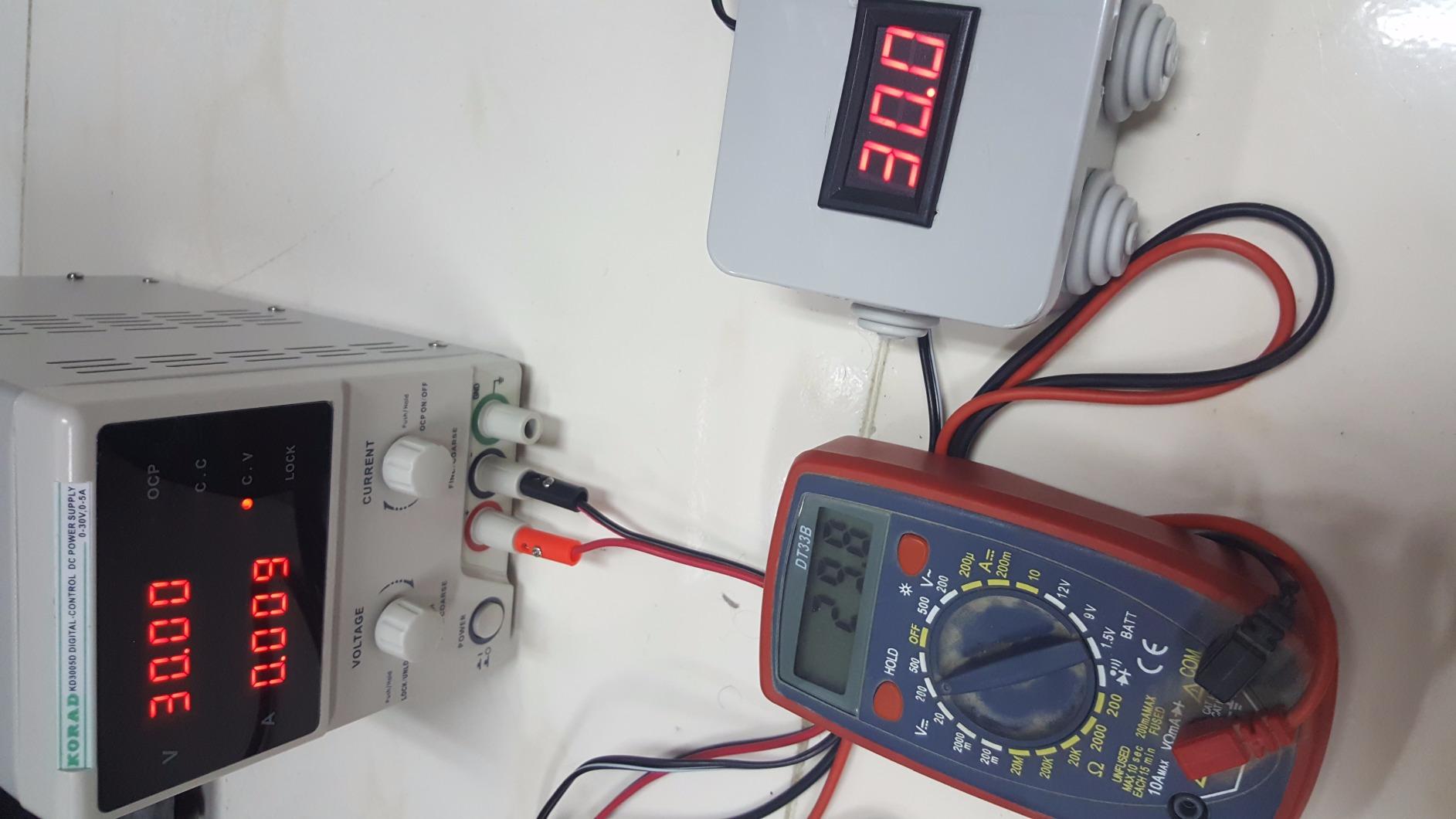
The protection set covers overload, short circuit and over-temperature, which is adequate for analog work where you are not pushing the current ceiling. A 5A test lead set, power cord and manual come in the box, so unlike several budget units here you are not immediately out of pocket for leads that can carry the current.
The honest cost is space and weight. At 14 x 10 x 10 inches and 9 lb it takes a real footprint, and the front panel predates encoder knobs and output-enable buttons. That means you set the output before connecting the load and treat the potentiometer with respect.
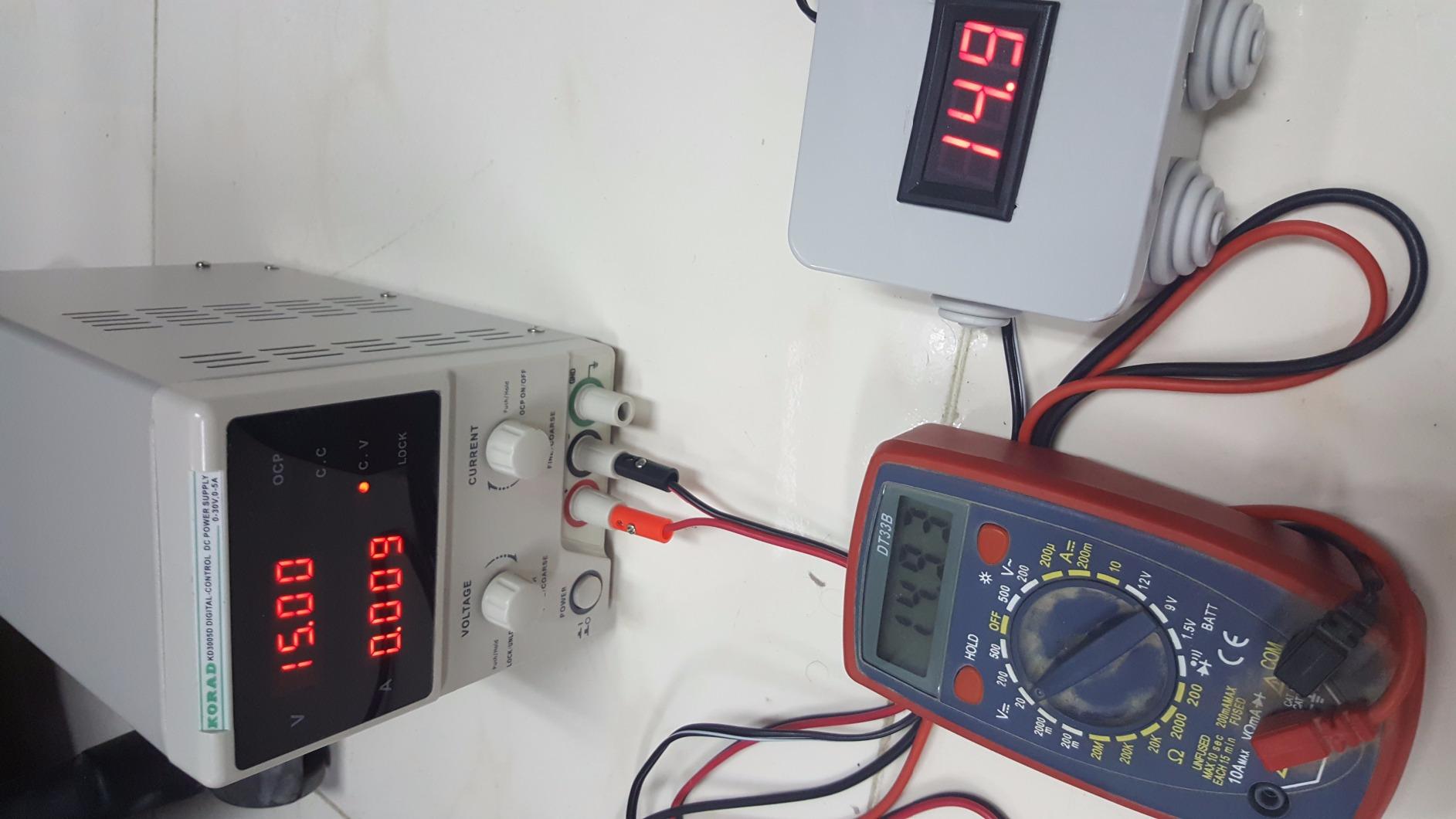
Automatic mA and A switching, and why it prevents real mistakes
Setting a 15 mA limit on a panel that only shows amps either works perfectly or is off by a factor of one hundred, depending on which way the display reads. A unit that labels the current itself removes a failure mode that has ruined sensor boards for people who were otherwise careful.
When to skip it
Skip it if you need more than 5A, or if your bench is a laptop-sized shelf rather than a desk. Also skip it if the modern encoder workflow matters to you, because changing setpoints here means turning a pot with the output live.
6. NICE-POWER SPS-E305 30V 5A – The Portable One That Works On 230V Mains
NICE-POWER DC Power Supply Variable, 30V 5A Adjustable Switching Regulated Power Supply with Encoder, Upgraded 3-Digits LED Display, Electroplating DIY LED Test Mini Regulated DC Bench Power Supply
0-30V / 0-5A switching
150W maximum
100-240V universal input
1.03 kg, 6.5 x 4 x 3.2 in
Pros
- Encoder knob sets voltage and current digit by digit
- Very compact at 6.5 x 4 x 3.2 inches
- 100-240V universal input works on both mains systems
- Full 150W drew about 175W from the wall
- FCC and CE certified with a full protection suite
Cons
- Output unstable below roughly 0.7 to 0.9V
- Cooling fan runs constantly and is loud under load
- Display shows 3 digits while the encoder has 4
This is the model I tell people outside North America to look at first. The input is 100-240V, so the same unit works on a US bench and a European bench without a transformer, and that alone eliminates the single most common wrong purchase in this category.
It is also genuinely small at 6.5 x 4 x 3.2 inches and about 1.03 kg, which makes it the unit that goes in the bag rather than the unit that sits on the bench. Owners use it for LED strips, ZVS drivers, electroplating and LiPo and LTO battery charging, and the efficiency figures owners report make sense for a 150W class unit.
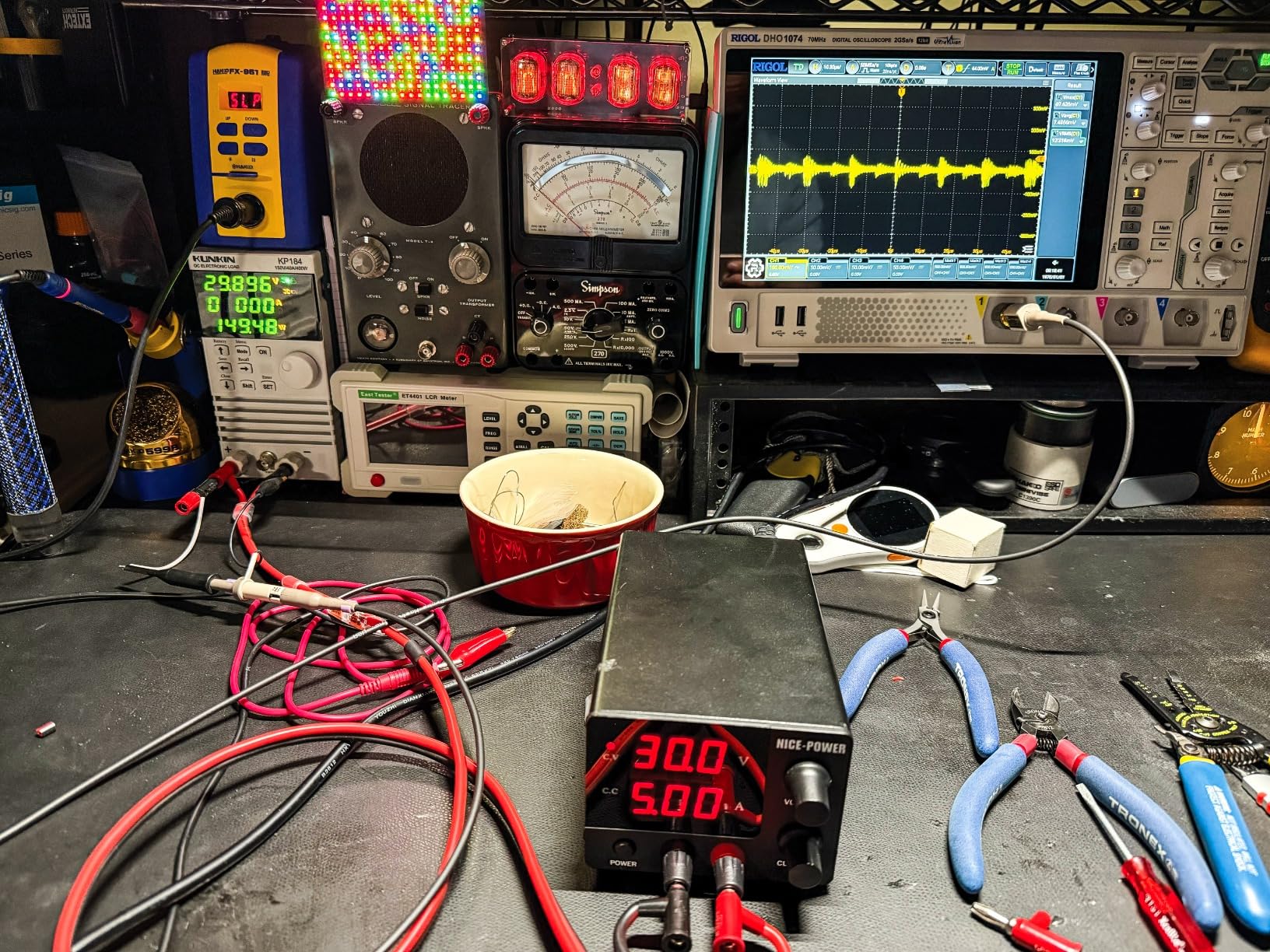
The protection suite is FCC and CE certified with over-voltage, over-current, over-power, over-temperature and short-circuit coverage, and a 12-month repair policy sits behind it. For a first bench outside the US that combination is more valuable than extra amperage.
There is a real limit on low voltage. Output is unstable below roughly 0.7 to 0.9V, which rules out 3.3V core-rail precision work and anything that needs a clean sub-volt reference. The display also shows three digits while the encoder interface has four, which owners consistently find confusing until they read the manual.
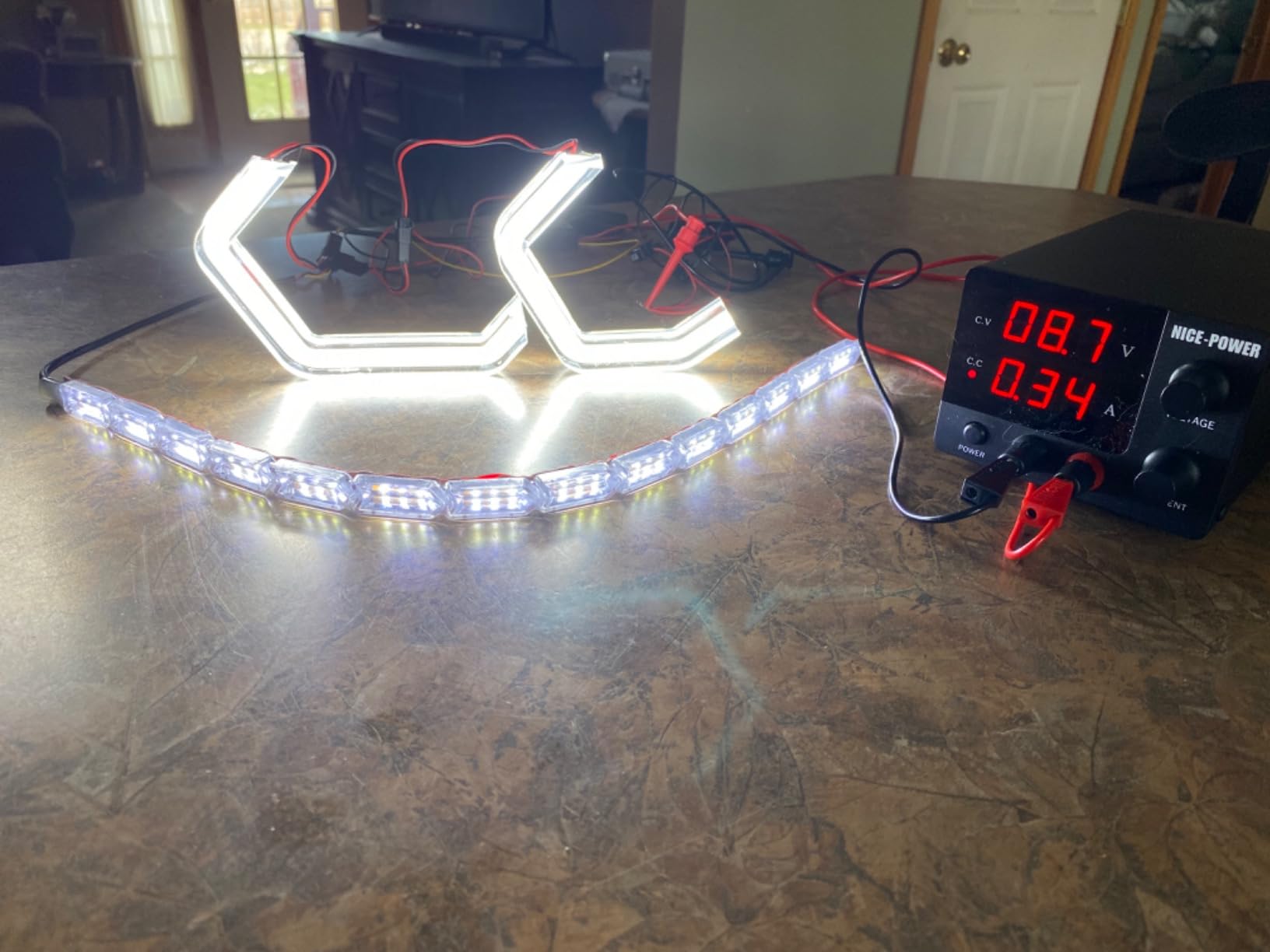
Why universal input is the feature that decides it for many buyers
Discovering a 110V-only unit after delivery is one of the most common frustrations in this category, and it is entirely avoidable by reading the input line before you buy. A 100-240V input means the supply behaves the same on either mains system, which is why this is the model we point international buyers toward.
When to skip it
Skip it for sub-volt work, for anything needing more than 5A, and for a shared quiet workspace, because the fan runs continuously rather than only under thermal load. If you need 10A on a 230V bench, the HANGELL below covers that combination.
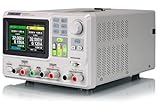
7. Siglent SPD3303X-E – Three Isolated Outputs For Mixed-Signal Debugging
Siglent Technologies SPD3303X-E Triple Output Power Supply
Two 32V 3.2A channels plus 2.5V 3.3V 5V logic rail
220W total
Series and parallel modes
3yr warranty
Pros
- Three independently controlled and isolated outputs
- 32V 3.2A on two channels plus a fixed logic rail
- Independent series and parallel modes with timing and trending
- 3 year manufacturer warranty
- Instrument-grade brand with a 4.6 average
Cons
- Heavy 17.6 lb with a large 16 x 14 x 11 in footprint
- Costs far more than a hobbyist supply for single-rail work
This is the only unit on the list that gives you three outputs isolated from each other, and that single fact changes what you can debug. Two channels run 32V at 3.2A independently, and a third covers 2.5V, 3.3V and 5V at 3.2A for logic rails, so a board with a 3.3V core and a 32V motor bus can be powered together without tying grounds.
Output modes include independent, series and parallel operation, and the timing output function with trending graphs lets you watch a rail step up and down over time. If you are chasing a brownout that only shows up during a transient, that display is worth more than the wattage figure.
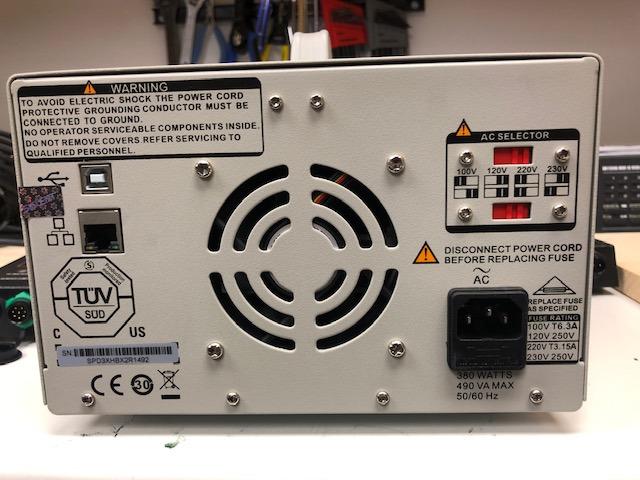
The build and the paperwork are what separate it from everything else here. It is a linear-design instrument with 100V to 230V input, rated to 40 degrees Celsius ambient, and it carries a 3-year manufacturer warranty, which is the longest warranty on this list by a wide margin.
Beginners on forums repeatedly ask whether it is overkill. For a single 5V breadboard project, it absolutely is, and 17.6 lb plus a 16 x 14 x 11 inch footprint is a serious commitment of bench space. For anyone debugging mixed-signal boards or teaching circuits, the isolation is the reason to buy it.
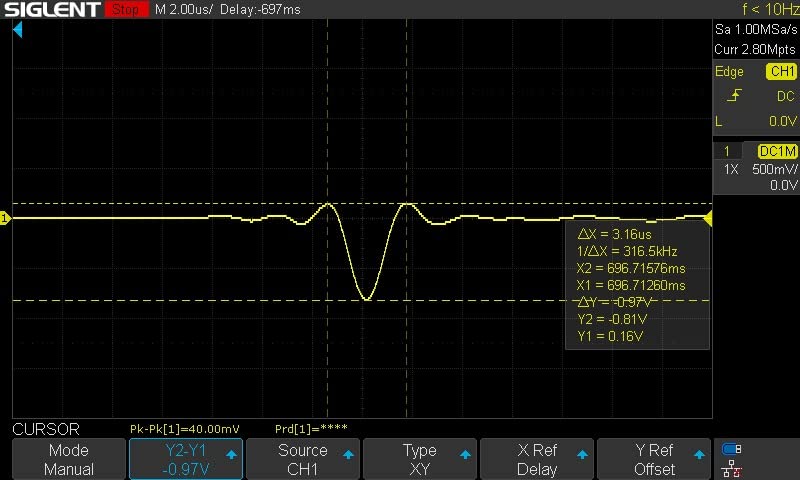
What isolated outputs actually let you do
Isolation means each channel floats independently, so you can bring two rails up at different potentials without a common ground reference. That is how you test a board where the logic domain and the power domain must not be bonded, and no combination of single-output supplies on this list does that.
When to skip it
Skip it if you work on one rail at a time. A single switching unit does the same job for one rail at a fraction of the mass and cost. Also consider the warranty angle if you are buying on a tight budget, since the 3-year term is a real reliability signal but only matters if you plan to keep the unit for years.
8. NANKADF 30V 10A Encoder – The Most Accurate Setpoint Entry On This List
DC Power Supply Variable, Bench Power Supply with Encoder Adjustment Knob, Output Enable/Disable Button, Adjustable Power Supplies with USB Quick-Charge, Short Circuit Alam (30V 10A Black)
0-30V / 0-10A switching
300W maximum
Encoder with digit-by-digit entry
1.48 kg compact body
Pros
- Owners measured output dead-on below 15V and within 0.005V higher up
- Output enable and disable button for safe setpoint changes
- Over-current protection cuts output and buzzes on a short
- 4-digit display at 0.01V and 0.001A
- Retains voltage and current limit settings across power cycles
Cons
- Encoder defaults back to the 3rd digit after setting the 4th
- Slow ramp-down when lowering voltage or powering off
Accuracy is what separates this from the other encoder units in the list. Owners measuring against a multimeter report output dead-on below 15V and within 0.005V of the setpoint above it, which is the kind of number that matters when you are setting a 3.3V rail for a microcontroller that browns out at 3.1V.
The output enable and disable button is the other thing worth calling out. Over-current protection cuts the output and buzzes on a short without disturbing your setpoints, so after a wiring mistake you re-enable and the supply comes back to the same numbers you had dialled in.
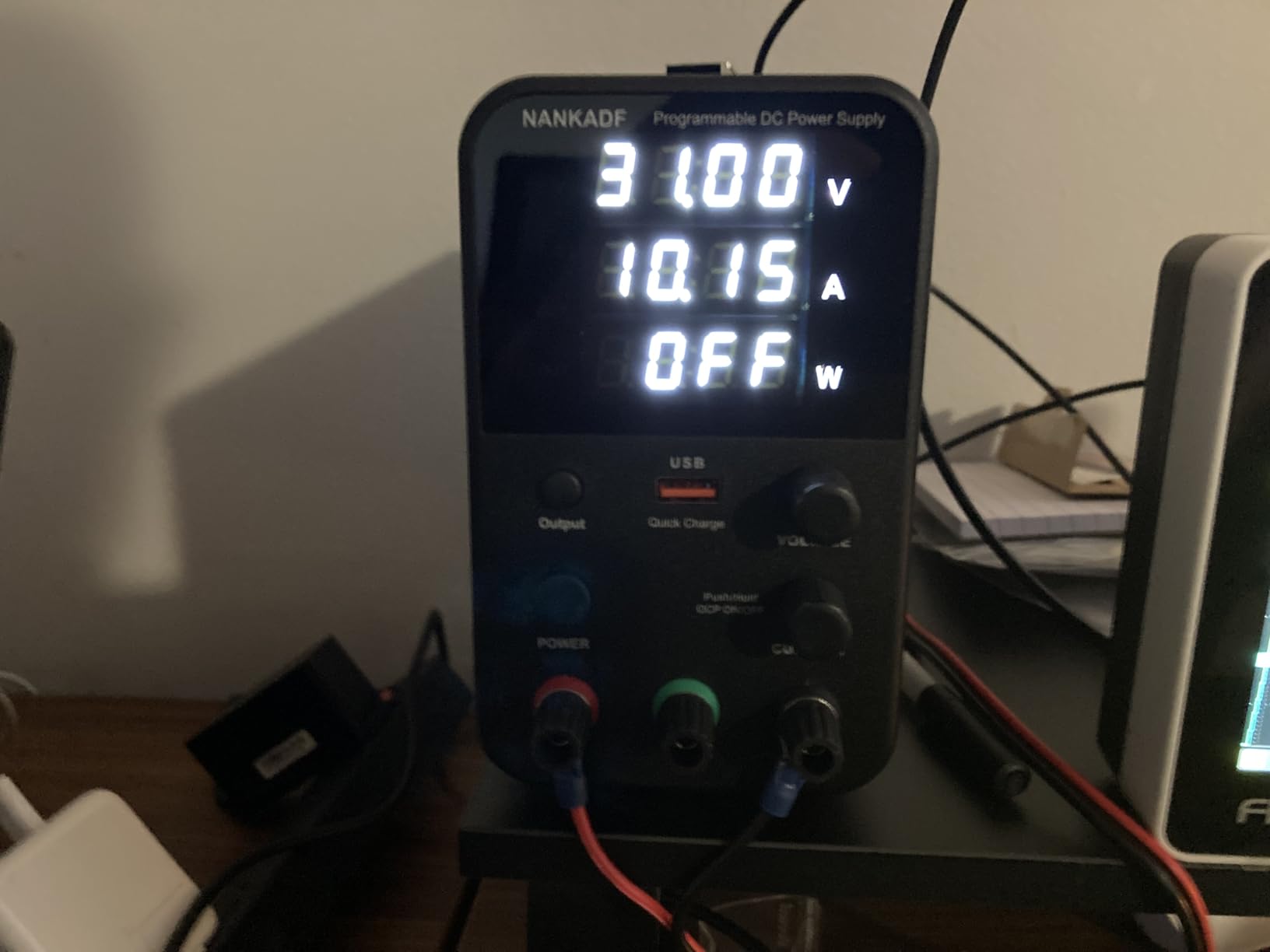
The display resolves 0.01V and 0.001A, switches automatically between constant voltage and constant current, and has adjustable brightness for a bench that is not always dim. Owners also report that voltage and current-limit settings survive unplugging, and the output stays off until you re-enable it.
Three gripes recur. After you set the fourth digit the encoder defaults back to the third, which adds friction to every fine adjustment. The ramp-down is slow when you lower voltage or power off. And there is no storage for the test leads, so they end up draped over the bench until they matter.
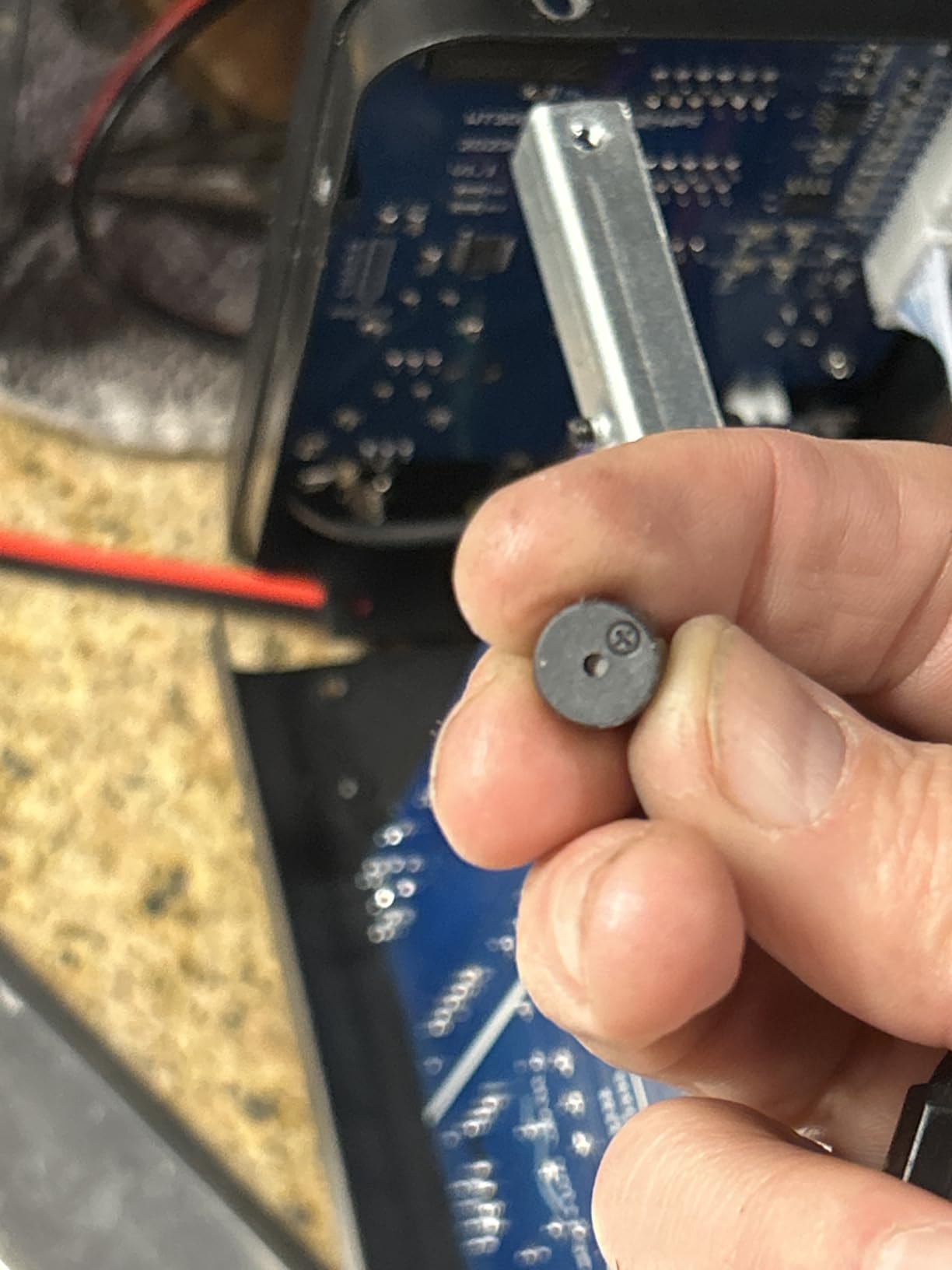
Accuracy versus panel resolution, and why they differ
A display that reads 0.01V does not mean the output is accurate to 0.01V. Display resolution is a counting question and accuracy is a calibration question, and on most budget units the second one is looser. This model is unusual in that owner measurements came back within 0.005V, which is why it earns a place here.
When to skip it
Skip it if your mains is 230V, since the listed input voltage is 115 volts only. Skip it too if you change voltage frequently, because the slow ramp-down and the encoder digit reset add up over a long session of experiments.
9. Tekpower TP3005T 30V 5A Linear – Quiet Linear Output In A Metal Body
Tekpower TP3005T Variable Linear DC Power Supply, 0-30V @ 0-5A with Alligator Test Leads
0-30V / 0-5A linear regulated DC
300W listed output
Back-lit LED at 0.1V and 0.01A
12 lb metal body
Pros
- True linear regulation in both CV and CC modes
- Metal body build gives a durable bench presence
- Back-lit display easy to read in low light
- Automatic thermo-sensor controlled cooling fan
- Includes alligator test leads and a 1-year warranty
Cons
- Heaviest and largest unit here at 12 lb and 11.7 x 9.7 x 7.9 in
- Lowest average rating in this group at 4.4 with a 7 percent one-star share
- Older panel design lacks an encoder knob and output-enable button
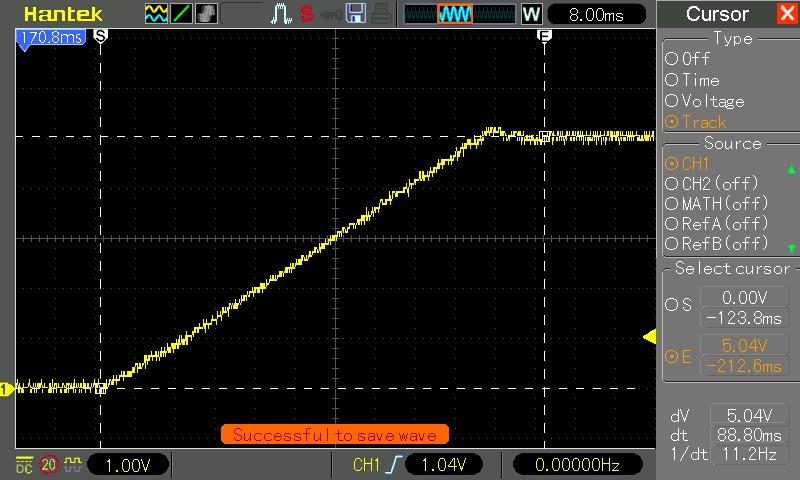
The TP3005T remains a common recommendation for reliable low-noise bench work, and the reason is the linear regulation rather than the feature list. It runs both constant-voltage and constant-current modes, so it behaves predictably with inductive loads and with battery charging the way a cheap switching unit does not.
The metal body is a real advantage on a working bench. It dissipates heat predictably, takes knocks, and does not flex when you lean on it, and the back-lit LED display at 0.1V and 0.01A stays readable in a dim room where an unlit panel forces you to shade it with your hand.
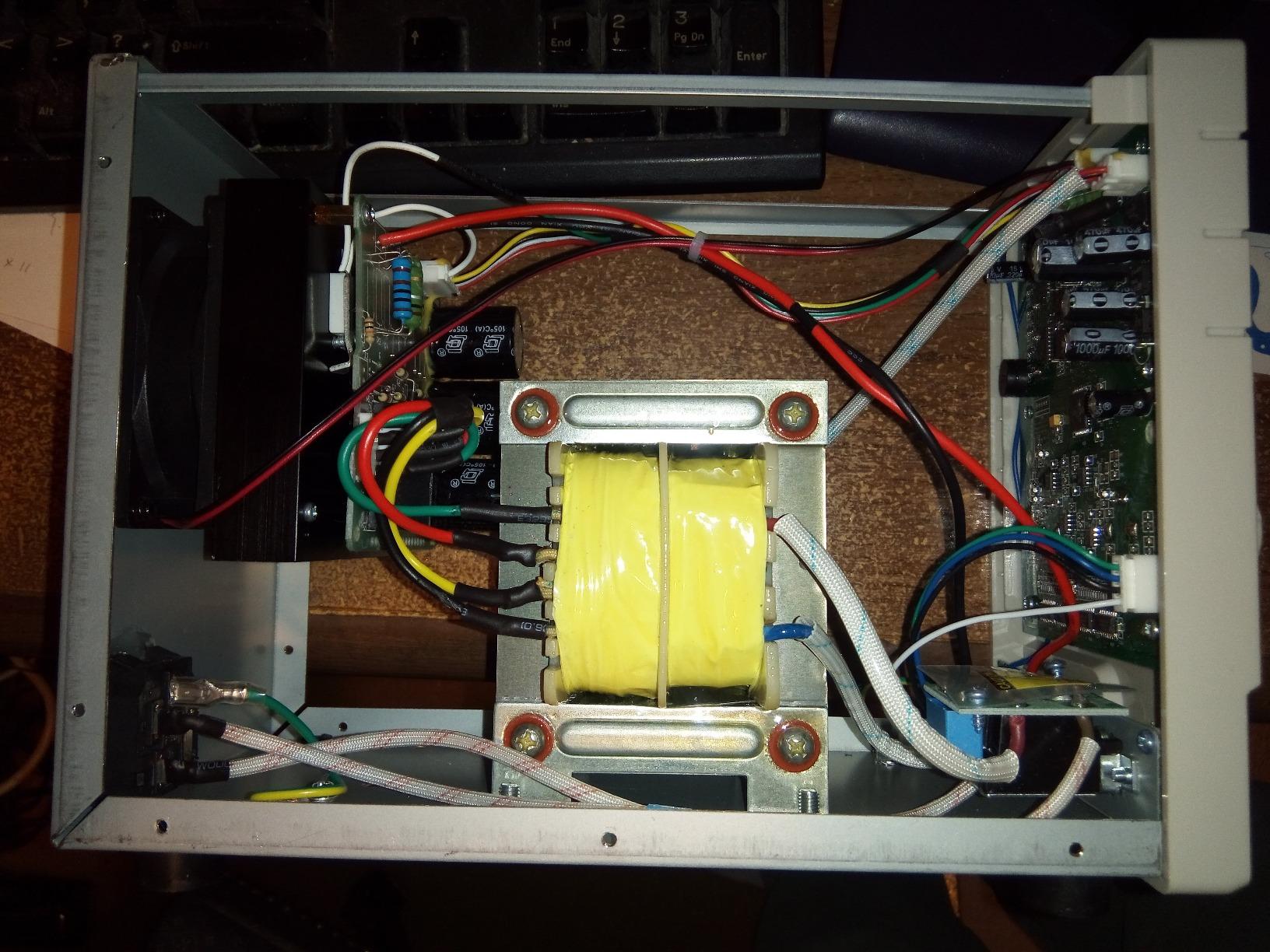
Alligator test leads come in the box, which saves you the immediate replacement purchase that budget models force on you, and a 1-year manufacturer warranty sits behind the build. The cooling fan is driven by a thermo-sensor, so it stays quiet until the internal temperature actually calls for it.
We want to be straight about the weaker points. This is the lowest-rated unit in the lineup at 4.4, with a 7 percent one-star share that is the highest among the supplies listed, and owners who rate it low tend to point at bulk and weight rather than electrical behaviour. There is also no output-enable button, which on a 12 lb unit means you set the output before connecting anything.
Linear units get hot, and that is the trade
A linear regulator burns the gap between input and output voltage as heat, so a 30V 5A model is warm to touch whenever it is delivering real current. That is physics rather than a defect, and it is why linear models are large, heavy and expensive at high wattage. It is also why a fan and a heatsink exist at all on a linear chassis.
When to skip it
Skip it if bench space or moving the supply around matters at all, since 12 lb and nearly 12 inches deep is the largest footprint in this group. Consider the KORAD KD3005D instead if you want linear regulation with modern displays and a switchable mains input.
10. HANGELL HPS3010 30V 10A – Coarse And Fine Encoder With A Five-Year Warranty
DC Power Supply Variable, 30V 10A Bench Power Supply with Encoder Coarse & Fine Adjustments Knob, Adjustable Switching Regulated lab Power Supplies with 18W USB & Type-C Quick-Charge
0-30V / 0-10A switching
300W maximum
100-220V input
5 year warranty
Pros
- Separate coarse and fine encoder adjustment with press-to-select digit entry
- 4-digit LED at 0.01V and 0.001A
- Output switch button for safe setpoint changes
- Short-circuit alarm with automatic cutoff when OCP is enabled
- 100-220V input and a 5-year warranty
Cons
- One owner measured permanent current limiting to about 7A after the mains selector overheated
- Knob labels are blocked by the knobs themselves
- USB and Type-C ports stay powered when output is off
The HPS3010 combines the two things hobbyists ask for most and rarely get together: separate coarse and fine encoder adjustment, and a five-year warranty. The press-to-select digit entry means you turn the knob to the digit you want to change rather than hunting through a pot, and the warranty length is unusually long for a unit in this class.
It has an output switch button, so setpoints are set with the output off, and the short-circuit alarm cuts the output automatically when over-current protection is enabled. Owners report confirming voltages against a multimeter and use it heavily for reviving dead Ryobi, Milwaukee and DeWalt tool batteries, which is a demanding application for any supply.
The input range is listed as 100V to 220V AC, which covers both major mains systems better than anything else in this lineup. It also carries 18W USB and Type-C quick-charge ports alongside the main output, so you can keep a phone alive during a long repair session.
The cautions are specific and worth repeating. One owner measured a failure at high output power where the unit permanently current-limited to about 7A after the mains voltage-selector switch overheated. The USB ports stay powered whenever the unit is plugged in even with output off. And the included alligator leads feel cheap.
Battery revival and the current limit you must set first
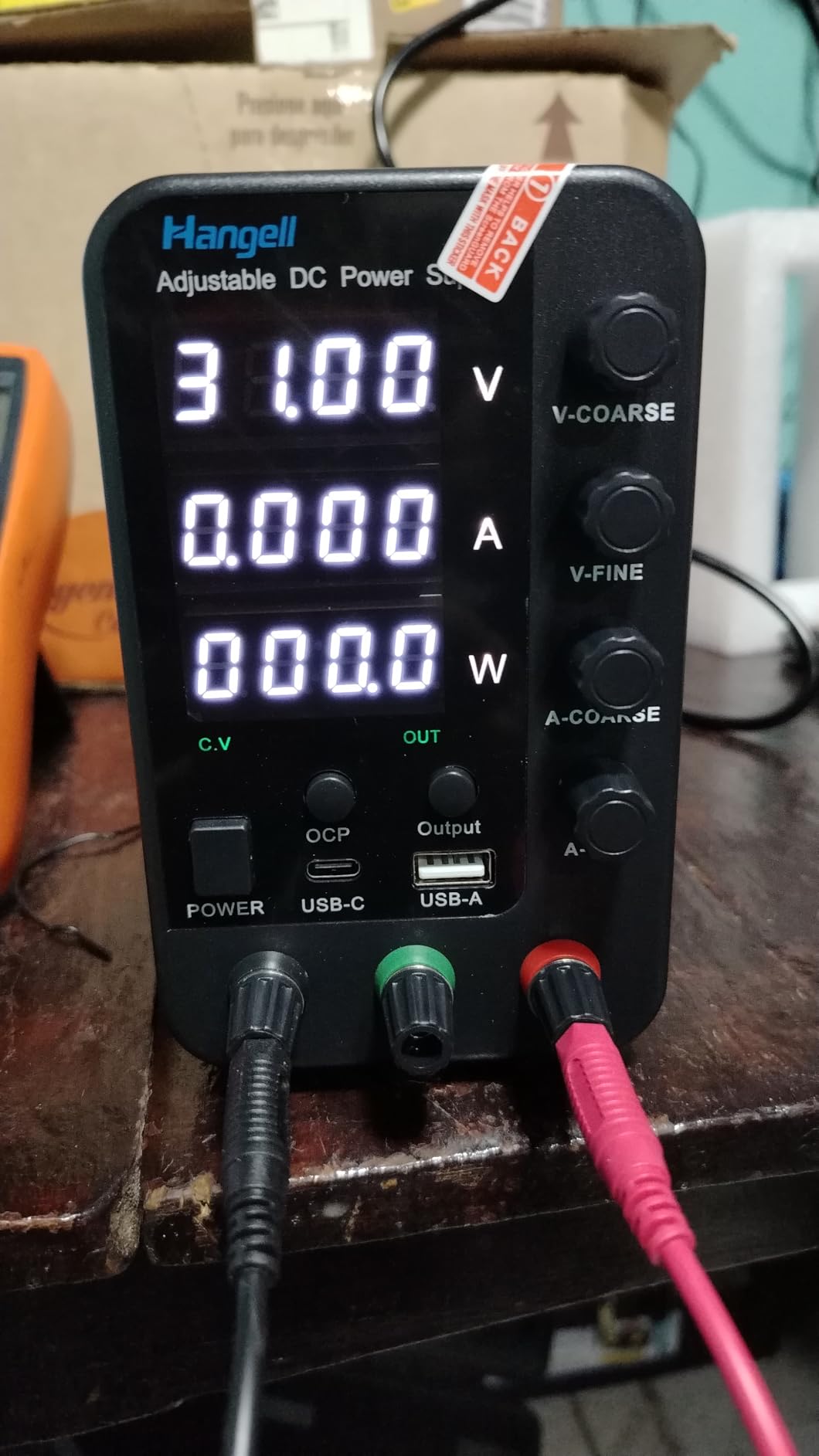
Reviving a dead tool pack means pushing current into a pack that may have a shorted cell, so the current ceiling is the safety device, not the voltage. Set the limit to what the healthy part of the pack needs before you connect, watch the mode change if the pack draws more, and treat a mode change as a stop signal rather than something to work around.
When to skip it
Skip it if you need ripple-free analog work, since this is a switching design and the metal-chassis linear models on this list are the ones built for that. Also weigh the reported high-power failure carefully if you plan to run it near 300W continuously, and plan to buy proper leads rather than relying on the supplied clips.
How to Choose a Bench Power Supply: 8 Criteria That Matter
The consensus selection criteria on the hobbyist forums are remarkably consistent, and they are worth stating in full before you read any product listing. If a unit fails the first three, do not buy it regardless of price.
1. 30V minimum. Thirty volts covers 12V motors, 4S Li-ion packs at 14.8V, 24V rails and 9V parts with headroom for inrush. A 12V unit will run out of ceiling the first time you test a motor or boost converter.
2. 5A minimum, 10A if you drive motors. A DC motor on stall can draw many times its running current, and a supply that cannot deliver the stall current will current-limit and behave like a bad motor. The NANKADF and Kungber cover the 10A case.
3. A front output enable switch. This lets you set voltage and current with the output de-energised, which removes the leading cause of destroyed boards. Three models here have one: the NICE-POWER SPS-C3010, the NANKADF and the HANGELL.
4. Coarse and fine adjustment, or an encoder with digit selection. A single sensitive potentiometer is listed as a deal-breaker on forums for good reason. Digit-by-digit encoder entry is the modern answer and is the reason we rank the NANKADF on accuracy.
5. Over-voltage, over-current and over-temperature protection. Without OVP and OCP, a bench supply is a bench supply that can destroy what you connect to it. The two NICE-POWER units and the Kungber publish the broadest protection lists.
6. Universal 100-240V input if you are outside North America. This is not a small detail. Listings at 115V, 120V or 115 to 126.5V will not work on 230V mains, and that includes the Kungber, the Jesverty, the NICE-POWER SPS-C3010, the NANKADF, the Pyramid and the Tekpower. The NICE-POWER SPS-E305 at 100-240V, the HANGELL at 100-220V, the KORAD at switchable 110/220V and the Siglent at 100-230V do not have this problem.
7. 4mm banana jacks and leads that can carry the current. Several budget units ship leads that reviewers describe as thin or cheap. Check the lead rating before you pull several amps for an hour, and replace them if needed.
8. Display resolution of 0.01V and 0.001A. Forum consensus holds unanimously that resolution matters more in daily use than raw wattage, because you set rails below 5V constantly and a display that steps in 0.1V cannot do that.
Which supply for which rail
Match the supply class to the rail you actually build, rather than buying the biggest number on the listing.
3.3V and 5V logic rails need 0.01V display resolution and reliable regulation below 1V, which rules out units that go unstable under about 0.9V. The SPS-E305 is the compact option, and any 4-digit 300W unit handles it comfortably. 9V and 12V rails are the easy middle of the range, where nearly every model here performs.
13.8V ham radio wants a fixed linear 13.8V output rather than a variable supply set to 13.8V, and the Pyramid PS7KX is built for exactly that. 24V, 36V and 48V motor and e-bike work pushes past the 30V ceiling of most units in this list, so those projects need a higher-voltage supply than anything we have here.
4S Li-ion and LiPo charging runs at roughly 14.6V, which fits inside a 30V envelope comfortably, and the constant-voltage to constant-current crossover handles the rest. Just remember that charging mode is not a battery management system.
Understanding the wattage ceiling
A supply’s wattage rating is a total budget, not a per-rail number, and this is where buyers most often get surprised. A 300W unit rated 0-30V and 0-10A reaches 10A at 30V because 30V times 10A equals 300W, but that same unit only reaches 4.3A at 70V. Work at low voltage and you get the full current; work at high voltage and the current falls.
The reverse case bites harder. A 150W unit rated 0-30V and 0-5A delivers the full 5A up to 30V, which is why the SPS-E305 and the KD3005D behave predictably across their range while a 220W unit split across three channels gives you far less current per channel than its headline suggests.
The set-then-enable first power-up procedure
Every beginner failure we hear about would have been prevented by these six steps. Make it a fixed ritual for every new circuit, not just the first day.
1. Leave the output disabled and the load disconnected. Confirm the OUTPUT indicator is dark.
2. Set the current limit first, before the voltage. Start at a low value you know is safe for the circuit.
3. Set the voltage to your target using coarse then fine, or by stepping the encoder digit by digit.
4. Verify with a multimeter at the terminals before connecting anything. This is also how you catch a panel meter that reads high.
5. Connect the load with the output still disabled, then enable output.
6. Watch the mode indicator for the first few seconds. If it drops into constant current unexpectedly, disconnect immediately and look for a short.
When you can skip a bench supply entirely
If your projects are all 5V USB-powered microcontroller work, a quality USB-C PD supply plus a cheap inline voltage and current meter gives you a measured, current-readable 5V rail for a fraction of the cost. The r/AskElectronics equipment wiki also points to repurposed ATX computer power supplies as a cheap first bench source with usable 12V and 5V rails.
Neither route replaces a bench supply once you start testing motors, charging packs, debugging boards at more than one rail, or measuring anything analog. Build one when the wall adapter stops being predictable, not before.
Glossary of bench supply terms
CV is constant voltage, the mode where the supply holds the voltage you set and the load decides the current. CC is constant current, the mode where the supply holds the current ceiling you set and the voltage drops. OVP is over-voltage protection, which shuts output down if the voltage exceeds a set threshold. OCP is over-current protection, which cuts output on a short or overload.
OTP is over-temperature protection, which shuts down or spins up cooling when the unit runs hot. Ripple is the small AC component riding on top of the DC output, measured in millivolts and the main quality difference between linear and switching designs. Load regulation describes how much the output voltage shifts as the load changes. EMI is the electromagnetic interference a supply radiates, which is what makes switching whine audible near receivers and microphones.
A banana jack is the 4mm round terminal used for DC connections. PD is USB Power Delivery and QC is Quick Charge, the two protocols a USB-C bench supply can negotiate to draw power from a laptop or charger. A BMS is a battery management system, the protection circuit inside a pack that a bench supply charging mode does not replace.
If you want deeper coverage of the categories we touched on here, we have separate guides on bench power supplies for general hobby work, general bench supply picks across budgets, and programmable supplies for advanced work. For lower-cost options, our variable DC power supply guide under 200 dollars covers the entry tier in more depth, and remote sensing supplies covers the one feature that matters when your load is far from the terminals.
Frequently Asked Questions
How do I choose a bench power supply as a beginner?
Choose on seven criteria in order: 30V minimum, at least 5A (10A if you drive motors), a front output enable switch, coarse and fine or encoder digit control, over-voltage over-current and over-temperature protection, 100-240V universal input if you are outside North America, and 4mm banana jacks with leads rated for the current. Match the supply class to the rail you build: 3.3V and 5V logic need fine display resolution, while 13.8V radio work wants a fixed linear output.
What is the difference between a linear and a switching power supply?
A linear supply passes a transformer output through a regulator and burns the difference between input and output voltage as heat, which gives very low ripple and noise but makes it large, heavy and hot. A switching supply uses a much smaller transformer and reaches 85 to 90 percent efficiency, which makes it small and light but introduces ripple and switching EMI. Choose linear for analog measurement and audio work, switching for digital, motor and LED work.
Do linear power supplies make a real difference?
Yes for analog measurement, audio preamps, strain gauges and low-level sensor work, and for benches sitting near an RF receiver. No benefit at all for 3.3V and 5V logic, LED, motor and general prototyping work, where a switching unit performs the same job. Topology alone is not the whole story either, because layout and filtering affect measured noise as much as the regulator type.
Is 30V and 5A enough for a hobbyist bench?
For microcontroller, LED, sensor and small motor work, 30V and 5A is a workable starting point and covers a 150W class unit. For DC motors that draw inrush current, bench charging of multi-cell packs, and anything above 5A continuous, step up to a 10A 300W supply. Remember that wattage is a total budget: a 300W unit gives you 10A at 30V but far less current at higher voltages.
Can I charge a lithium battery with a bench power supply?
You can charge a pack in constant voltage to constant current mode, but the charging mode on a bench supply is not a battery management system. A BMS is the protection circuit inside the pack that handles cell balancing, over-discharge and over-charge cutoff. Charging a pack that has a damaged or imbalanced cell on a bench supply alone is one of the easiest ways to create a fire risk.
How do I set the current limit the first time?
Set the current limit before the voltage, with the output disabled and the load disconnected. Start at a low value you know is safe, set the voltage second using coarse then fine adjustment, verify with a multimeter at the terminals, then connect the load and enable output. If the supply drops into constant current unexpectedly within the first seconds, disconnect and look for a short.
What is the most reliable bench power supply brand?
Reliability concentrates in brands with traceable manufacturers and long warranty terms rather than in any single marketplace brand. In this lineup the clearest signals are a 3-year manufacturer warranty on the Siglent SPD3303X-E, a 5-year warranty on the HANGELL HPS3010, and a metal chassis plus included 5A leads on the KORAD KD3005D. Warranty length and build material are the practical proxies to judge by.
Final Verdict: Which Bench Supply Fits Your Bench?
If you are building one general bench for electronics hobby work, start with the Kungber SPS3010B for battery work and the Jesverty SPS-3010 if you want the clearest display and coarse then fine control. Buy the NICE-POWER SPS-C3010 instead if your priority is a first supply that cannot accidentally power a board while you are setting it.
Match the rest to your actual work. On 230V mains, the NICE-POWER SPS-E305, the HANGELL HPS3010, the KORAD KD3005D or the Siglent SPD3303X-E are the four models here with a usable input range. For analog and audio work, add the KORAD KD3005D or the Tekpower TP3005T as a linear companion rather than replacing your switching workhorse. For radio, the Pyramid PS7KX is a fixed 13.8V linear supply built for that rail alone. For mixed-signal boards that need isolation, the Siglent SPD3303X-E is the only unit in the lineup that does it.
Whichever you choose for your bench power supplies for electronics hobbyists setup, make the set-then-enable procedure a fixed habit before you connect anything new. That single habit would prevent most of the failures that send people back to buying a second supply.