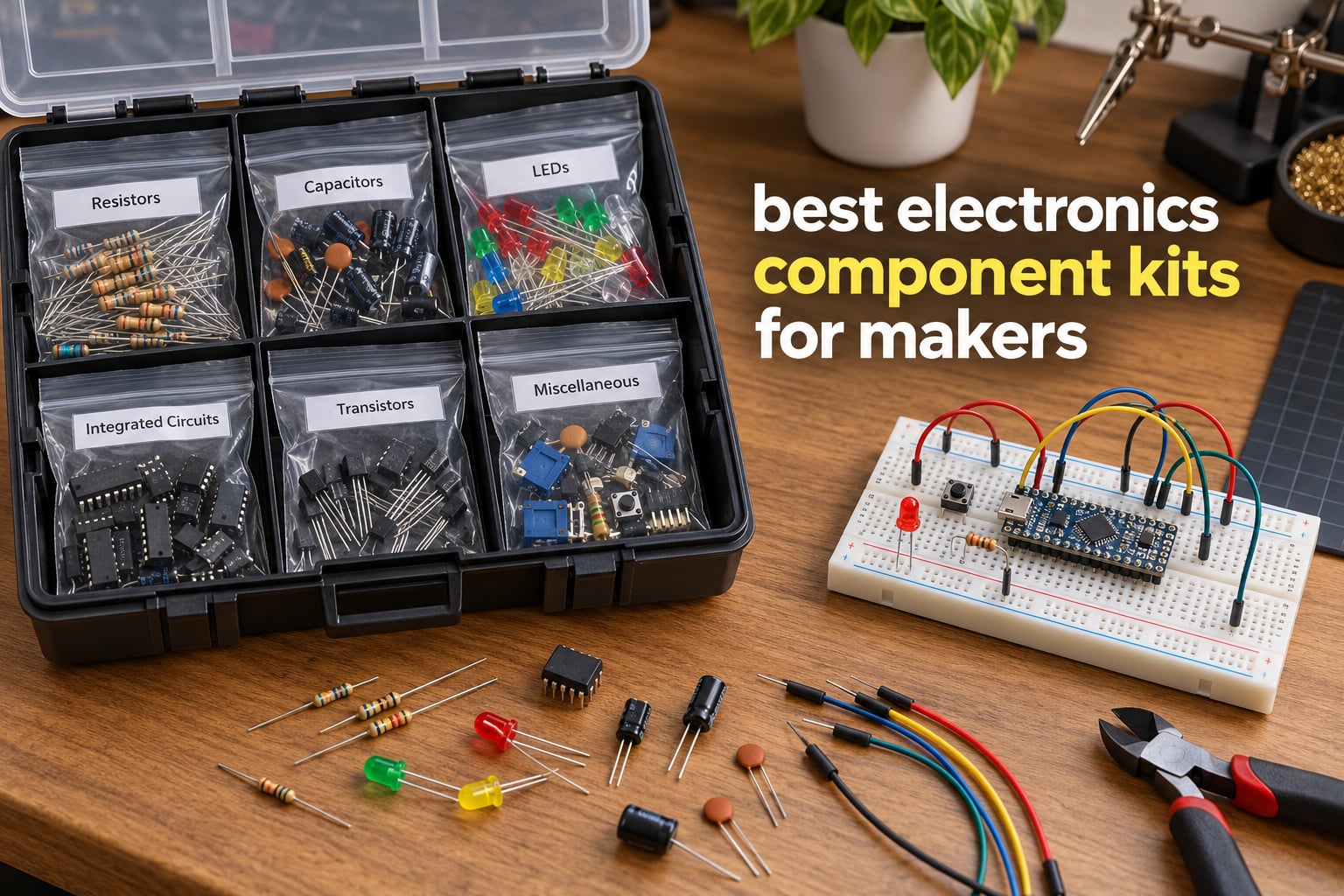
An electronics component kit is a pre-sorted bundle of resistors, capacitors, LEDs, diodes, transistors, ICs, jumper wires and breadboards that lets you build circuits without sourcing every part one at a time. Our answer for the best electronics component kits for makers is simple: start with a labeled resistor assortment and a quality solderless breadboard set, then add a broad sensor or component bundle once your first circuits work.
We spent six weeks working through 12 of the highest-rated component kits on the market, opening every box, sorting the parts into labeled trays and building the same handful of circuits from each one. The difference between a kit that gets used for years and a kit that becomes an unidentifiable pile within a month comes down to four things: how many distinct component types it holds, whether the values are printed anywhere, whether the parts measure within spec, and whether the case lets you put everything back.
That is the framing for this roundup. We deliberately ignore the piece count printed on the front of the box, because a 2,200-piece assortment can be mostly duplicates of four parts while a 49-piece logic kit carries far more usable diversity. What follows is a category-based guide covering beginner bundles, breadboard and jumper sets, passive component assortments, sensor modules, and digital logic kits, each with a clear verdict on who it actually suits.
Last updated for 2026. Cost and contents change over time, so treat the buttons below as a starting point rather than a deal.
Table of Contents
Top 3 Picks for the Best Electronics Component Kits for Makers in October
BOJACK 1000-Piece Resistor Kit
- 25 values from 1 ohm to 1M ohm
- 1000 pieces
- 5% tolerance 1/4W carbon film
- Labeled bags and storage case

ELEGOO 37-in-1 Sensor Modules
- 37 sensor and output modules
- Tutorials and example code
- Labeled storage case
- Board not included
REXQualis 830 Tie-Point Fun Kit
- 400+ labeled components
- 830 tie-point breadboard
- USB breadboard power supply
- Works with Arduino and Raspberry Pi
Those three cover most needs on their own. The BOJACK resistor assortment is the one piece of equipment we would hand to almost anyone starting out, the ELEGOO sensor set is the widest functional jump for the money, and the REXQualis bundle is the most complete single-box starting point if you would rather not shop three times.
All 12 Electronics Component Kits at a Glance in 2026
| Product | Specifications | Action |
|---|---|---|
| BOJACK 1000-Piece Resistor Kit |
|
Check Latest Price |
| ELEGOO 37-in-1 Sensor Modules Kit |
|
Check Latest Price |
| REXQualis 830 Tie-Point Fun Kit |
|
Check Latest Price |
 ELEGOO 235-Piece Fun Kit Bundle ELEGOO 235-Piece Fun Kit Bundle |
|
Check Latest Price |
 MOGAOPI 1390-Piece Component Kit MOGAOPI 1390-Piece Component Kit |
|
Check Latest Price |
 ALLECIN 24-Value Electrolytic Kit ALLECIN 24-Value Electrolytic Kit |
|
Check Latest Price |
 REXQualis 300-Piece Basic Kit REXQualis 300-Piece Basic Kit |
|
Check Latest Price |
 BOJACK Breadboard and Jumper Set BOJACK Breadboard and Jumper Set |
|
Check Latest Price |
 ZEBULON 2200-Piece Assortment Kit ZEBULON 2200-Piece Assortment Kit |
|
Check Latest Price |
 Molence 1818-Piece Components Kit Molence 1818-Piece Components Kit |
|
Check Latest Price |
 3pdt 1900-Piece Mega Component Kit 3pdt 1900-Piece Mega Component Kit |
|
Check Latest Price |
 minidodoca 74HCxx and 74LSxx Logic Kit minidodoca 74HCxx and 74LSxx Logic Kit |
|
Check Latest Price |
How We Evaluated 12 Electronics Component Kits
We scored every kit against six criteria, each chosen because it reflects something that visibly affects your work once the box is open. Keeping the rubric visible matters, because the biggest complaint on electronics forums is that nobody explains how these boxes get judged.
Value diversity. How many genuinely different component types and values the kit holds, not how many pieces it claims.
Tolerance and power rating. Whether resistor tolerance is stated, whether wattage is stated, and whether capacitor voltage ratings are listed rather than guessed.
Component integrity. Do parts measure correctly on a multimeter, are the leads straight, and do the semiconductors behave.
Organization and storage. Are parts bagged by type, are values printed or labelled, and does everything fit back into the case.
Documentation. A datasheet, tutorial, wiring diagram or value chart that is physically in the box rather than a dead link.
Ecosystem fit. Whether the kit matches the board you already own or plan to buy.
Two practical notes before the reviews. First, a maker on the Arduino Forum who tests starter kits noted that Elegoo and Keyestudio parts are visibly better made than generic kits when the two sit side by side, and that difference was obvious at the breadboard rather than in a spec sheet. Second, most experienced makers on forums and r/arduino buy the breadboard, jumper and passive stage first, and only add a microcontroller bundle once they have a specific project in mind.
1. BOJACK 1000-Piece Resistor Kit: The Best Electronics Component Kit for Bench Restocking
BOJACK 1000 Pcs 25 Values Resistor Kit 1 Ohm-1M Ohm with 5% 1/4W Carbon Film Resistors Assortment
25 values from 1 ohm to 1M ohm
1000 pieces
5% tolerance 1/4W carbon film
Labeled bags and case
Pros
- 25 standard values spanning 1 ohm to 1M ohm
- 1000 pieces for bench restocking
- Values measure within spec on a multimeter
- Organized in labeled bags with a storage box
- RoHS certified with thicker metal pins
Cons
- A few intermediate E-series values are absent
- All parts rated 1/4W only
- Some leads arrive slightly bent
This is the kit we reach for first, and the one we keep coming back to. Twenty-five values across the full 1 ohm to 1M ohm range in a single box covers the overwhelming majority of circuits you will breadboard in your first two years, from LED current limits to transistor bias networks to op-amp feedback dividers.
We sampled parts from several bags with a multimeter and found values sitting inside the stated 5% tolerance. The thicker metal pins the listing mentions are not marketing filler; they grip a breadboard contact noticeably better than the thin-lead resistors that ship in generic bags.
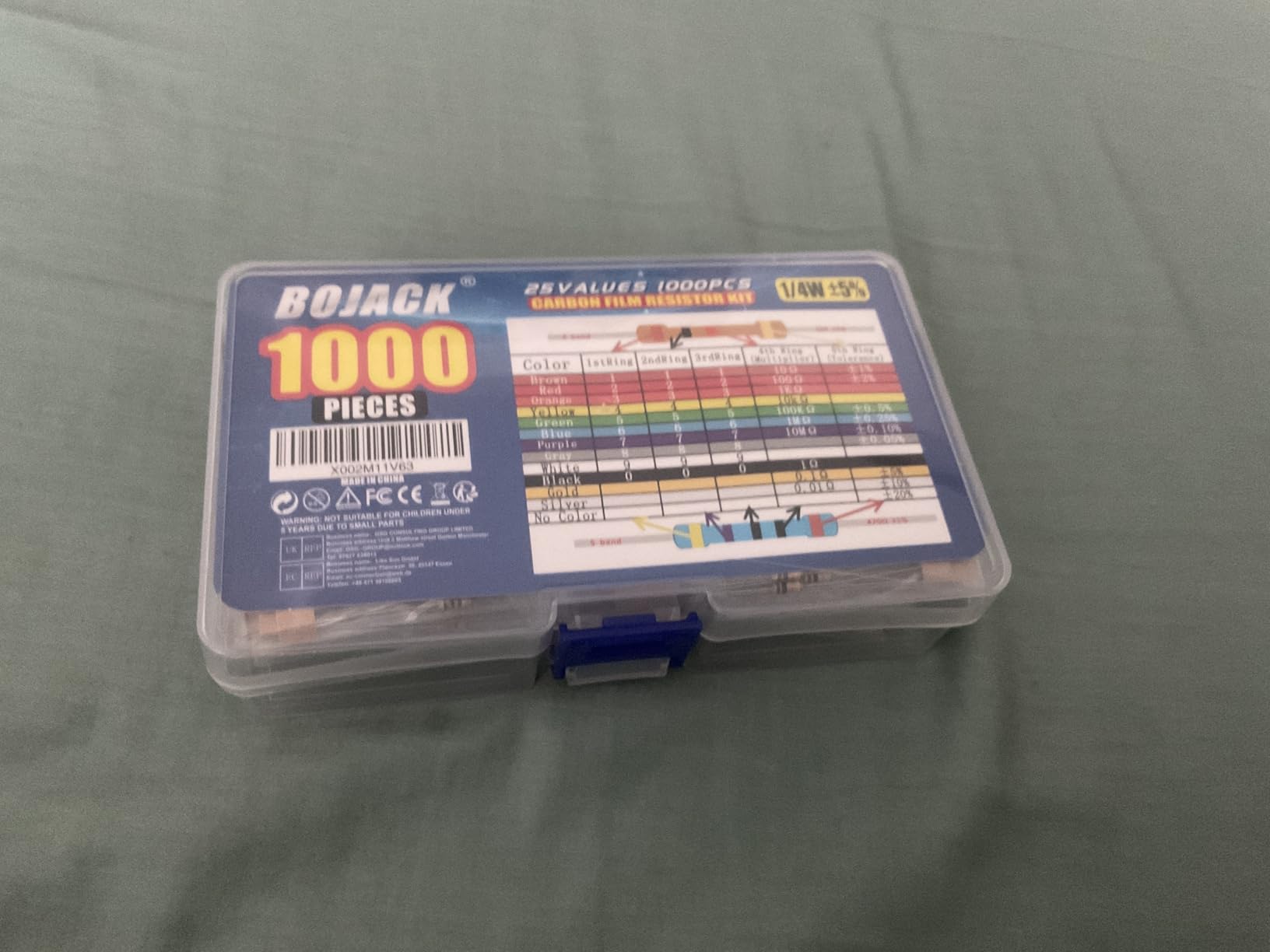
Physically the kit is a clear plastic case with each value bagged separately and labeled. That sounds ordinary until you have used a kit where every resistor is loose in one bag, at which point a labeled bag per value becomes the feature you care about most.
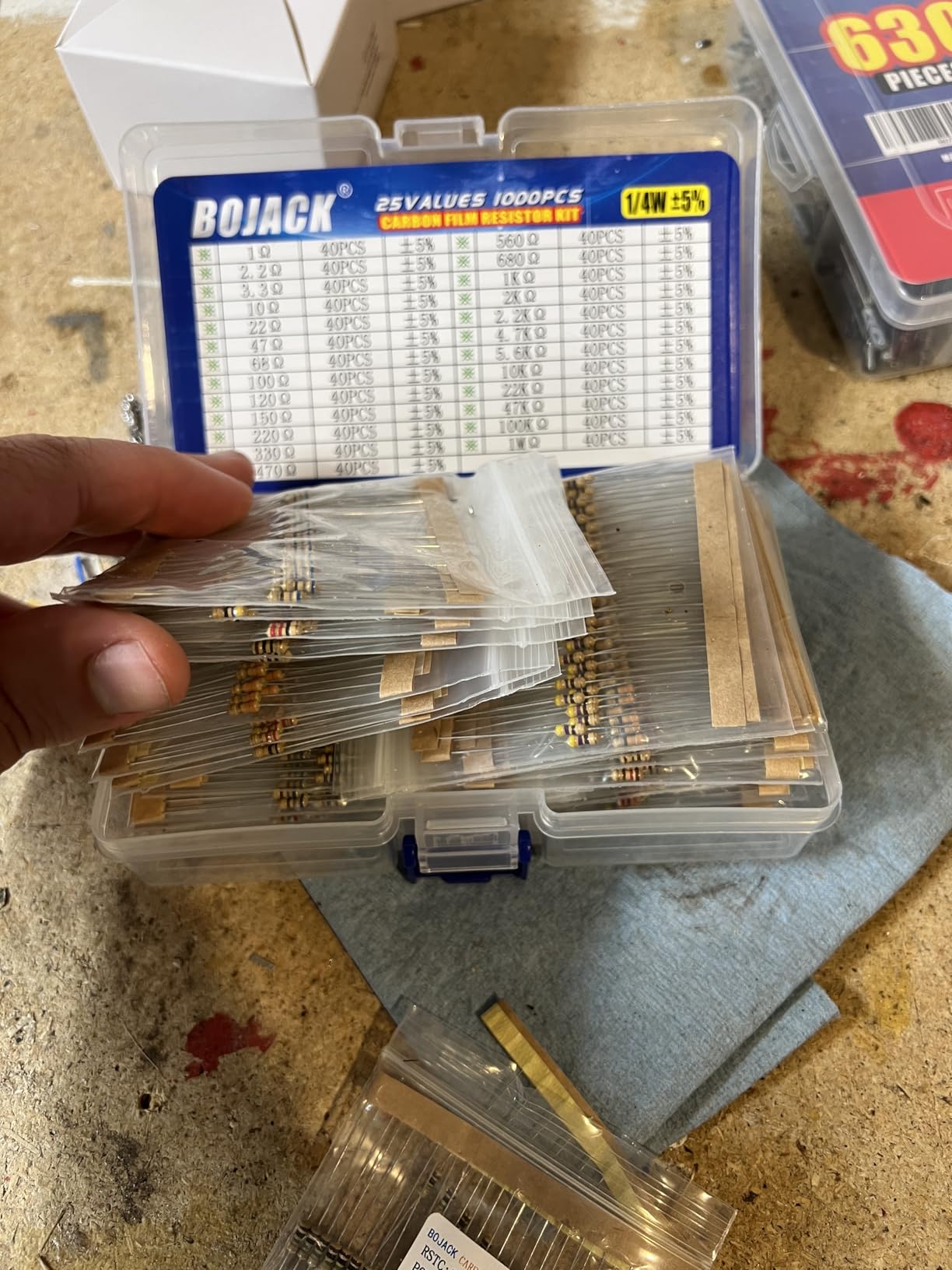
How the value spread holds up in real circuits
The gap worth knowing about is between 5.6k and 10k, and again between 47k and 100k, where a handful of intermediate E-series values are not included. In practice I replaced those two values from the adjacent steps without any real loss, and for divider networks the step you have is usually fine.
At 1000 pieces you also get enough spares to burn through a term’s worth of breadboard mistakes without ordering again.
What this kit cannot do
Everything is rated 1/4 watt, so none of it suits power work, motor drivers or anything where you would calculate dissipation above a quarter watt. Straight leads are not guaranteed either, and a few arrived slightly bent, which takes five seconds to correct with a pair of pliers.
2. ELEGOO 37-in-1 Sensor Modules Kit: Best Value for Arduino Projects
ELEGOO 37-in-1 Sensor Modules Kit with Tutorial Compatible with Arduino
37 sensor and output modules
Works with UNO and MEGA and Nano
Tutorials and code
Labeled case
Pros
- 37 modules spanning input
- display
- timing and control
- Tutorials datasheets wiring diagrams and example code
- Modules arrive well separated in a labeled case
- Suited to UNO and MEGA 2560 plus Nano boards
Cons
- Controller board and USB cable and breadboard not included
- Included case will not hold every module back inside
Where the resistor kit gives you depth in one component family, this one gives you breadth across functions. Thirty-seven modules cover motion through the GY-521, PIR, ultrasonic, temperature and humidity, DS18B20, flame, Hall, touch, light, sound and tilt sensing, then output and control through the LCD1602, DS1307 real-time clock, joystick, rotary encoder, relay, buzzer, RGB LED and infrared modules.
Each board is a breakout with its own regulator and headers, so you wire it straight into a breadboard. The bundled 6.5-9V DC power module removes the single most common early-project blocker, which is having no way to put voltage on the rails.
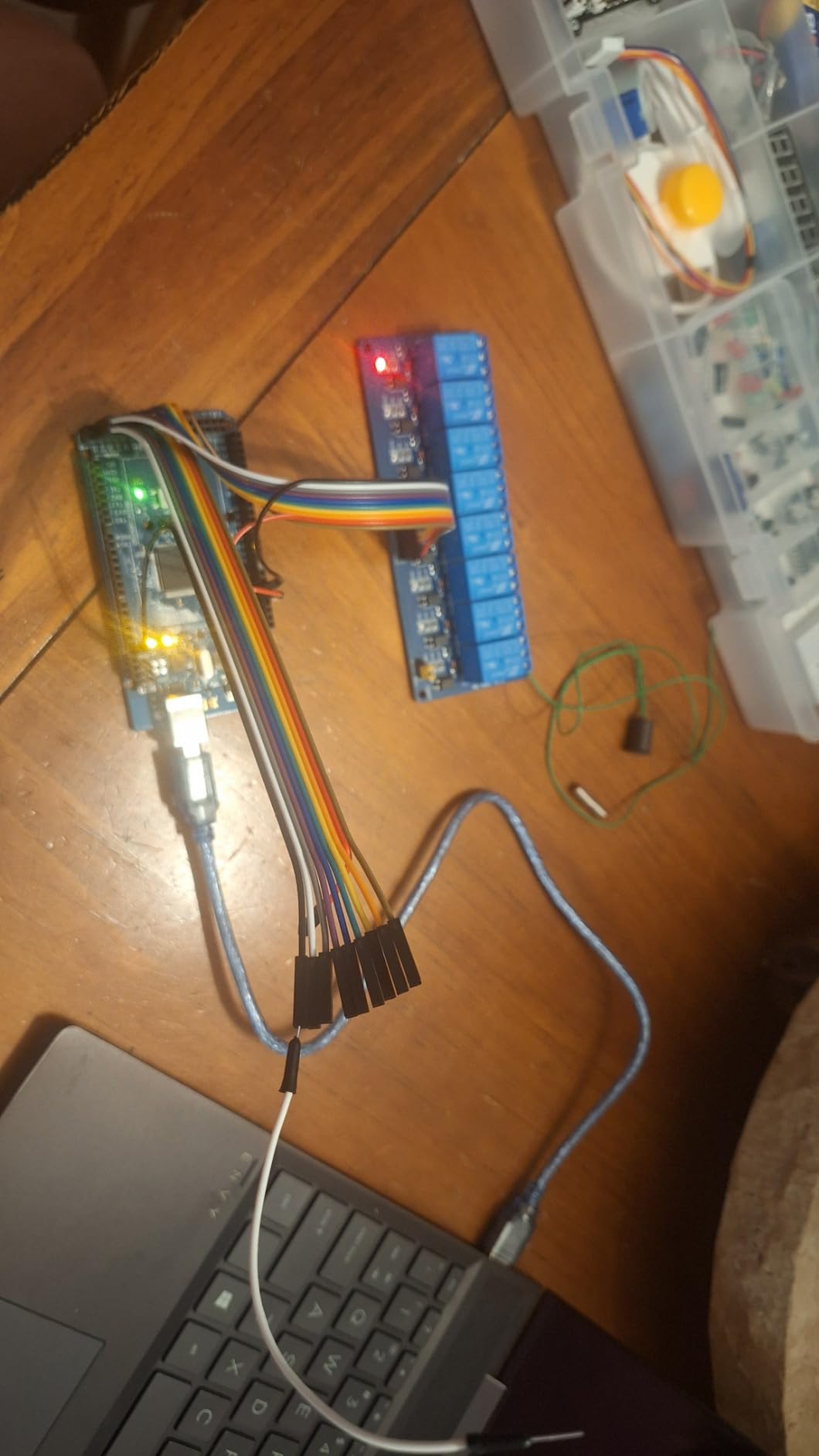
The documentation is the real differentiator here. Each module has a wiring diagram, a datasheet reference and example code, which saves the guesswork that makes sensor projects stall. A few lessons point you toward an example sketch without naming it precisely, so expect a little searching.
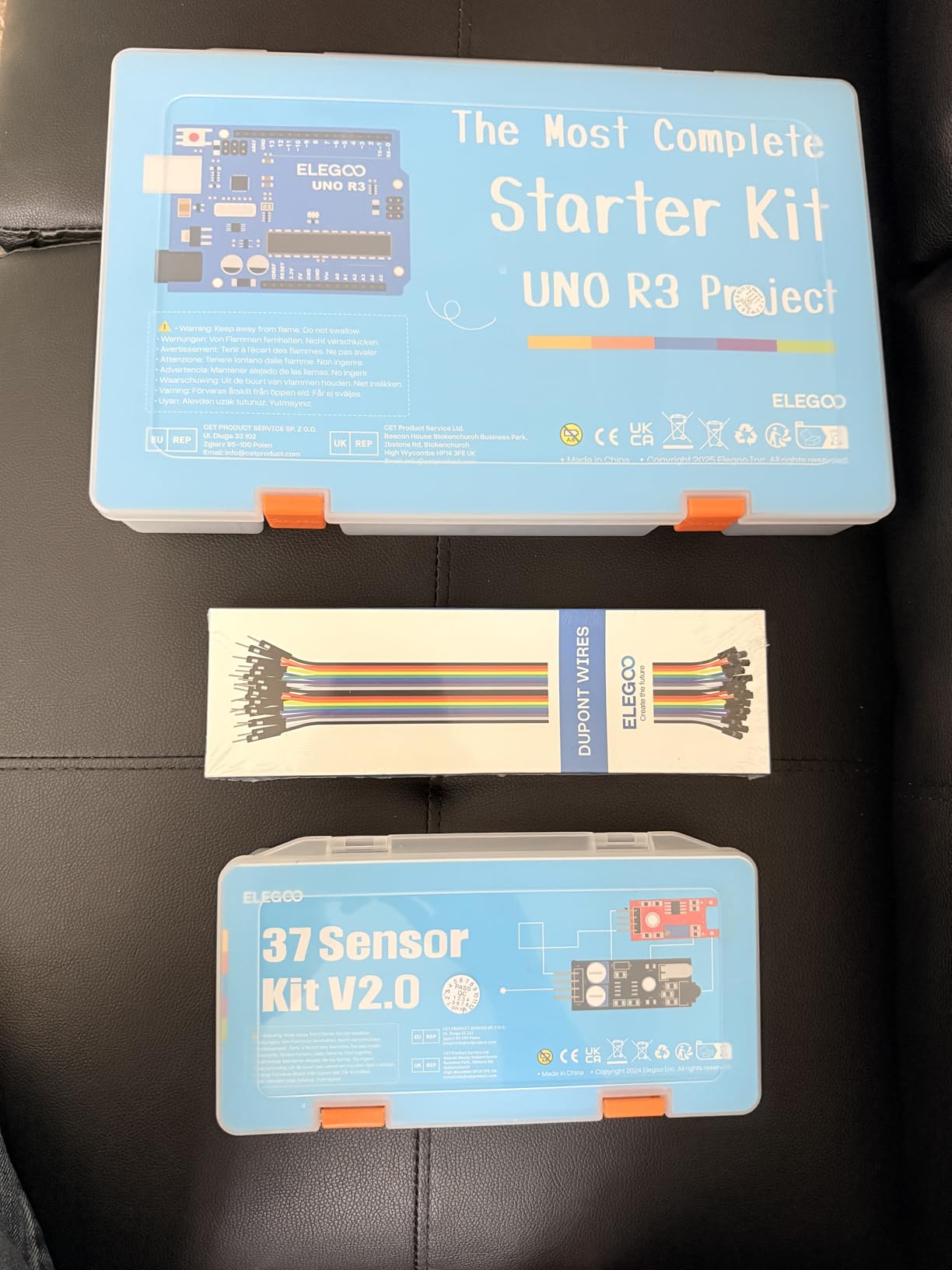
What makes these modules better than generic clones
The soldering on the breakout boards is cleaner and the components are more legible, which matters when you are tracing a fault at two in the morning. The labeled case with a printed chart on the lid insert also stops the pile-of-loose-PCBs outcome.
Because the modules are pre-soldered, they need no iron at all, which keeps this kit firmly in the solderless camp.
Where you will hit a wall
No controller board, USB cable, breadboard or jumper wires come with it, and the case is too small to close once all 37 modules are returned to it. The tutorials also assume you already know how to compile and upload to an Arduino, so a complete beginner needs a separate tutorial.
3. REXQualis 830 Tie-Point Fun Kit: The Best All-in-One Starting Box
REXQualis Electronics Component Fun Kit w/Power Supply Module, Jumper Wire, 830 tie-Points Breadboard, Precision Potentiometer,Resistor Compatible with Arduino, Raspberry Pi, STM32
400+ labeled components
830 tie-point breadboard
USB power supply
Arduino and Raspberry Pi
Pros
- 400+ components in individually labeled packaging
- 830 tie-point breadboard plus USB power supply module
- Works across Arduino and Raspberry Pi and STM32
Cons
- Controller board not included
- Documentation lives on the manufacturer website
- Breadboard section is small for larger circuits
More than 400 sensors and components, an 830 tie-point breadboard and a USB-powered breadboard supply arrive in one 7.87 x 5.11 x 1.81 inch case. That combination is the reason this kit works as a first purchase: you can unbox it, plug in a board and build something the same evening.
The contents run beyond the usual LED-and-resistor bundle. You get a precision potentiometer alongside standard passives, plus transistors and integrated circuits, so the range covers sensor conditioning and simple switching rather than only indicator circuits.
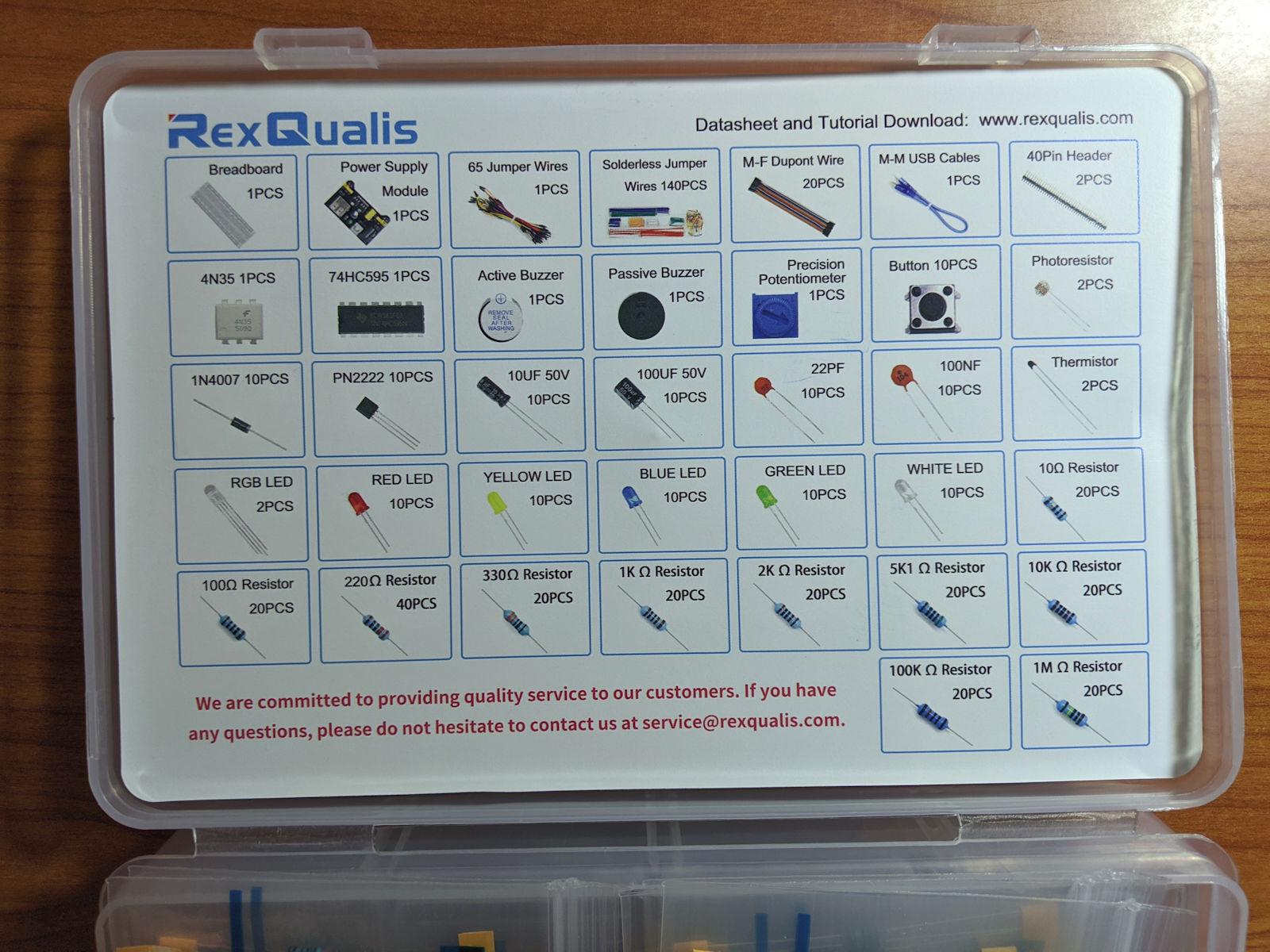
Every component is bagged individually and labeled, and the box is rigid enough to survive a shelf. The USB power supply module is a genuinely hard part to source separately at a beginner-friendly quality, so having it in the box removes a real step.
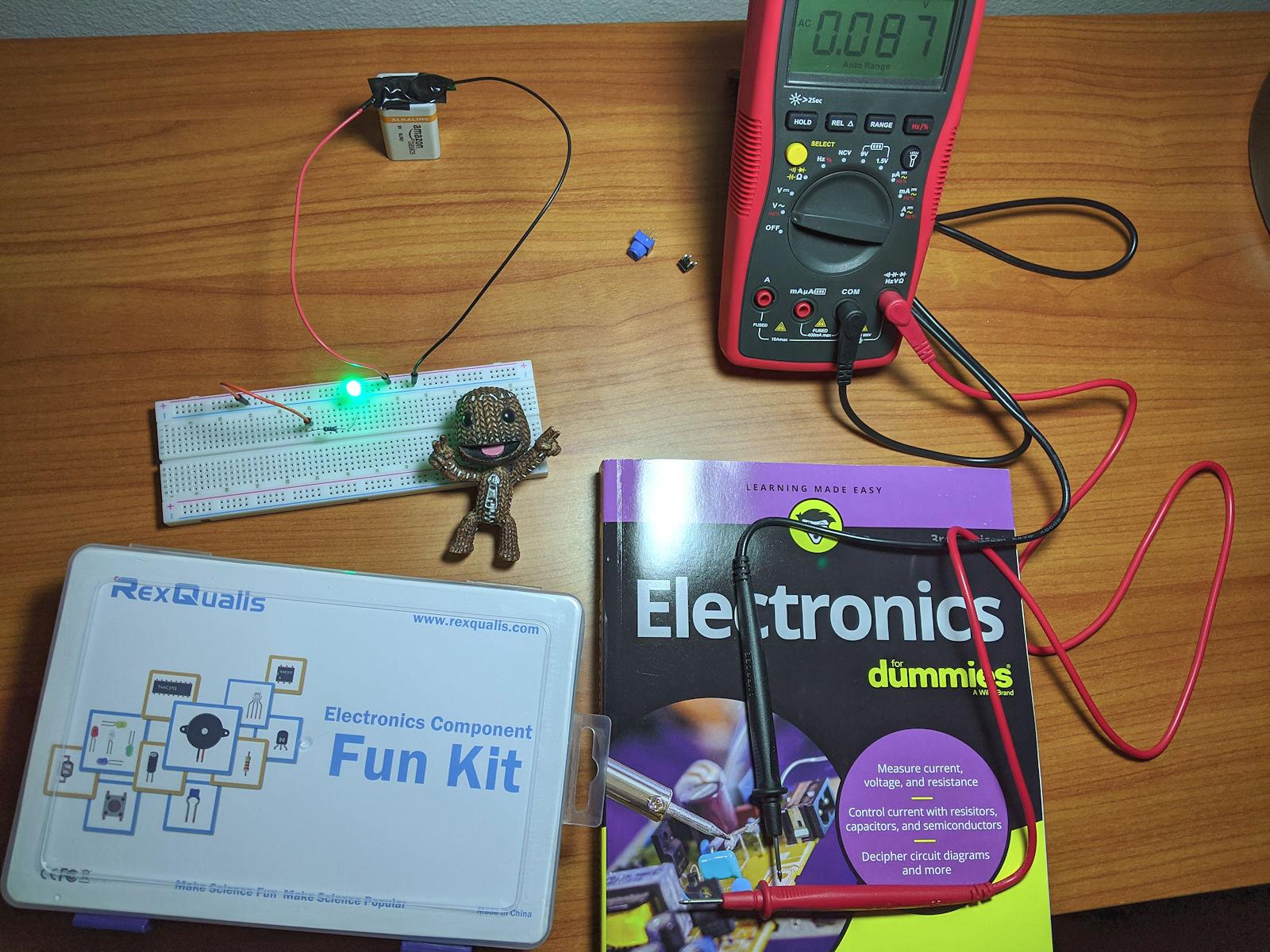
Why the multi-platform claim holds up
Because nothing in the kit depends on a proprietary shield, the same parts drive Arduino, Raspberry Pi and STM32 boards. That flexibility matters if your next board is not the one you are using today.
The datasheet and tutorial download from the manufacturer site covers the parts list and basic wiring, which is enough reference for most of the components inside.
What you will need to add
The controller board is not included, and the documentation lives on a website rather than in the box, so keep the download link somewhere you will find it. The breadboard itself is smaller than you will eventually want for dual-IC builds.
4. ELEGOO 235-Piece Fun Kit Bundle: Best Budget Breadboard Starter
ELEGOO Electronic Fun Kit Bundle with Breadboard, 235 Items for Arduino
235 parts, 400 tie-point breadboard
3.3V and 5V power module
74HC595 and 4N35 and PN2222
Pros
- Very wide component selection for the money
- Breadboard tie points grip component leads firmly
- Resistors arrive labeled in packaging
- Includes 74HC595 4N35 PN2222 and 1N4007 semiconductors
Cons
- No printed instructions and the online manual link is inconsistent
- Controller board programming cable and wall adapter not included
- Jumper leads are stranded rather than solid core
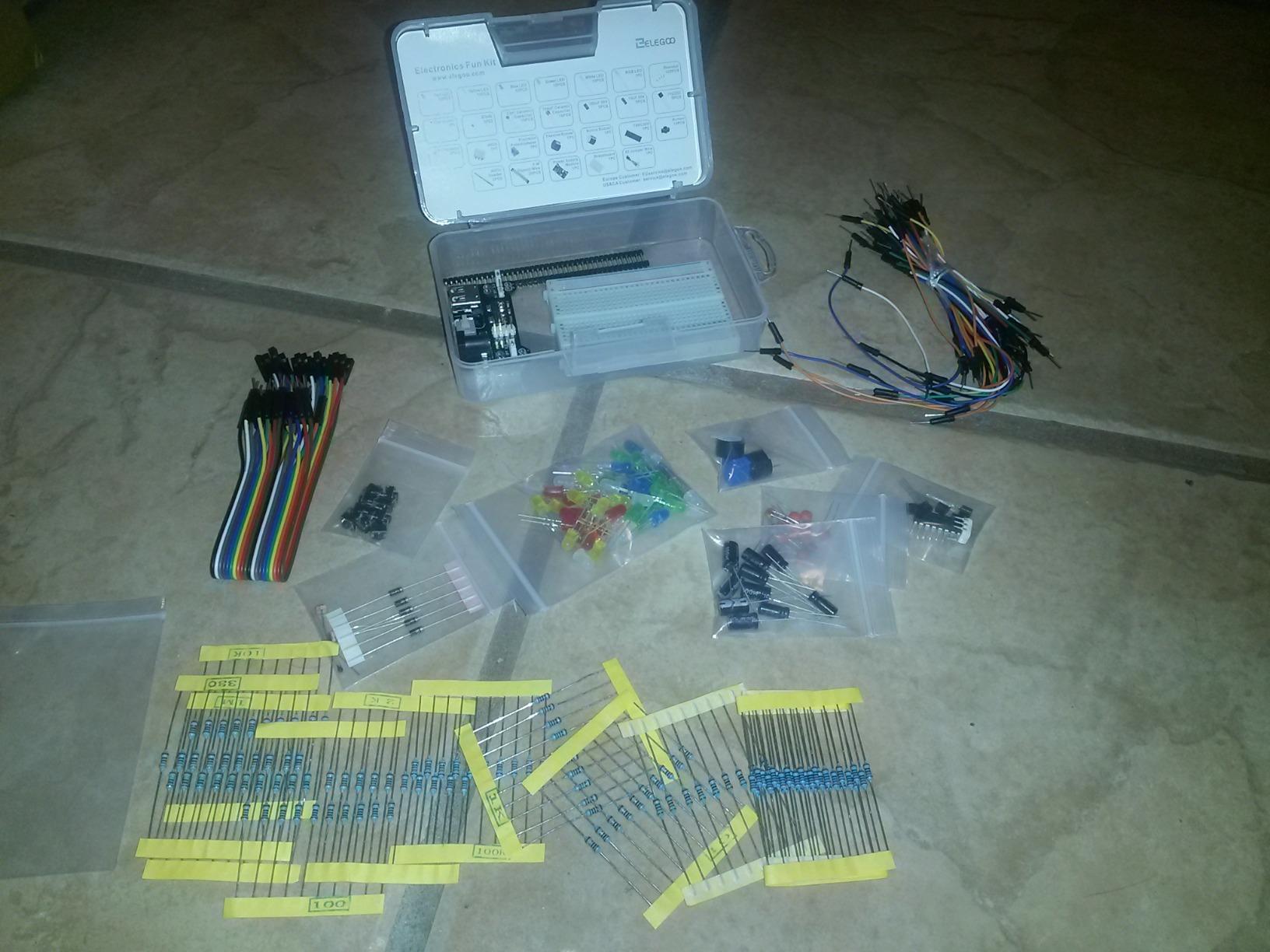
Two hundred and thirty-five parts, a 400 tie-point solderless breadboard and a power module with selectable 3.3V and 5V rails, packed into a 5.7 x 3.54 x 1.57 inch case. The selection-to-size ratio is what makes this the budget pick in our view.
What separates it from a plain LED-and-resistor bag is the semiconductor content. A 74HC595 shift register lets you drive more outputs than your board has pins, a 4N35 optocoupler isolates signals between circuits, PN2222 transistors handle switching and 1N4007 diodes cover rectification and flyback paths.
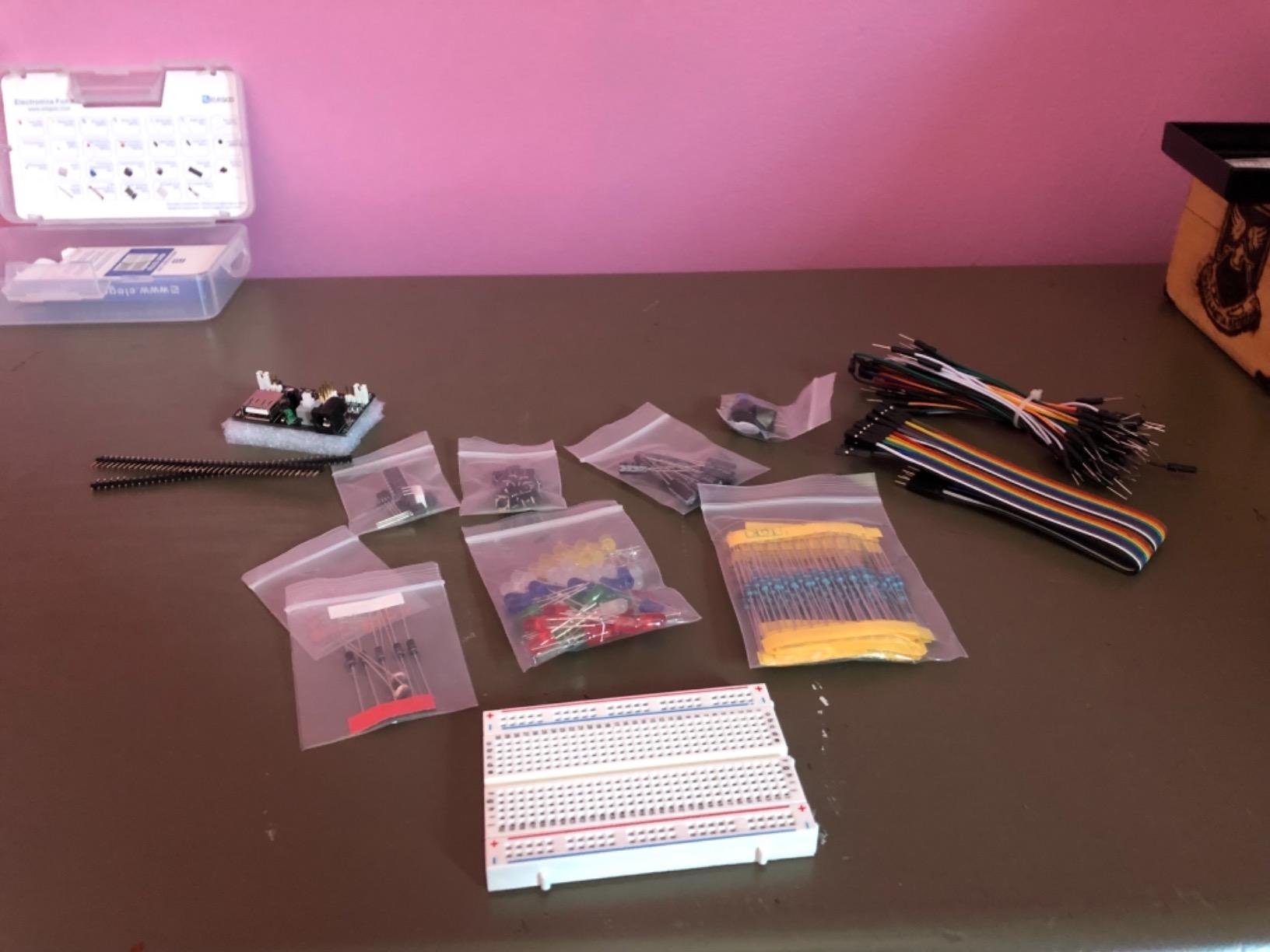
The breadboard grip is the detail we noticed most. Contact strips hold component leads firmly enough that you can push a part in without holding it, which saves real time across a long session.
Why the 3.3V and 5V rail switch matters
Raspberry Pi GPIO pins run at 3.3V, while most Arduino boards run at 5V. A module that switches between both removes a whole category of first-project failure where nothing happens because the levels do not match.
The input range is 6.5-9V DC and should not be exceeded, which covers USB wall adapters and small bench supplies comfortably.
What this bundle leaves out
There are no printed instructions, and the online manual link for this specific kit is reported as inconsistent, which is the biggest gap. The included jumper leads are stranded rather than solid core, so they are harder to see when a row gets busy. The controller board, programming cable and adapter are all sold separately.
5. MOGAOPI 1390-Piece Component Kit: Best for Passive Refills
MOGAOPI Electronic Component Kit Total 1390 Pcs, LED Diodes
1390 pieces, six component types
Values stamped on bags
50V through-hole parts
Pros
- Large quantity of core passive components in one box
- Resistor values are stamped on the packaging
- Each component type bagged separately for storage
- Through-hole parts rated to 50 volts
Cons
- Covers only six basic component types
- Documentation is minimal
- Tolerance-critical designs need measured parts
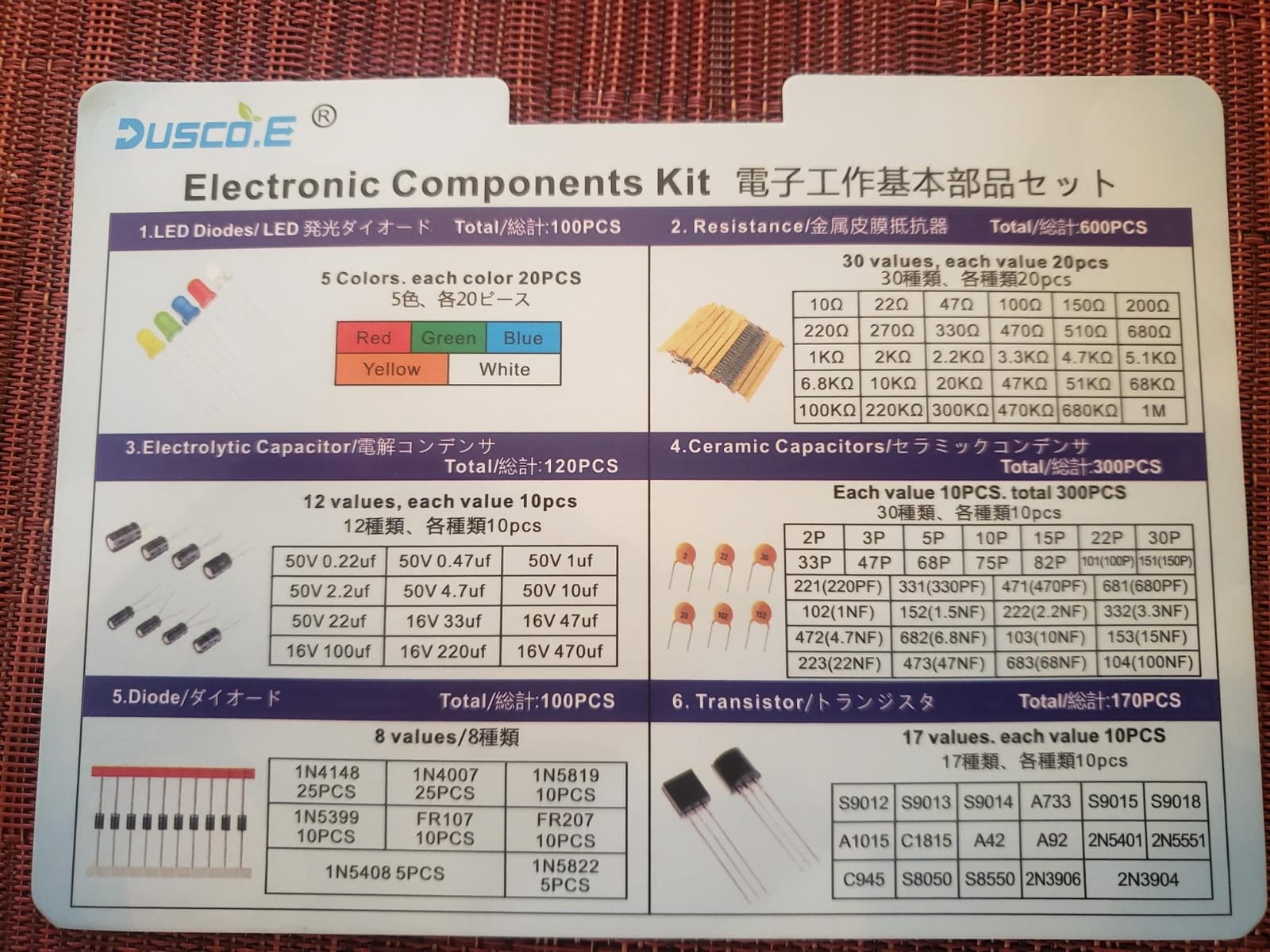
This is the restocking box. It holds 1390 pieces across six categories: metal film resistors, electrolytic capacitors, ceramic capacitors, common diodes, LED diodes and transistors, all through-hole mount, ceramic dielectric and rated to 50 volts.
That is the same core-passive family the higher-count kits include, in a smaller box and with a cleaner filing system. Each component type is bagged separately, and the resistor bags have their values stamped on them, so you can find a value without opening every bag.
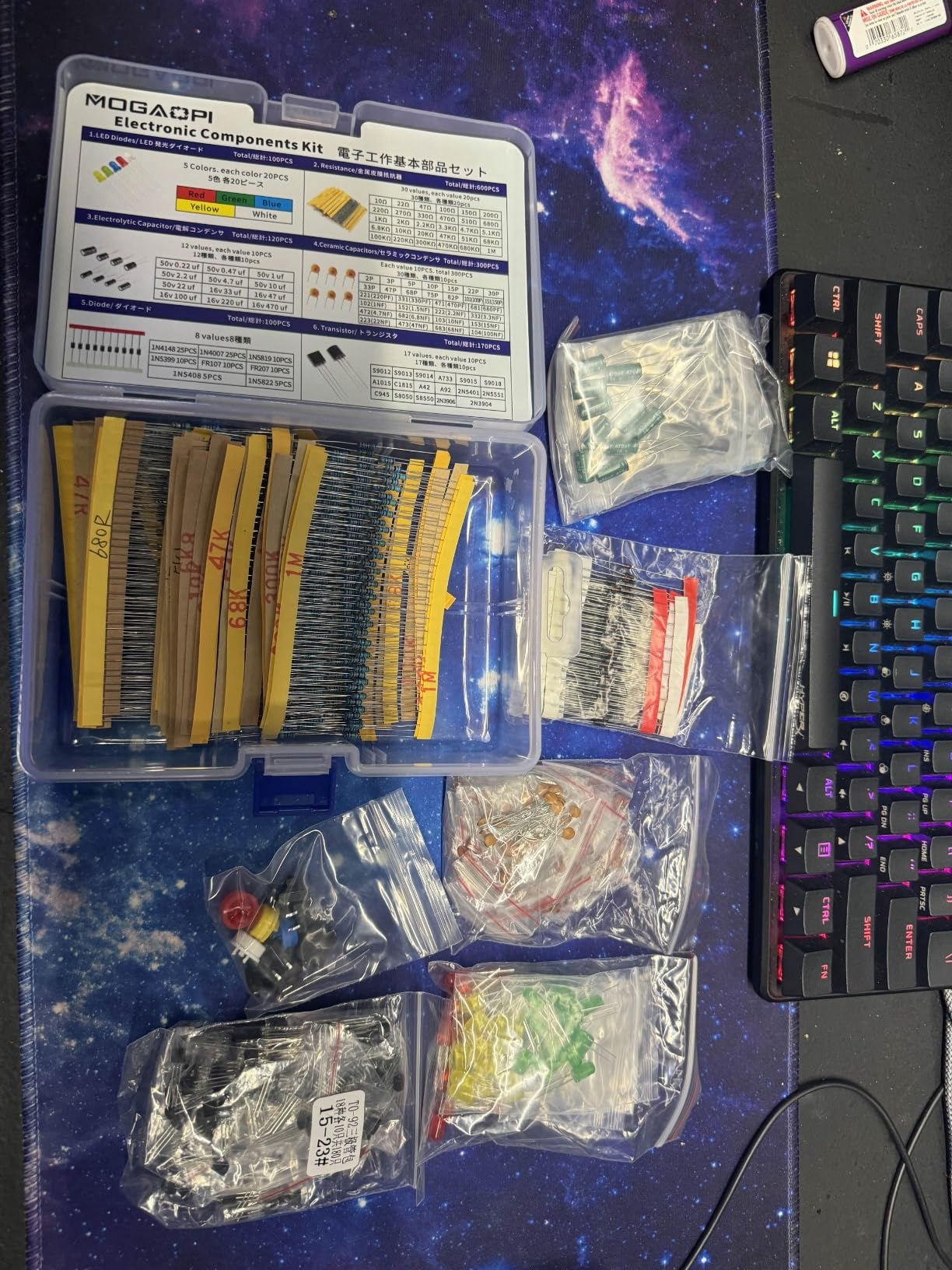
Weighing in at 11.2 ounces in a 6.42 x 4.61 inch footprint, it is compact enough to keep on the bench rather than on a high shelf.
Where this beats the 2,000-piece kits
Coverage is narrower, but the parts you reach for most, resistors, electrolytics, ceramics and general-purpose transistors, are the parts you reach for most often. Labels you can read at a glance matter more than raw count when you are mid-project.
The stamped values also make it easy to see what you have before you start, rather than discovering mid-build that a value is missing.
What you do not get
There are no boards, no modules, no connectors and no breadboard, so this is a refill rather than a starting kit. Documentation is minimal, so plan on reading datasheets yourself. For anything tolerance-critical, measure the parts before relying on them.
6. ALLECIN 24-Value Electrolytic Capacitor Kit: Best for Power and Filtering Circuits
ALLECIN 24 Values Electrolytic Capacitor Assortment Kit from 0.1uF to 1000uF 10V 16V 25V 50V in-line Aluminum Capacitors Set
24 values from 0.1uF to 1000uF
10V, 16V, 25V and 50V ratings
85 degree C rated
20 percent tolerance
Pros
- 24 values cover the common range needed for DIY circuits
- Polarity is clearly indicated by lead length
- Organized packaging makes values easy to find
- Rated to 85 degrees C for typical indoor builds
Cons
- Only electrolytics so no ceramic or film alternatives are included
- Some values are thin and need care when bending leads
- Requires checking capacitance and voltage and physical size before fitting a board
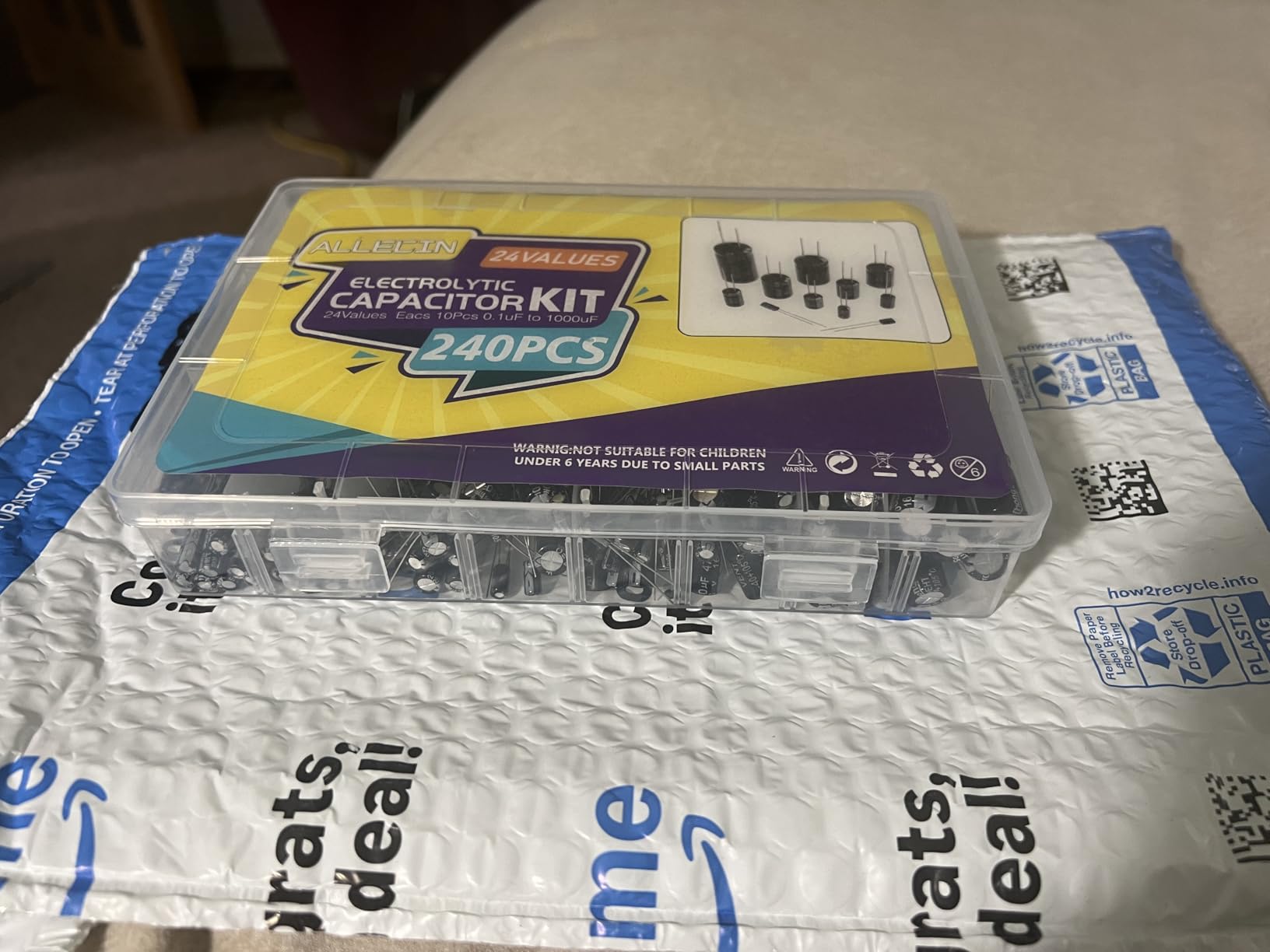
Twenty-four capacitance values from 0.1uF through 1000uF, in-line radial aluminum electrolytic construction, with 10V, 16V, 25V and 50V voltage options represented. That range covers power smoothing, timing networks and supply decoupling for almost any breadboard supply you will build.
Polarity marking is the detail that keeps beginners out of trouble. The long lead is the positive terminal and the short lead is negative, which is unambiguous even under bad bench lighting.
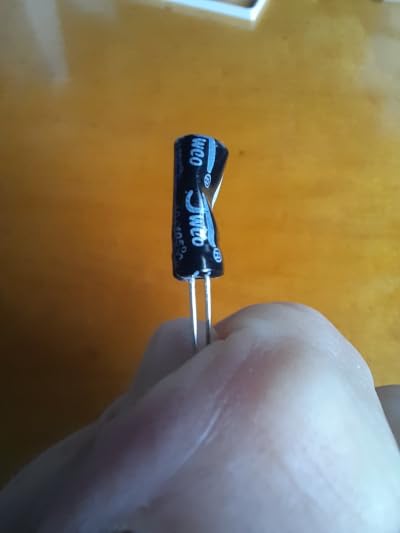
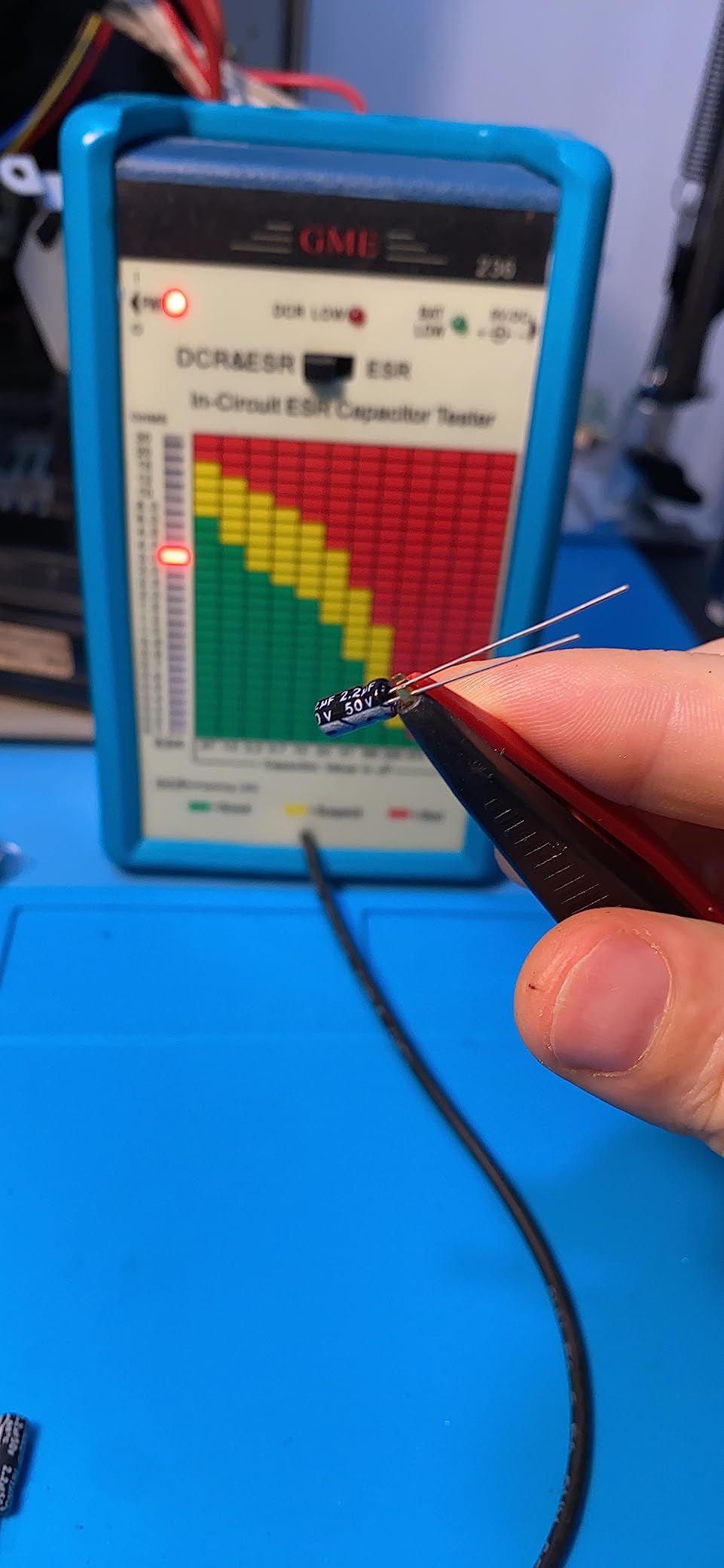
Parts are described as low leakage and low internal resistance, and they carry an 85 degree C upper temperature rating with 20 percent capacitance tolerance. Both figures are typical for this class of part and appropriate for hobby and low-power supply work.
Choosing a voltage rating without guessing
Pick a rating comfortably above the voltage you expect across the capacitor. If a 5V supply rail feeds the node, a 10V or 16V part leaves headroom for transients and costs almost nothing extra.
Because these are electrolytics, they are polarized. Use them for smoothing and bulk decoupling where a ceramic will not hold the value you need.
Where they fall short
There are no ceramic or film parts in the box, so the 0.1uF bypass capacitors you want next to every IC still have to come from elsewhere. Several of the smaller values have thin leads that bend easily, and you should still confirm capacitance, voltage and physical size against your board layout before fitting.
7. REXQualis 300-Piece Basic Kit: Best for Raspberry Pi Starts
REXQualis Electronics Basic Kit w/Power Supply Module, Breadboard, Jumper Wire, LED,Resistor, comes with more than 300pcs sensors and components for fun and simple electronic projects.
300+ components
Labeled packaging
USB power supply
Arduino and Raspberry Pi
Pros
- Low-cost way to fill a parts bin with common parts
- Breadboard power supply with USB cable included
- Components individually packaged and labeled
- Suits both Arduino and Raspberry Pi builds
Cons
- Controller board is not included
- Documentation is only available from the manufacturer website
- Component count is smaller than the REXQualis Fun Kit sibling
This is the smaller sibling of the Fun Kit, carrying more than 300 components for simple electronic projects with the same USB-powered breadboard supply included. It works out well as a second box for Raspberry Pi builds, where 3.3V logic levels rule out several TTL parts.
Resistors, LEDs, transistors and integrated circuits are individually packaged and labeled, and the parts sit in a sturdy box rather than a soft pouch, which matters once the box lives on a shelf for years.
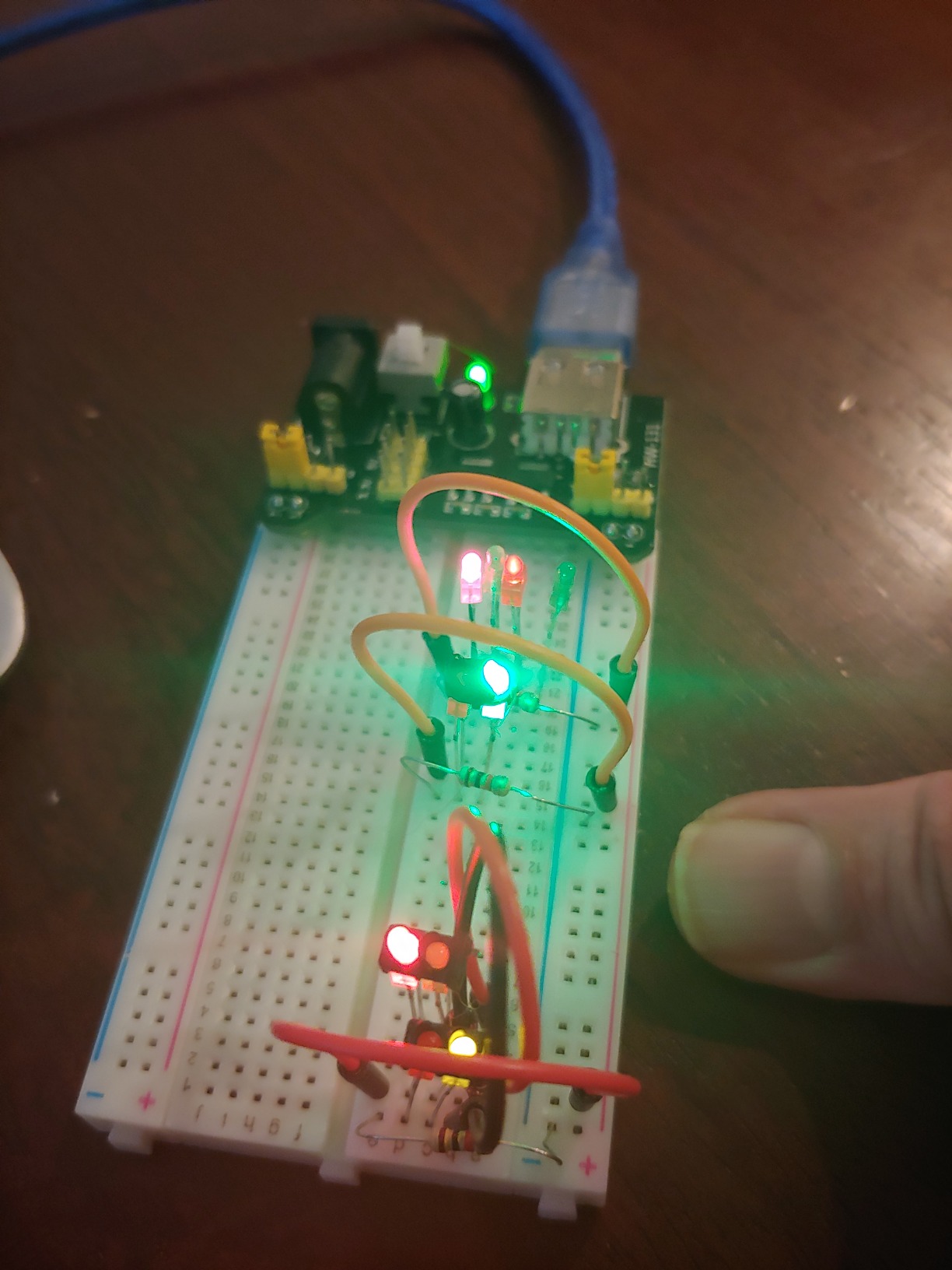
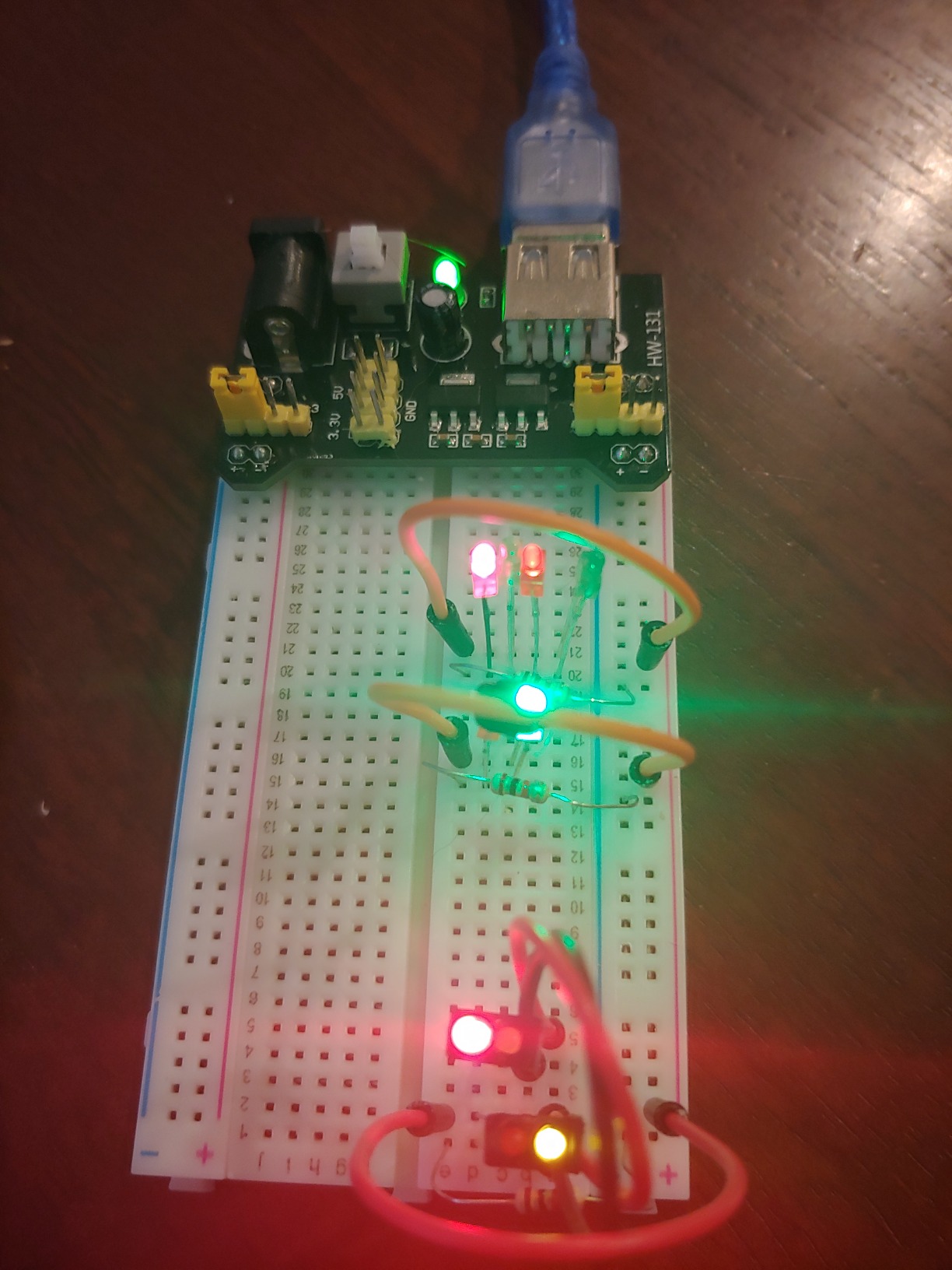
The USB connectivity of the power module means a single cable feeds the rails, so a Pi or a laptop powers the breadboard without a separate supply.
When the smaller count works in your favor
Fewer parts means less hunting through bags, and the contents are the common building blocks rather than specialty items. If you already own a board and a breadboard, this fills the gaps without duplicating them.
Datasheets are available from the manufacturer for reference, which covers the identification question for the common parts.
What it does not cover
The controller board is not included, and the documentation is only available from the manufacturer website rather than printed. The component count is smaller than the REXQualis Fun Kit, so if you are choosing one kit for a fresh bench, pick the larger box instead.
8. BOJACK Breadboard and Jumper Wire Set: Best for Breadboarding
BOJACK 3 Values 130 Pcs Solderless Breadboard 4 Pcs 830 Tie Points & 400 Tie Points & 126 Pcs Flexible Breadboard Jumper Wires
4x 830 and 4x 400 tie-point boards
126 flexible jumper wires
Spliceable ABS boards
Phosphor bronze contacts
Pros
- Multiple breadboard sizes let you build larger circuits by splicing
- Contact strips grip component leads securely
- 126 flexible jumper wires cover a wide range of spans
- Color-coded layout makes power and ground rails obvious
Cons
- Included breadboards are small so complex builds need several
- No instructions or pinout reference card included
- Flexible jumper wires are less reliable than solid core wire
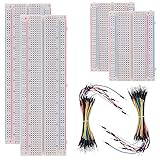
This is the tool set that gets the most use in the roundup, and it is the one most beginners under-buy. Four 830 tie-point boards and four 400 tie-point boards give you a full-size prototyping area, plus 126 flexible jumper wires in mixed lengths.
The boards are ABS plastic with tin-plated phosphor bronze contact sheets, and they can be spliced end to end, so two 400-point boards effectively become one larger surface when a circuit outgrows a single board.
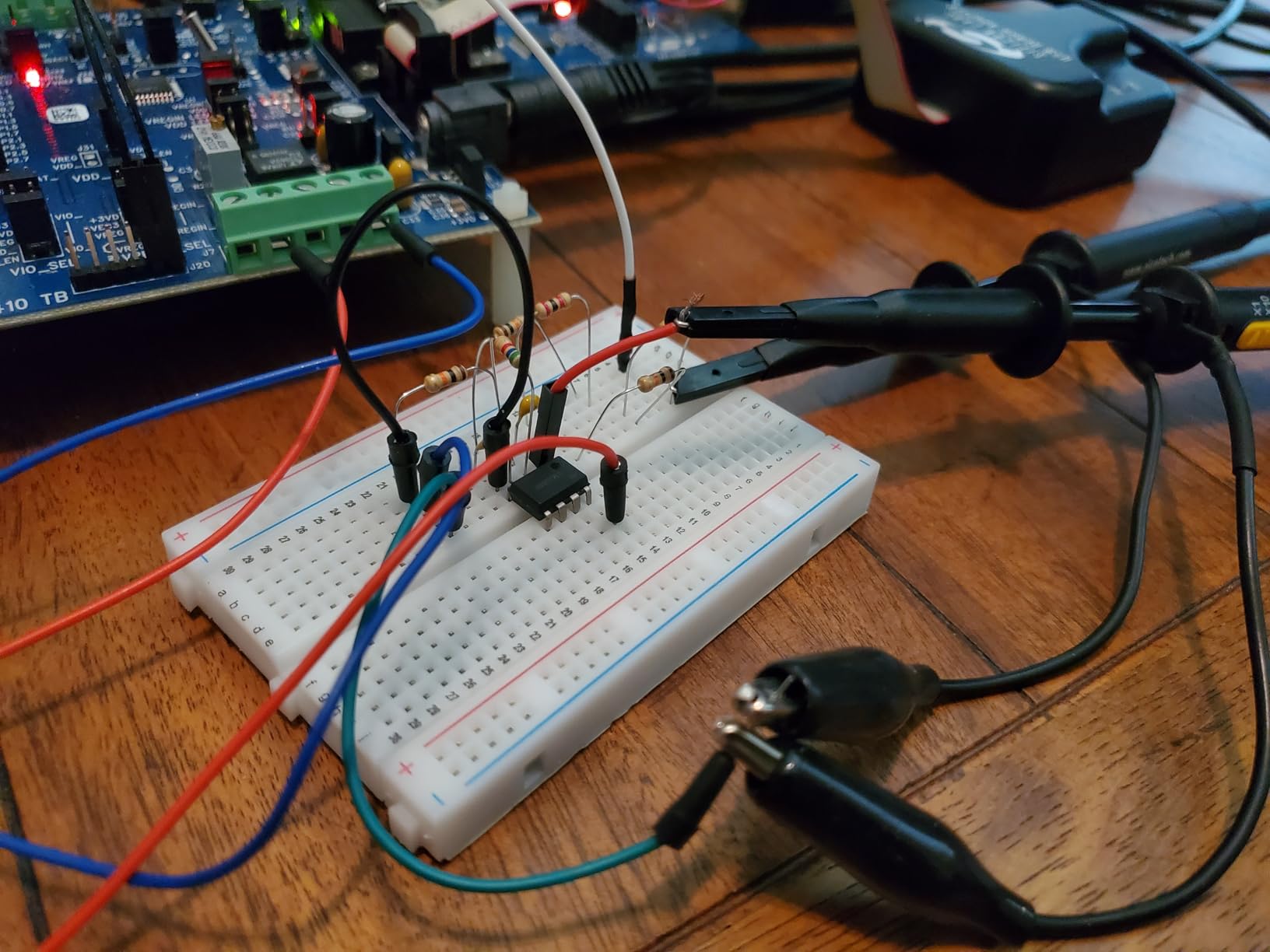
The color-coded structure makes the power and ground rails obvious at a glance, which removes one of the most common wiring mistakes for people new to breadboards.
How many boards you actually need
A single 830 tie-point board holds roughly two ICs plus their support components comfortably. Anything larger, and especially anything with a microcontroller and a sensor module, wants two boards or a spliced pair, which is why this set ships with eight.
We also prefer solid-core jumper wire over flexible for signal paths because you can see where each end lands, so treat the included flex wires as convenience pieces for power rails and short links.
What this set is not
There are no instructions and no pinout reference card in the box, so add a printed 0.1 inch pitch diagram to your own reference folder. Flexible jumpers are also less reliable for permanent connections, which is why they stop at the breadboard.
9. ZEBULON 2200-Piece Component Assortment: Best for Bulk Assortments
2200 pcs Electronic Component Assortment Kit, Capacitors, Resistors, Transistors, Inductors, Diodes, Potentiometer, IC, LED and PCB
2200 components including inductors and crystals
Prototype PCBs and headers
Sorted recyclable box
Through-hole mount
Pros
- Very high component count per kit
- Includes rarer parts such as crystal oscillators inductors LDRs and PCBs
- Organized assortment in a recyclable box
- Prototype PCBs trim pots headers and terminals included
Cons
- Some component values are missing while others are duplicated
- No written component list or datasheet details
- Box is over-packed so parts are hard to store
- Parts may leave a noticeable smell on handling
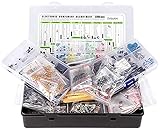
At 2200 pieces this is the largest assortment here, and it reaches past the usual passive core. Alongside resistors, capacitors, transistors and diodes you get zeners, inductors, ICs, crystal oscillators, LEDs, mini switches, potentiometers, trim pots, LDRs, headers, terminals and prototype PCBs.
The crystal oscillators and inductors are the reason to buy this box. They show up in almost every clocked or switching supply design, and they are the parts most often missing from a standard component assortment.
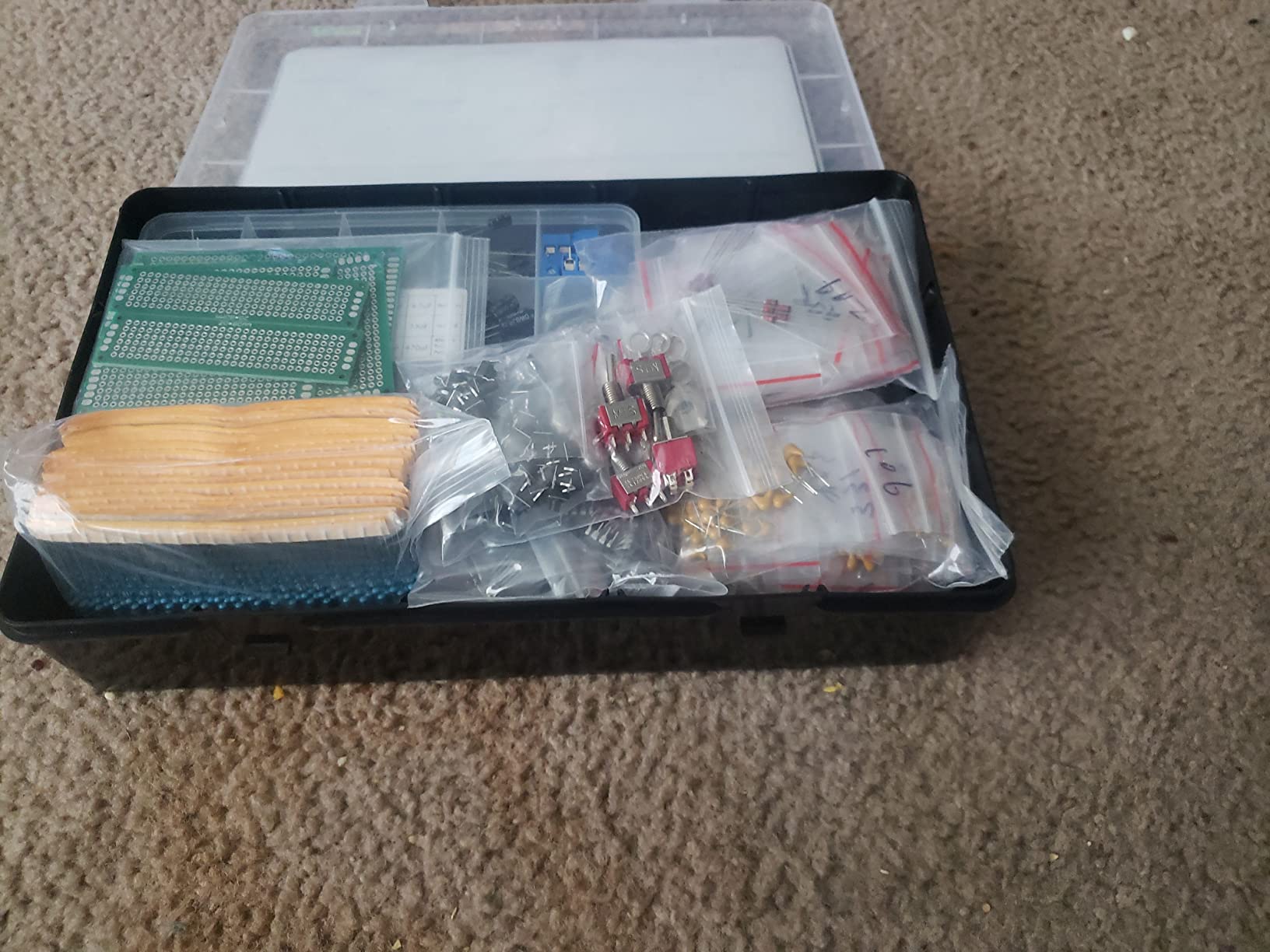
Everything is through-hole mount and sorted into a recyclable 11 x 7 x 2.5 inch box, so parts stay grouped by type rather than mixed together.
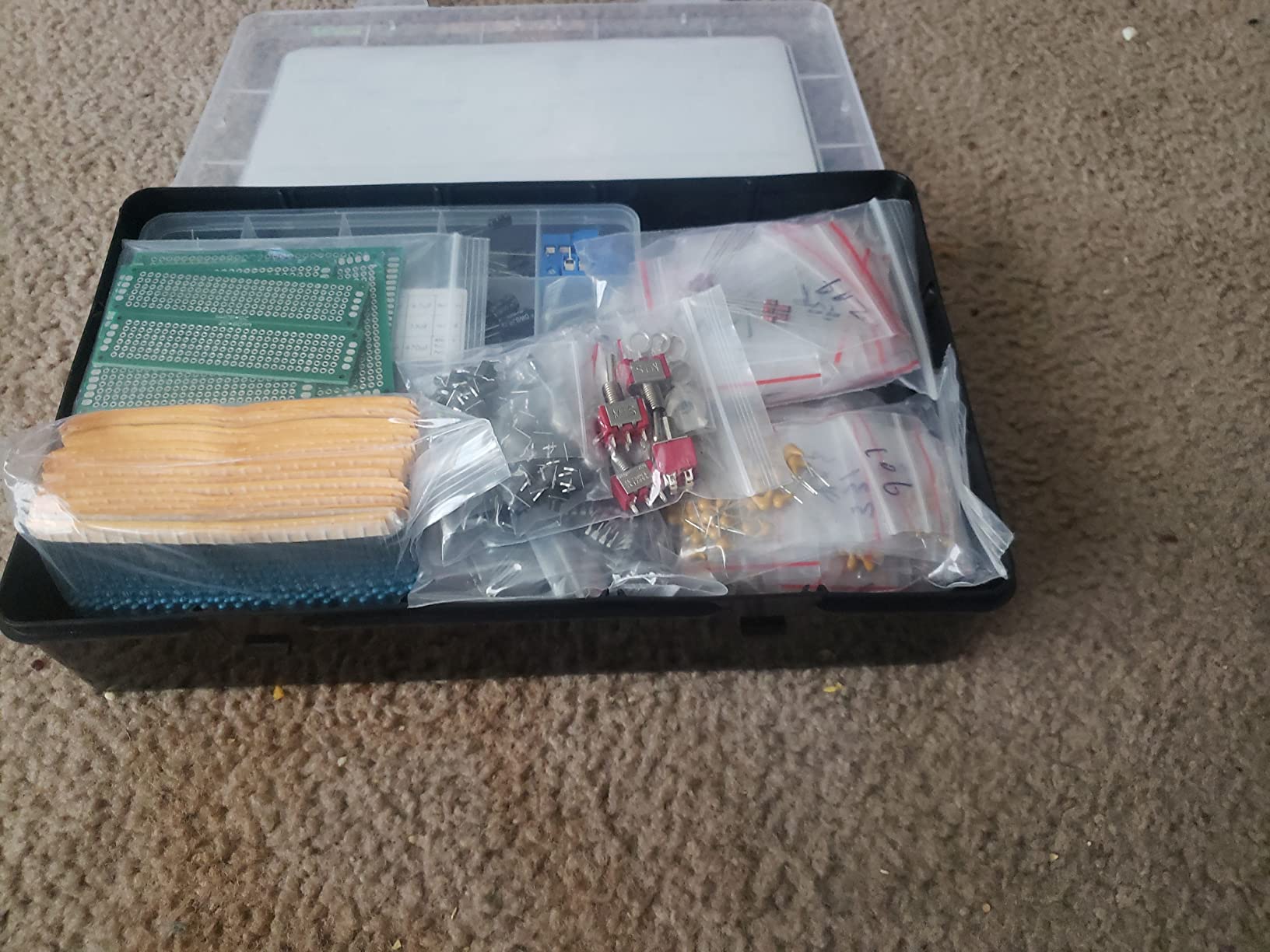
Where the high count helps
Once you are building the same circuit class repeatedly, having 200 of a common part on hand removes the mid-project wait entirely. For restocking a bench rather than learning a single concept, raw quantity becomes useful again.
The prototype PCBs let you take a breadboard design to something semi-permanent without buying boards separately.
What to watch for after opening it
Reviewers report uneven value coverage, with some values missing while others repeat, and there is no written component list or datasheet detail to check against. The box is packed tightly enough that returning parts afterwards is awkward. Sort everything into labeled drawers the day it arrives.
10. Molence 1818-Piece Components Kit: Best for Arduino and Raspberry Pi Inventory
Molence 1818PCS DIY Electronics Components Kit Assortment for Arduino
1818 components
820 1/4W 1% metal film resistors
300 50V ceramic capacitors
Reusable storage case
Pros
- Large
- clearly itemized breakdown of 1818 parts by type
- Resistors are 1 percent tolerance metal film
- Reusable storage case keeps the assortment organized
- Compatible with Arduino UNO and MEGA plus Raspberry Pi and PLC
- Components inspected before shipping
Cons
- Documentation on specific values is limited
- Heavy quantity of common passives leaves fewer specialty parts
- Needs separate jumper wires and a controller board
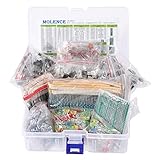
This is the most transparent kit in the roundup because it publishes its per-type counts. Of the 1818 pieces, 820 are quarter-watt one-percent metal film resistors and 300 are 50V ceramic capacitors, with 120 aluminum electrolytics, 180 TO-92 transistors, 200 three and five millimeter LEDs and 100 diodes filling out the core.
One percent metal film resistors are a step up from the five-percent carbon film parts in most kits, and for divider networks, sensor scaling and reference circuits that difference is visible on a meter.
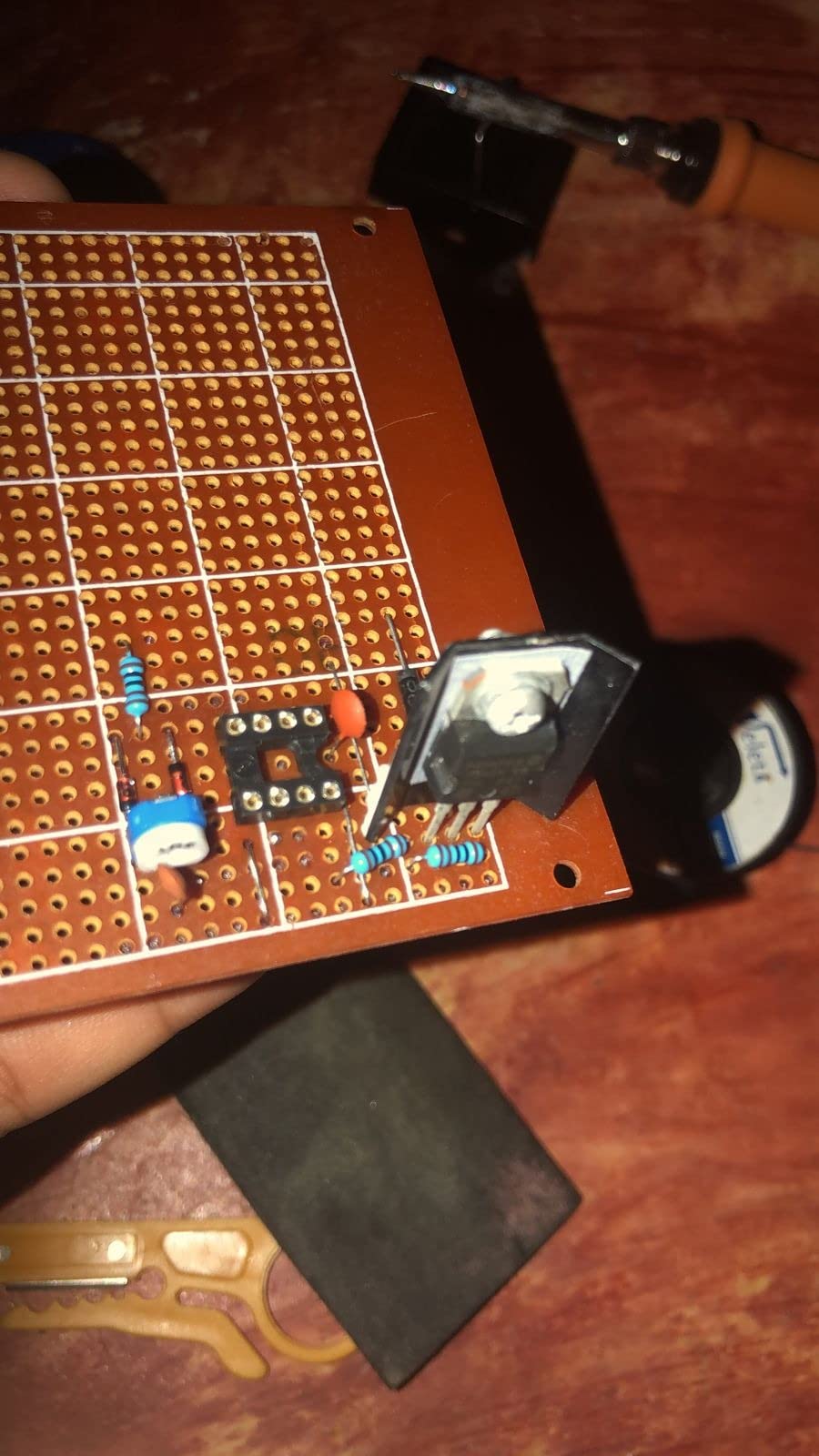
The remainder covers 4 prototype PCBs, 13 3296W adjustable potentiometers, 65 RM063 adjustable resistors and 16 voltage regulators, packed in a reusable storage case. Regulators are a genuinely useful addition, since linear and switching regulator circuits are common in powered sensor builds.
Why the published counts matter
You can plan a build before opening the box. If your circuit calls for a specific resistor network or a handful of regulators, you can see immediately whether the kit covers it instead of discovering a gap halfway through.
Compatibility is listed for Arduino UNO and MEGA, Raspberry Pi, PLC and generic microcontroller boards, which covers most bench work.
What to plan around
The bulk of the kit is common passives, so the specialty parts number in tens rather than hundreds, and documentation on specific values is limited. You will need your own jumper wires and a controller board before any of it becomes useful at the bench.
11. 3pdt 1900-Piece Mega Component Kit: Best for Audio and Analog Work
Mega Electronic Component Kit Assortment, Capacitors, Resistors, LED, Transistors, Diodes, 1n270 Germanium, DC Jacks, opamp, PCB, Speaker, 1900 pcs
LM358, NE555 and JRC4558 op-amps
1N270 germanium diodes, mini speaker
DC-022 and DC-005 jacks
1900 pieces
Pros
- Very comprehensive assortment with germanium diodes and a mini speaker
- Especially useful for guitar pedal and audio circuit builds
- Keyed box lid doubles as a table of contents
- Large transistor variety including germanium PNP types
- LM358
- NE555 and JRC4558 op-amps included
Cons
- Trim potentiometers are low quality and can come apart when adjusted
- Handwritten labeling on bags is inconsistent
- Some resistors have been reported mis-marked and measure incorrectly
- No instructions included
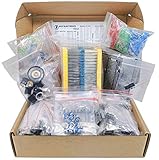
Analog and audio builders get the most from this kit. Alongside 1000 resistors, 170 transistors, 120 electrolytics, 100 diodes, 200 LEDs and 310 ceramic capacitors, it includes LM358, NE555 and JRC4558 op-amps, 1N270 germanium diodes, germanium transistors, DC-022 and DC-005 jacks and a mini speaker.
The 555 timer alone opens up a large project space: astable and monostable oscillators, debounce circuits, PWM and simple motor drivers. The germanium diodes and germanium PNP transistors are period-correct parts for pedal-style clipping and clipping circuits, and they are almost impossible to source one at a time.
Parts are sorted by type in a durable cardboard box whose keyed lid doubles as a table of contents, and the whole kit weighs 280 grams, so it stays portable between bench and desk.
Why the op-amp selection is the draw
LM358, NE555 and JRC4558 cover the three stages of a typical analog chain: an amplifier stage, a timing or oscillator stage and a low-noise audio stage. Having all three on hand removes the most common reason an analog build stalls.
The mini speaker and both common DC jack sizes mean you can go from schematic to audible or powered output without a second order.
What you need to check on arrival
Some resistors have been reported mis-marked and measuring incorrectly, so verify any value that matters to your design. The trim potentiometers are the weakest component in the box and can come apart when adjusted. Bag labels are handwritten and inconsistent, and no instructions are included, so write your own index as you file the parts.
12. minidodoca 74HCxx and 74LSxx Logic IC Kit: Best for Digital Logic
49Pcs 25 Types 74HCxx and 74LSxx Series Logic IC Assortment Kit & Socket,Minidodoca Logic IC Series Shift Output Registers、Transceiver、Decade Counters、Multiplexer/Decoders、Hex Inverters IC chip
44 logic ICs across 22 types
74LS and 74HC families
5 DIP sockets included
Two pieces per type
Pros
- Covers the most commonly used 74LS and 74HC logic families
- Two pieces of each type plus matching DIP sockets
- Useful for counter decoder inverter and shift register work
- Small and easy to add to a breadboard prototype
Cons
- Mixed 74LS and 74HC parts cause interfacing and level-shifting confusion
- Only two pieces per type limits larger builds
- No datasheets or pinout reference card included
Forty-four logic ICs across 22 types, two of each, with five matching DIP sockets. The 74LS side covers 00, 02, 04, 08, 32, 47, 74, 86, 90, 138, 164 and 245, while the 74HC side covers 00, 02, 04, 08, 14, 32, 138, 164, 165 and 595.
That list maps onto a clean curriculum: 00 and 08 give you AND and OR gates, 86 gives you XOR, 32 gives you OR, 74 gives you a dual flip-flop, 138 is a three-to-eight decoder, the 164 and 165 are serial-in parallel-out and parallel-in serial-out shift registers, the 595 is the common SIPO output expander, and the 47 handles BCD to seven-segment decoding.
The five included sockets cover DIP14, DIP16 and DIP20 footprints, which lets you socket a chip rather than soldering it directly when you want the part to survive a wiring mistake.
74LS or 74HC, and why it matters
On a breadboard where supply voltage wanders and breadboard contacts are imperfect, 74HC is the safer family. Its wider supply tolerance and noise margins mean a circuit behaves more predictably at 5V, which is why experienced makers reach for 74HC first and treat 74LS as legacy.
The counterweight is that 74HC draws more static current, so a project intended to run for months on a small battery often ends up back on 74LS.
What to watch for
Having both families in one box invites interfacing confusion, since a 74LS output driving a 74HC input is not always reliable. Two pieces per type is a working quantity rather than a build quantity, and you should buy duplicates of anything central to your design. There are no datasheets or pinout reference card in the kit, so print a 74xx pinout sheet before you start.
How to Choose an Electronics Component Kit
Once you have read the reviews, the decision usually comes down to four questions. What stage are you at, which board do you already own, what kind of circuits do you want to build, and how much do you mind filing things away afterwards. Here is how we think through each.
Buy the stage you are actually at
Nearly every experienced voice on electronics forums says the same thing: breadboards, jumpers and passives are the highest-value first purchase, and full microcontroller starter kits make more sense once you have a project in mind. If you own nothing, the complete electronics kit roundup is worth reading next. If you already have a board and want breadth, the sensor kit in position 2 is the bigger jump.
Check tolerance and wattage before anything else
Most kits do not print the resistor tolerance or the wattage rating, which is the single biggest quality question the community asks. Five percent carbon film at a quarter watt is fine for logic-level work and hobby circuits. One percent metal film, as in the Molence kit, is what you want for dividers, sensor scaling and references. Anything above a quarter watt needs parts rated for it.
Decide solderless or soldered
If you are working with breakout modules and breadboards, every kit on this list works without an iron. Once you want soldered perfboard or permanent circuits, you also need solder, flux and an iron, and we would suggest a hobby electronics kit geared to soldering practice alongside whichever component kit you choose.
Judge organization as seriously as part quality
Kits with no labels, no trays and no value chart degrade into an unusable pile of loose parts within weeks. The kits that name each bag and provide a chart on the case lid stay usable for years. This matters most with the high-count assortments, where you will be hunting for one value among many. Our component tester roundup covers the tools that let you screen incoming parts.
Buy the kit or buy parts one at a time
A kit wins when you cannot predict which values you will need, which is exactly the beginner’s situation. Buying individually wins when you need a specific part number in a specific quantity, or when precision matters and you want a stated tolerance from a distributor rather than an unstated one from a boxset. The practical middle ground many working makers use is to buy one broad kit for exploration and then top up specific values as projects demand them.
A five-point quality screening routine
Count distinct component types, not pieces, and write the number down.
Check whether resistor tolerance and wattage are stated anywhere.
Sample three or four parts per bag with a meter, especially resistors and capacitors.
Check whether ICs carry readable part markings rather than sanded or smeared tops.
Confirm every bag returns to the case before you start filing things away.
Storage and handling basics
Plan ten minutes on the day a kit arrives. Empty each bag into a labeled drawer or small labeled box, write the value on the container, and keep one open bag at a time. For anything with ceramic or film capacitors, treat them as sensitive to humidity and static, and avoid long-term storage in an unheated shed. If you want to check parts rather than trust the listing, a basic meter covers most of it.
Frequently Asked Questions
What is a good electronic components kit for beginners?
A good beginner kit bundles labeled parts with a real prototyping surface, so you can build something immediately rather than sorting loose components first. The most useful first purchases are a resistor assortment covering standard values plus a set of solderless breadboards and jumper wires. Add a microcontroller or sensor bundle once you have a specific project in mind.
What is the best electronic kit for learning electronics?
For learning fundamentals, the best kit is the one whose parts you can identify and reuse across many builds. A labeled resistor assortment plus breadboards and jumpers teaches current, voltage, Ohm’s law and signal path with no soldering involved. Sensor module kits are a good second step because each module demonstrates a different input or output principle.
What are the best electronics kits for adults?
Adults generally want soldering practice, so pick a kit with through-hole components and a range of active parts rather than pre-soldered modules alone. Component assortments with op-amps, transistors and timers reward experimentation, while breadboard sets suit those who prefer to avoid an iron entirely. Check that documentation and part markings are legible before buying.
What are the best microcontroller kits to buy?
Look for a kit that includes a development board, a breadboard, jumpers and a range of input and output modules rather than twenty LED projects. Sensor module kits with tutorials, datasheets and example code cover the widest range of board inputs. Boards themselves are rarely bundled with component kits, so factor that purchase into your plan.
What are some good DIY electronics kits?
Good DIY electronics kits span several categories. Breadboard and jumper sets form the foundation, passive assortments of resistors and capacitors cover most analog work, analog IC kits suit timer and amplifier builds, digital logic kits cover gates and shift registers, and sensor module kits deliver the widest functional variety for microcontroller projects.
What is a good basic electronic kit for beginners?
A good basic kit for beginners includes a solderless breadboard, pre-terminated jumper wires, a resistor assortment with labeled values and a small set of common semiconductors. Add a power module so the breadboard rails can be driven from USB. This combination covers LED circuits, transistor switches, timing and sensor conditioning.
What is the best beginner electronics kit for adults?
The best beginner kit for adults pairs a soldering practice component with a broad passive assortment so you have both technique practice and real project material. Choose parts with legible markings and stated values, and avoid kits made almost entirely of identical LEDs. A microcontroller kit works well once soldering feels comfortable.
What are some good electronic soldering kits for beginners?
A soldering kit for electronics should include a temperature-controlled iron, solder, flux, desoldering braid and a sponge, plus enough through-hole components to build something real. An analog and audio component assortment is a good partner because op-amps, timers and transistors produce circuits worth keeping. Add a perfboard so builds are not thrown away after one session.
What is the best website to buy electronic components?
For precision parts, stated tolerances and reliable datasheets, distributors such as DigiKey, Mouser and Jameco are the standard choice. For educational kits, tutorials and breakout modules, Adafruit and SparkFun publish documentation that saves real debugging time. For budget assortments, general marketplaces offer more variety but far less documentation, so verify part markings on arrival.
Final Verdict on the Best Electronics Component Kits for Makers
After six weeks of building from all 12 boxes, the best electronics component kits for makers start with the BOJACK 1000-piece resistor assortment, paired with the BOJACK breadboard and jumper set. That pairing covers more real circuits per purchase than any high-count boxset we tested, and both stay organized for years.
From there the order that worked best for us was the ELEGOO sensor module kit for functional breadth, the ALLECIN electrolytic set for power circuits, the 3pdt assortment for analog and audio builds, and the minidodoca logic kit once you want to work through gates, decoders and shift registers properly. Buy the breadboard and passives first, add breadth second, and save the microcontroller bundle for when you have a project that needs it.
We will keep updating this roundup as new kits land, so check back for 2026.