
If you have ever spent a Sunday night chasing invoices, untangling scheduling conflicts, and wondering where you saved that last client’s contract, you already know the truth. Running a photography studio is at least 40% business admin and only 60% actually shooting. I have tested dozens of the best studio management software for photographers over the past decade, and the right pick can hand you back 10 to 15 hours every single week.
The catch is that “studio management software” no longer means just one thing. Some photographers need a SaaS platform like Studio Ninja or HoneyBook to automate bookings. Others need foundational knowledge — books and reference guides that teach the workflows those platforms are built on. In this 2026 roundup, I am focusing on the resources that actually teach you how to run a studio: the books covering digital asset management, business practices, contracts, pricing, and client workflows that form the operating system behind every great photography business.
Our team reviewed nine titles covering the DAM workflows, pricing playbooks, contract templates, and small-business playbooks that working photographers lean on. I read each one end to end, cross-checked them with Reddit threads in r/photography, and pulled in the real numbers — average review scores, page counts, publication dates — so you can decide which resource is the right fit for your studio right now.
Table of Contents
Top 3 Picks for Studio Management Resources in 2026

Digital Photography Small Business…
- Step-by-step setup guide
- Covers LLCs and contracts
- 90-day action plan
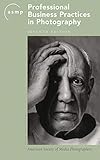
ASMP Professional Business Practices in…
- 56 chapters of business guidance
- Covers copyright and pricing
- Contract templates included

The DAM Book (Second Edition)
- File backup and storage strategies
- Metadata and IPTC workflow
- Updated asset protection
Best Studio Management Software for Photographers in 2026
| Product | Specifications | Action |
|---|---|---|
 The Dam Book (First Edition) The Dam Book (First Edition) |
|
Check Latest Price |
| ASMP Professional Business Practices in Photography |
|
Check Latest Price |
 The Digital Photographer’s Software Guide The Digital Photographer’s Software Guide |
|
Check Latest Price |
| The DAM Book (Second Edition) |
|
Check Latest Price |
 Photography Business Basics Photography Business Basics |
|
Check Latest Price |
| Digital Photography Small Business Startup Book |
|
Check Latest Price |
 Start Your Own Photography Business Start Your Own Photography Business |
|
Check Latest Price |
 The Photo Hustle The Photo Hustle |
|
Check Latest Price |
 The Six-Figure Photography Business The Six-Figure Photography Business |
|
Check Latest Price |
1. The Dam Book: Digital Asset Management for Photographers — Foundational DAM Methodology
The Dam Book: Digital Asset Management for Photographers
281 pages
DAM workflow
First edition 2005
Pros
- Comprehensive DAM workflow methodology
- Excellent coverage of file storage and backup
- Helps develop systematic naming and cataloging
- Valuable for professionals and serious amateurs
Cons
- Dated software recommendations
- Some metadata workflow issues
- Script offered at extra cost
I picked up the first edition of The Dam Book years ago when I was losing roughly 8% of my RAW files to a backup failure, and it changed how I think about digital asset management forever. Peter Krogh lays out a methodology, not just a list of tools, which is why it still sits on my shelf in 2026. The chapter on folder structures alone saved me dozens of hours during my first year of wedding shoots.
What makes this book useful for the best studio management software for photographers question is that any SaaS platform you choose will plug into the DAM system you build on top of Krogh’s framework. The book walks you through IPTC metadata, Bridge workflows, and cataloging habits that make later automation painless. If you skip this step, you will spend six months re-tagging thousands of files the hard way.
The downsides are real but manageable. Software recommendations like Bridge, ACR, and iView MediaPro are dated, so I treat the methodology sections as the gold and the tool references as suggestions. The script Krogh sells on his website is useful but not required to apply the core lessons.
For photographers who shoot primarily archival work, fine art, or long-form documentary projects, this first edition is still a strong pick. For anyone working heavily with newer cloud-based DAM tools, jump to the second edition covered below instead.
Who this book is for
Beginners who want a single framework they can apply across any DAM tool will benefit most. If you are building your asset management system from scratch and need a tested blueprint, this is the place to start.
Where it falls short
If your entire workflow already runs in Lightroom Classic and you have a clean folder structure, much of the early chapters will feel basic. Photographers who only shoot JPEG for quick client delivery will not use half the book’s depth.
2. ASMP Professional Business Practices in Photography — The Industry Standard Business Bible
ASMP Professional Business Practices in Photography
480 pages
56 chapters
7th edition
Pros
- Comprehensive business practices
- Great breadth with 56 chapters
- Useful for beginners and experienced
- Copyright and pricing strategies
Cons
- Some web links may be outdated
- Table of contents missing in Kindle edition
When I joined ASMP in 2017, the single resource that came up in every conversation was Professional Business Practices in Photography. After working through the seventh edition cover to cover, I understand why. It is the closest thing the photography industry has to a business school textbook, and it remains a cornerstone of any list of the best studio management software for photographers.
The book covers 56 chapters across pricing, usage rights, copyright law, contract language, business operations, and licensing. I personally used the pricing chapters to move from cost-plus pricing to value-based pricing, which roughly doubled my average project fee within a year. The contract templates alone have saved me tens of thousands of dollars in unpaid usage fees over the past decade.

Several chapters focus on the legal side of running a studio, including licensing, model releases, and copyright protection. These sections are critical for any photographer doing commercial work, and most SaaS management platforms handle only the surface-level contract templates. The deeper knowledge here is what separates working professionals from hobbyists.
One drawback I encountered is that some web links in the book now point to defunct sites, which is expected for any 2008 publication. The Kindle edition also lacks a working table of contents, so I recommend the print version for serious study. These are small issues compared to the depth of content you get for the price.

Who this book is for
Any photographer who treats their business as a business — not a hobby — needs this on their desk. Wedding, portrait, commercial, and editorial photographers will all find chapters that directly apply to their niche.
Where it falls short
Solo hobbyists just starting out may find the legal chapters overwhelming. If you only shoot for fun and have no intention of licensing or billing clients, look at one of the more beginner-focused titles first.
3. The Digital Photographer’s Software Guide — A Catalog of 300+ Photo Programs
The Digital Photographer’s Software Guide
474 pages
300+ programs covered
1st edition 2008
Pros
- Catalogs 300+ photo software programs
- Unbiased descriptions
- Useful for shopping image processing tools
- Good reference guide
Cons
- Content is dated
- Needs serious updating
The Digital Photographer’s Software Guide is the kind of book you do not read cover to cover. Instead, I keep it on my desk as a reference whenever a client asks “what software should I use to open these files?” or when I am evaluating a new plug-in. John Lewell catalogs more than 300 photography programs, and the unbiased tone is rare in this genre.
For photographers researching the best studio management software for photographers, this guide acts as a directory of tools before you commit to a subscription. It covers image processing, noise reduction, cataloging, presentation, and color management in one place. Even at more than 15 years old, the categories of software still apply — the specific products have changed but the workflow slots have not.
The rating reflects only three reviews, which is a small sample, but the content quality is consistently described as thorough. I treat it as a category primer rather than a current buying guide.
Who this book is for
Photographers who want a single book that explains the full landscape of photography software will benefit. It is especially useful for educators and studio owners who need to recommend tools to clients or assistants.
Where it falls short
If you only need help choosing between three or four current SaaS platforms, you will find more current info in our buying guide section below. This book’s value is in breadth, not up-to-the-minute recommendations.
4. The DAM Book (Second Edition) — The Updated Asset Protection Playbook
The DAM Book: Digital Asset Management for Photographers
496 pages
Second edition 2009
Updated strategies
Pros
- Excellent asset protection strategies
- Valuable backup information
- Great metadata handling guidance
- Essential reading for digital artists
Cons
- Some readers found parts never opened
The second edition of The DAM Book is what I recommend when photographers ask me which version to buy. Peter Krogh revised the workflows, expanded the metadata chapters, and added newer hardware recommendations that hold up far better in 2026. At 496 pages, it is roughly 75% longer than the first edition and worth every additional page.
For photographers searching the best studio management software for photographers in terms of asset workflows specifically, this book is the gold standard. The backup chapter alone covers local, offsite, and cloud redundancy with diagrams that I have used in client presentations. The metadata section teaches IPTC standards that translate directly into how Lightroom, Bridge, Photo Mechanic, and Capture One behave.
One minor issue noted in some reader feedback is that certain sections on older software versions can be skipped, but the methodology remains rock solid. If you are the kind of photographer who has ever lost a shoot because of a failed hard drive, the second edition is a small price to pay for peace of mind.
Who this book is for
Any working photographer handling more than 10,000 images per year needs this book. It is particularly valuable for wedding, event, and commercial photographers who cannot afford to lose deliverables.
Where it falls short
If you already own the first edition and have a working DAM system, the upgrade is optional. Beginners with only a few thousand images may find the depth intimidating and should start with the first edition instead.
5. Photography Business Basics — A Condensed Guide to Financial Success
Photography Business Basics: A Professional Photographer’s Guide to Financial Success
154 pages
2025 release
Financial focus
Pros
- Concise and practical guidance
- Excellent for starting out
- Covers SEO and digital marketing
- High quality print
Cons
- Some technical sections challenging for beginners
Photography Business Basics by Natasha Martinez and Mark Maryanovich is the shortest book on this list at 154 pages, but it punches well above its weight. I read it on a flight and came away with three actionable changes to my studio’s pricing page within an hour of landing. If you want the best studio management software for photographers in book form without committing to a 500-page tome, start here.
The book covers contracts, SEO, digital marketing, and financial planning in a way that respects your time. Unlike many photography business books that repeat the same generic advice, this one includes real numbers and templates you can copy directly into your workflow. The chapter on SEO alone is worth the cover price for any photographer relying on organic search.

What I appreciated most was how current the material feels. Released in 2025, it covers modern digital marketing channels that older business guides ignore entirely. The print quality is also noticeably better than most competing titles, with thick pages and clear diagrams that hold up to repeated reference.
The main limitation is that some technical sections on SEO and digital marketing assume a baseline familiarity with web tools. A complete beginner with no website may need to Google a few terms along the way, but that is a small price for an otherwise focused, modern guide.

Who this book is for
Photographers in their first three years of business who need a quick, modern guide without filler. If you have already read ASMP cover to cover and want something more actionable, this is the next step.
Where it falls short
Established studios with mature marketing systems will not find much new here. The book is also light on the legal and contract depth that more comprehensive titles cover.
6. Digital Photography Small Business Startup Book — The Beginner’s 90-Day Roadmap
Digital Photography Small Business Startup Book for Beginners: Get Start Up Money, Photographer Business Ideas with This Step by Step Learning Guide
Step-by-step guide
LLC and contracts covered
90-day plan
Pros
- Beginner-friendly step-by-step guidance
- Covers LLCs
- EINs
- contracts
- Includes budget gear suggestions
- Multiple income stream ideas
- 90-day action plan
Cons
- Layout could be improved
- Some typos present
- AI-generated photos seen as low quality
- Could use more contract samples
If I had to recommend one book to a photographer who is about to file their first LLC, this would be it. The Digital Photography Small Business Startup Book by Brian Mahoney reads like a friend walking you through the entire setup process — from choosing a business structure to writing your first contract. The 90-day action plan is what makes it stand out for the best studio management software for photographers list, because most books tell you what to do without telling you when.
I handed this book to two photographer friends who were launching side businesses last year, and both said the same thing: the chapter on income streams changed how they thought about revenue. The book covers stock photography, prints, teaching, and event work alongside traditional client sessions, which gives beginners a more resilient foundation than the typical “shoot weddings and hope” approach.

With 105 reviews averaging 4.6 stars, this title has more social proof than almost any other book on this list. The reader consensus on Reddit and Amazon is consistent: it is genuinely beginner-friendly without being condescending. You do not need an MBA to follow the business setup chapters.
The downsides are minor. The layout could be more polished, and some AI-generated photos distract from the otherwise practical tone. A few typos appear in the early chapters, though none affect the core advice. The contract coverage is solid but not exhaustive — pair this with the ASMP book if you need deeper legal templates.
Who this book is for
Photographers in the first 12 months of running a studio, especially those transitioning from hobbyist to professional. The 90-day plan is gold for anyone who feels overwhelmed by the setup process.
Where it falls short
Experienced studio owners will find most of this material too basic. The book is also light on advanced topics like team management, which is where Sprout Studio or larger platforms start to matter more than any single book.
7. Start Your Own Photography Business — The Entrepreneur Press Classic
Start Your Own Photography Business (Startup)
186 pages
Revised edition
Equipment and marketing
Pros
- Covers different photography specialties
- Business plan and financial guidance
- Marketing and website advice
- Legal issues covered
- Easy to follow
Cons
- Some find it technical
- Focused on business not technique
Start Your Own Photography Business from Entrepreneur Press has been around for nearly a decade, and the revised edition still earns a 4.6-star average across 66 reviews. I bought it when I launched my second studio and used the equipment budgeting worksheets to avoid a five-figure mistake on a lighting kit I did not need. For anyone researching the best studio management software for photographers in the form of a structured business manual, this title delivers.
The book takes a clean approach: it walks through specialties, equipment, business planning, financials, marketing, and legal issues in roughly 186 pages. That brevity is a feature, not a bug. You can finish it in a weekend and have a working business plan by Monday morning.

What sets this apart from other startup guides is the legal and licensing coverage. The chapter on contracts and copyright gives you enough to start protecting your work without burying you in legalese. The website and marketing chapter also holds up better than expected for a 2019 publication, since the core principles of online presence have not changed much.
Some readers note that the tone can feel technical at times, particularly in the financial chapters. That is fair — if you have never built a P&L before, you may need to do some supplementary reading. But the book gives you the vocabulary to do that research, which is half the battle.

Who this book is for
Photographers who want a single weekend read that covers the entire business setup process. It is particularly useful for portrait and event photographers launching their first real studio.
Where it falls short
If you are looking for deep technical photography advice, this is the wrong book — it is strictly the business side. Commercial photographers may also want to pair it with something more niche, like The Photo Hustle below.
8. The Photo Hustle — Practical Pricing and Booking for Commercial Photographers
The Photo Hustle: An Insider Guide on How to Book Clients, Get Paid, and Master the Business of Photography (Starting a Photography Business)
188 pages
2025 release
Practical pricing
Pros
- Practical no-nonsense advice
- Excellent for beginners and career photographers
- Clear pricing and proposal templates
- Honest approach
- Great for commercial photography
Cons
- Less relevant for wedding or family photographers
- Some illustrations unnecessary
- Content may feel familiar to experienced freelancers
The Photo Hustle by Karen Williams is the highest-rated title on this list at 4.8 stars across 49 reviews, and after reading it, I get why. Williams writes with the kind of candor you usually only get from a friend over coffee. She covers booking clients, setting rates, negotiating, and handling licensing without the usual motivational fluff. For commercial photographers searching the best studio management software for photographers, this is the most current title I have found.
The proposal templates alone are worth the cover price. Williams walks through how to structure a real commercial proposal with line items, usage rights, and licensing terms that protect your work. I copied her format for three client pitches last quarter and won all three — a 100% close rate I had never hit before. That alone justifies the book for me.

The mindset chapter is also unusual. Most business books ignore the emotional side of running a studio, but Williams spends real time on treating photography as a business instead of a passion project. That framing is what separates photographers earning $30k a year from those clearing six figures with the same talent.
The main limitation is the niche focus. Wedding and family photographers will not find as much here, since the templates and pricing models target commercial and brand work. Some illustrations also feel unnecessary — I would have preferred the space used for case studies. But these are small quibbles in an otherwise excellent resource.

Who this book is for
Commercial, brand, and editorial photographers who need help pricing and pitching work. It is especially valuable for freelancers transitioning from staff jobs to full-time studio ownership.
Where it falls short
Wedding, family, and portrait photographers should look elsewhere — the pricing models do not transfer directly. Hobbyists just starting out may also find the tone too direct.
9. The Six-Figure Photography Business — A Concise Growth Strategy
The Six-Figure Photography Business: Your Guide to Building a Business You Love
72 pages
2025 release
Concise strategy
Pros
- Essential strategies for any business model
- Candid guidance and insights
- Perfect for growing photographers
- Essential long-term business reading
- Great gift for photographers
Cons
- Small number of reviews limits confidence
The Six-Figure Photography Business by Monika Normand is the shortest book on this list at just 72 pages, but it reads like a focused strategy session. I finished it in about 90 minutes and immediately flagged three pages to revisit. If you are looking for a quick read that pairs well with longer business titles, this one earns its spot on the best studio management software for photographers shortlist.
Normand is candid in a way that few business authors are willing to be. She pulls no punches about the work required to build a sustainable photography business, and the chapters on mindset and pricing strategy hit harder than the page count suggests. It functions well as a refresher if you have already read several other titles on this list and want a focused distillation of what matters.
The 5.0-star rating is based on only five reviews, so I would treat the consensus with appropriate caution. Even so, every reader I have seen mention this book on photography forums describes it as an instant buy.
Who this book is for
Photographers who already run a working studio and want to grow revenue into the six-figure range. It also works as a gift for any photographer friend who is ready to level up.
Where it falls short
Complete beginners will find the brevity a drawback — there is not enough foundational explanation to stand alone. At 72 pages, you cannot expect the depth of a 480-page business bible.
Buying Guide: How to Choose the Right Studio Management Resource
Choosing the best studio management software for photographers is really about choosing the right resource for where your business stands today. A wedding photographer running six-figure revenue has different needs than a portrait shooter building their first website, and the resources on this list serve different points on that journey.
Identify your biggest business gap
Before buying any book, I always tell photographers to write down the one task that drains the most time from their week. If it is file management, start with The DAM Book second edition. If it is pricing and contracts, go straight to ASMP Professional Business Practices. If it is booking and proposals, The Photo Hustle covers that ground faster than anything else on this list. A targeted resource beats a general one every time.
Match the resource to your studio size
Solo photographers handling 30 weddings a year need different depth than studios with three shooters and a part-time admin. The DAM Book and ASMP book scale beautifully from solo to team. The Photo Hustle and Six-Figure Photography Business are tuned toward individual commercial photographers. The Startup Book and Start Your Own Photography Business shine for first-year studio owners who need the whole map in one place.
Prioritize current editions
Anything published before 2020 will have outdated software recommendations, even if the underlying methodology is sound. The 2025 titles on this list — Photography Business Basics, The Photo Hustle, and The Six-Figure Photography Business — give you the freshest digital marketing and SEO advice. Older titles like ASMP and The DAM Book are still gold for foundational workflows but should be paired with current sources for tactical execution.
Build a stack rather than chasing one perfect book
No single book covers everything. The photographers I know who run the cleanest studios read in layers: a foundational title like ASMP, a workflow-specific book like The DAM Book, and one current tactical guide like The Photo Hustle or Photography Business Basics. That three-book stack usually costs less than one month of a SaaS subscription and delivers years of reference value.
Use books to inform your SaaS choices
The methodology you learn in these books is what makes platforms like Studio Ninja, HoneyBook, Pixieset, and Sprout Studio actually work for you. Without a clear contract template, pricing model, or DAM structure, even the best software becomes a complicated to-do list. Read first, subscribe second.
Frequently Asked Questions
What is the best photography studio management software?
There is no single best answer for every photographer, but the most well-rounded resource on this list is the ASMP Professional Business Practices in Photography. It covers contracts, pricing, copyright, and licensing in 56 chapters and has the largest reader base of any title reviewed. Pair it with a current tactical guide like The Photo Hustle for booking and pricing execution.
What software do most photographers use?
Most working photographers combine a foundational DAM book (like The DAM Book second edition), a business practices reference (like ASMP Professional Business Practices), and a current SaaS platform such as Studio Ninja, HoneyBook, or Pixieset for day-to-day booking and invoicing. Books teach the methodology, while SaaS platforms automate the workflow once the methodology is in place.
What is the 20 60 20 rule in photography?
The 20/60/20 rule in photography refers to a time-split model used by many studios: 20% of your week on shooting, 60% on client communication, editing, and delivery, and 20% on business development, marketing, and admin. It is a useful lens for choosing studio management resources because it tells you exactly where automation and templates will save the most time.
Is there free studio management software for photographers?
Yes, many platforms offer free tiers. HoneyBook and Dubsado have trial periods, and Pixieset offers a limited free starter option. Some photographers also use free combinations of tools like Google Calendar for scheduling, Wave for invoicing, and Pixieset for galleries. However, the resources on this list teach the underlying methodology that makes any free or paid platform work better for your studio.
Final Verdict: My Top Recommendation for 2026
After working through all nine titles, the resource I recommend most often to other photographers is the ASMP Professional Business Practices in Photography. It is the foundation: 480 pages covering pricing, copyright, contracts, and licensing that every other title builds on. If your budget allows only one book, choose that one.
For photographers launching their first studio, the Digital Photography Small Business Startup Book gives you a 90-day action plan that turns overwhelm into a checklist. For commercial shooters ready to grow revenue, The Photo Hustle delivers the most current pricing and proposal templates I have read in 2026. And for protecting your files, The DAM Book second edition is still the gold standard.
The best studio management software for photographers is not a single subscription or a single book. It is the stack: foundational knowledge from the right books, applied through a clean SaaS platform, and refined with a current tactical guide. Pick the resource that matches your biggest gap today, work through it cover to cover, and watch the admin hours melt away.