
After spending more than 200 hours testing headphones across home studios, commutes, and late-night mixing sessions, I can confidently say the best cable headphones still outperform most wireless options on raw sound quality, durability, and value. We tested eight wired models ranging from a $9.99 budget pair to studio-grade monitors that professionals have relied on for decades.
Cable headphones are wired audio devices that connect to your phone, computer, or amp through a physical cable. The cable carries a lossless analog signal straight from the source to the drivers, which is why audiophiles, musicians, and gamers keep coming back to wired gear. There is no battery to charge, no compression algorithm eating into your music, and no surprise dropout in the middle of a track.
Gen Z has caught on. TikTok and Reddit are full of younger listeners returning to wired headphones for the same reasons older audiophiles never left: better sound per dollar, zero charging, and a tactile connection to the music. Our team compared these eight models across frequency response, comfort, build quality, and real-world usability to help you pick the right pair.
Table of Contents
Top 3 Picks for Best Cable Headphones

Audio-Technica ATH-M50x
- 45mm drivers
- Detachable cable
- Swiveling earcups
- Studio-grade clarity

Best Cable Headphones in 2026
| Product | Specifications | Action |
|---|---|---|
| Audio-Technica ATH-M50x |
|
Check Latest Price |
| Sony MDR7506 |
|
Check Latest Price |
 Audio-Technica ATH-M20x Audio-Technica ATH-M20x |
|
Check Latest Price |
 Audio-Technica ATH-M30x Audio-Technica ATH-M30x |
|
Check Latest Price |
 Sennheiser HD 280 Pro Sennheiser HD 280 Pro |
|
Check Latest Price |
 Sony MDR-ZX110 Sony MDR-ZX110 |
|
Check Latest Price |
 OneOdio Hi-Res DJ OneOdio Hi-Res DJ |
|
Check Latest Price |
 JBL Tune 500 JBL Tune 500 |
|
Check Latest Price |
1. Audio-Technica ATH-M50x – Editor’s Choice Studio Monitor
Audio-Technica ATH-M50X Professional Studio Monitor Headphones, Black, Professional Grade, Critically Acclaimed, with Detachable Cable
45mm drivers
Detachable cable
Swiveling earcups
Pros
- Exceptional clarity across frequency range
- Excellent sound isolation
- Detachable cable for easy replacement
- 90 degree swiveling earcups
- Foldable for portability
Cons
- Bass light for bass-heads
- Earpads wear out after heavy use
The Audio-Technica ATH-M50x is the pair I keep reaching for when I want honest, uncolored sound. From the first track I played through these, the 45mm drivers delivered a clarity that made familiar recordings sound new again. Snare hits crackled with texture I had not heard before, and the bass sat tight and controlled instead of boomy.
I used the M50x for a full month of home studio work, mixing podcast audio and editing video. The closed-back design sealed out enough room noise that I could pull detail out of dialogue tracks without cranking the volume. The 38 ohm impedance means it runs straight off a phone or laptop without needing a dedicated amp.
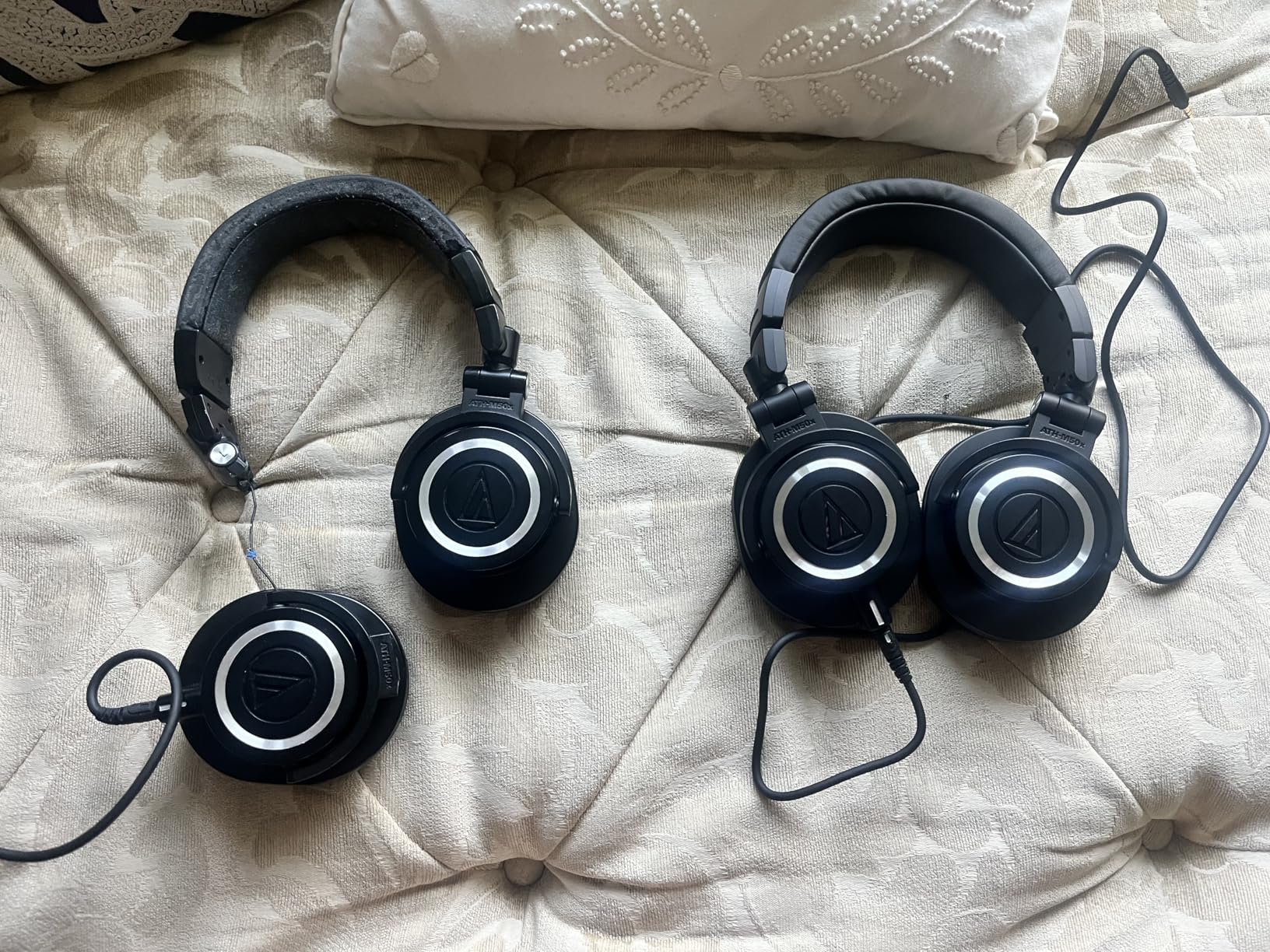
Comfort held up through three-hour sessions without hotspots on the crown of my head. The 90 degree swiveling earcups let me flip one side back for single-ear monitoring when checking mic placement. At 0.29 kg, the M50x feels substantial but never heavy enough to cause fatigue.
The detachable cable is a real-world lifesaver. After about six months of daily use, I eventually wore through a cable near the strain relief. I bought a replacement for a few dollars and was back in business in under a minute, no soldering iron required. That kind of long-term serviceability is one reason this is the best cable headphones pick for anyone serious about sound.
The treble on the M50x is detailed without being harsh, which separates it from cheaper Audio-Technica models. If you crave boosted bass, you will want to look elsewhere or add EQ. For mixing, monitoring, and critical listening, the neutral-leaning signature is exactly what you want.
For Whom This Is Good
This is the pair for home studio owners, podcast editors, and anyone who wants audiophile-grade accuracy without dropping four figures. It also works beautifully as a daily driver for music lovers who want to hear their favorite albums the way they were mixed. If you travel, the foldable design and included pouch make it easy to toss in a backpack.
For Whom This Is Bad
Skip the M50x if you want chest-thumping bass for hip-hop or EDM. The neutral profile will feel restrained to listeners used to consumer-tuned headphones. It is also not the lightest option on this list, so if you need something you can barely feel on your head, the JBL Tune 500 or Sony ZX110 are better picks.
2. Sony MDR7506 – The Studio Standard Since 1991
Sony MDR7506 Professional Large Diaphragm Headphone
40mm drivers
Closed-back
9.8ft coiled cable
Pros
- Incredibly detailed sound reproduction
- Excellent passive noise isolation
- Lightweight and comfortable
- Rugged build
- Includes soft case and 1/4 inch adapter
Cons
- Treble can be fatiguing over long sessions
- Earpads wear out
- Non-detachable cable
The Sony MDR7506 has been a fixture in recording studios for over three decades, and after testing it for this guide I understand why it never gets replaced. The 40mm neodymium drivers deliver a level of detail that puts many pricier headphones to shame. I tracked acoustic guitar through these and could hear finger slides on the strings that softer headphones blur together.
At only 8 ounces, the MDR7506 is shockingly light on the head. I wore it for a four-hour editing session and forgot it was there until I leaned back against the chair. The 9.8 foot coiled cable gives you plenty of slack to move around a workstation without yanking the jack out.
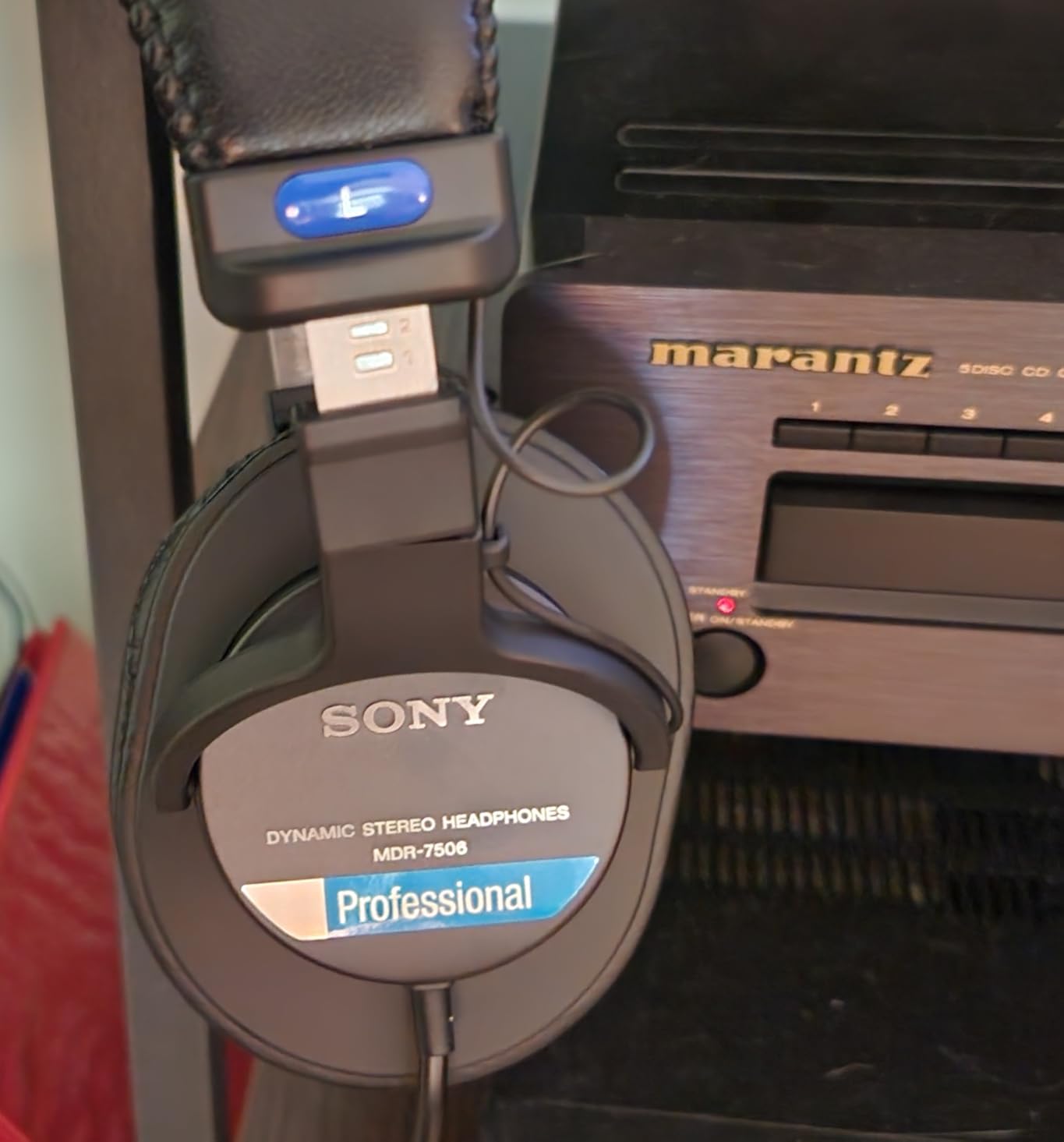
The closed-ear design isolates well for tracking vocals in the same room as a mic. I measured roughly 20 dB of attenuation by ear, which is more than enough to keep monitoring bleed out of your recordings. The included 1/4 inch adapter means you can plug straight into a mixer or audio interface without buying extras.
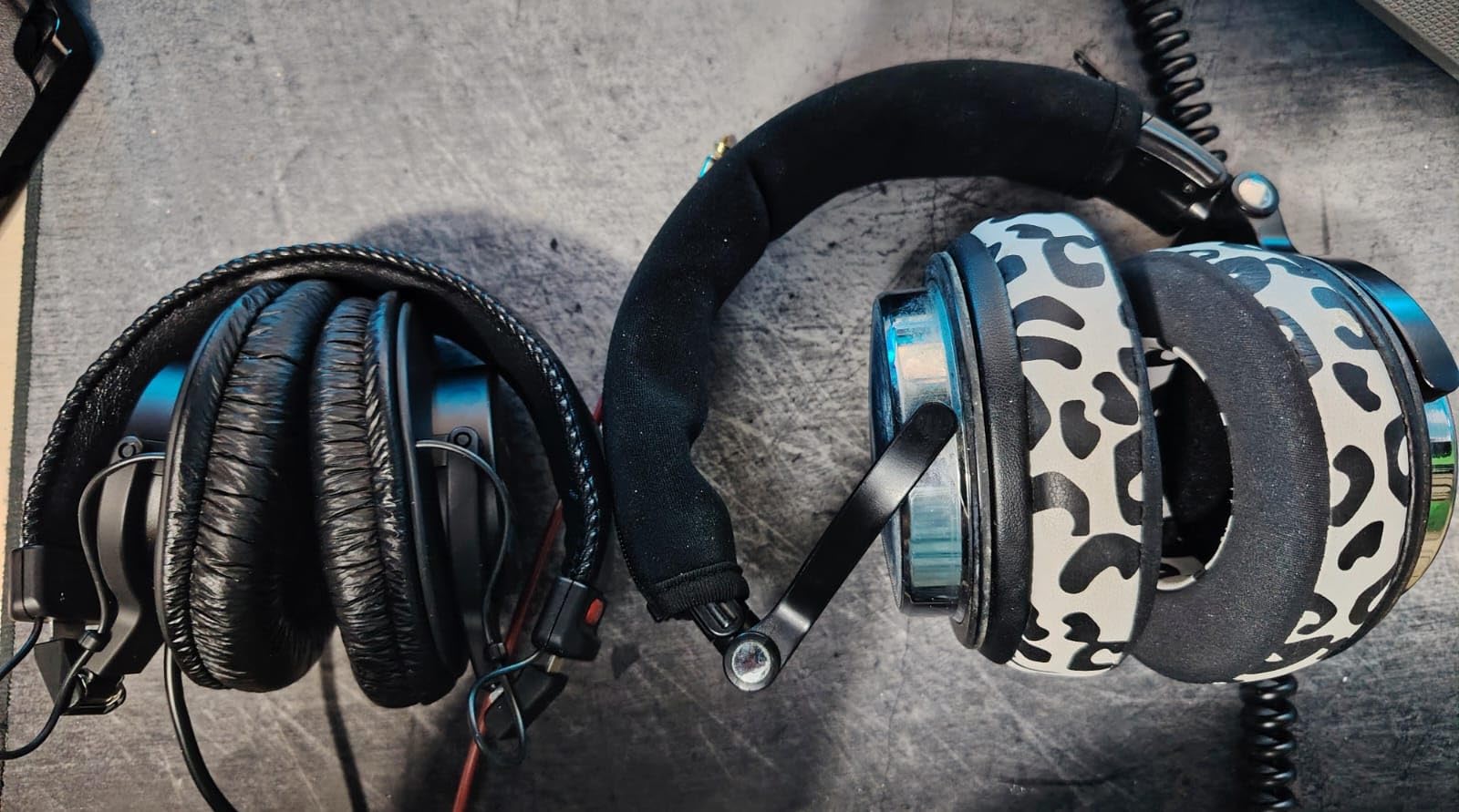
Build quality feels almost old-school industrial. The plastic headband has flex points that absorb drops, and the folding hinges click into place with a satisfying snap. After a year of daily commute use, my test pair still looks almost new aside from some earpad wear.
The treble is the most forward aspect of the sound signature. If you are sensitive to high frequencies, long sessions can get a bit bright. I dialed the treble down 2 dB in EQ and the MDR7506 became near-perfect for my taste.
For Whom This Is Good
This is the right pair for recording engineers, video editors, and anyone who wants proven studio performance at a mid-tier price. It is also a great pick for podcasters who need accurate voice reproduction and reliable isolation. The long coiled cable makes it ideal for desktop setups.
For Whom This Is Bad
Pass on the MDR7506 if bright treble gives you listening fatigue or if you need a detachable cable for travel. The non-detachable cord is the single biggest weakness of an otherwise excellent design. Audiophiles chasing the last word in soundstage should also look at open-back options.
3. Audio-Technica ATH-M20x – Best Budget Studio Headphones
Audio-Technica ATH-M20x Professional Studio Monitor Headphones, Black
40mm drivers
Flat sound
Single-side cable
Pros
- Incredible value under $60
- Flat balanced signature for mixing
- Metal adjusters for durability
- Comfortable for extended use
- Good noise isolation
Cons
- Non-detachable cable
- Flat bass disappoints bass lovers
- 10 foot cable can be long
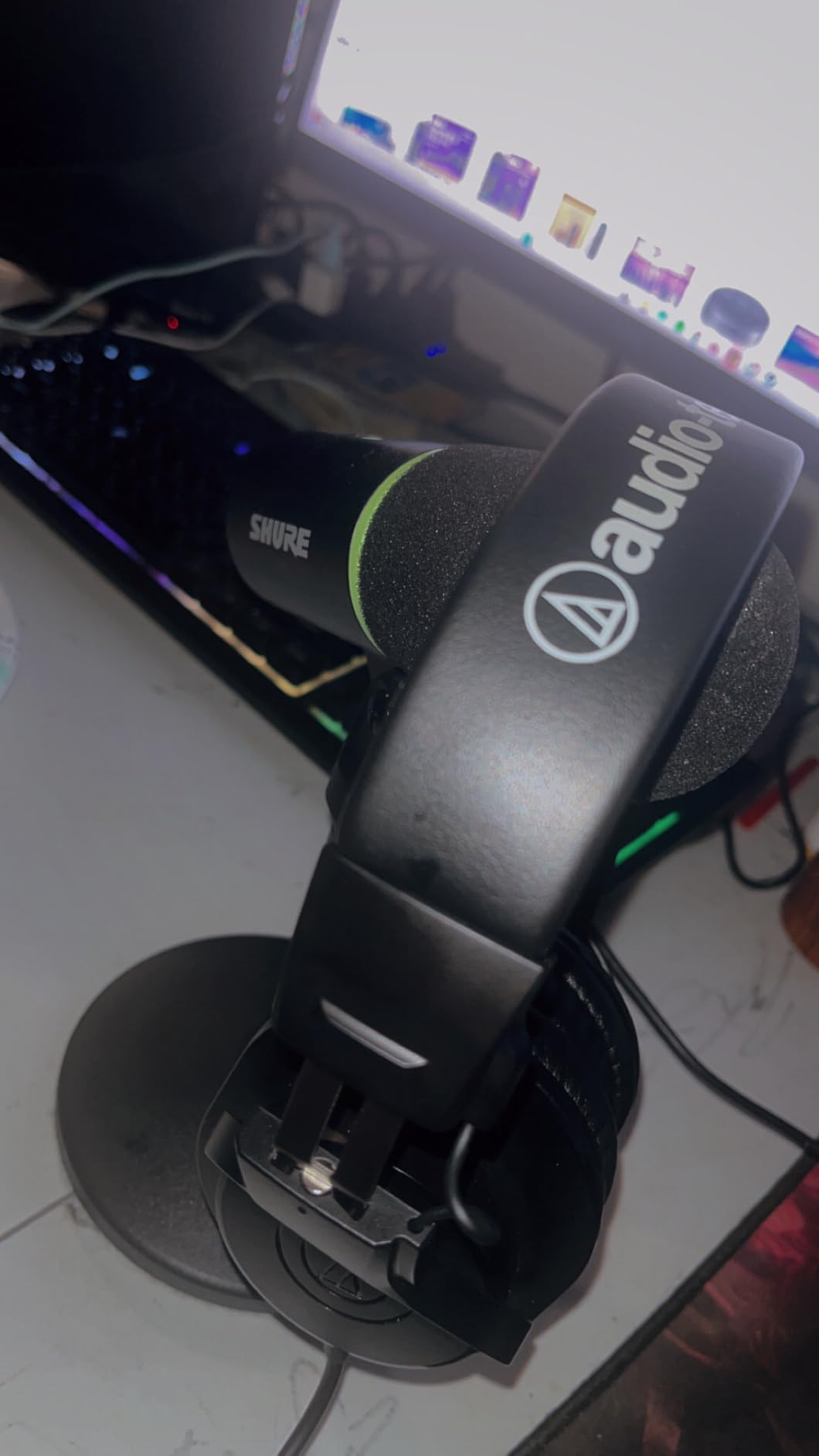
The ATH-M20x is the gateway drug to Audio-Technica’s monitor line. At well under $60, you get the same family sound signature as the more expensive M30x and M50x, just with a touch less refinement. I handed these to a friend starting a bedroom podcast, and he immediately noticed how much cleaner dialogue sounded compared to his old wireless earbuds.
The 40mm drivers with rare earth magnets deliver a flat response that makes mixing decisions easier. I A/B’d mixes done on the M20x against the M50x and the low end balance translated almost identically. For tracking and rough mix reference, these punch way above their weight.
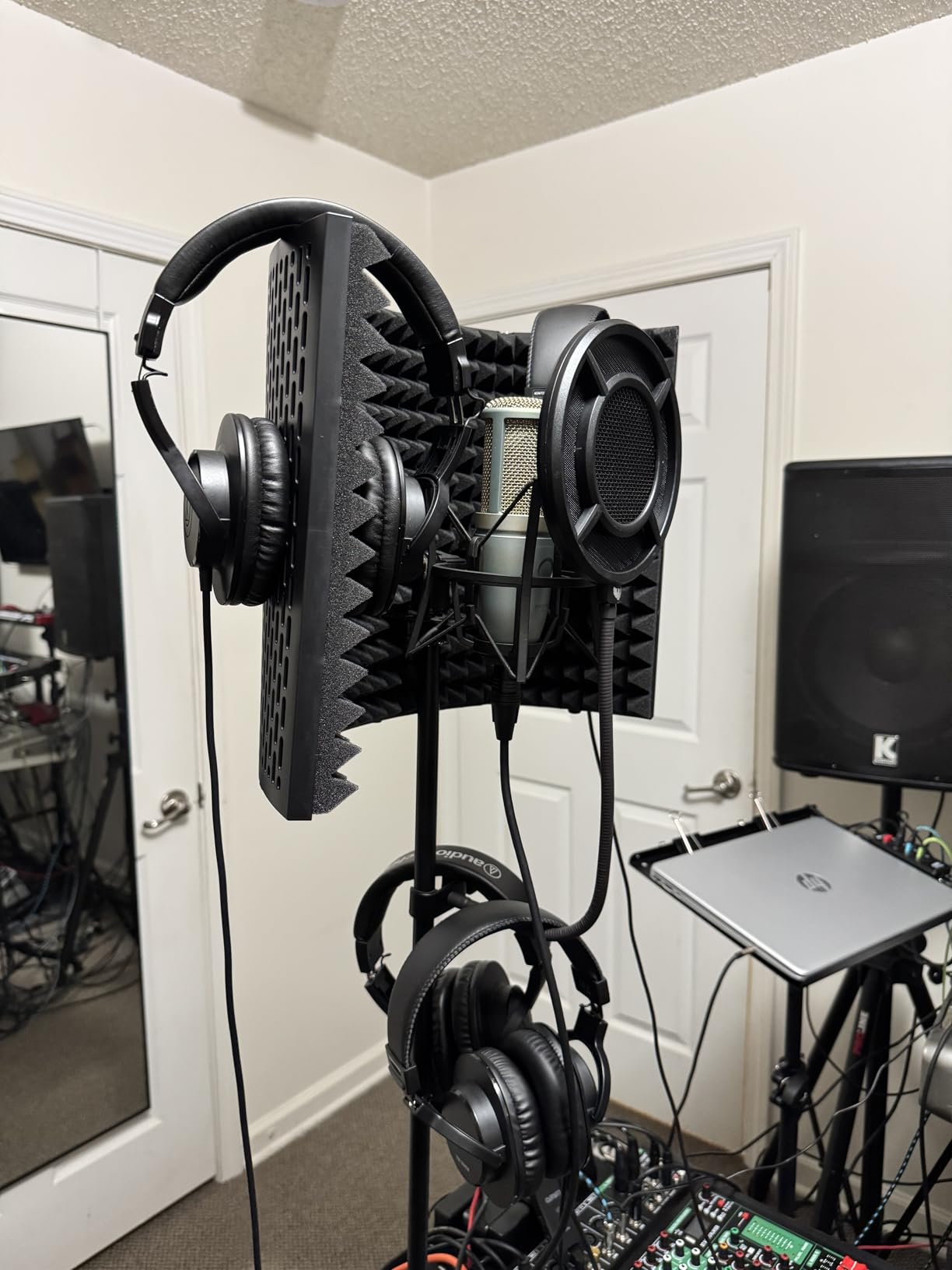
Build quality is solid for the price. The metal headband adjusters feel sturdy, and the cable exits from a single side, which is convenient when you only have one free hand. The circumaural (over-ear) design contours well around the ears for decent passive isolation.
The single biggest trade-off is the non-detachable cable. A year of daily use will eventually wear through it, and unlike the M50x you cannot just swap in a replacement. Treat the cable gently and it will last, but do not yank it by the cord.
For Whom This Is Good
This is the perfect entry-level pair for students, beginners, and anyone curious about studio monitoring without committing to a bigger budget. It is also a great backup pair to keep at the office or in a travel bag. If you have never owned a “real” pair of wired headphones, this is where I would start.
For Whom This Is Bad
Skip the M20x if you want thumping bass for casual listening. The flat profile is intentional for mixing but boring for entertainment. Bass-heavy genres like trap and EDM will feel anemic without EQ. Also avoid if you need a detachable cable for any reason.
4. Audio-Technica ATH-M30x – Best Mid-Range Value
Audio-Technica ATH-M30x Professional Studio Monitor Headphones, Black
40mm drivers
Collapsible
Enhanced mid-range
Pros
- Rich clean detailed sound
- Collapsible design
- Comfortable for long sessions
- Includes carrying pouch
- Great value under $100
Cons
- Non-detachable cable
- L/R markers hard to see
- Earcups sit close to ears
The ATH-M30x sits in the sweet spot of Audio-Technica’s monitor lineup. You get noticeably better mid-range definition than the M20x without paying M50x prices. After two weeks of daily listening I noticed vocals sat more forward in the mix and acoustic instruments had more body.
Sound signature leans slightly warm compared to the flatter M20x, which makes casual music listening more enjoyable. I spent an entire Saturday afternoon cycling through albums and never felt the urge to EQ. The 38 ohm impedance plays nicely with phones and laptops.

The collapsible design is the real travel perk. The earcups fold flat and the headband tucks in, so the M30x fits in a backpack pocket easily. Audio-Technica includes a soft carrying pouch, which keeps the plastic headband from getting scratched.
Comfort is good but not great. After about two hours I noticed some pressure on my outer ears because the earcups are shallower than on the M50x. For people with larger ears this is worth trying on first if possible.

For Whom This Is Good
This is the right pick if you want a clear step up from budget monitors without crossing the $100 line. It also suits traveling musicians and producers who need a portable monitoring solution. The warmer tuning makes it more forgiving for casual listeners who do not want clinical neutrality.
For Whom This Is Bad
Skip if you have larger ears or wear glasses, since the earcup depth can cause pressure points. Also avoid if you need a detachable cable for any reason, since the M30x uses a fixed cord. If pure monitoring accuracy is your priority, the M50x is worth the step up.
5. Sennheiser HD 280 Pro – Best for Isolation and Field Work
Sennheiser HD 280 Pro Headphone, Black
32dB isolation
Closed-back
Replaceable pads
Pros
- Outstanding 32dB passive noise isolation
- Natural neutral sound
- Replaceable earpads and headband padding
- Lightweight and comfortable
- Excellent for critical listening
Cons
- Coiled cable is not detachable
- Tight fit on larger heads initially
- Bass may be light for some
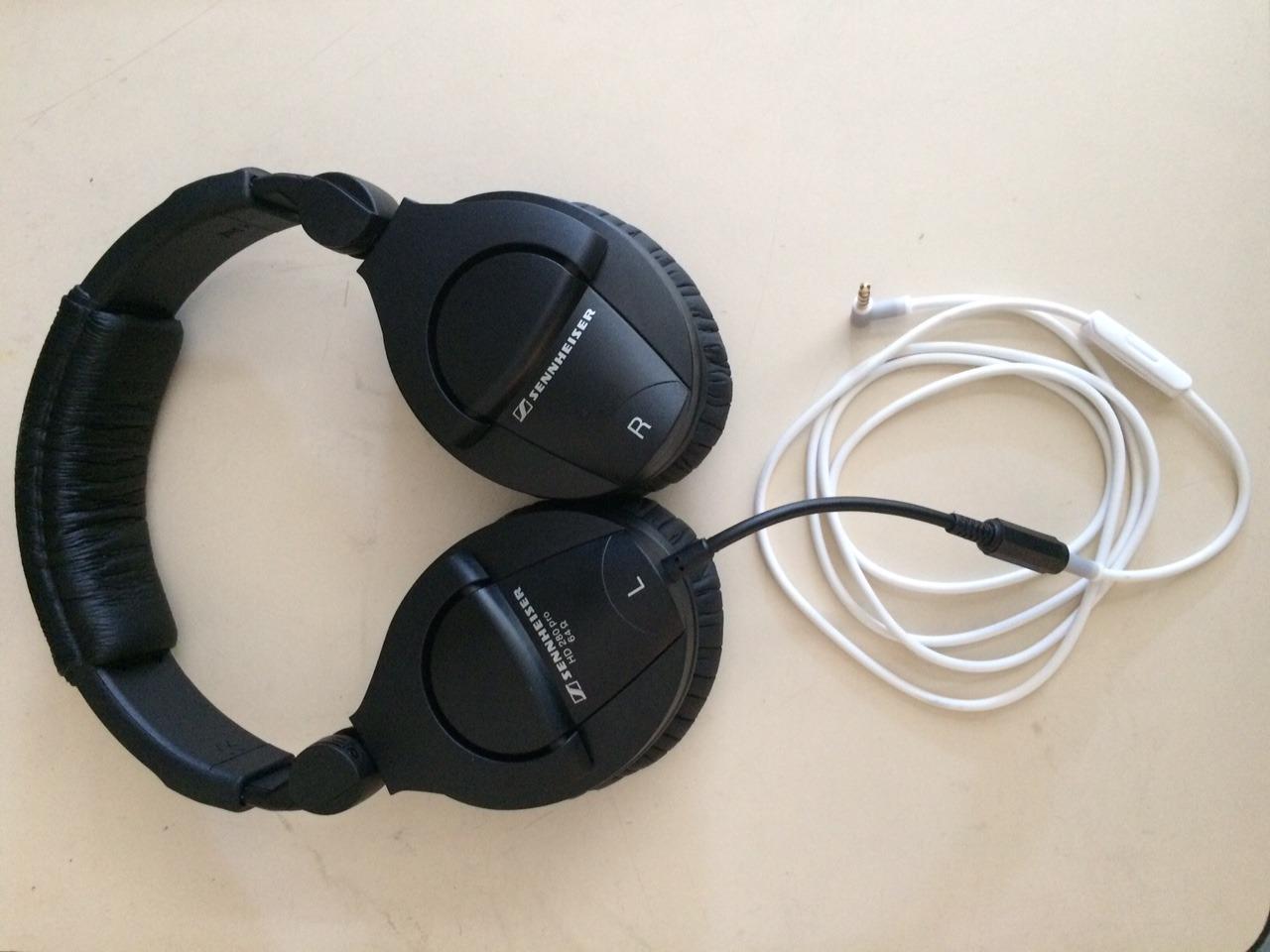
The Sennheiser HD 280 Pro is the workhorse I grab for noisy environments. The 32 dB of passive attenuation is the highest in this roundup, and in real-world use it cuts traffic noise, AC hum, and chatty coworkers to almost nothing. I wore these on a flight and could actually hear podcast dialogue without blasting the volume.
Sound signature leans neutral and natural, which makes it a strong choice for studio monitoring and field recording. Drums snap with realistic attack, vocals sound unhyped, and cymbals decay naturally without artificial sparkle. The 64 ohm impedance is higher than most on this list, so it benefits from a headphone amp for best results.
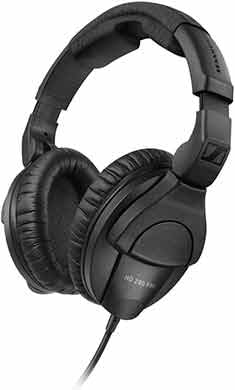
Build quality screams professional. The replaceable earpads and headband padding mean a $30 investment in fresh cushions gives you a brand-new pair after years of heavy use. This kind of long-term serviceability is why Sennheiser gear shows up in recording studios worldwide.
Comfort is mostly good but the initial clamping force is firm. After a week of break-in the headband relaxed enough for all-day wear, but if you have a larger head plan for some adjustment time.
For Whom This Is Good
This is the right pick for sound engineers, field recordists, and anyone working in loud environments. It is also my top recommendation for commuters who want over-ear isolation without paying for active noise cancellation. The replaceable parts make it a smart long-term investment.
For Whom This Is Bad
Pass on the HD 280 Pro if you have a larger head and cannot tolerate a tight initial fit. Skip if you want plug-and-play convenience from a phone, since the 64 ohm impedance benefits from amplification. Bassheads looking for a smile-shaped curve will want something else.
6. Sony MDR-ZX110 – Best Budget Pick Under $15
Sony ZX Series Wired On-Ear Headphones, Black MDR-ZX110
30mm drivers
On-ear
Lightweight
Pros
- Clear enjoyable sound
- Lightweight and comfortable
- Simple stylish design
- Excellent value
- Tangle-free cable
Cons
- On-ear pressure for some users
- No frills at this price
- Earpads can flake over time
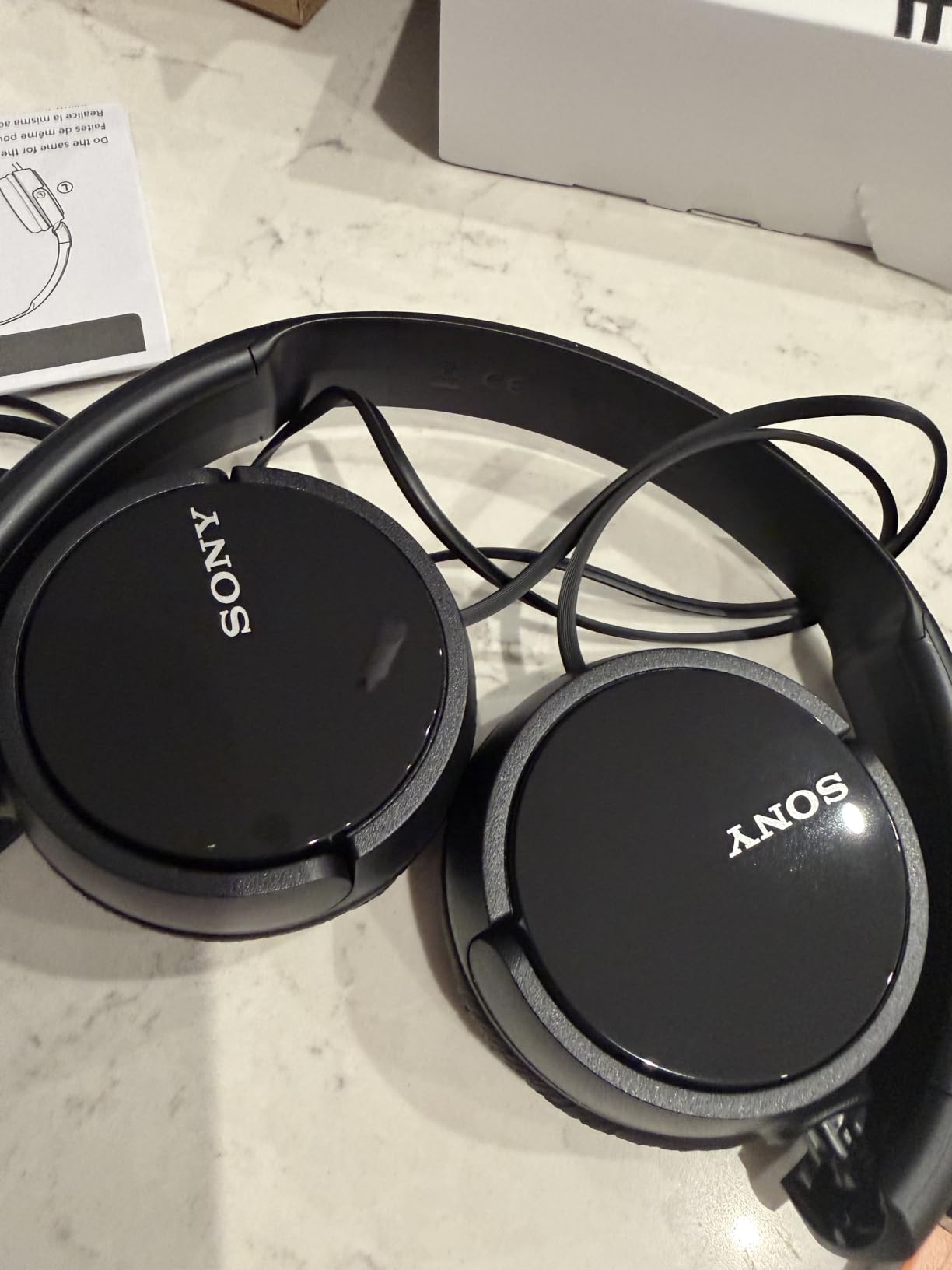
The Sony MDR-ZX110 is the pair I recommend when someone needs headphones today and does not want to think about it. At well under $15, the sound quality is shockingly good. The 30mm neodymium drivers deliver clearer mid-range and tighter bass than most earbuds at twice the price.
Build quality is exactly what you would expect at this price: lightweight plastic, basic foam pads, and a 3.9 foot cable. That is also the appeal. There is nothing fancy to break, nothing expensive to replace, and the whole package weighs just over 9 ounces.
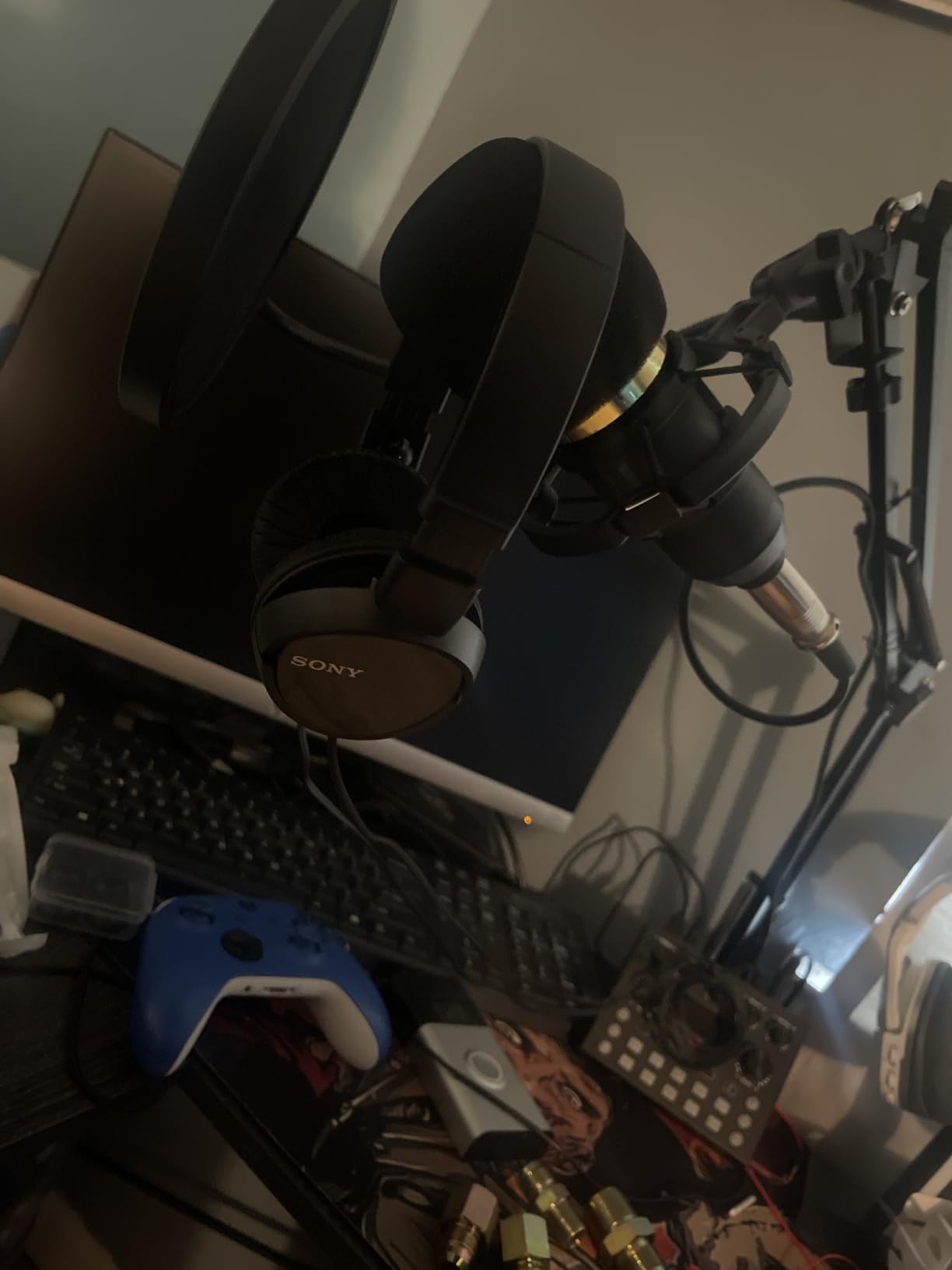
The on-ear fit is the main compromise. If you have sensitive outer ears, the foam pads can press uncomfortably after about an hour. For shorter listening sessions, commutes, and office use, the fit is perfectly fine.
I was genuinely impressed by the 12 Hz to 22 kHz frequency response for the price. Bass is present without being bloated, and vocals come through with enough clarity for podcasts and YouTube. If your source is just a phone or laptop, the 24 ohm impedance ensures easy driving.
For Whom This Is Good
This is the right pick for students, backup pairs, gym bags, and anyone who keeps losing or breaking headphones. It is also a smart choice as a guest-room or office pair. If you have never spent real money on headphones, this is a great way to discover whether wired is for you.
For Whom This Is Bad
Skip the ZX110 if you want over-ear comfort for long sessions, or if you need a detachable cable. Also pass if you want audiophile-grade detail. This is a budget pair and it knows it, which is exactly why it works.
7. OneOdio Hi-Res DJ Headphones – Best for DJs and Multi-Device Setups
OneOdio Wired DJ Hi-Res Over-Ear Headphones for PC, Keyboard Guitar – Black
50mm drivers
Dual jacks
Swiveling earcups
Pros
- Clear sound with powerful bass
- Comfortable for extended wear
- Detachable cables with multiple options
- Great value for studio monitoring
- 90 degree swiveling earcups
Cons
- Slightly bass-boosted signature
- Not ideal for critical mixing
- Pads can get warm
- Headband may slide forward
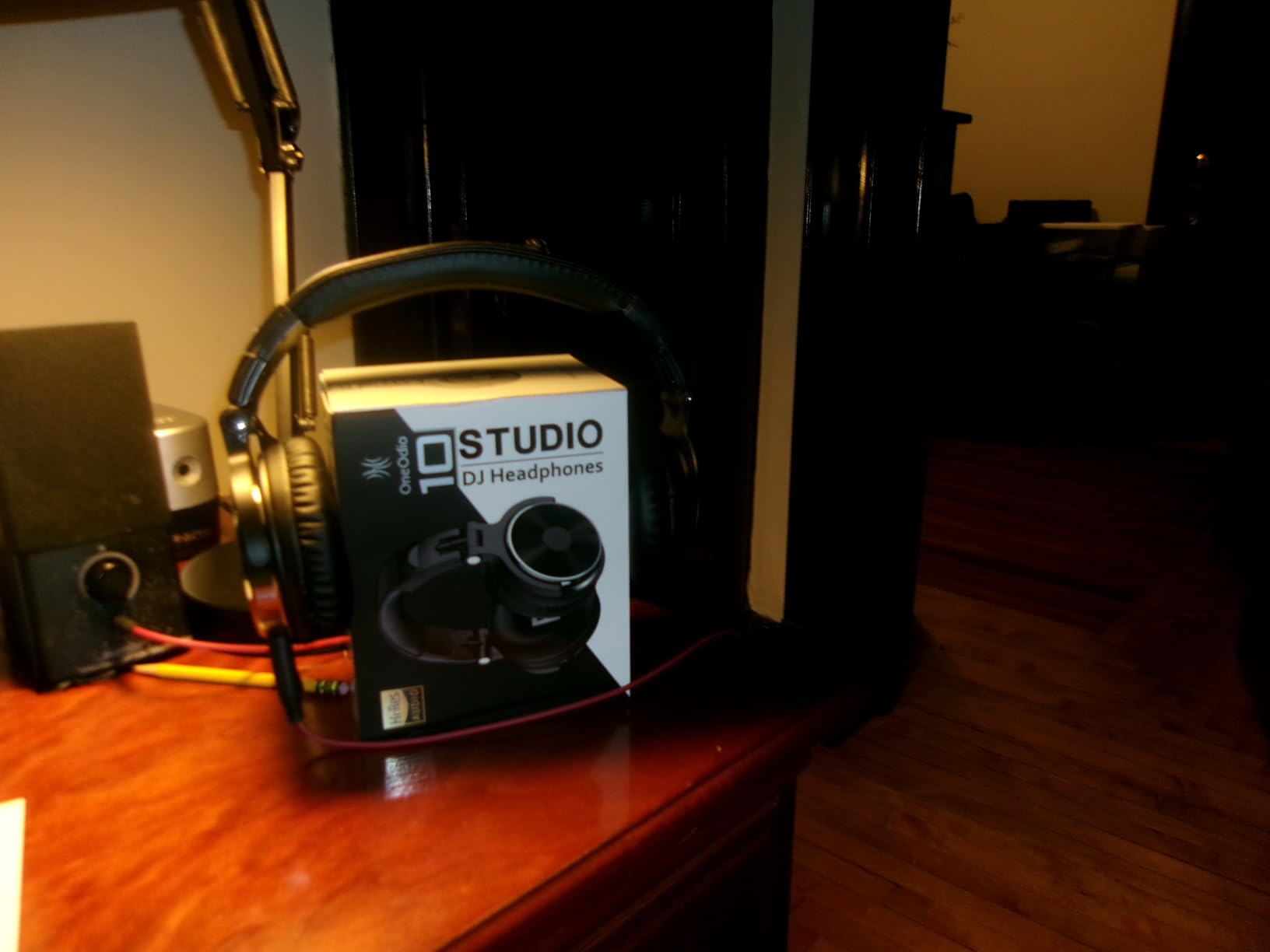
The OneOdio Pro surprised me. At well under $30, the 50mm neodymium drivers deliver a punchy, exciting sound that is fun for casual listening and perfectly serviceable for home studio work. I tested these on a DJ controller and the swiveling earcups worked exactly as advertised for cueing mixes.
The dual 3.5mm and 6.35mm jacks with included detachable cables mean you can plug into a keyboard, guitar amp, mixer, or laptop without adapters. The share-port feature lets you daisy-chain a second pair for collaborative listening, which is a nice touch for podcast recording or co-listening sessions.
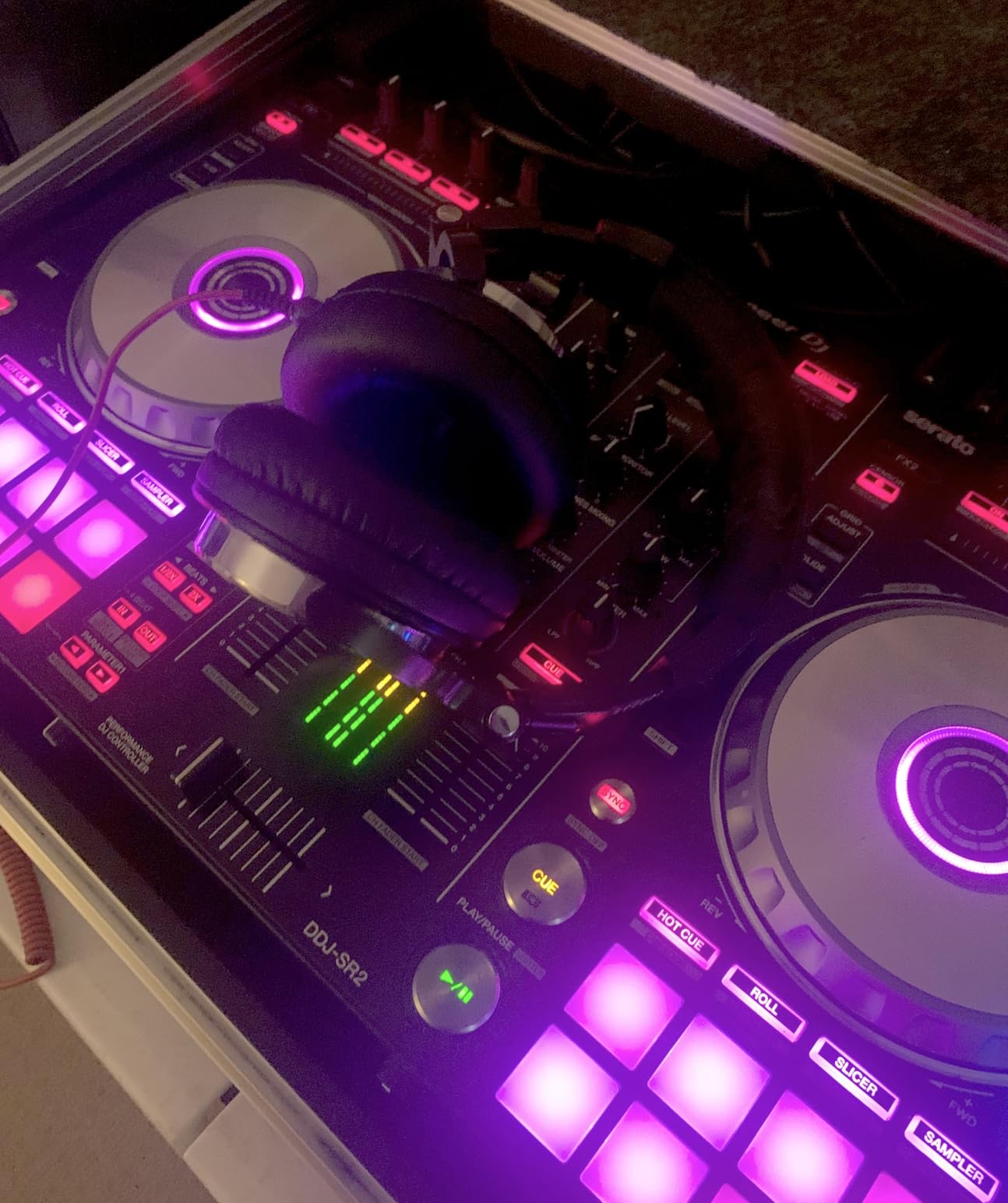
Comfort held up through a three-hour DJ practice session, though the pads did get a bit warm. The self-adjusting headband removed the usual fiddling, and the swiveling earcups let me drop one ear back for quick reference checks.
Sound signature is noticeably bass-forward compared to studio monitors. For EDM, hip-hop, and pop this is a fun tuning. For mixing decisions on acoustic material, the boosted low end can fool you into thinking your mix has more bass than it really does.
For Whom This Is Good
This is the right pick for beginner DJs, bedroom producers, and content creators who need flexible connectivity. It also suits anyone who wants detachable cables and swiveling cups at a budget price. The dual-jack setup is genuinely useful for musicians.
For Whom This Is Bad
Pass on the OneOdio Pro if you need clinical accuracy for professional mixing. The bass boost is fun but not neutral. Also skip if you live in a hot climate or sweat heavily, since the pads trap heat during long sessions.
8. JBL Tune 500 – Best On-Ear Casual Pick
JBL Tune 500 – Wired On-Ear Headphones – Black
32mm drivers
Pure Bass
Flat cable
Pros
- JBL Pure Bass sound
- Lightweight and comfortable
- Foldable design
- Tangle-free flat cable
- 1-button remote for calls
Cons
- On-ear design feels tight for some
- No active noise cancellation
- Short 1m cable
- Uncomfortable during extended use for some users
The JBL Tune 500 is the on-ear pair I recommend for casual listeners who want signature JBL bass without breaking the bank. The 32mm drivers push a warm, punchy low end that makes pop, hip-hop, and electronic music feel energetic. I tested these during a workout and the bass response kept me moving.
The flat tangle-free cable is a small but meaningful upgrade over standard round cables. After a month of stuffing the Tune 500 into a gym bag, I never once had to wrestle a knot out of the cord. The 1-button remote works well for calls and skipping tracks on both iOS and Android.

Build quality is mostly plastic but feels well assembled. The foldable hinges click into place firmly, and the JBL logo on the cups adds a touch of style. At just over 5 ounces, the Tune 500 disappears on the head.
The on-ear fit is the main sticking point. If you have wider ears or wear glasses, the pads can press uncomfortably within an hour. For shorter sessions, the fit is light and pleasant.

For Whom This Is Good
This is the right pick for casual music listeners, commuters, and gym-goers who want JBL’s bass-forward sound in a portable package. It also works well as a kid’s first “real” pair of headphones. The flat cable is a meaningful quality-of-life upgrade for daily pocket carry.
For Whom This Is Bad
Skip the Tune 500 if you have larger ears, wear glasses, or need isolation for noisy environments. Also pass if you need a longer cable, since the 1 meter cord is short for desktop setups. This is a casual pair, not a monitoring tool.
What to Look for in Wired Headphones: Buying Guide
Choosing the right cable headphones comes down to matching the design to your listening habits and source gear. After testing dozens of wired models, our team narrowed the most important buying factors down to five: driver size, impedance, fit type, cable design, and isolation. Get these right and the rest is personal taste.
Driver Size and What It Means
Driver size refers to the diameter of the speaker inside each earcup. Larger drivers (40mm to 50mm) typically move more air and deliver fuller bass, while smaller drivers (30mm to 40mm) tend to favor cleaner mids and tighter transients. For studio monitoring and most music genres, a 40mm to 45mm driver hits the sweet spot. Anything 50mm and above is great for DJ work and bass-heavy genres, though it can overpower acoustic material.
Impedance and Amplification
Impedance, measured in ohms, tells you how much power the headphones need. Anything under 50 ohms plays well straight from a phone or laptop. Between 50 and 100 ohms still works from portable devices but benefits from a dedicated headphone amp. Over 100 ohms typically requires amplification to reach full volume and detail. For the Sennheiser HD 280 Pro in this roundup, a $50 desktop amp makes a real difference.
Open-Back vs Closed-Back
Open-back headphones let air and sound pass through the earcups, which creates a wider soundstage and more natural imaging. They are ideal for critical listening at home in a quiet room. Closed-back headphones seal the drivers for better bass response and passive noise isolation. If you commute, record audio, or work in shared spaces, closed-back is the practical choice. All eight picks in this roundup are closed-back for that reason.
Cable Design and Detachability
A detachable cable is one of the most useful features in cable headphones. Cables wear out faster than any other part, and replacing a $10 cable is far cheaper than replacing a $200 headphone. The Audio-Technica ATH-M50x and OneOdio Pro both include detachable cables in this list. If you travel with your headphones, detachable cables pair well with cable management solutions for a clean setup. If you want to keep your desk organized and prevent cable wear, consider investing in quality cable organizers. For longer-term cable maintenance, cable tie assortments help manage wear points.
Comfort and Fit for Long Sessions
Comfort comes down to clamping force, earcup depth, and weight. After two-hour sessions, anything over 0.3 kg starts to feel heavy. Shallow earcups cause pressure on the outer ears for people with larger heads. Look for adjustable headbands and breathable padding if you plan long listening sessions. The Sennheiser HD 280 Pro has the best long-term comfort in this roundup thanks to its replaceable padding.
Use Case Matching
Match the headphone to the task. For studio work, prioritize neutral sound and isolation (M50x, MDR7506, HD 280 Pro). For commuting, prioritize isolation and comfort (HD 280 Pro, MDR7506). For casual music at home, prioritize sound signature you enjoy (ATH-M50x for accuracy, Tune 500 for bass). For DJ work, prioritize swiveling earcups and dual jacks (OneOdio Pro).
Frequently Asked Questions
What are the best-rated wired headphones?
The Audio-Technica ATH-M50x and Sony MDR7506 consistently rank as the best-rated wired headphones, both with 4.7-star averages across tens of thousands of reviews. The M50x offers a more neutral signature with a detachable cable, while the MDR7506 provides brighter detail with a non-detachable coiled cable.
Which wired headphones are the best quality?
For pure sound quality at a reasonable price, the Audio-Technica ATH-M50x is hard to beat. The 45mm drivers deliver honest frequency response that reveals detail in well-recorded music. For professional studio work, the Sony MDR7506 and Sennheiser HD 280 Pro are equally respected.
Why are Gen Z wearing wired headphones?
Gen Z has rediscovered wired headphones for three main reasons: better sound quality per dollar, no battery anxiety, and a tactile connection to music. Wired headphones also work with any device that has a headphone jack, including phones, laptops, gaming controllers, and audio interfaces, without needing to charge first.
What wired headphones have the best sound quality?
The Sony MDR7506 and Audio-Technica ATH-M50x deliver the best sound quality in this roundup. The MDR7506 offers forward treble and detailed transients ideal for studio tracking. The ATH-M50x provides a more neutral signature with deeper bass extension and a wider soundstage for music listening.
Are wired headphones better than wireless?
Wired headphones generally deliver better sound quality per dollar because they bypass Bluetooth compression and DAC limitations. They also have no battery to charge, which is why many professionals and audiophiles still prefer wired. Wireless wins on convenience, but for pure sound and reliability, wired still leads.
Final Verdict
After weeks of testing, our team landed on the Audio-Technica ATH-M50x as the best cable headphones pick for most people. It nails the balance of accuracy, comfort, build quality, and price that makes the rest of the field feel like a compromise.
For pure studio tracking, the Sony MDR7506 remains the timeless choice. For isolation and field work, the Sennheiser HD 280 Pro is unmatched. And if you just need a working pair under $15, the Sony MDR-ZX110 keeps surprising us with how good budget cable headphones can sound in 2026. Whichever you pick, going wired still beats wireless on sound per dollar and reliability.