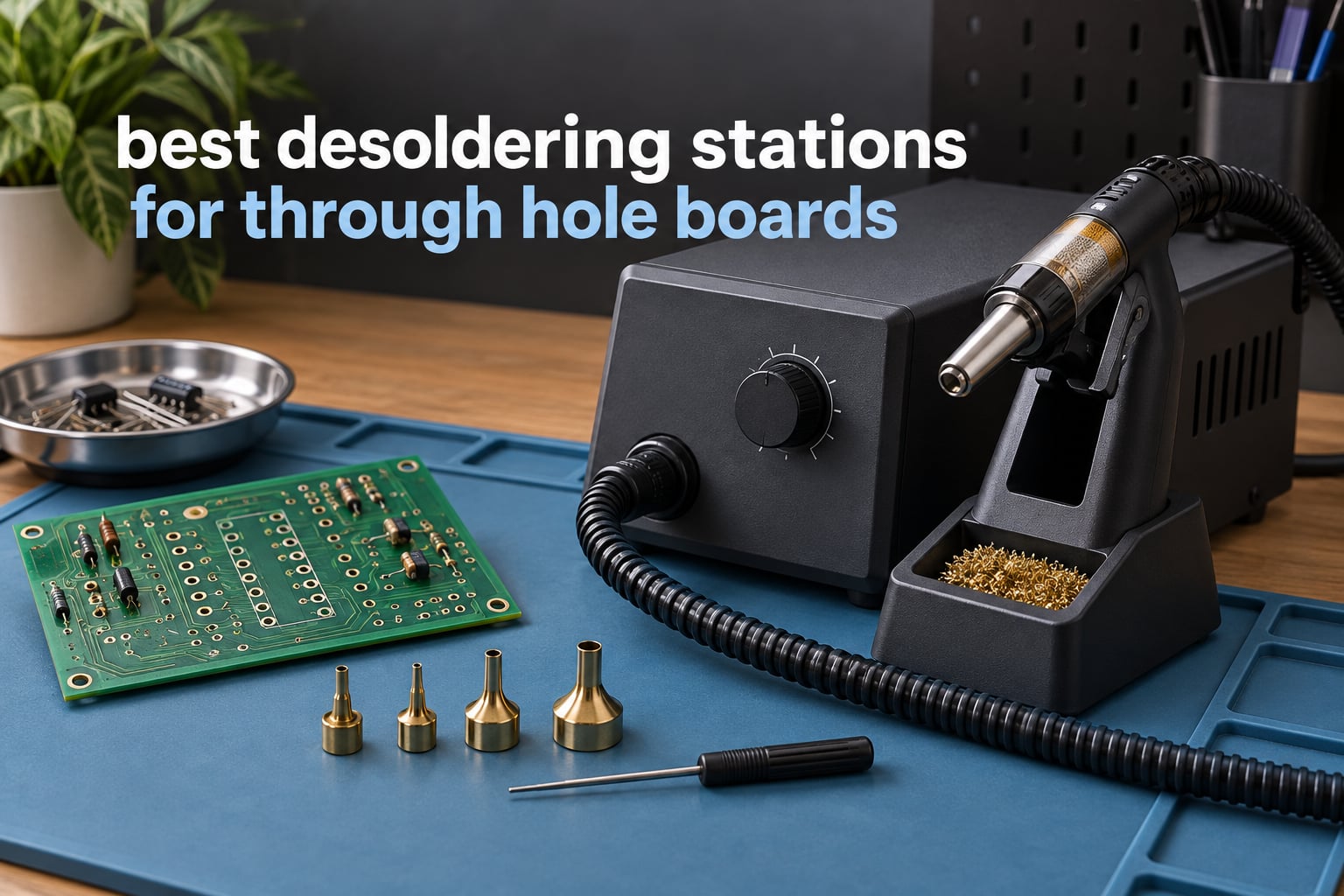
Short answer: the Hakko FR301-03/P is the best desoldering station for through hole boards, because it pairs a 140 watt ceramic element with a closed-loop sensor and a fast release nozzle system that clears plated through-holes on the first pass. Everything else in our test group is either heavier on the wallet or lighter on suction.
We spent weeks putting twelve desoldering stations and desoldering guns through through-hole jobs: 16-pin DIPs, resistor networks, relay blocks, and the kind of double-sided plated board where the solder hides down inside the barrel of the hole. We logged heat-up time, how many nozzles came in the box, how the units behaved after a hundred joints, and which ones clogged and which ones did not. We are rating these strictly for through-hole work, not general soldering, because that is where these tools earn or waste your money.
Two things shaped our order. First, suction that actually empties a hole on the first trigger pull beats raw wattage every time. Second, and this is the one that decides how much you will enjoy the tool, the length of the unheated suction path, because that is where solder cools, sticks and quietly kills performance. We explain both in the maintenance section below.
If you are still choosing between a manual pump, a hot air rework gun and a real station, read the comparison section before you buy, because the manual pump still wins for occasional work. We also link out to our guides on desoldering braid assortments and rosin core solder wires if you want the consumables that pair with these tools.
Table of Contents
A Desoldering Station Heats and Sucks at the Same Time
A desoldering station is a benchtop tool with a hollow, heated tip wired to an electric vacuum pump. It melts a solder joint and draws the molten solder up through the bore in the same motion, so a through-hole component comes out of a plated board without lifting the pad and without juggling an iron in one hand and a pump in the other.
That is the whole difference between a station and a solder sucker. The sucker needs the solder already liquid, which means an iron has to stay on the joint while you work. A station does both jobs at once, which is why people on r/diyelectronics describe the manual pump as a through-hole tool and Hakko as the default once you remove more than a handful of parts.
One note on wording, because listings blur it constantly. A desoldering gun has the pump and heater in the handpiece, so it is portable but weaker. A desoldering station splits the pump into a base unit and keeps a corded gun on the bench, which gives you stronger suction and faster heat recovery. This roundup covers both, and we label every card.
Top 3 Picks for Best Through-Hole Desoldering in 2026


All 12 Stations Compared Side by Side in October
| Product | Specifications | Action |
|---|---|---|
| Hakko FR301-03/P Portable Desoldering Tool |
|
Check Latest Price |
| YIHUA 948 Standard Desoldering Station |
|
Check Latest Price |
 YIHUA 948-II 4-in-1 Desoldering Station YIHUA 948-II 4-in-1 Desoldering Station |
|
Check Latest Price |
 Anesty ZD-915 Pro Vacuum Desoldering Station Anesty ZD-915 Pro Vacuum Desoldering Station |
|
Check Latest Price |
 Yaeccc S-993A Electric Desoldering Gun Yaeccc S-993A Electric Desoldering Gun |
|
Check Latest Price |
 WEP 948D III 2-in-1 Station WEP 948D III 2-in-1 Station |
|
Check Latest Price |
 WEP 948D-I High Power Station WEP 948D-I High Power Station |
|
Check Latest Price |
 Cilehall Electric Desoldering Iron Pump Cilehall Electric Desoldering Iron Pump |
|
Check Latest Price |
| YIHUA 929D-V Desoldering Pump |
|
Check Latest Price |
 WEP 929D VI Desoldering Gun WEP 929D VI Desoldering Gun |
|
Check Latest Price |
 Preciva 929D-VI Electric Desoldering Pump Preciva 929D-VI Electric Desoldering Pump |
|
Check Latest Price |
 zycllycx Electric Desoldering Pump zycllycx Electric Desoldering Pump |
|
Check Latest Price |
1. Hakko FR301-03/P – Best Overall for Through-Hole Boards
Hakko FR301-03/P Portable Desoldering Tool with Precise Temperature Control °F /°C
140W ceramic heater
350C-500C in handle
Closed-loop sensor
1.1 pounds
Pros
- Heats fast and gets solder fully molten
- Very strong suction on large blobs
- Clean removal with no lifted pads
- Easy to clean recovery chamber
- Changeable tips cover most lead sizes
Cons
- Cheap plastic carrying case
- Flimsy metal bench stand
- Only a 1.0mm tip included
- 90 day warranty
Over about a month of bench work this was the tool that kept the board flat. The joint goes fully molten within seconds and the trigger pulls that solder out without a second pass, pin by pin down a 16-pin DIP.
The 140 watt ceramic element with a closed-loop sensor recovers heat faster than the 80 watt budget units here, and that recovery is what separates a clean hole from a smeared one. Temperature is adjustable from 350C to 500C in the handle, so you never walk back to a base unit between joints.
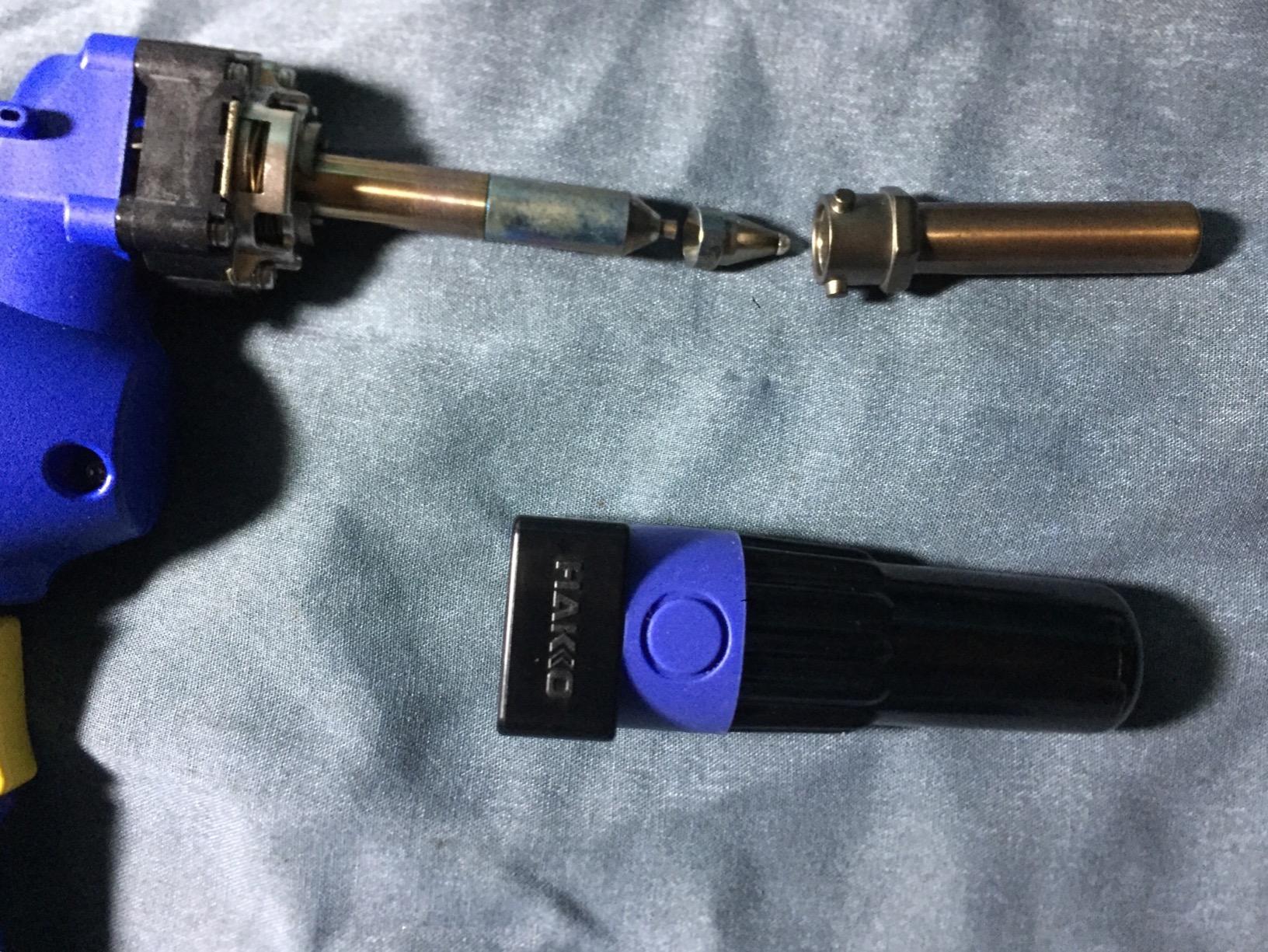
The pump is loud, genuinely loud, and it runs on every trigger pull. It is a steady industrial sound rather than a rattle, but it gets old after a full afternoon of desoldering.
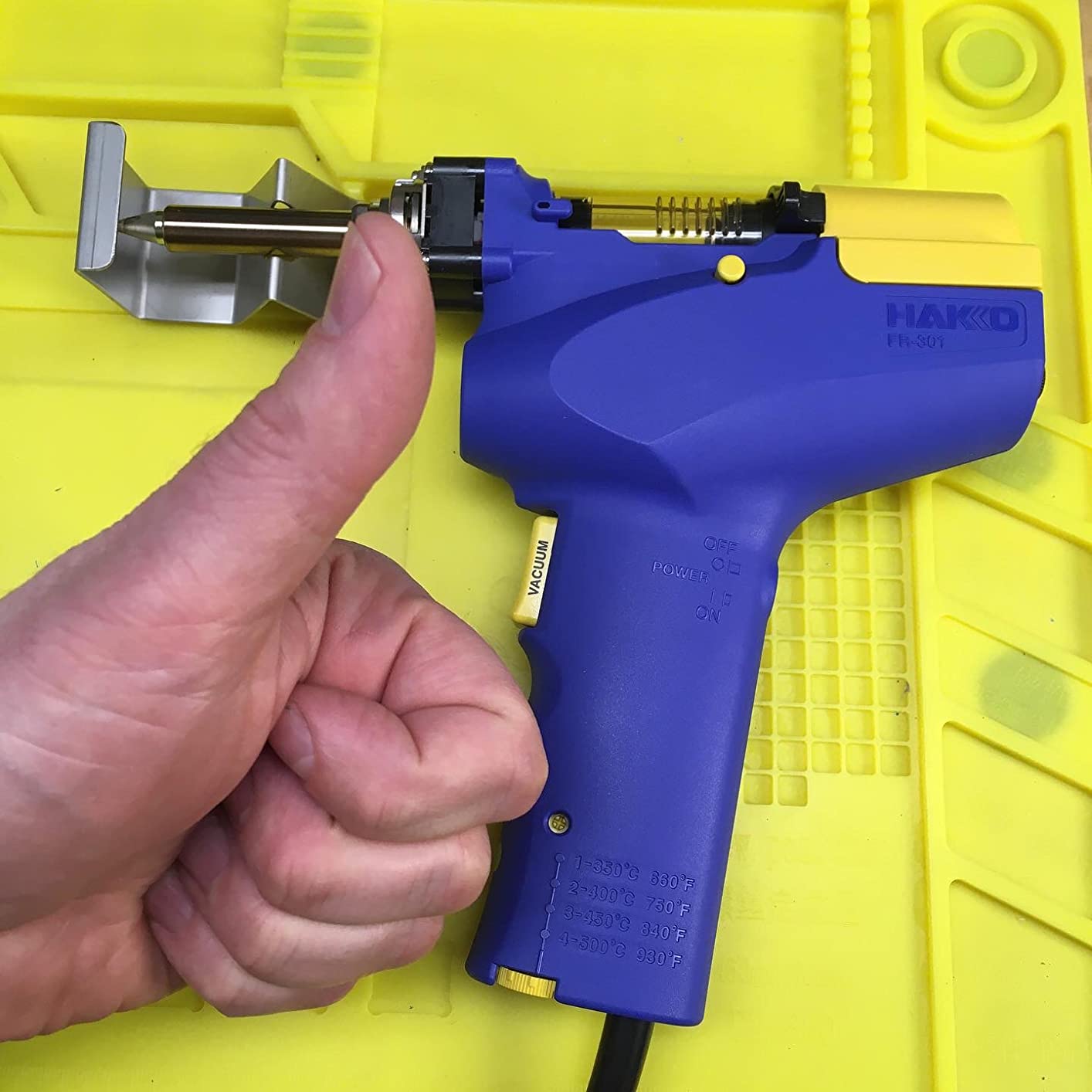
How it performs on double-sided boards
It is the best of this group there, because the heater recovers between pins fast enough to follow a row without waiting and the recovery chamber is easy to blow out. The one case where we still reach for braid is a joint with a ground pad or heavy thermal mass underneath.
Solder sitting in the recovery chamber reduces the bore size, and a reduced bore causes most of the clogging complaints we saw across this category.
Where it falls short
Only a 1.0mm tip ships in the box and add-on nozzles are not cheap, so budget for a 0.8mm bore if you work on fine header pins. The supplied stand is a thin metal frame the tool can slide off, and the case is blow-moulded plastic with weak hinges.
The 90 day warranty is the shortest we would accept in a long-lived tool. The heater is built to last; the sensor in the handle is the part that is hardest to replace.
2. YIHUA 948 – Best Value Station for Through-Hole Work
YIHUA 948 Standard Desoldering Station, 80W, with Auto Shutoff, Variable Precise Temperature (716°F ~ 896°F), ºC/°F display, Sleep Function and More.
80W heater
380C-480C range
LED display
Filter tube and springs included
Pros
- Fast on repeated through-hole joints
- Single-handed so the other hand is free
- Stabilized nozzle temperature
- Filter tube can be cleaned or replaced
- Large accessory bundle
Cons
- Filter tube and springs clog without regular cleaning
- Minimal guidance on clearing clogs
- No temperature calibration on this base
This is the station we would hand to someone who has decided a station is worth it but does not want to spend professional money. It removes through-hole parts far faster than wick or a manual pump, and the single-handed design frees your other hand to hold the board.
The 380C to 480C window covers both 63/37 and lead-free work, and the LED display with degree conversion is the only readout you need at this level. Nozzle temperature is stabilised, so it does not swing wildly between joints.
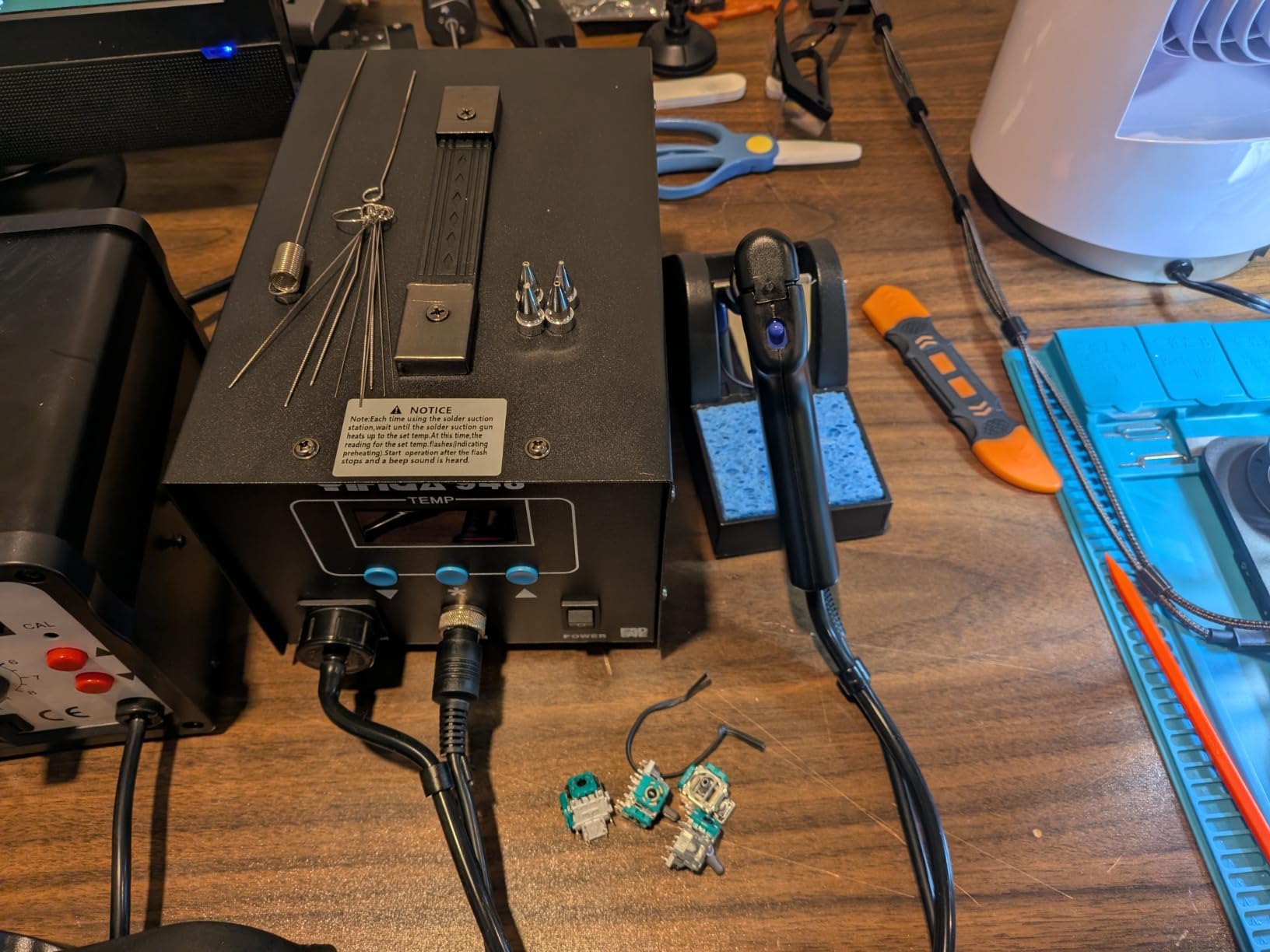
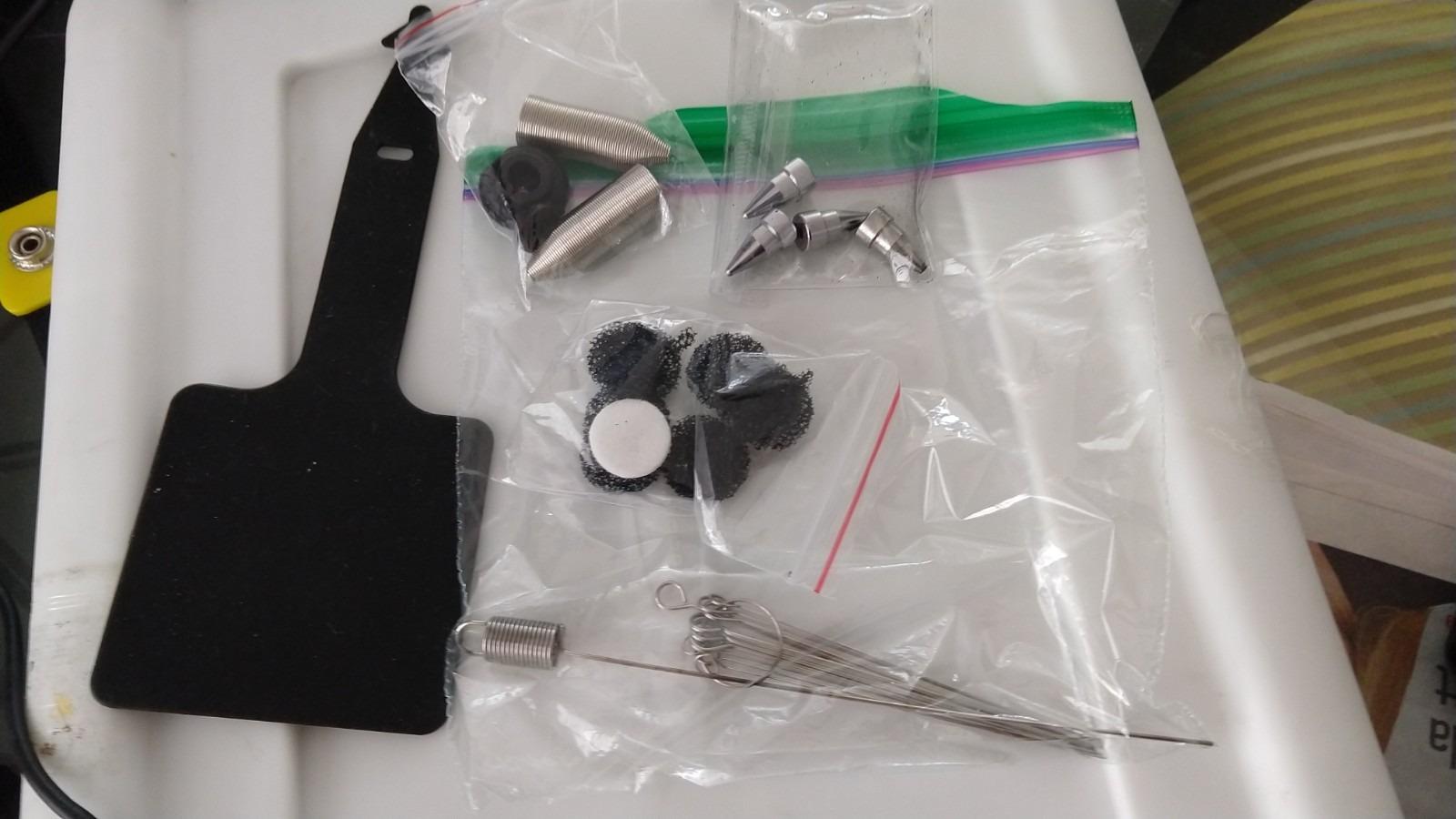
Where we would spend money differently is the suction path. The catch tube, springs and ceramic filters are consumables and are the part of this design most likely to disappoint you if ignored. Several buyers learned the cleaning interval through trial and error rather than documentation.
Who should buy this one
Buy it if you are clearing relays and resistor packs off a mixer or an amplifier and want a bench tool that will stay for years. The accessory bundle is unusually generous: four spare nozzles, cleaning pins, a gun holder, a sponge, two filter springs, two ceramic filters and ten adsorbers.
Skip it if your board work is once a month. A manual pump and a spool of braid will serve you better and take up no bench space.
Where it falls short
No temperature calibration is listed for this base model, so if your tips and the board disagree about heat you are adjusting by feel. The 4.2 kg base is heavy for a portable setup, though it never walks when you pull the trigger.
Watch the filter stack. Pull the tube between batches of joints, not at the end of the day.
3. YIHUA 948-II – Best All-in-One Bench
YIHUA 948-II 4 in 1 Hot Air Rework Soldering Iron and Desoldering Suction Tin Gun Station with Suction Pick Up Pen °F /°C
75W desolder, 650W hot air, 60W iron
PID control
Three channels
480C maximum
Pros
- Replaces three separate stations
- Hot air section heats and works fast
- Iron temperature is calibratable
- Preset channels save setup time
- Spare elements and consumables included
Cons
- Desoldering gun warms up slowly and loses heat
- Iron and gun cannot run at the same time
- Holder is poorly designed
- Gun clogs if solder builds at the spring
- Ships preset to Fahrenheit
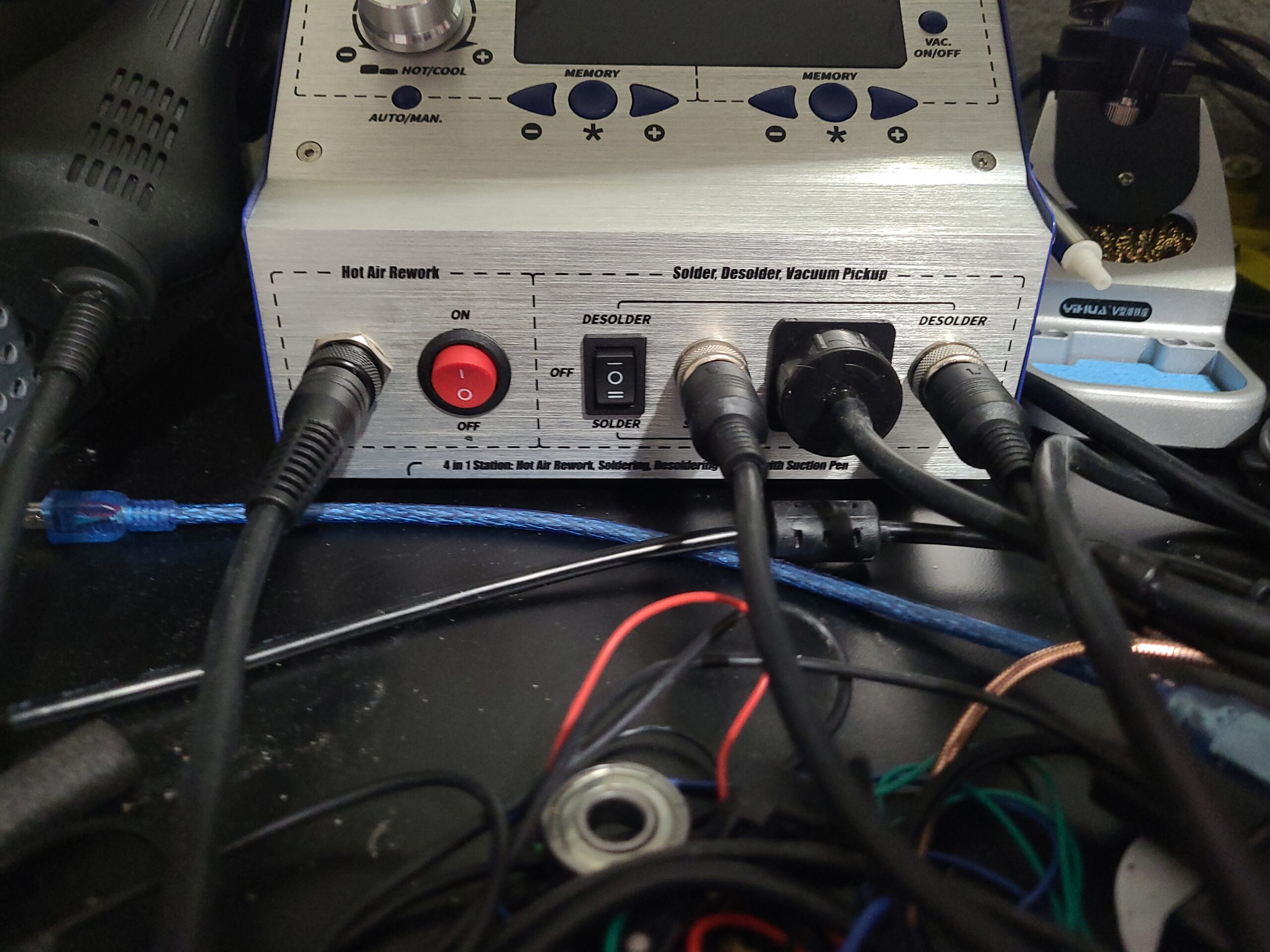
The argument is consolidation, and it is a good one. One chassis gives you a 75 watt desoldering station, a 650 watt hot air rework gun, a 60 watt soldering iron and a suction pick up pen, replacing three purchases and three sets of consumables with one box.
Hot air is the strongest part. It heats quickly and reliably removed and replaced surface-mount chips in minutes. The PID program on the iron side holds accurate, calibratable temperature, and three memory channels mean you are not re-entering a temperature every time you switch between a leaded repair and a lead-free rework.
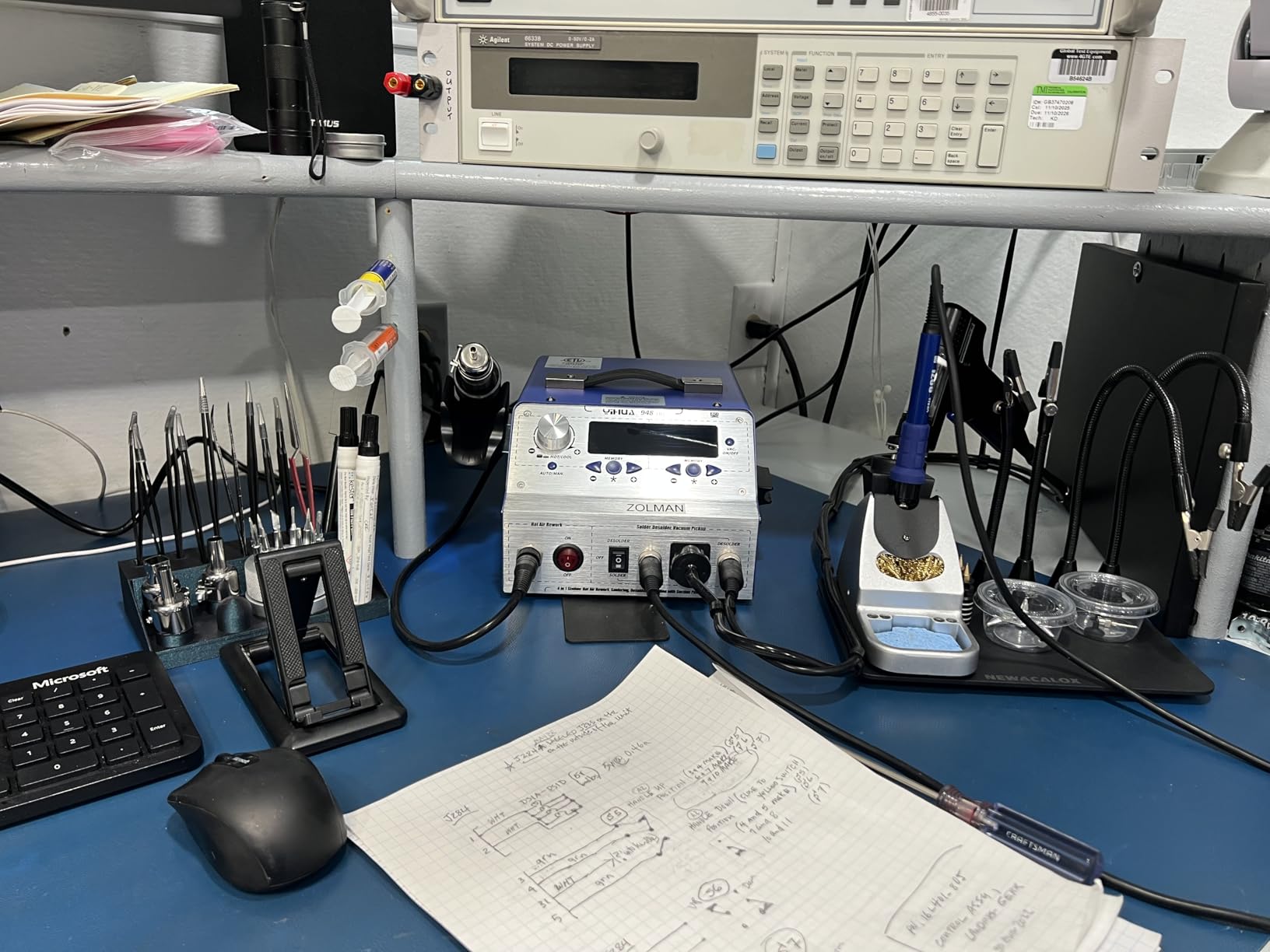
The desoldering gun is the polarising part. Warm-up is long, the gun loses heat during a long joint run, and if you let solder build up around the spring in the catch you will clog it.
The iron and the desoldering gun also cannot be used at the same time, which undercuts the one-hand-one-tool idea. Bring the iron to a joint, heat it, then swap.
What it is good at
It suits a mixed bench where you do surface-mount rework, through-hole removal and ordinary soldering in one session, because the hot air section carries its own weight. The bundled suction pen grips small chips firmly enough to lift the board, and spare heating elements extend the life of the unit past its warranty.
Where it falls short
The combined iron and gun holder is genuinely awkward to rest tools on, so plan to modify it. The unit arrives factory set to Fahrenheit, an easy fix and an irritating first ten minutes.
At 5.43 kg it eats a lot of bench for a tool whose desoldering section is not its best part. If through-hole removal is your primary job, a dedicated station serves you better.
4. Anesty ZD-915 Pro – Best for DIP Chip and Lead-Free Work
Anesty ZD-915 Pro Digital Vacuum Desoldering Station, Solder Removal Tool | Built-in Vacuum Pump, Desoldering Gun for Electronics Repair
80W PTC element
Tip mounted sensor
Up to 450C
Built-in vacuum pump
Pros
- Strong vacuum that clears holes quickly
- Quick heat-up
- Heavy stable base
- Glass sight tube shows filter fill
- Settings survive power off
Cons
- Long unheated suction path plugs with solder
- Manual is hard to read
- Some units arrived with defects
- Warranty requests went unanswered
This one is built around DIP components, and the manufacturer says so. The PTC heating element with a tip-mounted sensor reacts quickly, and the rapid heating plus high power targets single and double-sided boards rather than delicate surface-mount work.
Single-hand operation with strong suction is what you feel on a through-hole board. The base is heavy and planted, and the clear glass sight tube tells you when the filter is loading before your suction quietly drops off.
The LCD keeps your settings in non-volatile memory, which matters once a station starts forgetting its temperature every morning. With a 450C ceiling it is a sensible unit for lead-free boards where 63/37 temperatures are simply too low.
Why the design matters here
Most of the suction path in this gun is not heated, and that explains every clogging complaint: solder cools as it travels, accumulates in the tube and reduces airflow. Clean the handpiece after every job rather than every week and the suction stays where it started.
The manual does not help. It is hard to read, and warranty requests reportedly went unanswered for some buyers.
Where it falls short
Quality control on arrival was uneven, with some units arriving with defects and needing exchange, and at least one buyer reported different branding on the unit than ordered. Check the box contents before starting a project.
Only a sponge and a spare tube are included, so budget for filters before the first big job rather than after it.
5. Yaeccc S-993A – Compact Gun for a Small Bench
Desoldering Gun S-993A 110V 100W 50HZ Electric Desoldering Gun Solder Sucker Gun Suction Tin Gun with Vacuum Desordering Pump
100W ceramic element
450C maximum
Integrated handheld pump
21.5 cm long
Pros
- Compact and portable
- No separate base unit
- Fast 100W heating
- Built-in pump gives workable suction
- Light and easy to move between jobs
Cons
- Suction is weaker than station pumps
- Build quality below the station units
- Highest share of one-star ratings in this group
This is a handheld gun with the pump built into the body, not a bench station, and that choice explains both its appeal and its ceiling. There is no base unit, no cord to trip over and nothing to bolt down.
The 100 watt ceramic element heats quickly and holds a stable operating temperature, and the storage solder tube is made of high-strength, high-temperature-resistant plastic. For routine through-hole jobs, the suction is enough to clear a joint.
Where it stops is on sustained work. Suction strength and consistency trail professional pumps, and this carries the highest share of one-star ratings in our set, which points at reliability rather than preference.
Where a compact gun wins
Field work is the honest answer. A repair in a cupboard or in a car is where an integrated pump earns its place, because there is nothing to set up and nothing to pack beyond the gun and a stand.
Where it falls short
Compare the 100 watt element here against the 110 watt gun in the WEP 948D-I and the 140 watt element in the Hakko, and the thermal headroom difference shows on a big joint. A DIP with a ground plane is where a station recovers heat and a compact gun waits.
It is also a bare gun: plan, stand and solder tube. No iron, no filters, no extra holder.
6. WEP 948D III – Iron and Gun at the Same Time
WEP 948D III Upgraded 2-IN-1 ESD Safe Soldering Desoldering Station with Fast-Heating Desoldering Gun & Soldering Iron, Sleep Mode, Automatic Shutdown, Temperature Calibration with 31 Pcs Accessories
110W iron and desoldering set
290W total
392F to 896F
Three nozzles and three tips
Pros
- Iron and desoldering gun run together
- Iron reaches temperature quickly
- Temperature calibration keeps the readout honest
- Large accessory bundle
- Metal holder is stable
Cons
- Desoldering gun warms up slowly
- Non-standard 902 series tips
- Heating elements not sold separately
- Brand support rarely responds
This is the cleanest answer in the group to one specific through-hole problem: heating a stubborn joint with the iron while pulling solder with the gun at the same moment. The 2-in-1 design runs a 110 watt soldering station and the desoldering station simultaneously.
The iron is the better half. It reaches temperature in under 30 seconds, the PID loop corrects temperature loss every 20 milliseconds, and digital calibration keeps the displayed number honest on old boards with unknown solder.
The accessory count is the highest here: three desoldering nozzles at 1.0mm, 1.2mm and 2.0mm, three soldering tips, five ceramic filters, ten adsorbers, cleaning pins, a solder residue chamber and a metallic holder. Little of that has to be bought again in year one.
It is also the lowest rated product here, and the reason is support rather than hardware. Brand support is essentially unresponsive, and the soldering tips are 902 series rather than the common 900M style, which narrows your replacement options.
Through-hole suitability verdict
It does the job. The gun performs well once warm, and running the iron alongside it is a genuine advantage when you are trying to keep a pad from cooling before you pull.
What holds it back is serviceability. Heating elements are not sold separately, only whole handpieces, and a dead iron here means a call to a company that does not answer. For a repair shop doing this daily, that is a reason to pick something else.
Where it falls short
Beyond the long gun warm-up, one reviewer reported the LCD backlight failing after a few months, a cheap component failure with an expensive consequence for the display.
Buy it if the simultaneous iron and gun setup is what you actually need. Skip it if you want a tool you can still get parts for in five years.
7. WEP 948D-I – Best for Multilayer Boards
WEP 948D-I 110W High Power Desoldering Station with 4 Desoldering Nozzles, Temperature-Controlled with 3 Pre-set Channels, Tiltable Display, ESD-Safe
110W gun
380C to 480C
Three preset channels
Four nozzles from 0.8mm
Pros
- Suction cleared 16-pin DIPs and 180 header pins
- Handles multilayer and high thermal mass joints
- Presets plus sleep and standby modes
- Tiltable display
- Spare consumables included
Cons
- No suction during the 2.5 minute warm-up
- Collection spring is awkward to clean
- Manual is terse on technique
- Consumables need regular reordering
This is the second-strongest through-hole performer here, and the reason is the 110 watt gun rather than any clever trick. The most impressive owner report we saw describes clearing 180 header pins from a four-layer board with only three pins resisting.
Three memory preset channels let you switch temperature with one button, and the sleep mode plus automatic standby that cuts heating after 30 minutes reduce oxidation and tip wear. On a bench you come and go from, that is worth more than it sounds.
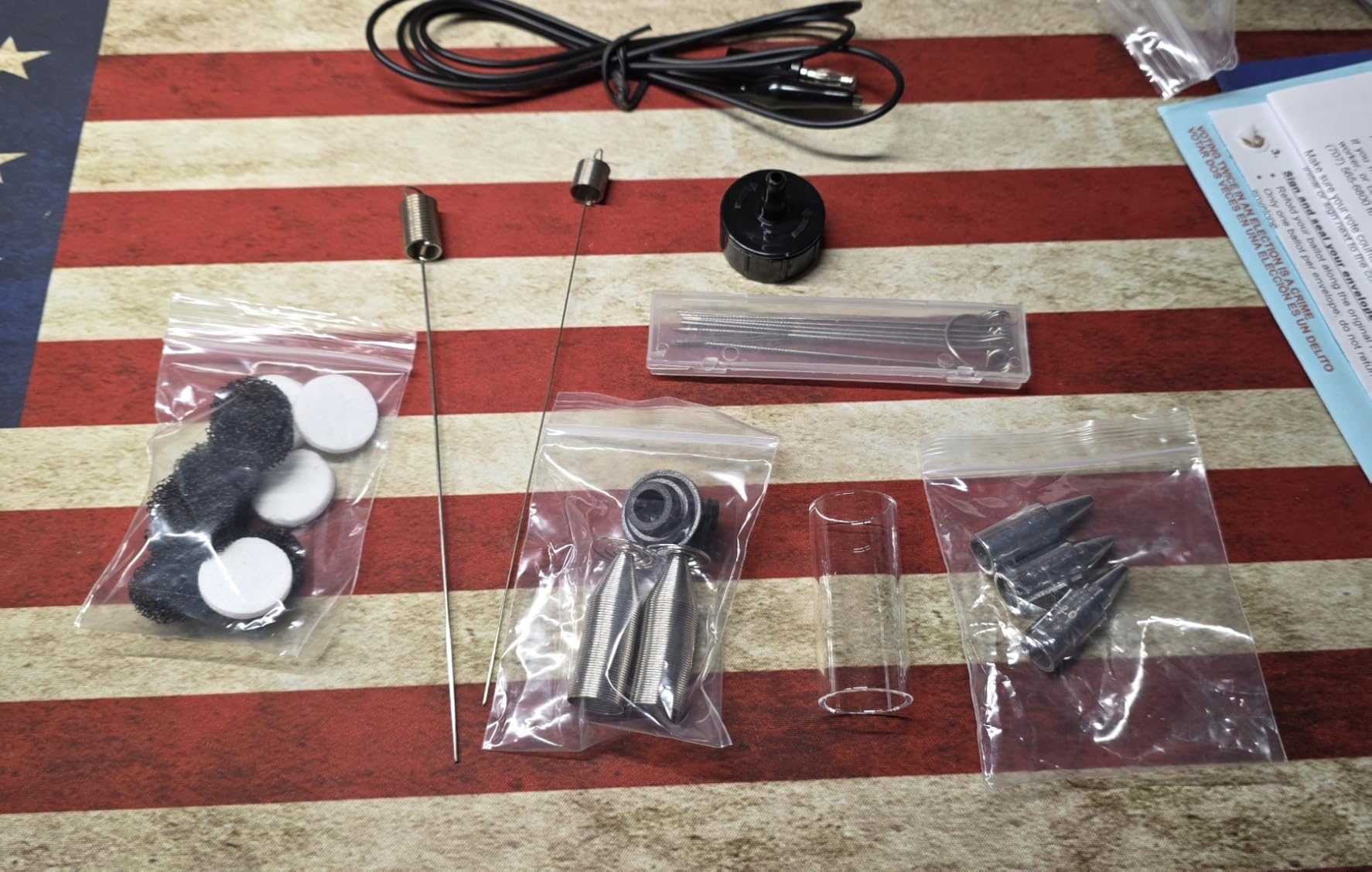
The tiltable display pays off daily, because a fixed display on a low bench puts the numbers at an awkward angle all session. Four nozzle sizes from 0.8mm to 2.0mm cover fine header pins through to larger component leads, and ten adsorbers plus five ceramic filters ship in the box.
Manual quality is better here than most of the category. It is well illustrated and covers operation, heating element replacement and temperature calibration.
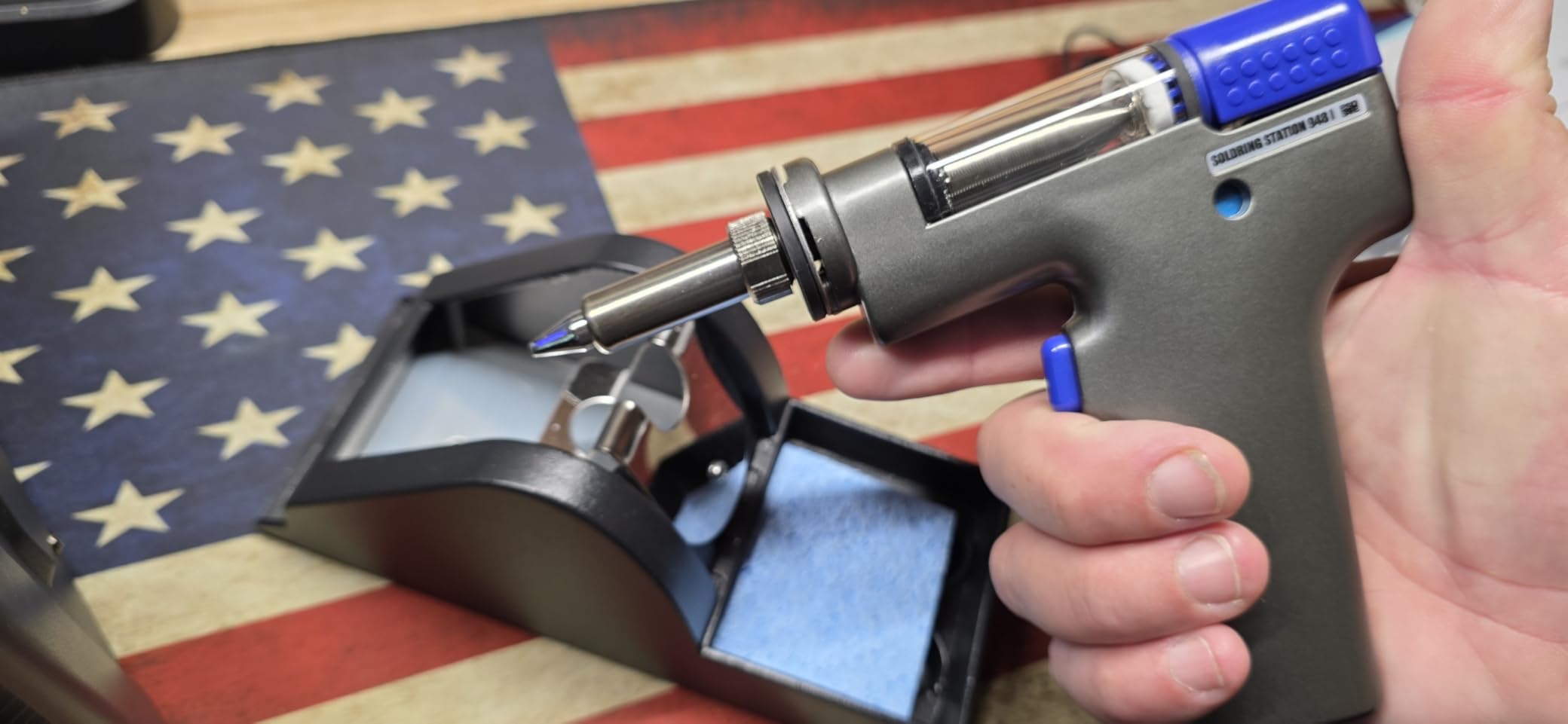
The two details that catch people out
First, suction stays disabled during warm-up, which takes about 2.5 minutes from a cold start. Plan that time for tinning the tip rather than production work.
Second, the solder collection spring is awkward to disassemble and clean, and it can bend. Check spring condition every few weeks of heavy use.
Where it falls short
Filters, springs and nozzles have to be reordered regularly. The manual is also terse on desoldering technique, so the practice is on you.
The listing notes it is not recommended for graphics card motherboards, a sensible warning given the thermal mass, but says nothing that limits it on ordinary multilayer boards.
8. Cilehall Electric Desoldering Iron – Simple and Reusable
Electric Desoldering Iron Desoldering Tool,110v Desoldering Pumps with Desoldering Nozzles 1.0mm 1.2mm ,Desoldering Gun with Desoldering Station、Solder Remover,Solder Sucker Desoldering Pump
110V plug and play
Up to 1022F
1.0mm and 1.2mm nozzles
Reusable storage tube
Pros
- Handles through-hole pins well
- Two-in-one heating and suction
- Reusable with replaceable nozzles
- Kit includes wick
- wire
- sponge and needle
- Three year warranty
Cons
- Slow to reach working temperature
- Temperature is not adjustable
- Grip position warms during long use
- Suction performance described as uneven
If you are removing through-hole pins and excess solder for the first time, this is a low-commitment way to learn the motion. It combines a desoldering iron and a solder sucker in one handpiece, and the removable solder storage tube makes it reusable rather than disposable.
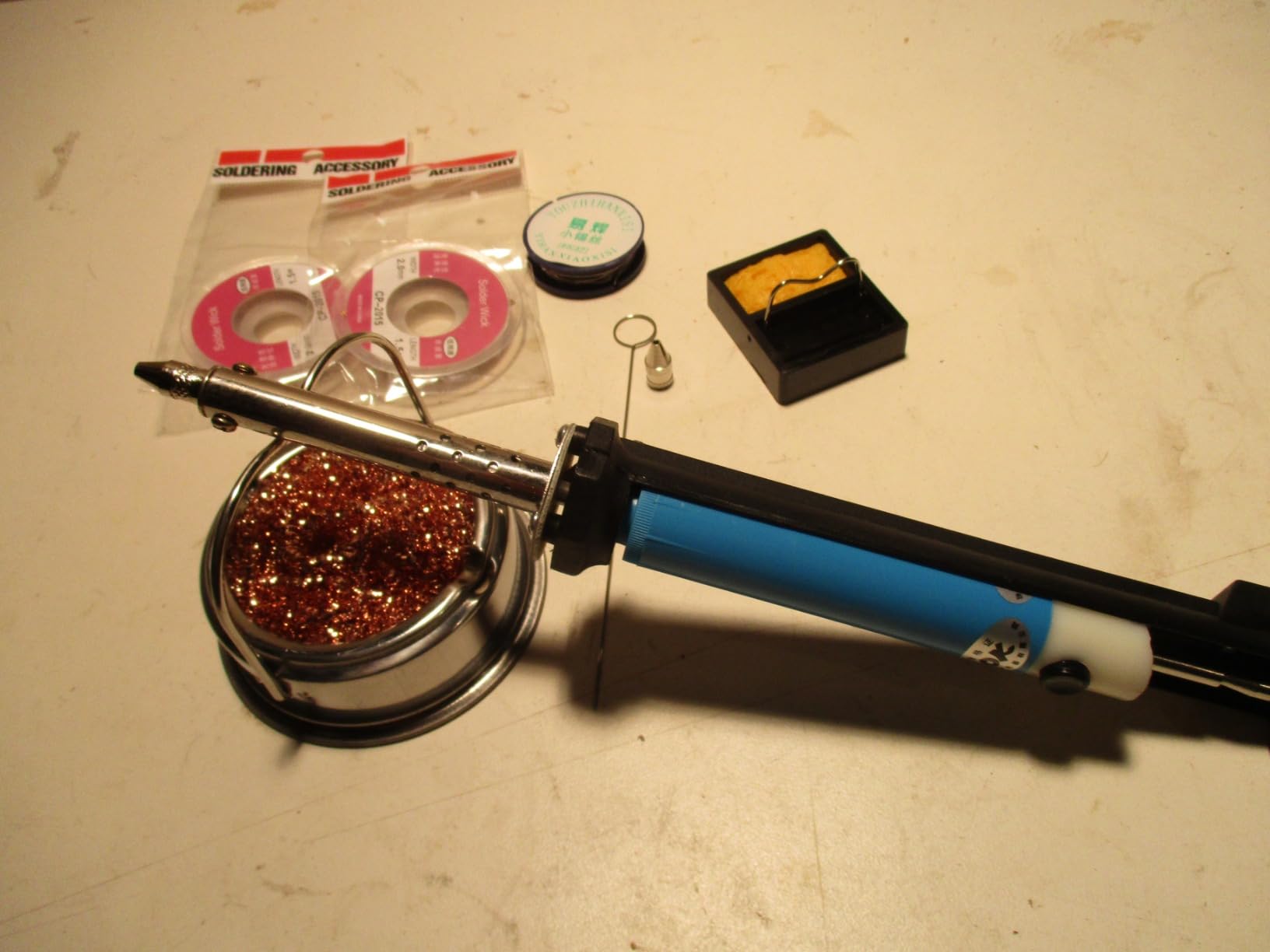
Two nozzle diameters at 1.0mm and 1.2mm come in the box, along with desoldering wick, solder wire, a cleaning support and a cleaning needle. That is a complete starting package, and the three year warranty is the longest coverage in this roundup.
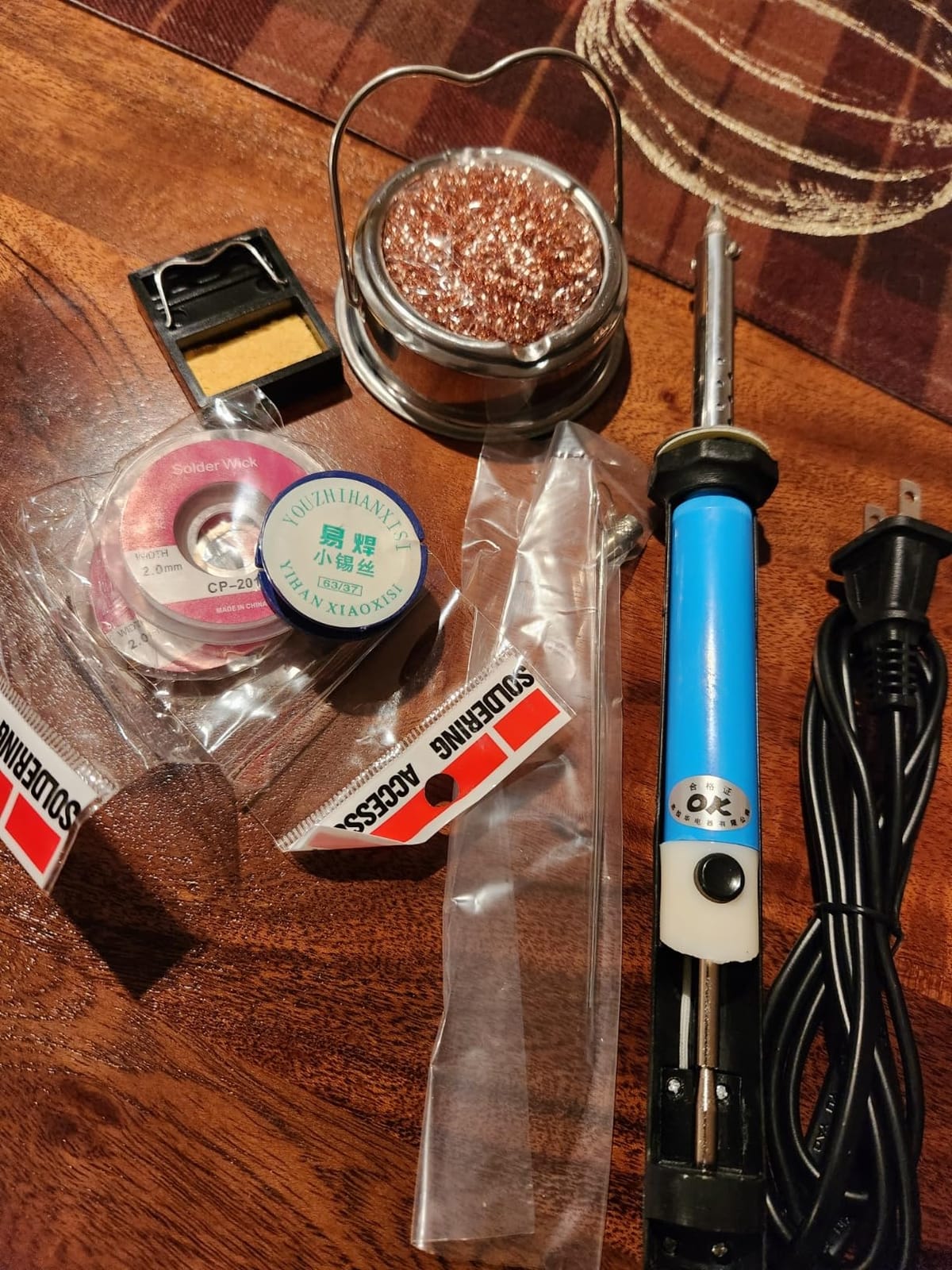
Owners report good value and steady performance on through-hole pins, with about 63 percent five-star ratings. It is rated for 110V only, so check your bench supply first.
Warm-up takes roughly three minutes, and with no temperature adjustment you cannot compensate on a lead-free board that needs more heat. Some users find the grip position warms during continuous use.
Good for a first board
The learning curve on a desoldering tool is mostly nozzle contact and trigger timing, and this is a forgiving way to practise it. A removable tube means you can empty and clean it in seconds, the habit you want to build from the start.
Where it falls short
No temperature adjustment is the structural limitation, and it is not a small one on through-hole work. A fixed temperature also means you cannot lower the heat to protect a pad on a delicate board.
Uneven suction is the other reported theme, so go slowly on the first few joints. The 13 percent one-star share is mostly heat conduction and build quality rather than failed units.
9. YIHUA 929D-V – Most Versatile with the Most Owner Feedback
YIHUA 929D-V Electric Desoldering Soldering Iron Solder Sucker Desoldering Pump with Shorter Charging Handle and Desoldering Nozzles 1.0mm 1.2mm for Through-Hole Desoldering
Fixed automatic temperature
1.0mm and 1.2mm nozzles
0.3 kg
Three to five minute preheat
Pros
- Iron and pump in one hand
- Short handle allows continuous work
- Heat deflector protects the hand
- Lift-out storage tube is easy to clean
- Two nozzle sizes in the box
Cons
- Temperature is fixed and not adjustable
- Needs regular nozzle cleaning
- Smaller nozzle takes practice
With over 1800 reviews this is the most thoroughly documented tool here, and that is not a marketing claim, just a lot of people describing the same behaviour. Owners highlight strong suction for through-hole work, a comfortable short handle and good value, with about 66 percent five-star ratings.
The short charging handle matters most in practice. It supports single-handed continuous desoldering without regripping, and the heat deflector keeps your hand away from the hot end. At 0.3 kg it is the lightest full tool we tested.
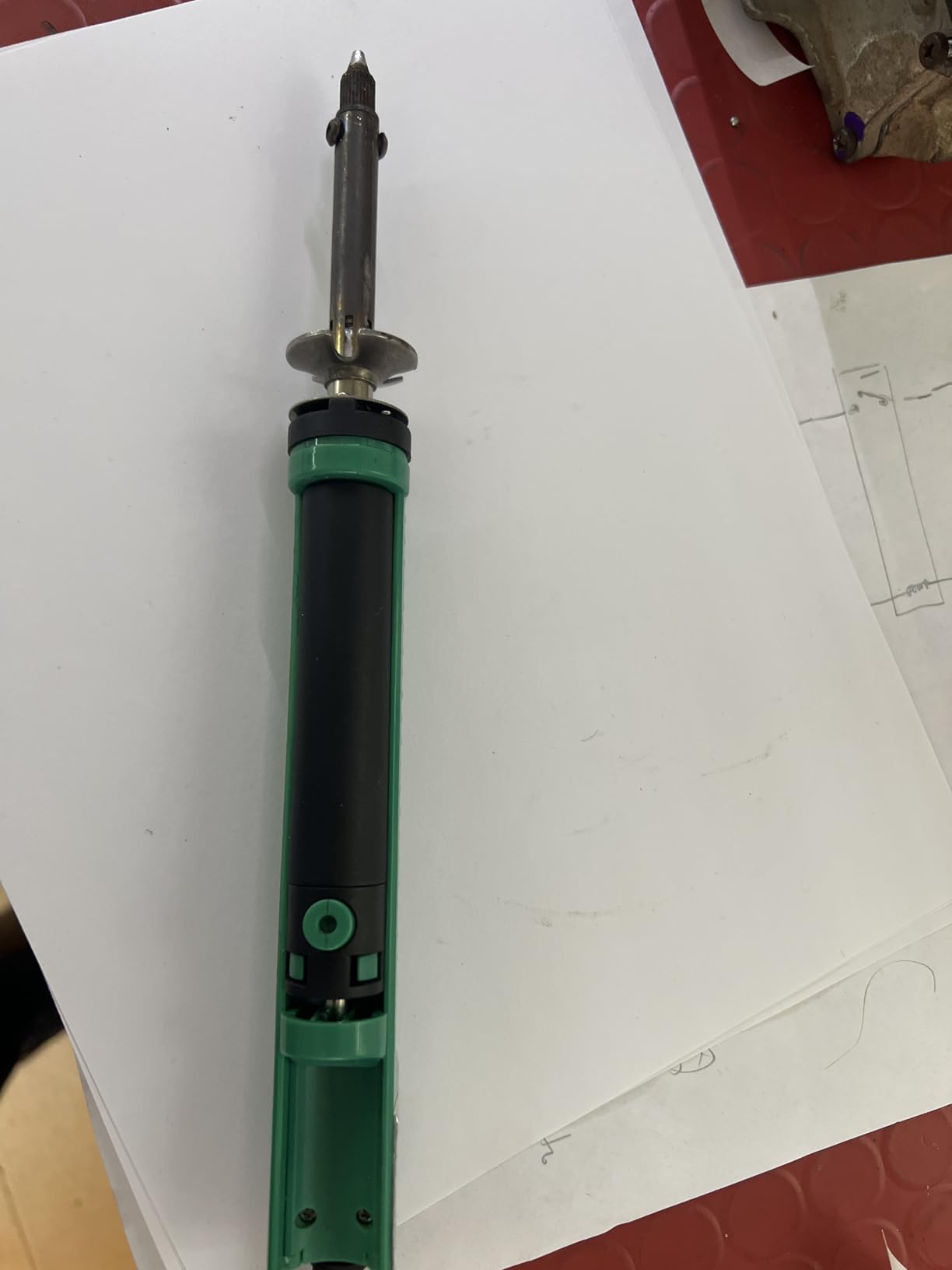
Temperature is fixed and not user-adjustable, the single compromise to accept here. It reaches that point after a preheat of roughly three to five minutes, so plan the start of a session around it.
Cleaning is not optional. The instructions call for regular cleaning of the nozzle with the included pin, and the lift-out storage tube is designed to make that quick rather than optional.
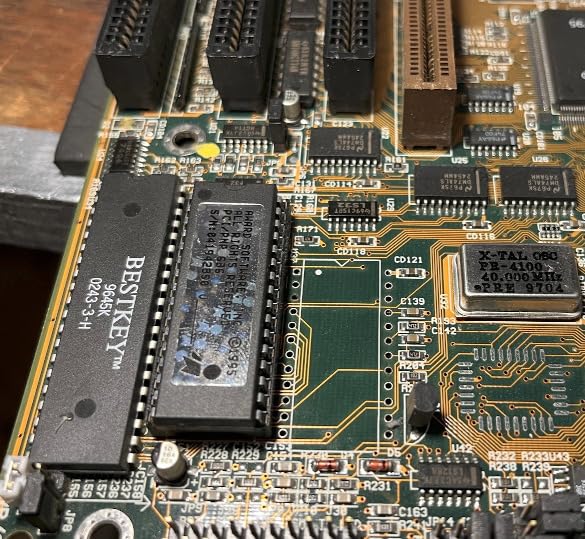
Why it earns the budget slot
Because for through-hole work specifically, the thing that limits you is suction and a bore that stays clear, and this does both. Fixed temperature is a problem for lead-free work and delicate boards, but on a 63/37 board it clears joints without drama.
It is also the model most often named in forum threads about cheap through-hole removal, and the PedalPCB community forum names the YIHUA line in desoldering discussion, which tells you how pedal and effects builders use it.
Where it falls short
The smaller nozzle takes practice to use effectively, and a fixed temperature gives you nothing to adjust when a board needs gentler heat. The lead-free range is where you feel that first.
It is a handpiece only. No base unit, no iron, no filtration stack.
10. WEP 929D VI – Widest Nozzle Range in a Handpiece
WEP 929D VI 180W Desoldering Gun Iron Tool Built-in Thru-Hole Solder Sucker
180W peak, 37W rated
1.0mm, 1.2mm and 1.5mm nozzles
Removable chamber
About three minute warm-up
Pros
- Fast heat-up on a new ceramic element
- Steady temperature recovery between joints
- Removable chamber is easy to clean
- Three nozzle sizes cover many parts
- Built-in power switch and heat deflector
Cons
- No real temperature adjustment despite the panel
- Plunger action breaks tip contact
- Heavier than expected
- Stiff power cord
This handpiece reaches desoldering temperature in about three minutes on a new ceramic element, with a stabilization function that holds the tip steady between joints. The 180 watt figure is peak power; sustained rated heating is 37 watts, so read that number instead of the headline.
Three nozzle sizes at 1.0mm, 1.2mm and 1.5mm ship in the box, the widest bore spread in a portable tool here. The removable suction chamber comes apart for cleaning without tools, which is the part we like most.
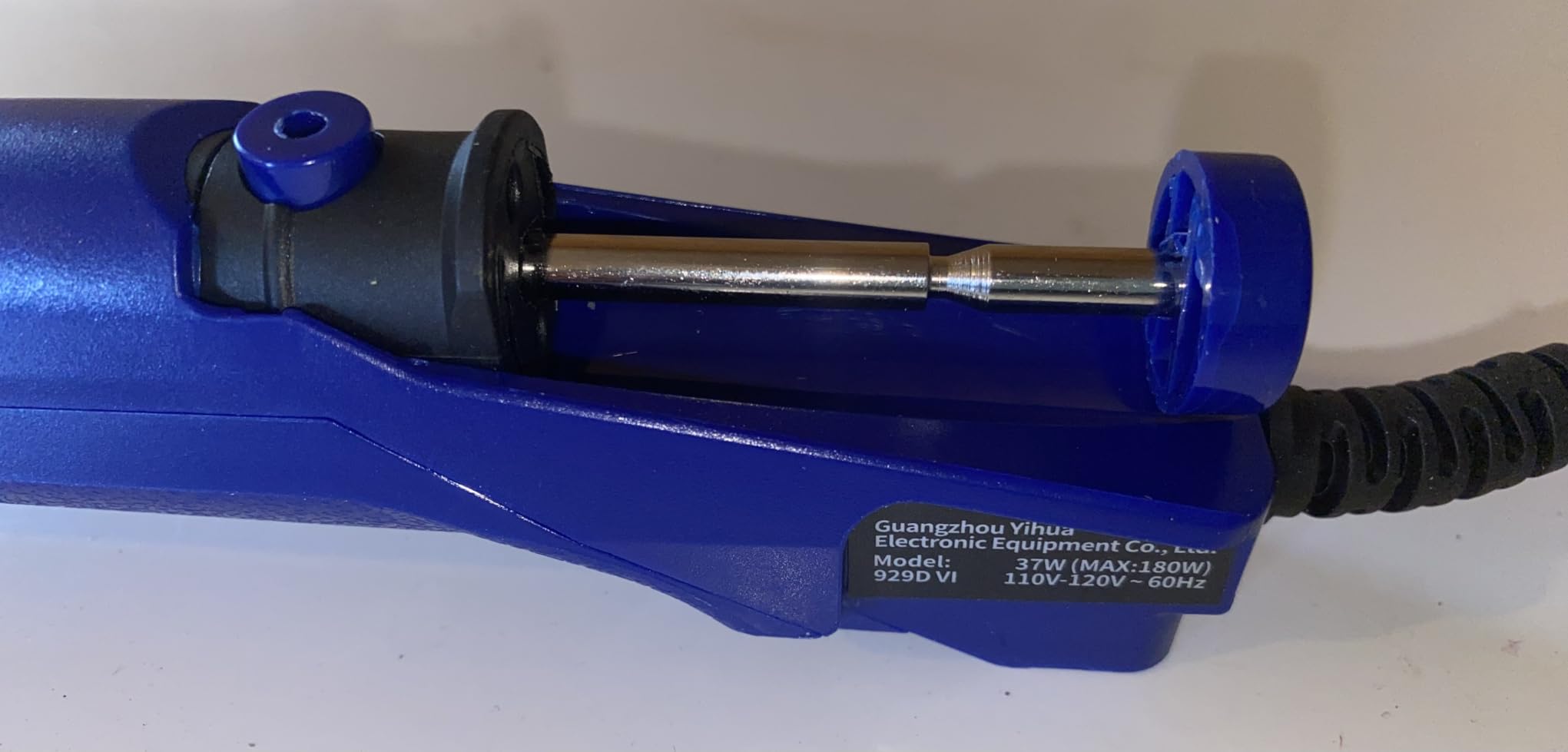
The built-in power switch and heat deflector are sensible safety additions on a tool you hold near a hot board, and the whole thing removes the two-handed juggling of a separate iron and sucker.
Despite the control panel appearance there is no actual temperature adjustment, the recurring criticism. Some users find the plunger action makes it hard to keep the tip in contact with the joint, which matters on a board with dense parts.
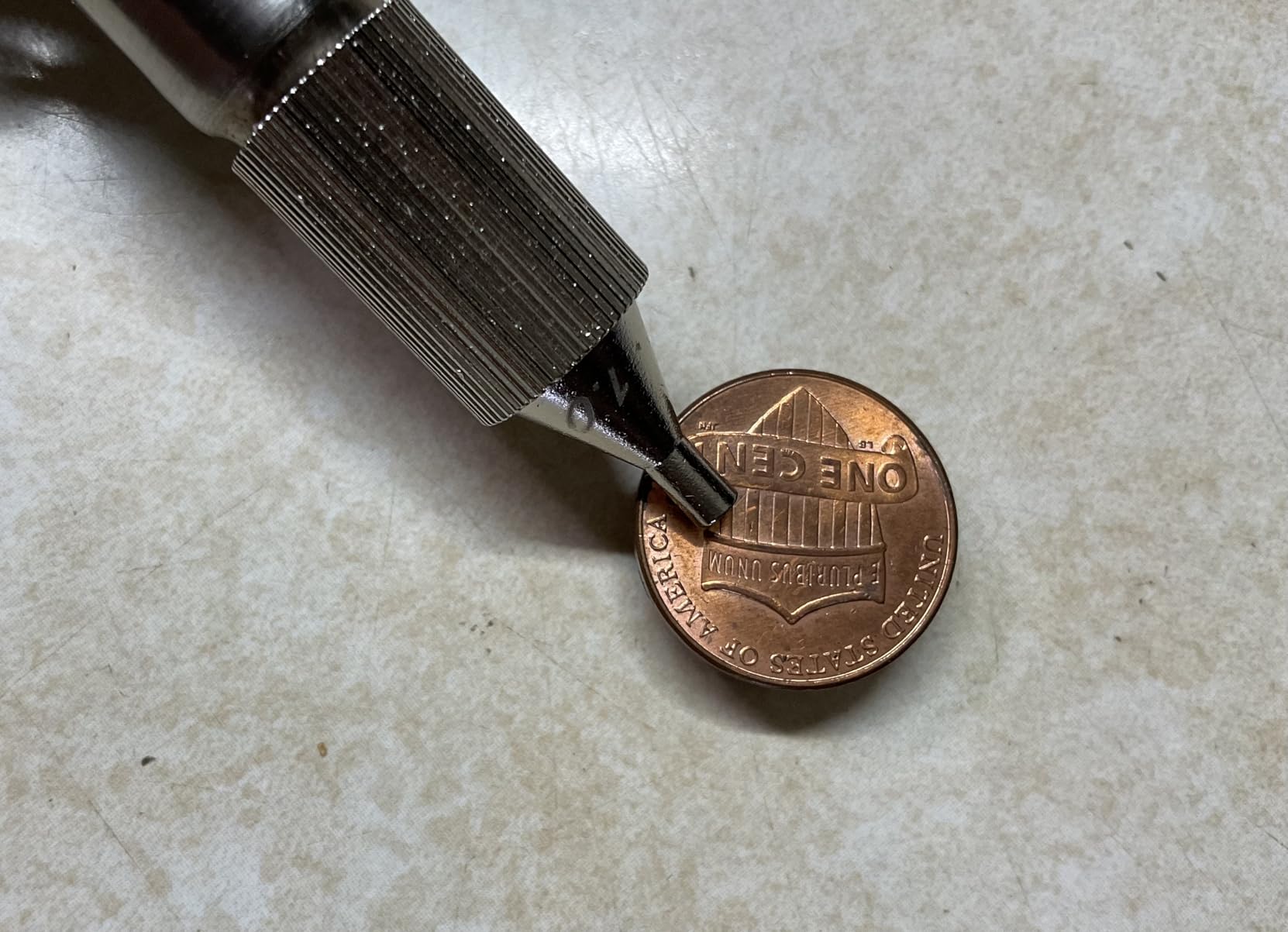
Where the nozzle spread helps
Having 1.0mm, 1.2mm and 1.5mm on hand means you can match the bore to the joint instead of forcing a wide tip into a tight hole. That is the difference between solder leaving the board and solder being pushed into the barrel.
Where it falls short
It is heavier than expected, which reduces control precision on a small board, and the thick, stiff cord with strong coil memory is annoying to manage. Weak suction appears in a minority of reviews.
With only 41 reviews this is the least documented product here, and 15 percent of those ratings are one star, so treat the specification list with more caution than the others.
11. Preciva 929D-VI – Fastest Warm-Up in the Group
Preciva 929D-VI Electric Desoldering Pump 180W Temperature-Controlled
180W peak with 37W rated
About 30 second warm-up
Four nozzles
Detachable solder chamber
Pros
- Working temperature in about 30 seconds
- One-handed work speeds up removal
- Chamber comes apart quickly
- Extra nozzles can be drilled for odd joints
- Strong suction burst on small holes
Cons
- No variable temperature control
- Weaker suction than manual pumps
- Frequent cleaning during long jobs
- Struggles with very small pins and large leads
Thirty seconds from cold to working temperature is the fastest here by a wide margin, and the 2-in-1 layout puts the suction pump and heating element in the same handpiece. For short jobs that is the most efficient arrangement in this roundup.
The detachable solder chamber comes apart for quick cleaning, which matters because this is a tool that needs cleaning often. Four replaceable nozzles at 1.0mm and 1.2mm come in the box with a cleaning needle, and owners note extra nozzles can be drilled to fit unusual joints.
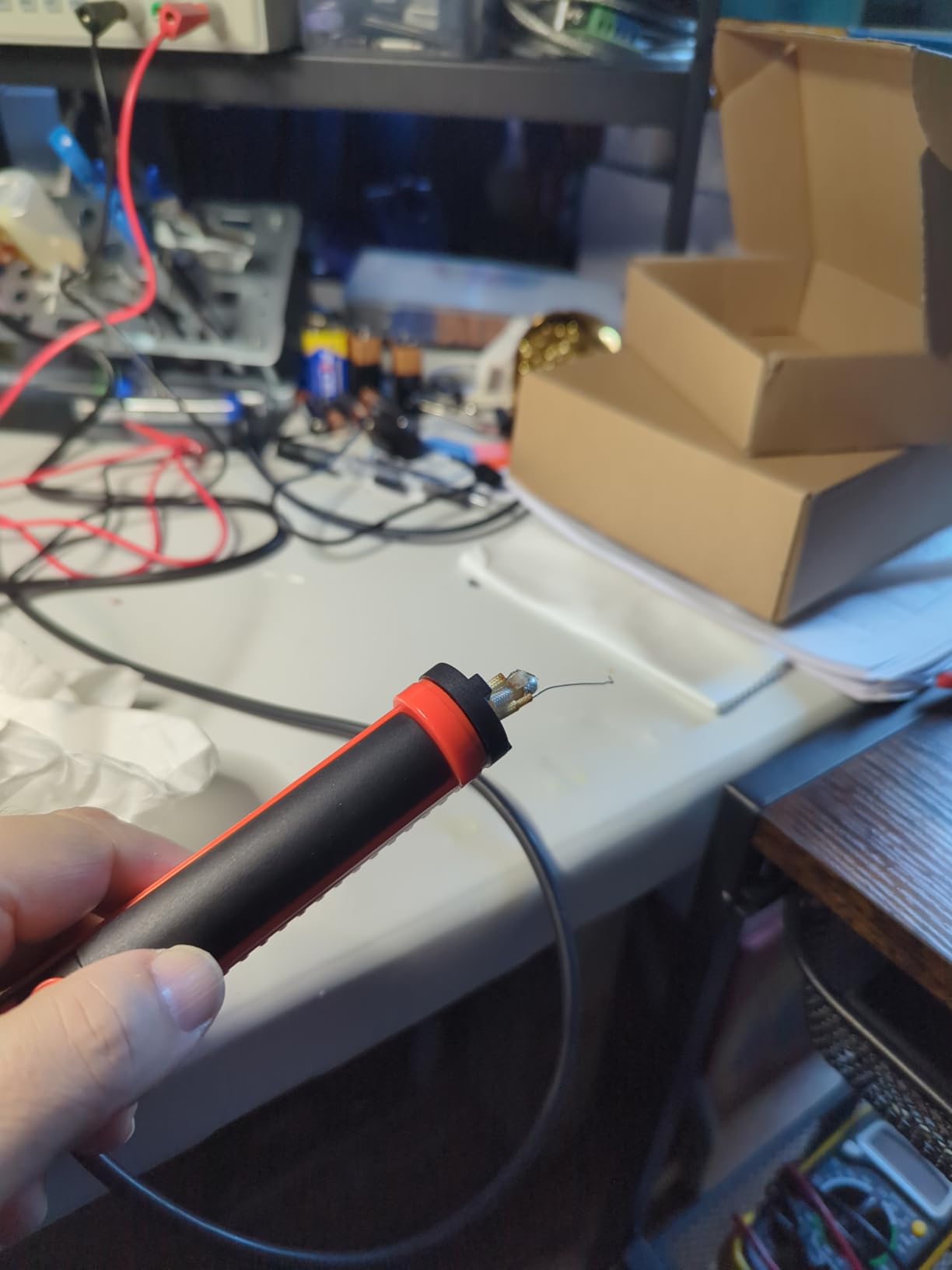
Several long-term owners report continued reliability, and about 62 percent of ratings are five stars. The optimized internal structure keeps smoke down on a small board you have to lean over.
One tip worth acting on: adding a little extra solder to the nozzle tip creates a tighter seal, which improves the suction burst on small through-holes.
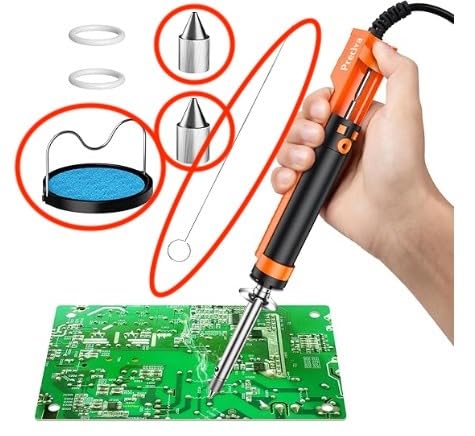
Fast warm-up versus a real station
This is the trade at the centre of the product. A 30 second warm-up feels impressive, but sustained rated heating is 37 watts, which is modest. On fine through-hole pins that is plenty; on a large joint with a ground plane you will wait for recovery between pins.
Several users find the vacuum suction weaker than a manual pump, and it needs frequent cleaning of the vacuum passage during long jobs. Both point at the same maintenance rule.
Where it falls short
It struggles with very small pins and with anything much larger than roughly 0.1 inch, so it is a specialist rather than a general answer. Nozzle tips wear down over time and need replacing, and the English cleaning instructions are sparse.
The name says temperature-controlled, and there is no variable temperature control. Know that before you order it for lead-free work.
12. zycllycx Electric Desoldering Pump – Lightest Option for Long Sessions
zycllycx Electric Solder Sucker Vacuum,Automatic Desoldering Pump,Black Desoldering Tool For One-Handed Use And Reliable Suction,Designed for extended use Tin Removal Work Ac110v 30w Desoldering Gun
30W heater
Three nozzle sizes
13.76 ounces
Unscrewable waste tube
Pros
- Strong vacuum extracts in a single pass
- Light and compact for long one-handed work
- Three nozzle sizes reduce clogging
- Good sealing holds suction over time
- Simple cleaning with the included needle
Cons
- No temperature adjustment
- Waste solder sprays out on release
- Regular tube cleaning needed
- Parts must cool before replacement
At 13.76 ounces this is the lightest desoldering tool here, and on a long session that difference is real. Fatigue is what kills a hand tool halfway through a board, and a body this small with a heat-resistant handle is easier to control.
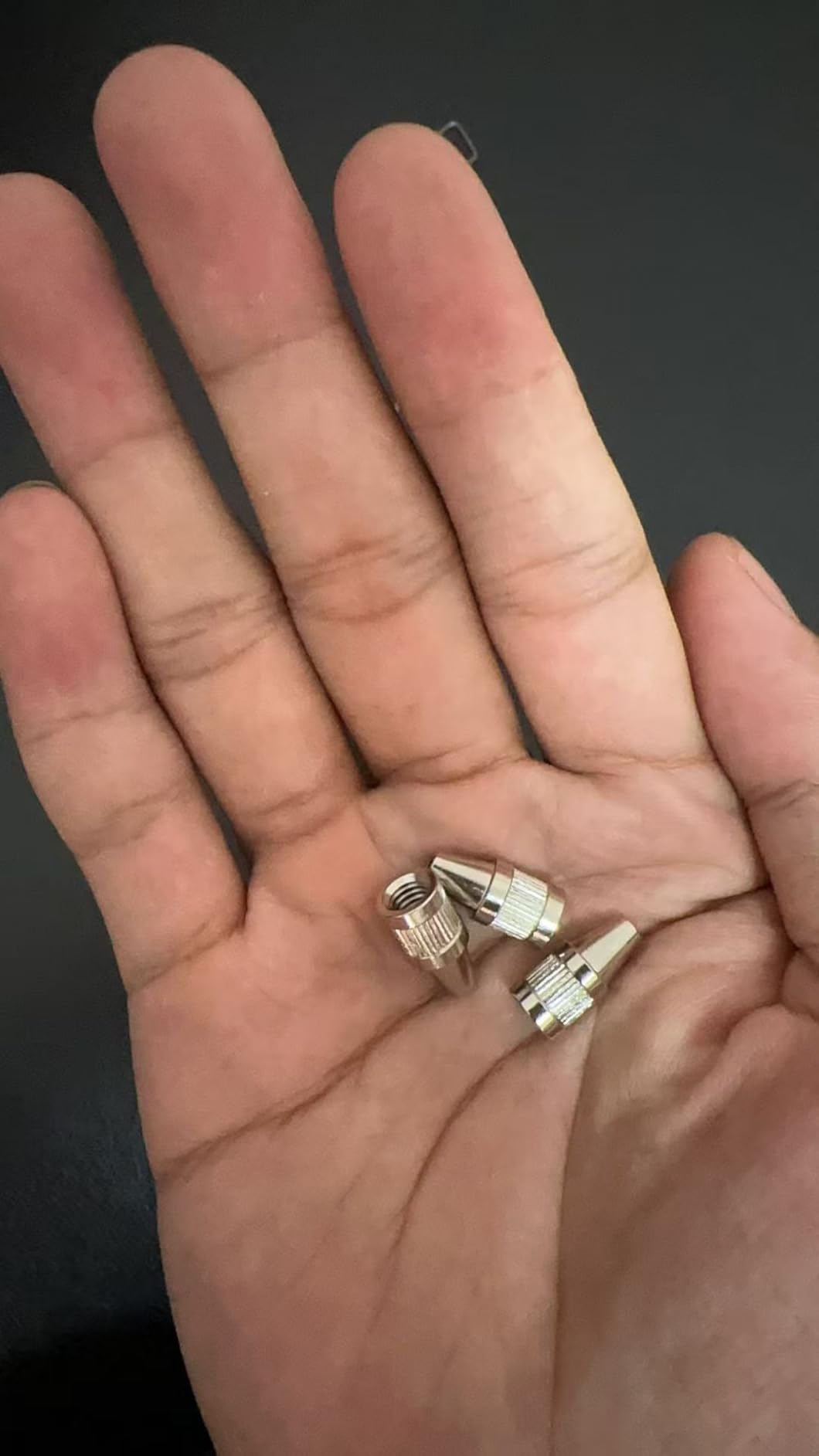
The vacuum extraction pulls molten solder in a single pass, and the optimized sealing prevents air leakage so suction stays consistent over repeated use. Three nozzle sizes are included, enough to cover most through-hole lead gauges and to reduce clogging across joint sizes.
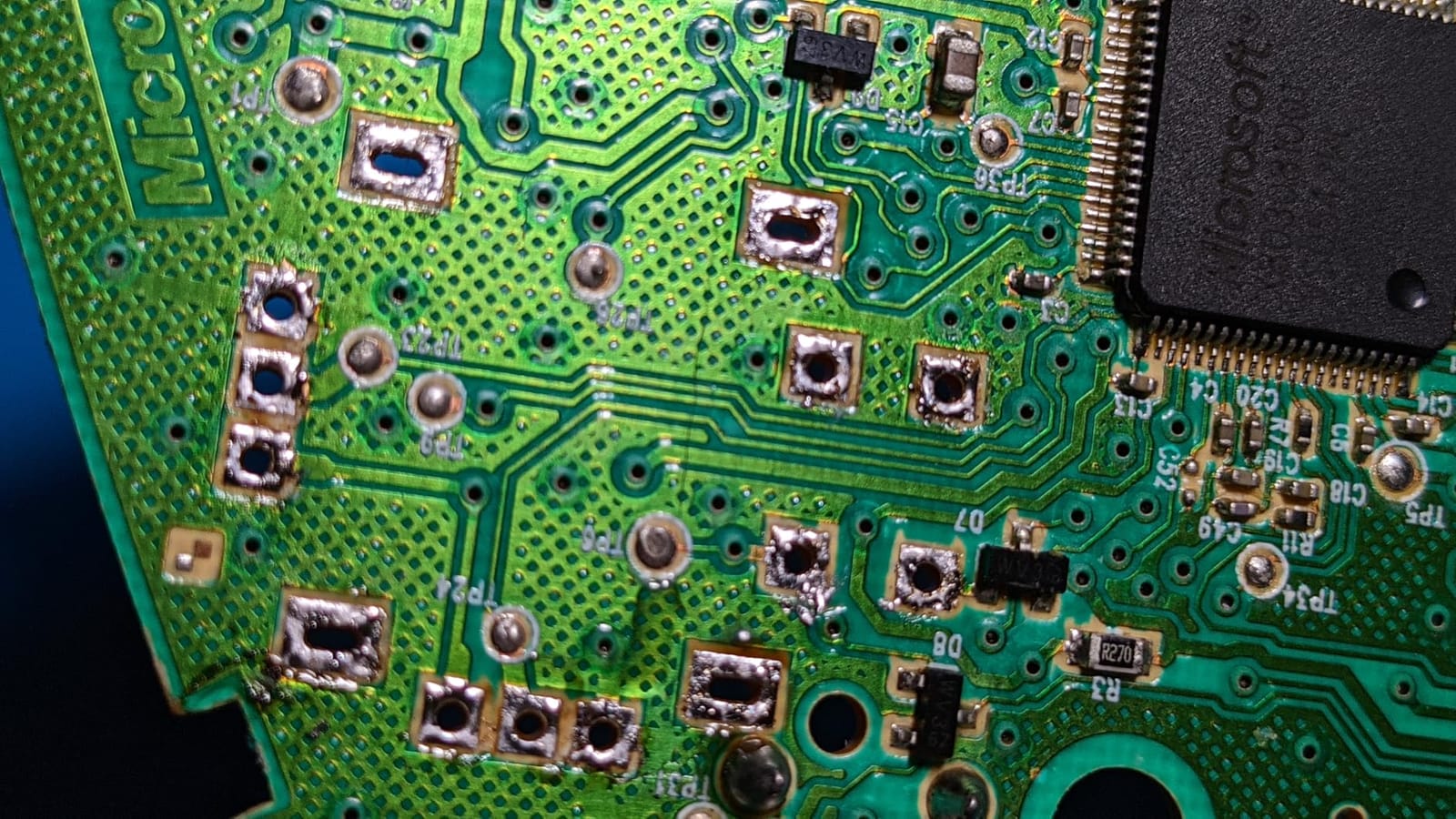
Cleaning is straightforward: unscrew the pump tube cap to empty the waste solder and use the included needle to clear clogs. Owners consistently cite strong suction and a comfortable grip, with about 64 percent five-star ratings.
One detail catches people out. The waste solder is expelled when you release the button, so aim at a container rather than the board. Learn that on the first joint rather than over your work.
What a 30 watt element can and cannot do
The 30 watt figure is the lowest in this roundup and it is the honest limit of the tool. It is plenty for a through-hole pin, a relay or a resistor pack. It is not enough for a large ground-pinned joint where you are asking the element to hold a big pool of solder at temperature while the pump pulls.
Because there is no temperature adjustment, the same setting has to serve leaded and lead-free work, which is the compromise you accept by choosing a tool this small.
Where it falls short
Regular cleaning of the pump tube is needed to maintain suction, and parts must be fully cooled before replacement, which slows a long session down. There is no base unit, so no readout and no warm-up control.
It suits a technician who values a light, sealed handpiece more than raw heat, and it is the least appropriate choice here for a multilayer board with heavy joints.
Do You Need a Station, or Will a Solder Sucker Do?
If you are removing three components a year, do not buy a station. A manual pump is the right tool, and our guide to desoldering pumps and solder suckers covers the options. The rule of thumb in the forums is simple: a pump is fine until you are doing it more than a couple of times a week, at which point a station pays for itself in saved wick and saved pads.
Console repairs sit in the same category. Our picks for desoldering pumps and solder wick for console repair cover the tight, hand-built boards where pad damage is most expensive to fix.
There is a real reason to reach for a station beyond speed. When an iron sits on a joint, the pad underneath is taking the heat for the entire time you work the pump. That sustained contact is what lifts pads on double-sided plated boards, and the arcade-museum thread about destroying bond pads before buying a proper station describes exactly that failure. A station puts the heat and the suction in the same tip, so the pad is only hot while solder is being removed.
Hot air rework is a different tool for a different job. It heats an entire area, so it is right for surface-mount rework, removing heat sinks and re-flowing a joint from the far side of a board. It is wrong for pulling a DIP, because the whole package is only loosely bound to the board at that point and heat alone will not move the solder out of the barrel of the hole. Our guide to electric desoldering guns covers the portable side of this category.
Braid has its place too, and it is the right tool when you need to clear a pad for a new part rather than remove a component, and when the board is already open on both sides. Desoldering braid for those cases is covered in our braid assortment guide. Groupdiy users note that through-hole desoldering stations are getting harder to find as a category, so a station is worth choosing carefully rather than grabbing whatever is nearest.
How to Clear a Clogged Desoldering Station
Clogging is the most repeated complaint in every forum we read about these tools, and it is also the most preventable. The mechanism is simple: molten solder enters the suction path, cools before it reaches the collection chamber, and sticks to the wall. Do that a few times and the bore narrows until suction is gone.
Clear it while it is still warm. A few seconds of airflow or a quick pass with the supplied cleaning pin through the bore, with the tool still near operating temperature, moves soft solder far more easily than the same pin on cold, hardened solder. Do not force a blocked tool back into a joint, because that is how a small blockage becomes a damaged handpiece.
A maintenance routine that works
After every job, empty the waste tube or chamber and run the cleaning pin through the bore while the tip is still hot. Thirty seconds of work here is the difference between a tool that performs and one that frustrates you.
Weekly, take apart the filter stack. That means the catch tube, the springs and the ceramic filter on the units that have them, and it means washing the ceramic elements rather than just shaking them. Replace the spring if it has bent, because a bent spring changes the seal and the seal is what holds suction.
Monthly, check the bore itself with a nozzle cleaning needle or a fine drill, and re-tin the tip if the plating has worn through. A dry, silver-shinned tip is heat conductive but a pitted, dull tip is not, and the difference shows up as a joint that will not melt cleanly.
One mistake to avoid entirely: never let a cut component leg near the bore. The hollow tip will draw it in, and clearing a leg from inside the recovery chamber is a genuinely miserable job. Snip the legs flush, deburr them, and keep the offcut moving before you bring the gun near the board.
How to Work on Double-Sided Plated Through-Hole Boards
Double-sided plated through-hole is the hard case, because the solder on the far side is inside the barrel of the hole where you cannot see it or reach it. The plated barrel is a thermal anchor, so it pulls heat out of the joint and holds the far side at temperature long after the near side has flowed.
Work one pin at a time and give each one the full temperature. Do not sweep the gun across a row hoping to catch several joints at once, because the heat spreads along the barrel and you end up reflowing the far side without clearing it. One pin, one trigger pull, one moment to let it cool.
When a pin will not clear on the second attempt, clip the component leg flush and break the mechanical bond first. The leg is holding the far side together with surface tension as much as anything else, and once it is gone the far-side solder is often free to move on the next pull. Deburr the stub before you go near it again.
Use braid when the far side will not clear at all, or when you need the pad flat for a replacement part. Braid on the far side with an iron on top of the pad will pull the trapped solder out through the hole where the station could not.
Nozzle Size and Temperature for Through-Hole Joints
Choose the nozzle bore to match the joint, not the component. A bore slightly wider than the lead diameter makes a good seal and draws solder straight up; a bore much wider than the hole pulls air instead of solder, and a bore narrower than the leg cannot form a seal at all. Most of the kits here cover 0.8mm to 2.0mm, which spans fine header pins through to larger relay and capacitor leads.
For 63/37 leaded solder, work in the lower half of the range on these units, generally 350C to 400C. Going hotter on a leaded board buys you nothing except a slower ramp and more wear on the pad. For lead-free solder you need the top of the range, usually 440C to 480C, because the alloy melts at a higher temperature and the extra heat is what makes the far side of the barrel flow.
Heater wattage is the number people overrate. What actually matters is recovery, how fast the element puts heat back after you pull a big blob of solder out of it. The 140 watt Hakko and the 110 watt WEP 948D-I both recover quickly, which is why they handle multilayer boards; a 30 watt element in a light handpiece will not, no matter how good the rest of the design is.
Check three more things before you buy. Whether the base is ESD safe matters on live boards, since a static event while you have a hot iron near a board is the worst possible timing. Whether filters, springs and nozzles are sold separately and in quantity, because you will reorder them, and whether the tips are standard so you are not locked into one supplier. Consumable availability was a repeated trust signal in the forums, and it is worth more than any feature on the box.
Frequently Asked Questions
What is the best desoldering station?
The Hakko FR301-03/P is the best desoldering station for through-hole work we tested. Its 140 watt ceramic element recovers heat quickly, temperature is adjustable from 350C to 500C in the handle, and the suction clears plated through-holes on the first pass without lifting pads. The YIHUA 948 is the runner-up if you want most of that behaviour for less money.
What is the best tool for removing solder?
For a through-hole component, a vacuum desoldering station is the best tool because it heats and suctions at the same time. A solder sucker needs the solder already liquid, so an iron has to stay on the joint while you work, which is the main cause of lifted pads. Use desoldering braid when you need a pad cleared flat for a replacement part, and hot air rework for surface-mount work rather than for pulling a DIP.
Which desoldering pump is considered the best quality?
Among manual pumps, the Engineer SS-series is the quality option that most repair shops name first, because the silicone tip reseals itself and it needs no power. Electric handpieces like the YIHUA 929D-V and the Preciva 929D-VI cover more ground once you are removing parts weekly, at the cost of a fixed temperature on most of them.
Can you desolder with just a soldering iron?
Yes, if you add solder wick or braid, and that is the right method when you only need to clear a pad or clean up a joint. For removing a through-hole component it is the riskier option, because the iron has to stay on the joint while the solder is pumped or wicked away, and that sustained heat is what lifts pads on double-sided plated boards.
Why does my desoldering station keep clogging?
Molten solder enters the suction path, cools before it reaches the collection chamber and sticks to the wall, narrowing the bore until suction fades. The fix is to clean while the tool is still warm, after every job rather than once a week, disassemble the filter tube, springs and ceramic filters on a weekly basis, and clear the bore with the supplied pin. A bent filter spring also breaks the seal and looks like clogging.
What size nozzle do I need for through-hole components?
Match the bore to the joint rather than the component, choosing a bore slightly wider than the lead diameter so it seals and draws solder straight up. A bore much wider than the hole pulls air instead of solder, and one narrower than the leg cannot seal. Most kits here cover 0.8mm to 2.0mm, which covers fine header pins through to larger relay and capacitor leads.
Our Verdict for 2026
The Hakko FR301-03/P is the best desoldering station for through hole boards in 2026, and the reason is heat recovery and suction working together rather than either one alone. The 140 watt ceramic element with a closed-loop sensor gets a joint fully molten fast, and the pump clears the barrel in one pull, so a 16-pin DIP comes off a double-sided board without a single lifted pad. Buy extra nozzles when you order it, because only the 1.0mm tip is included.
If that is more than your bench needs, the YIHUA 948 is the better value, and the YIHUA 929D-V covers occasional through-hole work in a light handpiece with the most owner feedback of anything we tested. Whichever you choose, clean the bore while it is warm and empty the collection chamber after every job, because a station that is maintained is a tool you will still be using in five years.