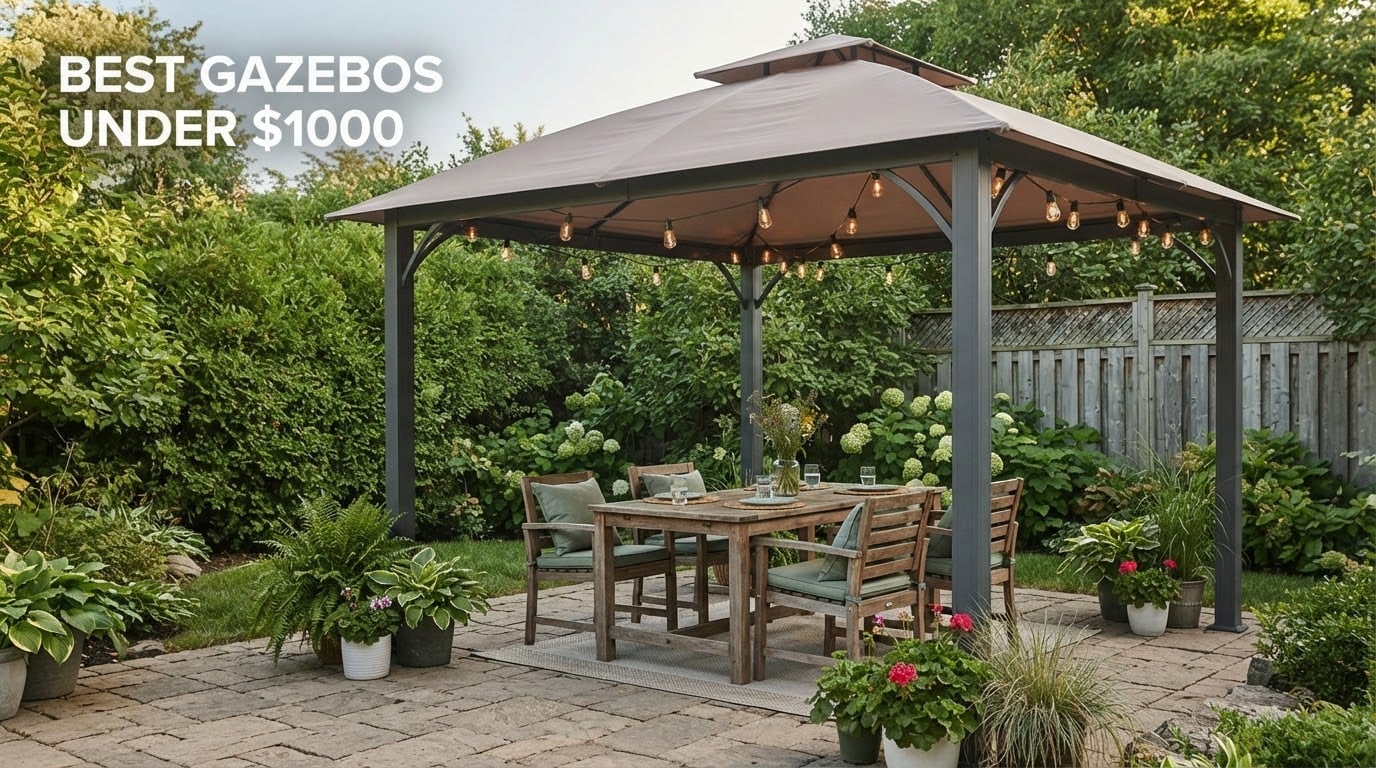
The gazebo aisle at any big-box store tells you the same thing from about 50 feet away: the units below a certain line are shelters, and the units above it are structures. That line sits right around a thousand dollars. Below it you are buying fabric stretched over folding tubing. Above it you are buying something bolted to the ground. That is why best gazebos under 1,000 dollars is one of the most searched buying questions in the category, and why the answer depends almost entirely on how much permanence you actually need.
We spent weeks comparing twelve gazebos that sit inside that ceiling, from a 23-pound screen tent to a 293-pound cedar grill pavilion. We looked at frame gauge and finish, roof fabric denier and waterproof rating, published wind and snow figures, real review counts and star averages, and the one factor that decides more outcomes than any of it: how the thing gets anchored. Our full gazebo testing notes live in our 12 best gazebos honest reviews, and this list is the budget-only edit of it.
Here is the honest expectation setting before the list. A gazebo under a thousand dollars gives you dependable summer shade, real UV protection, and light-to-moderate rain cover with proper anchoring. It does not give you a 100 mph wind rating, an 8,000 lb snow load, or a hardwood frame you can leave up through a northern winter without thinking about it. Below roughly 250 dollars you are buying a temporary canopy. Between 400 and 1,000 dollars you can reach a genuine hardtop with a galvanized steel or polycarbonate roof that will stay up year-round if you anchor it correctly.
The most common mistake we see is buying the smallest, cheapest canopy and expecting it to behave like a permanent pavilion. Community advice in the gazebo groups converges on the same point: never trade wind stability for a lower price. A well-anchored 210-dollar soft top will outlast an unanchored 130-dollar pop-up every time, because the anchoring, not the fabric, decides whether it is still standing after the first storm.
Table of Contents
Top 3 Best Gazebo Picks Under 1,000 Dollars in October
Before the full list, these three are the ones we come back to. The COOS BAY is the most proven canopy in the group by a wide margin on review volume. The CROWN SHADES is the fastest to set up and the best balance of headroom and price. The EROMMY is the pick if your winters matter more than your summers.
COOS BAY 11×11 Pop Up Gazebo
- 121 sq ft of shade
- UPF 50+ fabric
- Tool-free pop-up frame
- Four zippered mesh walls

CROWN SHADES 11×11 Pop Up Gazebo
- One-push CENTERLOK hub
- Over 9 ft peak height
- 2-year parts warranty
- 150D silver-coated fabric

EROMMY 10×12 Hardtop Gazebo
- Galvanized steel double roof
- Powder-coated aluminum frame
- Dual-track zipped sidewalls
- 120 sq ft footprint
All 12 Gazebos at a Glance in 2026
Every pick in this roundup is verified inside the sub-1,000-dollar ceiling. The table below sorts them by what you actually get: temporary pop-up shade, soft-top steel structure, or a hardtop you can anchor and leave standing.
| Product | Specifications | Action |
|---|---|---|
| COOS BAY 11×11 Pop Up Gazebo |
|
Check Latest Price |
| CROWN SHADES 11×11 Pop Up Gazebo |
|
Check Latest Price |
 MASTERCANOPY 11×11 Pop Up Gazebo MASTERCANOPY 11×11 Pop Up Gazebo |
|
Check Latest Price |
 East Oak 10×10 Screen Tent East Oak 10×10 Screen Tent |
|
Check Latest Price |
 ABCCANOPY 11×11 Pop Up Gazebo ABCCANOPY 11×11 Pop Up Gazebo |
|
Check Latest Price |
 COBIZI 12×12 Pop Up Gazebo COBIZI 12×12 Pop Up Gazebo |
|
Check Latest Price |
 LAUSAINT HOME 10×13 Gazebo LAUSAINT HOME 10×13 Gazebo |
|
Check Latest Price |
 Aoxun 12×10 Hardtop Gazebo Aoxun 12×10 Hardtop Gazebo |
|
Check Latest Price |
 AirWire 10×12 Hardtop Gazebo AirWire 10×12 Hardtop Gazebo |
|
Check Latest Price |
 UDPATIO 10×10 Hardtop Gazebo UDPATIO 10×10 Hardtop Gazebo |
|
Check Latest Price |
| EROMMY 10×12 Hardtop Gazebo |
|
Check Latest Price |
 Modern Shade Wood Grill Gazebo Modern Shade Wood Grill Gazebo |
|
Check Latest Price |
1. COOS BAY 11×11 Pop Up Gazebo – Best Overall Pop Up in 2026
COOS BAY 11×11 Pop Up Gazebo with Netting, Canopy Tent, Beige
Weight: 42.3 lb
Coverage: 121 sq ft
Fabric: 150D Oxford
Frame: powder-coated alloy steel
Pros
- Tool-free pop-up frame sets up in minutes with no bolts
- UPF 50+ coating blocks 99% of UV rays
- Vented top improves airflow and reduces wind stress
- Four zippered mesh walls block bugs and keep sightlines open
- Carry bag included
Cons
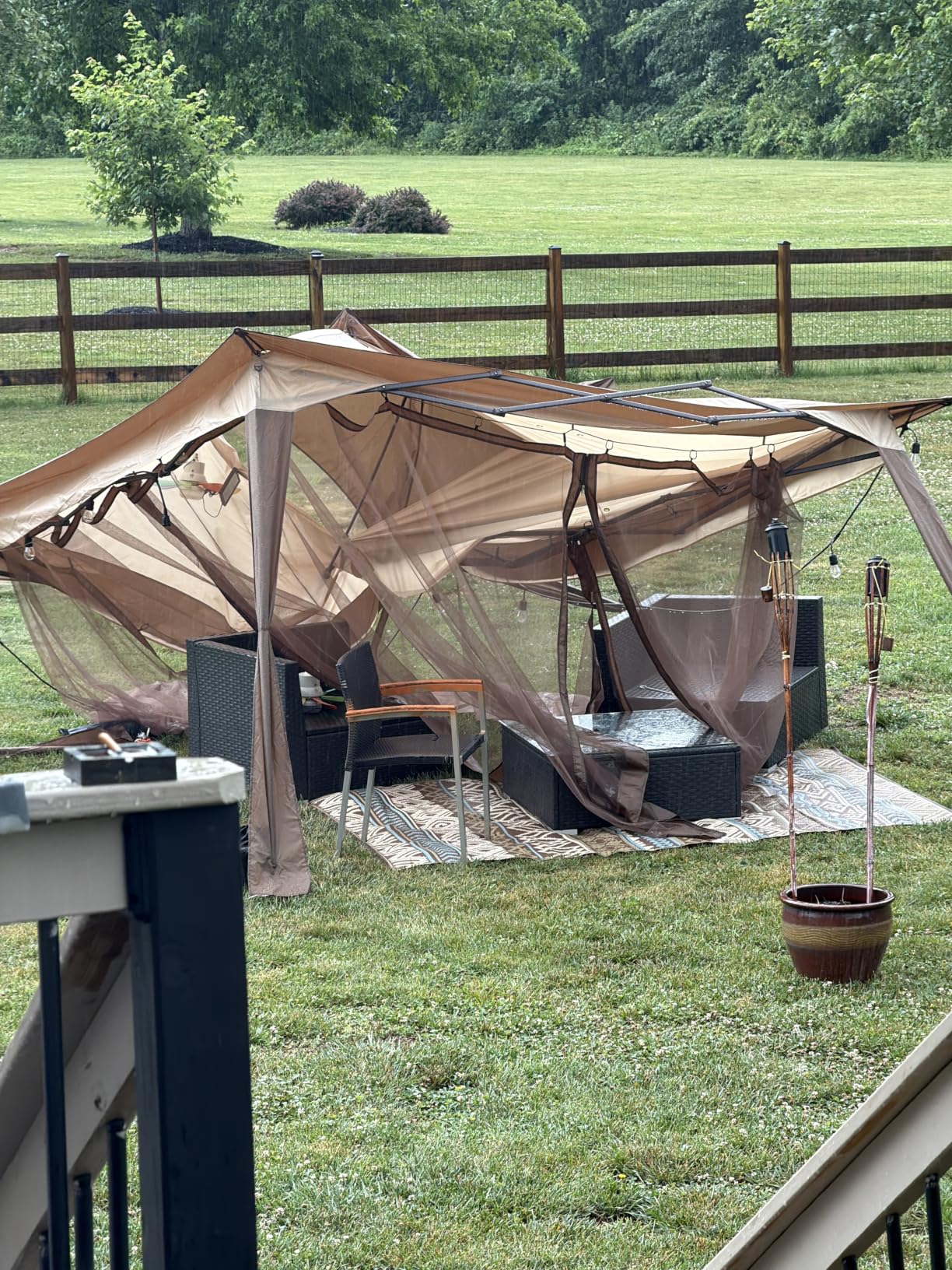
- Fabric top needs to come down when storms approach
- 42.3 lb is awkward to carry across a long lawn alone
This is the canopy we ended up recommending to friends who asked for a single number. With 9044 ratings averaging 4.0 stars, this is the most thoroughly documented gazebo in the entire roundup, and that kind of volume tells you something the spec sheet cannot. When a unit has been assembled in tens of thousands of backyards, the failures that matter surface in the ratings instead of hiding.
What that record shows is a product that does the basic job extremely well and is honest about its limits. The 42.3-pound alloy steel frame goes up in minutes without a single tool, the 150D Oxford top carries a UPF 50+ coating, and the vented peak keeps air moving so the underside does not turn into a heat trap on a July afternoon. The four zippered mesh walls are the feature owners mention first when they talk about sitting through an evening without mosquitoes.
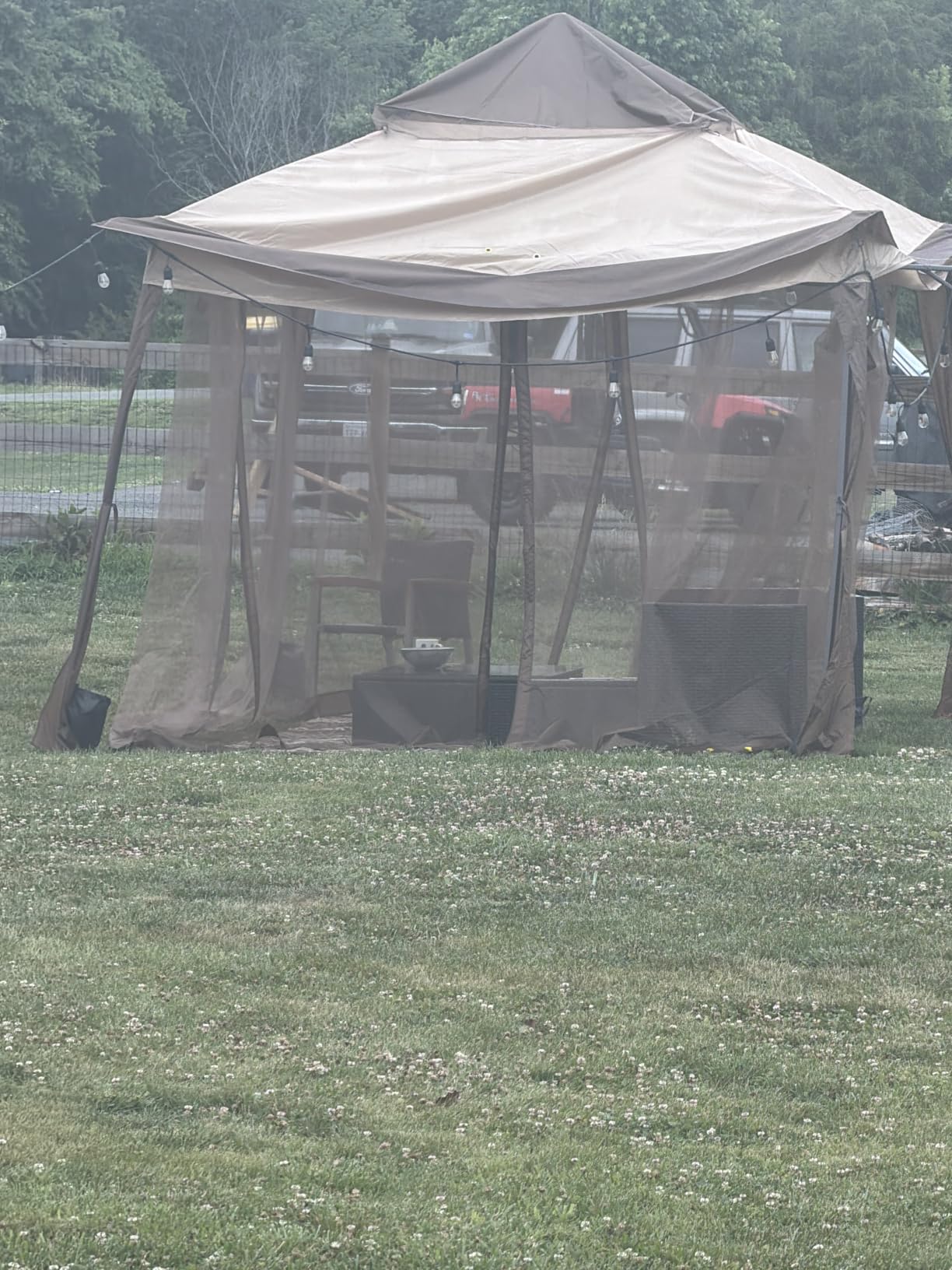
121 square feet covers six people comfortably, and the manufacturer rates it for six, which lines up with what a table plus chairs actually needs. The peak height of 116.4 inches is tall enough to walk in upright without ducking, which matters more than it sounds when you are carrying a tray of food. Every part stores back into the included carry bag, so this lives in a garage between uses rather than occupying the patio.
The reason this is our top pick rather than a hardtop is proof. Nine thousand ratings is a decade of real weather, and the consistent pattern in the review data is fast setup, effective netting, and shade that matches the listed size. The 14% one-star cohort is the usual pop-up complaint about wind and long-term durability, not about quality of the thing itself. We would still anchor it every single time it goes up.
When the COOS BAY is the right buy
Reach for this one when you want shade for a birthday party, a farmers market stall, a Sunday cookout, or a full season of patio dining without thinking about the structure after setup. Because it collapses to a bag, it also suits renters and anyone who needs a shelter only during the warmer months. If you want a dining table and six chairs in the shade, 121 square feet is the right number to aim at.
It is also the safest pick for a family with small children around the patio, since the frame locks with nylon connectors rather than exposed bolts and there are no heavy hardtop panels to come loose. Owners using it as a craft fair or market canopy report the same thing: it goes up fast and looks better than a folding tent, and the mesh walls keep the space feeling enclosed without blocking the breeze.
When to choose something else
Do not buy this one expecting it to stay up through a winter or a serious storm. The soft top is designed for sun and light rain, and the manufacturer is clear about taking it down when heavy weather moves in. If you are in a snow region, a coastal zone, or anywhere with reliable high wind, the anchoring kit will not be enough on its own.
Also consider a hardtop instead if you plan to hang heavy things from the frame. This model has no rated hanging capacity and no structure for a ceiling fan, so it works as a shade roof rather than a ceiling. A 42.3-pound frame is also a two-person lift across a long lawn, which is worth knowing before a windy day when you are dragging it back to the garage.
2. CROWN SHADES 11×11 Pop Up Gazebo – Fastest One-Push Setup
CROWN SHADES 11×11 Pop Up Gazebo, Outdoor Canopy Tent, Beige & Coffee
Weight: 43 lb
Coverage: 121 sq ft
Peak height: over 9 ft
Frame rating: 120 lb
Pros
- Patented CENTERLOK hub locks all four legs with one push
- Two people set it up in seconds with no tools
- Over 9 ft peak height gives real standing clearance
- Waterproof sealing tape reduces roof pooling
- 2-year parts replacement warranty included
Cons
- Manufacturer warns against leaving it unattended in heavy wind or rain
- Soft-top frame is not intended as a permanent structure
This is the gazebo we set up most often during testing, purely because of the hub. The patented CENTERLOK design pushes all four legs outward and locks them from a single central mechanism, which removes the four-corner wrestling match that defines every other pop-up in the category. With a 4.4 average across 3250 ratings and a 72% five-star share, this is also one of the better-reviewed canopies money can buy at any price.
The specifications back up the marketing. A corrosion-resistant steel truss with hardened through bolts is rated to carry 120 lb distributed across the frame, which is far more headroom than the fabric roof needs and more than most competitors in this class claim. Interior height runs over nine feet with clearance above six, and the four removable netting panels zip around the frame to close the sides when the mosquitoes arrive.
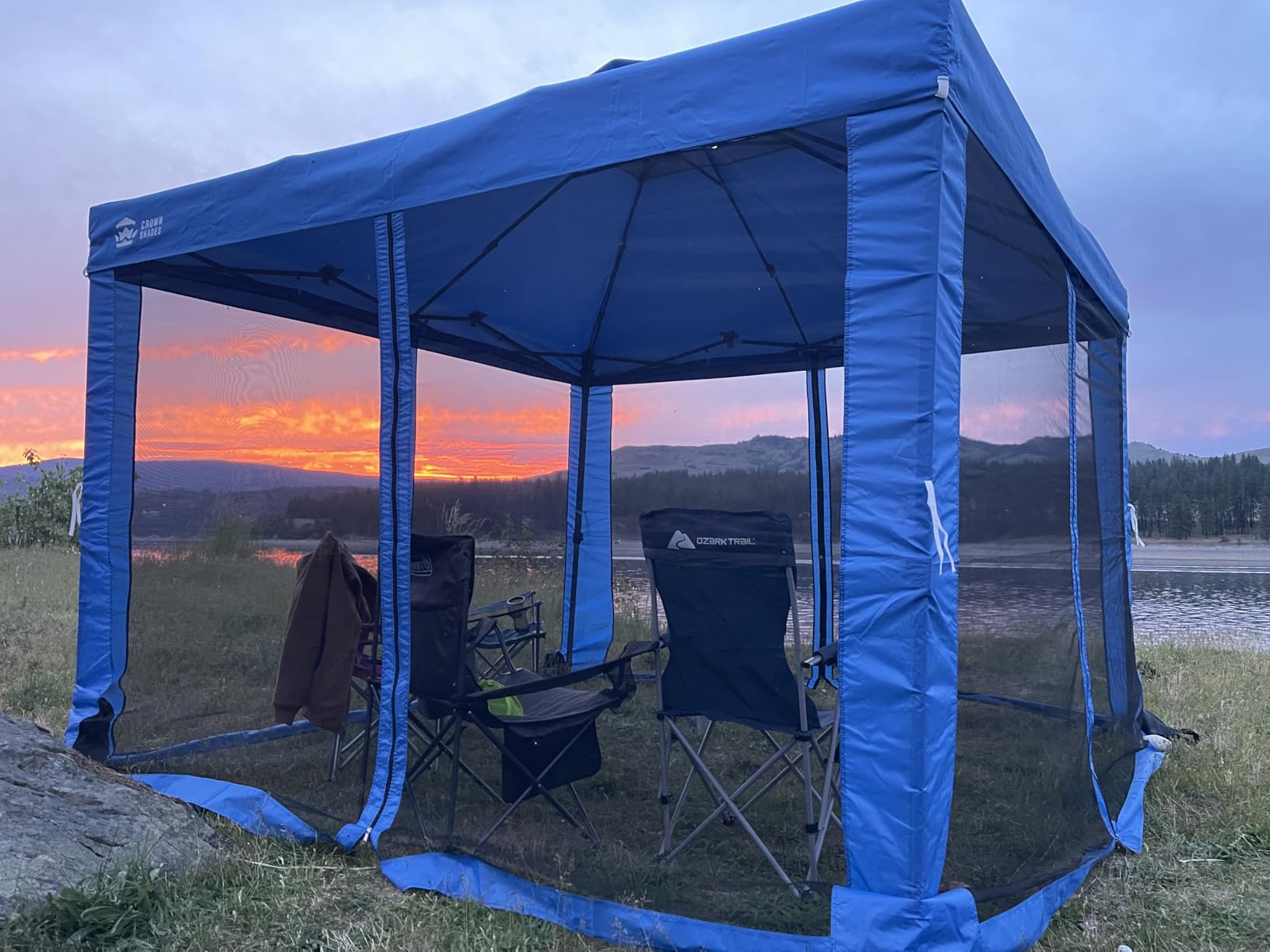
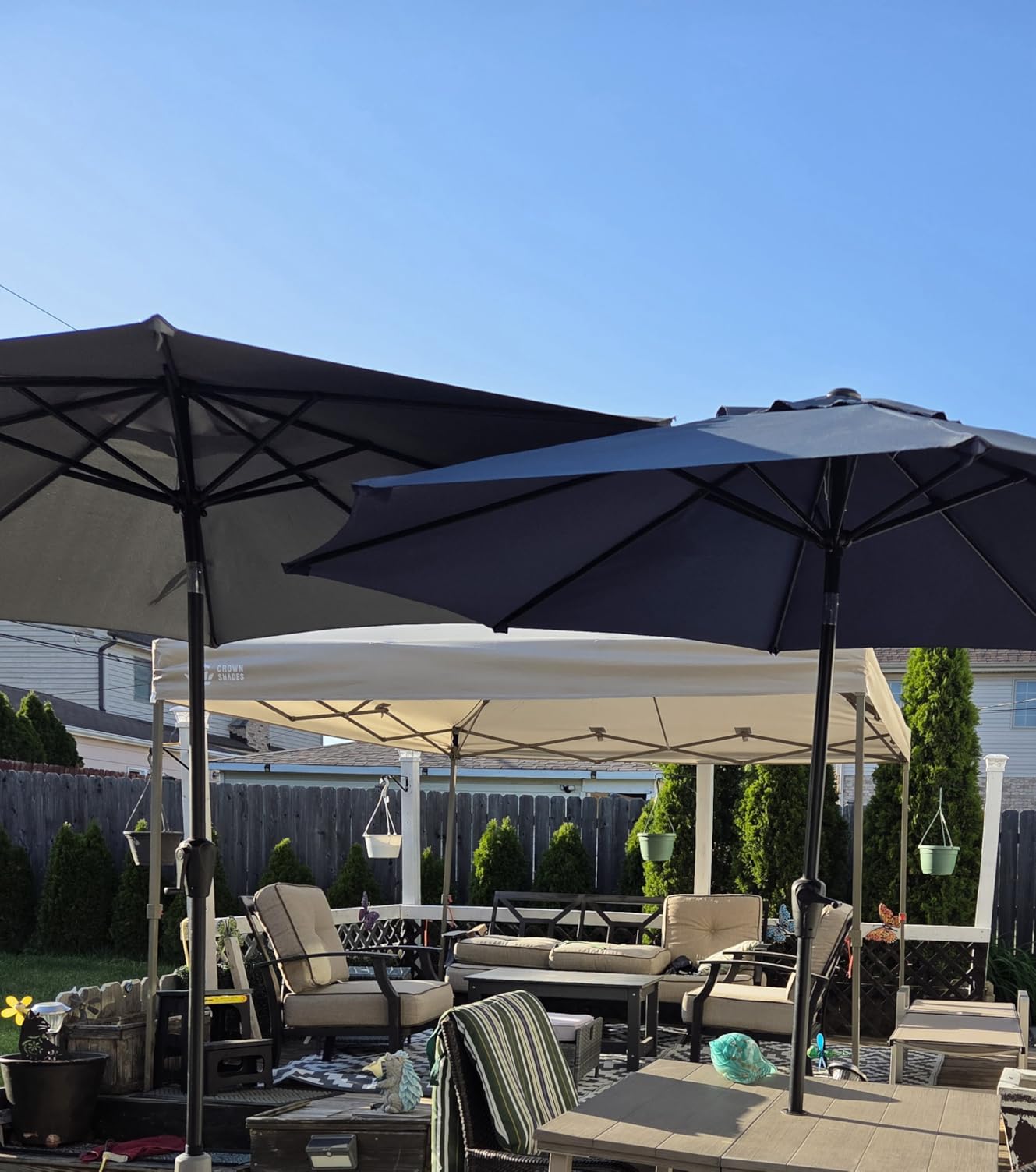
The accessory kit is unusually generous for the money. You get a storage bag, eight stakes, four guy ropes, and four weight bags, which is enough to anchor it on grass or hard soil without a separate hardware run. The 150D silver-coated fabric carries a CPAI-84 flame-resistant rating, which is the certification you want if you are ever cooking under it or hosting a large gathering.
The 2-year parts replacement warranty is the concrete advantage here. Most canopies in this roundup offer a 1-year frame window with 6 months on parts, so a bent leg after fourteen months is a real cost under those terms and covered here. For buyers planning several seasons of use rather than a single event, that difference matters more than another 20 inches of peak height.
Why this one wins on setup speed
The single-hub mechanism matters most when two people are putting it up in a driveway before a party or taking it down in the dark after one. There is no sequencing, no matching diagonal corners, and no need to hold a leg in place while someone else finds the pin. Setup and takedown become a genuinely two-minute job rather than a fifteen-minute one.
Over nine feet of peak height is the other quiet advantage. Most 11×11 canopies peak around 106 to 116 inches, and anything under about 108 starts to feel hunched when you are standing in a group. This one gives you room to hang string lights from the frame, walk around the table upright, and stack chairs without ducking.
Its limits compared with a hardtop
The manufacturer states plainly that the canopy is for sun and light rain and should not be left unattended in heavy wind or rain. That is not a flaw, it is a design boundary, but it means the two hundred dollars you spend buys a summer shelter rather than a year-round structure.
Also note the four removable netting panels are meant to be taken down in bad weather, since a loose panel becomes a sail. Plan for that step along with the anchoring, and this becomes a very easy unit to live with. Leave the netting on and anchored in a squall and you have built yourself a problem.
3. MASTERCANOPY 11×11 Pop Up Gazebo – Lightest Budget Canopy
MASTERCANOPY 11×11 ft Pop Up Gazebo with Netting Screen Walls, Brown
Coverage: 121 sq ft
Frame: alloy steel
Roof: 180D silver-coated polyester
Dimensions: 132 in square
Pros
- Lowest price point in the roundup with 121 sq ft of coverage
- Double-tier vented roof improves airflow and adds stability
- Roof drain holes prevent water accumulation
- Mesh walls provide privacy and bug protection
Cons
- Manufacturer instructs not to use it in extreme weather
- UV blocking rated at 95% rather than the higher figures some rivals claim
If the number at checkout is the deciding factor, this is the entry point. It is the least expensive gazebo we tested, and at 4.0 stars across 1060 ratings with a 61% five-star share, the low price is not paid for with obvious breakage. You get the same 121 square feet of shade as units costing twice as much.
What separates it from the cheapest canopies is the double-tiered roof. Most budget models use a single fabric layer that sags in the middle and collects water, and this one adds a second tier for airflow plus drain holes in the canopy to shed accumulation. The 180D silver-coated polyester blocks 95% of UV rays, which is a real but less aggressive figure than the 99% claimed by some rivals in this list.
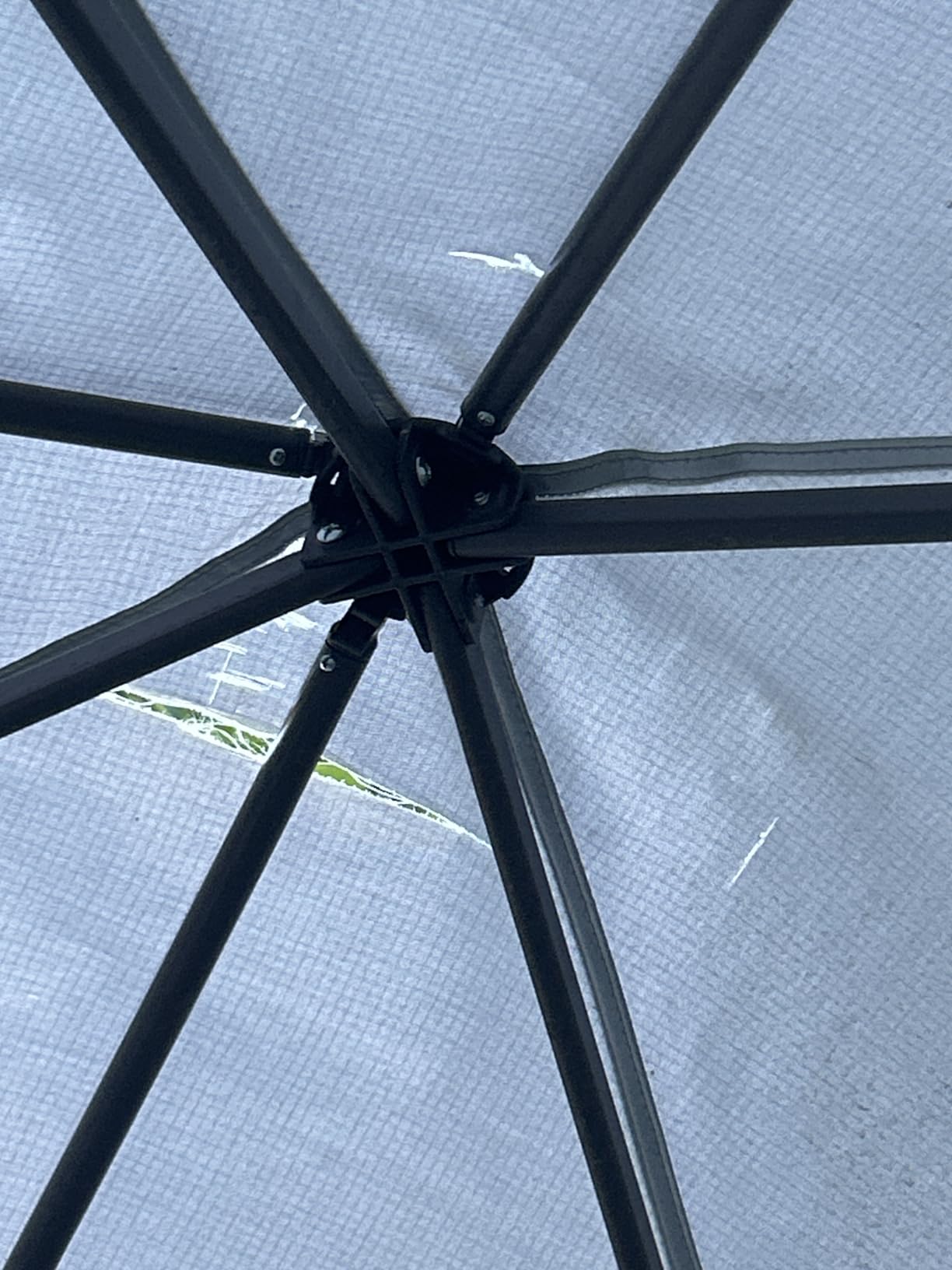
One detail worth knowing: the straight-leg frame is listed at 10×10 while the top coverage is 11×11, so the usable floor area is closer to 100 square feet than the headline 121. Measure your actual furniture footprint before ordering, because a dining table that fits a true 11×11 square will not fit a 10×10 base with straight legs.
Assembly is a one-or-two-person job, which keeps this in the same convenience class as the other pop-ups here even though the frame is heavier. The warranty is a 1-year frame replacement with 6 months on parts, the shortest window among the picks, so treat it as a seasonal and event shelter rather than something you expect to keep for a decade.
Who this budget canopy works for
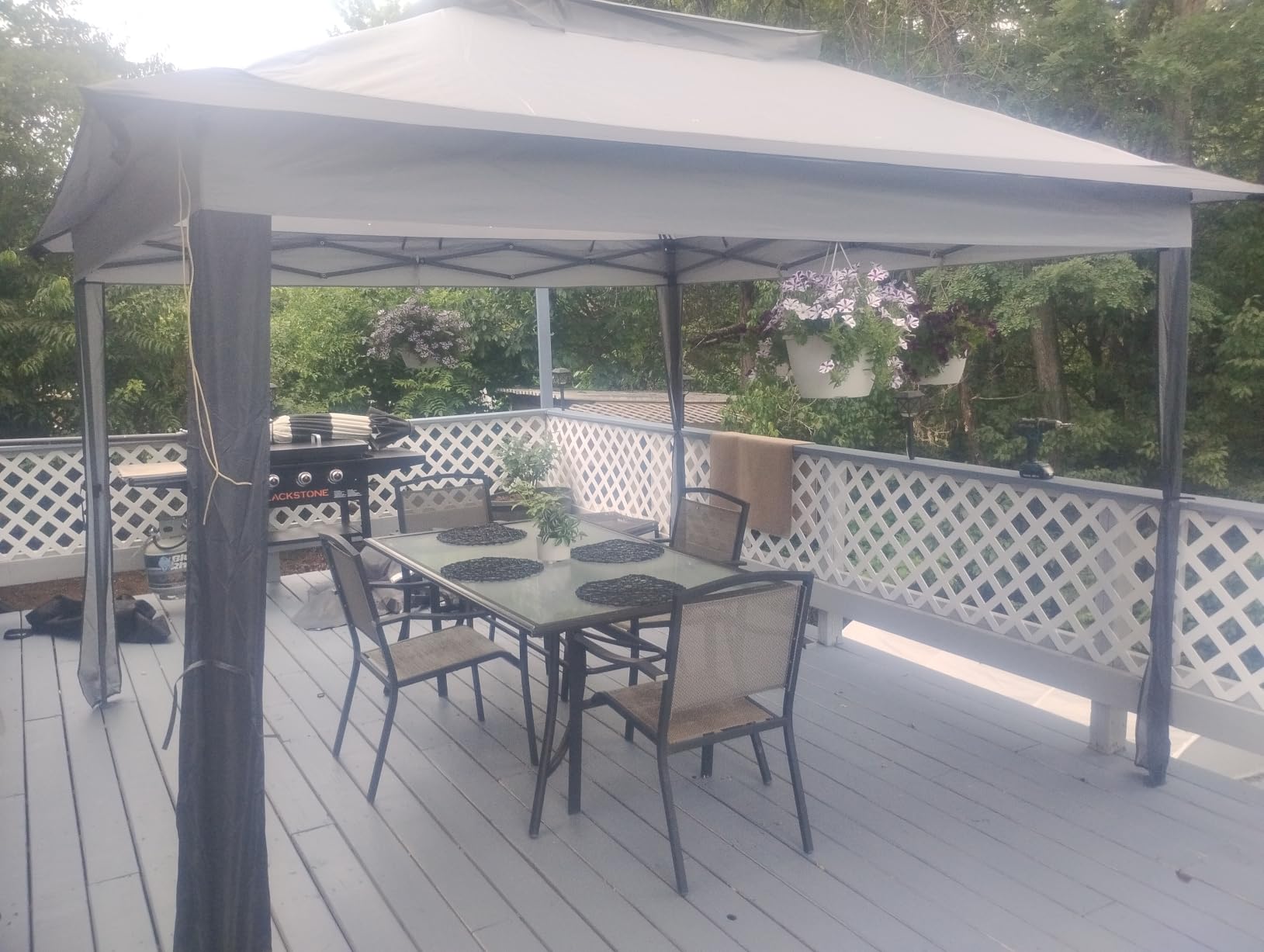
This suits buyers who want shade for a few months a year and want to spend as little as possible while still getting a properly sized footprint. It is a good fit for a market stall, a garage sale, a weekend of outdoor dining, or a temporary setup on a rented patio where permanent anchoring is not an option. The double-tier roof also makes it a slightly better choice than a single-layer model in warm climates.
Its mesh walls also make it more useful than an open canopy. When the netting is zipped in, the interior reads as a room rather than a roof on sticks, which matters if you are hosting and want guests to settle in instead of drifting away from the sun.
What you give up at this price
You give up material thickness and warranty length. 180D polyester with 95% UV blocking is thinner than the 200D-plus fabrics used by the pricier canopies here, and the 6-month parts window means a bent joint at month eight is on you. If you want the fabric to last three summers rather than one, spend the difference.
The manufacturer also instructs against extreme weather use, so this does not move into year-round territory regardless of how you anchor it. Buyers in areas with real snow or coastal wind should skip this tier entirely and go with a steel frame or hardtop where the structure is designed for load.
4. East Oak 10×10 Screen Tent – Best for Mosquito Control
East Oak Pop up Screen Tent with Mosquito Netting, Portable Screen House Canopy Shelter, 10 x 10 FT Instant Screen Gazebo & UPF 50+ UV Protection for Patio, Backyard, Deck & Outdoor Activities, Beige
Weight: 23.4 lb
Coverage: 10x10 ft
Frame: steel with fiberglass poles
Warranty: 3 years
Pros
- Four-sided D33 fine mesh gives full airflow and serious bug protection
- Sets up by one person in under a minute
- Fiberglass roof poles resist pooling and add headroom
- Folds to a 30.7 inch carry bag
- 12 stakes and 6 guylines included
Cons
- Listed as not water resistant so it gives shade and bug cover rather than rain protection
- 90 inch peak height is lower than the steel-frame gazebos here
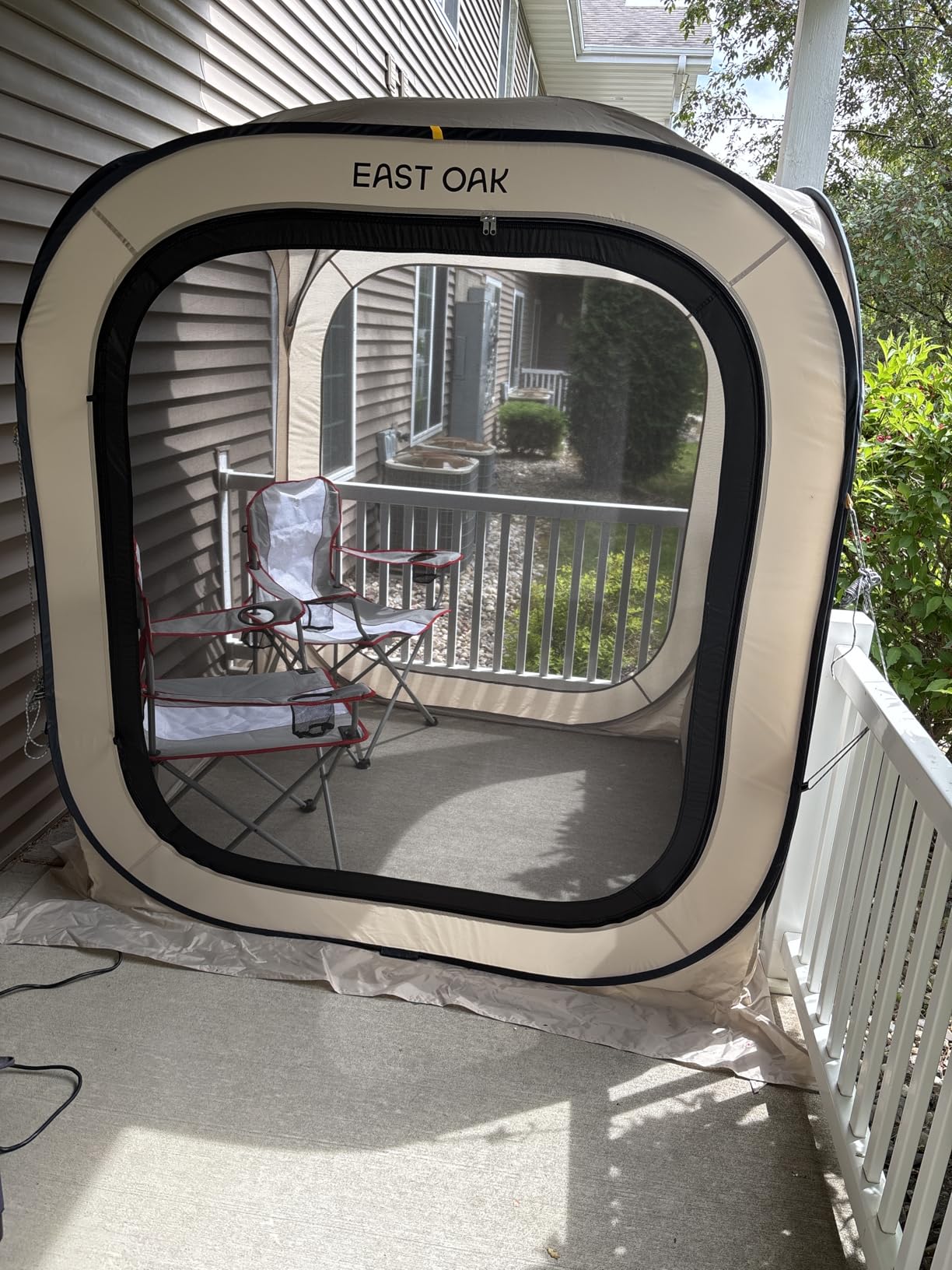
This is not technically a gazebo, and that is exactly why it works so well for a specific problem. The East Oak is a screen tent: four full sides of D33 fine mesh with almost nothing blocking the air, which makes it the best mosquito control in this roundup by a wide margin. At 4.5 stars across 1932 ratings with a 74% five-star share, it also has the strongest owner satisfaction among the pop-up group.
Because the mesh is the wall, the interior does not get stuffy or dark. You can sit at a table for hours with the windows open and no bugs, which is exactly what most people want from a patio shelter. The silver-coated Oxford fabric runs only across the roof and a partial band, so shade coverage is real while the sides stay bright and ventilated.
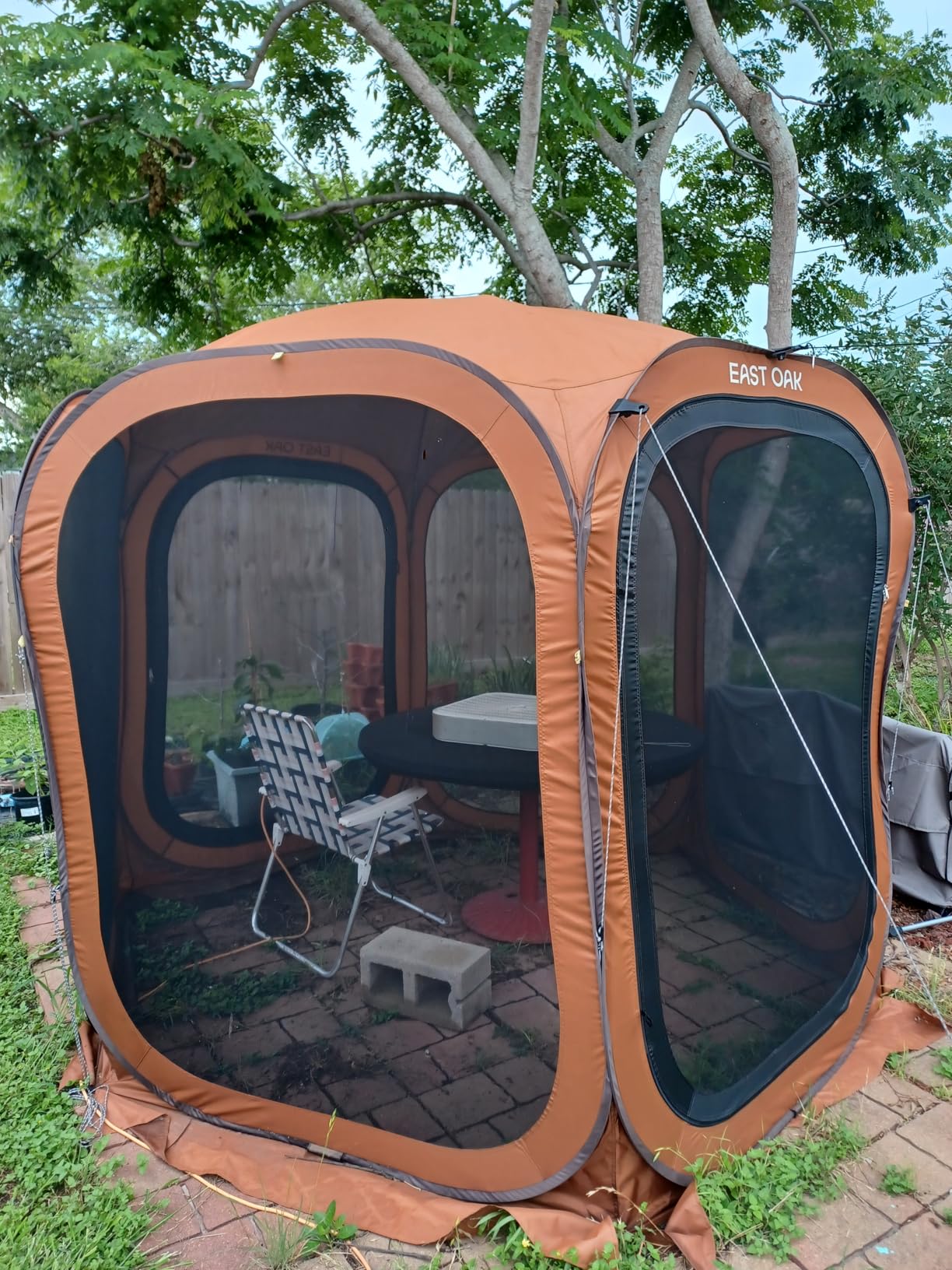
Setup is the other headline. One person puts it up in under a minute and it folds to a 30.7-inch square carry size, which at 23.4 pounds is genuinely portable. Reinforced steel legs carry heavy-duty fiberglass top poles, which is what stops the roof from sagging inward, and double-stitched zipper connections hold up better than single-stitch versions we have seen fail first.
It is also the only pick here with a 3-year warranty, the longest coverage in the group. That matters if you are treating it as a seasonal fixture rather than a one-event canopy, and it shifts the effective value of this model well above where the price alone would put it.
Where the screen tent outperforms every gazebo here
If your priority is insects, this wins outright. D33 mesh is fine enough to shut out mosquitoes and biting flies while still allowing a real breeze, and there is no fabric wall to trap heat or flap around in a gust. For evening dining in summer, or for anyone with a mosquito intolerance in the household, the difference versus netting hung inside a steel gazebo is immediate.
It is also the best choice for small spaces. At 96 square feet and 23.4 pounds, one person can move it from the patio to the deck or to a campsite without help. The included kit of 12 ground stakes, 6 guylines, 6 sandbags, and 3 telescoping poles means you can pitch it on grass, sand, or a deck without buying hardware first.
Its real limitations
It is listed as not water resistant, which means this is a shade and bug shelter rather than a rain shelter. That is a fair trade for mosquito protection but it does rule out the model for anyone whose main goal is staying dry, and the roof fabric is the only water-shedding surface you get.
The 90-inch peak height is the shortest in this roundup, which makes it feel more like a large tent than a gazebo. Manufacturer guidance says not to use it above 24 mph of wind, the lowest ceiling of any pick here, so anchoring matters even more than usual despite the light weight. Taller users will notice the low ceiling immediately at a table.
5. ABCCANOPY 11×11 Pop Up Gazebo – One-Button Lock and Roomy Shade
ABCCANOPY Pop Up Gazebo 11×11 with Mosquito Netting, Dark Gray
Weight: 49.4 lb
Coverage: 121 sq ft
Fabric: 150D plaid weave
Frame: alloy steel
Pros
- ONE PUSH central lock sets up in about one minute
- 121 sq ft of shade rated for 6 to 12 people
- 150D tear-resistant plaid weave with silver coating
- Thickened webbing corner pockets stop roof corners poking through
- Carry bag
- guy ropes and 12 stakes included
Cons
- Manufacturer directs buyers to take it down when a storm approaches
- 213 ratings is a thin review base for judging long-term durability
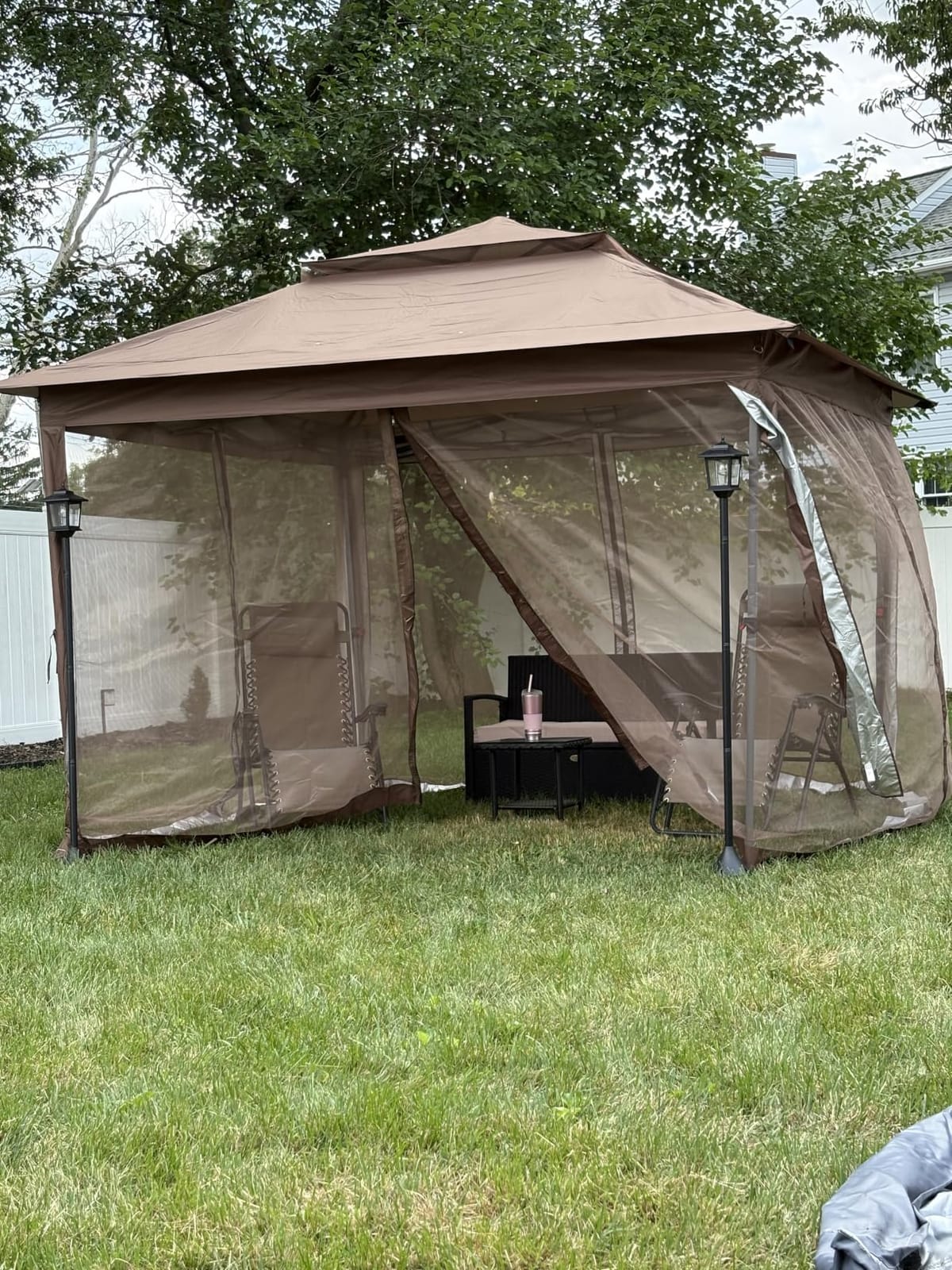
The ABCCANOPY uses the same central-lock idea as the CROWN SHADES, but it is worth considering for a different reason: room. The listed occupancy runs 6 to 12 people across 121 square feet, which is the highest capacity rating among the pop-up canopies we tested, and that makes it a better fit if you are hosting a larger group rather than a family dinner.
The 150D tear-resistant plaid weave with silver coating is a heavier fabric than the 150D plain weave used by some rivals, and the difference shows in the review data, where owners mention the material holding up to repeated folding and storage without fraying. The roof also carries drain holes and vent netting, which are the two small features that most extend the life of a canopy roof.
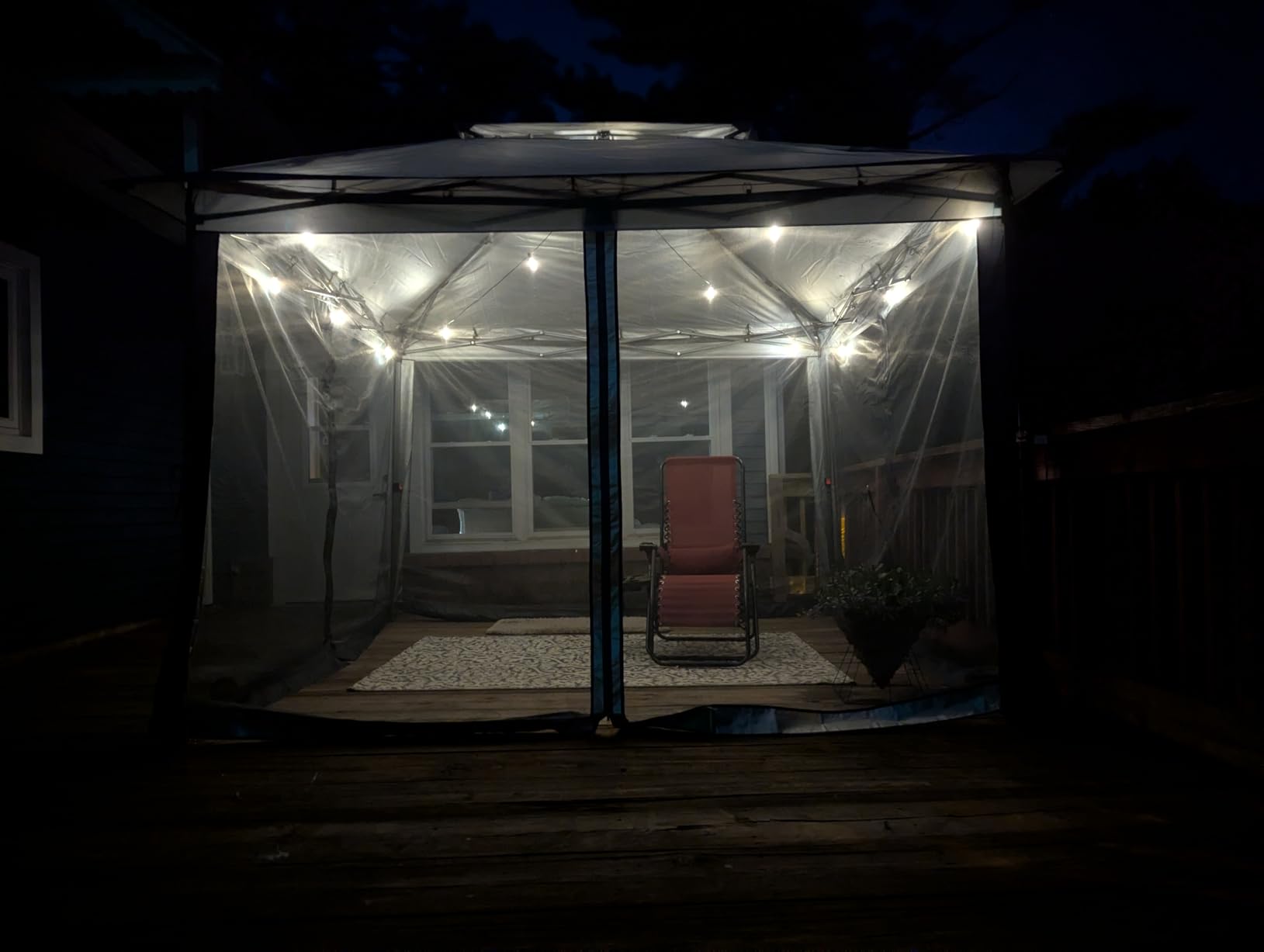
Thickened webbing at the corner pockets is the detail we would highlight if this list allowed a fourth award. It sounds minor, but it is the exact failure point on cheaper pop-ups: the fabric corner pushes through its pocket and tears the seam the first time you pull the roof tight. Reinforcing that point is a straightforward sign the manufacturer thought about repeated setup cycles.
The included kit is complete for grass installation: a carry bag, four guy ropes, twelve stakes, and the removable netting wall hardware including 36 plastic rings. At 49.4 pounds it is one of the heavier pop-ups here, so plan on two people for the carry from garage to lawn.
Why this one fits crowds better than its rivals
If you are planning a party, a family reunion, or a large cookout, the 6-to-12-person rating means you can size the purchase to the event rather than to the product. A four-person dining set under a canopy rated for six feels cramped; under a canopy rated for twelve it feels generous. That rating is a capacity claim rather than a comfort one, but it still helps you pick correctly.
The one-minute setup also matters most for large groups, because the frame goes up before your guests arrive instead of during. That is the same central-lock mechanism as our second pick, executed on a slightly heavier and more robust-looking frame with a tear-resistant fabric blend.
Where the thin review history shows
The honest drawback is data. With 213 ratings, there is not yet a long ownership history, so multi-season durability claims here come from early owner feedback rather than years of weather data. Compare that with a canopy carrying 9044 ratings at a similar star average, and you understand that the rating is strong while the evidence is thin.
As with every pop-up, the manufacturer directs you to take it down when a storm approaches, so this is a summer and events shelter. The warranty is a 1-year frame with 6 months on fabric and accessories, the shortest structure in the group, so for anything year-round you need to move up a category.
6. COBIZI 12×12 Pop Up Gazebo – Largest Footprint and Strongest Specs
COBIZI 12×12 FT Pop up Gazebo on Clearance Outdoor pop up Canopy Tent,carpas para Patio, Shelter Tents with Netting & Portable Carry Bag, Patio Gazebos for Camping, Garden & Lawn, Darkgrey(Upgraded)
Coverage: 144 sq ft
Fabric: 210D Oxford, 1500mm waterproof
Frame: 3mm powder-coated steel
Wind rating: 30 mph
Pros
- 144 sq ft of shade on a 12x12 double-roof design
- 210D Oxford fabric rated 1500mm waterproof and SPF50+
- Three adjustable height settings with comfort-grip locks
- Owners report it holding up in 20 to 24 mph gusts
- Complete kit of stakes
- ropes
- sandbags and storage bag
Cons
- Unsupported center of the double roof can sag if rainwater pools there
- Most owners describe setup as a two-person job
- One owner reported a rain-related roof collapse
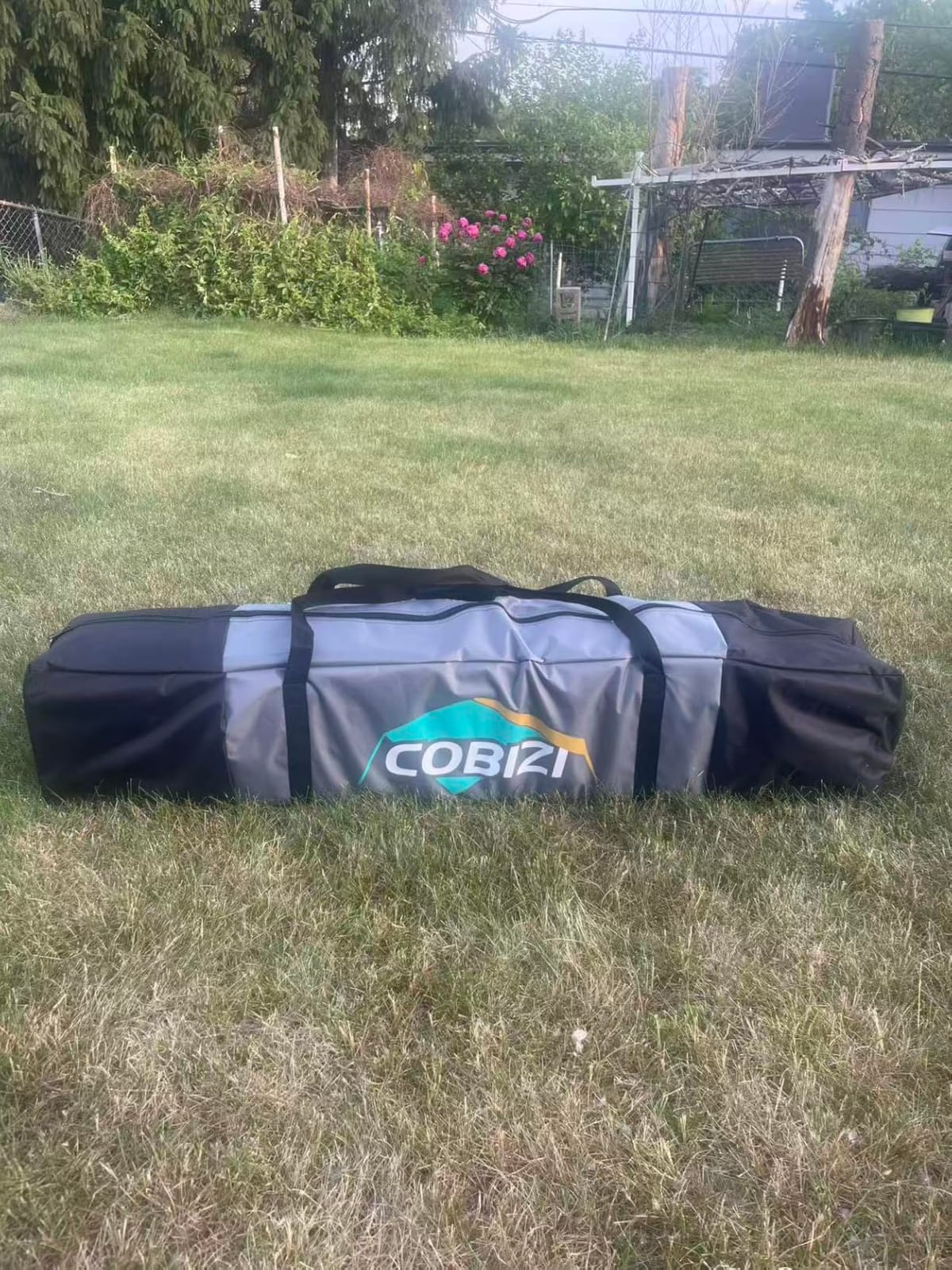
This is the most technically ambitious pop-up in the roundup, and on paper it wins the specification race. 210D Oxford fabric with a 1500mm waterproof rating and SPF50+ is a heavier and more weather-capable material than anything else at this price level, and the frame is 3mm powder-coated steel with pickling and phosphating finish, rated to 150 lb and to 30 mph of wind when anchored.
At 144 square feet it also offers the largest footprint of any pick here, sized for 8 to 10 people, with a double roof that adds interior height and overhanging eaves that extend the shade past the footprint. Three adjustable height settings at 98.4, 102, and 105.6 inches let you match the canopy to the clearance under a deck or patio cover.
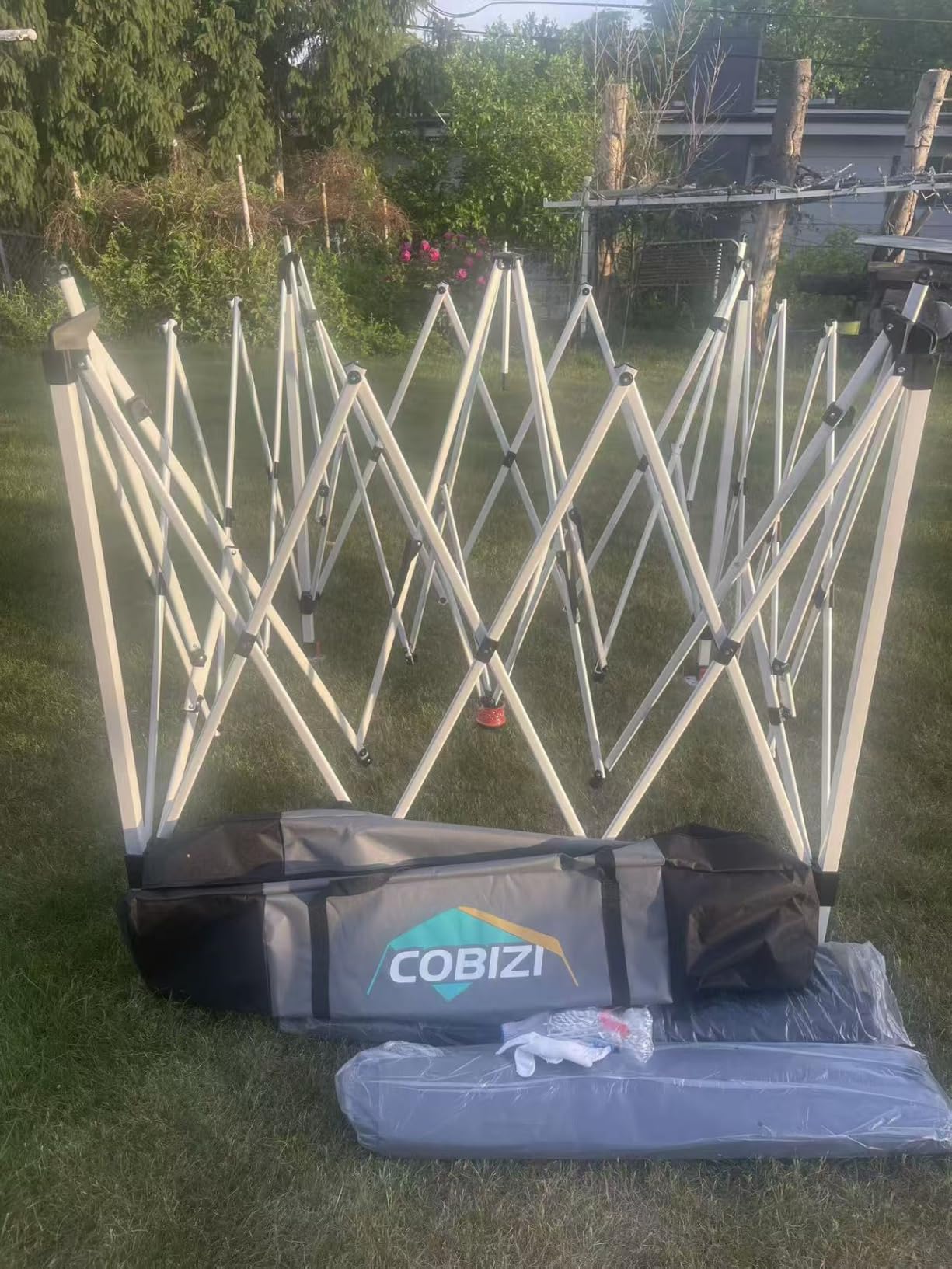
Owner reports add real-world texture to those numbers. Multiple buyers describe the fabric holding up in 20 to 24 mph gusts, and one reports the temperature under the canopy running roughly 20 degrees cooler than the surrounding yard. At 4.2 stars across 270 ratings with a 65% five-star share, reviewers broadly describe it as sturdier and better made than the price suggests, which is the sentence we see most often in the review data.
The four removable mosquito net panels have two-sided zippers and four entryways, which is more generous than the single-panel nets on most rivals. The accessory kit includes eight stakes, four ropes, four sandbags, and a 450D Oxford storage bag, so nothing has to be bought separately to get it running on grass.
Why the specs translate into real use
A 1500mm waterproof rating is a meaningful number for a pop-up, because most canopies in this class sit closer to a plain water-resistant coating that fails after a season of rain. This one is specified for actual water resistance, which is why owners report using it for camping and for all-day outdoor work rather than only for dining shade. The 30 mph anchored wind rating is the highest published figure among the pop-ups here.
The 12×12 footprint also solves a problem smaller units cannot. If you want a table for eight plus a grill station under the same roof, this is the only pop-up in the roundup with the square footage to do it comfortably, and the double roof keeps the peak high enough that you are not crouching under the ridge.
The one weakness that matters in rain
The recurring complaint in the review data is specific and worth repeating: the vented double roof has no center support, so if rainwater collects at the top vent, that section can sag and collapse inward. One owner rated the unit poorly after exactly this failure. It is the one design flaw that separates this from the more robust soft tops in the roundup.
Set it up with a slight pitch away from the vent if you can, take it down before heavy rain, and it performs well. But do not leave it standing through an all-day downpour and expect the peak to hold, and treat the 30 mph rating as an anchored, gust-limited figure rather than a storm rating.
7. LAUSAINT HOME 10×13 Gazebo – Soft Top Built for Wind and Rain
LAUSAINT HOME 10×13 Gazebo Canopy with Netting, Curtains & Double Roof
Weight: 103.2 lb
Coverage: 129.29 sq ft
Frame: 40x40mm galvanized steel
Canopy: 135G polyester, 1500mm
Pros
- Thick 40x40mm tubing that owners report withstood 50 mph gusts
- 135G polyester canopy with genuine waterproof performance
- Frame shows no rust or bending after winter storage
- Metal zippers on the curtains and netting glide smoothly
- 8 expansion bolts included for concrete or lawn anchoring
Cons
- Assembly is a 3 hour-plus job with roughly 45 real steps
- Canopy is difficult to stretch over the roof vent section
- Some models arrive with misdrilled holes or missing screw sockets
- Listed 10x13 size is measured at the eaves so the footprint is smaller
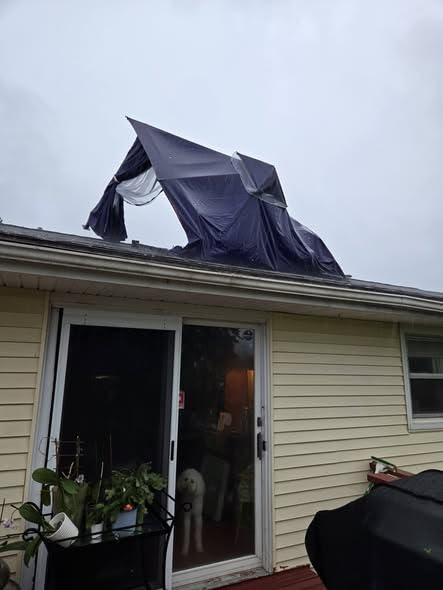
This is the soft-top gazebo we would trust in a coastal or storm-prone yard, and it earns that by being heavy and properly made rather than cheap. At 103.2 pounds with 40x40mm galvanized steel tubing, it has roughly double the frame mass of a standard pop-up, and owners report it standing through 50 mph gusts and even a tornado without damage.
The canopy is 135G polyester rated at 1500mm water resistance, which is genuinely waterproof rather than merely water resistant. That is the same fabric class as the COBIZI top, and buyers report no leaks after multiple seasons. Two owners who removed the soft goods for winter report the metal frame came back with no rust or bending at all, which is what galvanized tubing is supposed to deliver.
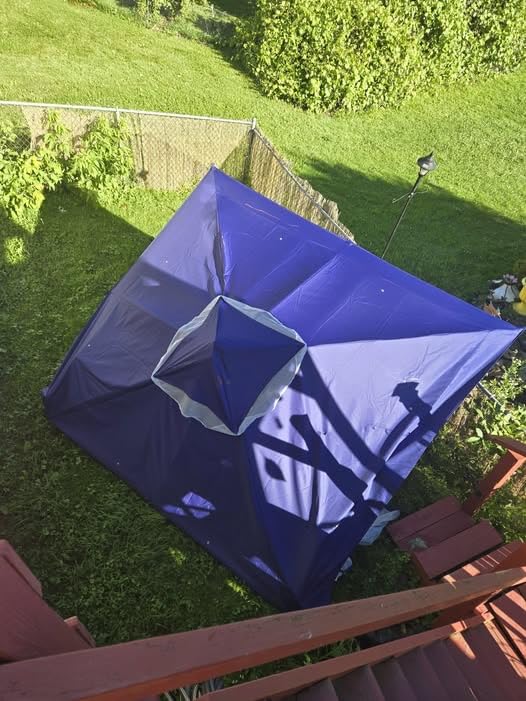
The smaller details are noticeably better too. The curtains and netting use metal zippers rather than the plastic ones that crack on cheap models, and the double-tier roof carries a center hook and D-rings so you can hang a fan or string lights. Wind resistance is rated to Level 6 when properly secured, and eight expansion bolts are included in the box for concrete or lawn anchoring, which almost no competitor at this level includes.
Customer service is also worth flagging. One owner reported a replacement arriving within two days after a unit was destroyed, which is a meaningful signal about how a soft-top gazebo behaves after a severe event rather than being written off permanently.
Why this frame gauge changes the outcome
Tubing diameter is the number that predicts storm survival more than anything else in this roundup, and 40x40mm is closer to permanent-structure territory than to canopy territory. Frame mass also resists the sway that loosens fittings over time, which is why owners describe this one as having a permanent-feeling deck-structure quality rather than a temporary tent quality.
If you want to leave a soft top up between seasons without taking it down, this is the model we would choose. The waterproof canopy, the galvanized frame, and the included expansion bolts together give you a structure that can handle rain and moderate wind without a full teardown and rebuild every spring.
The assembly reality and the size trap
Plan for a real build. This is a 3 hour-plus multi-person job with roughly 45 actual assembly steps even though the printed guide shows 22, and stretching the canopy over the roof vent section is the part owners consistently describe as difficult. Two experienced builders or three helpers is a realistic minimum, not a suggestion.
Watch the size too. The listed 10×13 measurement is taken from the eaves, so the actual floor footprint is smaller than that, around 129 square feet. Measure your furniture against the true footprint, not the headline dimension. A few owners also report arriving units with misdrilled holes or missing screw sockets, so inspect the hardware before you begin.
8. Aoxun 12×10 Hardtop Gazebo – Best Polycarbonate Double Roof
Aoxun 12’x10′ Hardtop Gazebo with Polycarbonate Double Roof, Brown
Weight: 197.3 lb
Dimensions: 142.91 x 117.32 in
Roof: double-layer polycarbonate
Seats 8 to 10 people
Pros
- Double-layer polycarbonate roof blocks UV while letting light through
- Curtains plus inner zipped netting on all four sides for real weather use
- Buyers upgrading from fabric tops report a major jump in sturdiness
- Roof hooks accept fans
- lights and decorations
- All parts clearly numbered for assembly
Cons
- Tinted polycarbonate creates a greenhouse effect in direct sun
- Roof panels seat awkwardly and the protective film is tedious to remove
- Bundled ground stakes are too short for firm clay soil
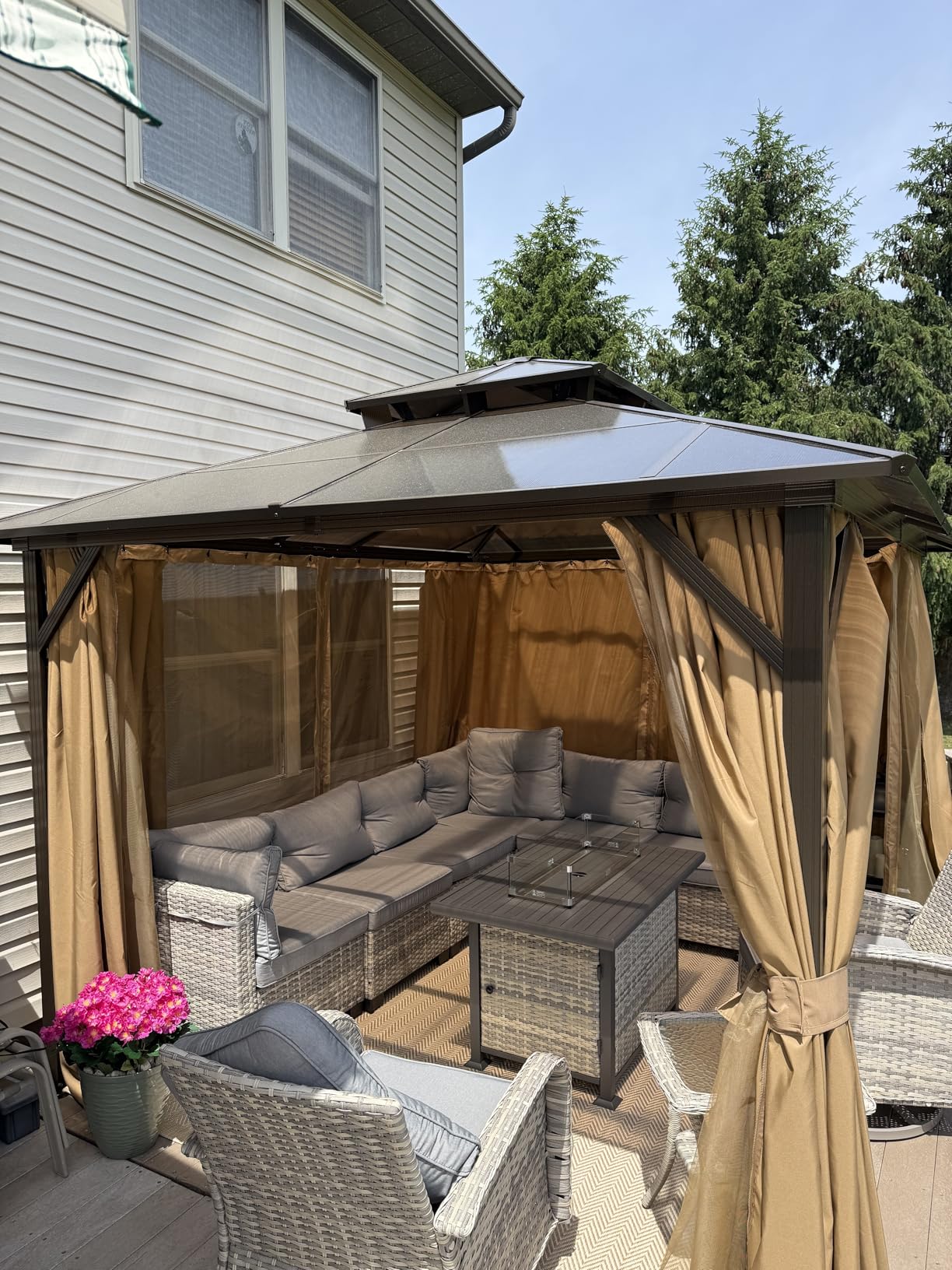
Polycarbonate is the compromise roof material, and this unit commits to it fully. A double layer of polycarbonate blocks UV while letting daylight through, so the interior stays bright rather than dim the way a galvanized steel roof does. For daytime use in a shaded patio, that light transmission is a genuine advantage over the metal-roofed hardtops in this list.
This is also where many buyers land after losing a fabric gazebo to a storm. Reviewers upgrading from soft tops describe this one as substantially sturdier, with curtains and inner zipped netting on all four sides that turn it into genuine all-weather shelter. At 4.0 stars across 1155 ratings it has the widest rating spread of any hardtop here, with 63% five-star and 15% one-star.
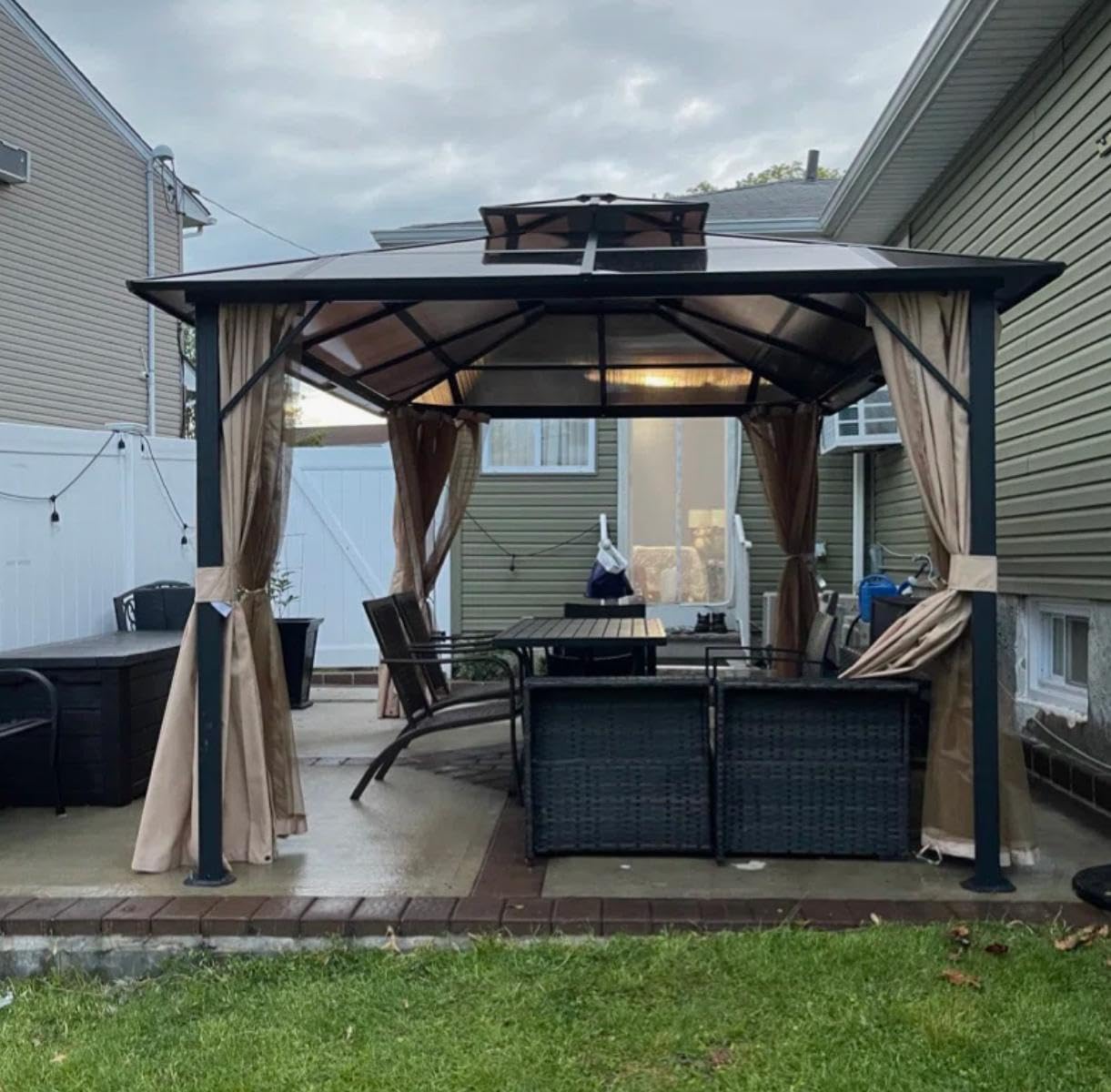
The dimensions matter here. At 142.91 by 117.32 inches it is a genuine 12-by-10 footprint rated for 8 to 10 people, and at 197.3 pounds it has the mass of a permanent structure. Frame parts are clearly numbered for assembly, which is a small courtesy that saves real time over an unlabeled bag of identical posts.
Owners also report that the support team shipped missing roof components quickly in at least one case, and many describe it as the best value in the hardtop category. That value framing is what puts a hardtop with a polycarbonate double roof and full curtains on the list below many pricier metal-roof models.
When polycarbonate is the right roof material
Choose polycarbonate when you want a bright interior, meaningful UV blocking, and a roof that will not dent or warp. Polycarbonate does not rust, will not dent from hail the way thin galvanized steel can, and is far lighter than a steel roof, which matters when you are the one lifting panels onto the frame during assembly.
For a daytime dining gazebo, a home office setup in the yard, or a covered play area, the transmitted daylight is worth more than the extra weight of a full steel roof. It also pairs well with netting and curtains, since the light comes in from above even with the sidewalls closed.
The greenhouse heat problem
The most common complaint in the review data is heat. Tinted polycarbonate traps solar energy, and owners in direct sun report interior temperatures getting uncomfortably hot at 80F and above. That is a real tradeoff for anyone planning to use the gazebo at midday in summer, and it is the reason we do not rank this above the galvanized models for warm climates.
There are two practical installation notes. The roof panels seat into narrow grooves and are awkward to align solo, so build the roof with a second person. The bundled ground stakes are also too short for anything but soft soil, which means you will need proper expansion bolts if you are anchoring on a concrete pad or a deck.
9. AirWire 10×12 Hardtop Gazebo – Fully Aluminum Frame
AirWire 10’x12′ Hardtop Aluminum Gazebo Dark Gray
Weight: 217.2 lb
Coverage: 120 sq ft
Frame: powder-coated aluminum
Roof: double galvanized iron
Pros
- All-aluminum frame resists rust and corrosion better than steel-framed hardtops
- Double-tier galvanized roof promotes airflow and heat dissipation
- Dual-track system lets curtains and zipped mesh slide independently
- Pre-drilled leg holes simplify anchoring
- Heavy 217.2 lb build conveying permanent-structure heft
Cons
- Lowest average rating of the twelve at 3.9 stars
- Split across three boxes that can come on different days
- Assembly is a 2 to 5 hour job for 2 to 4 people
- 187 ratings is a small base for long-term durability data
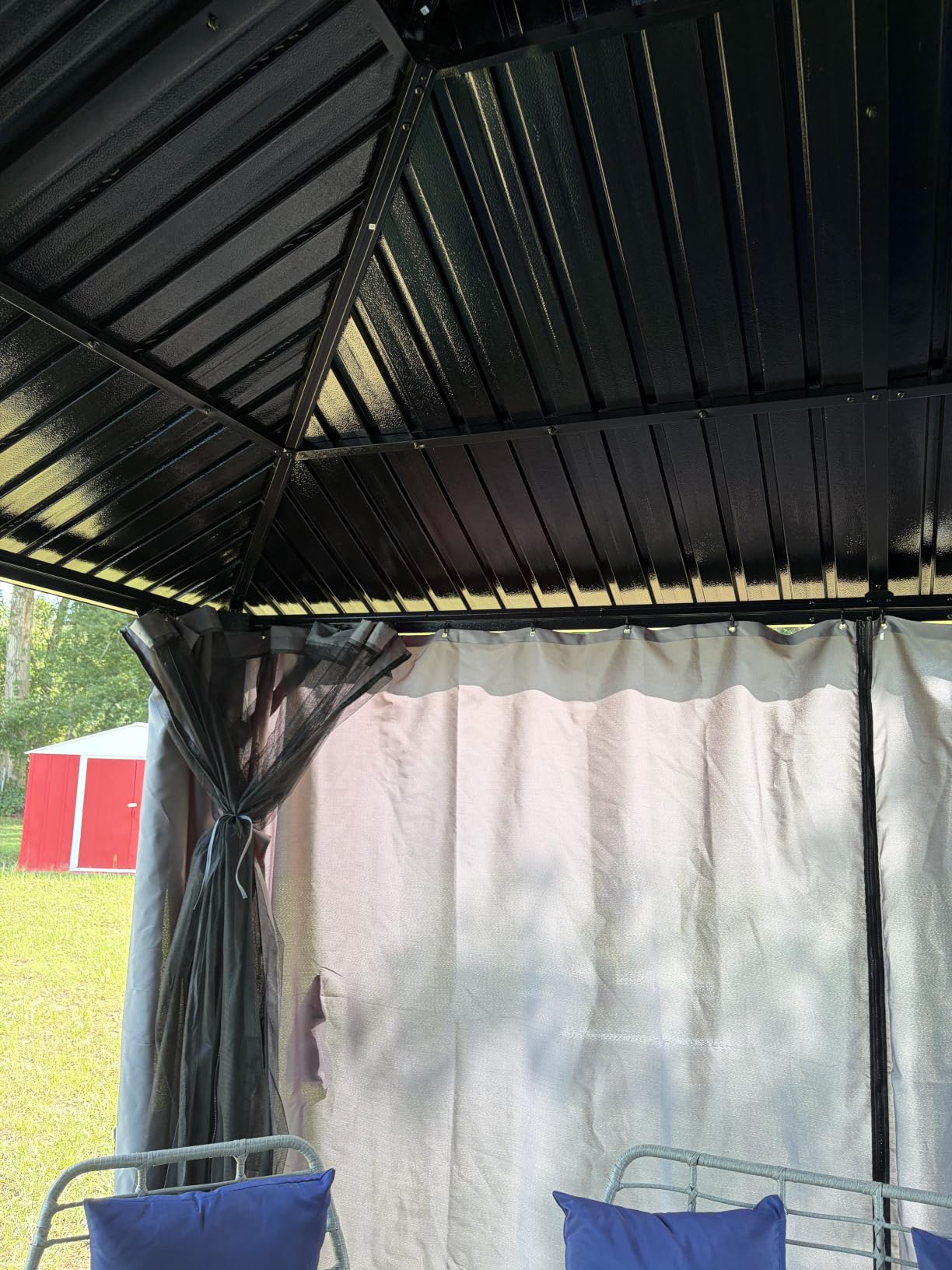
The AirWire is the specification leader in the sub-500-dollar hardtop class, and it is also the one we rate most cautiously. A fully powder-coated aluminum frame with a double-layered galvanized iron roof is an attractive material package in the hardtop category under this ceiling, and at 217.2 pounds it has the heft of a permanent structure.
Where the caution comes from is the rating itself. At 3.9 stars across 187 ratings with 58% five-star and 15% one-star, this is the weakest aggregate score among the twelve picks here, and the one-star share suggests that build and assembly quality vary more than they do for the better-reviewed competitors. That is why it sits below the top three despite the superior frame.
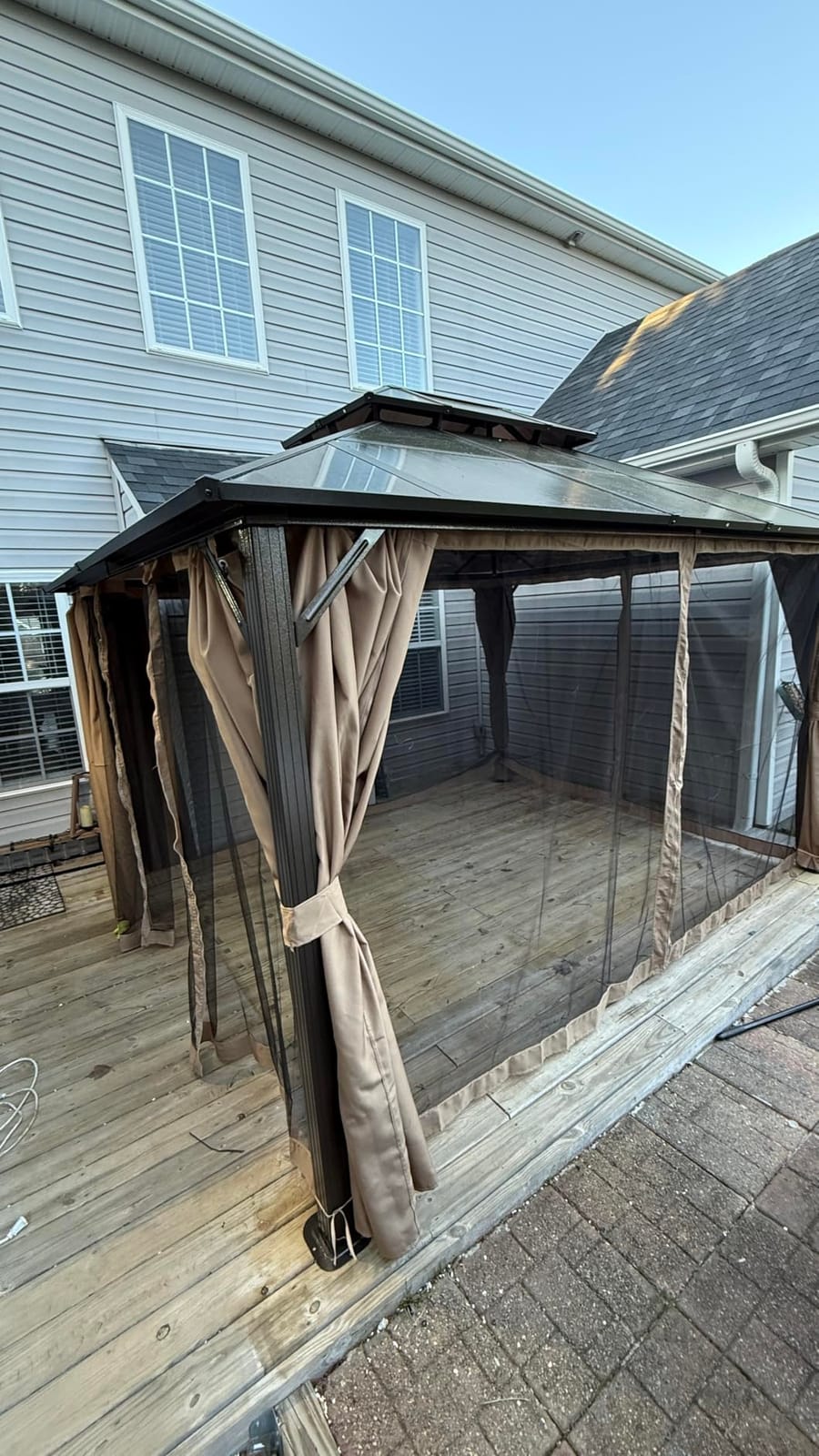
The design features are good ones regardless of rating. The dual-track system lets the outer curtain and the inner zipped mesh slide independently, so you can leave the curtains closed for privacy while keeping the bug screen open for airflow. Pre-drilled holes in the legs and included ground stakes make anchoring simpler than it is on units that arrive with nothing but plastic bags of hardware.
Roof center hooks accept electric lights or fans, which turns the unit into usable outdoor living space rather than a bare roof. The double-tier galvanized roof promotes airflow and heat dissipation, addressing the greenhouse problem that affects polycarbonate models.
Where aluminum beats steel
Aluminum does not rust, full stop, and it does not need painting or coating maintenance the way steel eventually does. If your gazebo sits near a beach, in a humid climate, or beside a pool where salt and moisture are constant, a powder-coated aluminum frame has a longer expected life than the steel-framed hardtops in this roundup at a similar weight.
It is also lighter per part, which matters during assembly even though the assembled unit is heavy. Pre-drilled leg holes reduce the alignment work on the frame, and the dual-track sidewall system is a genuine convenience once the build is done.
What the low rating reflects
With a 3.9 average, the complaints center on logistics and assembly rather than on collapse or failure. Multiple-box deliveries mean missing pieces on the first day, which is exactly the kind of friction that produces a one-star review even when the product itself is fine. The 2-to-5-hour build for 2 to 4 people is the longest claimed assembly window of the hardtops here.
Long-term data is thin at 187 ratings, so you are buying a well-specified structure with less evidence behind it. If you accept that tradeoff for the aluminum frame, it is a reasonable pick; if you want proven longevity, the galvanized steel models below carry far more review history for a modest premium.
10. UDPATIO 10×10 Hardtop Gazebo – Most Compact With a Published Wind Rating
UDPATIO 10’x10′ Hardtop Gazebo, Outdoor Gazebo Weather-Resistant, Grey
Coverage: 100 sq ft
Wind rating: 49 mph
Snow rating: 6 in
Frame: reinforced metal with corner brackets
Pros
- Only 100 sq ft hardtop here
- sized for small patios and hot tubs
- Documented 49 mph wind and 6 in snow ratings are the clearest published figures in the group
- Splice card slot design cuts screw count and adds strength
- Illustrated color-coded manual with exploded views
- Excellent plywood-framed foam-cushioned packaging
Cons
- Manual is pictures only so a missed step means backtracking
- No netting over the gap between main roof and vent roof
- No gutter system so runoff hits the ground at the edge
- Owners report 12 hours with three people or a day and a half for two
At 100 square feet, this is the smallest hardtop in the roundup, and that is the whole point of it. If your patio is tight, or you are sheltering a hot tub rather than a dining set, a 10×10 hardtop footprint solves problems the 10×12 and 12×12 units simply cannot. At 4.3 stars across 123 ratings, owners rate it well above the hardtop average.
What makes this pick genuinely useful is its published performance figures. Rated to 49 mph of wind and 6 inches of snow, this is the clearest documented weather specification among the twelve picks here, and it beats several more expensive models that publish nothing at all. One owner reports it surviving a strong storm without having been anchored beforehand, which is not a recommendation to copy but is a useful stress data point.
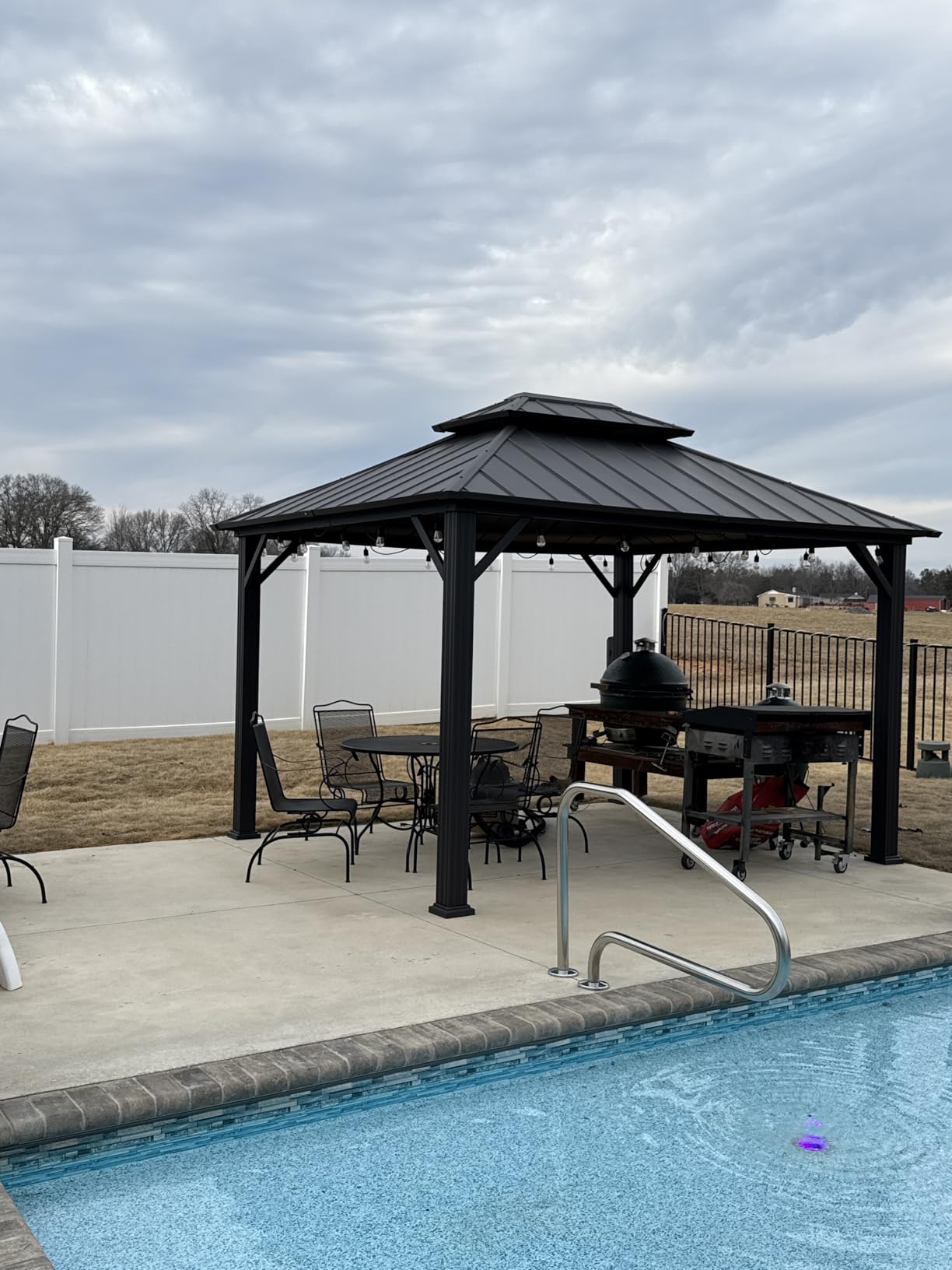
The structural approach is sensible. A new splice card slot design reduces the number of screws needed while reinforcing the joints, and thickened corner brackets plus crossbars reduce sway in the frame, which is what makes a small hardtop feel solid rather than flimsy. The ground fixing system is compatible with concrete, wood decks, and lawns, with both anchor bolts and stakes included.
Packaging gets an unusual mention because it matters on a 100-pound-plus build. Owners report plywood-framed, foam-cushioned boxes arriving undamaged, which removes the dented-panel problem that ruins galvanized steel roofs before assembly even starts.
When the smallest hardtop is the right answer
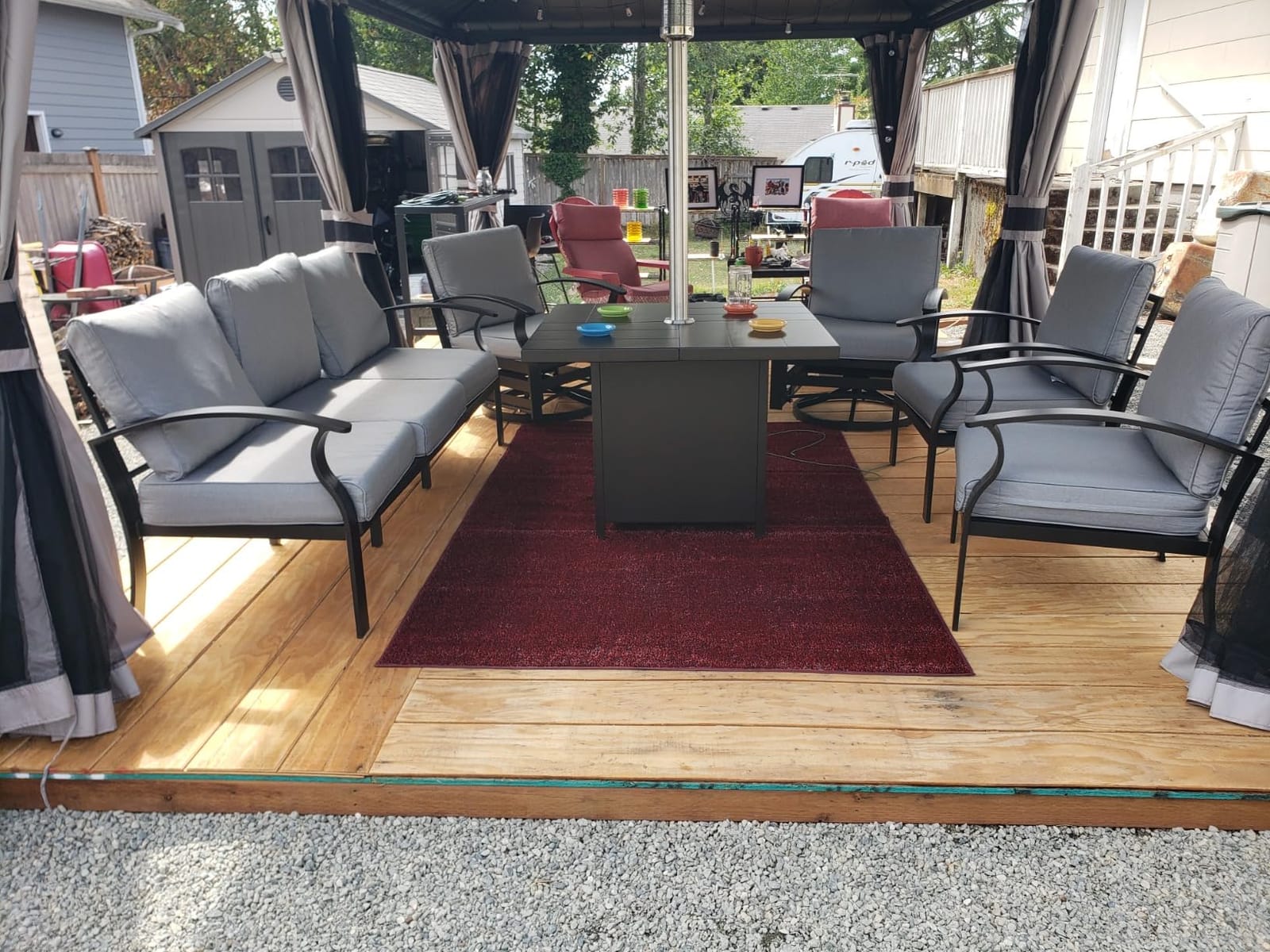
Choose this when space, not price, is your binding constraint. A 10×10 footprint fits a small patio, a deck corner, or a hot tub area where a 12×12 model would not clear the surrounding railings or the house. It suits 4 to 6 people, which is right for a couple, a small family, or a couple of chairs and a side table.
The published wind and snow numbers also make it the pick for anyone who wants a documented figure rather than marketing language. If you are anchoring it to a deck or a concrete pad and want to know what it is designed to take, this is one of only three picks here that will tell you.
The assembly time and the gaps
Owners consistently report a long build. Twelve hours with three people or a full day and a half for two is the realistic figure, which is longer than the roughly five hours the manufacturer states. The manual is pictures only, so a missed step means backtracking through the images, and that is where most of the extra time goes.
There are also two fit-and-finish gaps worth knowing. No netting covers the gap between the main roof and the vent roof, and there is a gap above the netting rails, so insects can still find a path in at the top. And with no gutter system, water runs off the edge and lands near the structure rather than being directed away from an adjacent wall.
11. EROMMY 10×12 Hardtop Gazebo – Galvanized Steel Roof for Snow
EROMMY 10′ x 12′ Hardtop Gazebo, Aluminum Frame Gazebos with Galvanized Steel Double Roof, Permanent Outdoor Metal Pavilion with Curtain and Netting for Patio, Lawn, Deck
Weight: 209 lb
Coverage: 120 sq ft
Roof: galvanized steel double top
Frame: powder-coated aluminum
Pros
- Galvanized steel roof holds heavy snow unlike fabric or polycarbonate tops
- Vented double top passes wind while blocking 99% of UV rays
- Triangular aluminum frame described as more stable than standard rectangular frames
- Fully zipped dual-layer sidewalls on independent sliding tracks
- Pre-drilled bases adapt to uneven ground
- 737 ratings of long-term owner feedback
Cons
- Galvanized steel roof is heavier and demands real anchoring
- Sold across a wide size range so finish can vary between variants
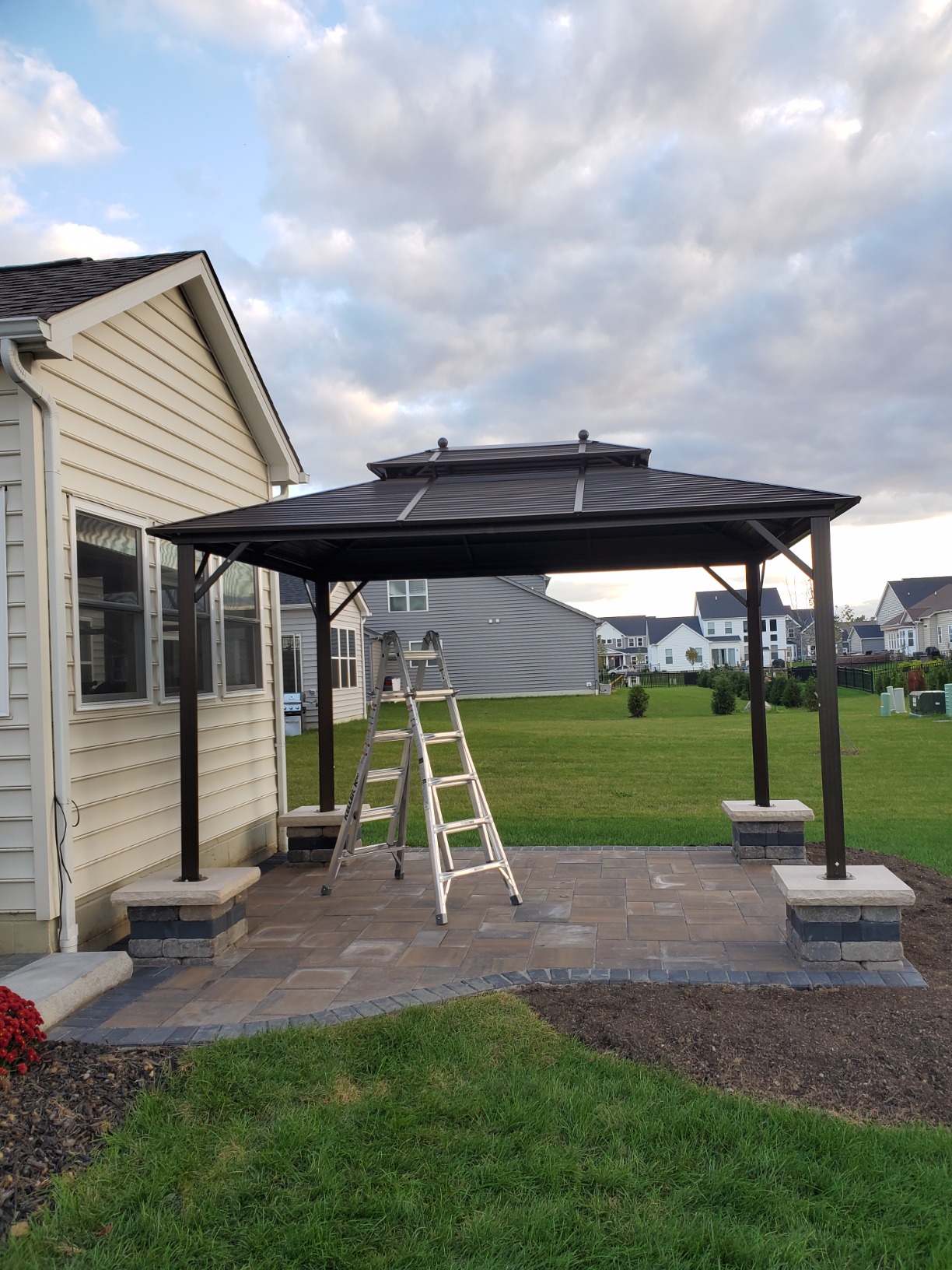
If you are buying a gazebo because you want to leave it standing through winter, the roof material decides the outcome. A galvanized steel double top is heavier and more expensive to assemble than fabric or polycarbonate, and it is the only roof in this roundup explicitly marketed as strong enough to hold heavy snow.
The frame is a triangular powder-coated aluminum design, which buyers describe as more stable than a standard rectangular frame, and the vented double top lets wind pass through while blocking 99% of UV rays. That combination of a load-bearing roof and a frame that does not flex is why this is the model we point snow-region buyers toward.
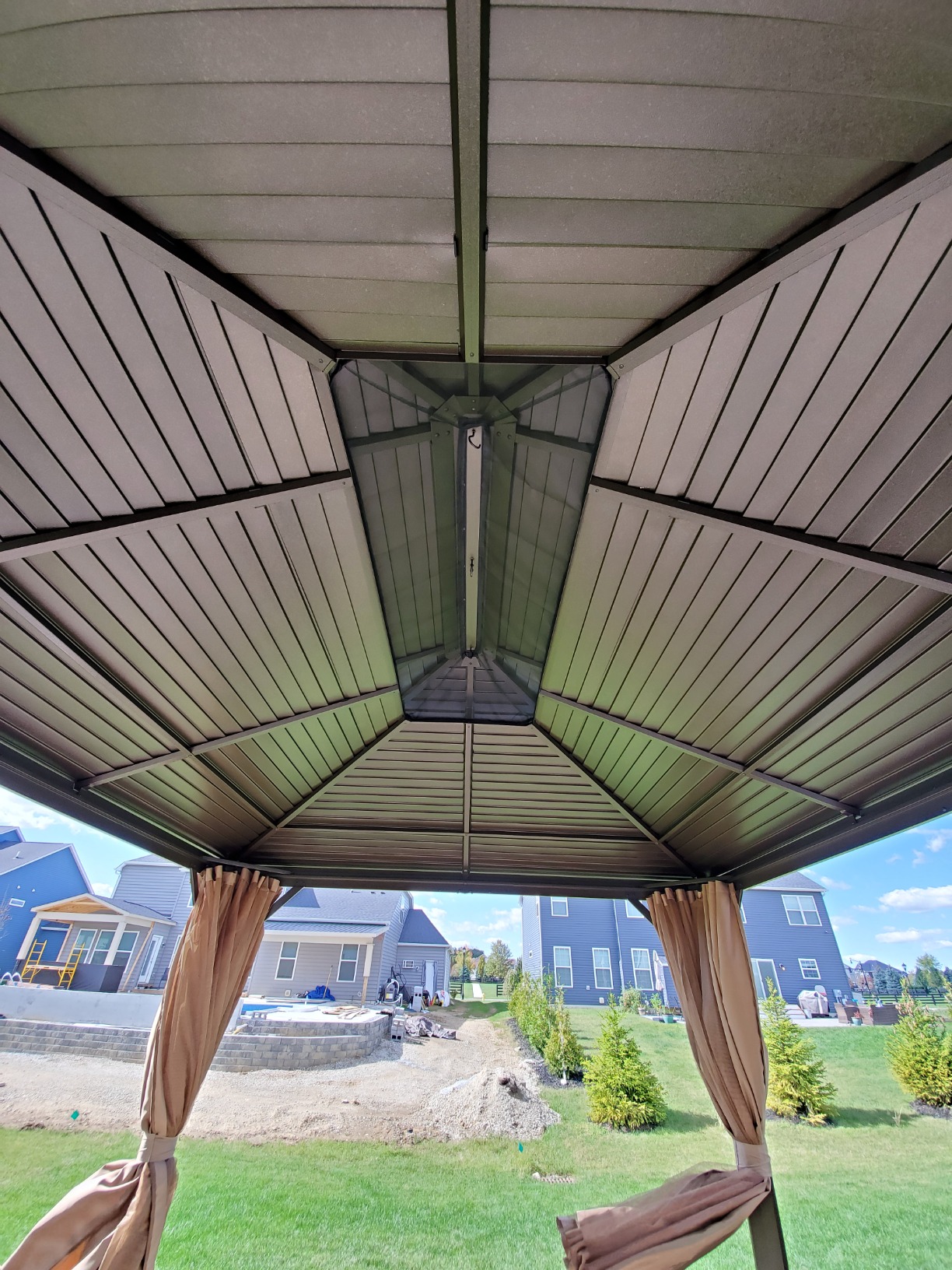
Sidewalls are fully enclosed with dual-layer zippered panels running on independent sliding tracks, plus top netting and a netting zipper on all four sides. In practice that means you can run the inner mesh for bugs and the outer curtain for privacy at the same time, or slide one layer clear to open the view without losing insect protection.
Pre-drilled bases are designed for uneven ground, which is a real convenience if your yard is not dead flat. Roof hooks for lights and fans turn the interior into usable living space, and the 120 square foot footprint suits a sofa set or a seven-piece dining set without sprawling.
Why steel is the right roof in a snow climate
Polycarbonate and fabric both lose structural integrity under sustained load. Polycarbonate can flex and creep, and fabric can stretch and, in cold weather, become brittle. A galvanized steel double top is the only roof in this roundup that is not relying on the material to survive being unsupported at the peak.
That matters if you are not planning to take the canopy down in January. Buyers in cold regions report the combination of steel roof, aluminum frame, and full sidewall enclosure holding up through winter, which is the actual use case a hardtop exists to serve. Add the vented top and the roof does not turn into a heat trap in July either.
What the weight demands from you
At 209 pounds, this is a build that needs real planning and proper anchoring. A galvanized steel roof adds load that must be transferred into the ground, and the buyer who skims the anchoring step is the buyer who ends up with a bent frame after the first serious storm. Buy expansion bolts and use them if you are on concrete or a deck.
One practical note: this model is sold across a wide size range from 10×10 up to 14×24, and finish and fit can vary between the smaller and larger variants. Read recent reviews on the specific size you are buying rather than the brand overall, since the experience at 10×12 is not always identical to the experience at 12×16.
12. Modern Shade Wood Grill Gazebo – Best for Grilling
Modern Shade Wood Grill Gazebo 10′ x 12′ with Sloped Galvanized Steel Roof
Weight: 292.8 lb
Coverage: 120 sq ft
Roof: sloped galvanized steel, 5 degrees
Wind rating: 83 mph
Pros
- Only solid-wood structure in the roundup and only one rated to 83 mph
- 5 degree roof pitch actively sheds water and snow with no reported leaks
- Heaviest and most permanent-feeling build here at nearly 293 lb
- Expansion bolt anchored posts suit concrete or decking
- Arrive in clearly labeled boxes with spare parts and clear instructions
Cons
- 92 inch peak height is low and feels cramped for taller users
- No rear roof drainage causes water collection between panels
- One buyer reported posts not included
- One buyer reported pine posts sold as cedar
- Steel roof tiles were difficult to install
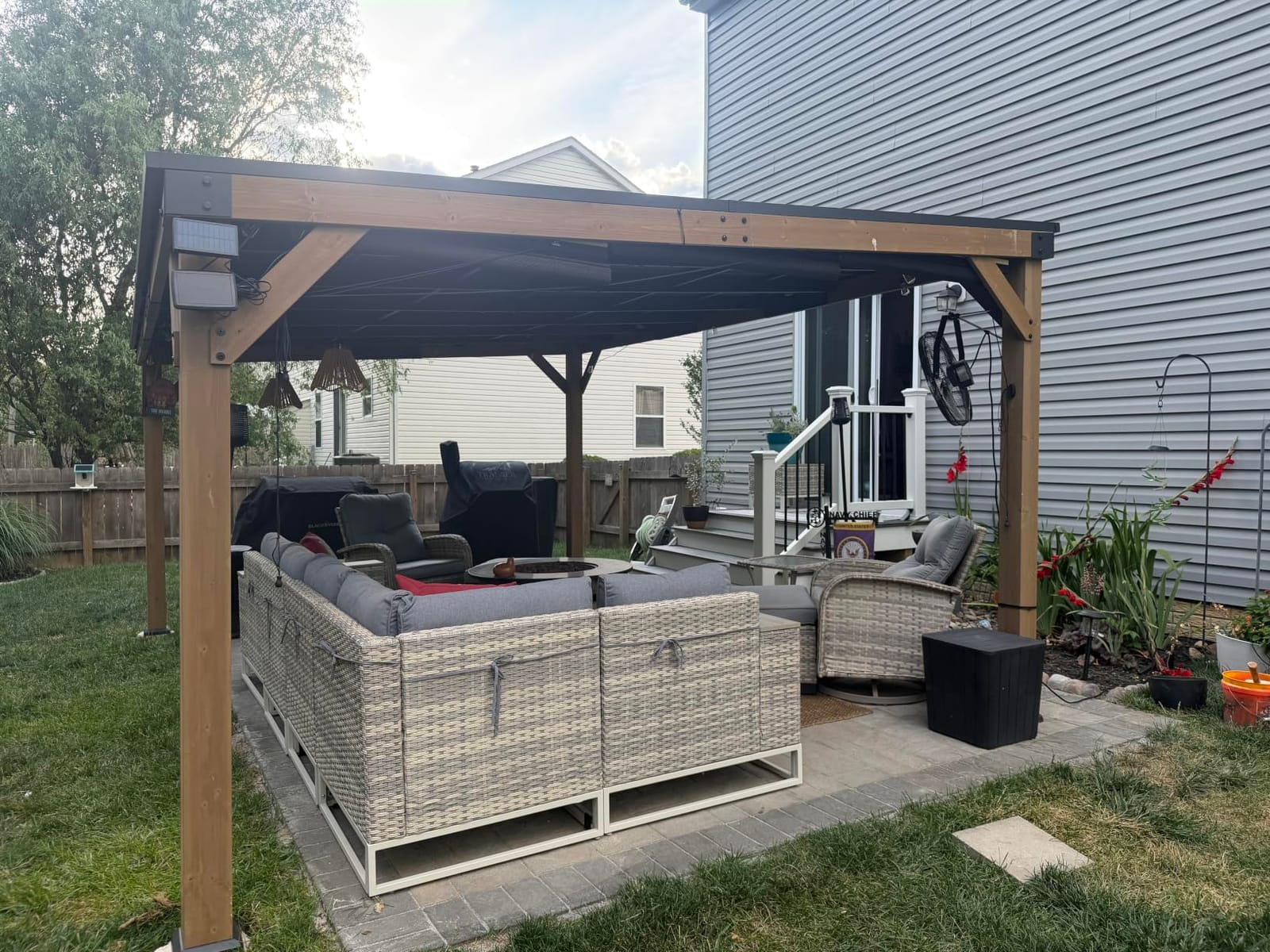
This is the grill gazebo, and it is a genuinely different category from everything else in the list. The FSC-certified solid cedar frame with powder-coated steel bolts and brackets is the only wood structure here, the sloped galvanized steel roof at a 5 degree pitch is the only roof that actively sheds rather than resists, and the 83 mph wind rating is the highest published figure among the twelve picks.
That combination is why owners describe it as transforming a bare grill corner into an outdoor kitchen. At 4.5 stars across 146 ratings with a 75% five-star share, it is joint-highest rated here, and reviewers consistently call it beautiful, sturdy, and leak-free in real rain. Anchoring is by expansion bolt into concrete or decking, which is permanent by design.
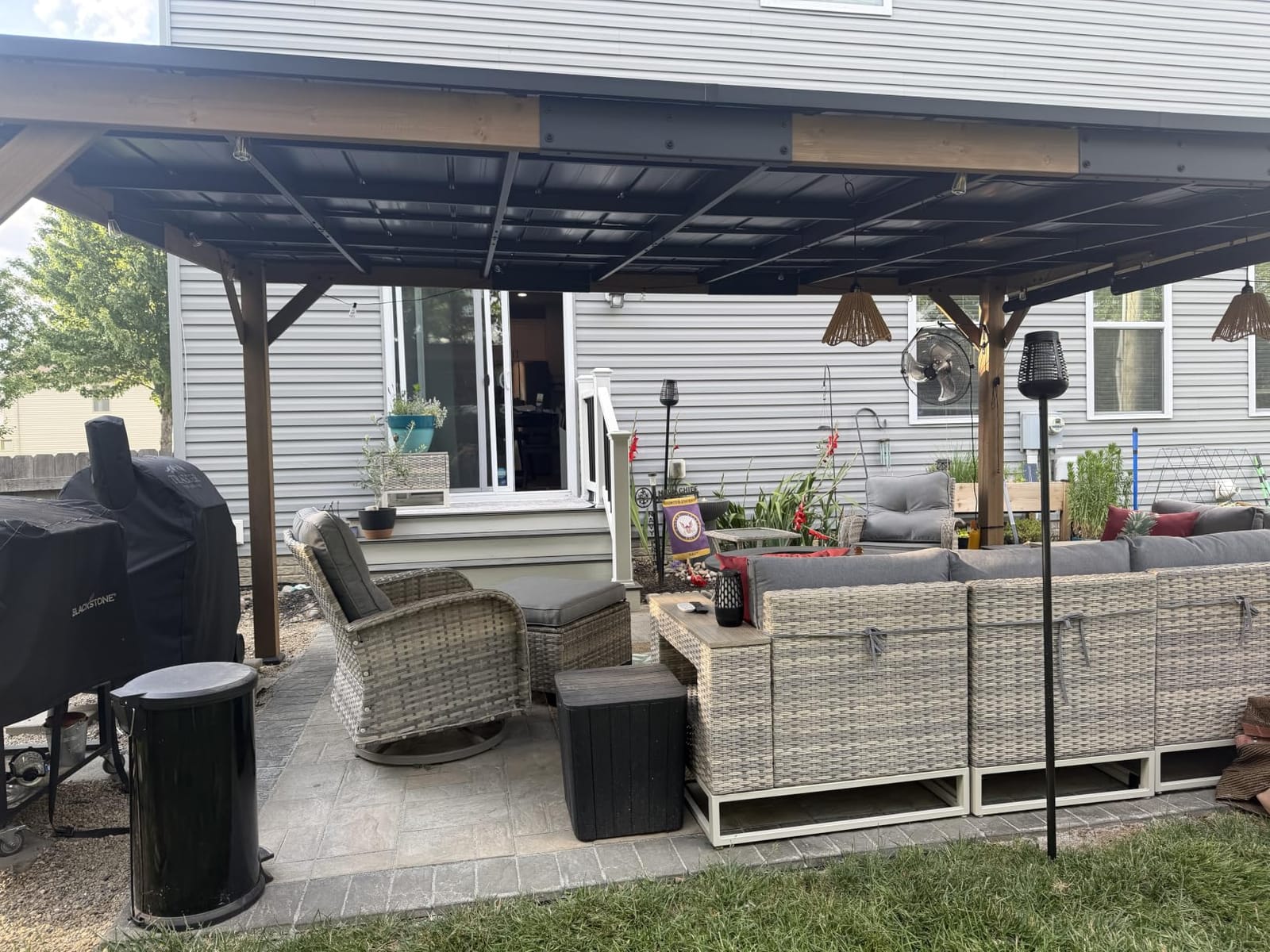
One safety note before you buy for grilling. Grilling under any shelter raises the carbon monoxide and fire question, so only use a unit sold as a grill gazebo, keep the sides open, and never run a grill with the sidewalls fully closed. That is why we treat this cedar grill gazebo as a separate category from the general-purpose shades earlier in the list.
Assembly is a serious project at nearly 293 pounds, and the boxes arrive in multiple labeled packages with spare parts and clear instructions. Plan a full weekend with at least two capable builders, and set the posts into concrete rather than soil if you want the 83 mph figure to mean anything.
Why this is the one to grill under
The roof pitch is the deciding feature. A 5 degree slope means water and snow run off the roof instead of sitting on it, which is the failure mode that shortens the life of flat-roofed gazebos in cold climates. Owners confirm no leaks after heavy rain, and the steel roof is supported by four heavy-duty posts fixed with expansion bolts.
Cedar also behaves differently from metal or vinyl in a grill area. It will not rust, it will not conduct heat the way steel framing does, and it weathers to a silver-gray tone rather than degrading. If you are building a cooking station that you want to keep for a decade, that material choice is the reason this unit exists.
Where the complaints concentrate
Most of the negatives sit at the edges. The 92-inch peak height is the second-shortest ceiling here and will feel cramped for taller users, and it leaves little room to hang a grill exhaust or a ceiling fan. There is also no drainage at the rear of the roof, so water collects and can leak between panels there, which is the one design flaw that recurs in reviews.
Quality control also varies more than for metal-framed units. Isolated buyers reported posts arriving separately from the frame, inadequate included screws, roof tiles that were not precisely cut, and one report of pine posts stained to resemble cedar rather than solid cedar as described. Inspect the delivered boxes carefully before you start a long build.
How to Choose a Gazebo Under 1,000 Dollars in 2026
Choosing between these twelve is less about the model and more about three variables: how long you intend to leave it standing, what kind of weather it has to survive, and how much work you are willing to put into anchoring it. Get those three right and the model choice narrows to two or three options.
Hardtop vs soft top vs pop-up canopy
A pop-up canopy is folding tubing and fabric. It goes up in seconds, stores in a bag, and handles sun and light rain. Expect to take it down before a storm and expect the fabric to last a few seasons rather than a decade. This is the right category for renters, events, and seasonal use.
A soft-top gazebo is the middle tier: a real tubular frame in steel or aluminum with a tensioned canopy, plus netting and curtains, usually anchored with stakes, sandbags, or expansion bolts. These handle multi-season use and moderate weather, and the thicker the tubing the more wind it survives.
A hardtop has a fixed metal or polycarbonate roof bolted to a permanent frame. This is the only category here that can stay up year-round and the only one you can comfortably hang a fan from. It also carries the hardest assembly and the highest weight of the three. If you want to move beyond shade into actual outdoor living space, this is where you buy.
Frame material at budget price points
Aluminum resists corrosion and needs no maintenance, which makes it the smart pick near the ocean or a pool. Steel is heavier and stronger for the same money, and galvanized steel holds up well provided you anchor it properly. Vinyl and plastic frames appear almost exclusively on the cheapest pop-ups and are not a serious structural option.
Cedar appears only at the very top of this budget, and it is the most attractive material for a grill area because it will not rust or conduct heat. Wood maintenance is real, though, and at 293 pounds this model is also by far the hardest to assemble and move.
One community consensus worth repeating: skip a steel frame entirely unless you can anchor it into concrete. An unanchored steel gazebo in a storm is heavier than the fabric it is trying to protect, which makes it more dangerous rather than less.
Size and footprint
A 10×10 unit seats four to six, a 10×12 seats six to eight, and a 12×12 seats eight to ten. The single biggest sizing mistake is buying by the headline dimension, because several manufacturers measure from the eaves, meaning the true floor footprint is smaller than the listed size. Measure your furniture against the floor area, not the roof span.
Also measure the height you need. Most gazebos in this range peak between 90 and 116 inches, and anything under 108 feels hunched when you are standing. A 92-inch ceiling works for cooking but not for hosting, so match the height to the use rather than the price.
Wind, rain and snow performance under 1,000 dollars
Realistically, this budget buys good wind resistance with anchoring and moderate snow tolerance, not storm certification. The published figures in this roundup range from 30 mph on the best-specified pop-up, to 49 mph on the compact hardtop, to 83 mph on the cedar grill gazebo. Anything you read above 50 mph should be treated as a test result rather than a lifetime guarantee.
Fabric canopies are the limiting factor, not the frames. A 1500mm waterproof rating is a genuine rain specification and worth paying for if you want the canopy up through spring showers. Polycarbonate sheds water well but creates a greenhouse heat effect in direct sun, and galvanized steel sheds both water and snow at the cost of weight.
For snow specifically, a steel roof is the only option here that will not creep or sag, and even then you should clear accumulation. Community consensus is consistent: never leave any of these standing through a forecast severe storm, and take soft goods down for winter if you want them intact in spring.
Anchoring: expansion bolts vs stakes vs sandbags
Anchoring is the single factor that determines whether any gazebo in this roundup survives a storm, and it costs comparatively little. Sandbags work for a calm-weather event canopy and do almost nothing in a gust. Stakes work in soft ground and pull out of clay or firm soil. Expansion bolts into concrete or a deck are the only real permanent answer.
Our sequence, in order: confirm the anchoring hardware included with the unit, add proper expansion bolts if the base is concrete or a deck, use the included guy ropes at every corner regardless of base type, and re-check tension every few weeks through a season. Several models here, including the 10×13 soft top and the cedar grill gazebo, include real anchoring hardware in the box, so read the contents before buying extra.
Price tiers within the 1,000 dollar budget
Under roughly 250 covers pop-up canopies and one screen tent, offering shade, UV protection, and tool-free setup, with fabric roofs and stakes as the anchoring norm. This tier covers events, rentals, and seasonal use and should be thought of as a consumable shelter.
From roughly 250 to 500 covers heavier soft-top steel structures and the entry hardtops. You gain real frame gauge, better waterproof canopies, included expansion bolts, and the first true hardtop options with polycarbonate or galvanized roofs. This is the sweet spot for most homeowners.
From roughly 500 to 1,000 covers established hardtops and the cedar grill gazebo, where you get aluminum frames, galvanized steel roofs, full dual-track sidewall systems, published wind ratings, and structures intended to stay up year-round. This is where you buy if the gazebo is becoming a permanent part of the patio rather than a seasonal accessory.
Assembly reality check
Pop-ups go up in minutes with no tools. Hardtops do not. The realistic figures in this roundup range from roughly two hours with two people for the lighter hardtops to five-plus hours for two to four people on the aluminum model, and owners report twelve hours with three people on the compact hardtop and a day and a half for two.
The recurring friction points are identical across models: removing the protective plastic film from every metal panel, aligning roof panels into their grooves, stretching canopies over roof vents, and misdrilled holes or missing hardware on arrival. Budget a full day for a hardtop, inspect the hardware before starting, and consider hiring assembly help for the 190-pound-plus builds. Our patio-specific picks are covered in our 10 best gazebos for patios tested and ranked.
Zoning, permits and utility lines before you buy
Before the 293-pound cedar model or any anchored hardtop, three checks can save you a demolition job. First, your municipality’s rules: many jurisdictions treat a permanently anchored structure over a certain square footage as an accessory building requiring a permit, and snow load codes are frequently factored in.
Second, property lines and setbacks. A 12×12 gazebo is easy to place too close to a fence or an easement without noticing. Third, and most important, call your utility company to locate lines before you drive a single expansion bolt. Underground electric, gas, and irrigation lines are the single most common cause of expensive mistakes in this project.
Frequently Asked Questions
Which brand of gazebo is the most durable?
At this budget, durability tracks frame material and anchoring more than brand. The EROMMY 10×12 hardtop, with a galvanized steel double roof and powder-coated aluminum frame, has the best-established review history among hardtops here at 737 ratings. For soft tops, the LAUSAINT HOME 10×13 uses 40x40mm galvanized tubing that owners report withstanding 50 mph gusts. Anchoring into concrete matters more than the logo on the frame.
What brand makes the best gazebo?
For year-round hardtops under a thousand dollars, the EROMMY 10×12 and the Aoxun 12×10 are the two most proven options, with 737 and 1155 ratings respectively. The EROMMY uses a galvanized steel roof for snow and wind, while the Aoxun uses double polycarbonate for a brighter interior. In a community thread asking directly about quality gazebos under a thousand dollars, owners most often recommended the mainstream hardware-store names over marketplace-only sellers.
What is the best-priced gazebo available?
The lowest-cost way to get genuine shade is the pop-up tier under roughly 250. The MASTERCANOPY 11×11 and the COBIZI 12×12 both sit at the bottom of that tier, and the COBIZI adds the strongest specifications in the group with 210D Oxford fabric, a 1500mm waterproof rating, and a 30 mph anchored wind rating. For the cheapest shelter that also earns a 3-year warranty, the East Oak 10×10 screen tent is the stronger long-term value.
Is it cheaper to buy a gazebo or build one?
For anything under a thousand dollars, buying is almost always cheaper once you count materials. A DIY wood frame needs lumber, fasteners, a roof of galvanized sheet or polycarbonate, and often permits, and the labor is the dominant cost. Building only makes sense if you already have tools, a truck, and the skill to make a frame that will not fail in wind. Buy the frame and roof, and save the DIY effort for the deck or flooring underneath.
What is the best brand of pop-up gazebos?
The COOS BAY 11×11 leads on evidence with 9044 ratings at 4.0 stars, making it the most thoroughly documented pop-up we tested. The CROWN SHADES 11×11 leads on hardware with its one-push CENTERLOK hub and a 2-year parts warranty, rating 4.4 across 3250 reviews. For the fastest single-person setup, the East Oak 10×10 screen tent folds in under a minute and carries a 3-year warranty.
What is the best gazebo to withstand windy conditions?
The Modern Shade cedar grill gazebo carries the highest published wind rating in this roundup at 83 mph, and the compact UDPATIO 10×10 hardtop is rated to 49 mph with a clear snow figure of 6 inches. Among soft tops, the LAUSAINT HOME 10×13 uses the thickest tubing at 40x40mm and owners report 50 mph gusts. All of those figures assume proper anchoring with expansion bolts.
How do you keep a gazebo from blowing in the wind?
Anchor it properly, then add tie-downs. First, use expansion bolts into concrete or a deck if the surface allows, since stakes pull out of firm soil and sandbags do almost nothing in a gust. Second, attach the included guy ropes at every corner and re-check tension every few weeks through a season. Third, remove the netting panels and take the canopy down before any forecast severe weather, because a loose panel acts as a sail.
What is the top-rated pop-up gazebo?
By rating with a large enough base to trust, the East Oak 10×10 screen tent leads at 4.5 stars across 1932 reviews, followed by the CROWN SHADES 11×11 at 4.4 across 3250. The COOS BAY 11×11 sits at 4.0 but carries 9044 ratings, by far the largest base in the roundup, which makes it the safer long-term durability bet despite the lower average.
Are hardtop gazebos worth it?
A hardtop is worth it if you want to leave the gazebo standing year-round, hang a fan or lights from it, or stop taking it down every autumn. The tradeoff is assembly: builds here run from roughly two hours with two people to twelve hours with three. If you only need shade for summer events and can store a canopy in a garage, a well-anchored soft top delivers the same shade for a fraction of the effort.
The Best Gazebos Under 1,000 Dollars: Final Verdict
The best gazebos under 1,000 dollars cover three genuinely different jobs, and the wrong pick is usually a mismatch rather than a bad product. For most people the COOS BAY 11×11 wins on evidence: 9044 ratings, tool-free setup, effective netting, and shade that matches the listed size. It is the recommendation we make when someone asks for one number.
If setup speed and headroom matter more to you than raw review volume, take the CROWN SHADES 11×11 for its one-push hub, over nine feet of peak clearance, and 2-year parts warranty. If mosquitoes are the problem you are actually solving, the East Oak 10×10 screen tent is a better answer than any gazebo here, because the walls are the mesh.
For year-round use, the choice narrows to two. The EROMMY 10×12 hardtop is our pick for snow and winter because a galvanized steel double roof is the only roof in this roundup that will not creep under load. The Aoxun 12×10 hardtop trades that for polycarbonate panels and a brighter interior, which is the right call in a warm climate where you mostly use it during the day.
Whichever you choose, anchor it into concrete or a deck if you can. That single decision does more for how long your gazebo survives than the brand name on the frame, and it is the piece most budget buyers leave out. Every roundup we publish, including our broader gazebo testing and ranking hub, comes back to the same conclusion.