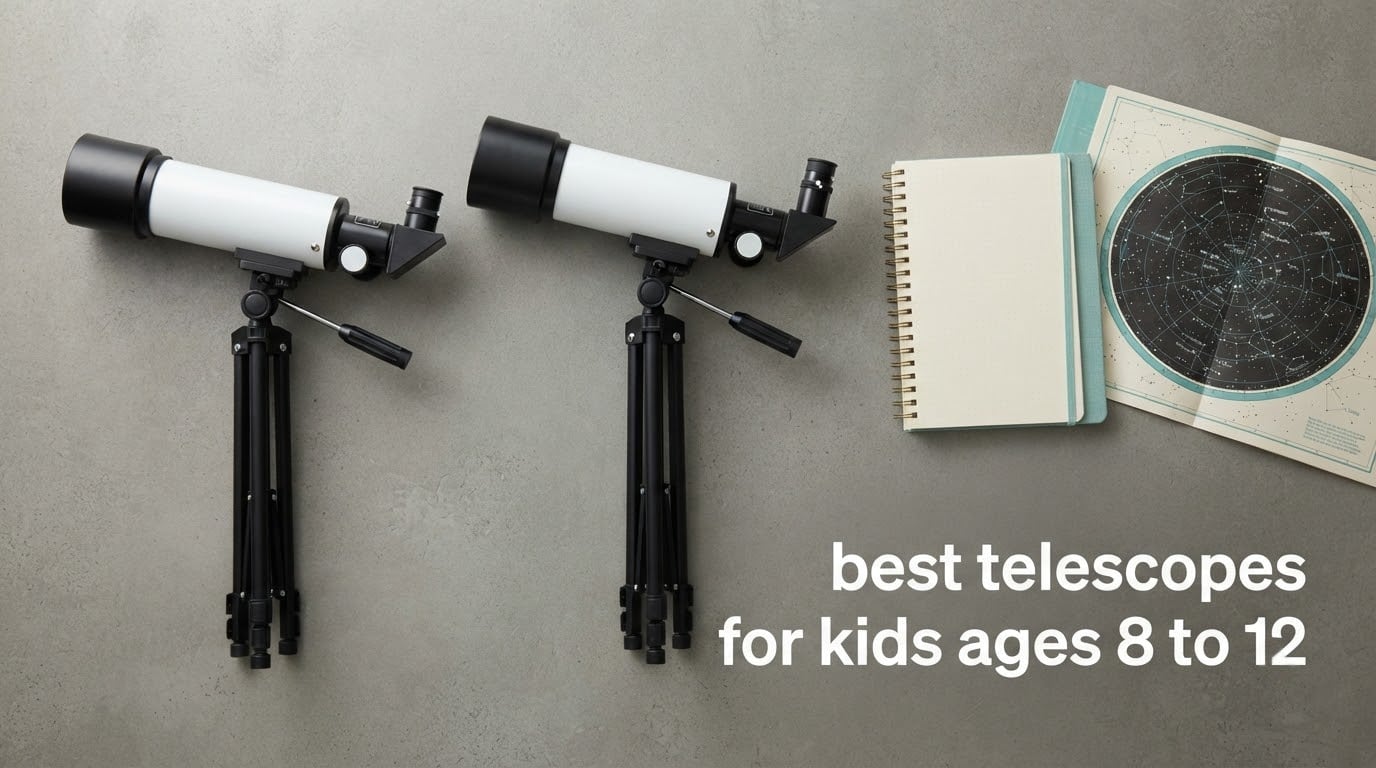
If you are searching for the best telescopes for kids ages 8 to 12, the short answer is the Gskyer 70mm AZ refractor, with the Celestron Travel Scope 70 as the pick that travels best and the Celestron StarSense LT 114AZ as the step-up for a child who has outgrown starter glass.
That is not the whole story, because “ages 8 to 12” covers a lot of ground. An 8 year old needs something light and forgiving. A 12 year old can run a 114mm reflector and read a target list off a phone. This guide covers ten telescopes that hold up inside that band, and it explains plainly what each one can actually show a child on the first clear night.
We spent weeks reading owner reviews across these ten models, comparing aperture, mount stability, weight and the accessories that actually get used after the box is opened. The pattern that repeated: parents who buy on magnification end up disappointed, and parents who buy on aperture and mount stability end up with a child who is still using it a year later.
Three questions decide the purchase before any model name matters: how old is the child, what is the budget, and does the family want to look at the Moon and planets or hunt for fainter deep-sky objects. Answer those and the shortlist writes itself. If you want the widest possible catalog instead, our guide to the best telescopes for kids across all ages is a useful companion read.
Table of Contents
Top 3 Picks for Best Telescopes for Kids Ages 8 to 12 in October

Gskyer 70mm AZ Refractor
- 70mm coated aperture
- 400mm focal length
- two eyepieces plus 3x Barlow
- carry bag and phone adapter

Celestron Travel Scope 70
- 70mm coated aperture
- no-tool setup
- 20mm and 10mm eyepieces
- packs into a backpack

Koolpte 70mm AZ Refractor
- 70mm aperture
- 500mm focal length
- two eyepieces plus 3x Barlow
- carrying case
All 10 Best Telescopes Compared at a Glance in 2026
Every telescope below sits inside the age band, but they are not interchangeable. This table shows the three specs that decide whether a child gets a clear image or a disappointing one: aperture, mount, and how much the whole thing weighs.
| Product | Specifications | Action |
|---|---|---|
| Gskyer 70mm AZ Refractor |
|
Check Latest Price |
| Celestron Travel Scope 70 |
|
Check Latest Price |
 NASA Lunar Telescope NASA Lunar Telescope |
|
Check Latest Price |
 Celestron PowerSeeker 50AZ Celestron PowerSeeker 50AZ |
|
Check Latest Price |
| Koolpte 70mm AZ Refractor |
|
Check Latest Price |
 Little Experimenter Projector Telescope Little Experimenter Projector Telescope |
|
Check Latest Price |
 EACONN 80mm Refractor EACONN 80mm Refractor |
|
Check Latest Price |
 ECOOPRO 70mm Refractor ECOOPRO 70mm Refractor |
|
Check Latest Price |
 Celestron StarSense LT 114AZ Celestron StarSense LT 114AZ |
|
Check Latest Price |
 Celticbird 80mm Refractor Celticbird 80mm Refractor |
|
Check Latest Price |
Two things stand out. The Celestron StarSense LT 114AZ is the only Newtonian reflector here and by far the heaviest at 10.4 pounds, which is a real consideration for an 8 year old. The Little Experimenter is the opposite problem, at 1.4 pounds and only 2x magnification it is a STEM toy rather than an optical instrument.
1. Gskyer 70mm Refractor: Best Overall Telescope for Ages 8 to 12
Gskyer Telescope, 70mm Aperture 400mm AZ Mount Astronomical Refracting Telescope for Kids Beginners – Travel Telescope with Carry Bag, Phone Adapter and Wireless Remote.
70mm coated aperture
400mm focal length
altazimuth tripod
400mm tube, carry bag
Pros
- Fully coated 70mm glass with bright star and Moon views
- Two eyepieces plus a 3x Barlow for a usable magnification range
- 5x24 finder scope with crosshairs for locating targets
- Carry bag and adjustable aluminum tripod for travel and storage
Cons
- Manual altazimuth mount needs patience to keep a target centered
- Not built for serious astrophotography at high magnification
This is the telescope we hand to a 9 or 10 year old without hesitation. The 70mm fully coated lens gathers enough light for a bright, sharp Moon with visible craters, and the 400mm focal length keeps the tube short enough that a child can carry it out to the garden alone.
What makes it the safest first real telescope is the bundle. Two eyepieces, a 3x Barlow and a 5×24 finder scope mean nothing has to be bought afterwards, and the smartphone adapter plus wireless remote let a child take a quick photo of the Moon and show a grandparent the next morning.
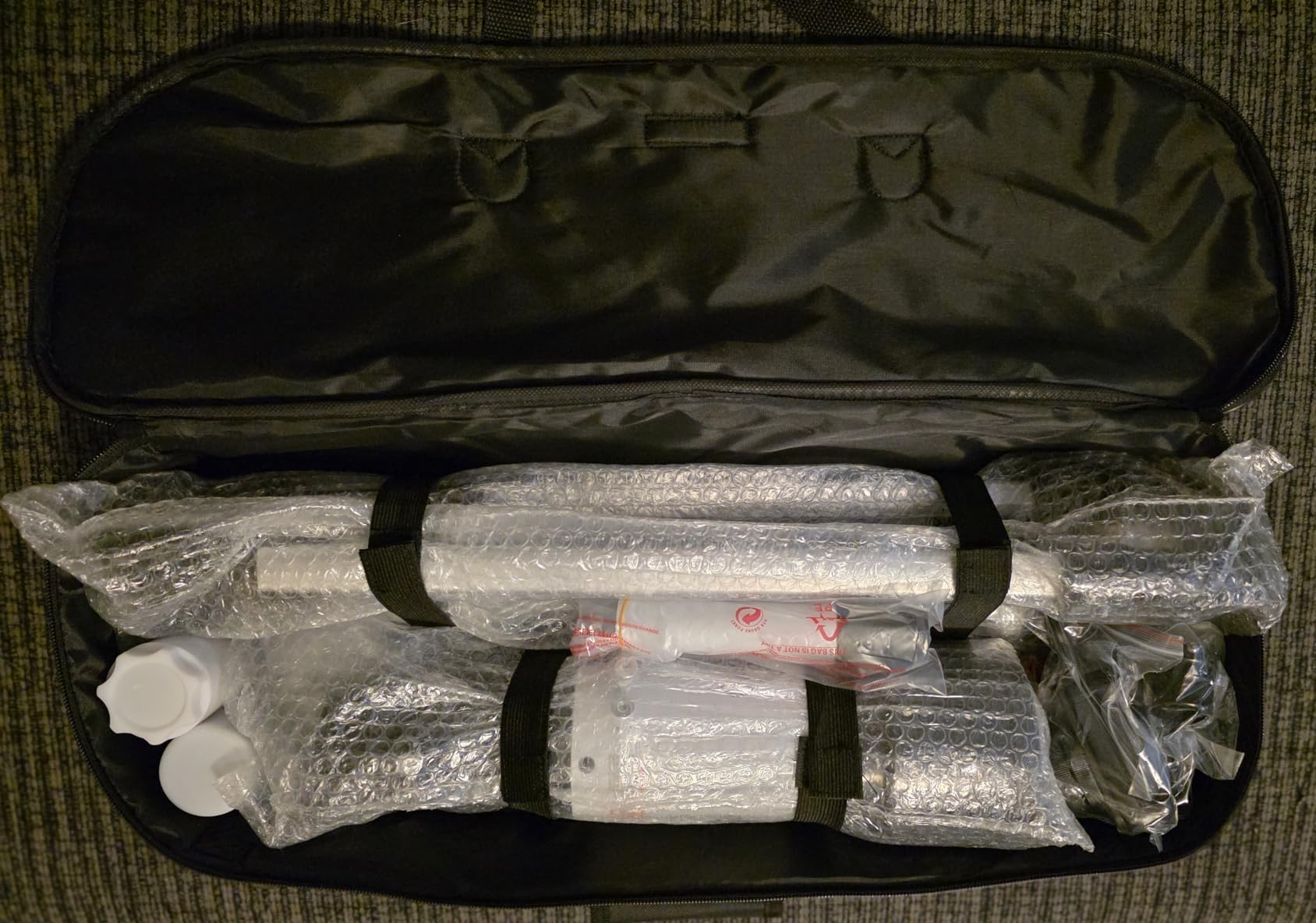
The accessory list matters more than usual here, because it ranks first in telescope refractor sales and the owner reviews reflect heavy real-world family use. Parents describe setting it up in the kitchen, walking it to the end of the garden, and getting a good view on the first evening without any adjustment beyond focus.
What your child can realistically see: the Moon in detail at moderate power, Jupiter with its four moons shifting position over an evening, Venus and Mars as bright points, the Pleiades as a fuzzy cluster, and a handful of brighter deep-sky objects. Saturn’s rings need steady air and patience, so treat them as a bonus rather than a promise.
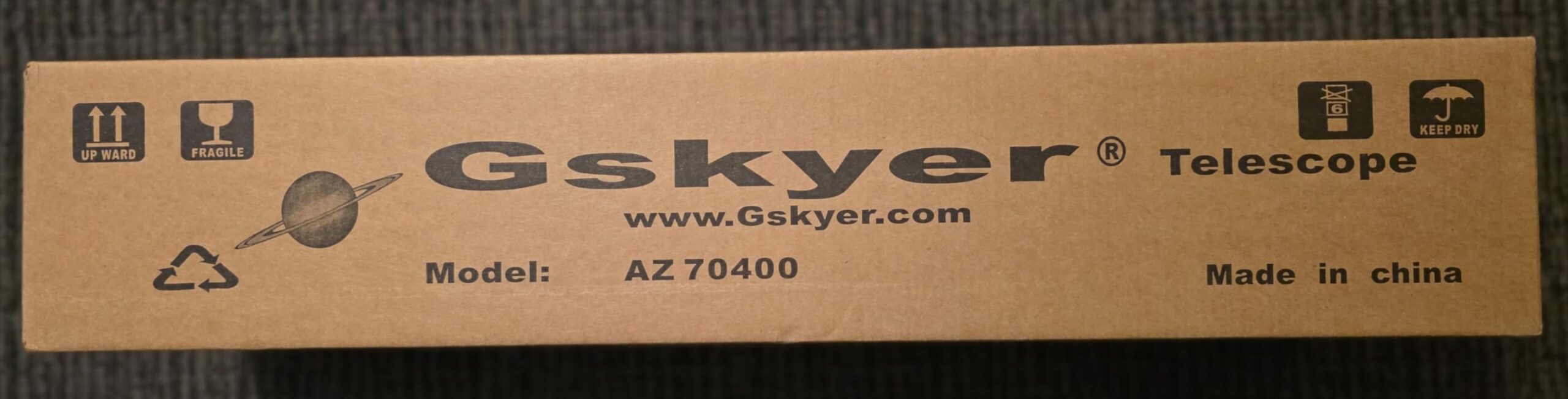
How the 70mm aperture shapes what a child sees
Aperture is the single specification that decides image brightness and detail, and every other number on the box is secondary. At 70mm, a 9 year old gets a Moon that fills a low-power eyepiece field, planet surfaces that show banding on a good night, and stars that appear as points rather than smears.
The 400mm focal length also keeps the tube compact, which means a shorter tripod and less leverage for a bumped tube to wobble. Shorter tubes are kinder to small hands, and that is a bigger deal at this age than most spec sheets suggest.
Where the manual mount gets in the way
The altazimuth mount is the classic beginner trade-off. Pointing is intuitive, one handle moves left and right and another moves up and down, but there is no motorized tracking, so a target drifts out of the eyepiece every minute or two. A child with patience will keep re-centering it; a child with none will declare the telescope broken.
Owners also note the mount is not intended for high-power astrophotography, which is fair. This is a visual observing scope, and treating it as anything else leads to frustration. If your child wants to photograph the night sky, step up to the StarSense LT 114AZ later.
2. Celestron Travel Scope 70: Best Pick for Trips and Small Storage
Celestron Travel Scope 70mm Beginner Portable Telescope with Backpack
70mm coated aperture
400mm focal length
4.2 pounds
Backpack included
Pros
- Crisp views of the Moon and planets
- Tool-free setup that takes seconds
- 20mm and 10mm eyepieces with a 45 degree erect image diagonal
- Backpack stores the whole kit
- Two-year warranty
Cons
- Refractor shows an inverted image without the supplied diagonal
- Short travel tripod is less stable at high power
Everything about this scope was designed around one decision: it should fit in a cupboard. The entire kit, tripod included, packs into the supplied backpack, and the tripod collapses without tools. For a family with a car boot already full of sand toys, that changes how often the telescope actually gets used.
At 4.2 pounds it is also light for a 70mm refractor, which matters when the telescope has to be carried from the house to the garden in the dark. The 70mm fully coated lens gives crisp lunar views, and the 45 degree erect image diagonal means a child is looking down into the eyepiece rather than crouching awkwardly beside it.
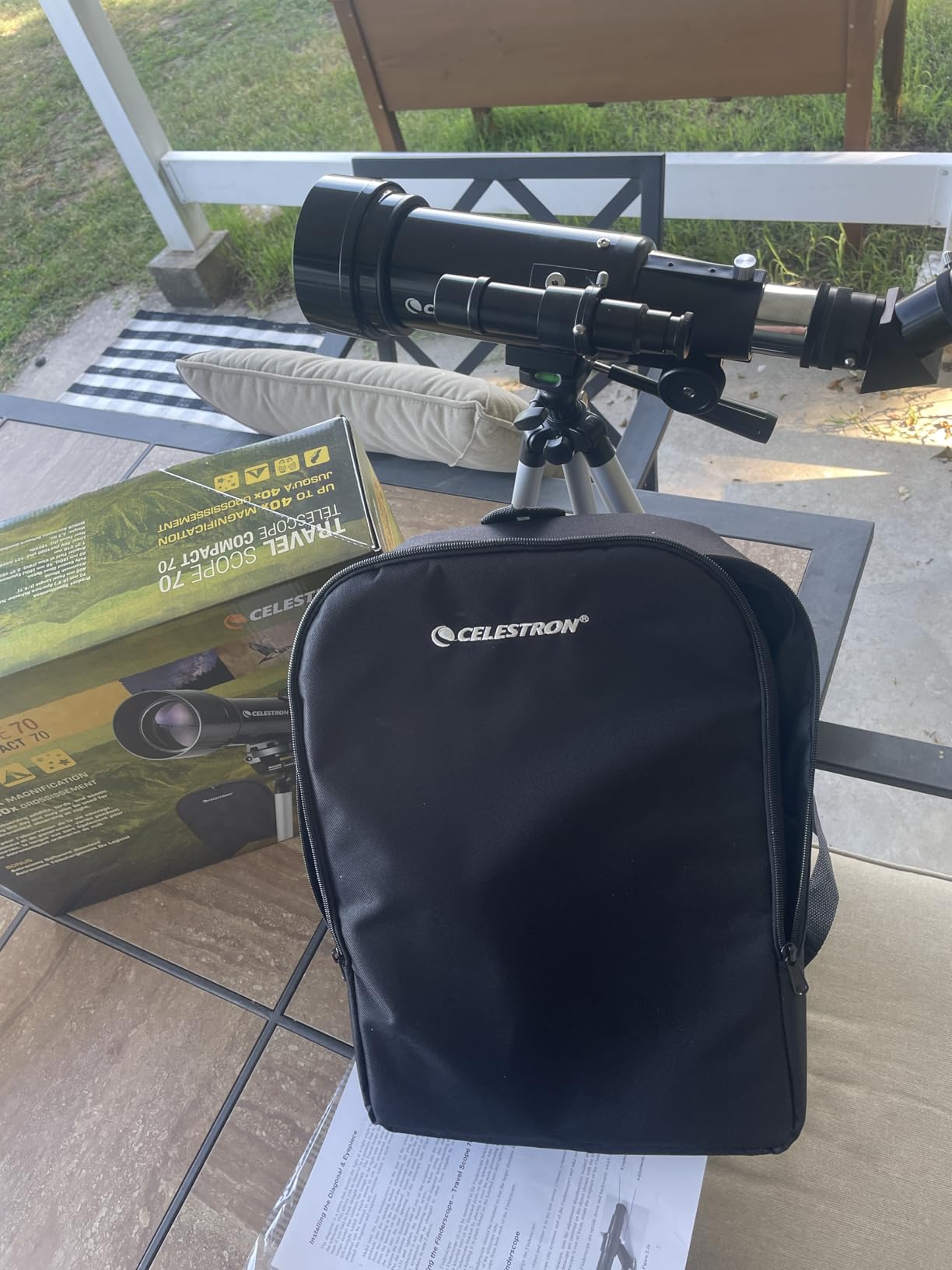
Owners consistently mention two eyepieces, 20mm and 10mm, giving wide and closer views without needing a Barlow. The included SkyPortal app and Starry Night software give a family something to plan a session around, which helps when a child loses interest in scanning an empty field.
What your child can realistically see: a detailed Moon at the 20mm eyepiece, Jupiter and its moons, Venus at twilight, double stars, and a handful of brighter clusters. The field of view at low power is narrow, so finding things takes practice compared with a wider binocular-style field.
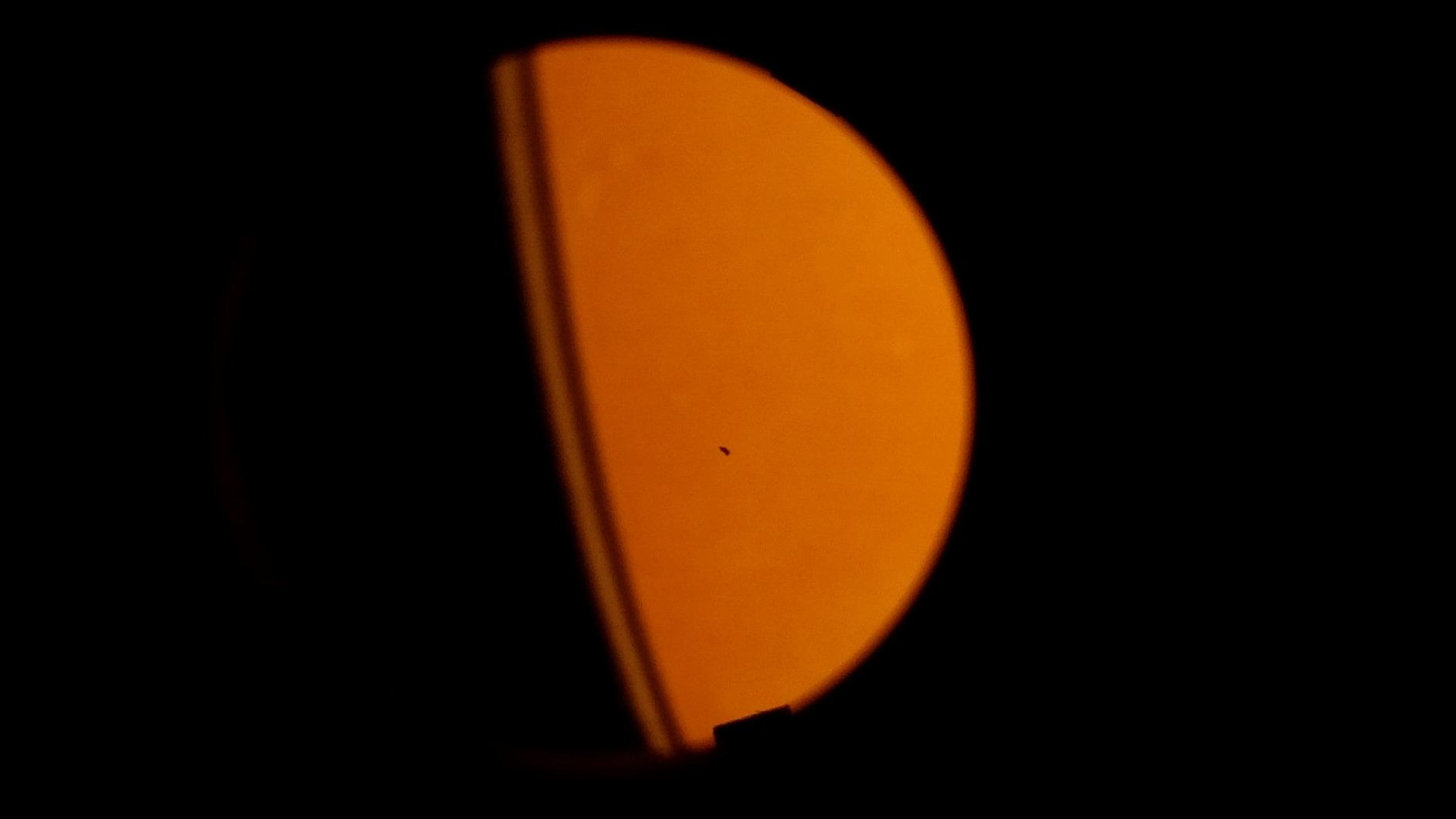
Why the backpack changes how often it gets used
Stowed telescopes are wasted telescopes, and that is the honest reason so many family telescopes end up in a cupboard after the first month. A kit that fits in one bag can go to a field, a campsite or a balcony without a logistics argument, and a 4.2 pound package is easy for a parent to carry alone.
The SkyPortal app is a small bonus here. It will not point the tube at anything by itself, but it does tell a family what is visible tonight, which turns an aimless evening into a short list of targets.
Where the tripod gives out
The included tripod is a travel tripod, so it is short and light. It handles the Moon and bright planets fine, but at higher magnification a child touching the tube or the table produces obvious shaking. The fix is not more magnification, it is letting the tripod settle and bracing it before looking.
The inverted-image note is minor and solved by the supplied diagonal, but a child watching a building upside down through the raw tube may lose interest before the diagonal goes in. Fit the diagonal first.
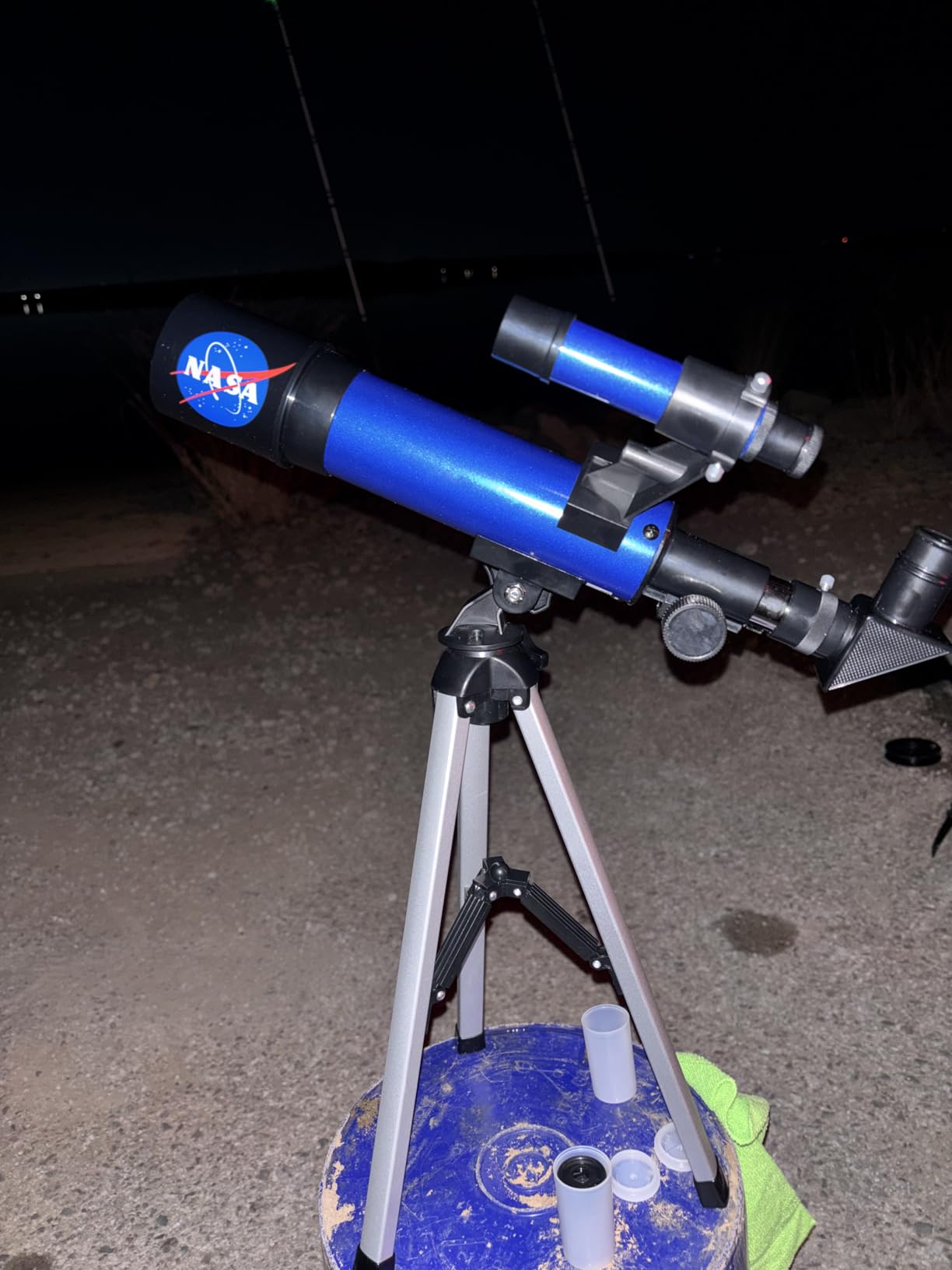
3. NASA Lunar Telescope: Best Pick for an 8 Year Old Starting Out
NASA Lunar Telescope for Kids Ages 8-12 with Tripod and Finder Scope
Designed for ages 8 and up
Tabletop tripod
Finder plus two eyepieces
90x magnification
Pros
- Purpose-built for children aged 8 and up with simple adjustments
- Finder scope plus low and high power eyepieces
- Tabletop tripod makes scanning the lunar surface easy
- Award-winning design with an educational guide
Cons
- Flimsy lightweight frame shakes at the slightest touch
- Manual focus and alignment frustrate a child working alone
- 90x is toy-level and shows no planetary detail
This is the only telescope in the list designed by a manufacturer specifically for an 8 year old, and that shows in the details. The controls are chunky, the assembly is short, and the whole point is looking at the Moon rather than navigating a catalogue of faint galaxies.
For a child at the youngest edge of the age band, that narrow ambition is a strength. Sitting down at a tabletop tripod on the patio and walking the Moon’s terminator across the field is a genuine first astronomy experience, and it does not require reading coordinates.
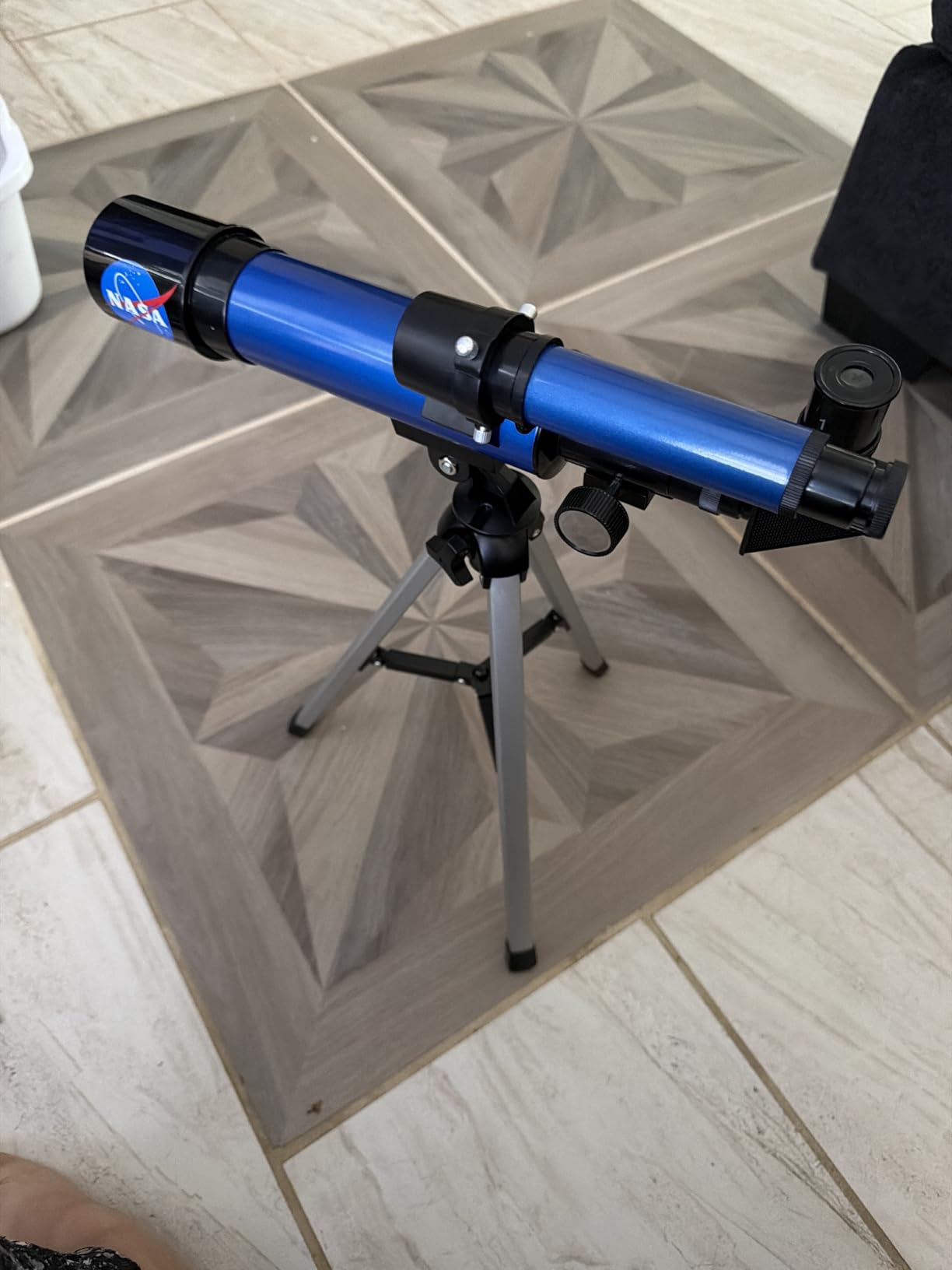
The 90x figure on the box is the marketing number and it is not the reason to buy. At 90x on a 25mm objective, the image is dim and soft, and a child who expects to see crater rims at that power will conclude the telescope is faulty.
What your child can realistically see: a whole-Moon view with the major maria visible, the Moon at different phases, and daytime views of the neighbourhood. Planets will be dots. That is fine for an 8 year old whose main goal is a reason to go outside after dark.
Why an adult stays within reach
Owner reviews are consistent on this: the scope works, but it shakes. The frame is light enough that a bumped tripod or a knocked tube ruins the view, so at age 8 the telescope is really a two-person activity rather than an independent one.
That is not a flaw for this age. Most 8 year olds cannot reliably do fine focus adjustments in the dark anyway, and a parent who sets up the tripod, points the finder and hands over the eyepiece gets a much better first experience than a child left alone with instructions.
What a child should not expect from it
Owners routinely describe it as a solid starter gift rather than a real telescope, and that framing is fair. The magnification cannot show planetary surface detail, the manual focus is fussy for small fingers, and the written instructions are widely criticised as unclear.
If the child is at the top of this age range and already asking for planets, the Koolpte or the Gskyer is a much better use of the same money. If the child is 8 and simply delighted by the Moon, this is a thoughtful and cheerful choice.
4. Celestron PowerSeeker 50AZ: Best Budget Starter Telescope
Celestron PowerSeeker 50AZ Grab-and-Go Beginner Refractor Telescope
50mm coated aperture
600mm focal length
Yoke mount with slow-motion rod
3.6 pounds
Pros
- Three eyepieces plus a 3x Barlow and a 1.5x erecting eyepiece
- 50mm aperture resolves Moon craters and Jupiter's moons
- Slow-motion altitude rod makes pointing smoother than a basic mount
- Simple enough for a child to set up independently
Cons
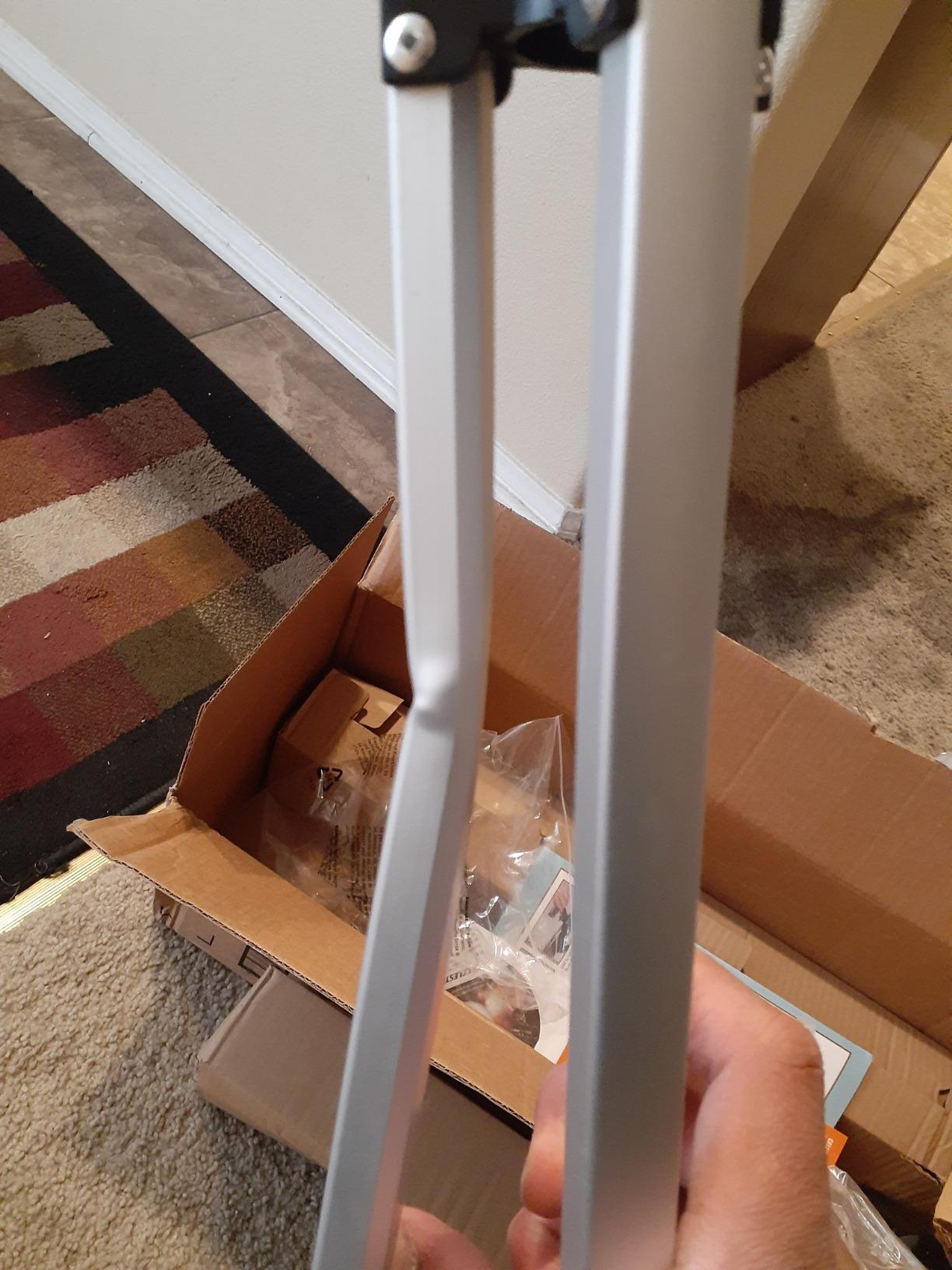
- Tripod and hardware feel cheap and topple if bumped
- Small screws and fittings break or go missing
- Weak for daytime viewing compared with night use
The PowerSeeker 50AZ is the scope many families meet first, because it is an affordable genuine refractor with a real mount and a full accessory bundle. Four eyepieces plus a Barlow is generous for an entry-level instrument, and the slow-motion altitude rod is a genuine upgrade over a bare altazimuth head.
That slow-motion control is worth explaining. A child can swing the tube quickly to roughly the right place, then nudge it in small increments instead of fighting the coarse handle. On a cheap mount that single feature makes the difference between finding the Moon and knocking it out of the field.
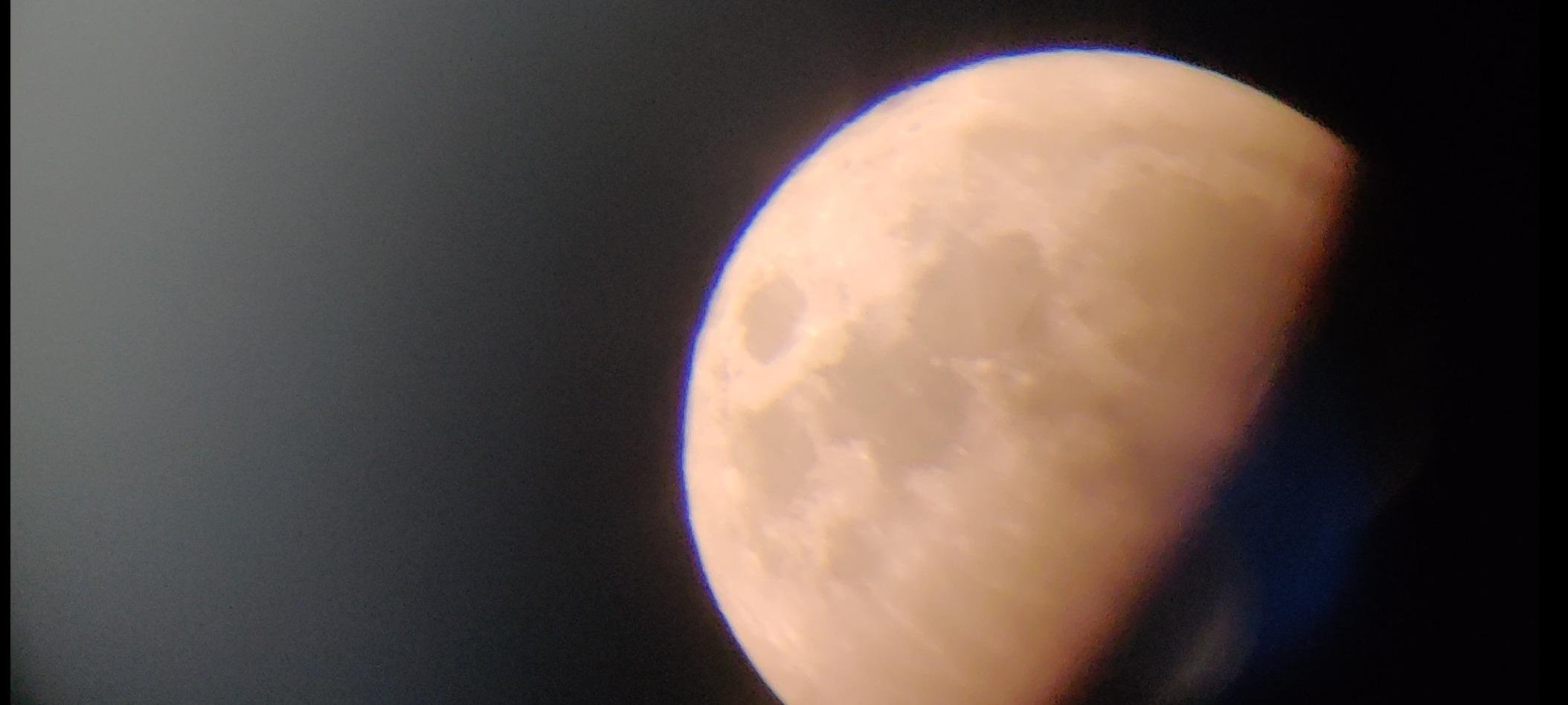
At 50mm aperture this is a Moon-and-Jupiter instrument, and the owner reviews say so plainly. Craters resolve, Jupiter’s four moons are obvious, and the field is bright enough for a child to see detail on a dark night.
What your child can realistically see: a strong lunar view, the Galilean moons changing position night to night, Venus and Mars as bright points, and the brightest star clusters. Faint nebulae and galaxies are beyond it, and pretending otherwise sets up disappointment.
What 50mm aperture gives up against 70mm
Each step up in aperture multiplies the light the scope collects, and the jump from 50mm to 70mm is the one that matters most for a first telescope. The 70mm scopes in this list show a noticeably brighter, cleaner Moon, and they hold faint targets that the 50mm simply cannot resolve into anything.
For a first, purely lunar telescope the 50mm is perfectly serviceable. If a child might move on to planets and clusters within a year, moving straight to 70mm avoids that intermediate step.
Where the build quality catches up with the child
The most repeated complaint across reviews is hardware. Tripods in this class topple, and small screws and fittings either strip or disappear, which is a particular problem for a child who handles equipment roughly rather than carefully.
The daytime performance gap is also consistent in reviews: it works well at night and poorly as a nature-watching scope, because 50mm of glass is a small window for daylight objects in bright conditions. If the child wants birds and landscapes too, the ECOOPRO is the better dual-purpose pick here.
5. Koolpte 70mm AZ Refractor: Best Value for Ages 9 to 10
Koolpte Telescope for Kids, 70mm/500mm AZ Refractor for Beginners, White
70mm coated aperture
500mm focal length
5 pounds
Reflex finder scope
Pros
- 70mm aperture with 500mm focal length for bright lunar and landscape views
- Two eyepieces plus a 3x Barlow and a 5x24 finder scope
- Carrying case
- phone adapter and wireless remote
- High owner satisfaction rating across several thousand reviews
Cons
- Manual altazimuth mount lets targets drift when the tube is bumped
- Narrow field of view makes small targets harder to find
The Koolpte sells the same core proposition as the Gskyer at a lower spec sheet level, and it earns its place on the strength of owner satisfaction, with clear, practical feedback rather than complaints about the fundamentals.
At 5 pounds it is heavier than most 70mm refractors in this roundup, which is a fair trade for a tripod that stays where a child puts it. The 500mm focal length gives a slightly longer, steadier image than a 400mm design and a marginally narrower field.
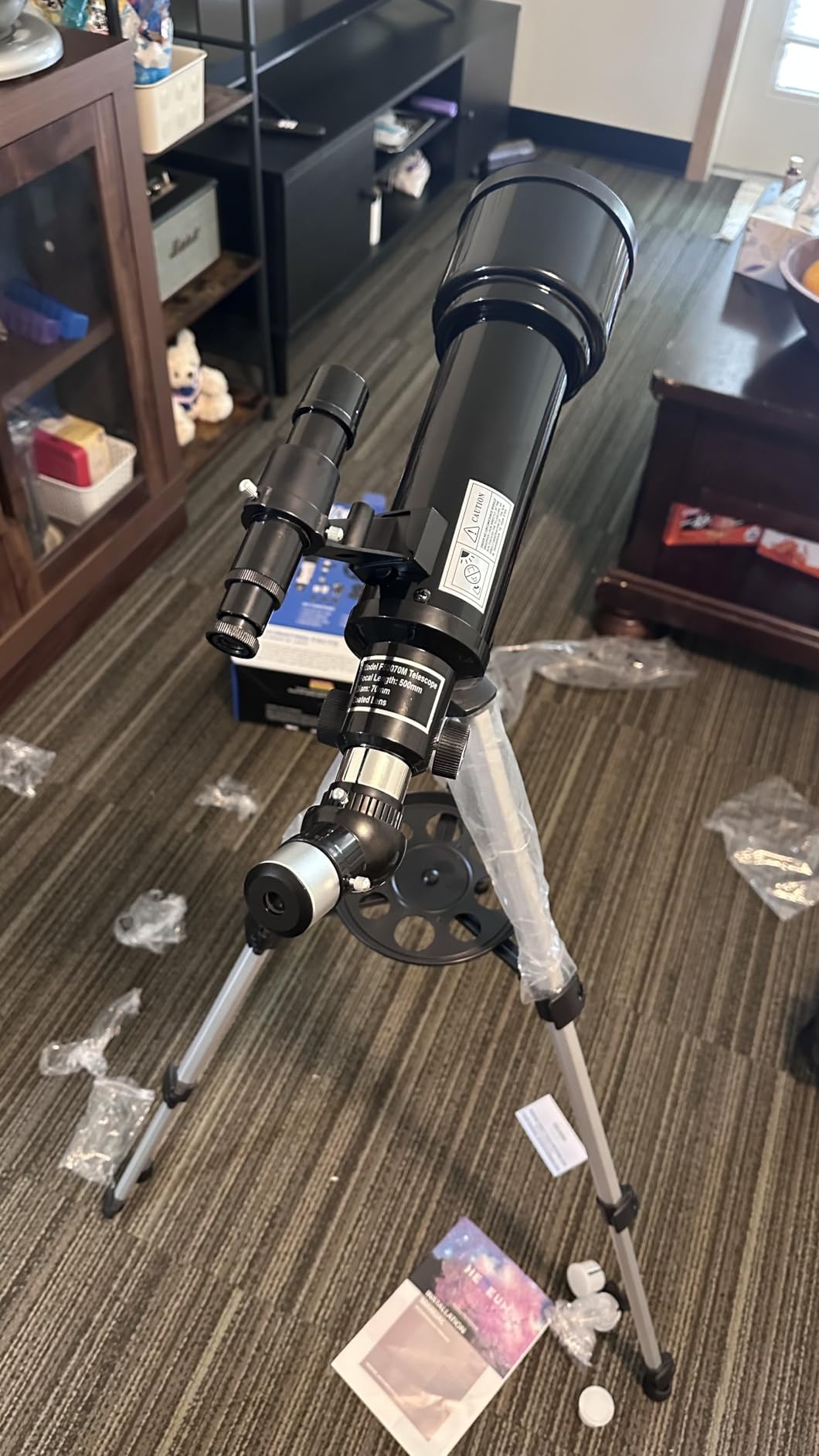
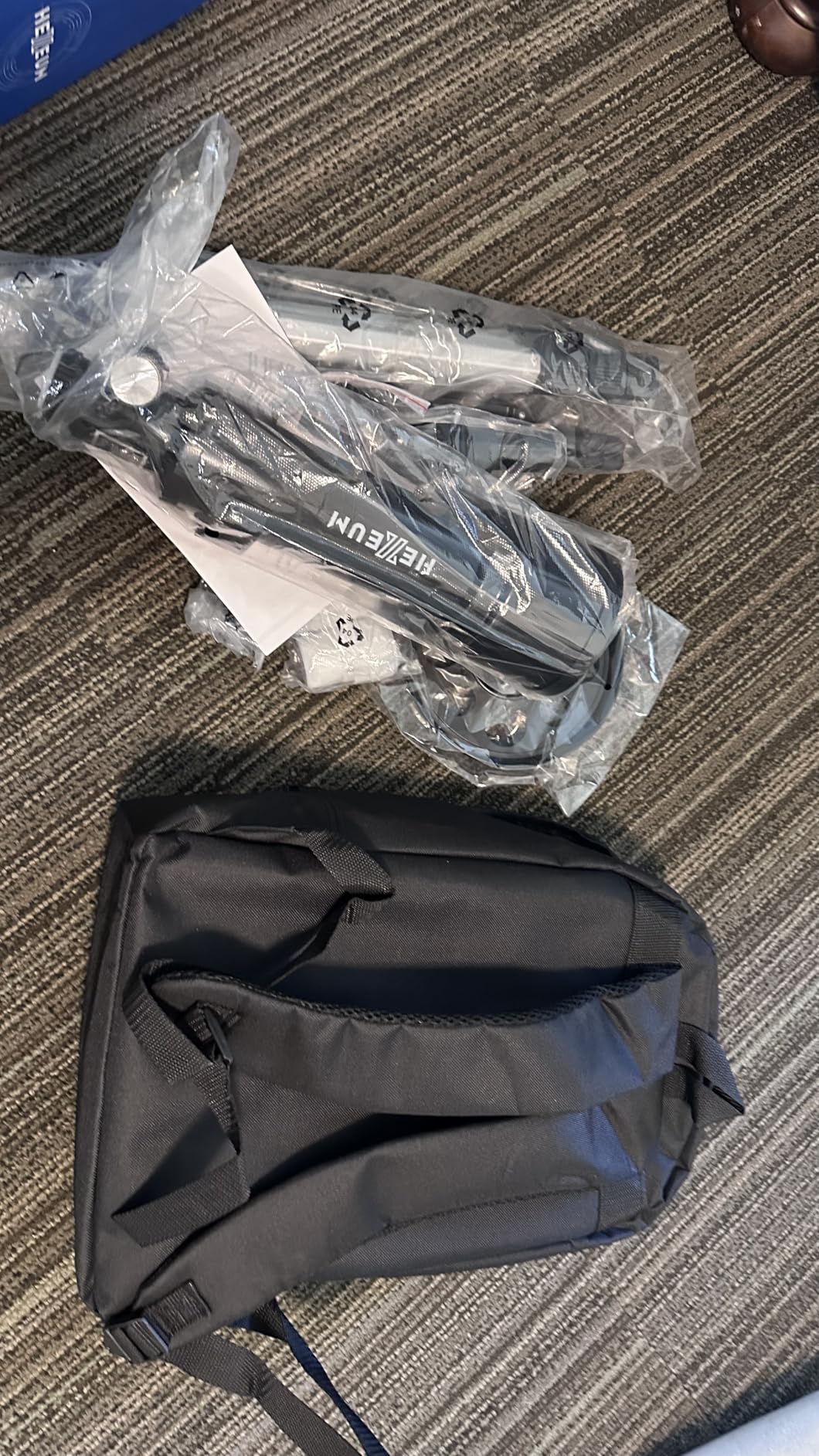
Reviews highlight the phone adapter and the carrying case as features that get used, not just features that exist. A child who photographs a crater on the phone and sends it to a friend has found a reason to keep the telescope out.
What your child can realistically see: a detailed Moon at moderate power, Jupiter with its moons, Venus and Mars, double stars, the Pleiades and a few of the brighter deep-sky targets. Saturn’s rings are possible on a calm night but not a reliable first-night goal.
Where it fits against the Gskyer
Both are 70mm fully coated refractors with two eyepieces, a Barlow and a phone adapter, so the decision is close. The Gskyer carries a larger review base and a one-year warranty, and its shorter 400mm tube is easier for a small child to handle.
The Koolpte is the pick if your child will carry the telescope themselves and spend time on the ground, or if the family wants a slightly longer focal length. Both are honest instruments, and either will hold a child’s interest if expectations are set correctly.
Why the narrow field frustrates beginners
The tight field of view means the Moon fills the view nicely, but a small target is genuinely difficult to centre, and a child who cannot find anything may conclude the scope is faulty rather than that they need a wider field first.
The fix is to start with the longest eyepiece, centre a bright object, then swap down. Teaching that sequence early turns a frustration into a skill, and it is the single most useful habit a young observer can learn.
6. Little Experimenter Projector Telescope: Best for Rainy-Day Astronomy
Little Experimenter Projector Telescope, 24 Space Images, STEM Kids 3-12
2x magnification
24 projected space images
1.4 pounds
Ages 3 to 12
Pros
- Projects 24 space images indoors in any weather
- Soft two-eye eyepiece is far easier for small children
- Swiveling body and foldable tripod
- Activity book with solar system facts
Cons
- Only 2x magnification
- closer to binoculars than a telescope
- Projected images are hard to see in a lit room
This is the one item here that is not really a telescope, and we include it deliberately. A 2x two-eye view with a slide projector throws 24 space images onto a wall, which is a completely different and much more forgiving introduction to the night sky than looking through a single eyepiece in the dark.
For a child who cannot yet stay out past bedtime, or for a family in a city where cloud cover ends most attempts, it is a genuine bridge. Parents in the reviews commonly describe using it as a stepping stone before buying a real refractor a year later.
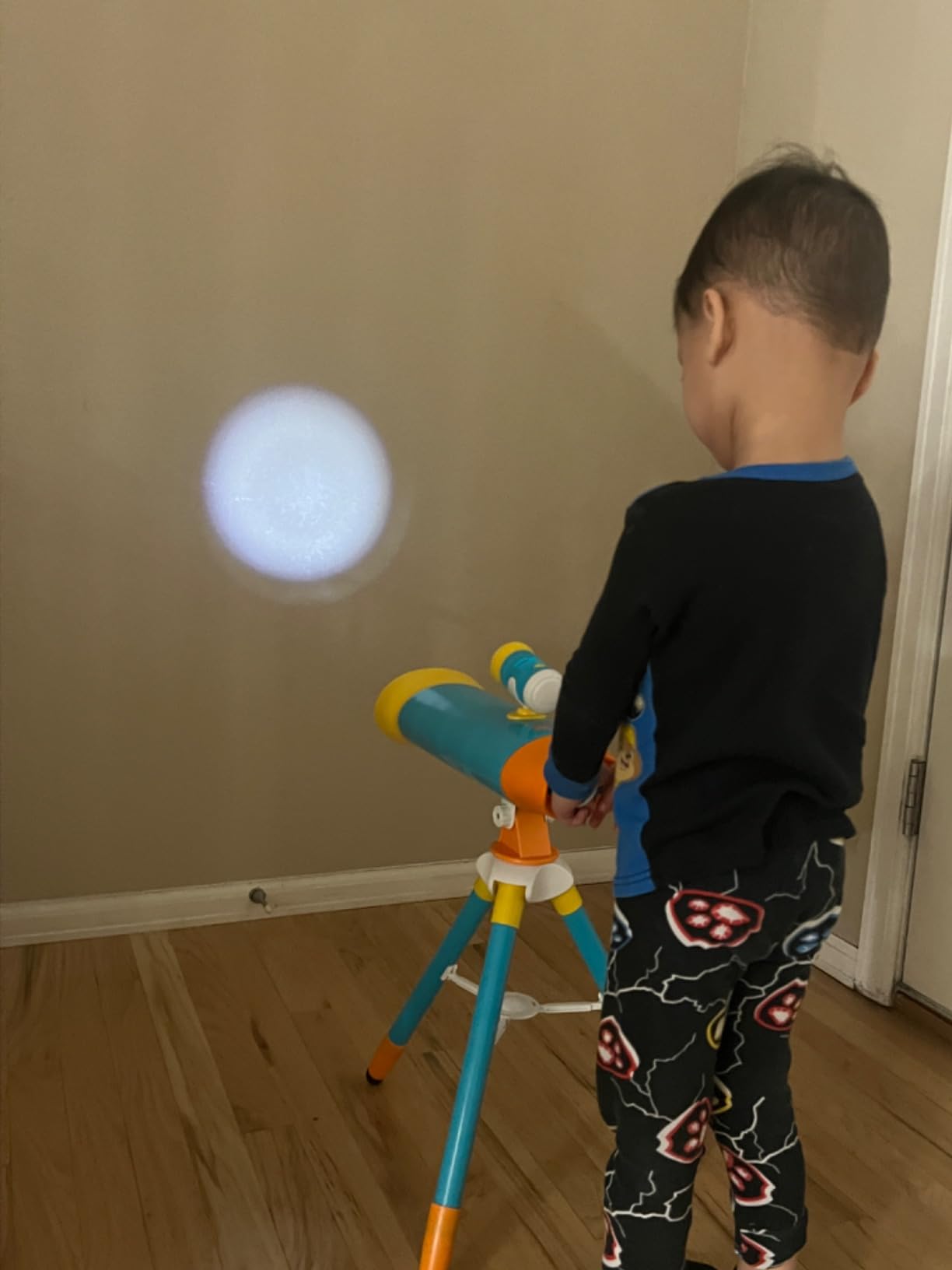
The soft flexible eyepiece shaped for two eyes is the detail that matters. It removes the eye-hurting squint of a single-eyepiece scope, and it lets a parent and child look at the same time, which is a much better shared activity.
What your child can realistically see: a real but faint view of the Moon in daylight or twilight at 2x, and 24 projected space images on a wall. Nothing else in this guide offers that indoor option, and nothing else is this easy to introduce at age 8.
How it fits in an age 8 to 12 routine
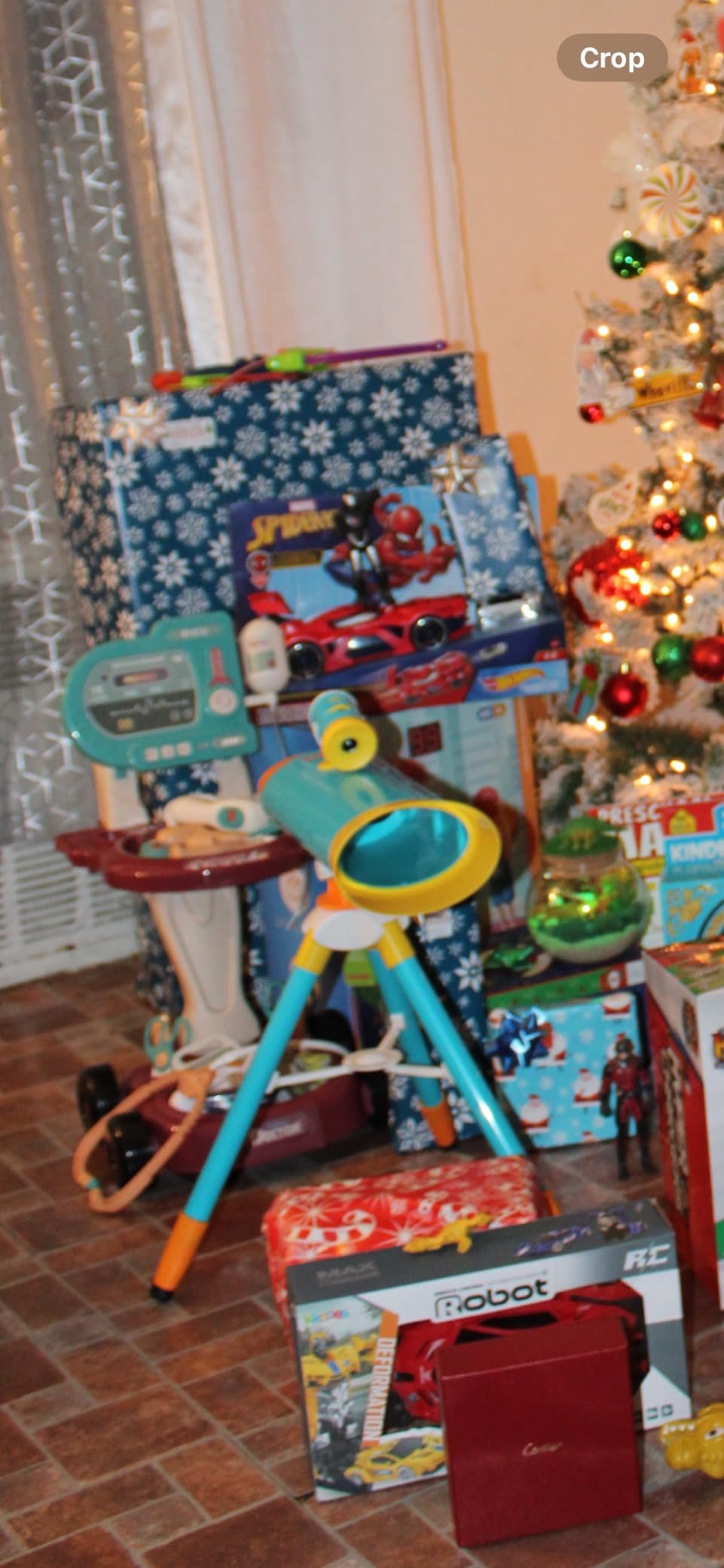
At 1.4 pounds with a foldable tripod, it moves between rooms and travels without ceremony. Many families use it to introduce the idea of the Moon and planets indoors, then switch to a real scope outdoors once the child is asking specific questions about what they saw.
Reviews note breakage after a few months of rough handling, so it is better treated as a reusable STEM toy than as equipment. The 3 to 12 age range on the box matches the middle years of our band almost exactly.
When to move on to a real telescope
The signal is a child asking why the Moon looks different every night. The projector gives a constant image and cannot answer that, so at that point a 70mm refractor becomes far more interesting than another indoor toy.
Until then, treating this as a complete astronomy experience is a reasonable use of it. The dark-room limitation is real, though, so close the curtains before switching the projector on or the images wash out.
7. EACONN 80mm Refractor: Best Brighter Optics for Ages 10 to 12
Telescopes for Adults Astronomy, 80mm Aperture 600mm Refractor Telescope for Kids & Beginners, Compact and Portable Travel Telescopio with Backpack
80mm multi-coated aperture
600mm focal length
840 grams
Backpack included
Pros
- True 80mm aperture gathers enough light for craters
- Saturn's rings and Jupiter's moons
- Scaled altitude and azimuth gimbal makes pointing easier
- K20mm and K9mm eyepieces plus a 5x24 crosshair finder
- Owners report children operate it with minimal guidance
Cons
- Tripod is short enough that adults may need to stoop
- Altitude adjustment stick is stiff and the finder needs calibrating
- Manual directions are vague for first-time users
Moving from 70mm to 80mm is a small step on paper and a visible step at the eyepiece, and for a 10 or 11 year old who is already spending real time observing, that extra light is worth having. Owner reviews mention gift purchases for children aged 8 to 12 who view the Moon and Jupiter successfully with little help.
What it has over the 70mm options is the mount. A scaled altitude and azimuth gimbal gives finer control than a plain altazimuth head, so a child can make small corrections without overshooting, and at 840 grams the whole package is light for its aperture.
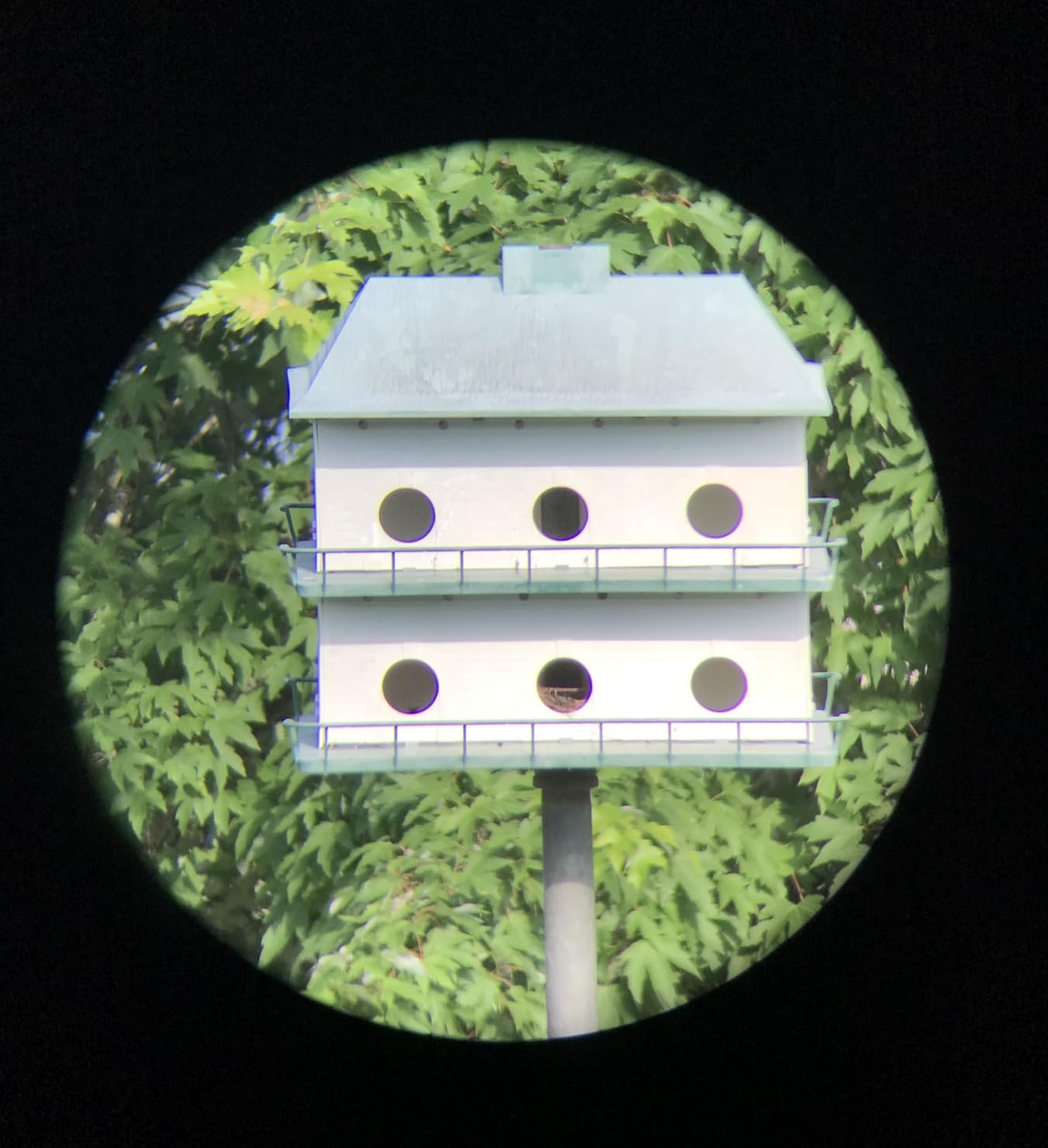
What your child can realistically see: a bright, contrasty Moon with good crater detail, Jupiter with its moons, and on a steady night the first glimpse of Saturn’s rings. Faint clusters and the brighter nebulae in the northern sky become reachable.
The phone adapter fits both eyepieces, and the backpack holds the whole kit, which makes this a good travel scope despite the shorter tripod height noted below.

Why aperture beats magnification at this level
Two telescopes with identical advertised magnification can look completely different, because magnification only enlarges the image while aperture determines how much light is there to enlarge. A dim, fuzzy view at high power stays dim and fuzzy no matter how the box is labelled.
Owners of this scope consistently describe it as better than expected for its price, and the 80mm multi-coated glass is the reason. It is the cheapest way in this roundup to buy real light-gathering rather than a bigger number.
Where the tripod height causes friction
The most common complaint is aimed at adults, not children. The tripod is short, so a parent has to stoop or stand the scope on a surface, and that gets old quickly during a long session.
For a family where the child is the primary user this barely matters, and it is one reason to compare this with the Celticbird 80mm, whose tripod extends to a full-height position for adults. The other minor issue is the stiff altitude stick, which needs a few sessions before a child can manage it smoothly.
8. ECOOPRO 70mm Refractor: Best for Fast Assembly and Daytime Use
Telescope for Kids & Adults, 70mm Aperture 360mm Refractor (15X-150X)
70mm coated aperture
360mm focal length
1.4 kg
Tool-free assembly
Pros
- 70mm fully multi-coated aperture gives bright lunar crater detail
- K25mm and K10mm Kellner eyepieces
- Quick-release no-tools design goes from box to observing in under a minute
- Works for night sky and daytime bird and landscape watching
Cons
- Tripod is under two feet tall so a table is needed
- Mount lock knob does not hold position and the tube flops forward
- Mount and fittings are cheap plastic
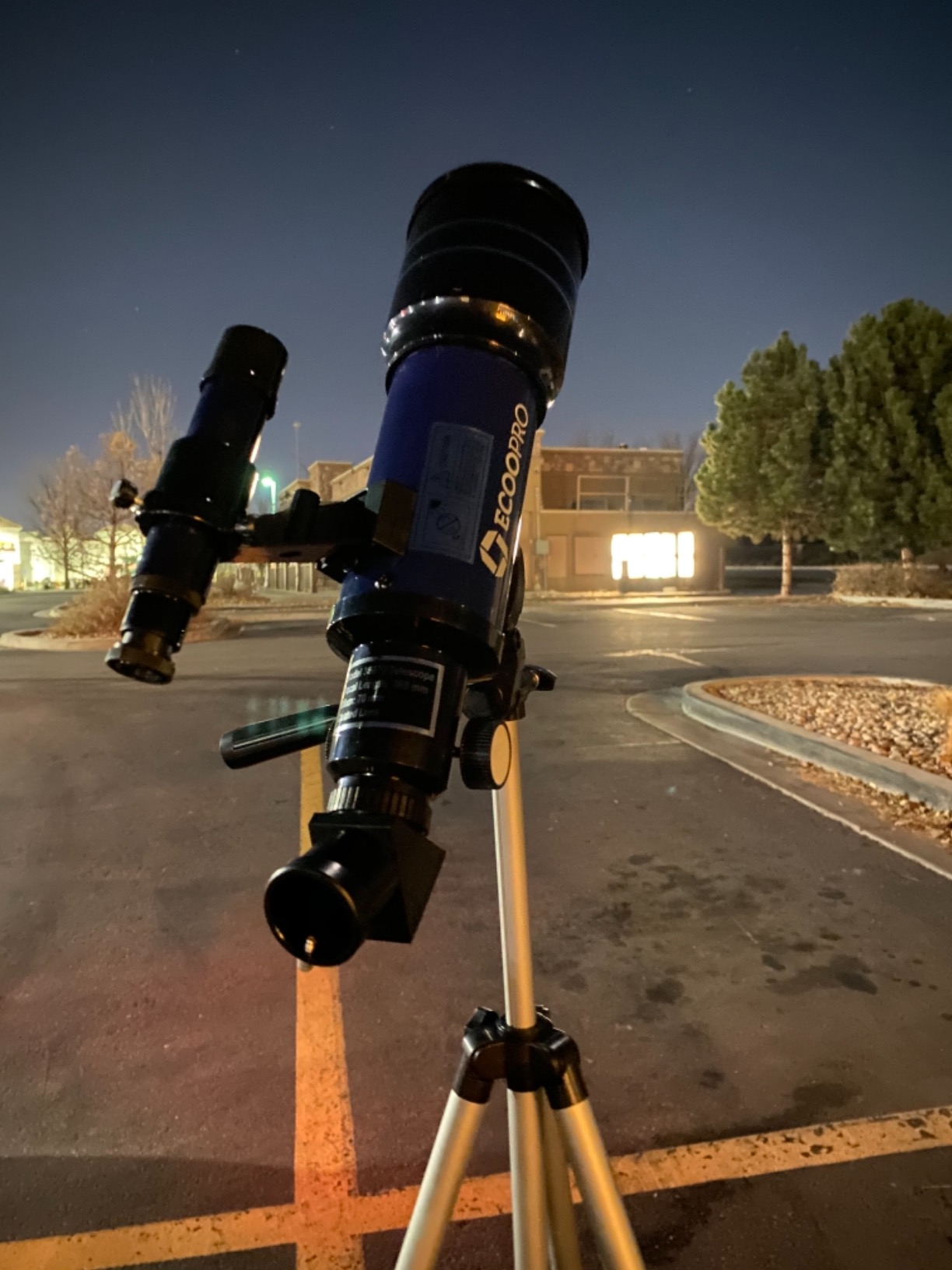
The defining feature here is speed. A quick-release design moves from box to observing in under a minute with no tools, which is exactly what an 8 or 9 year old needs on a cold evening when enthusiasm fades fast. The reviews describe it as repeatedly bought as a first telescope for children in this age range.
It is also genuinely dual-purpose. Owners use the same scope for birds and landscape watching in daylight and for the Moon and planets at night, which doubles the number of times a child will pick it up.
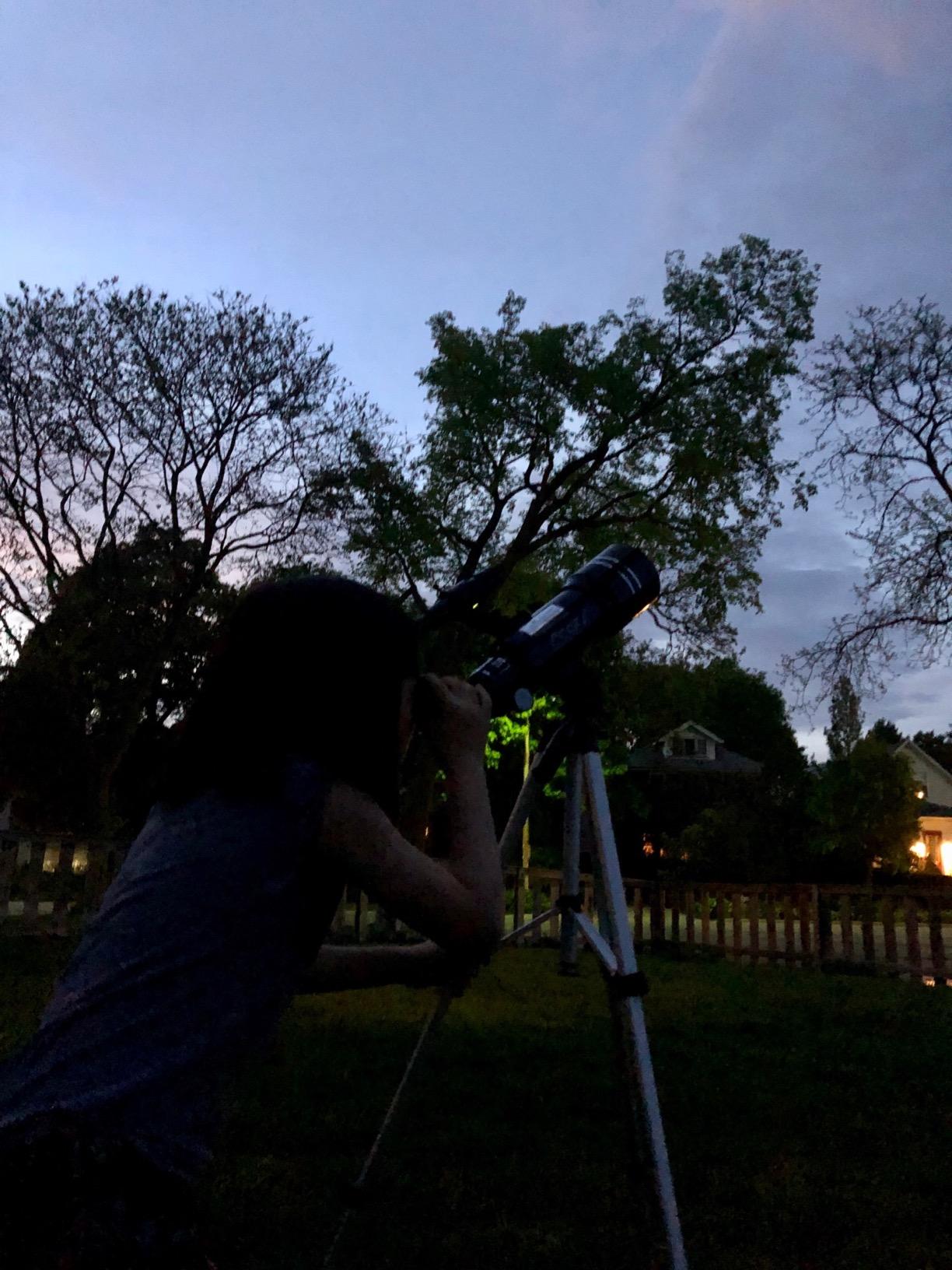
At 70mm fully multi-coated with Kellner eyepieces, the lunar view is detailed and the image is bright enough for a young observer. The K25mm gives a wide, forgiving field for beginners, which is a better first eyepiece than a narrow one.
What your child can realistically see: a detailed Moon, Jupiter with its four moons, Venus and Mars as bright points, double stars, and a range of terrestrial wildlife in daylight. A wide field also makes constellation spotting easier than on the narrower scopes.
What your child can realistically see versus the long eyepieces
Starting with the 25mm eyepiece is the right move for a new observer, because a wide field turns the first evening from a search into a success. Once the child can centre the Moon and find it again after a bump, the 10mm eyepiece opens up crater detail.
That two-step progression is the most useful thing a parent can teach in the first hour, and it works with any of the 70mm scopes here. Wide field to find, narrow field to examine.
Where the hardware will let a child down
Reviews are blunt about the mount lock knob not holding position, letting the tube flop forward, and about the plastic fittings breaking if the scope is knocked. The tripod is also under two feet, so a table is needed for comfortable viewing.
None of this ruins the scope, but it does mean a parent should check the lock and the height before handing it over. Handled carefully by an adult once, it works well for years; left to tumble, the cheap fittings are what give out.
9. Celestron StarSense LT 114AZ: Best App-Guided Telescope for Deep Sky
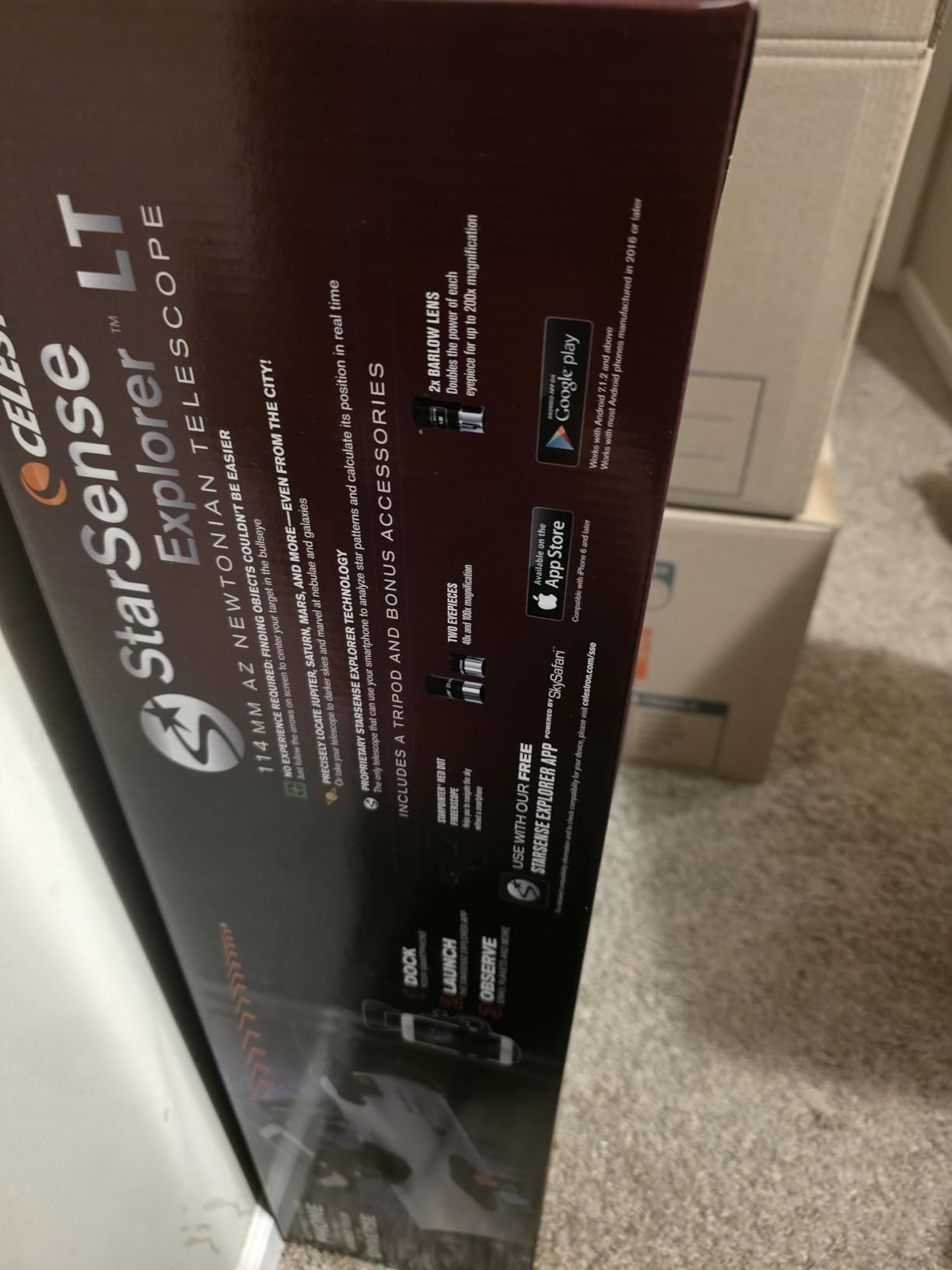
Celestron StarSense Explorer LT 114AZ Newtonian Smartphone Guided Telescope
114mm reflector aperture
1000mm focal length
10.4 pounds
StarSense app navigation
Pros
- App uses sky recognition to point the telescope at targets automatically
- 114mm reflector shows the Orion Nebula and Andromeda Galaxy
- App generates a nightly list of visible objects for your location
- Preassembled mount and tripod keep setup minimal
- 25mm and 10mm eyepieces plus a 2x Barlow
Cons
- Heaviest and bulkiest in this roundup at 10.4 pounds
- Reflector may need manual collimation for sharp images
- Guided pointing requires a compatible smartphone
This is the step-up telescope, and the reason is aperture. At 114mm, roughly five times the light-gathering of the 50mm scopes in this list, it reaches the deep-sky objects that smaller refractors cannot show at all. Owners single out the Orion Nebula and the Andromeda Galaxy as targets that appear in the right conditions.
The second argument for it is the StarSense app. It recognises the sky through the telescope and works out where it is pointing, then guides the tube to a target. For a child, that removes the single hardest part of astronomy, which is finding something in the first place.
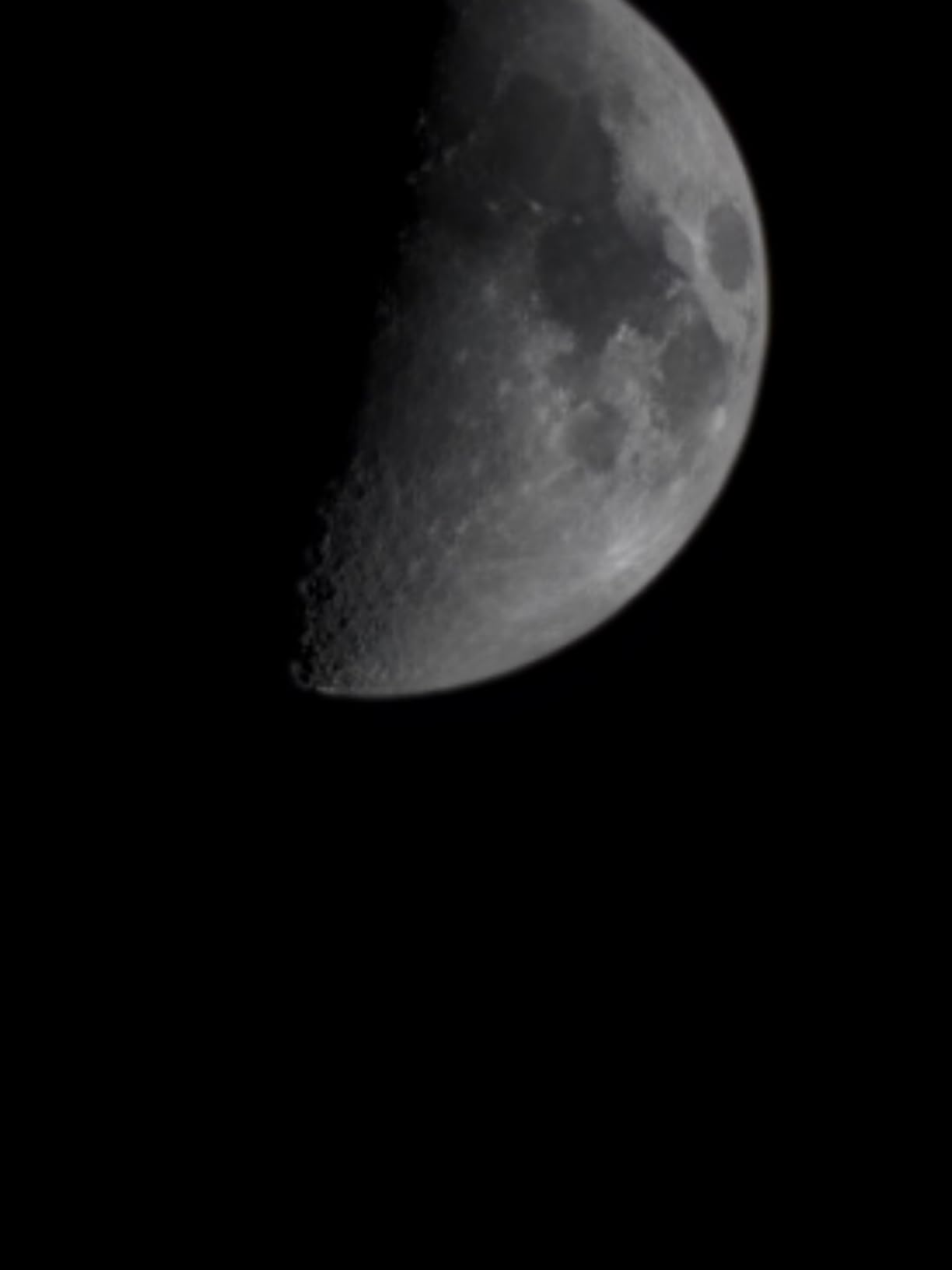
What your child can realistically see: the Moon in good detail, Jupiter, Saturn’s rings, and a genuine first view of a nebula or galaxy. The app also produces a nightly list of the best visible objects for the time and location, which turns an evening into a plan rather than a hunt.
Because it is a Newtonian reflector, the mirrors sit at the front of the tube and can fog or come out of alignment. Collimation is occasionally needed, and that is a two-adult job rather than a child job.
Why 114mm changes the list of visible targets
Aperture sets the limit of what is worth looking at. Below about 70mm, a child’s realistic list is the Moon, the bright planets and a few clusters. At 114mm, emission nebulae and galaxies enter the list, and those are the objects that turn a casual interest into a hobby.
It also helps at the Moon and planets, because more light means a shorter exposure to the eye and a steadier image in poor seeing. The 1000mm focal length gives good magnification on planets without an enormous tube.
Who should not buy this at age 8
At 10.4 pounds this is the heaviest item in the roundup, and a child who cannot carry and set it up alone will need an adult every time. The bulk is the real issue, not the weight alone, because a tube this size does not fit in a small car boot with a family.
It also needs a compatible smartphone for the guided pointing that justifies the premium, and a reflector mirror can fog on a humid night. For an 11 or 12 year old who is already asking for fainter targets, those are manageable. For an 8 year old, they are not.
10. Celticbird 80mm Refractor: Best With a Moon Filter in the Box
Celticbird Telescope for Adults High Powered, 80mm Aperture 600mm AZ Mount Refractor Telescope for Kids Beginners – Portable Telescopes for Adults Astronomy with Backpack, Phone Adapter, Moon Filter
80mm coated aperture
600mm focal length
5.8 pounds
Adjustable tripod for kids and adults
Pros
- 80mm aperture with 600mm focal length and multi-coated optics
- Included Moon filter increases contrast on craters and the terminator
- Tripod adjusts so both kids and adults can view comfortably
- Backpack with phone adapter and tool-free assembly
Cons
- Manual altazimuth mount still needs practice to point and hold a target
- Younger children may need help swapping eyepieces and adjusting the tripod
The Moon filter is the detail that sets this one apart in a kids telescope roundup. A filter that clips over the eyepiece reduces brightness and raises contrast, which turns a washed-out full Moon into an image where craters along the terminator actually stand out. Most scopes in this list require a filter bought separately.
It is also the one 80mm scope here that grows with the child. The tripod adjusts across a wide height range, so a 9 year old can use it and a full-height adult can join in on the same setup without a second instrument.
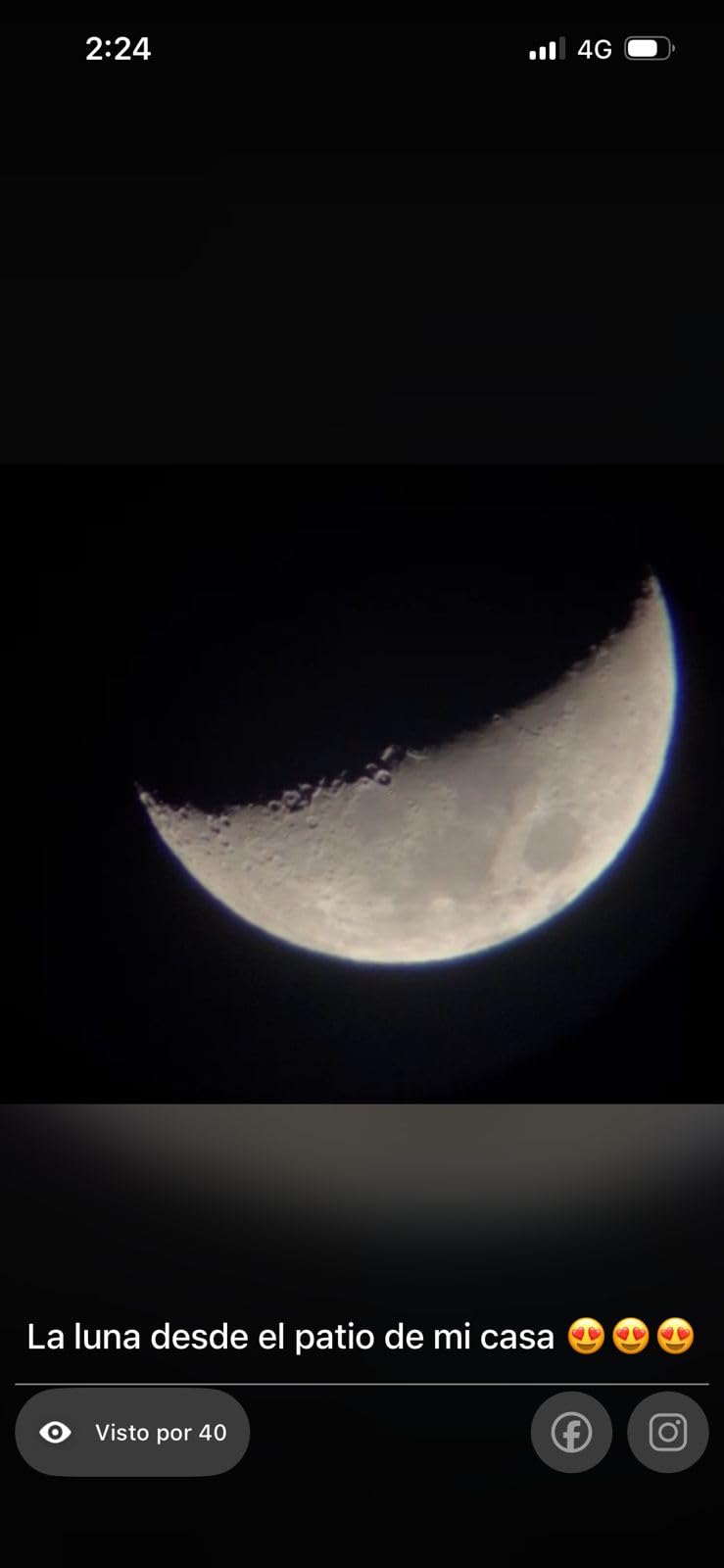
What your child can realistically see: a high-contrast Moon with clear crater relief near the terminator, Jupiter and its moons, Venus and Mars, and on a steady night the rings of Saturn. The 20mm and 9mm Kellner eyepieces at 30x and 66x cover the useful range for a young observer.
Owner feedback centres on exactly that combination, a large aperture, a filter in the box and a tripod tall enough for adults. It is the least-reviewed product here, so treat the pattern as emerging rather than settled.
Why a Moon filter matters more than extra eyepieces
At high magnification the full Moon is genuinely too bright for a young eye, and children often describe the result as a fuzzy white disc. A filter solves that by cutting the light before it reaches the eye, which lets a child use higher magnification without squinting or seeing a smeared image.
This is the practical version of the magnification myth. The same 80mm with and without a filter looks like two different instruments to a 10 year old, and the difference is not power, it is how much usable light arrives.
Where the height adjustment helps and where it does not
The wide tripod range is the clear strength. A parent can stand next to a child at the same eyepiece, which turns a solo activity into something a family does together, and a taller setup is steadier at high power than the short travel tripods elsewhere in this list.
The trade-off is weight at 5.8 pounds, and reviews note that younger children can struggle with the eyepiece swap and the height adjustment. Set the height once and let the child move the tube, rather than asking them to do both at once.
Which Age Should Get Which Telescope?
Age matters less than maturity, but within the 8 to 12 band the differences are real. Here is the mapping no competitor publishes, based on what each age can physically and patiently do with the instrument in front of them.
Age 8: the deciding factor is enthusiasm, not optics. The NASA Lunar telescope suits a child who wants to look at the Moon from a patio and needs a reason to stay outside. Pair it with the Little Experimenter projector on wet weekends. At 8, an adult is within reach for the first few months regardless of which scope you choose.
Age 9 to 10: this is the core of the band and the sweet spot. The Gskyer 70mm, the Koolpte 70mm and the ECOOPRO 70mm all sit here, and any of them will hold a child’s attention for years. Choose the Gskyer for the largest accessory bundle and the shortest tube, the Koolpte for a carrying case and a longer focal length, or the ECOOPRO for a one-minute setup and daytime use.
Age 11 to 12: children at the top of the band start asking for fainter objects, and that is the signal to buy aperture. The 80mm scopes, the EACONN and the Celticbird, are the sensible step up, and the Celticbird’s Moon filter makes the extra light easier for a young eye to use. If the child already wants to see nebulae, the StarSense LT 114AZ is the destination scope.
Maturity still trumps birthdays. A cautious 12 year old who wants a parent beside them is better served by a 70mm refractor than a 114mm reflector they cannot move, while a confident 9 year old who has already read about Orion deserves the bigger aperture.
If the child has not yet had a telescope at all, our guide to the best telescopes for kids covers the wider age range from first steps onward.
How to Choose a Telescope for Kids Ages 8 to 12
Aperture is the one specification that decides whether a child gets a clear image or a disappointing one. It is the diameter of the lens or the main mirror, written in millimetres, and it determines how much light the telescope collects. Everything else on the box is secondary to it.
Aperture beats magnification. Magnification simply enlarges what the scope shows, and it magnifies vibration, wobble and faintness along with it. The “600x” advertised on department-store scopes is usually reached with a cheap eyepiece that produces a dim, shaking, unreadable image. A 70mm scope at a realistic 50x will always look better than a 60mm toy at 600x, and the child will know it immediately.
A practical rule for this age band: 50mm for a child who only wants the Moon, 70 to 80mm for a child who wants planets and brighter clusters, and 110mm or more for a child who wants to see nebulae and galaxies. Below 50mm, the image is rarely sharp enough to hold attention.
Mount type decides whether the image is usable. An altazimuth mount has two handles, one for left and right and one for up and down, and it is the correct choice for a child because pointing requires no new vocabulary. The British Astronomical Association’s guidance to beginners is worth reading in full, but the short version is that German equatorial mounts, which align to the night sky, are not a child’s first telescope. They are fiddly to assemble, need counterweights, and have slow-motion controls that are easy to knock.
The same physics explains the most common complaint in family forums, a wobbly mount. Telescopes magnify vibration as surely as they magnify light, so any touch to the tube or table arrives at the eyepiece amplified. That is why a stable, simple tripod matters more to a child than any feature on the box, and why the tabletop reflectors enthusiasts recommend work so well despite being small.
Optical type is a secondary decision. Refractors use a lens, are sealed, need no maintenance and give a bright, high-contrast view of the Moon and planets. They are the easiest type for a child and make up most of this roundup. Reflectors use a curved mirror, gather far more light per millimetre of aperture and open up deep-sky objects, but they need occasional collimation and can fog. Catadioptric designs are compact and good value, though they sit at the top of the price range.
For most families starting out, a coated refractor between 70 and 80mm is the sweet spot. Our guides to the best reflector telescopes and the best travel telescopes go deeper on those two branches if a child has a specific need.
GoTo or app-guided pointing. A GoTo mount has a database of objects and motors that swing to them; a StarSense-style app instead uses the phone camera to work out where the tube is pointing and guide the user. Both remove the hardest part for a beginner, which is finding anything. A 114mm reflector with app guidance can hold a child’s attention far longer than a bigger manual scope, because it produces results on demand.
The trade-off is cost and dependency. GoTo adds weight, price and a device requirement, and a child without a compatible phone gets a more expensive manual telescope. If the child does not have a smartphone, weigh the extra spend carefully.
Weight and portability. A telescope a child cannot move from the house will not be used after the first week. Anything under about 5 pounds is comfortable for an 8 or 9 year old to carry solo. Above 10 pounds, as with the StarSense LT 114AZ, assume an adult handles setup and transport.
Eyepieces matter more than buyers expect. Two eyepieces of different focal lengths let a child start wide and then zoom, which is the natural way to learn. A single 4mm eyepiece advertised as a feature is a warning sign, not a bonus. Later, one or two Kellner or Plossl eyepieces in short focal lengths are the most useful upgrade a family can make.
Brand and support. Recognisable names with real after-sales service are worth paying for, because optical tubes arrive with collimation that drifts and focusers that need adjusting. A parent with a 12 year old deliberately sought advice from a specialist astronomy retailer over a general marketplace, and that instinct is sound. Our general roundup of the best telescopes is a useful next step once the child is ready to move past a starter instrument.
Your First Night Out: A Setup Checklist
The single biggest cause of a disappointing first night is not the telescope, it is the setup. Forty-five minutes of careful preparation in daylight means the actual observing session is short and successful.
1. Set up in daylight, not in the dark. Assemble the tripod on a level surface, extend the legs fully, and attach the tube and finder before the sun goes down. Fighting a tripod spread over grass in the dark is the most common reason a first session ends early.
2. Let the glass acclimatise. A telescope brought from a warm house into cold air can fog as dew forms on the lens or mirror. Leave it outside for 20 minutes before expecting a clear image, and resist the urge to wipe a fogged lens, which can scratch coatings.
3. Align the finder first. This step is skipped constantly and it is why so many parents write in that they see nothing. Point the main tube at a distant object, then adjust the finder until the same object sits in the middle of its crosshairs. Everything after this is faster.
4. Start with the lowest power. The longest eyepiece gives the widest field and the easiest target to find. Centre the Moon first, then swap to the shorter eyepiece. A child who starts at high power sees nothing and concludes the telescope is faulty.
5. Look at the Moon, not the stars. The full or half Moon is the brightest, largest target and the most rewarding first sight. Tell the child to look along the terminator, where the line between day and night runs, because craters cast shadows there and look like they do in photographs.
6. Keep hands off the tube. Every touch on an altazimuth telescope shifts it, and a child should learn early to move the mount rather than push the tube. Show them once, and they will remember it.
What to Avoid in a Kids Telescope
The disappointment trap is the most common failure in this category, and it is entirely avoidable. Forum threads are full of parents who assembled a cheap high-magnification scope, followed the instructions correctly, saw nothing, and concluded they had bought a toy.
Any scope advertising 500x, 600x or 1000x. Those numbers come from a cheap eyepiece, not from good optics. Real-world useful magnification on a 70mm refractor is roughly 30x to 100x, and pushing past that produces a dim, soft image. Ignore the magnification entirely and read the aperture.
German equatorial mounts in a beginner package. They need polar alignment, counterweights and slow-motion controls, and assembly usually takes an adult an hour or more. Enthusiasts consistently flag equatorial-mounted packages as a mistake for children. An altazimuth mount is simpler and the right call at this age.
Wobbly lightweight tripods. A mount that shakes when the table moves or the wind picks up will frustrate a child every session. Reviews across this roundup mention wobble and flopping tubes more than any optical fault. Check the tripod before the tube, and tighten everything while a parent is holding it.
Tiny plastic parts and short screws. Small fittings strip, crack and disappear with normal child handling. This is the most common long-term complaint about budget tripods, and it is a genuine reason to move up a tier rather than replace screws.
Red-dot plastic finders with no actual sighting function. A finder should show you the sky in the same orientation as the main eyepiece. If a child cannot line up an object through it and then find that object in the main tube, the finder is decoration.
Anything with no stated aperture. If the listing does not give a lens or mirror diameter in millimetres, there is no way to judge it. A tube described only by magnification is a toy.
Unknown sellers with no brand behind the warranty. A recognised name with a written warranty is a real difference when something arrives with a bent tripod leg or a fogged, miscollimated mirror. A parent with an older child chose specialist advice over a general marketplace for exactly this reason.
Solar Safety for Kids Telescopes
Never point this telescope, or any telescope, at the Sun without a certified solar filter fitted over the front aperture. Unfiltered sunlight through a telescope can cause permanent eye damage in a child in a fraction of a second, and the risk is greater for a young eye than an adult one.
Even looking at the partial phases of a solar eclipse without proper certified equipment is unsafe. A front-mounted solar filter is the only acceptable method, and it must be attached before the tube is aimed anywhere near the Sun. The Moon is always safe to view, which makes daytime Moon and planet watching the sensible way for a child to use one of these scopes.
Frequently Asked Questions
What is the best telescope to buy for a 10 year old?
A 70mm fully coated refractor on an altazimuth mount is the safest choice for a 10 year old, and the Gskyer 70mm AZ is our top pick in that group. It shows a detailed Moon, Jupiter with its four moons, Venus and Mars, and bright clusters, and it includes a carry bag so a child can move it to the garden themselves. Avoid anything advertising 500x or more, and avoid German equatorial mounts. For a 10 year old who already wants fainter targets, move up to an 80mm aperture or a 114mm app-guided reflector.
Can you see planets with a kids telescope?
Yes, the bright planets are the easiest thing a kids telescope shows. Jupiter’s four moons are visible on any decent night through a 70mm refractor, Venus and Mars appear as bright points, and Saturn’s rings need around 80mm of aperture plus steady air. What a kids telescope will not show is surface detail on Mars, which remains beyond almost every scope at this level. Planets are the best target after the Moon because they move night to night.
What is a good entry-level telescope for kids?
A 50mm to 70mm refractor on a simple altazimuth mount is a good entry level for a child. The Celestron PowerSeeker 50AZ covers the Moon and Jupiter at the lower end, while 70mm models such as the Gskyer or Koolpte add a noticeably brighter image and access to brighter clusters. The important part is not the price band but the mount, which must be stable, and the aperture, which sets what can be resolved.
At what age can a child use a telescope?
Most children can start at around 8 with a simple telescope, provided an adult stays nearby for the first few months. Maturity matters more than the birthday number, because pointing, focusing and centring all need patience. At 8, treat it as a shared activity. By 10 or 11 a child can usually set up and observe independently, and at 12 it is worth moving up to a larger aperture or an app-guided scope.
Are smart telescopes good for kids?
App-guided telescopes are the most useful upgrade for a child who loses interest in hunting for targets, because a phone app identifies the sky and guides the tube to a named object. The Celestron StarSense LT 114AZ is the example in this roundup, and it pairs that with a 114mm reflector that reaches nebulae and galaxies. The trade-off is weight, at 10.4 pounds, and a requirement for a compatible smartphone.
The Best Telescope for Ages 8 to 12: Final Verdict
For most families buying a first real telescope for a child in the 8 to 12 band, the Gskyer 70mm AZ refractor is the pick. It has the aperture that matters, the shortest tube a child can carry, and the accessory bundle that means nothing else needs buying before the first clear night.
Buy the Celestron Travel Scope 70 instead if storage and portability decide the matter, the Koolpte 70mm if you want a carrying case and a longer tube, or the Celticbird 80mm if a Moon filter and a tripod an adult can share will be used most. Save the Celestron StarSense LT 114AZ for an 11 or 12 year old who has already learned to look up.
Whatever you choose, set expectations honestly. The best telescopes for kids are the ones that show a clear, steady image of the Moon on the first evening, because that is the moment the hobby starts. Check the mount, skip the magnification number, and spend your first session in daylight. For other age bands, our picks for the best gifts for kids aged 8 to 12 cover similar ground in a different category.